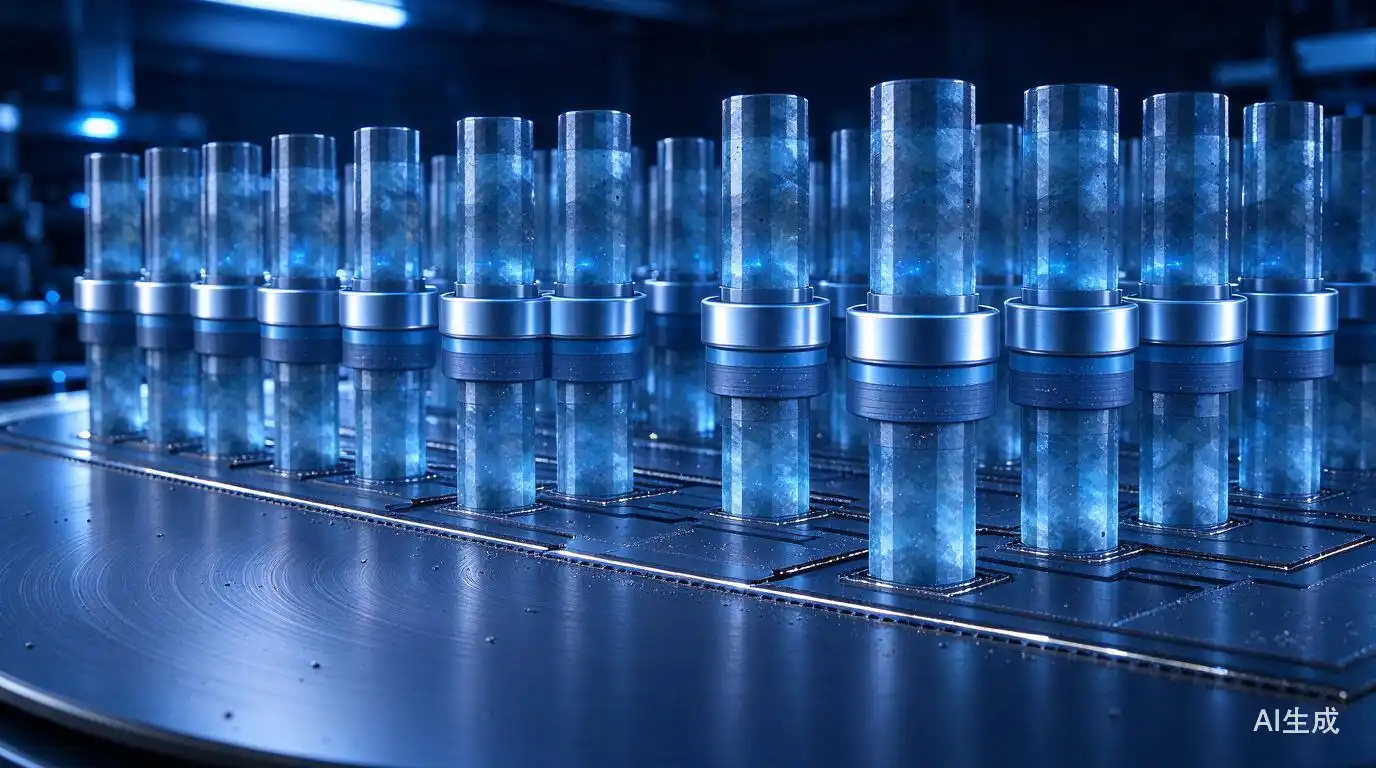
Shenzhen Chip 'Little Giant' Restarts IPO, with Lei Jun, Huawei, and BOE Holding Shares

marsbit2026-09-15 tarihinde yayınlandı2026-09-15 tarihinde güncellendi

Özet

"Cloud Valley Technology, a Shenzhen-based 'little giant' specializing in AMOLED display driver chip design, has restarted its process for an A-share IPO by filing for listing tutoring with the Shenzhen Securities Regulatory Bureau on September 10th, with GF Securities as the tutoring institution. Established in May 2012 and listed on the Hong Kong Stock Exchange in May 2025, the company is a leader in its field. According to its prospectus, founder Gu Jing serves as Chairman and CEO. Major investors include Xiaomi's Yangtze River Fund and Tianjin Jinmi (controlled by Lei Jun), Huawei's Hubble Technology, BOE Technology, and Qualcomm China. Despite continuous revenue growth from 5.51 billion yuan in 2022 to 11.06 billion yuan in 2025, Cloud Valley has yet to achieve profitability, reporting net losses in the same period. R&D expenses have remained substantial, reaching 2.66 billion yuan in 2025. The company specializes in two product lines: AMOLED display driver chips primarily for smartphones, and Micro-OLED display backplanes/drivers for AR/VR devices. Frost & Sullivan data positions the company as the world's fifth-largest and China's largest supplier of AMOLED display driver chips by 2024 sales volume. It also holds a significant 40.7% market share in the global Micro-OLED display backplane/driver market. Notably, it was the first Chinese mainland company to supply AMOLED driver chips to major consumer electronics brands and has cumulatively sold over ten million chips...

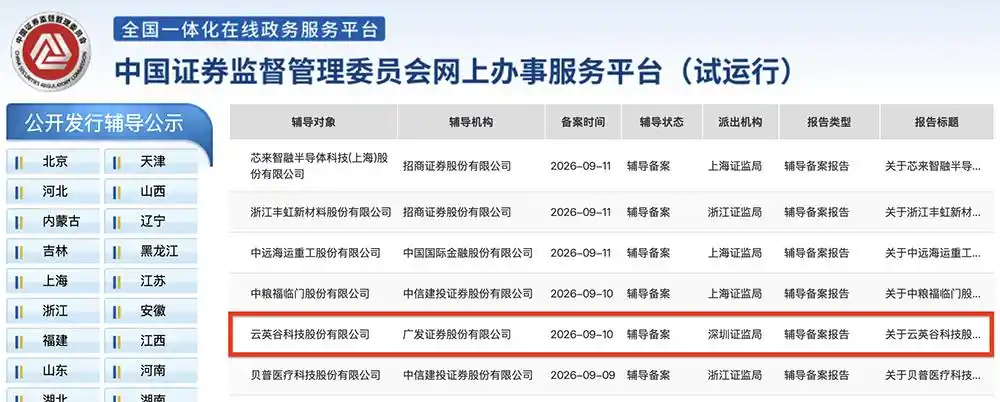
ChipNews reported on September 14, according to the China Securities Regulatory Commission (CSRC) website, on September 10, Shenzhen AMOLED display driver chip design leader Yunyinggu Technology completed the registration for listing tutoring and filing at the Shenzhen Securities Regulatory Bureau, initiating the process for an A-share IPO. The tutoring institution is GF Securities.
Yunyinggu Technology was founded in May 2012 with a registered capital of 436 million yuan. Its legal representative is founder Gu Jing. The controlling shareholders, Shenzhen Yishi No. 1 Enterprise Management Center (Limited Partnership), Shenzhen Yisheng No. 1 Enterprise Management Center (Limited Partnership), and Shenzhen Yisheng No. 2 Enterprise Management Center (Limited Partnership), collectively hold 16.68% of the shares.
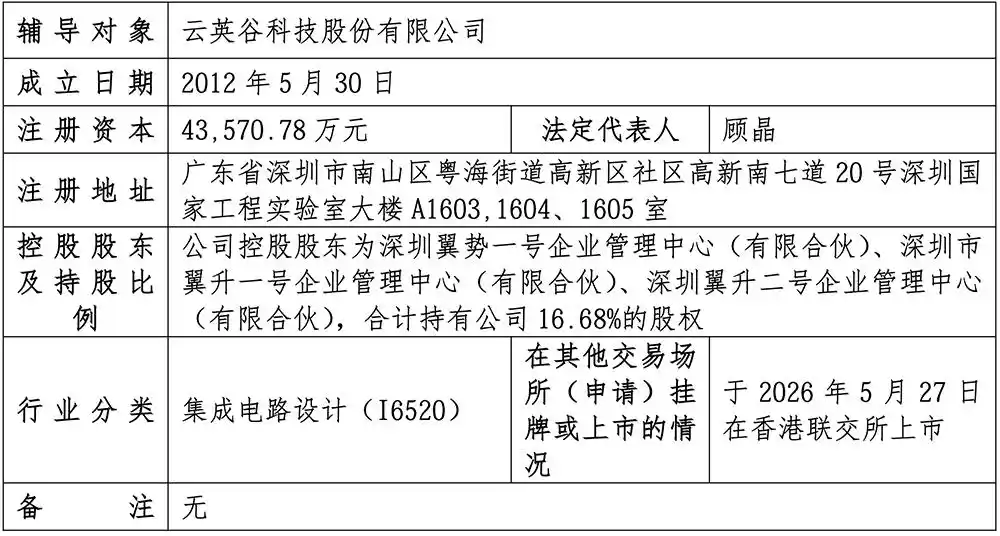
The company was listed on the Hong Kong Stock Exchange on May 27 this year. As of the close of trading yesterday, its total market value was 10.5 billion Hong Kong dollars.

According to the prospectus, Gu Jing earned his bachelor's and master's degrees from Tsinghua University and a Ph.D. from Harvard University in the United States. He serves as the executive director, chairman, general manager, and chief executive officer of Yunyinggu Technology.

Yunyinggu Technology was designated as a "Little Giant" enterprise under the Specialized, Refined, Differential, and Innovative (SRDI) program in 2025. Its investors include Xiaomi Yangtze River Fund and Tianjin Jinmi controlled by Lei Jun, Huawei's Hubble Technology, BOE Technology, Qualcomm China, among others.

In 2022, 2023, 2024, and 2025, Yunyinggu Technology's revenues were 551 million yuan, 720 million yuan, 891 million yuan, and 1.106 billion yuan, respectively. Net losses were 124 million yuan, 232 million yuan, 309 million yuan, and 230 million yuan, respectively. R&D expenses were 188 million yuan, 177 million yuan, 242 million yuan, and 266 million yuan, respectively.
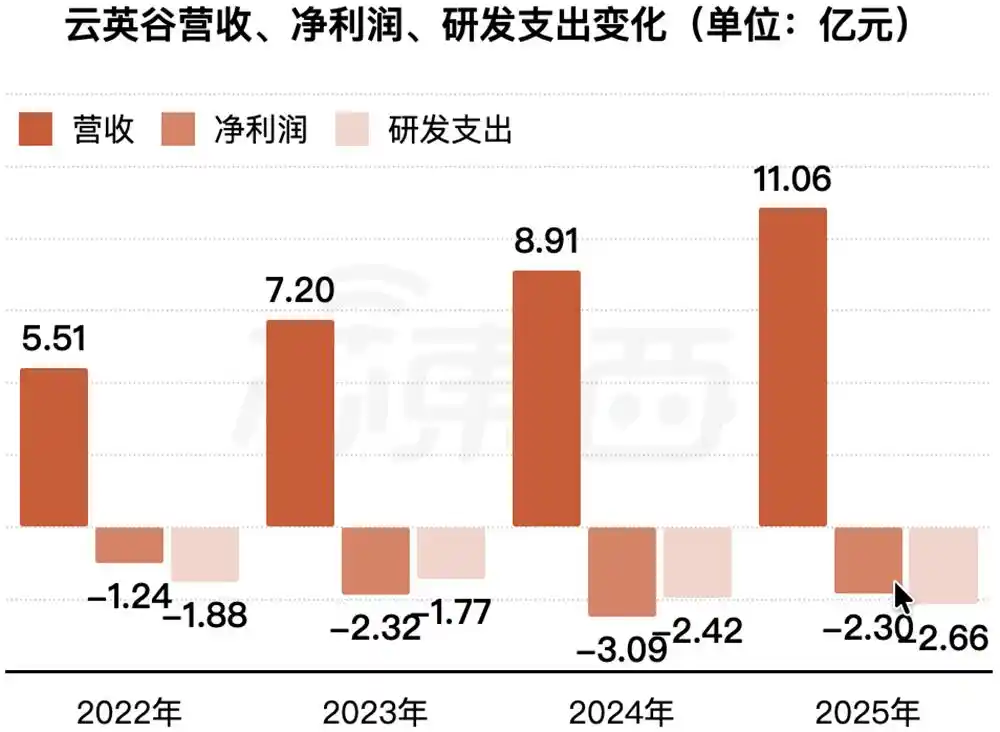
Changes in Yunyinggu Technology's revenue, net profit, and R&D expenditure from 2022 to 2025 (Chart by ChipNews)

Its adjusted net losses for 2023, 2024, and 2025 were 146 million yuan, 224 million yuan, and 217 million yuan, respectively.
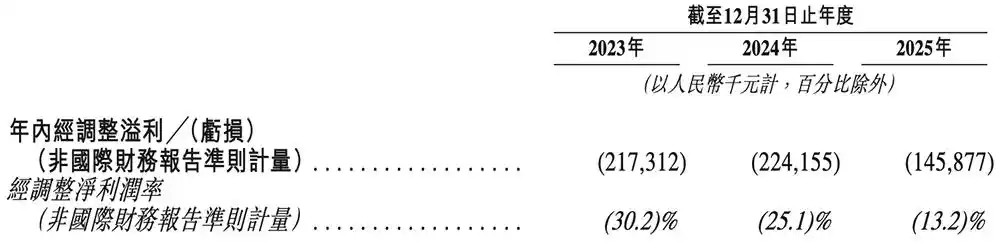
According to the interim results announcement, in the first half of 2026, Yunyinggu Technology's revenue was 318 million yuan, with a net loss of 151 million yuan. It has not yet achieved profitability.

Yunyinggu Technology began focusing on the R&D and design of AMOLED display driver chips in 2017. In 2021, it successfully achieved mass production and began supplying AMOLED display driver chips to one of China's largest AMOLED panel manufacturers, becoming the first company in mainland China to supply AMOLED display driver chips to mainstream consumer electronics brand companies.

The company mainly provides two types of products: (1) AMOLED display driver chips, primarily used in smartphones; and (2) Micro-OLED display backplanes/drivers, primarily used to support AR/VR head-mounted devices.
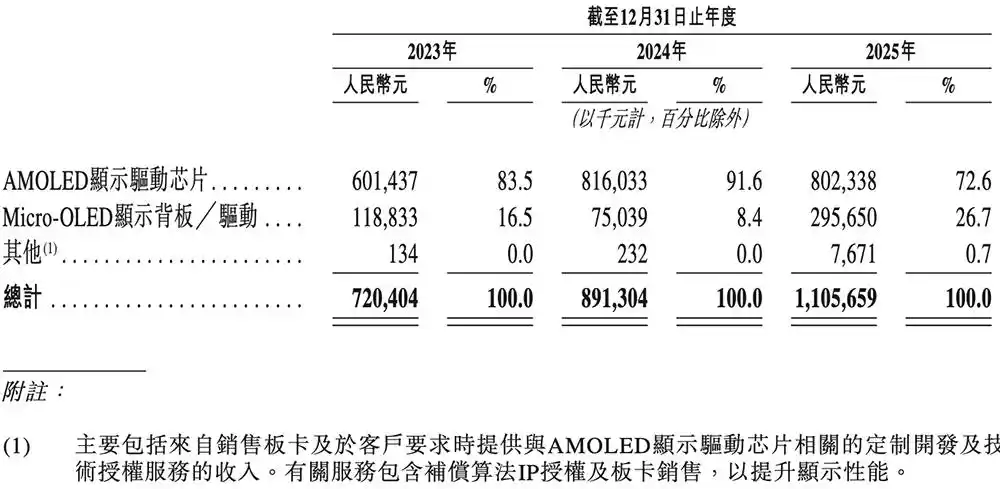
According to data from Frost & Sullivan, Yunyinggu Technology is the first company in mainland China to master the specialized knowledge of advanced technologies required for developing and designing AMOLED display driver chips and Micro-OLED display backplanes/drivers. It is the earliest independent Micro-OLED display backplane/driver manufacturer to apply Micro-OLED technology to consumer-grade VR/AR devices, and also the first company globally to provide Micro-OLED display backplanes/drivers with ultra-high resolution and ultra-high display refresh rates.
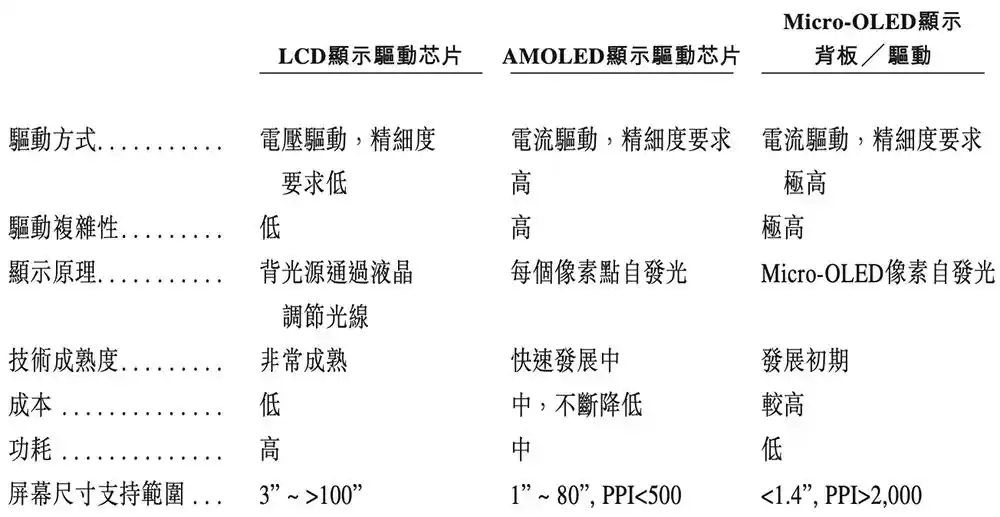
A Frost & Sullivan report shows that based on 2024 sales volume, Yunyinggu Technology is the fifth largest globally and the largest in mainland China among AMOLED display driver chip manufacturers.
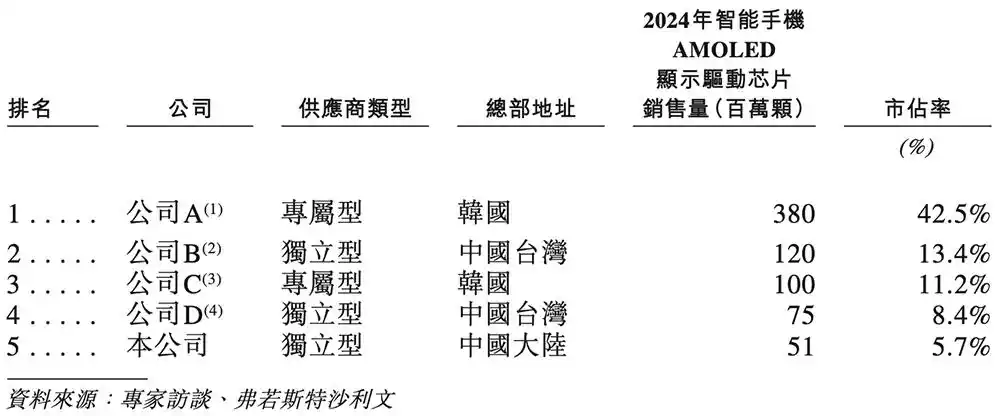
Based on 2024 sales, the company is the fifth largest supplier, the third largest independent supplier in the global smartphone AMOLED display driver chip market, and the largest supplier among those based in mainland China.
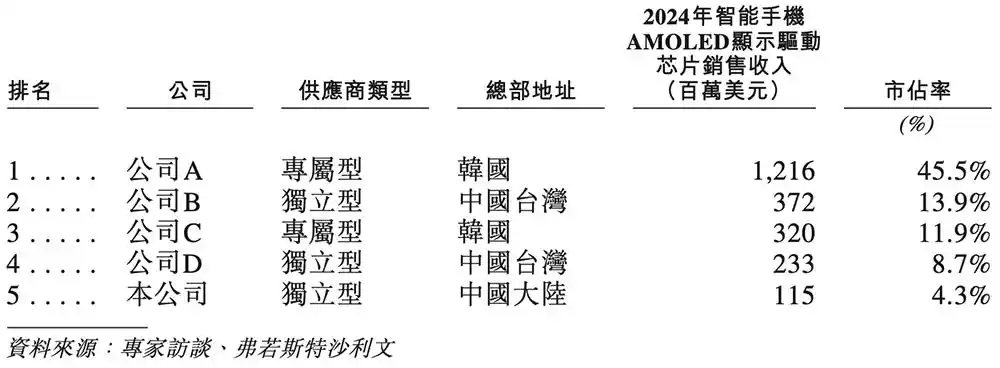
It is also the first company in mainland China to pass brand customer certification and the only one to have cumulatively sold over 10 million units of AMOLED display driver chips to downstream brand customers.

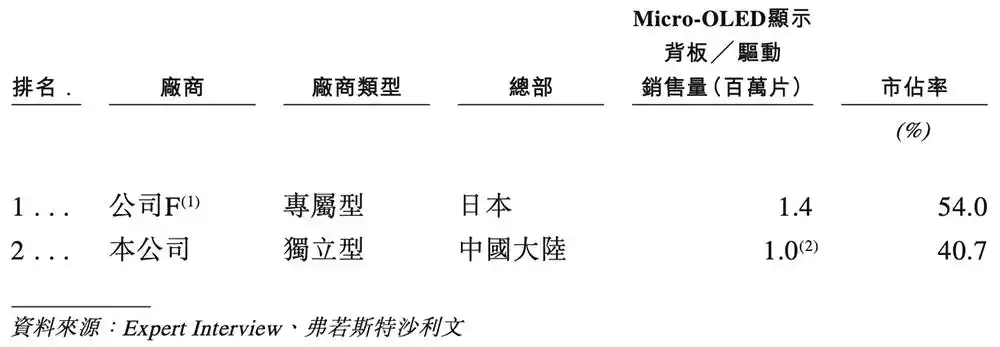
The global Micro-OLED display backplane/driver market is highly concentrated. Based on 2024 sales volume, Yunyinggu Technology ranks second, with a market share of 40.7%.
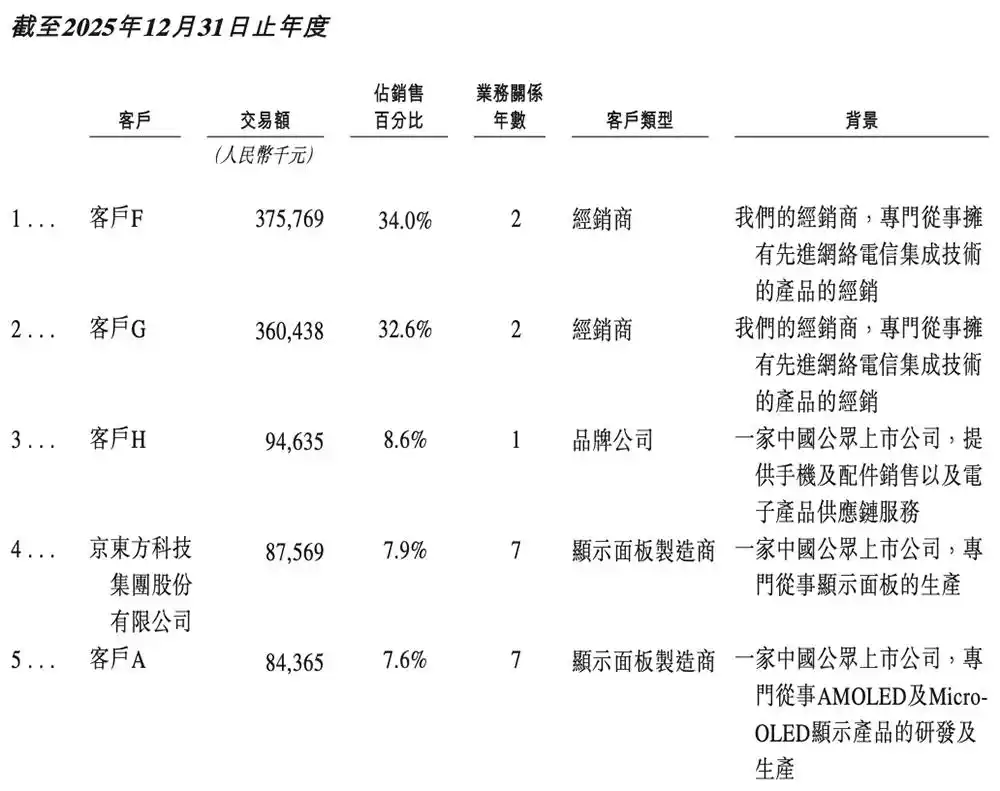
In 2025, global display leader BOE was Yunyinggu Technology's fourth-largest customer, accounting for 7.9% of its total sales.
Yunyinggu Technology had previously initiated an A-share IPO process in January 2023 and submitted an application for listing on the STAR Market in June of the same year but withdrew the application shortly after. Now, just over three months after its Hong Kong listing, the company has restarted the process for a return to an A-share IPO, aiming to leverage both capital markets to broaden fundraising channels and continue securing capital to build its technological moat and mature commercial layout in the display driver field.

This article is from the WeChat public account "ChipNews", author: ZeR0, editor: Moying

Trend Kriptolar

İlgili Sorular

QWhat is the name of the Shenzhen-based 'little giant' AMOLED display driver chip company that has restarted its IPO process?

AThe company is called Yunyinggu Technology, also known as 'Cloud Valley Technology' or Shenzhen Cloud Valley Technology Co., Ltd.

QWho are some of the notable investors in Yunyinggu Technology?

ANotable investors include Lei Jun's Xiaomi Changjiang and Tianjin Jinmi, Huawei's Hubble Technology, BOE Technology, and Qualcomm China.

QWhat are the two main product categories offered by Yunyinggu Technology?

AThe company primarily offers two product categories: (1) AMOLED display driver chips, mainly used in smartphones, and (2) Micro-OLED display backplanes/drivers, mainly used for AR/VR headsets.

QAccording to the article, what were Yunyinggu Technology's revenue and net profit status for the years 2022 to 2025?

AFrom 2022 to 2025, the company's revenue grew from 5.51 billion yuan to 11.06 billion yuan. However, it reported net losses each year, with losses of 1.24 billion, 2.32 billion, 3.09 billion, and 2.30 billion yuan, respectively.

QWhat are the company's claimed market positions in the AMOLED and Micro-OLED sectors?

AIn the AMOLED display driver chip sector, it is the 5th largest and China's largest supplier by 2024 sales volume. In the Micro-OLED display backplane/driver market, it ranks second globally with a 40.7% market share by 2024 sales volume.

İlgili Okumalar

Changxin Stands Transistors Upright: A Path to Catch Up While Bypassing EUV — Will It Shake the Big Three Memory Makers?

ChangXin Memory Technologies (CXMT) announced major progress in DRAM devices, 4F2 architecture, and hybrid bonding, briefly rattling the stocks of the three major memory makers. The key changes are the shift from the mainstream 6F2 cell architecture to 4F2, and the self-developed VSG (Vertical Surrounded Gate) transistor that enables it. In DRAM, each 1T1C cell pairs one transistor with one capacitor. Moving from 6F2 to 4F2 shrinks cell area by about one-third, allowing roughly 50% more cells in the same area—though chip-level density gains are lower (about 30–50%) because peripheral circuits do not shrink. 4F2 also relaxes design rules, reducing reliance on EUV by roughly two process generations, which matters greatly for CXMT, which cannot obtain EUV under export controls. It also eases capacitor manufacturing pressure. 4F2 is not unique to CXMT; all three major players are pursuing it. Samsung leads, targeting mass production around 2028; SK Hynix will likely adopt it one node later; Micron's plans are unclear and likely latest. CXMT says its first 4F2 product, a DDR5 RDIMM, will arrive by year-end, though volume and yield are unverified. Challenges include floating-body effects, difficult manufacturing sequences (epitaxy, backside processes, or hybrid bonding), array-periphery process decoupling, materials and resistance issues (molybdenum, ruthenium), and yield ramp. Short term (2026–2027), impact on supply-demand is limited. Medium to long term (post-2028), supply growth risks rise, potentially pressuring memory prices and the big three's profits, since conventional DDR drives most DRAM profit. CXMT gains an EUV-free catch-up path; Samsung may regain ground; SK Hynix's near-term position is safe; Micron looks relatively passive. Upstream equipment and materials suppliers may benefit.

marsbit2 saat önce

Changxin Stands Transistors Upright: A Path to Catch Up While Bypassing EUV — Will It Shake the Big Three Memory Makers?

marsbit2 saat önce

İşlemler

Spot

Popüler Makaleler

CHIP Nasıl Satın Alınır

HTX.com’a hoş geldiniz! USD.AI (CHIP) satın alma işlemlerini basit ve kullanışlı bir hâle getirdik. Adım adım açıkladığımız rehberimizi takip ederek kripto yolculuğunuza başlayın. 1. Adım: HTX Hesabınızı OluşturunHTX'te ücretsiz bir hesap açmak için e-posta adresinizi veya telefon numaranızı kullanın. Sorunsuzca kaydolun ve tüm özelliklerin kilidini açın. Hesabımı Aç2. Adım: Kripto Satın Al Bölümüne Gidin ve Ödeme Yönteminizi SeçinKredi/Banka Kartı: Visa veya Mastercard'ınızı kullanarak anında USD.AI (CHIP) satın alın.Bakiye: Sorunsuz bir şekilde işlem yapmak için HTX hesap bakiyenizdeki fonları kullanın.Üçüncü Taraflar: Kullanımı kolaylaştırmak için Google Pay ve Apple Pay gibi popüler ödeme yöntemlerini ekledik.P2P: HTX'teki diğer kullanıcılarla doğrudan işlem yapın.Borsa Dışı (OTC): Yatırımcılar için kişiye özel hizmetler ve rekabetçi döviz kurları sunuyoruz.3. Adım: USD.AI (CHIP) Varlıklarınızı SaklayınUSD.AI (CHIP) satın aldıktan sonra HTX hesabınızda saklayın. Alternatif olarak, blok zinciri transferi yoluyla başka bir yere gönderebilir veya diğer kripto para birimlerini takas etmek için kullanabilirsiniz.4. Adım: USD.AI (CHIP) Varlıklarınızla İşlem YapınHTX'in spot piyasasında USD.AI (CHIP) ile kolayca işlemler yapın.Hesabınıza erişin, işlem çiftinizi seçin, işlemlerinizi gerçekleştirin ve gerçek zamanlı olarak izleyin. Hem yeni başlayanlar hem de deneyimli yatırımcılar için kullanıcı dostu bir deneyim sunuyoruz.

1.0k Toplam GörüntülenmeYayınlanma 2026.04.21Güncellenme 2026.06.02

CHIP Nasıl Satın Alınır

Tartışmalar

HTX Topluluğuna hoş geldiniz. Burada, en son platform gelişmeleri hakkında bilgi sahibi olabilir ve profesyonel piyasa görüşlerine erişebilirsiniz. Kullanıcıların CHIP (CHIP) fiyatı hakkındaki görüşleri aşağıda sunulmaktadır.

活动图片