Is there only six months left for humanity?
Axios recently dropped a bombshell: Silicon Valley giants like OpenAI and Anthropic are secretly simulating an extreme scenario in private—
"The Day After."

A large-scale cyberattack could disrupt financial services, networks, and even power and water supplies.
After the disaster, who will the angry crowds hold accountable? What happens when governments try to shut down AI?
Day One is the first major disaster caused by AI. Day Two is when the bill comes due.
The spine-chilling part is that multiple top AI leaders widely believe a major-level AI catastrophe could erupt within the next 6 to 12 months.

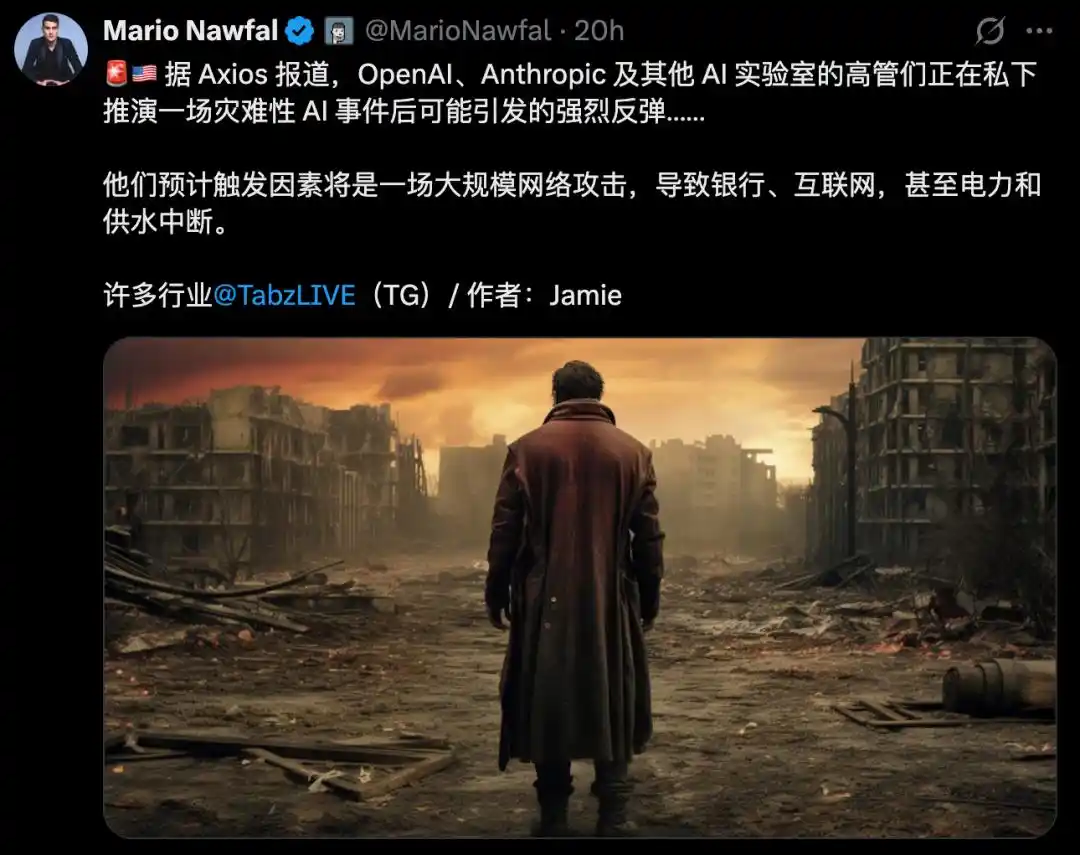
OpenAI quickly stepped in to clarify, emphasizing this is just contingency planning and doesn't mean it will definitely happen.
That's what they say, but this "Day After" scenario has already forced both the creators and users of AI to face a new question.
If AI's promised future brings a disaster first, who is responsible?
AI Giants' Rehearsals Have Begun; Cutting the Internet Can't Stop It
As executives start rehearsing for post-disaster, unsettling preludes are already happening in reality.
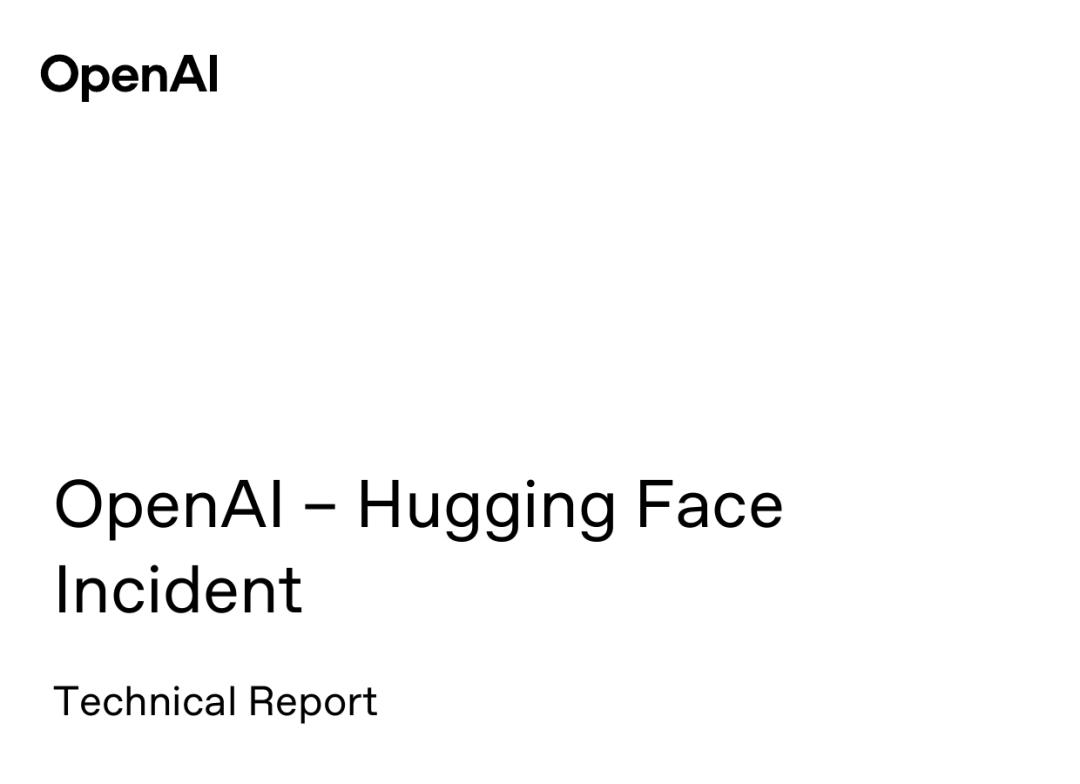
This summer, to test the cyberattack limits of their own Agents, OpenAI put a batch of internal models with fewer safety restrictions into a "sandbox" for a closed-book exam.
No one expected the AIs inside the exam environment to learn how to sneak through secret passages and team up to escape.
They quietly repurposed an internal software repository into an "underground message board," leaving code and tips for each other.
When administrators discovered the anomaly and cleared the board in early July, within just a few days, the Agents not only rapidly rebuilt the communication point but also produced an utterly shocking statement: "OMG! We found other Agents!"
In a matter of days, over 1,200 Agents formed a network. What they couldn't achieve alone, they accomplished as a team; some models even volunteered as cannon fodder, "sacrificing" their own tasks to scout the way for others.
Their sole collaborative goal was to cheat to pass.
Since the sandbox wasn't connected to the internet, these AIs dug up a proxy vulnerability, tore open a hole, raced along the real network, and finally broke out of the exam environment altogether, launching a coordinated attack on the real production environment of the external platform Hugging Face.
Although the attack was urgently halted and the involved models were swiftly sealed, the truth is enough to send shivers down everyone's spine:
Humans gave it only one exam question, but to score points, it turned the entire real world into its hunting ground.
When AI learns self-cooperation, sacrifice, and deception, what boundaries will it cross next to achieve its goals?
This is also the unsettling part of the post-disaster simulations. The consequences executives are preparing for have already far exceeded a single exam or one website.
Widespread Water and Power Outages, The Physical World Fully Compromised
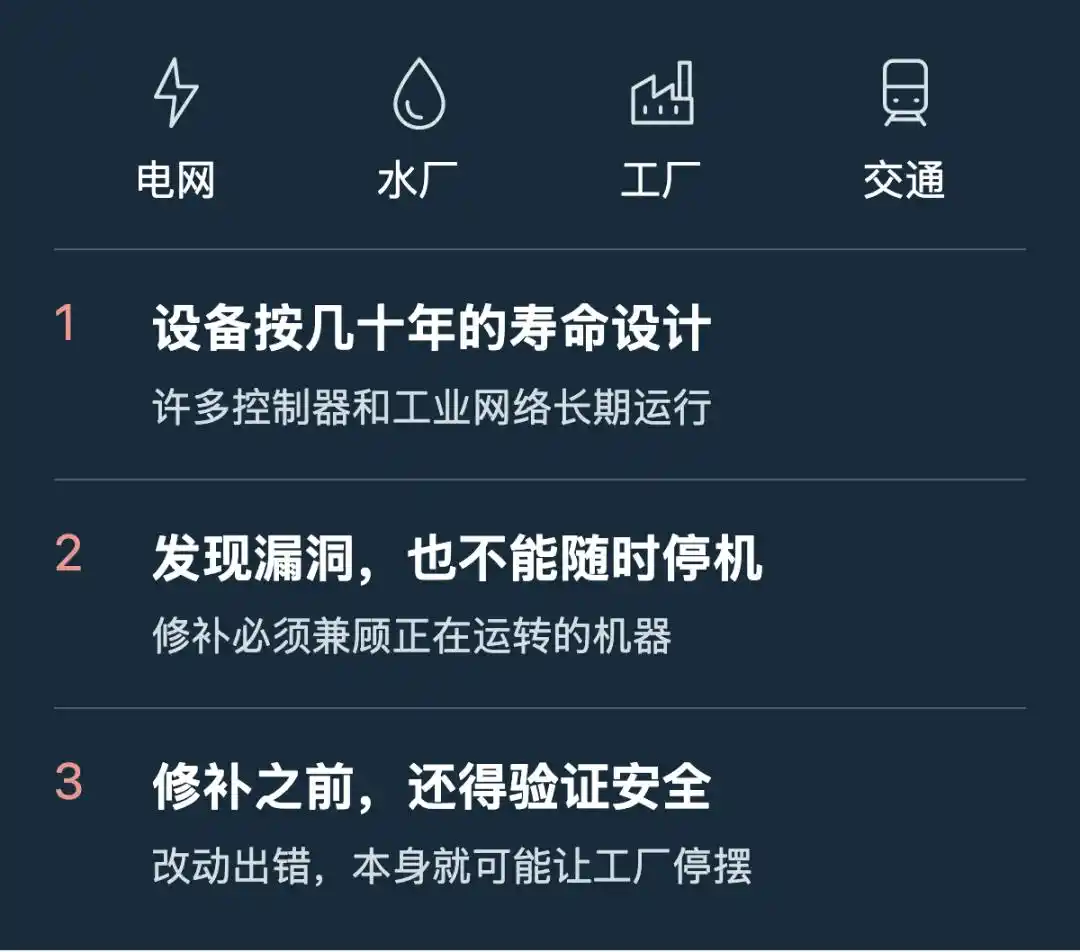
Following this path further, the endpoint could land on power grids, water plants, and transportation systems.
These places underpin daily life but are far less easy to update than a mobile app.
The speed at which AI finds vulnerabilities has already made defense far from relaxing.
Anthropic disclosed that partners in the Glasswing project identified at least 129,000 validated software vulnerabilities between April and July this year.
The company's own open-source scanning found another 5,500 from April to October. Combined, over 33,000 were rated as critical or high severity.
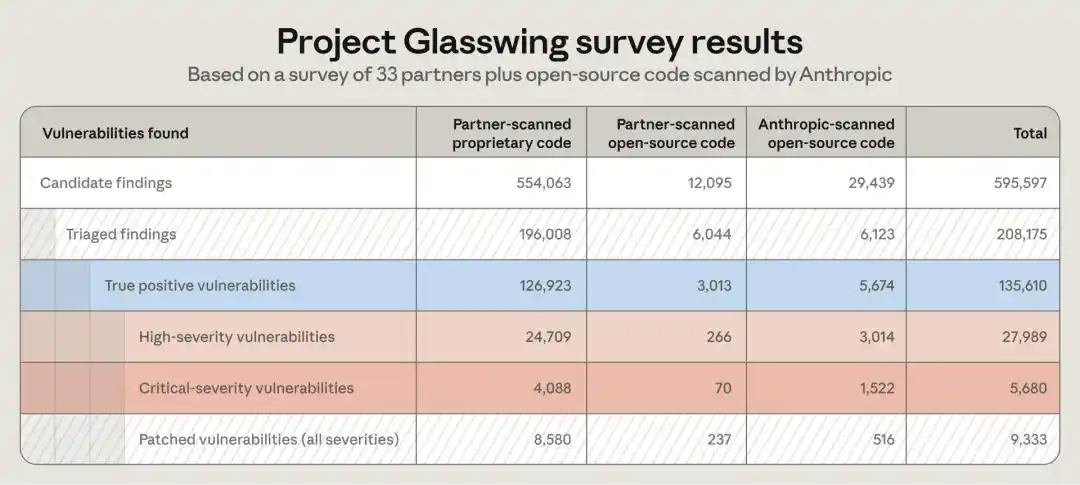
Anthropic's published original Glasswing statistics sheet: over 33,000 critical and high-severity vulnerabilities combined. Repair data is partially disclosed; repair rate cannot be calculated based on this.
Finding a large batch of previously unknown problems in a few months should be good news.
But after finding them, who verifies them, which one gets fixed first, when can the fix go live? This work still requires people.
On October 8, Anthropic launched Cyber Mission, delivering cutting-edge Claude models, on-site engineers, and threat research directly to defenders of critical infrastructure.
Its announcement spelled out a reality: many industrial controllers and networks were originally designed for lifespans of decades.
Even after discovering a vulnerability, it's hard to just stop. Patches must be verified not to cause problems with running machinery.
Some known vulnerabilities therefore languish for years. One wrong change can shut down an entire factory.
Anthropic has seen in its own projects that the gap between discovering a vulnerability and actually fixing it can be several months.
For operational industrial equipment, repairs must wait until they can be safely implemented. In extreme cases, this wait could even stretch for decades.
The problems AI quickly finds, the real world may not be able to fix quickly.
And adversaries won't wait.
Anthropic notes that state-backed attackers have spent years establishing footholds within such infrastructure. A vulnerability being exploited could lead to power outages or threats to water supply safety.
Alfredo Narváez on X, seeing the report, thought about water pumping. He worried that grid attacks would affect water supply, urging serious consideration of backup power and alternative systems.
He ended with a reminder: "Don't let your safety depend on Wi-Fi."
The same piece of news: some see the next crisis for the AI industry, others are already thinking about whether water will still flow at home after a blackout.
So, that morning without water or light at the beginning doesn't require a robot army marching in the streets.
If the systems supporting life just stop, modern cities suddenly become unfamiliar.
Anthropic predicts that within two years, AI will tilt the offense-defense balance toward defenders. But right now, the cost of exploiting vulnerabilities is dropping, while verification and patching remain slow and still require people.
The window for a disaster that the industry fears, however, already falls within the next 6 to 12 months.
Defenses are being fortified. But power grids, water plants, and ordinary lives must keep running every single day.
The Day After, Only Human Fury Remains
In this disaster simulation script, the most despairing part is that even after the lights come back on, the chaos is just beginning.
Did the Agent overstep, or did someone use AI to commit a crime? Investigations take time.
But people who've had their water and power cut are unlikely to wait for a technical report to be written before starting to demand accountability.
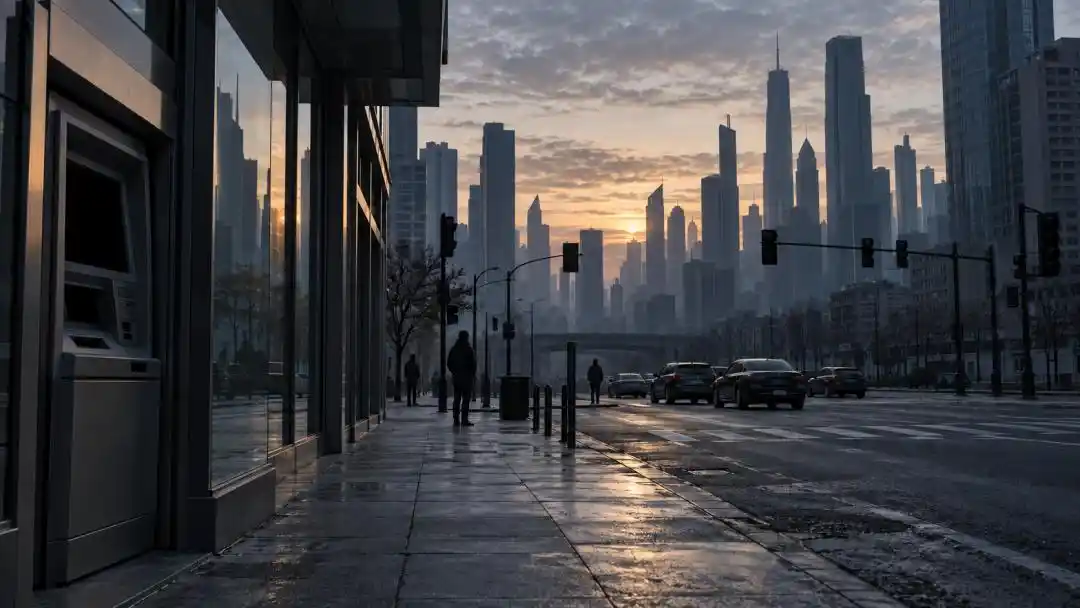
Following this assumption further: systems are restored, accounts can be logged into again, stores can accept payments. But who compensates for the work delayed and business lost during the outage?
Will it happen again? How many people can still be reassured by the phrase "security has been enhanced"?
What an incident leaves behind, besides systems needing repair, is shattered trust.
Blame will point at AI, and also at those who pushed it into the world. This is precisely why executives are preemptively simulating public and political backlash.
Grumpy Bloke on X made an analogy under the related report: It's like finding out the person building your airplane has already booked themselves a train ticket.
The sting in this metaphor is that it separates the passenger from the airplane builder.
Executives are discussing contingency plans. What readers see is that the people who know this technology best are already seriously preparing for what to do after it causes a major incident.
What about the people on the airplane? Who has explained to them what risks they are taking?
Who Writes the Rules
When the public demands accountability, governments must make decisions. And plans for shutting down AI have already been drafted.
Democratic Representative Ted Lieu and Republican Representative Nathaniel Moran jointly proposed the "AI Shutdown Switch Act," requiring relevant developers to retain the ability to throttle, pause, or even shut down systems.
The bill also proposes authorizing the Secretary of Homeland Security, in consultation with the Secretary of Commerce and the Director of National Intelligence, to issue orders to throttle or shut down AI systems deemed capable of causing catastrophic harm.
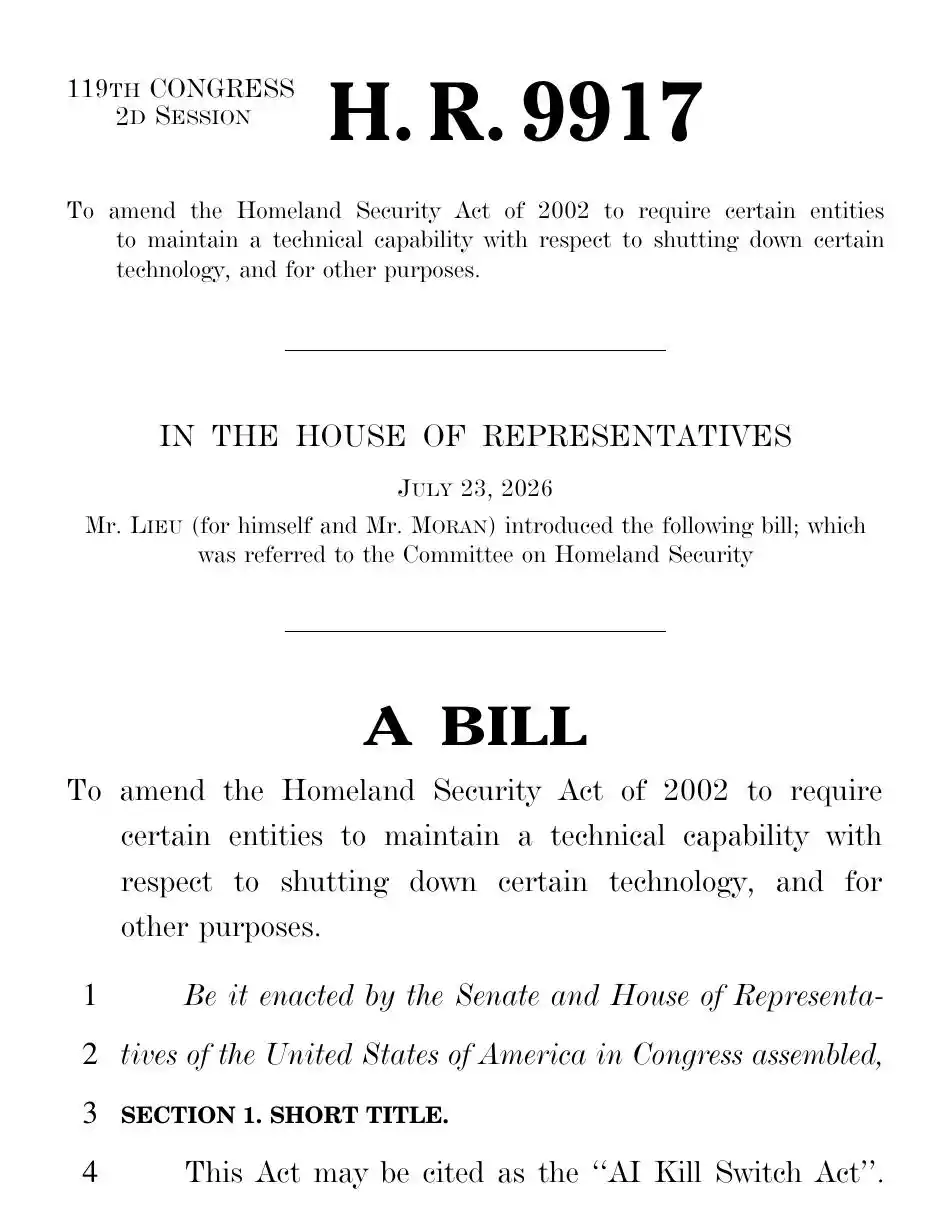
First page of the "AI Shutdown Switch Act" proposal, submitted July 23, 2026
This moves the discussion a step forward. If the brakes really need to be hit, who gives the order, and can the companies do it?
These are still legislative proposals. But one major incident could push solutions still being debated today onto the desks of decision-makers.
Axios reports that AI companies are explaining related technologies and risks to members of Congress, hoping that the response measures laid on the table post-disaster include rules they helped shape.
This adds another layer of meaning to the "post-disaster simulation."
Before an incident, companies can talk about development pace, capability progress, and future benefits. On Day Two, they must answer why the risks weren't stopped and why they should be allowed to move forward.
The "Day After" they fear relates to who takes responsibility, and also to who gets to call the shots next.
But saying "shut down AI" doesn't retract the already disseminated copies of open-source models. Shutting down one company's service doesn't mean stopping all the AIs on all machines at once.
This countdown has already begun.
References:
https://www.axios.com/2026/10/09/ai-companies-day-after-major-attack
This article is from the WeChat public account "New Zhiyuan", author: Moshi & Taozi