Spicy Review|Is the "Most Emotionally Valuable" Post Here? Could STRC Be the Next LUNA?

Foresight NewsPublicado em 2026-06-26Última atualização em 2026-06-26

Resumo

Here is an English summary of the article (under 1500 characters): This article from the spicy commentary series "LaPing" covers three key stories in the crypto world for the week. First, during a sharp market downturn in June where BTC fell over 20%, a Reddit post on r/Cryptocurrency rallying against "Fear, Uncertainty, and Doubt (FUD)" went viral. The comment section became a hub for retail traders to share memes and encouragement, with many advocating holding (HODLing) through the volatility, embodying the "be fearful when others are greedy" mantra. Second, it examines the situation with STRG (Strategy's perpetual preferred stock), which has "de-pegged," trading around $76 vs. its $100 face value, a ~25% discount. The concern is whether Michael Saylor's company, MicroStrategy, can sustain the $1.2 billion annual dividend payment, given its ~$1.4 billion cash reserve. While analysts note STRG is fundamentally different from the catastrophic LUNA collapse—as Saylor isn't obligated to pay the dividend—risks remain. If MicroStrategy's (MSTR) common stock investors feel their capital is being prioritized for STRG dividends, it could hurt MSTR demand. Third, the article analyzes the online persona of "Chuan Mu," a trader famous for turning $500 into $1 million during the 2023 ORDI inscription boom and again with short positions in 2025. An analysis of his 1,828 tweets reveals his success stems from a top-down analytical framework, asking systemic questions like "Where will t...


Written by: Nicky, Foresight News


Welcome back to "Spicy Review," where we take you through those "inspiring, de-pegging, and insider selling" moments in the crypto world every week.


Three things happened this week: "Reddit bros cheer each other up during the bear market, Could Strategy's STRC be the next LUNA?, and a trader's 1,828 tweets get dug up."


This Month's "Most Emotionally Valuable" Post


June saw a sharp decline in the cryptocurrency market. BTC fell over 20% for the month, breaking below the key $60,000 level, with market sentiment hitting rock bottom at one point.
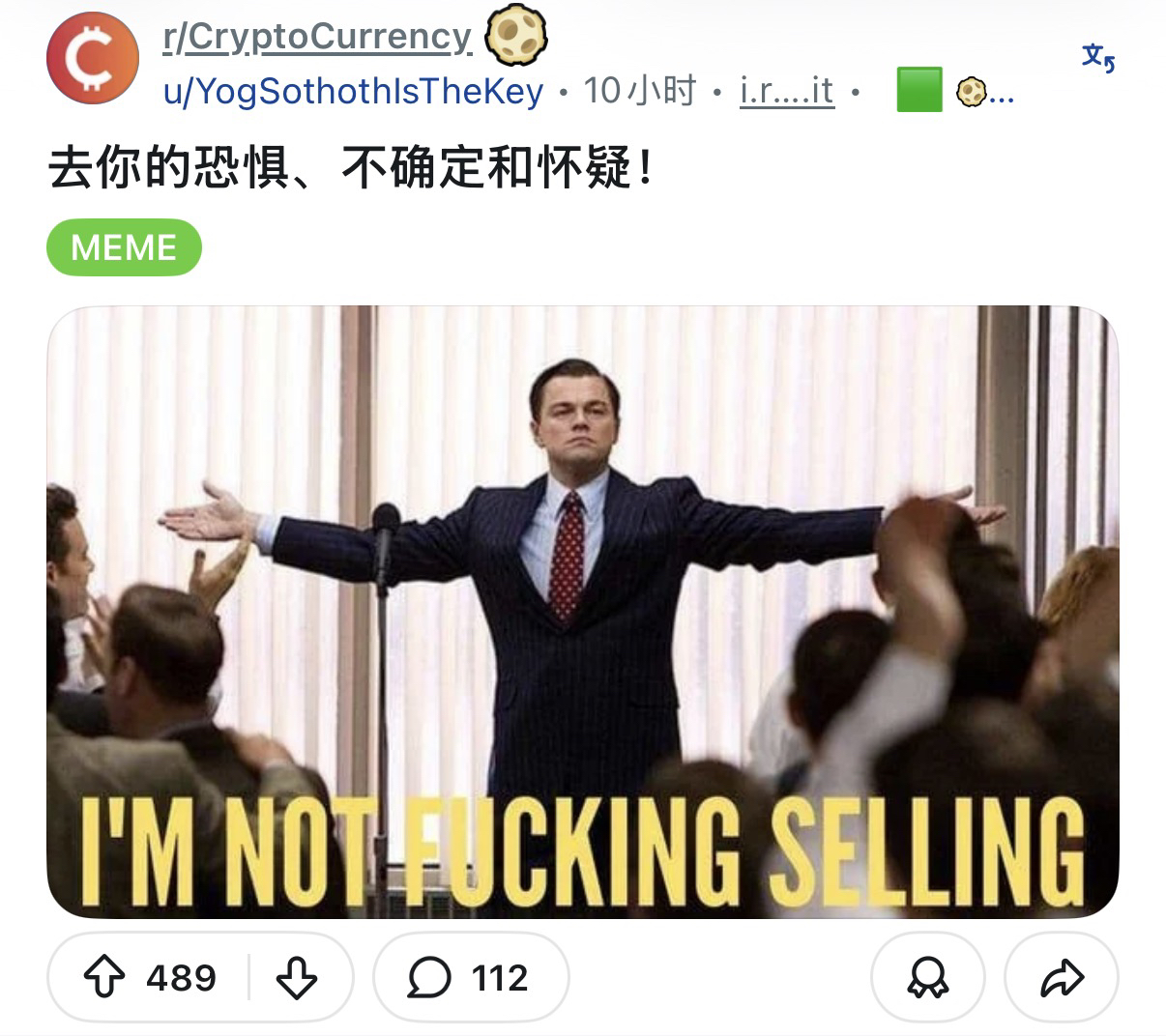


On the Reddit CryptoCurrency subreddit, someone made a post containing just one sentence:


"Screw your Fear, Uncertainty, and Doubt!"


The comment section instantly became a venting ground for retail sentiment:


"FUD is for noobs, diamond hands just keep DCAing."


Netizen's spicy comment: "This is the post with the most emotional value this month."
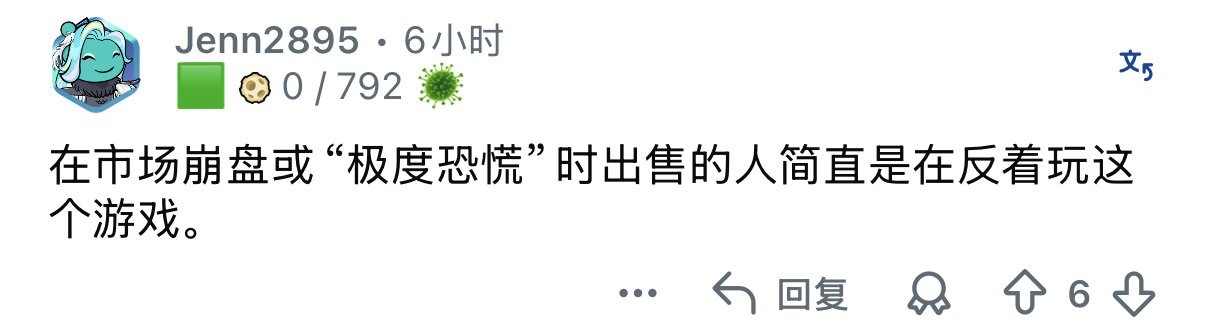


Be fearful when others are greedy, be greedy when others are fearful.



Salute to those who continue to hold 🫡.
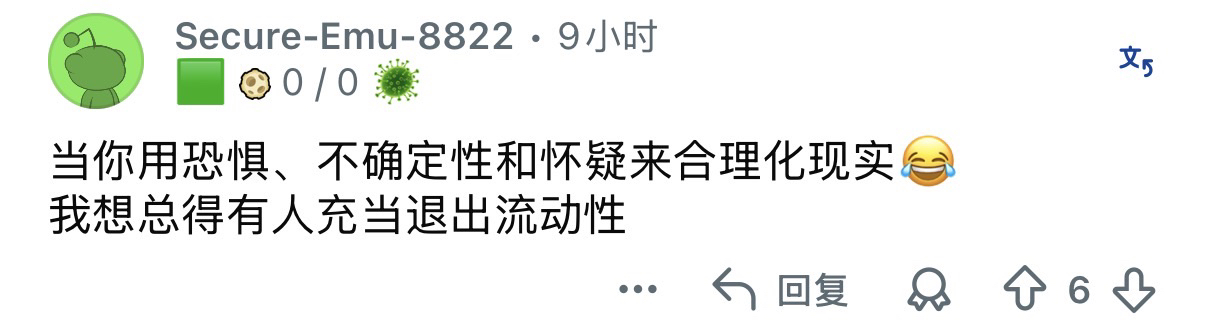


Who will provide the exit liquidity? 🤔
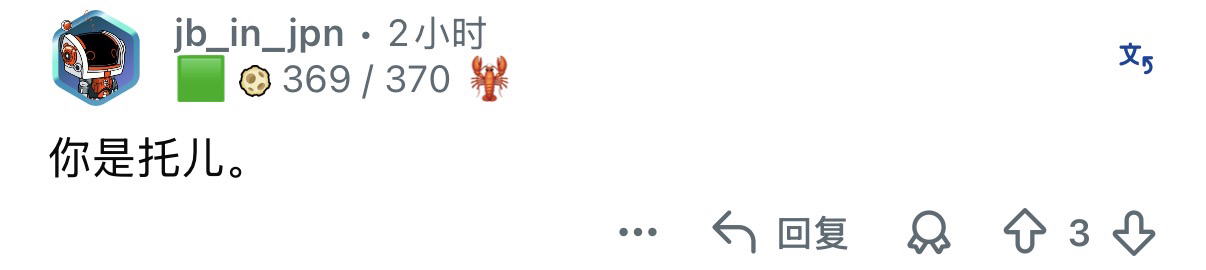


Paid actors telling everyone not to sell 🤣.
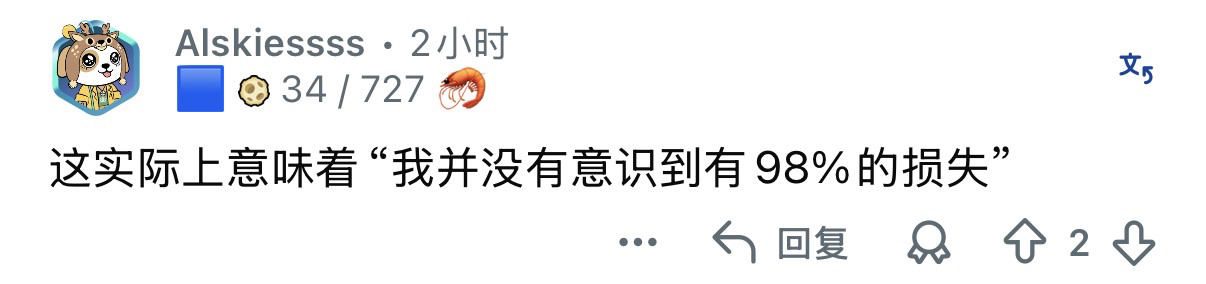


As long as you don't sell, it's just "paper losses" 🥶.
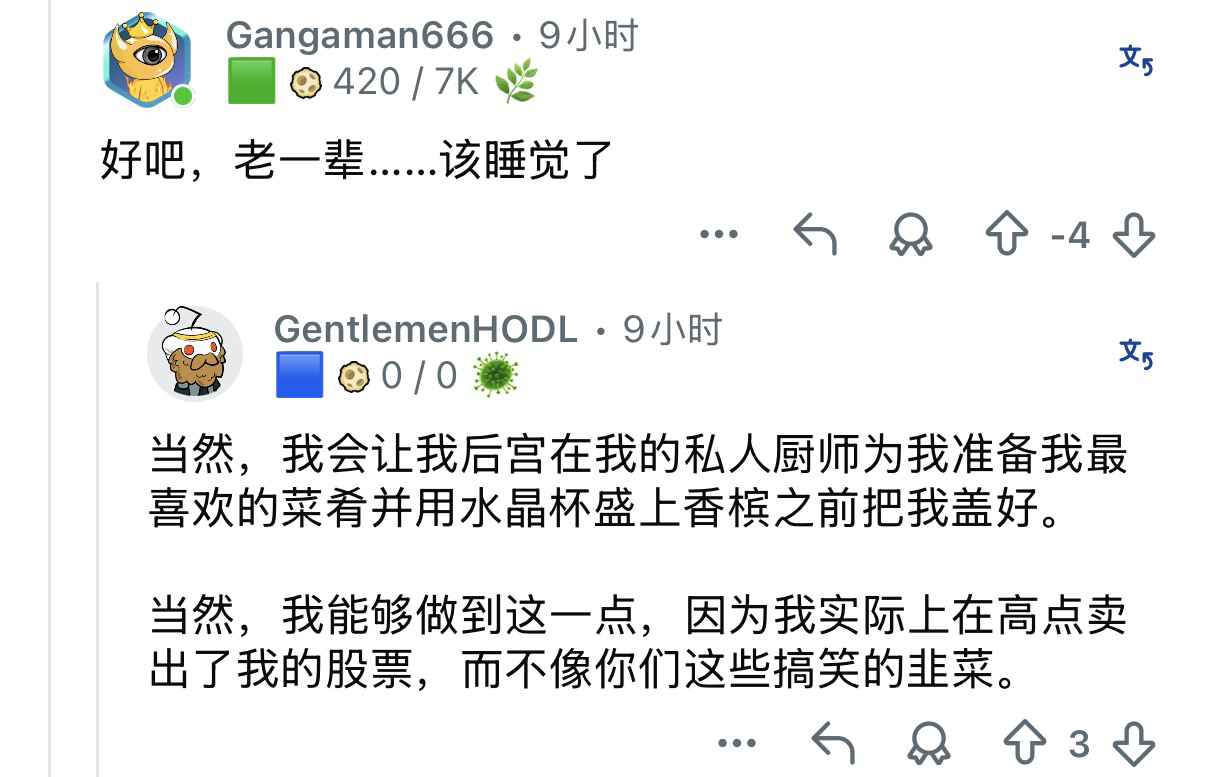


So you can live a high-end life if you sell at the top? 🤪
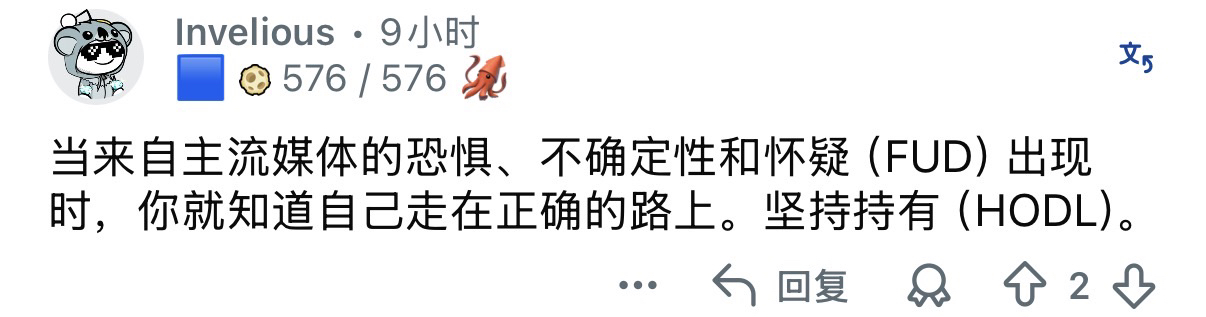


HODL tight!
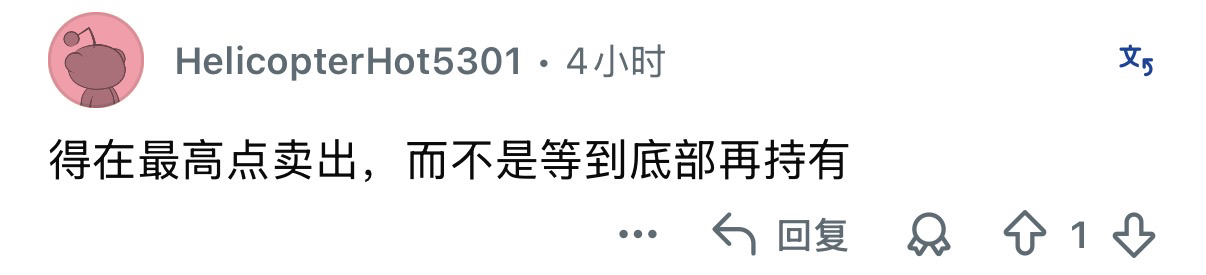


Sell high 📈, buy low 📉!
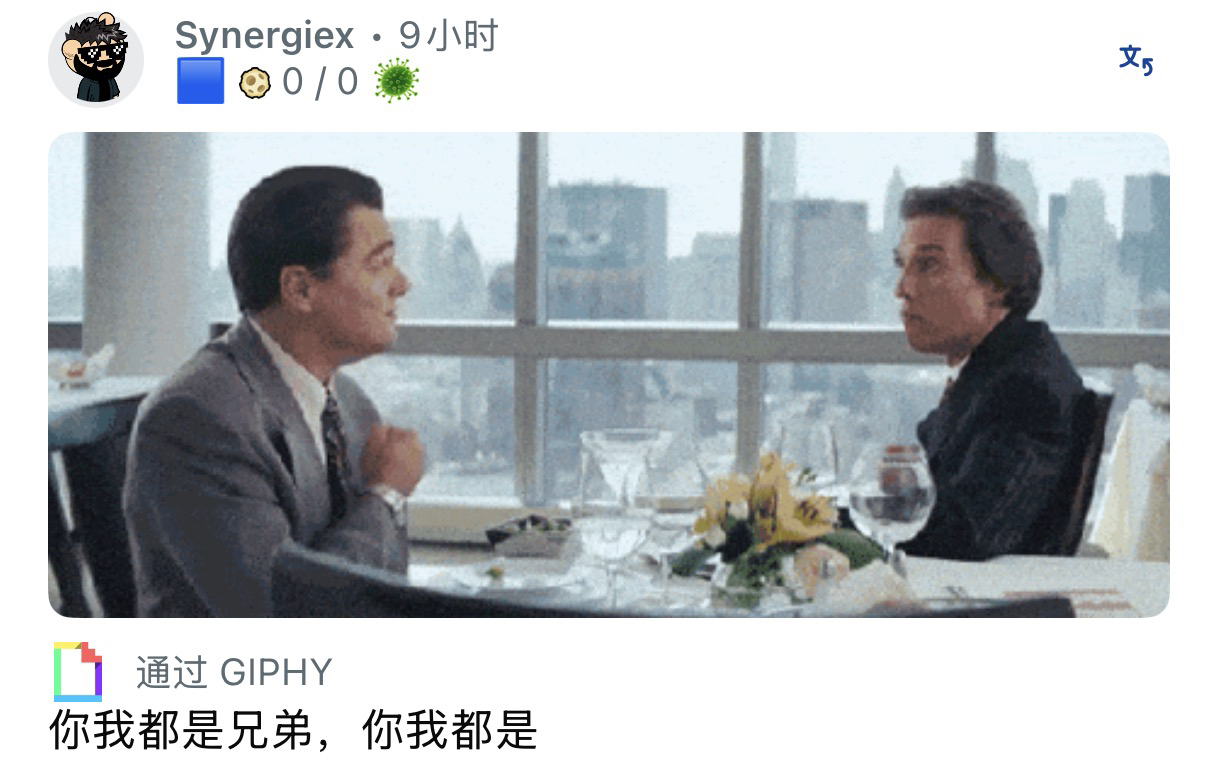


We're all in this together, bros!


STRC Depegs, Could It Be the Next LUNA?
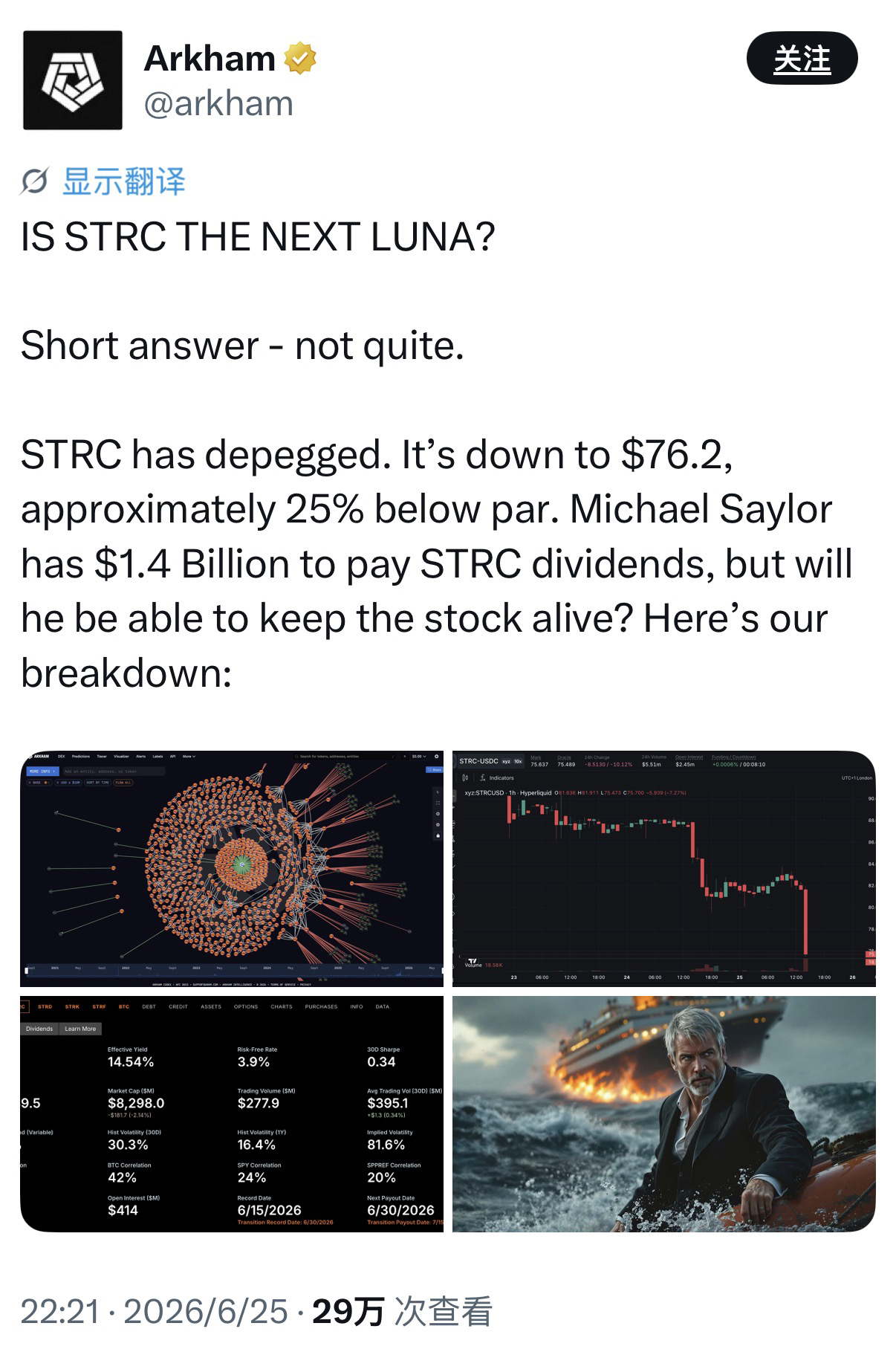


The official Arkham account posted a sensitive question on June 25: "Could STRC be the next LUNA?"


The answer: Not exactly, but there are significant issues.


First, an explanation: STRC is a perpetual preferred stock issued by Strategy, with a face value of $100 and an annual dividend of 11.5%.
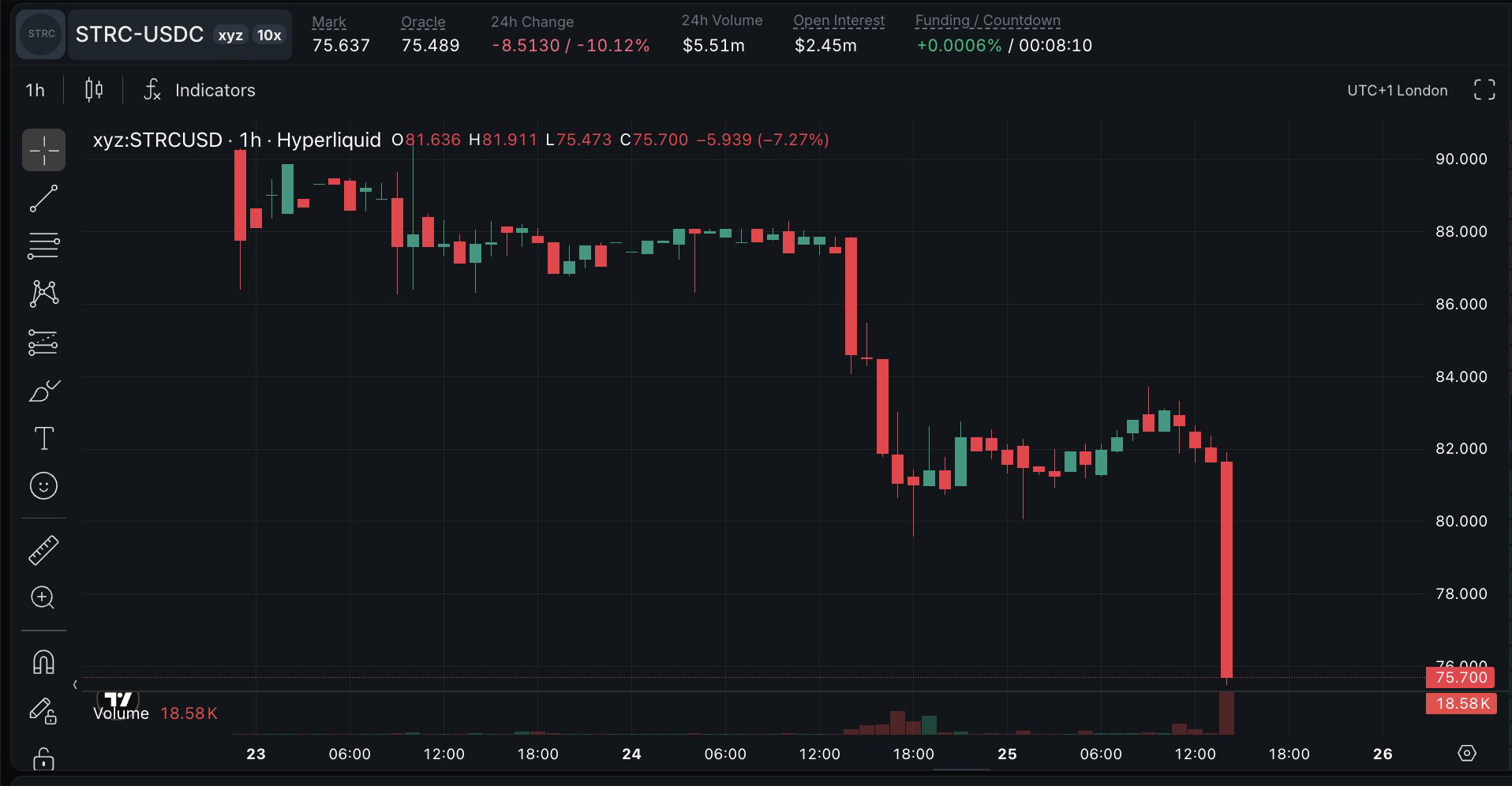


Currently, STRC has fallen to about $76.2, a discount of about 25% from its face value, meaning it has "de-pegged."


Why the drop? Because investors are starting to doubt: Is Saylor willing and able to continue paying out $1.2 billion in dividends every year?


According to data, there are about 105 million shares of STRC outstanding, requiring an annual dividend payout of about $1.2 billion. The dollar reserves Strategy announced this Monday were about $1.4 billion, enough for one year but not the second.


The key difference is that Saylor has no obligation to pay these dividends. If he decides to suspend them, STRC could keep falling, but Strategy itself wouldn't go to zero overnight like LUNA did.


However, the risk lies ahead: If MSTR (Strategy's common stock) investors realize that the money they invest is being used to prioritize paying preferred stock dividends, they might buy less MSTR.
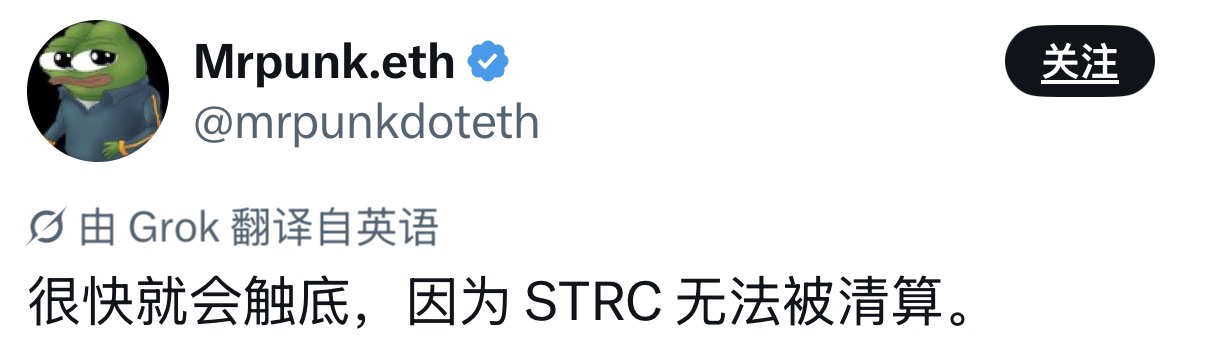


So, what is the actual "bottom" price?



The chart has already shown the "final result" 📉.
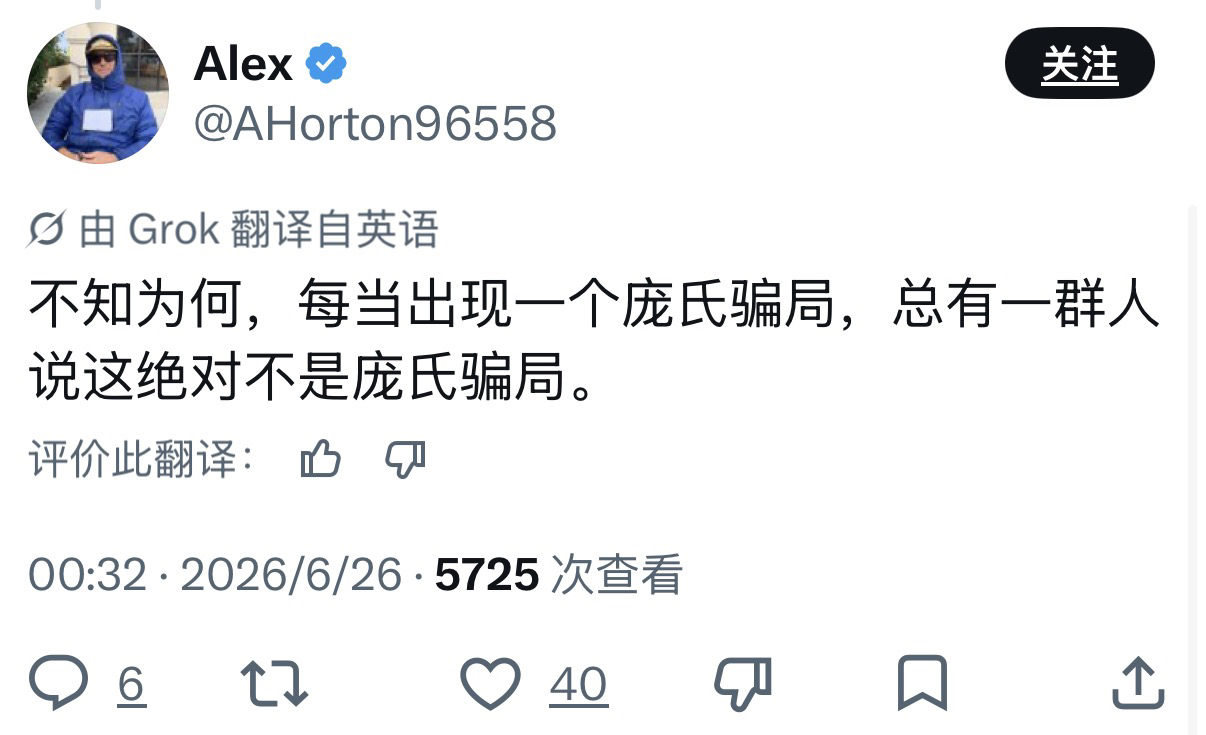


Perhaps people just don't want to admit this fact 🫢.
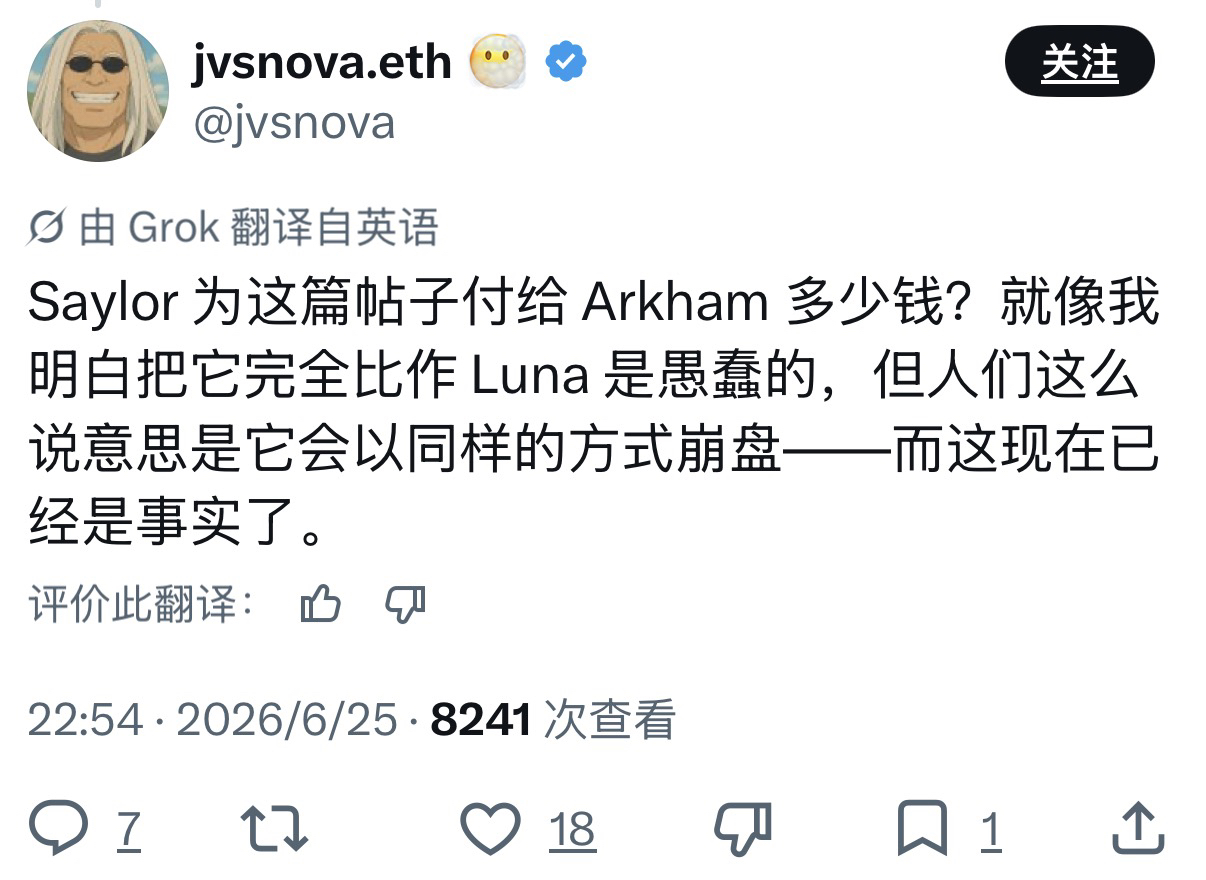


Is Saylor paying to tell everyone this isn't the same as the LUNA crash? 😜
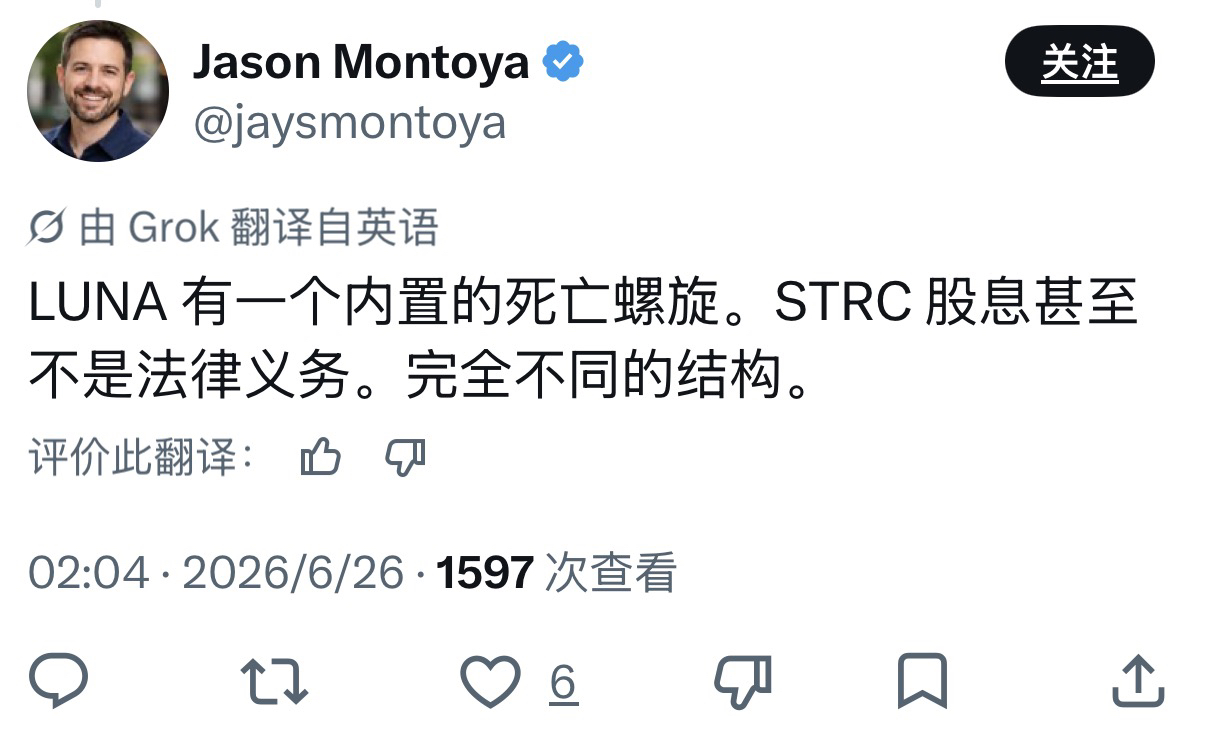


So, should we be worried? 🙂↕️
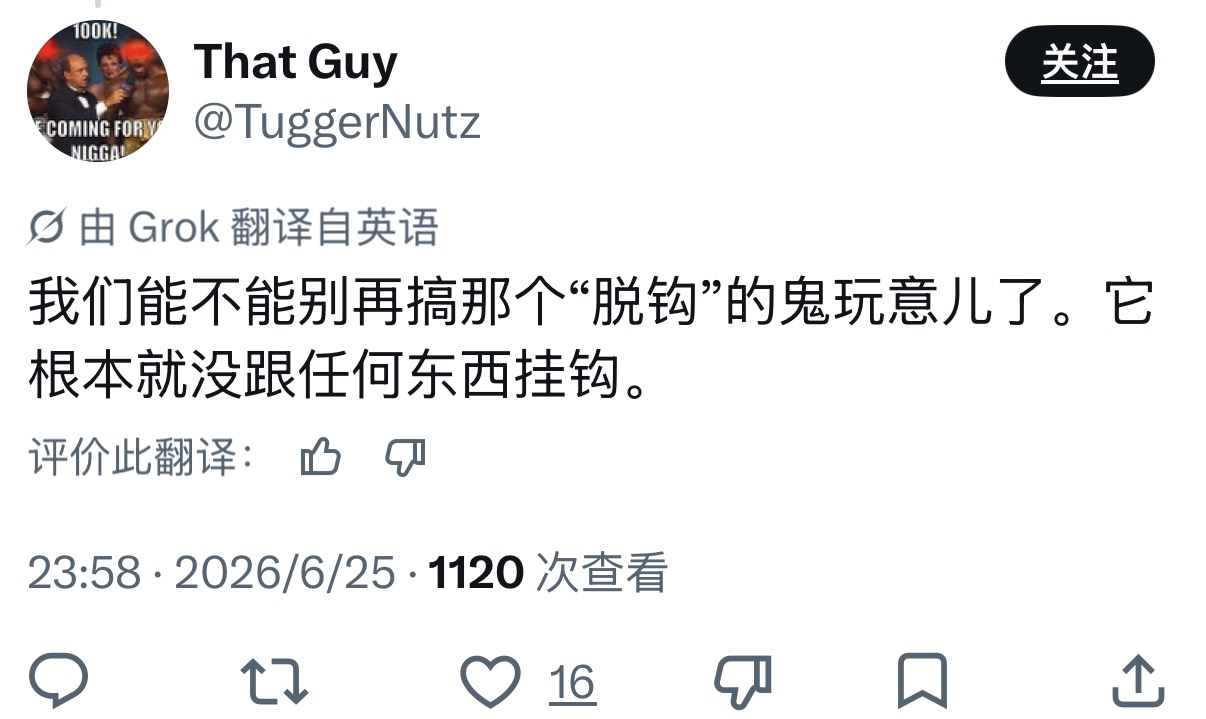


It's just the market setting the price, isn't it? 🧐
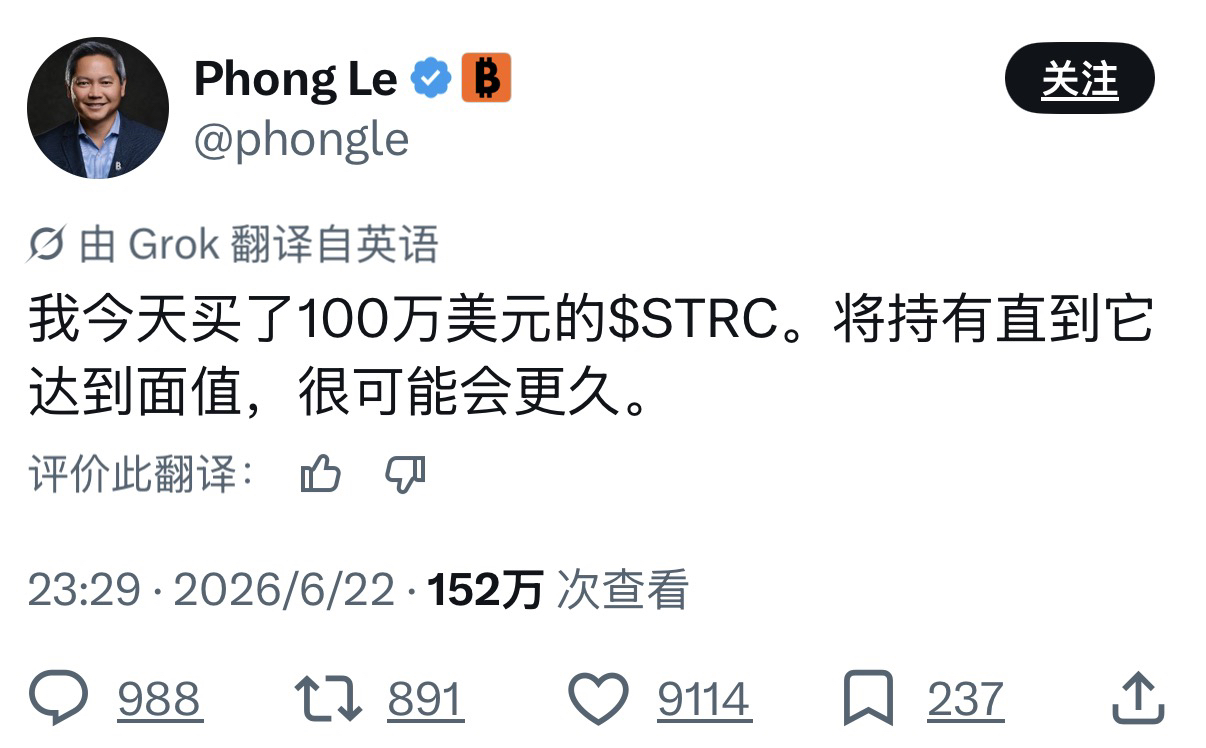


Strategy CEO Phong Le stated on June 22 that he had purchased $1 million worth of STRC.
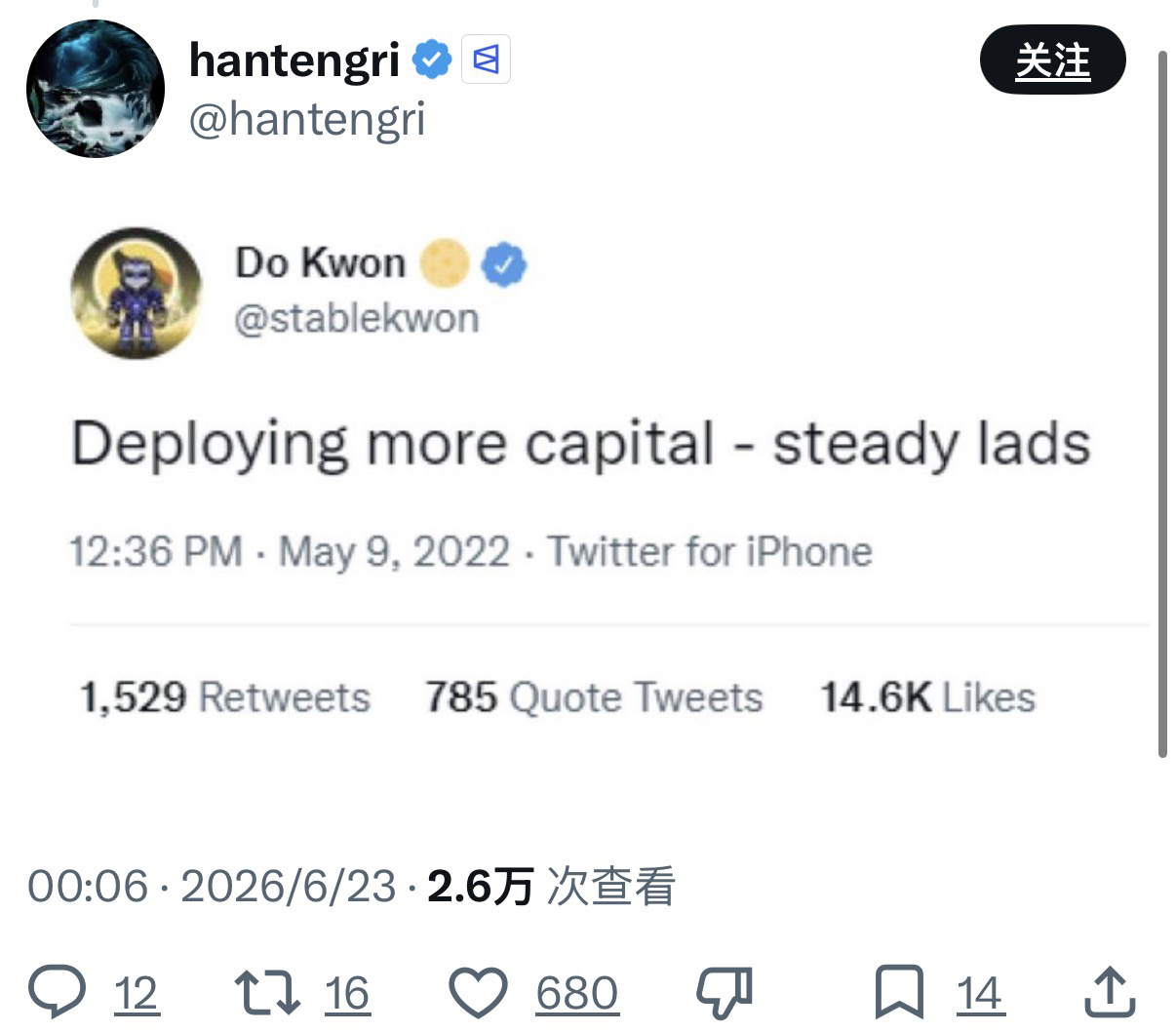


Coincidentally, "deploying more capital, stand by"—a sentiment once tweeted by Luna founder Do Kwon 😅.
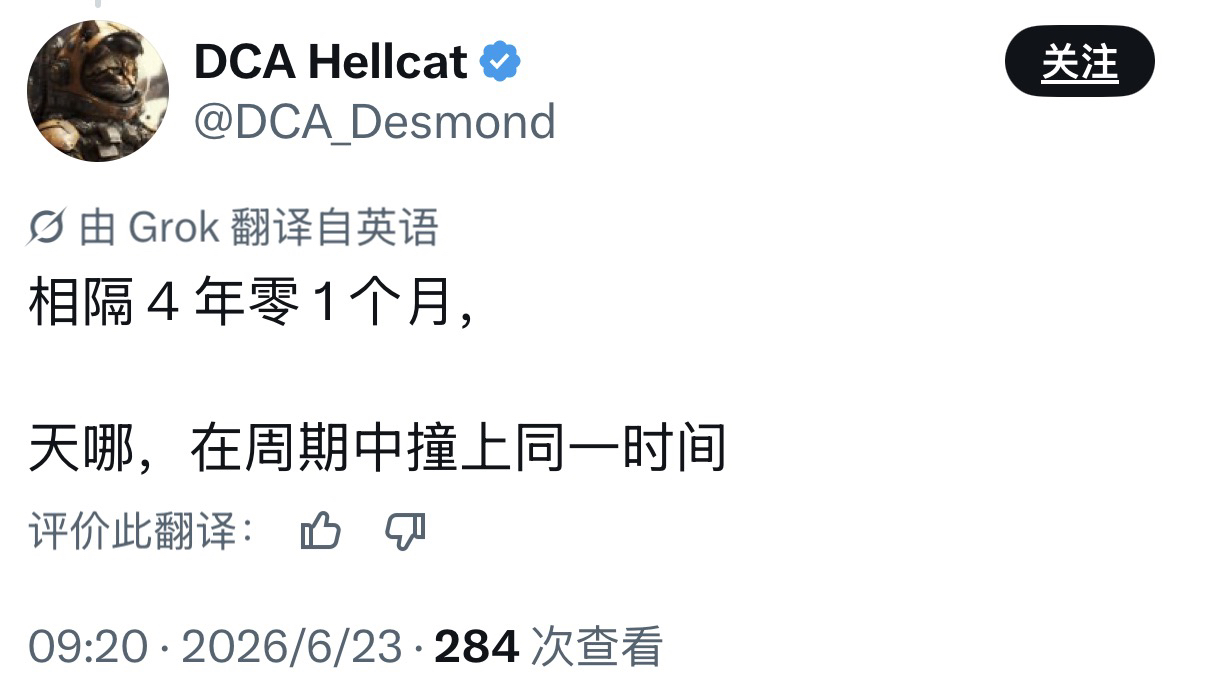


It's been exactly 4 years and 1 month since the LUNA crash. Compared to LUNA, at least STRC has a real company with cash behind it.


Chuan Mu's 1,828 Tweets Dug Up, Revealing a "Contradictory Persona"


A blogger conducted an in-depth analysis with a straightforward title: "I Dug Up 1,828 of Chuan Mu's Tweets"
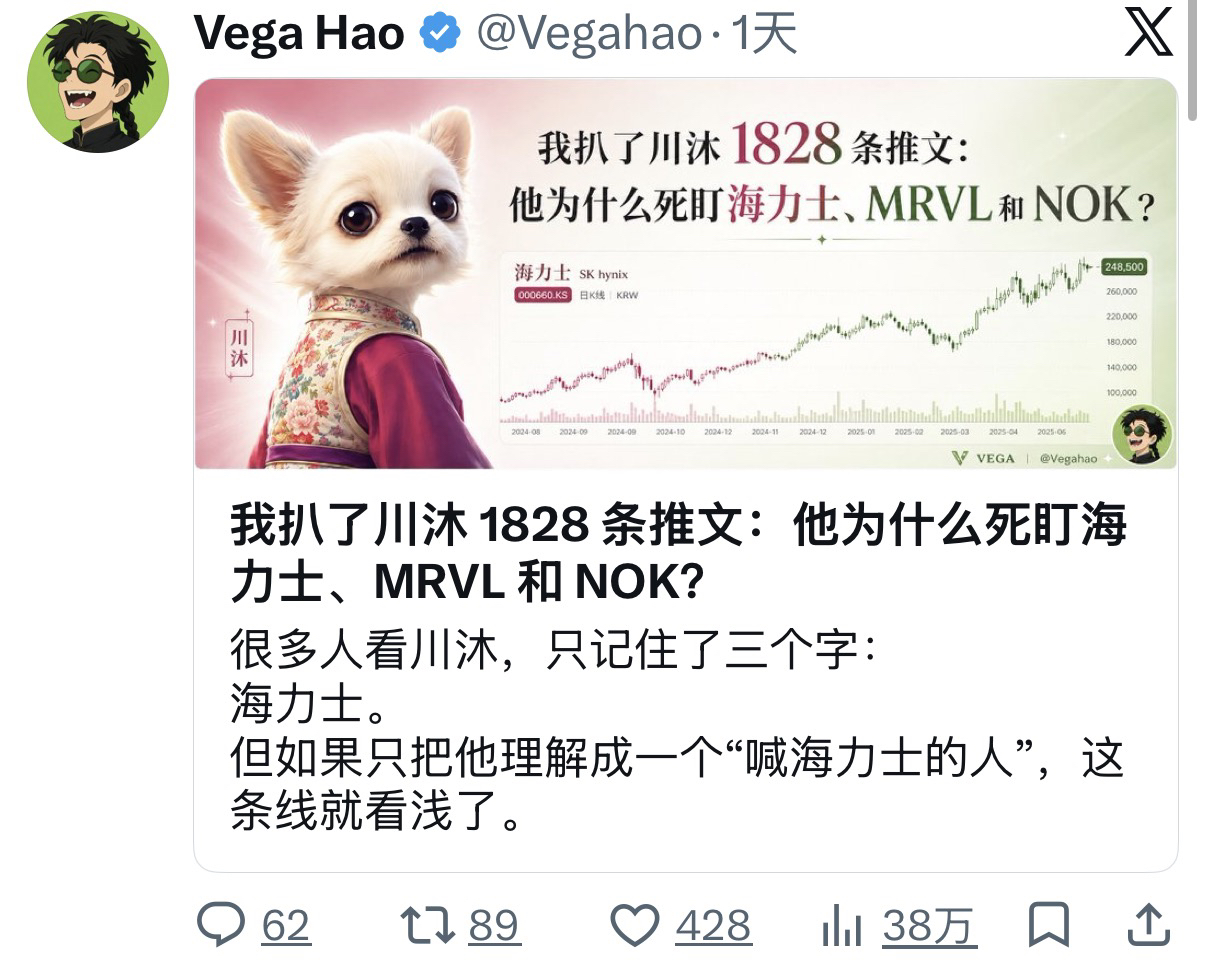


Who is Chuan Mu? During the 2023 ORDI inscription run, he turned $500 into $1 million. In the 2025 crypto crash, he shorted a basket of altcoins, turning $10,000 into $1 million in a month. After October 2025, he publicly announced exiting the Crypto market, perfectly dodging the major downturn, and pivoted to HK/US/A-shares. Hitting many bull stocks—Hynix, Samsung, MRVL, NOK—his stock account surpassed 100 million yuan.


By analyzing his tweets, the article's author found that what makes Chuan Mu truly impressive is his questioning method: In the AI wave, who are the end-users? Who are the infrastructure providers? Where are the supply chain bottlenecks? Who has the hardest time scaling production? Who is mispriced by the market? He doesn't start by asking "which stock will rise," but rather "where will the entire system get stuck?"


Following this logic, his main focus continuously shifted: In the summer of 2025, he was still on Crypto proxies in US stocks (MSTR, SBET, CRCL); by late 2025, he switched to early AI infrastructure clues (Micron, LITE); in early 2026, he heavily invested in Hynix and Samsung, the most bottlenecked parts of AI storage; by May 2026, he further expanded to "left foot storage (DRAM), right foot optical communication" (MRVL handles chip-to-chip optical interconnects, NOK handles long-distance chip-to-chip optical communication).


However, some netizens have raised doubts about Chuan Mu. Some tokens he shilled later experienced "pump and dump" scenarios. Additionally, stocks he said he would hold for a period were sold midway, but followers who bought in were kept in the dark 🥹.
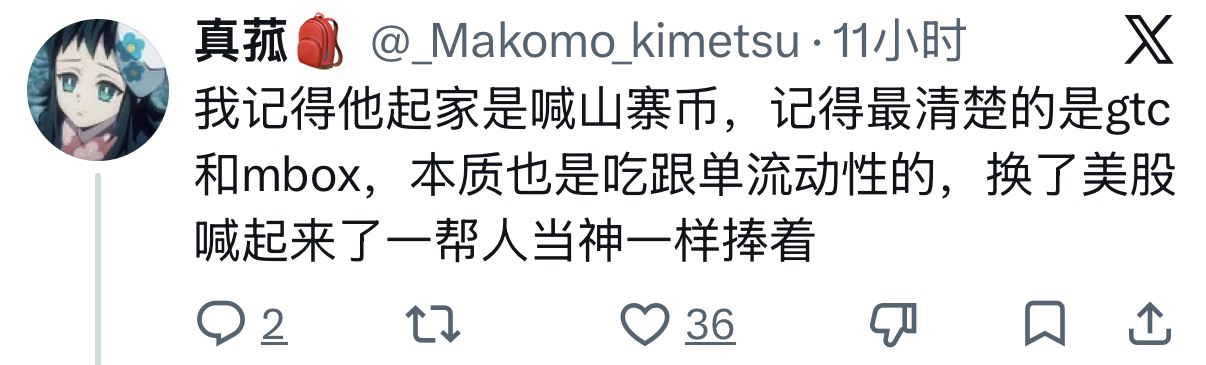


So, after success, there will always be "scholars to explain the classics for him"? 🫢
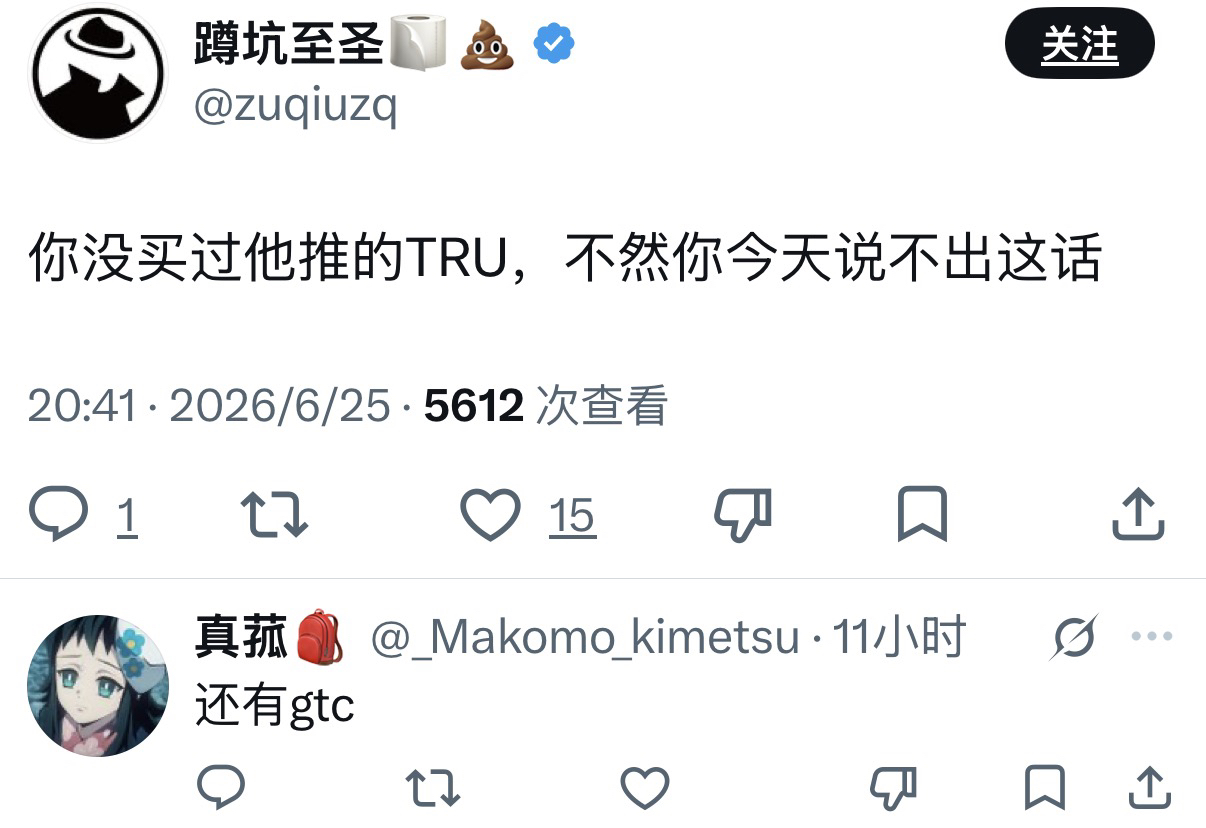


Only those who experienced it have the right to speak.
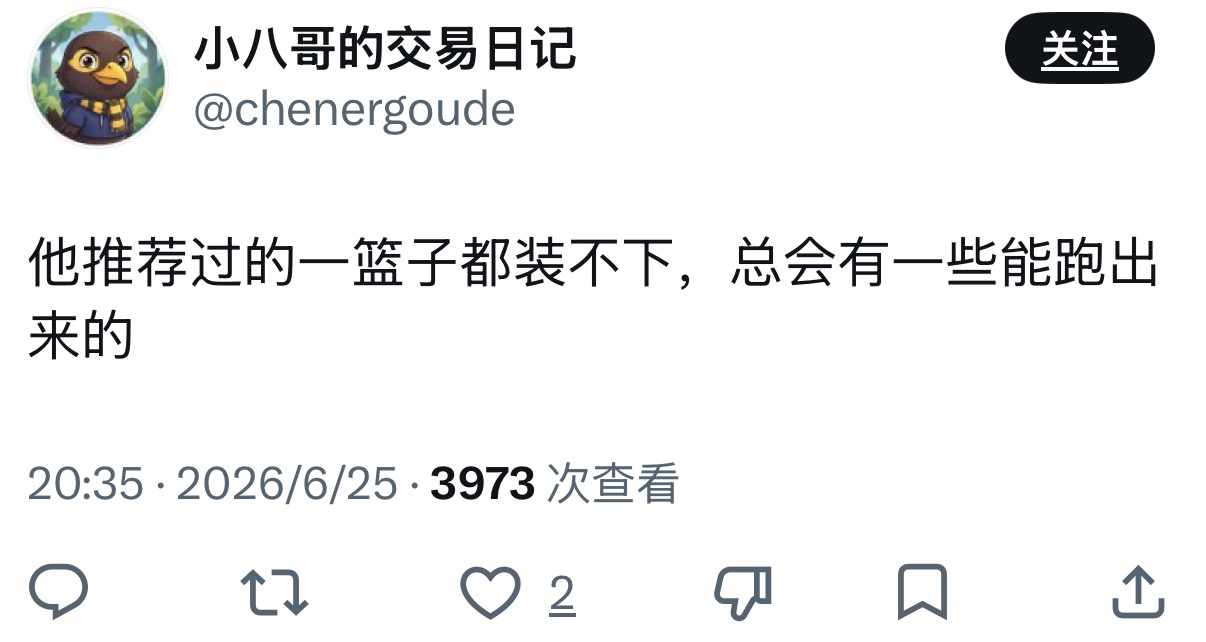


"Shilling" becomes a game of probability 🎲.
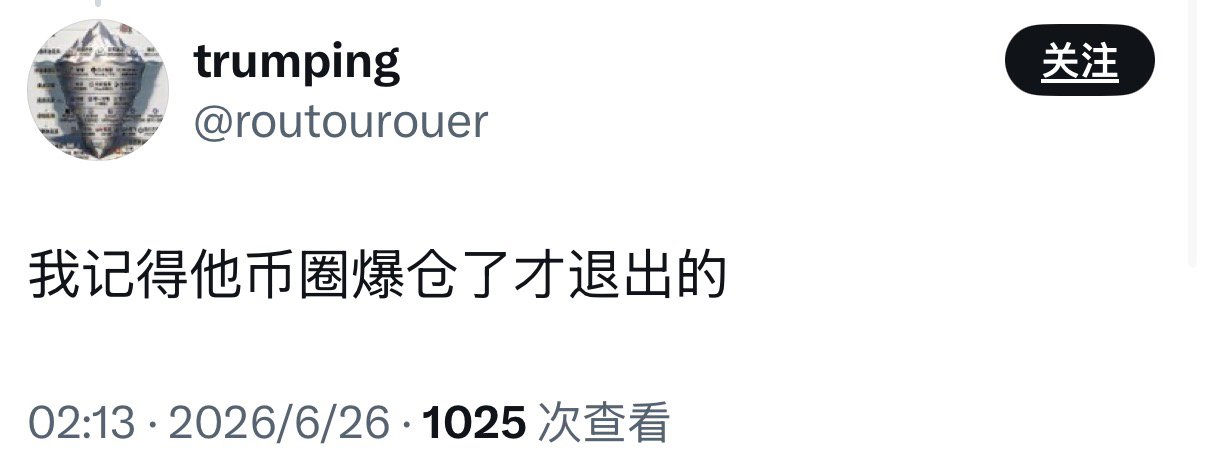


Behind it all is a story of blood and tears 😭.
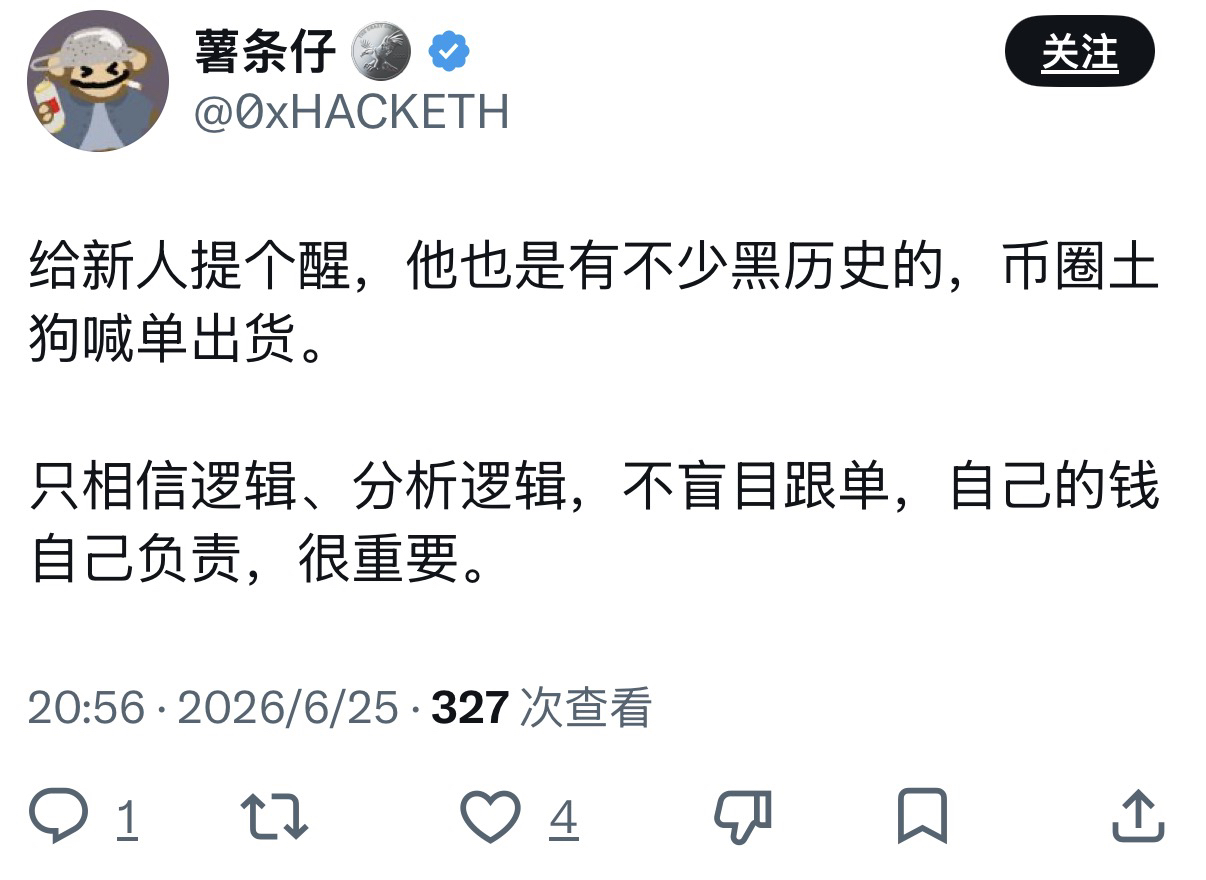


Understand a person comprehensively, don't blindly trust, and maintain your own judgment!
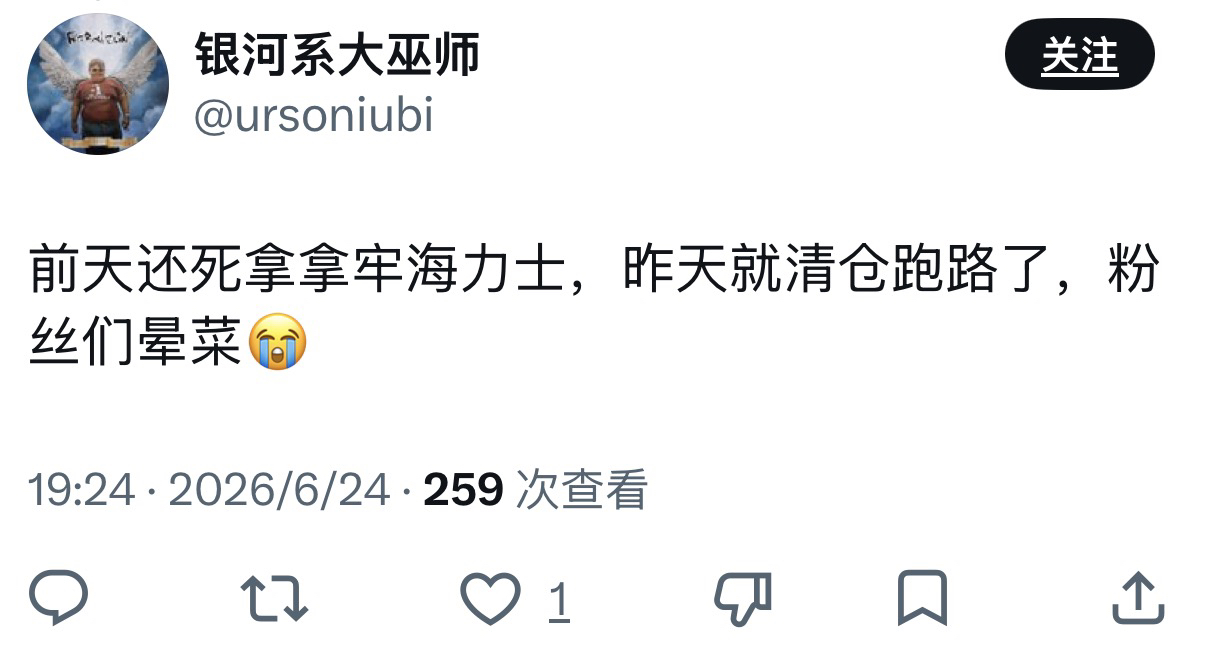


Teacher, why didn't you notify us when you got off the train? 🫪
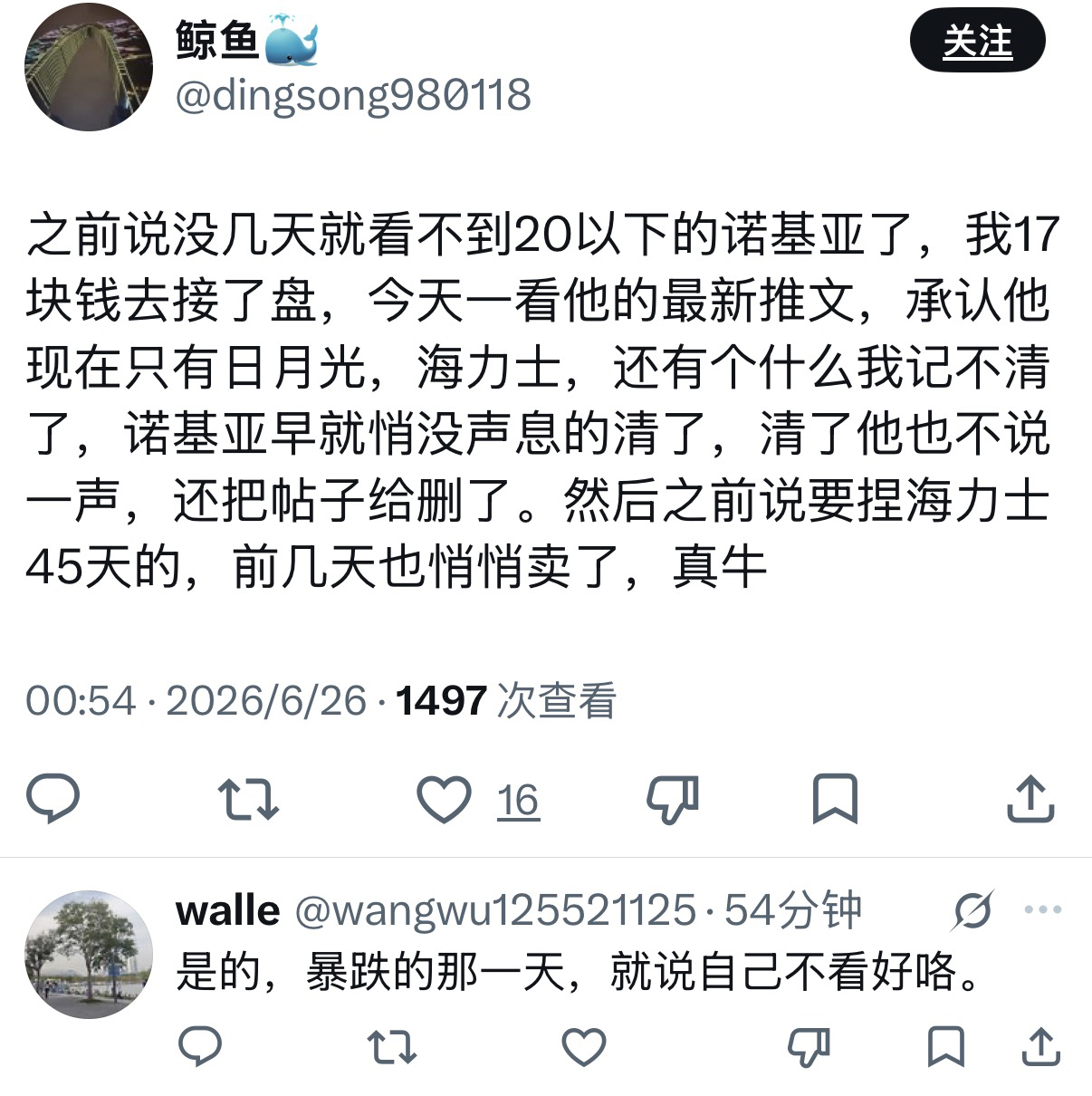


The "profits" shown are what they want you to see 🤩, there's a part they don't want you to see.


From BTC's "Reddit morale-boosting method," to STRC's "$1.2 billion dividend question," to Chuan Mu's "contradictory persona." This week, some cheered each other on, some calculated cash reserves, and some scoured tweets for the next big thing.


Wish everyone a happy weekend! See you next week!


(This week's content is based on public information and online discussion, interpreted lightly, for reference only.)


Past Reviews: Spicy Review|Michael Saylor's "Playboy Comments"; 60-Year-Old Aunt Liquidates and "Borrows from Young Guy"
Spicy Review|Three Stories Tell You: In Crypto, the Harder You Work, the More "Miserable" You Become
Spicy Review|"King of Retail" Had His Account Hacked by His Brother for "Scams"? AI "Excavates" Bitcoin...

Criptomoedas em alta

Perguntas relacionadas

QWhat is the main topic of the article 'Hot Review: Is STRC the Next LUNA?'?

AThe article discusses three main topics: 1) The emotional 'HODL' sentiment among retail investors on Reddit during a market downturn. 2) Analysis of STRC (Strategy's preferred stock) and its risks, comparing it to the LUNA collapse. 3) Analysis of trader 'Chuan Mu's trading style and public persona based on his tweets.

QAccording to the article, why has STRC's price fallen, and how is it different from LUNA?

ASTRC's price has fallen (trading around $76.2 vs. a $100 face value) because investors doubt Strategy's ability/willingness to continue paying its $1.2 billion annual dividend, given its current ~$1.4 billion cash reserve. The key difference from LUNA is that Strategy CEO Michael Saylor has no legal obligation to pay the dividends; if he stops, STRC could fall further, but the company itself (and its core Bitcoin holdings) won't collapse instantly like the algorithmic stablecoin UST/LUNA system did.

QWho is trader 'Chuan Mu', and what is his trading methodology as described in the article?

AChuan Mu is a trader famous for turning $500 into $1 million during the 2023 ORDI inscription rally and later $10,000 into $1 million by shorting altcoins. According to the article's analysis of his tweets, his methodology involves asking systemic questions first, such as 'Where will the bottlenecks be in the entire AI system?' rather than 'Which stock will rise?'. This led him to invest sequentially in crypto-related stocks, AI infrastructure, and then key bottleneck sectors like AI memory (SK Hynix, Samsung) and optical communication (Marvell, Nokia).

QWhat was the 'most emotionally valuable post' on Reddit mentioned in the article, and what was the community's reaction?

AThe post was on the Reddit CryptoCurrency subreddit during a market crash in June, with the simple text: 'Screw Fear, Uncertainty, and Doubt!'. The comment section became an emotional support forum where users encouraged each other to 'HODL' (Hold On for Dear Life), calling FUD for 'noobs', celebrating diamond hands, and debating whether holding through losses or selling at highs was the better strategy.

QWhat contradictions or criticisms about trader Chuan Mu are mentioned in the article?

AThe article mentions criticisms that some cryptocurrencies Chuan Mu promoted later experienced 'harvesting' dumps, negatively impacting followers. Additionally, he reportedly sold some stocks he had publicly said he would hold for a longer period without notifying his followers, leading to comments like 'Teacher, why didn't you notify us when you got off the bus?'. This creates a 'contradictory persona' where his displayed profits are selective.

Leituras Relacionadas

After Three Consecutive Quarters of Decline, Can the Crypto Market Find a Window for Stabilization in Q3?

The cryptocurrency market has just concluded its worst-performing quarter since 2022, with total capitalization dropping 12.6% to $2.1 trillion. All core metrics indicate capital is leaving the sector, not just rotating within it. Bitcoin fell 14.2% and Ethereum dropped 25.4% in Q2, breaking their previous correlation with US tech stocks. A key driver is the reversal in US spot Bitcoin ETF flows, which saw a net outflow of approximately $4.67 billion in Q2, including a record monthly outflow near $4.5 billion in June. While recent data suggests long-term holders are accumulating again, sustained ETF outflows mean continued selling pressure. Market focus is now singularly on the Federal Reserve. The upcoming July FOMC meeting is seen as the most critical event for Q3. A dovish signal could support Bitcoin reclaiming a $68,000-$84,000 range, while a hawkish stance might establish a new trading band around $50,000-$56,000. Additionally, regulatory uncertainty persists, with the progress of the crucial *CLARITY Act* stalling in the Senate, reducing its perceived 2026 passage probability to 40-45%. Despite the broad downturn, a few sectors showed growth. Prediction markets saw nominal volume surge 48.7% year-over-year to $113.8 billion, and tokenized collectibles transaction volume rose 143% quarterly to $1.4 billion. The Real-World Asset (RWA) tokenization sector also continued steady growth, now representing ~$28.1 billion in on-chain value. The market's foundation for an extreme crash appears limited, with Bitcoin price hovering near its 200-week moving average. However, the trading paradigm has shifted from narrative-driven speculation to decisions based on price action, policy developments, and interest rate expectations, making a broad sentiment-driven rally unlikely in the near term.

marsbitOntem 08:36

After Three Consecutive Quarters of Decline, Can the Crypto Market Find a Window for Stabilization in Q3?

marsbitOntem 08:36

BIT Trading Moment: BTC Still Suppressed by Weekly 200 EMA, Rejection May Restart Decline; Storage and Semiconductors that Surged Last Night Begin Falling in Evening Trading

**Crypto & Stock Market Wrap: Bitcoin Tests Resistance, Stocks Retreat After AI Surge** Bitcoin consolidates around $66,000, facing key resistance near $68,000—an area seen as a major psychological and technical hurdle where previous rallies have failed. Analysts note the cryptocurrency is caught between its 200-week moving average (~$63,333) and 200-week EMA (~$68,328). A clear break above $68k is needed to signal a stronger bullish trend, while a rejection could lead to a retest of $63k support. Market sentiment remains cautious, with low futures open interest pointing to a low-liquidity rebound rather than a full bull market. Bitcoin spot ETFs saw another $203 million inflow. US stock futures pointed lower after a strong Tuesday session led by a massive rebound in semiconductors and memory stocks. The rally was fueled by renewed optimism about AI-driven hardware demand, with Micron, SanDisk, and SK Hynix surging. However, those gains reversed in pre-market trading. Super Micro Computer (SMCI) soared over 20% after hours on strong guidance and a record backlog. Other standouts included Rocket Lab and nuclear energy plays Oklo and X-Energy. Rising oil prices (Brent above $91) and climbing Treasury yields (10-year near 4.64%), however, are reigniting inflation concerns and acting as a headwind for equities. In Asia, markets were mixed. South Korea's KOSPI pared early gains to close slightly higher as semiconductor stocks like SK Hynix gave back initial surges. Japan's Nikkei edged lower as the yen hit a fresh 38-year low against the dollar, raising fears of potential market intervention. Key events to watch include the Samsung Galaxy launch, AMD's AI event, and a slew of major tech earnings from Alphabet, Tesla, and IBM after the close on Wednesday, followed by the ECB meeting and Intel's earnings on Thursday.

marsbitOntem 08:28

BIT Trading Moment: BTC Still Suppressed by Weekly 200 EMA, Rejection May Restart Decline; Storage and Semiconductors that Surged Last Night Begin Falling in Evening Trading

marsbitOntem 08:28

Former CFTC Chairman, Circle President Tarbert: Preaching Long-Termism While Cashing Out $30 Million Himself

Former CFTC Chairman and Circle President Heath Tarbert has consistently advocated for a long-term vision in public, urging patience from investors as Circle’s stock price has fallen significantly from its peak. However, it has been revealed that since Circle’s IPO, Tarbert has continuously sold his CRCL shares through pre-arranged trading plans, cashing out approximately $30 million, without making any public market purchases. This contrast between his public messaging and personal actions has drawn criticism. Tarbert joined Circle in July 2023 as Chief Legal Officer, leveraging his regulatory experience to help guide the company through its IPO and expansion. Despite promoting stablecoins as long-term infrastructure, he established a 10b5-1 trading plan just before Circle went public, leading to substantial stock sales over the following year. In March 2026, he initiated another plan to sell more shares. His career trajectory highlights a pattern of moving between high-level regulatory roles and influential positions in the financial sector. After resigning as CFTC Chairman in early 2021, he joined Citadel Securities as Chief Legal Officer just 27 days later, during a period of intense regulatory scrutiny for the firm. He later joined Circle, aiding its efforts to navigate regulatory challenges for its public listing. While Tarbert's expertise in policy and compliance is valuable to companies like Circle, his actions—advocating long-term confidence while personally divesting—raise questions about the alignment between his public statements and his private financial decisions, leaving investors who followed his advice to bear the market risks.

marsbitOntem 08:06

Former CFTC Chairman, Circle President Tarbert: Preaching Long-Termism While Cashing Out $30 Million Himself

marsbitOntem 08:06

Gate Research Institute: The 'Wall Street-ization' Wave of Crypto Financial Products – Competition or Integration?

The article titled "Gate Research Institute: Are Crypto Financial Products Sparking a 'Wall Street' Wave—Competition or Convergence?" explores the evolving relationship between the crypto ecosystem and traditional finance (TradFi). The piece begins by reflecting on Bitcoin's original 2009 vision of decentralization, disintermediation, and moving away from banks. It then contrasts this with the 2024 landscape, where key crypto assets like Bitcoin are increasingly held through Wall Street products like ETFs issued by giants like BlackRock. The article questions whether this signifies that TradFi is systematically taking over the rights to issue, price, custody, and distribute crypto financial assets. The core argument is that this is not a zero-sum takeover but rather a bidirectional convergence where each side addresses the other's weaknesses. Crypto offers 24/7 global markets, programmable settlement, and open access but lacks compliant channels, institutional-grade custody, deep fiat liquidity, and mainstream distribution. TradFi possesses these but is constrained by legacy systems, limited operating hours, and slow settlement. Two primary convergence paths are highlighted: * **Path A (CEX to TradFi):** Exemplified by Gate, which has progressed from offering tokenized stocks and CFDs to providing direct, real stock trading (US, Hong Kong, South Korea) within its platform, using USDT. * **Path B (TradFi to Crypto):** Exemplified by Robinhood, which has integrated crypto trading, acquired exchanges like Bitstamp, and is moving traditional assets like stocks onto the blockchain via tokenization and its own Layer 2. Both paths are ultimately competing to become the next-generation, unified financial account—a "super account" where users can seamlessly trade cryptocurrencies, stocks, ETFs, RWA (Real World Assets), and tokenized treasury products in one interface. The growth of RWA and tokenized treasuries (e.g., BlackRock's BUIDL) is presented as the asset-layer fusion, providing stable, yield-bearing assets on-chain and acting as a bridge between the two worlds. In conclusion, the "Wall Street-ization" of crypto is framed as a mutual transformation. Decentralized ideals persist in the protocol layer, while at the application layer, a more efficient, global, and accessible unified capital market is emerging from this convergence. The future competition lies not between crypto exchanges and stockbrokers, but between platforms vying to offer the most comprehensive asset coverage, liquidity, and user experience within a single account.

marsbitOntem 08:01

Gate Research Institute: The 'Wall Street-ization' Wave of Crypto Financial Products – Competition or Integration?

marsbitOntem 08:01

Trading

Spot

Artigos em Destaque

O que é $LUNA

Luna28 ($$LUNA): Uma Aventura Cripto Inspirada na Lua Introdução No mundo em constante evolução das criptomoedas, a inovação é fundamental. Luna28 destaca-se como um projeto que não só abraça a tecnologia, mas também a entrelaça com a mística dos ciclos cósmicos. Inspirado no ciclo de 28 dias da lua, Luna28 ($$LUNA) pretende criar uma experiência única e envolvente para a sua comunidade, misturando os conceitos de tokenomics e tokens não fungíveis (NFTs) com temática lunar. No seu núcleo, este projeto emprega um mecanismo distintivo de queima de tokens alinhado com os eclipses lunares e solares, estabelecendo um novo precedente no espaço cripto. O que é Luna28? Luna28 é um projeto de criptomoeda baseado em tokens construído na blockchain Ethereum. Procura oferecer aos seus utilizadores uma mistura de envolvimento cósmico através de uma série de características inovadoras. Fundamental para a sua identidade é o lançamento de NFTs com temática lunar que melhoram a interação da comunidade enquanto celebram a importância cultural da lua. O projeto visa criar uma conexão mais profunda entre os membros da sua comunidade e o cosmos. Esta conexão é facilitada através de um ecossistema cuidadosamente elaborado que aproveita temas lunares, queimas de tokens e atividades dinâmicas associadas a eventos celestiais. O objetivo não se resume apenas a aumentar o valor dos tokens, mas também a promover um sentimento de pertença e diversão dentro da comunidade. Criador do Luna28 Os detalhes em torno do criador do Luna28 permanecem em grande parte desconhecidos. Esta falta de informação gerou um ar de mistério em torno do projeto, acrescentando ainda mais à sua singularidade. A natureza anónima da sua criação reflete uma tendência mais ampla dentro da indústria cripto, onde o foco está muitas vezes no projeto e na sua comunidade em vez de perfis individuais. Investidores do Luna28 Atualmente, não há informações disponíveis publicamente sobre as fundações ou organizações de investimento específicas que apoiam o Luna28. Este aspeto pode indicar uma iniciativa grassroots onde a comunidade desempenha um papel vital no desenvolvimento e crescimento do projeto. A ausência de investidores proeminentes pode, por vezes, criar um projeto mais descentralizado e independente, permitindo um engajamento e envolvimento orgânicos da comunidade. Como Funciona o Luna28? Um dos aspectos mais cativantes do Luna28 é como opera, particularmente as suas características únicas que o diferenciam de outros projetos de criptomoeda. 1. Queimas de Tokens durante Eclipses Lunares e Solares O Luna28 incorpora um mecanismo especial de queima de tokens, que envolve a queima periódica de uma parte do seu supply de tokens durante eclipses lunares e solares. Esta abordagem não só cria entusiasmo em torno de eventos celestiais, mas também atua sobre o princípio fundamental de aumentar a escassez. Ao reduzir o supply total de tokens através de queimas, os tokens restantes têm o potencial de um valor aumentado, beneficiando todos os detentores. 2. Tokenomics A estrutura económica do Luna28 é elaborada para garantir sustentabilidade e crescimento. Cada transação incorre numa taxa de 4,4%: 2% contribui para o Fundo do Ciclo Lunar, que é queimado a cada 28 dias durante a lua cheia. Os restantes 2,4% são destinados ao desenvolvimento e marketing, facilitando a expansão contínua do projeto. Esta estrutura de taxas estabelece um fluxo constante de financiamento enquanto mantém uma abordagem deflacionária que pode melhorar a proposta de valor do token. 3. Liquidez Queimada a 100% A segurança e a confiança são fundamentais em qualquer projeto de criptomoeda. O Luna28 aborda estas preocupações bloqueando os tokens do seu pool de liquidez numa carteira de queima. Isto garante que a liquidez está permanentemente assegurada, fomentando a confiança dentro da comunidade à medida que interagem com a plataforma. 4. Lançamentos de NFTs Para aumentar ainda mais o envolvimento da comunidade, o Luna28 planeia lançar NFTs com temática lunar. Estas coleções digitais não só servem como uma fonte de diversão e criatividade, mas também oferecem aos utilizadores ativos únicos ligados ao tema lunar mais amplo. A introdução de NFTs reflete uma tendência crescente no espaço cripto, misturando formas tradicionais de expressão artística com tecnologia inovadora. 5. Token Hiper Deflacionário O Luna28 é classificado como um token hiper deflacionário, enfatizando o seu compromisso com um supply de tokens em declínio através de queimas sistemáticas. Este design encoraja a retenção a longo prazo, uma vez que os membros da comunidade antecipam um potencial crescimento do valor impulsionado pela escassez. 6. Incentivo ao Primeiro Comprador Na tentativa de promover a participação ativa, o Luna28 oferece um incentivo único para o primeiro comprador. Após cada evento de queima celestial, o primeiro participante no mercado é recompensado com 10% dos tokens queimados durante esse evento. Isto encoraja o envolvimento imediato e o interesse em torno de cada fenómeno celestial significativo. 7. Estrutura Fiscal Sustentável O modelo fiscal do projeto é especificamente concebido para incentivar um crescimento sustentável, equilibrando a necessidade de desenvolvimento contínuo do projeto com o objetivo de aumentar o valor do token. Esta estrutura fiscal inovadora serve ao duplo propósito de apoiar os interesses da comunidade enquanto mantém um ecossistema saudável para o projeto. Cronograma do Luna28 Um cronograma bem delineado ajuda a entender a progressão e os marcos do Luna28. Aqui está uma sinopse dos eventos importantes na história do projeto: Lançamento Stealth: O projeto entrou na arena cripto sob um lançamento stealth, atraindo um interesse significativo da comunidade e apresentando um aumento notável de 1792% em relação ao seu listing inicial. Este aumento inicial indicou uma forte receção da comunidade e uma base sólida para o crescimento futuro. Queimas de Tokens: Comprometendo-se com a sua abordagem única, o Luna28 planeia queimar 28% do seu supply de tokens ao longo de um período de três anos, cronometrado especificamente durante eclipses lunares e solares. Os membros da comunidade aguardam ansiosamente as suas oportunidades de participar nestes eventos. Envolvimento da Comunidade: Enfatizando a transparência e a importância do feedback da comunidade, o Luna28 planeia notificar os seus utilizadores com antecedência sobre os próximos eventos de queima de tokens. Esta abordagem de engajamento incentiva a participação ativa, fomentando um forte sentido de comunidade. Características Principais As características distintivas do Luna28 fortalecem o seu apelo dentro do setor das criptomoedas: Natureza Hiper Deflacionária: O foco do projeto em mecânicas hiper deflacionárias permite uma redução estratégica no supply, visando uma melhor retenção de valor. Incentivos para Participação Precoce: O projeto recompensa os participantes iniciais com benefícios diretos, cultivando uma comunidade proativa ansiosa por contribuir. Compromisso com o Desenvolvimento da Comunidade: O modelo fiscal sustentável não só assegura o crescimento do projeto, mas também envolve ativamente a comunidade na definição da sua direção futura. Conclusão O Luna28 representa uma fusão única de tecnologia, engajamento comunitário e inspiração celeste no panorama das criptomoedas. Ao integrar mecanismos inovadores como queimas de tokens durante eventos astrológicos e criar NFTs temáticos lunares envolventes, o projeto distingue-se como um pioneiro no seu nicho. Como um esforço impulsionado pela comunidade, o Luna28 promete entregar não apenas mais uma criptomoeda, mas uma experiência que une elementos de fascínio cósmico com a tecnologia blockchain. Com suas características inovadoras e forte ênfase na participação da comunidade, o Luna28 tem o potencial para causar um impacto duradouro no mundo das moedas digitais. A conexão que forja entre os seus utilizadores e o universo representa não apenas um esforço criativo, mas também uma estratégia de negócios brilhantemente calculada, pronta para o crescimento. À medida que observamos a evolução do Luna28, é evidente que é mais do que apenas um token; é um conceito que encoraja a sua comunidade a olhar para cima, para o cosmos, e ponderar o seu lugar dentro dele, tudo enquanto navega no emocionante mundo das criptomoedas. O futuro do Luna28 parece brilhante e cheio de potencial, aguardando ansiosamente o seu próximo ciclo lunar.

60 Visualizações TotaisPublicado em {updateTime}Atualizado em 2024.12.03

O que é $LUNA

Como comprar LUNA

Bem-vindo à HTX.com!Tornámos a compra de Terra (LUNA) simples e conveniente.Segue o nosso guia passo a passo para iniciar a tua jornada no mundo das criptos.Passo 1: cria a tua conta HTXUtiliza o teu e-mail ou número de telefone para te inscreveres numa conta gratuita na HTX.Desfruta de um processo de inscrição sem complicações e desbloqueia todas as funcionalidades.Obter a minha contaPasso 2: vai para Comprar Cripto e escolhe o teu método de pagamentoCartão de crédito/débito: usa o teu visa ou mastercard para comprar Terra (LUNA) instantaneamente.Saldo: usa os fundos da tua conta HTX para transacionar sem problemas.Terceiros: adicionamos métodos de pagamento populares, como Google Pay e Apple Pay, para aumentar a conveniência.P2P: transaciona diretamente com outros utilizadores na HTX.Mercado de balcão (OTC): oferecemos serviços personalizados e taxas de câmbio competitivas para os traders.Passo 3: armazena teu Terra (LUNA)Depois de comprar o teu Terra (LUNA), armazena-o na tua conta HTX.Alternativamente, podes enviá-lo para outro lugar através de transferência blockchain ou usá-lo para transacionar outras criptomoedas.Passo 4: transaciona Terra (LUNA)Transaciona facilmente Terra (LUNA) no mercado à vista da HTX.Acede simplesmente à tua conta, seleciona o teu par de trading, executa as tuas transações e monitoriza em tempo real.Oferecemos uma experiência de fácil utilização tanto para principiantes como para traders experientes.

398 Visualizações TotaisPublicado em {updateTime}Atualizado em 2026.06.02

Como comprar LUNA

O que é TERRA

Explorando o Ecossistema Terra: Uma Visão Abrangente Introdução No sempre em evolução panorama da tecnologia blockchain e das criptomoedas, o Ecossistema Terra emergiu como um projeto ambicioso concebido para facilitar um sistema financeiro descentralizado. Esta plataforma inovadora foca na criação de stablecoins algorítmicas estáveis e escaláveis, destinadas a impulsionar a adoção generalizada das criptomoedas. Neste artigo, iremos explorar os aspectos fundamentais do Ecossistema Terra, analisando os seus mecanismos operacionais, os seus criadores, investidores, componentes notáveis e a cronologia do seu desenvolvimento. O que é o Ecossistema Terra? Fundado em 2018, o Ecossistema Terra é uma blockchain de camada um projetada para fornecer uma plataforma de pagamento eficiente e fiável. A missão central da Terra é criar uma forma de dinheiro preferida que seja não apenas descentralizada, mas também prática para o uso diário. No coração do ecossistema está a sua stablecoin algorítmica nativa, TerraUSD (UST), que está atrelada ao dólar americano utilizando um mecanismo algorítmico inovador. Esta abordagem única aborda uma preocupação comum no espaço das criptomoedas: a volatilidade que frequentemente acompanha os ativos digitais. O Ecossistema Terra visa aumentar a usabilidade das criptomoedas, criando um ambiente onde as moedas digitais funcionam de forma semelhante às moedas tradicionais. Ao ser amigável ao utilizador e estável, a Terra pretende atrair utilizadores fora da comunidade cripto, promovendo assim a adoção em massa. Os Criadores do Ecossistema Terra O Ecossistema Terra surgiu sob a orientação dos seus co-fundadores Daniel Shin e Do Kwon. Ambos os indivíduos, com uma vasta experiência em empreendedorismo e tecnologia, lançaram a Terraform Labs para liderar este projeto inovador. Daniel Shin, uma figura proeminente no panorama tecnológico sul-coreano, co-fundou várias empresas de tecnologia, enquanto Do Kwon tem um extenso histórico em ciência da computação e engenharia. A sua parceria é fundamental para direcionar o desenvolvimento e a trajetória de crescimento do Ecossistema Terra. Investidores no Ecossistema Terra Embora as informações detalhadas sobre investidores específicos permaneçam limitadas, é amplamente reconhecido que a Terraform Labs obteve um apoio financeiro substancial de uma variedade de investidores-anjo e empresas de capital de risco. Este apoio fornece os recursos necessários para o desenvolvimento e expansão contínuos do Ecossistema Terra. A ênfase na aquisição de fontes de investimento diversificadas reflete a forte crença no potencial do projeto dentro da comunidade de criptomoedas. Como Funciona o Ecossistema Terra? No núcleo da funcionalidade do Ecossistema Terra reside o seu inovador mecanismo de consenso proof-of-stake (PoS). Isto permite que os detentores do token LUNA, a moeda nativa do ecossistema, participem na governança e operação da rede. A estrutura de dois tokens diferencia a Terra de muitos outros projetos, com a LUNA a servir tanto como um stake para validadores como um token de governança. O mecanismo opera de uma forma distinta, onde a oferta de LUNA garante a stablecoin UST. Se a demanda por UST aumentar, o algoritmo ajusta automaticamente a oferta de LUNA para manter a estabilidade do UST em relação ao dólar. Os utilizadores podem trocar 1 UST por um valor equivalente em LUNA, garantindo que as flutuações na demanda não afetam o atrelamento. Esta abordagem inovadora permite que o Ecossistema Terra mantenha a estabilidade de preços, um dos seus principais objetivos. Cronologia do Ecossistema Terra A jornada de desenvolvimento do Ecossistema Terra foi marcada por marcos significativos: 2018: Estabelecimento da Terraform Labs por Daniel Shin e Do Kwon, preparando o terreno para o Ecossistema Terra. Abril de 2019: O lançamento inicial da blockchain Terra, iniciando a sua jornada no amplo panorama das criptomoedas. 2021: A Terra experimenta um crescimento notável à medida que o seu valor total bloqueado (TVL) atinge novos patamares, posicionando-a como um jogador dominante em finanças descentralizadas (DeFi). Maio de 2022: Surge um período turbulento quando a blockchain Terra é temporariamente interrompida após o colapso do UST e da LUNA, levando a um impacto significativo na percepção e capitalização do mercado. Janeiro de 2024: A Terraform Labs entra com um pedido de falência, marcando outro evento crítico na história do projeto, suscitando discussões sobre a sustentabilidade e o futuro do ecossistema. Componentes Chave do Ecossistema Terra Uma variedade de características contribui para a funcionalidade única do Ecossistema Terra: Funcionalidade Central O Ecossistema Terra inclui funcionalidades essenciais, como a gestão de taxas de transação, monitorização de flutuações de preços e manutenção de saldos históricos de transações, todas cruciais para garantir a experiência do utilizador e a integridade operacional. Aplicações Uma das características principais do Ecossistema Terra é a sua diversa gama de aplicações. Isto inclui: Anchor Protocol: Um protocolo de mercado monetário que oferece altos rendimentos em stablecoins e stakes tokenizados para utilizadores que buscam maximizar os retornos dos seus investimentos. Tecnologia de Espelhamento: Permite que os utilizadores criem ativos que espelham ativos e transações do mundo real, permitindo casos de uso e aplicações mais amplas. Chai: Uma plataforma de pagamento projetada para facilitar transações do dia a dia utilizando a tecnologia de stablecoin da Terra. Trocas e Câmbios O ecossistema fornece funcionalidade para trocas de ativos sem costura. Características notáveis incluem capacidades de troca nativas e plataformas como a Terraswap, permitindo que os utilizadores troquem ativos da Terra de forma eficiente, beneficiando de taxas competitivas. Governança A governança desempenha um papel crítico na natureza descentralizada do Ecossistema Terra. Os detentores de tokens utilizam os seus tokens LUNA para propor mudanças ou votar em propostas que afetam a rede, garantindo a tomada de decisões coletiva e a participação da comunidade na evolução do ecossistema. Projetos Notáveis no Ecossistema Terra Além das funcionalidades centrais, o Ecossistema Terra também abriga projetos notáveis que aumentam ainda mais as suas capacidades: Terraswap: Esta exchange descentralizada (DEX) surgiu para facilitar a troca fácil de ativos da Terra, promovendo assim um ambiente de negociação vibrante dentro do ecossistema. Astroport: Outra DEX conhecida pelo seu alto valor total bloqueado, a Astroport melhora as oportunidades de negociação e a provisão de liquidez para os utilizadores. Loop Markets: Este hub de exchange integrado oferece aos utilizadores uma gama de ferramentas e serviços de negociação, contribuindo significativamente para a experiência do utilizador na plataforma Terra. Conclusão O Ecossistema Terra destaca-se como um jogador significativo nos domínios da blockchain e das criptomoedas, visando criar uma plataforma financeira estável e escalável projetada para a adoção generalizada de criptomoedas. Embora o ecossistema tenha enfrentado desafios dramáticos, nomeadamente o colapso da sua stablecoin UST e do token LUNA, continua a adaptar-se e evoluir diante da adversidade. À medida que o projeto navega pelo seu futuro, mantém-se comprometido com a sua visão fundamental de construir produtos práticos acessíveis a um público mais amplo, reforçando assim o potencial das finanças descentralizadas. O Ecossistema Terra, com as suas robustas características e abordagem inovadora, detém promessas à medida que busca redefinir o panorama do uso de moeda digital, permanecendo um ponto focal para entusiastas e investidores na contínua evolução da tecnologia blockchain.

222 Visualizações TotaisPublicado em {updateTime}Atualizado em 2024.12.17

O que é TERRA

Discussões

Bem-vindo à Comunidade HTX. Aqui, pode manter-se informado sobre os mais recentes desenvolvimentos da plataforma e obter acesso a análises profissionais de mercado. As opiniões dos utilizadores sobre o preço de LUNA (LUNA) são apresentadas abaixo.

活动图片