# Legalization Related Articles

HTX News Center provides the latest articles and in-depth analysis on "Legalization", covering market trends, project updates, tech developments, and regulatory policies in the crypto industry.

Bold Predictions. What Will Happen to Russia's Crypto Market After a Year of Regulation

A new Russian law "On Digital Currencies and Digital Rights" begins phased implementation from September 1, establishing the country's first regulatory framework for cryptocurrencies. The law introduces licensing for crypto service providers, mandatory investor testing, and annual transaction limits (e.g., 300,000 rubles) for non-qualified retail investors. However, fewer restrictions apply to foreign trade participants to facilitate cross-border payments amidst sanctions. A key transitional deadline is July 1, 2027, when residents must use licensed platforms exclusively and banks will block transfers to unlicensed foreign exchanges. Experts predict the market will become more institutionalized, dominated by banks and brokers, with major volumes coming from corporate and foreign trade settlements rather than retail investment. The range of tradable assets is expected to be limited, likely to BTC, ETH, and USDT initially. Classic peer-to-peer (p2p) exchanges are forecast to disappear, replaced by regulated intermediaries, potentially driving a portion of the market underground. Other anticipated developments include crypto's formal recognition as property leading to inheritance and divorce court cases, increased AML enforcement, and potential sanctions against Russian crypto services. While the system aims to create a transparent, court-protected asset class, experts note it may result in a largely isolated domestic market, connected to the global ecosystem only through narrow channels like licensed foreign custodians and sanctioned trade partners.

cryptonews.ru09/01 17:27
Bold Predictions. What Will Happen to Russia's Crypto Market After a Year of Regulation

cryptonews.ru09/01 17:27

Cryptocurrency Transfers Abroad: What Changes for Russians Starting September 1st

From September 1, 2026, a new Russian law will legalize cryptocurrency transfers abroad for citizens. The regulations will allow sending crypto to personal foreign wallets and using it for payments to foreign businesses, provided established rules are followed. The law recognizes crypto as property and introduces a legal framework for its circulation, permitting both qualified and non-qualified investors (with an annual limit of 300,000 rubles for the latter) to buy cryptocurrencies and stablecoins. Notably, using crypto for domestic payments within Russia remains illegal and subject to fines. Companies can use crypto for foreign trade contracts, but these transactions remain under currency control and anti-money laundering (AML) scrutiny. Major banks are increasing oversight of crypto operations, requiring detailed explanations for business transactions, with stricter controls expected from July 2027. While providing new legal avenues, the article warns of risks. Users must choose transfer methods (exchanges, P2P platforms, crypto exchangers) carefully, considering fees, speed, and service reliability. Key risks include service providers freezing transactions, demanding documentation, or blocking accounts. Experts caution that even popular assets like Bitcoin can be tracked or potentially targeted, and sanctions may restrict access to international platforms. Ultimately, while legalized, cross-border crypto transfers will operate within a framework of enhanced state control over fund origins and counterparties.

cryptonews.ru08/23 01:45

Cryptocurrency Transfers Abroad: What Changes for Russians Starting September 1st

cryptonews.ru08/23 01:45

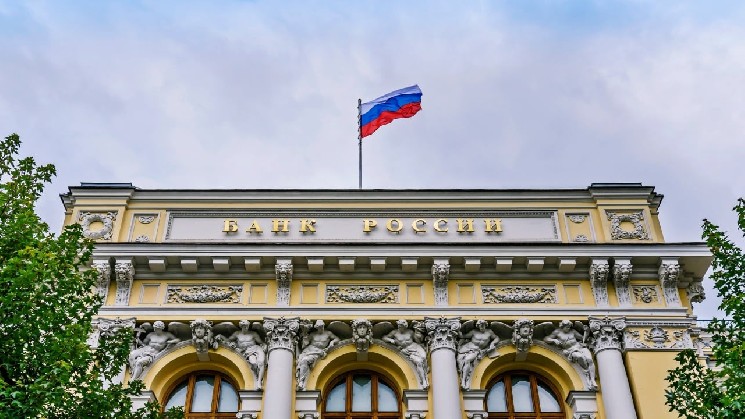
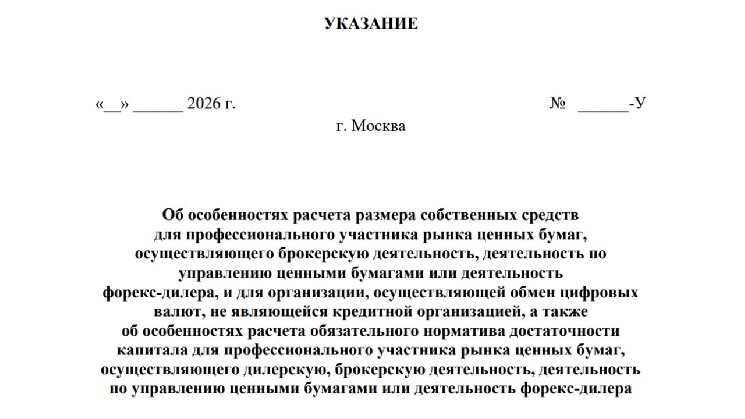
Bank of Russia Limits Cryptocurrency Share in Market Brokers' Portfolios to 25%

The Central Bank of Russia has published a new draft decree setting requirements for professional market participants, such as brokers, trust managers, Forex dealers, and cryptocurrency exchanges, regarding the inclusion of crypto assets on their balance sheets. These assets, if admitted for trading on exchanges, can constitute up to 25% of a firm's total declared equity capital (prudential limit). To be counted, crypto assets must also be registered with cryptocurrency depositories for state verification. The bank stated that this measure aims to account for crypto-related credit and market risks in capital adequacy assessments, helping ensure the financial stability of intermediaries engaged in cryptocurrency operations. This step is seen as part of Russia's ongoing process of crypto legalization, allowing users to evaluate the reliability of regulated entities based on their crypto holdings. It also marks the beginning of deeper state oversight and control over domestic crypto transactions by operators, while keeping the role of crypto assets in the Russian economy limited. The draft follows the State Duma's approval of comprehensive crypto regulations, which permit both qualified and non-qualified investors to trade cryptocurrencies domestically, though non-qualified investors are limited to annual purchases of up to 300,000 rubles (approx. $3,800). The use of cryptocurrencies for domestic payments remains prohibited, while exporters and importers can use them without restriction for cross-border settlements, including stablecoins, to legally circumvent risks from secondary sanctions.

cryptonews.ru08/18 13:17

Bank of Russia Limits Cryptocurrency Share in Market Brokers' Portfolios to 25%

cryptonews.ru08/18 13:17

活动图片