Editor's Note: The Clarity Act, which was about to enter a critical vote, was urgently halted due to public opposition from Coinbase CEO Brian Armstrong. The contentious issues revolve around restrictions on stablecoin interest payments and the boundaries of the SEC's authority. In fact, with the shift in regulatory direction following Trump's administration, the crypto industry has gradually transformed from being "the regulated" to "rule negotiators." This intervention not only altered the voting process but also exposed the real power struggles behind crypto legislation.
Original text:
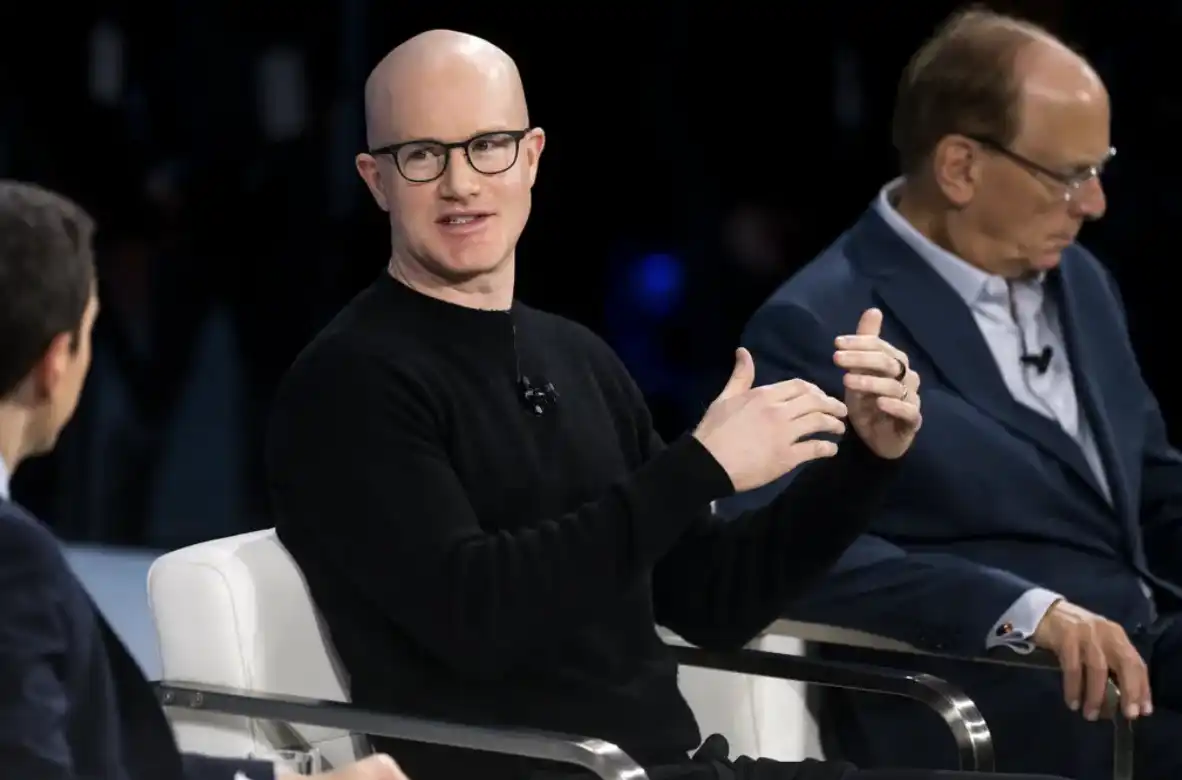
After months of negotiations, a significant cryptocurrency bill was originally scheduled to enter a committee vote in the Senate on Thursday, a crucial step in the legislative process.
But then, the top executive of the largest U.S. crypto company spoke out on social media. Coinbase CEO Brian Armstrong wrote on X on Wednesday evening: "Unfortunately, Coinbase cannot support the bill in its current text. This version would be significantly worse than the current regulatory state. We would rather have no bill than a bad bill."
Hours later, the Senate vote was canceled.
Typically, the outcome of a controversial legislative vote depends on a few key moderate lawmakers caught in partisan tug-of-war. But the shift in this milestone crypto bill this week highlights the immense influence Coinbase now wields in Washington—especially as the crypto industry's status rapidly rises under President Trump's administration.
Over the past few months, congressional staff have been advancing the drafting of the Clarity Act. This nearly 300-page bill aims to establish a regulatory framework for almost all key aspects of the crypto industry, with many rules shaped by industry participation and advocacy. However, at the last minute, Armstrong objected to a proposed wording, arguing that it could risk banning one of Coinbase's products; he also stated that the bill would grant excessive power to the U.S.'s top financial regulator, the Securities and Exchange Commission (SEC).
Coinbase's decisive move is backed by years of the company building political influence in Washington. As a publicly traded company with a market cap nearing $70 billion, Coinbase funds a network of political action committees (PACs) that have invested over $130 million in the 2024 congressional elections to support the election of more pro-crypto lawmakers.
This wave of intensive political spending sends an unmistakable message to Congress: anyone who opposes the crypto industry could become a target.
Now, leading companies in the industry have enough leverage to push for their interests. Todd Phillips, a financial expert at Georgia State University, said: "Coinbase played this move very well." A Coinbase spokesperson declined to comment.
Founded in 2012, Coinbase provides users with a platform to buy, sell, and store cryptocurrencies like Bitcoin and Ethereum. Anyone can log into its app and complete a purchase with a few clicks.
But not long ago, the company faced a much tougher environment in Washington. In 2023, the SEC sued Coinbase, accusing it of operating as an "unregistered exchange," part of the Biden administration's broader crackdown on the crypto industry. Armstrong, as a co-founder of Coinbase, criticized the SEC at the time for adopting a "regulation by enforcement" approach and called for clearer crypto regulatory rules.
The election of President Trump in 2024 completely changed the landscape. Shortly before taking office, Trump and his sons launched a crypto business, and Trump publicly declared that he would make the U.S. the "crypto capital of the world."
Within weeks of Trump taking office, the SEC dropped lawsuits against Coinbase and other crypto companies. Subsequently, the crypto industry pushed for legislation to codify this regulatory "rollback," preventing future administrations from restarting harsh crackdowns on the industry.
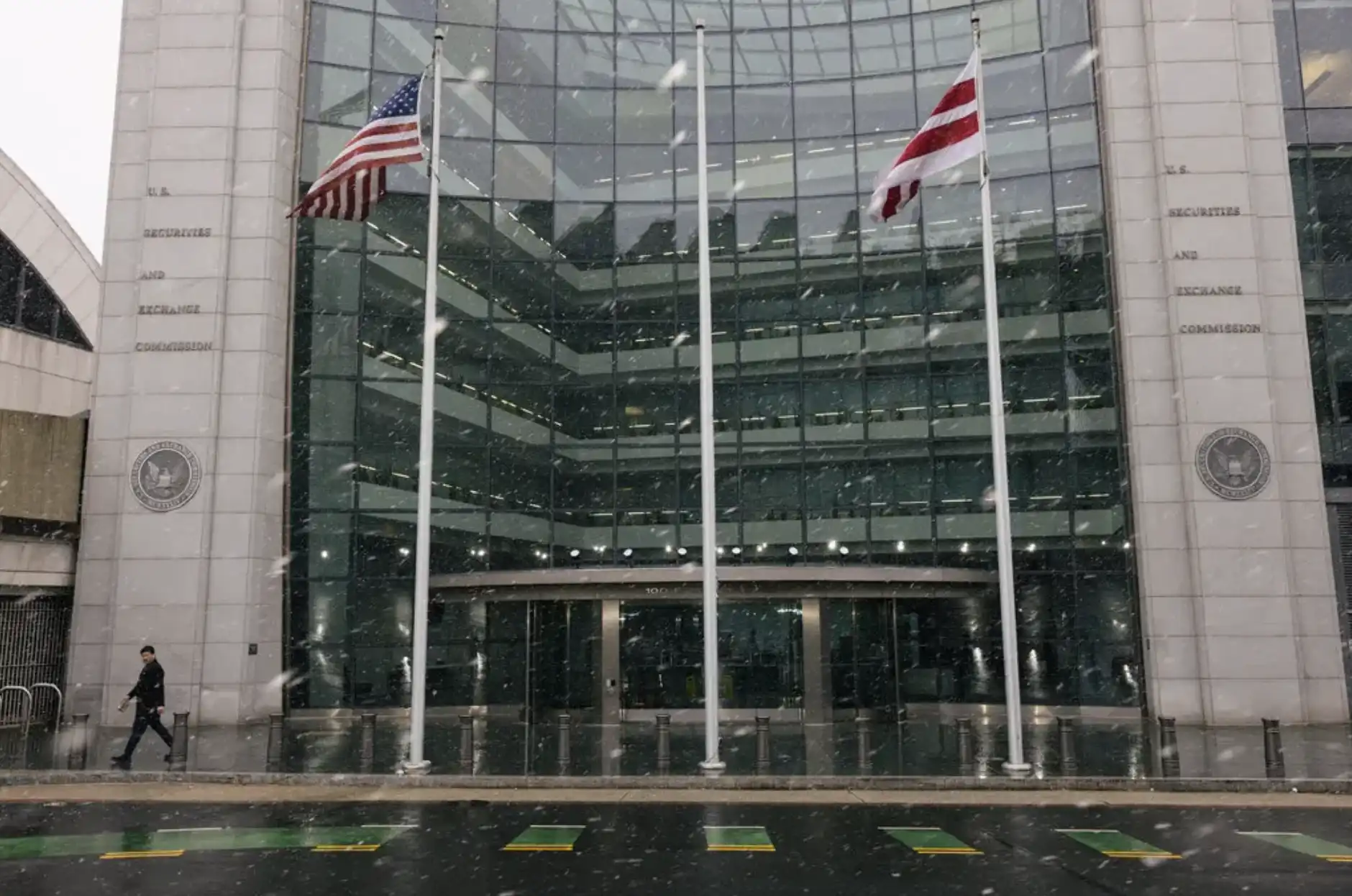
In July of this year, with government support, the House passed its version of the Clarity Act, largely adopting the crypto industry's vision for a new regulatory system. The bill would make it easier for crypto companies like Coinbase to argue that digital currencies are not securities, thus avoiding federal securities regulations designed to protect investors and markets.
But the bill encountered resistance in the Senate. Last fall, Senate Democrats proposed strict regulations for decentralized finance (DeFi), a branch of the crypto领域, sparking strong opposition from the industry.
At the same time, banking lobby groups pushed for provisions in the bill to prohibit crypto trading platforms like Coinbase from paying interest to holders of stablecoins. Stablecoins are a type of digital currency designed to maintain a price of $1. The banking industry argues that such "interest-bearing products" offered by crypto platforms would undermine banking business by competing with traditional deposit accounts.
This issue quickly became a key concern for Coinbase. A ban on interest payments could affect one of its revenue streams. Kara Calvert, Coinbase's head of policy, said: "Offering these incentive programs is crucial for competition."
The latest draft of the Clarity Act in the Senate was released near midnight on Monday. Congressional staff and crypto industry executives immediately intensified their review of the text, aiming to complete it before the scheduled Senate committee meeting on Thursday. This meeting, known as a "markup," is when senators have the opportunity to propose amendments. As the markup approached, while other crypto executives continued to express support for the bill on social media, Armstrong announced he would withdraw his support.
On Wednesday evening, South Carolina Republican Senator Tim Scott, chairman of the Senate Banking Committee, announced that the markup would be postponed, with no new date set yet. In a statement, he said: "All parties continue to communicate in good faith. Our goal is to establish clear 'rules of the road' that protect consumers, strengthen national security, and ensure the future of finance is built in the United States."







