Why Base’s $15.2B trading boom raises questions about L2 tokens

ambcryptoPublicado em 2026-02-10Última atualização em 2026-02-10

Resumo

Base is shifting its focus from creator rewards and social features to prioritize trading, as evidenced by the shutdown of its Creator Rewards program and Farcaster-powered social feed. The program, which distributed around $450,000 to 17,000 creators over seven months, is being discontinued to allow the platform to concentrate on tradable assets. This strategic pivot raises questions about the potential role of a native Base token, especially since discussions about its launch have quieted recently. The network's strong performance suggests a token may not be necessary. Over the past 30 days, Base-linked DEXs processed $15.2 billion in trading volume, with Aerodrome Finance (AERO) leading much of the activity. The network has also generated $190.6 million in cumulative fees and revenue, demonstrating its ability to monetize usage directly without relying on a token for growth. Coinbase's recent Super Bowl ad further indicates a focus on brand building and streamlined priorities. With trading volume and fees effectively serving the function a token typically would, a native Base token appears optional rather than essential.

The Base app is dropping creator rewards and moving its focus on trading, which says a lot about where Coinbase sees traction today.

But that raises an important question. What role, if any, will a native Base token play, especially since talk of launching one has gone noticeably quiet in recent months?

Putting trading first

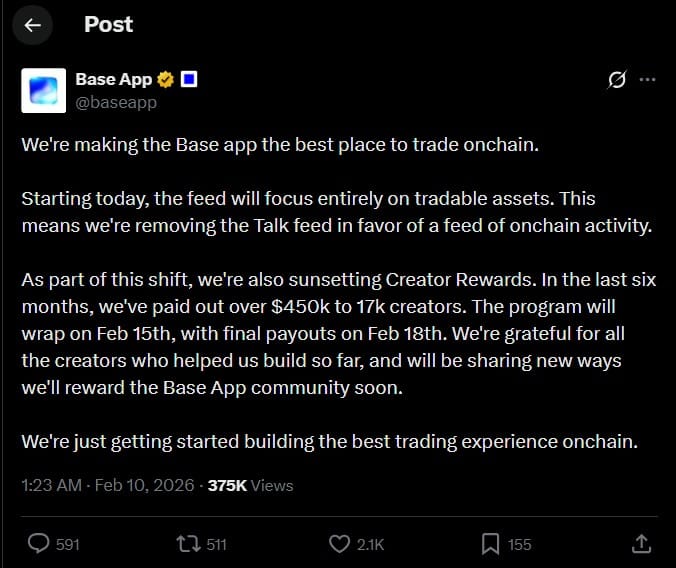
Coinbase is shutting down the app’s Creator Rewards program and its Farcaster-powered social feed, with its focus now on tradable assets. The Creator Rewards initiative, launched in July, was designed to encourage posts and engagement by paying users for activity.

In practice, the payouts were modest. Base says around $450,000 was shared among roughly 17,000 creators over seven months, averaging about $26 per person.

Source: X

According to creator Jesse Pollak, the decision came down to focus. As the app evolved, the team realized it worked best when it did fewer things well. He stated,

“…as we’ve rolled the app out, we’ve realized we need to do less, better. and by focusing on tradable assets, that’s exactly what we can do.”

The Creator Rewards program will officially end this week, with final payouts scheduled for the 18th of February. Pollak also noted that Base App was never an ideal home for Farcaster’s social feed, and expects most users to return to Farcaster’s native app.

Importantly, the changes do not affect Base’s Creator Coins feature, which remains active.

AMBCrypto previously reported that Coinbase was considering launching a native token called BASE, and that it was likely to happen this year. However, there’s not been much talk on that front since.

Do they really need a native token, though?

For now, it looks like they don’t.

Source: DeFiLlama

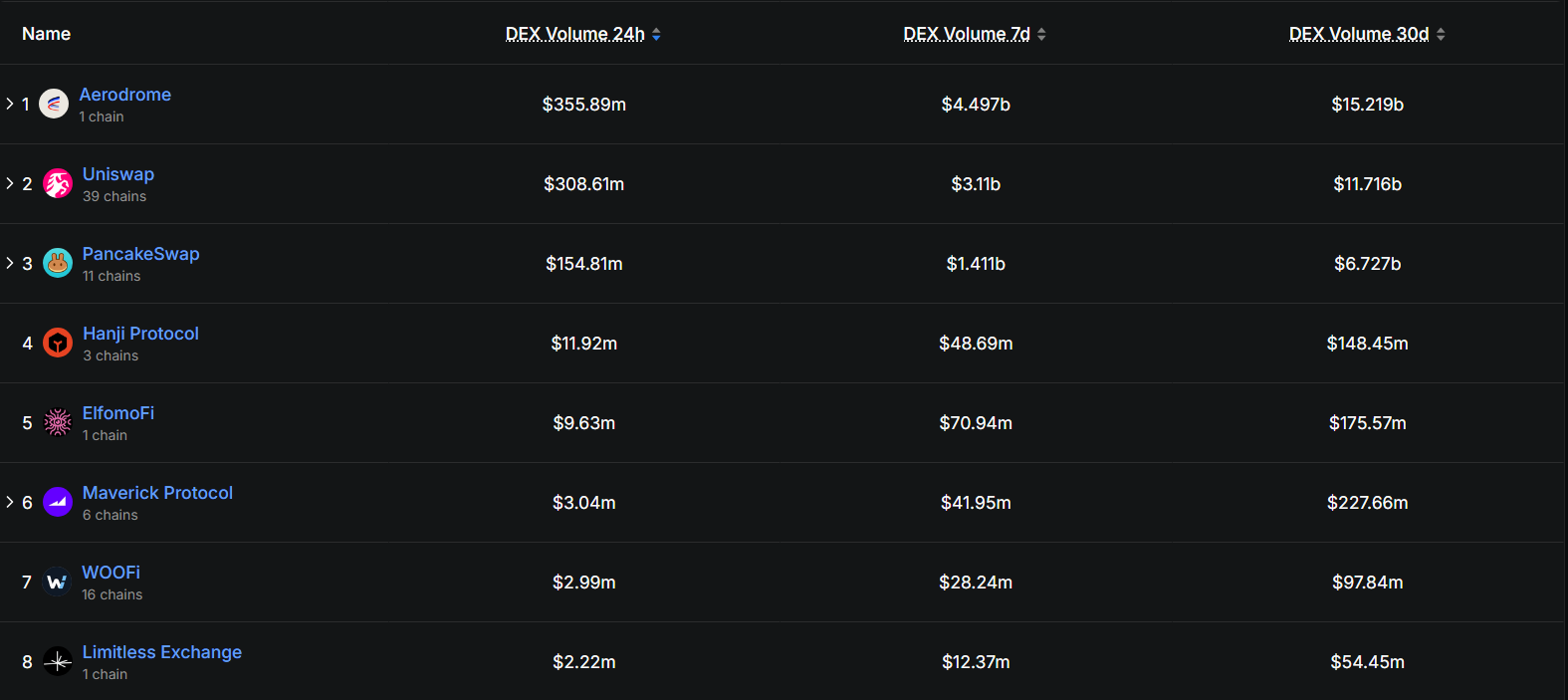
Over the past 30 days, Base-linked DEXs have processed $15.2 billion in trading volume, with Aerodrome Finance [AERO] alone accounting for the bulk of that activity. That puts them ahead of many multi-chain competitors.

Source: Token Terminal

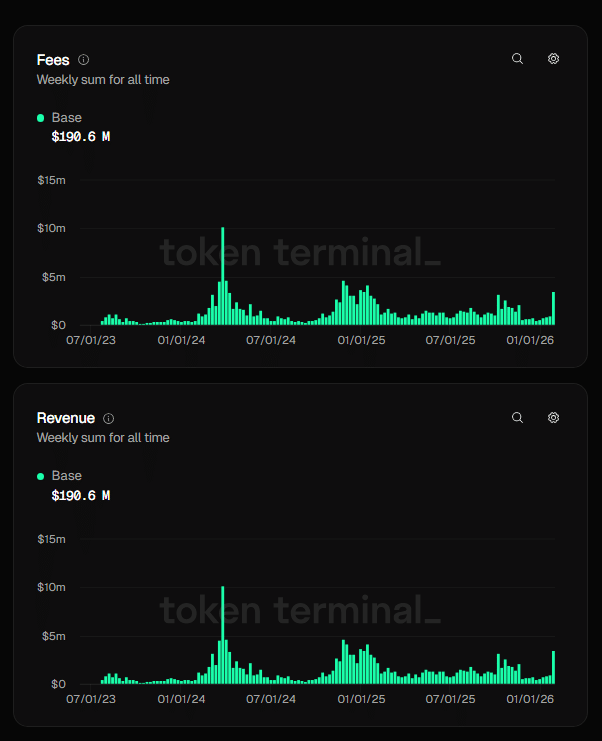
More importantly, the network is generating real money. Data per Token Terminal showed that Base has earned $190.6 million in cumulative fees and revenue to date, with steady weekly inflows.

Instead of relying on a token to bootstrap growth, Base is already monetizing usage directly.

Source: Twitter

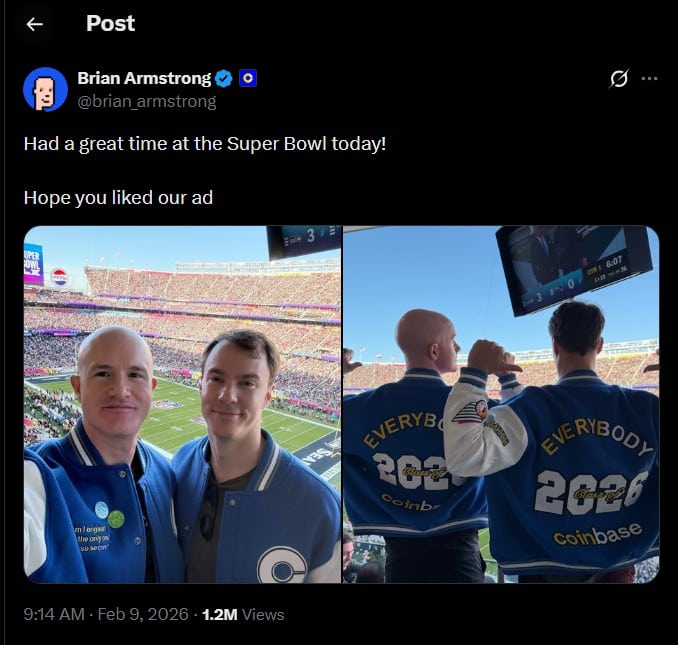
In more recent news, this year’s Super Bowl featured just one major crypto ad, and it was from Coinbase. The streamlining of priorities makes sense as Coinbase seemingly looks to build a bigger brand.


Final Thoughts

  • Base is prioritizing trading and revenue, with volume and fees doing the work a token usually would.
  • With growth already monetized, a native Base token looks optional rather than necessary.
Next: Cardano: Why CME’s ADA futures sparked 3% drop instead of a rally
Share
  • Share
  • Tweet

Perguntas relacionadas

QWhy is Base shutting down its Creator Rewards program and social feed?

ABase is shutting down these features to focus on doing fewer things well, specifically by concentrating on tradable assets, as the team realized the app works best with a more streamlined approach.

QHow much trading volume have Base-linked DEXs processed in the past 30 days?

ABase-linked DEXs have processed $15.2 billion in trading volume over the past 30 days, with Aerodrome Finance (AERO) accounting for the bulk of that activity.

QWhat is the current status of a potential native Base token launch?

ATalk of launching a native Base token has gone noticeably quiet in recent months, and with the network already generating significant revenue through fees, a token now seems optional rather than necessary.

QHow much revenue has Base generated from fees to date?

ABase has earned $190.6 million in cumulative fees and revenue to date, according to data from Token Terminal.

QWhat does Base's shift in focus and recent performance suggest about the need for a Layer 2 native token?

ABase's strong trading volume and revenue generation demonstrate that it can monetize usage directly without relying on a native token for growth, making a token launch appear optional rather than essential.

Leituras Relacionadas

Bitcoin Withdrawals Continue: 8 Years of Storage in a Coldcard Cold Wallet Ended in Zero

Coldcard Hardware Wallet Hacked: Losses Mount Due to Vulnerable Seed Generation A critical vulnerability in Coldcard hardware wallets has led to a continued wave of fund thefts. According to Galaxy Research, the total stolen has reached 1,367.05 BTC (approx. $88.6 million) from 4,585 addresses, a significant increase from the initial 594.5 BTC reported on July 30, 2026. Most of the stolen funds remain on the attackers' addresses. The issue is not with the current firmware, which Coinkite has updated, but with seed phrases generated on vulnerable devices between March 2021 and the release of fixed firmware versions. Due to a programmer error, devices switched from using a hardware random number generator to the software-based Yasmarang generator, which was initialized with publicly accessible data like the chip's serial number. This made the seed phrases predictable through offline brute-force attacks, meaning wallets remain at risk until funds are moved to a new wallet generated with the patched firmware. Affected devices include Mk2/Mk3 with firmware 4.0.1–4.1.9 (and up to 5.0.3), Mk4/Mk5 up to version 5.6.0, and Q models up to 1.5.0Q. The only exceptions are seeds created with a high-entropy method like at least 50 independent dice rolls or a strong unique BIP-39 passphrase. All other owners must generate a new seed on the fixed firmware and transfer their assets. A case highlighting the human impact involves a 39-year-old long-term investor who lost 2 BTC (approx. $130,000) in minutes. He had accumulated the Bitcoin over eight years through physical labor, viewing it as a financial lifeline and a retirement plan in a country suffering from hyperinflation. His story underscores that even conservative "buy and hold in cold storage" strategies can be compromised by such underlying technical flaws. From a technical perspective, this incident echoes historical failures where weak random number generators undermined cryptographic security, challenging the assumption that offline storage is automatically foolproof.

cryptonews.ruHá 42m

Bitcoin Withdrawals Continue: 8 Years of Storage in a Coldcard Cold Wallet Ended in Zero

cryptonews.ruHá 42m

Trading

Spot
活动图片