When Traditional Finance Fails People in Crisis, Bitcoin Succeeds

marsbitPublicado em 2026-07-17Última atualização em 2026-07-17

Resumo

When traditional finance fails to reach people in crisis, Bitcoin succeeds. This article highlights how fundraising platforms like GoFundMe face severe limitations in delivering aid to conflict zones like Gaza due to banking regulations, sanctions, and compliance rules. For instance, Sami Jamal Al-Shannat raised over £55,000 for his family but couldn't receive the funds directly; instead, money had to be routed through a beneficiary in another country, leading to disputes and loss of access. The piece explores how compliance requirements often force reliance on intermediaries, shifting risk and responsibility away from platforms and onto individuals. In contrast, Bitcoin and blockchain-based platforms like Geyser and Agora enable direct, peer-to-peer transactions, bypassing traditional financial bottlenecks. These platforms shift trust from centralized institutions to verifiers—local partners or trusted organizations—who validate projects, allowing donors to send funds directly to recipients' wallets. While not a panacea, Bitcoin offers a way to circumvent "transnational financial repression," where sanctions and AML rules inadvertently harm legitimate aid recipients, activists, and dissidents. The conclusion emphasizes that open payment networks and decentralized trust models represent a systemic shift, empowering beneficiaries and providing more resilient humanitarian fundraising in crisis situations. However, challenges around verification, accountability, and fraud prev...

Author: Forbes

Compiled by: AididiaoJP, Foresight News

In the Gaza Strip, a fundraising campaign that should have brought hope has been mired in obstacles due to the limitations of traditional finance.

Sami Jamal Al-Shannat raised over £55,000 (approximately RMB 500,000) on GoFundMe for his family trapped in the war zone, thinking the hardest part was over. However, after the platform deducted a 3.9% fee, it did not support direct payments to Gaza. The remaining funds had to be transferred to a designated beneficiary living in a supported country, who would then forward the money to his family.

This arrangement complied with platform rules but placed the final delivery entirely on personal trust. Sami says the arrangement with his brother-in-law, who was the beneficiary, later broke down, and he has yet to receive the full amount, with the dispute unresolved. He described it not merely as a financial loss but as leaving his wife and children in an extremely vulnerable situation.

"Raising the money wasn't the problem," Sami told me from a displacement camp in Gaza. "The problem started when we had to rely on someone else to receive it for us."

Sami's primary hope now is to recover the funds and seek accountability, but from Gaza, he finds it difficult to locate a lawyer and lacks the necessary funds and connections. He also plans to continue fundraising for his family as wartime inflation has caused prices for basic necessities like food to soar.

GoFundMe did not respond to multiple requests for comment.

The Trap of Compliance

Sami's experience exposes a widespread issue faced by humanitarian crowdfunding platforms: platforms must comply with banking rules, sanctions regimes, and anti-money laundering requirements, which strictly limit the regions where funds can be sent.

When people in crisis cannot receive funds directly, they must rely on intermediaries. This not only shifts responsibility onto individuals but can also result in the aid raised for them failing to arrive.

This compliance bottleneck can even paralyze global human rights organizations. Lyudmyla Kozlovska, President of the Open Dialogue Foundation, recalled that during the initial days of Russia's invasion of Ukraine in 2022, platforms like PayPal, GoFundMe, and Wise blocked their fundraising appeals for Ukraine. By using Bitcoin, the foundation was able to bypass traditional delays and deliver urgent humanitarian aid on the second day of the war.

Charities, aid organizations, and tech companies have been grappling for years with how to reach people cut off from the traditional financial system. A growing number of developers believe the current model relies on too many intermediaries, especially when funds need to cross borders or reach restricted jurisdictions.

Redesigning the Architecture of Trust

Michele Morucci, co-founder of the Bitcoin crowdfunding platform Geyser, points out that trust is the core issue.

"People think the biggest challenge is moving money. It's not. The biggest challenge is deciding who to trust."

Donors often don't know the beneficiaries personally; they rely on platforms, charities, journalists, and community leaders to judge a project's authenticity. Removing one intermediary only makes sense if there is an equally credible alternative.

Geyser reviews projects before they go live, requiring creators to provide proof of work, team information, and necessary documents. Projects that don't meet credibility standards are not approved.

Furthermore, over 100 Geyser Field Partners are responsible for identifying and supporting projects within their familiar communities, forming a chain of trust between local communities and global donors. Michele notes these partners have helped deliver 12 million satoshis (approximately £5,600, equivalent to 0.12 Bitcoin) directly to community projects. He acknowledges the model is still new and data remains limited.

More Than Just One Fundraising Case

The weaknesses exposed by Sami's case are not isolated. Crowdfunding platforms can raise money for families facing war, disaster, or oppression within hours, but getting the funds safely into the hands of the intended recipients is far more complex.

GoFundMe isn't the only platform restricting payment regions. Mainstream crowdfunding platforms rely on banks and payment providers and must comply with sanctions, identity verification, and anti-money laundering rules specific to jurisdictions.

When direct payment isn't supported, organizers may need to designate a beneficiary in another jurisdiction to receive the funds on behalf of the recipient. While this satisfies the platform's legal and banking requirements, it transfers responsibility to the intermediary. If the relationship breaks down, the recipient has very limited recourse through the platform.

Shifting Trust to Verifiers

The Agora platform takes a different path. It allows funds to flow directly between donors and recipients, while verification comes from organizations and individuals with first-hand knowledge of the project.

Mary Kate, co-founder of Soapbox (the team behind Agora), explains that donors might not know the person in need, but they might know and trust the organization verifying the project.

"This allows us to shift trust from the project itself to the verifier. You might not know the person in need, but you might know and trust the organization verifying it."

This model leaves the final decision with the donor. A project can still be visible even without verifier support; trusted organizations can add context and credibility without being the sole gatekeepers.

Agora also removes the crowdfunding platform from the payment flow. Donations are sent directly to a wallet controlled by the recipient, reducing the risk of funds being held by the platform or passed through another person's hands.

Bitcoin enables cross-border fund movement without requiring platform custody or beneficiary forwarding. Of course, wallet security, access, and exchange rate risks remain.

For Mary Kate, this control extends far beyond the movement of money itself.

"We can't take away your account, we can't shut down your project, we can't take your money," she says. "For people going through trauma and feeling a lack of control over their lives, this can be a huge moment of empowerment."

Direct payment doesn't solve all problems. Projects still need vetting, donors still need sufficient information to make informed decisions, and recipients could still misuse funds. Agora is working to make these risks more transparent while giving recipients greater control over funds raised in their name.

The Unintended Consequences of Financial Sanctions

Sami's experience is not an isolated case because the underlying issue is widespread. Activists, journalists, and humanitarian organizations worldwide are finding it increasingly difficult to legally transfer funds across borders as financial regulations grow more complex and sanctions impact entire jurisdictions rather than just governments.

Femi Longe, Global Tech for Freedom Strategy Lead at the Human Rights Foundation, believes these restrictions often unintentionally harm the very people meant to receive humanitarian aid.

"Traditional crowdfunding platforms are regulated; moving money across borders requires compliance with AML and sanctions rules. The problem is that these rules ultimately affect legitimate opposition groups, nonprofits, and ordinary citizens, not the governments they were originally aimed at."

Femi notes that even organizations operating legally within sanctioned countries struggle to receive donations. Visible financial ties can put domestic supporters or relatives at risk of retaliation.

Lyudmyla warns that this issue has evolved beyond administrative friction into "transnational financial repression" – where regimes leverage global AML/CFT rules to deprive dissidents of banking access, even in Western countries.

She cites a landmark resolution passed by the OSCE Parliamentary Assembly in July 2026, which recognized transnational financial repression as a systemic threat and called for stronger protections for donor privacy and privacy-preserving digital tools. Lyudmyla states that Bitcoin payment tools are becoming a necessary lifeline for targeted donors and activists.

Political opposition groups, independent journalists, and civil society organizations often rely on international donations to sustain their work. When donations are hard to send or easier to monitor, financial infrastructure becomes another form of pressure.

This doesn't mean regulations should be abolished. Public fundraising requires accountability, transparency, and safeguards to protect donors from fraud. All interviewees acknowledged this challenge and accepted that there is no perfect solution.

Femi argues the goal should be to remove unnecessary intermediaries while retaining accountability.

"If you allow the project operator to directly control the wallet receiving the funds, I think that's an improvement over the status quo," he adds, noting that verification and oversight remain integral to any system handling public donations.

Sami's case highlights a fundamental weakness in the humanitarian financial architecture. Systems built around banks, payment processors, and judicial borders often struggle when transferring funds to people in war zones, under political repression, or facing humanitarian crises. No one believes technology alone can solve humanitarian fundraising problems.

Direct payment to recipients removes one layer of risk but does not guarantee a project's authenticity, the organizer's honesty, or that donations will be used for the stated purpose.

Femi says, "I don't think Bitcoin solves everything. You still need systems to verify project creators, you still need accountability for how funds are used. These challenges don't disappear just because payment becomes direct."

Platforms like Michele's and Mary Kate's are working along similar lines: they don't claim to eliminate trust but attempt to redesign where that trust is placed.

The new generation of humanitarian crowdfunding is more than a temporary patch for a broken traditional model; it is a systemic shift. Open payment networks can give recipients direct control over funds raised in their name, while decentralized trust networks help donors decide whom to support.

Although judgment, verification, and accountability remain indispensable, this open architecture is bypassing the legacy financial restrictions and regulatory hurdles that prevent traditional platforms from reaching those most in need.

Criptomoedas em alta

Perguntas relacionadas

QWhat was the primary challenge faced by Sami Jamal Al-Shannat after successfully raising funds on GoFundMe for his family in Gaza?

AThe primary challenge was that GoFundMe, after deducting fees, did not support direct payments to Gaza. The funds had to be sent to a designated beneficiary in a supported country, who was then supposed to forward the money. This reliance on an intermediary based on personal trust failed, as the arrangement with his brother-in-law broke down, leaving Sami unable to receive the full amount.

QHow did the Open Dialogue Foundation manage to deliver humanitarian aid to Ukraine promptly after the Russian invasion, according to the article?

AAccording to the article, when platforms like PayPal, GoFundMe, and Wise blocked their fundraising appeals, the Open Dialogue Foundation used Bitcoin. This allowed them to bypass traditional delays and deliver emergency humanitarian aid to Ukraine on the second day of the war.

QAccording to Michele Morucci of Geyser, what is the core problem in humanitarian crowdfunding, and how does Geyser address it?

AMichele Morucci states that the core problem is trust, not moving money. Geyser addresses this by vetting projects before they go live, requiring evidence of work and necessary documentation. They also utilize a network of over 100 'Field Partners' who identify and support projects within their own communities, creating a chain of trust between local communities and global donors.

QWhat key difference does the Agora platform introduce in its model compared to traditional crowdfunding platforms?

AAgora removes the platform from the payment flow. Donations are sent directly to a wallet controlled by the beneficiary. Trust is shifted from the project creator to verifiers—organizations or individuals with firsthand knowledge of the project who can vouch for it. This gives beneficiaries direct control over the funds raised in their name.

QWhat is 'transnational financial repression' as mentioned by Lyudmyla Kozlovska, and what role does Bitcoin play in this context?

A'Transnational financial repression' refers to regimes exploiting global anti-money laundering and counter-terrorism financing rules to deny banking access to dissidents, even in Western countries. Lyudmyla Kozlovska warns that this goes beyond administrative friction. In this context, Bitcoin payment tools are becoming a necessary lifeline for targeted donors and activists, as they can bypass these restrictive financial controls.

Leituras Relacionadas

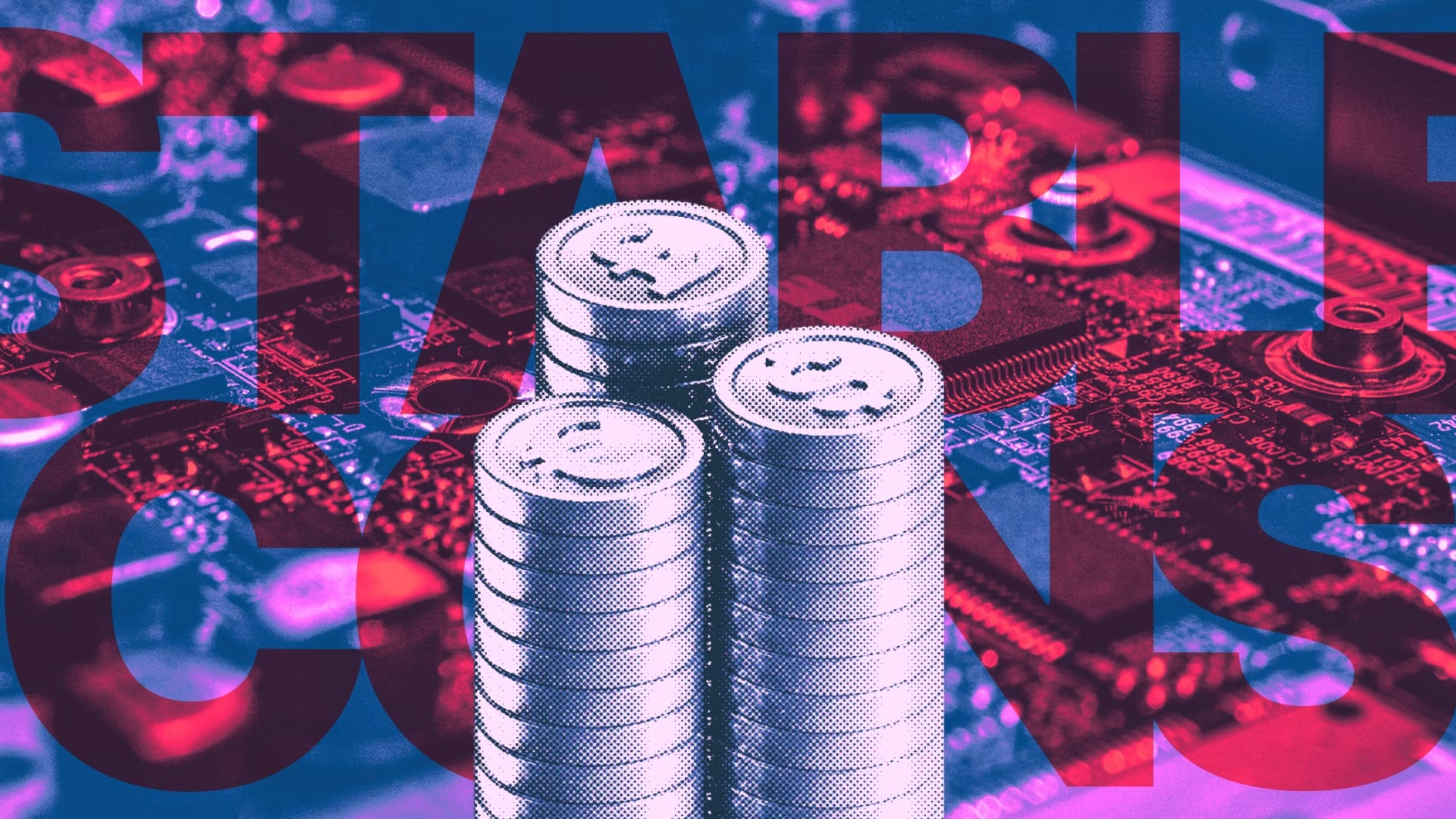
Understanding the Stablecoin Industry Chain in One Article: The Real Profits Are Not in the Issuance

Understanding the Stablecoin Industry Value Chain: The Real Profits Are Not in Issuance The article argues that while industry discussion focuses on stablecoin issuers like Tether and Circle, the real profit opportunities lie further down the value chain. It breaks the stablecoin ecosystem into five key segments: issuance, on/off-ramps, on-chain transfers, payments, and yield generation/asset growth. Issuance is dominated by a few giants with massive scale and trust advantages, making direct competition difficult. New entrants are advised to focus on specialized infrastructure roles within this segment instead. The on/off-ramp sector faces intense competition and margin pressure on basic transaction fees, pushing service providers to expand into adjacent services for recurring revenue. The on-chain transfer segment, particularly for cross-border payments and payroll, offers significant cost advantages over traditional systems. Profits are not in the transfer itself but in the surrounding compliance, FX services, and leveraging idle funds. In payments, the core profitability lies not in consumer-facing card brands but in the backend infrastructure for issuing, clearing, and settlement. This allows players to capture reserve interest and improve capital efficiency through real-time, on-chain clearing. Finally, the asset growth/yield segment has evolved into a full-fledged on-chain asset management industry. It features layered models with specialized risk managers and offers products ranging from tokenized treasuries (RWA) to yield-bearing synthetic dollars. The future direction points towards integrating stablecoin advantages (24/7 clearing, low-cost transfers, programmable yield) into existing traditional financial infrastructure, as seen in recent acquisitions. Value is shifting downstream to the clearing/payments layer and towards compliant integration with traditional finance, including the rise of regional non-USD stablecoins.

Foresight NewsHá 5m

Understanding the Stablecoin Industry Chain in One Article: The Real Profits Are Not in the Issuance

Foresight NewsHá 5m

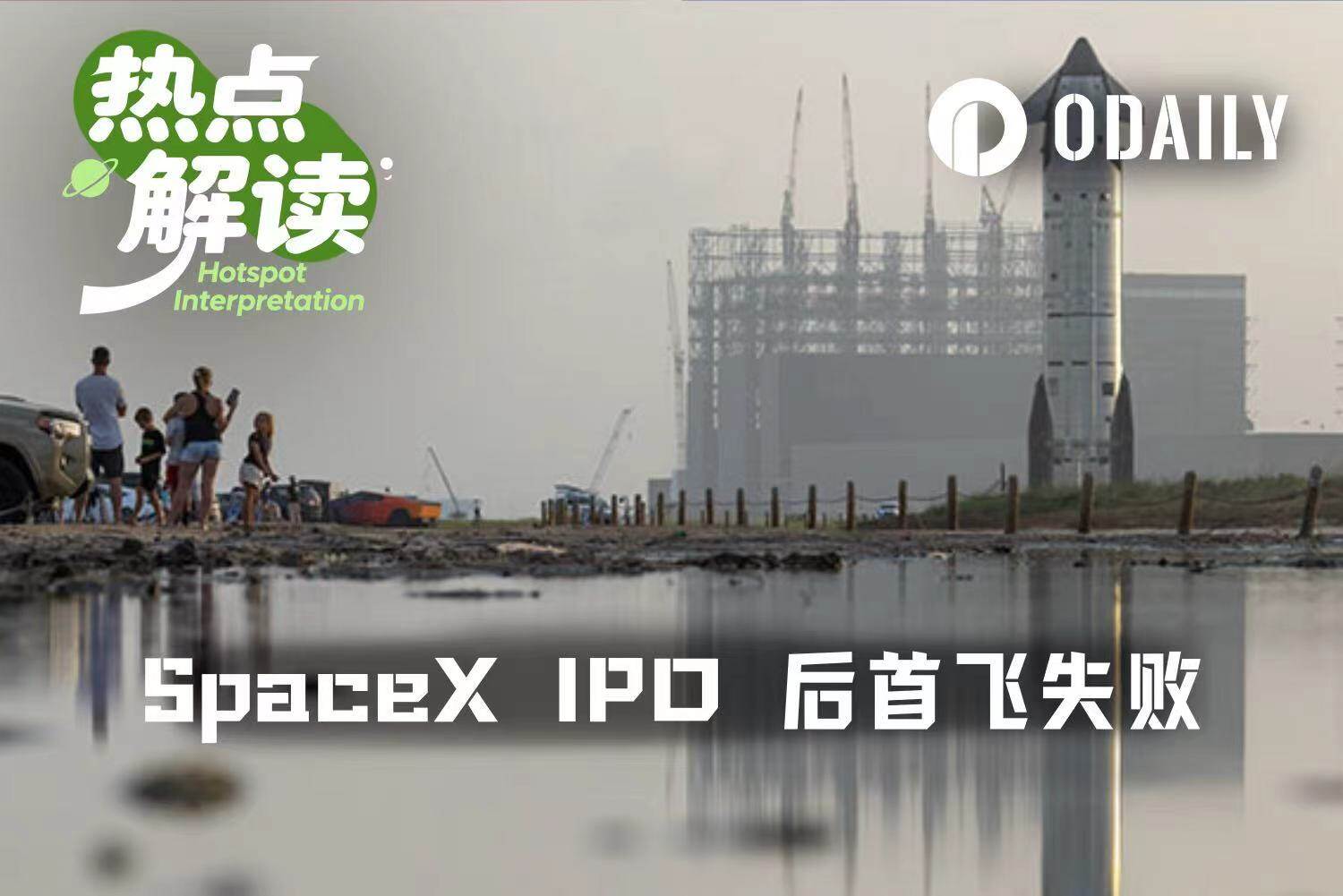
Stock Price Falls Below IPO Price, First Launch After IPO Hits a Snag, Where Will SpaceX Go From Here?

SpaceX Faces Post-IPO Pressure as Starship Launch Aborted, Stock Slumps SpaceX's highly anticipated 13th test flight of its Starship rocket was aborted during the final ignition sequence on July 17th due to issues with some Raptor engines failing to start as expected. CEO Elon Musk stated the company will replace two engines and aims for another launch attempt early next week. This setback comes at a critical time for SpaceX. Following its historic IPO last month, the company's stock (SPCX) has recently fallen below its offering price, down nearly 40% from its peak. The market had hoped a successful test would bolster the declining share price, but the abort triggered further after-hours selling. The article highlights a shift in investor perspective post-IPO. While previous Starship test failures were often viewed within SpaceX's "fail fast, iterate" Silicon Valley engineering culture as valuable data points, public market investors are now more focused on timelines, commercialization prospects, and their impact on valuation and future cash flows. Each delay or issue is now quickly factored into the stock price. While public listing provides crucial capital for ambitious projects like Starlink and Starship, it also brings increased scrutiny and pressure for predictable progress. The upcoming launch attempt is now seen as more than a technical milestone; its success or failure is likely to significantly influence market sentiment and the stock's near-term trajectory as SpaceX navigates the new realities of being a publicly traded company.

Odaily星球日报Há 39m

Stock Price Falls Below IPO Price, First Launch After IPO Hits a Snag, Where Will SpaceX Go From Here?

Odaily星球日报Há 39m

A Critical Review of Base Co-founder's "Letter of Self-Criticism"

Yesterday, Base co-founder Jesse Pollak published a self-critical post on X, reflecting on Base's successes and failures over the past two years. While his candor is commendable, the author argues his analysis still misses key points. Jesse admitted his primary mistake was heavily betting that onchain social platforms (like Farcaster) and creator tokens would drive mainstream crypto adoption. The author harshly criticizes this strategy, giving it a "0/100" score. They argue onchain social offers no superior user experience, and creator tokens, like Jesse's own $JESSE, fail to solve fundamental issues about value and creator adoption, unlike successful memecoins on other chains. The author is more forgiving regarding Base lagging in areas like perpetual DEXs and prediction markets, giving this an "80/100". They note strong competitors like Hyperliquid had unique advantages, and Base has found significant success in other narratives like AI and RWA. The author gives Jesse's overall reflection a "60/100" or passing grade. While Jesse now correctly sees multiple paths to adoption (stablecoins, payments, AI Agents) beyond just social, he, along with other industry leaders like Toly and Vitalik, still underestimates the powerful role of memecoins in driving mainstream awareness and adoption. The critique concludes that leaders often leverage memes for user acquisition but fail to genuinely embrace or thoughtfully develop the space, revealing a retreat from idealism and a disconnect from grassroots, viral growth mechanisms.

marsbitHá 1h

A Critical Review of Base Co-founder's "Letter of Self-Criticism"

marsbitHá 1h

Trading

Spot

Artigos em Destaque

O que é BITCOIN

Compreender o HarryPotterObamaSonic10Inu (ERC-20) e a Sua Posição no Espaço Cripto Nos últimos anos, o mercado de criptomoedas assistiu a um aumento na popularidade das moedas meme, cativando não apenas os traders, mas também aqueles que procuram envolvimento comunitário e valor de entretenimento. Entre estes tokens únicos está o HarryPotterObamaSonic10Inu (ERC-20), um projeto intrigante que mistura referências culturais no tecido das criptomoedas. Este artigo explora os principais aspetos do HarryPotterObamaSonic10Inu, examinando os seus mecanismos, a sua ética orientada pela comunidade e o seu envolvimento com o vasto panorama cripto. O que é o HarryPotterObamaSonic10Inu (ERC-20)? Como o nome sugere, o HarryPotterObamaSonic10Inu é uma moeda meme construída na blockchain Ethereum, classificada sob o padrão ERC-20. Ao contrário das criptomoedas tradicionais, que podem enfatizar a utilidade prática ou o potencial de investimento, este token prospera no valor de entretenimento e na força da sua comunidade. O projeto visa promover um ambiente onde utilizadores envolvidos possam reunir-se, partilhar ideias e participar em atividades inspiradas por diversos fenómenos culturais. Uma característica notável do HarryPotterObamaSonic10Inu é a zero taxa sobre transações. Este elemento atraente visa encorajar a negociação e o envolvimento da comunidade, isento de encargos adicionais que podem desencorajar os traders de pequena escala. A oferta total da moeda está fixada em mil milhões de tokens, uma cifra que marca a sua intenção de manter uma circulação substancial dentro da comunidade. Criador do HarryPotterObamaSonic10Inu (ERC-20) As origens do HarryPotterObamaSonic10Inu estão um pouco envoltas em mistério; os detalhes sobre o criador permanecem desconhecidos. O desenvolvimento deste token carece de uma equipa identificável ou de um plano explícito, o que não é raro no setor das moedas meme. Em vez disso, o projeto surgiu de forma orgânica, com o seu progresso a depender fortemente do entusiasmo e da participação da sua comunidade. Investidores do HarryPotterObamaSonic10Inu (ERC-20) No que diz respeito a investimentos externos e apoios, o HarryPotterObamaSonic10Inu também permanece ambíguo. O token não lista quaisquer fundações de investimento conhecidas ou apoio organizacional significativo. Em vez disso, o “sangue vital” do projeto é a sua comunidade de base, que informa o seu crescimento e sustentabilidade através da ação coletiva e do envolvimento no espaço cripto. Como Funciona o HarryPotterObamaSonic10Inu (ERC-20)? Como uma moeda meme, o HarryPotterObamaSonic10Inu opera principalmente fora dos quadros tradicionais que muitas vezes governam o valor dos ativos. Existem vários aspetos distintivos que definem como o projeto funciona: Transações Sem Taxas: Sem taxas sobre transações, os utilizadores podem comprar e vender o token livremente, sem a preocupação de custos ocultos. Envolvimento da Comunidade: O projeto prospera na interação da comunidade, aproveitando plataformas de redes sociais para criar entusiasmo e facilitar a participação. Discussões, partilha de conteúdo e envolvimento são elementos cruciais que ajudam a expandir o seu alcance e a fomentar a lealdade entre os apoiantes. Sem Utilidade Prática: Deve ser notado que o HarryPotterObamaSonic10Inu não oferece utilidade concreta dentro do ecossistema financeiro. Em vez disso, é classificado como um token principalmente para entretenimento e atividades comunitárias. Referência Cultural: O token incorpora de forma inteligente elementos da cultura popular para atrair interesse, conectando-se tanto com entusiastas de memes como com seguidores de criptomoedas. HarryPotterObamaSonic10Inu exemplifica como as moedas meme operam de forma diferente de projetos de criptomoedas mais tradicionais, entrando no mercado como construções sociais inovadoras em vez de ativos utilitários. Linha do Tempo do HarryPotterObamaSonic10Inu (ERC-20) A história do HarryPotterObamaSonic10Inu é marcada por vários marcos notáveis: Criação: O token surgiu de um meme viral, capturando a imaginação de muitos entusiastas de criptomoedas. Datas específicas de criação não estão disponíveis, sublinhando a sua ascensão orgânica. Listagem em Exchanges: O HarryPotterObamaSonic10Inu conseguiu entrar em várias exchanges, permitindo um acesso e negociação mais fáceis pela comunidade. Iniciativas de Envolvimento da Comunidade: Atividades contínuas direcionadas a melhorar a interação comunitária, incluindo concursos, campanhas em redes sociais e geração de conteúdo por fãs e defensores. Planos de Expansão Futura: O roteiro do projeto inclui o lançamento de uma coleção de NFTs, mercadorias e um site de eCommerce relacionado aos seus temas culturais, envolvendo ainda mais a comunidade e tentando adicionar mais dimensões ao seu ecossistema. Pontos-Chave sobre o HarryPotterObamaSonic10Inu (ERC-20) Natureza Orientada pela Comunidade: O projeto prioriza a contribuição coletiva e a criatividade, assegurando que o envolvimento dos utilizadores está na vanguarda do seu desenvolvimento. Classificação como Moeda Meme: Representa o epítome da criptomoeda baseada em entretenimento, destacando-se dos veículos de investimento tradicionais. Sem Afiliação Direta com o Bitcoin: Apesar da semelhança no nome do ticker, o HarryPotterObamaSonic10Inu é distinto e não tem qualquer relação com o Bitcoin ou outras criptomoedas estabelecidas. Foco na Colaboração: O HarryPotterObamaSonic10Inu é projetado para criar um espaço de colaboração e partilha de histórias entre os seus detentores, proporcionando uma via para a criatividade e o fortalecimento da comunidade. Perspectivas Futuras: A ambição de expandir além da sua premissa inicial para NFTs e mercadorias delineia um caminho para o projeto potencialmente entrar em avenidas mais mainstream dentro da cultura digital. À medida que as moedas meme continuam a capturar a imaginação da comunidade cripto, HarryPotterObamaSonic10Inu (ERC-20) destaca-se devido aos seus laços culturais e abordagem centrada na comunidade. Embora possa não se encaixar no molde típico de um token orientado para utilidade, a sua essência reside na alegria e camaradagem fomentadas entre os seus apoiantes, destacando a natureza em evolução das criptomoedas em uma era cada vez mais digital. À medida que o projeto continua a desenvolver-se, será importante observar como as dinâmicas comunitárias influenciam a sua trajetória no panorama em constante mudança da tecnologia blockchain.

1.7k Visualizações TotaisPublicado em {updateTime}Atualizado em 2024.12.03

O que é BITCOIN

Como comprar BTC

Bem-vindo à HTX.com!Tornámos a compra de Bitcoin (BTC) simples e conveniente.Segue o nosso guia passo a passo para iniciar a tua jornada no mundo das criptos.Passo 1: cria a tua conta HTXUtiliza o teu e-mail ou número de telefone para te inscreveres numa conta gratuita na HTX.Desfruta de um processo de inscrição sem complicações e desbloqueia todas as funcionalidades.Obter a minha contaPasso 2: vai para Comprar Cripto e escolhe o teu método de pagamentoCartão de crédito/débito: usa o teu visa ou mastercard para comprar Bitcoin (BTC) instantaneamente.Saldo: usa os fundos da tua conta HTX para transacionar sem problemas.Terceiros: adicionamos métodos de pagamento populares, como Google Pay e Apple Pay, para aumentar a conveniência.P2P: transaciona diretamente com outros utilizadores na HTX.Mercado de balcão (OTC): oferecemos serviços personalizados e taxas de câmbio competitivas para os traders.Passo 3: armazena teu Bitcoin (BTC)Depois de comprar o teu Bitcoin (BTC), armazena-o na tua conta HTX.Alternativamente, podes enviá-lo para outro lugar através de transferência blockchain ou usá-lo para transacionar outras criptomoedas.Passo 4: transaciona Bitcoin (BTC)Transaciona facilmente Bitcoin (BTC) no mercado à vista da HTX.Acede simplesmente à tua conta, seleciona o teu par de trading, executa as tuas transações e monitoriza em tempo real.Oferecemos uma experiência de fácil utilização tanto para principiantes como para traders experientes.

4.3k Visualizações TotaisPublicado em {updateTime}Atualizado em 2026.06.02

Como comprar BTC

O que é $BITCOIN

OURO DIGITAL ($BITCOIN): Uma Análise Abrangente Introdução ao OURO DIGITAL ($BITCOIN) OURO DIGITAL ($BITCOIN) é um projeto baseado em blockchain que opera na rede Solana, com o objetivo de combinar as características dos metais preciosos tradicionais com a inovação das tecnologias descentralizadas. Embora partilhe um nome com o Bitcoin, frequentemente referido como “ouro digital” devido à sua percepção como uma reserva de valor, o OURO DIGITAL é um token separado projetado para criar um ecossistema único dentro da paisagem Web3. O seu objetivo é posicionar-se como um ativo digital alternativo viável, embora os detalhes sobre as suas aplicações e funcionalidades ainda estejam em desenvolvimento. O que é o OURO DIGITAL ($BITCOIN)? OURO DIGITAL ($BITCOIN) é um token de criptomoeda explicitamente projetado para uso na blockchain Solana. Em contraste com o Bitcoin, que fornece um papel amplamente reconhecido como armazenamento de valor, este token parece focar em aplicações e características mais amplas. Aspectos notáveis incluem: Infraestrutura Blockchain: O token é construído na blockchain Solana, conhecida pela sua capacidade de lidar com transações de alta velocidade e baixo custo. Dinâmicas de Oferta: O OURO DIGITAL tem um fornecimento máximo limitado a 100 quatrilhões de tokens (100P $BITCOIN), embora os detalhes sobre o seu fornecimento circulante ainda não tenham sido divulgados. Utilidade: Embora as funcionalidades precisas não estejam explicitamente delineadas, existem indicações de que o token poderia ser utilizado para várias aplicações, potencialmente envolvendo aplicações descentralizadas (dApps) ou estratégias de tokenização de ativos. Quem é o Criador do OURO DIGITAL ($BITCOIN)? Neste momento, a identidade dos criadores e da equipa de desenvolvimento por trás do OURO DIGITAL ($BITCOIN) permanece desconhecida. Esta situação é típica entre muitos projetos inovadores no espaço da blockchain, particularmente aqueles alinhados com finanças descentralizadas e fenómenos de moedas meme. Embora tal anonimato possa fomentar uma cultura orientada pela comunidade, intensifica as preocupações sobre governança e responsabilidade. Quem são os Investidores do OURO DIGITAL ($BITCOIN)? As informações disponíveis indicam que o OURO DIGITAL ($BITCOIN) não tem apoiantes institucionais conhecidos ou investimentos proeminentes de capital de risco. O projeto parece operar num modelo peer-to-peer focado no apoio e adoção da comunidade, em vez de rotas de financiamento tradicionais. A sua atividade e liquidez estão principalmente situadas em exchanges descentralizadas (DEXs), como a PumpSwap, em vez de plataformas de negociação centralizadas estabelecidas, destacando ainda mais a sua abordagem de base. Como Funciona o OURO DIGITAL ($BITCOIN) A mecânica operacional do OURO DIGITAL ($BITCOIN) pode ser elaborada com base no seu design de blockchain e nas características da rede: Mecanismo de Consenso: Ao aproveitar o exclusivo proof-of-history (PoH) da Solana combinado com um modelo de proof-of-stake (PoS), o projeto assegura uma validação eficiente das transações, contribuindo para o alto desempenho da rede. Tokenomics: Embora mecanismos deflacionários específicos não tenham sido extensivamente detalhados, o vasto fornecimento máximo de tokens implica que pode atender a microtransações ou casos de uso de nicho que ainda estão por definir. Interoperabilidade: Existe o potencial para integração com o ecossistema mais amplo da Solana, incluindo várias plataformas de finanças descentralizadas (DeFi). No entanto, os detalhes sobre integrações específicas permanecem não especificados. Cronologia de Eventos Chave Aqui está uma cronologia que destaca marcos significativos relacionados ao OURO DIGITAL ($BITCOIN): 2023: O lançamento inicial do token ocorre na blockchain Solana, marcado pelo seu endereço de contrato. 2024: O OURO DIGITAL ganha visibilidade ao tornar-se disponível para negociação em exchanges descentralizadas como a PumpSwap, permitindo que os utilizadores o negociem contra SOL. 2025: O projeto testemunha atividade de negociação esporádica e potencial interesse em envolvimentos liderados pela comunidade, embora não tenham sido documentadas parcerias ou avanços técnicos notáveis até ao momento. Análise Crítica Forças Escalabilidade: A infraestrutura subjacente da Solana suporta altos volumes de transações, o que pode aumentar a utilidade do $BITCOIN em vários cenários de transação. Acessibilidade: O potencial preço de negociação baixo por token pode atrair investidores de retalho, facilitando uma participação mais ampla devido a oportunidades de propriedade fracionada. Riscos Falta de Transparência: A ausência de apoiantes, desenvolvedores ou um processo de auditoria publicamente conhecidos pode gerar ceticismo em relação à sustentabilidade e confiabilidade do projeto. Volatilidade do Mercado: A atividade de negociação depende fortemente do comportamento especulativo, o que pode resultar em volatilidade significativa dos preços e incerteza para os investidores. Conclusão O OURO DIGITAL ($BITCOIN) surge como um projeto intrigante, mas ambíguo, dentro do ecossistema em rápida evolução da Solana. Embora tente aproveitar a narrativa do “ouro digital”, a sua divergência do papel estabelecido do Bitcoin como reserva de valor sublinha a necessidade de uma diferenciação mais clara da sua utilidade pretendida e estrutura de governança. A aceitação e adoção futuras dependerão provavelmente da abordagem da atual opacidade e da definição mais explícita das suas estratégias operacionais e económicas. Nota: Este relatório abrange informações sintetizadas disponíveis até outubro de 2023, e desenvolvimentos podem ter ocorrido além do período de pesquisa.

138 Visualizações TotaisPublicado em {updateTime}Atualizado em 2025.05.13

O que é $BITCOIN

Discussões

Bem-vindo à Comunidade HTX. Aqui, pode manter-se informado sobre os mais recentes desenvolvimentos da plataforma e obter acesso a análises profissionais de mercado. As opiniões dos utilizadores sobre o preço de BTC (BTC) são apresentadas abaixo.

活动图片