When Bitcoin Miners Take to Space

marsbitPublicado em 2026-04-01Última atualização em 2026-04-01

Resumo

SpaceX is reportedly preparing for a historic IPO with a target of $1.75 trillion, while simultaneously advancing plans to deploy AI data centers in orbit, leveraging space’s vacuum for cooling and solar energy for power. This has sparked interest in whether Bitcoin mining—also energy-intensive and dependent on computing hardware—could also move to space. The core idea involves placing mining ASICs on the back of solar panels in orbit, using abundant solar energy to power mining operations. Heat dissipation in vacuum, a key challenge, is manageable through thermal radiation, and communication with mining pools is feasible with low latency via low Earth orbit satellites. However, the economics remain prohibitive. Launch costs, currently around $2,720 per kilogram via Falcon 9, make mining payloads financially unviable. Estimates suggest that with current technology, the payback period would exceed 100 years. SpaceX’s Starship may eventually reduce launch costs below $200/kg, making space mining more feasible. Companies like Starcloud—backed by NVIDIA and top VCs—are already testing orbit-based computing, including AI and planned Bitcoin mining experiments. Others, like SpaceChain and Cryptosat, focus on secure blockchain nodes and cryptographic services in space rather than mining. While orbital mining is not yet economically competitive with terrestrial operations, it represents a long-term vision for radically reducing energy costs and expanding the infrastructure of dec...

According to multiple media reports, Musk's space exploration company SpaceX will soon submit an IPO prospectus to the U.S. Securities and Exchange Commission (SEC), targeting a valuation of $1.75 trillion and an expected financing scale exceeding $75 billion. If successful, this would be the largest IPO in human history, far surpassing the record of $29.4 billion set by Saudi Aramco in 2019, and it will also be the most watched IPO this year.

Interestingly, in February 2026, SpaceX suddenly acquired xAI, another AI company under Musk, and incorporated the "Orbital Data Center" into its core strategy: utilizing the vacuum of space for heat dissipation and continuous solar power supply to send AI computing power into low Earth orbit. Musk believes that, in the long run, space-based AI is the only way to achieve scalable development.

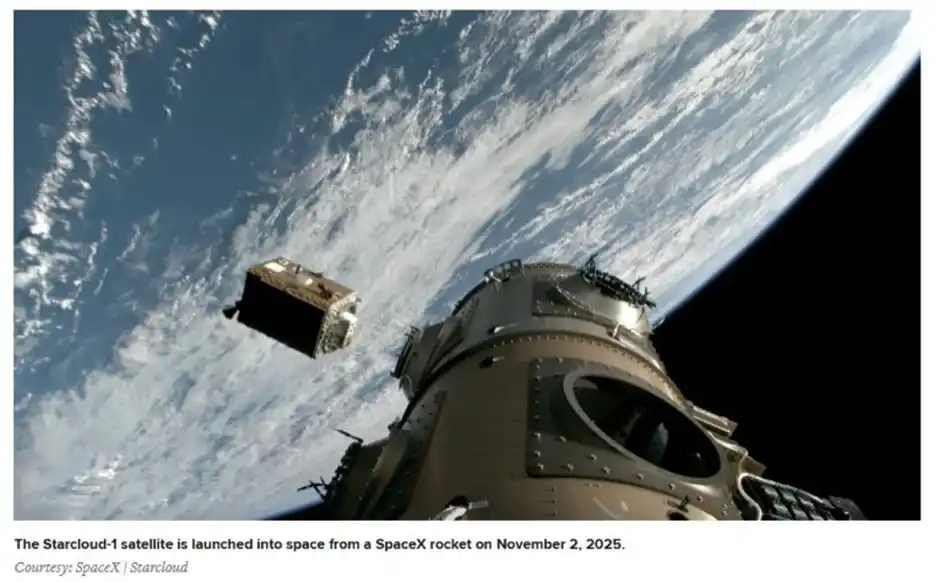
At the same time, NVIDIA is also actively exploring this direction. It has invested in the orbital data center startup Starcloud, which successfully sent an NVIDIA H100 GPU into orbit in November 2025, completing the first-ever training and inference of an AI large language model in space.
As SpaceX sends AI computing power into space, many are also beginning to wonder: since Bitcoin mining also relies on computing chips and can utilize solar power, could it also be moved to space? However, this issue is far more complex than most people imagine.

A Satellite, a Solar Panel, a Miner

Mining is a competitive mathematical calculation. Millions of miners worldwide operate simultaneously, competing to be the first to solve a specific hash value, with the successful one receiving the Bitcoin reward for the current block. This process is called Proof of Work, and its cost is a massive amount of electricity. The continuous power consumption of the global Bitcoin network is approximately 20 gigawatts, equivalent to the total industrial electricity consumption of a medium-sized country. Miners' profit margins are largely determined by electricity prices; once electricity prices rise, profit margins are compressed.

The endless sunlight in space directly addresses the core cost variable of Bitcoin mining: electricity.

In Earth's orbit, solar radiation intensity is about 1,380 watts per square meter, six times the average level on the ground, and is unaffected by clouds, day/night cycles, or seasons. In specific geosynchronous orbits, satellites can receive near-continuous sunlight and generate power persistently. Attaching a miner to the back of a solar panel and sending it into orbit to mine forever is the underlying logic of space mining.

Bitcoin core developer Peter Todd published a technical analysis in December 2024, pushing this idea from concept to an engineering blueprint. He proposed the concept of a "flat-panel miner": installing ASIC chips directly on the back of a solar panel, with the front facing the sun to generate power and the chips on the back consuming electricity to mine, with the entire structure radiating waste heat in both directions.
Space heat dissipation is a counterintuitive challenge. On Earth, chip heat can be carried away by air convection; but in the vacuum of space, with no air, heat can only be dissipated through radiation. Todd's calculations show that, without additional cooling devices, the thermal equilibrium temperature of this structure in orbit is about 59°C, well within the normal operating range of the chips. If the temperature is considered too high, simply tilting the entire panel slightly relative to the sun to reduce the illuminated area can further improve heat dissipation.

Communication is surprisingly simple as well. The communication between miners and mining pools essentially involves receiving new block headers and submitting computation results, generating about 10MB of data per day, less than the data consumed by streaming a single song. Communication latency in low Earth orbit (500 to 1,000 km above Earth) ranges from 4 to 30 milliseconds, resulting in a stale block rate (i.e., submitting outdated computation results) of less than 0.01%, on par with the vast majority of ground-based miners, with no substantial difference. In fact, Blockstream began using geosynchronous satellites to broadcast the entire Bitcoin blockchain globally as early as 2017, proving that the combination of satellites and blockchain has never been an unsolved problem.

So, if it's physically feasible and the engineering framework is viable, why isn't it widespread? The reason is the high cost of rocket transportation.

The Uneconomical Math

Using SpaceX's Falcon 9 rocket to send cargo to low Earth orbit currently costs about $2,720 per kilogram.

Peter Todd estimated that a complete 20-kilowatt space mining system, including solar panels, heat radiators, ASIC chip arrays, structural supports, and communication modules, weighs about 1,600 to 2,200 kilograms. At current prices, the launch cost alone would be as high as $4.3 million to $6 million.

How much computing power can this system contribute daily, and how many coins can it mine? Researcher Nick Moran provided the answer: daily revenue is about $92.7, equivalent to roughly $34,000 per year. The payback period exceeds 100 years.

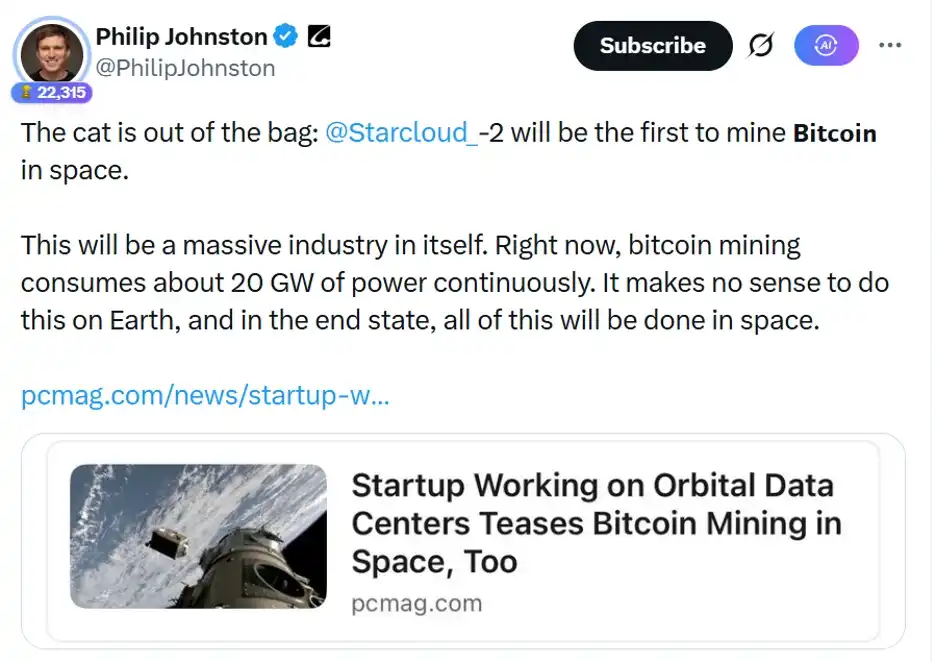
Starcloud's CEO Philip Johnston calculated that launch costs must drop below $200 per kilogram for space mining to have basic commercial logic. This means the cost needs to decrease by another 13.

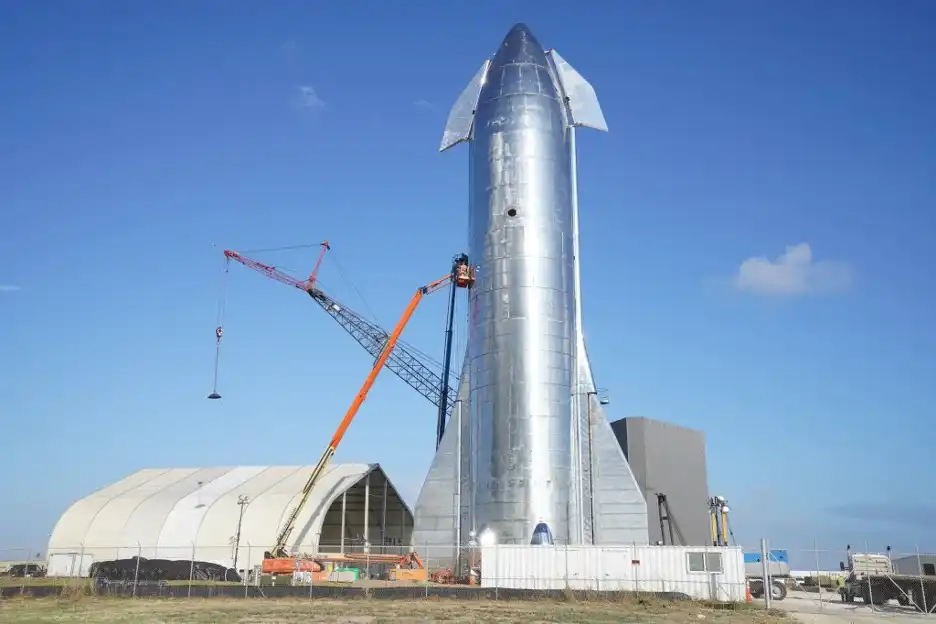
SpaceX's Starship is widely considered the key to achieving this leap. The fully reusable Starship could theoretically reduce the launch cost per kilogram to below $100 or even lower, which is one of the underlying assumptions for the viability of the orbital data center in SpaceX's current IPO vision. However, when this cost curve will materialize, and whether it will, remains an open variable.
Another challenge is the automatic adjustment of Bitcoin's network-wide mining difficulty. The Bitcoin protocol calculates the total network hash rate every two weeks and automatically adjusts the mining difficulty to maintain a block time of approximately 10 minutes. In other words, if a large number of space miners enter the market and the total network hash rate increases significantly, the mining difficulty will rise accordingly, synchronously compressing the profits of all miners, including those in orbit.

Some Are Always Busy Searching for Treasure

Despite this, a number of startups are actively pushing forward with this endeavor.

Starcloud, formerly Lumen Orbit, is currently the company closest to actual implementation and the most important case study in the entire field. Founded in 2024 and headquartered in Redmond, Washington, it is backed by NFX, Y Combinator, a16z's angel fund, Sequoia Capital's angel fund, and NVIDIA. Total funding is approximately $200 million. The company's CTO worked at Airbus Defense and Space for ten years, and the lead engineer previously worked on the Starlink project at SpaceX.

In November 2025, Starcloud successfully sent its first satellite, carrying an NVIDIA H100 GPU, into orbit, ran Google's Gemma language model in space, and sent the first-ever message generated by AI in orbit to Earth. In March 2026, Starcloud announced that its second satellite would carry both Bitcoin ASIC chips and NVIDIA's latest-generation Blackwell GPU, aiming to become the first organization to mine a Bitcoin in space. Additionally, the company has applied to the U.S. Federal Communications Commission (FCC) for a constellation plan deploying up to 88,000 satellites, with a long-term vision of building a total of 5 gigawatts of computing power infrastructure in orbit.
SpaceChain is an OG player in this field, co-founded by former Bitcoin core developer Jeff Garzik and Zheng Zhong. Since 2017, SpaceChain has launched at least seven blockchain payloads to satellites and the International Space Station. In June 2020, Garzik completed the first-ever Bitcoin transaction in space from an orbit 400 km above Earth, for an amount of 0.0099 BTC, using SpaceChain's multisignature wallet node installed on the space station. SpaceChain's core focus is on orbital secure nodes for blockchain transactions, not active mining: locking private keys in space where no hacker or government on Earth can physically access them.

Cryptosat, founded by two Stanford PhDs, currently operates three satellites in orbit, primarily providing tamper-resistant orbital cryptography services. In 2023, Cryptosat participated in the largest trusted setup ceremony in Ethereum's history (KZG Ceremony), generating partial random number parameters through orbital nodes, institutionally ensuring that these parameters could not be controlled by any single ground-based entity. It explores another possibility for space blockchain: not mining, but making the entire crypto-economic system more resistant to attack.

From Orbit to Market: What This Means for the Mining Industry

For currently operating Bitcoin mining companies, space mining does not pose an immediate competitive threat in the short term. However, the fact that numerous startups continue to attempt it indicates that the significant cost reduction potential it represents still holds great attraction and imaginative space for the industry. This also reflects, from a side perspective, the structural cost pressures facing the entire industry.

After the 2024 halving, the network-wide hash rate and difficulty continue to hit record highs, with energy costs accounting for 70% to 90% of total operating expenses. In this context, whoever can obtain clean electricity at the lowest cost and most stably has the deepest moat. Hydroelectric, wind, and associated natural gas resources in the United States, the Middle East, and Africa are becoming the core drivers of a new wave of mining mergers, acquisitions, and site selection.

The logic of space mining is an ultimate extrapolation of this trend: if cheap electricity on the ground will eventually narrow due to competitive demand, then go to where energy is most abundant—the cosmos.

Of course, if the Starcloud-2 satellite manages to mine the first Bitcoin in 2026, it would be equivalent to a grain of sand falling into the ocean compared to the global total hash rate of over 900 exahashes per second (EH/s). But symbolic significance itself has penetrating power. Just like that 0.0099 BTC space transaction in 2020, its value lies not in the amount but in proving that it can be done.

From SpaceX's IPO narrative to NVIDIA's orbital computing power布局, to Starcloud's ASIC satellite plan, an outline is emerging: the cosmos is becoming the competitive arena for the next generation of computing infrastructure. AI computing power led the way, and Bitcoin computing power is following closely behind.

On that day, the global digital network connecting every corner of the Earth, as described in Satoshi Nakamoto's whitepaper, could also break free from Earth and float in the universe, seeking new opportunities.


Perguntas relacionadas

QWhat is the core concept behind space-based Bitcoin mining as described in the article?

AThe core concept is to place Bitcoin mining hardware, specifically ASIC chips, on solar panels in Earth's orbit. This setup uses the abundant and constant solar energy in space for power, while the vacuum environment aids in radiating heat away from the mining equipment.

QWhat is the single biggest economic challenge preventing the widespread adoption of space-based Bitcoin mining?

AThe single biggest economic challenge is the extremely high cost of rocket launches to transport the mining equipment into orbit, currently around $2,720 per kilogram using a Falcon 9 rocket, making the payback period over 100 years.

QWhich company, backed by NVIDIA, is a key player in testing both AI and Bitcoin mining operations in space?

AStarcloud (formerly Lumen Orbit) is the company backed by NVIDIA. It successfully sent an NVIDIA H100 GPU into orbit in 2025 and announced plans for a second satellite to carry both Bitcoin ASIC chips and a Blackwell GPU.

QHow does the Bitcoin network's difficulty adjustment mechanism impact the potential profitability of space-based miners?

AThe Bitcoin protocol automatically adjusts the mining difficulty every two weeks based on the total network hashrate. If many space-based miners come online and significantly increase the total hashrate, the difficulty will rise, compressing profit margins for all miners, including those in space.

QBesides mining, what other two applications of blockchain technology in space are mentioned in the article?

AThe two other applications are: 1) Operating secure, tamper-proof orbital nodes for transactions and wallet storage (e.g., SpaceChain's multi-signature wallet on the ISS). 2) Providing trusted setup ceremonies and cryptographic services to enhance the security of crypto-economic systems (e.g., Cryptosat's role in Ethereum's KZG Ceremony).

Leituras Relacionadas

Cook's Curtain Call and Ternus Takes the Helm: The Disruption and Reboot of Apple's 4 Trillion Dollar Empire

Tim Cook has officially announced he will step down as CEO of Apple in September, transitioning to executive chairman after a 15-year tenure during which he grew the company’s market value from around $350 billion to nearly $4 trillion. He will be succeeded by John Ternus, a 50-year-old hardware engineering veteran who has been groomed for the role through increasing public visibility and internal responsibility. Ternus’s appointment signals a strategic shift toward hardware and engineering leadership, with Johny Srouji—head of Apple Silicon—taking on an expanded role as Chief Hardware Officer. This consolidation aims to strengthen Apple’s core technological capabilities. However, Cook’s departure highlights a significant unresolved issue: Apple’s delayed and fragmented approach to artificial intelligence. Despite early efforts, such as hiring John Giannandrea from Google in 2018, Apple’s AI initiatives—particularly around Siri—have struggled with internal restructuring and reliance on external partnerships, including with Google. The transition comes at a critical moment as Apple faces paradigm shifts with the rise of artificial general intelligence (ASI). The company’s closed ecosystem of hardware, software, and services—once a major advantage—now presents challenges in adapting to an AI-centric world where intelligence may matter more than the device itself. Ternus must quickly articulate a clear AI strategy, possibly starting at WWDC, to reassure markets and redefine Apple’s role in a new technological era. His task is not only to maintain Apple’s operational excellence but also to reinvigorate its capacity to innovate and lead in the age of AI.

marsbitHá 1h

Cook's Curtain Call and Ternus Takes the Helm: The Disruption and Reboot of Apple's 4 Trillion Dollar Empire

marsbitHá 1h

Trading

Spot
Futuros

Artigos em Destaque

O que é BITCOIN

Compreender o HarryPotterObamaSonic10Inu (ERC-20) e a Sua Posição no Espaço Cripto Nos últimos anos, o mercado de criptomoedas assistiu a um aumento na popularidade das moedas meme, cativando não apenas os traders, mas também aqueles que procuram envolvimento comunitário e valor de entretenimento. Entre estes tokens únicos está o HarryPotterObamaSonic10Inu (ERC-20), um projeto intrigante que mistura referências culturais no tecido das criptomoedas. Este artigo explora os principais aspetos do HarryPotterObamaSonic10Inu, examinando os seus mecanismos, a sua ética orientada pela comunidade e o seu envolvimento com o vasto panorama cripto. O que é o HarryPotterObamaSonic10Inu (ERC-20)? Como o nome sugere, o HarryPotterObamaSonic10Inu é uma moeda meme construída na blockchain Ethereum, classificada sob o padrão ERC-20. Ao contrário das criptomoedas tradicionais, que podem enfatizar a utilidade prática ou o potencial de investimento, este token prospera no valor de entretenimento e na força da sua comunidade. O projeto visa promover um ambiente onde utilizadores envolvidos possam reunir-se, partilhar ideias e participar em atividades inspiradas por diversos fenómenos culturais. Uma característica notável do HarryPotterObamaSonic10Inu é a zero taxa sobre transações. Este elemento atraente visa encorajar a negociação e o envolvimento da comunidade, isento de encargos adicionais que podem desencorajar os traders de pequena escala. A oferta total da moeda está fixada em mil milhões de tokens, uma cifra que marca a sua intenção de manter uma circulação substancial dentro da comunidade. Criador do HarryPotterObamaSonic10Inu (ERC-20) As origens do HarryPotterObamaSonic10Inu estão um pouco envoltas em mistério; os detalhes sobre o criador permanecem desconhecidos. O desenvolvimento deste token carece de uma equipa identificável ou de um plano explícito, o que não é raro no setor das moedas meme. Em vez disso, o projeto surgiu de forma orgânica, com o seu progresso a depender fortemente do entusiasmo e da participação da sua comunidade. Investidores do HarryPotterObamaSonic10Inu (ERC-20) No que diz respeito a investimentos externos e apoios, o HarryPotterObamaSonic10Inu também permanece ambíguo. O token não lista quaisquer fundações de investimento conhecidas ou apoio organizacional significativo. Em vez disso, o “sangue vital” do projeto é a sua comunidade de base, que informa o seu crescimento e sustentabilidade através da ação coletiva e do envolvimento no espaço cripto. Como Funciona o HarryPotterObamaSonic10Inu (ERC-20)? Como uma moeda meme, o HarryPotterObamaSonic10Inu opera principalmente fora dos quadros tradicionais que muitas vezes governam o valor dos ativos. Existem vários aspetos distintivos que definem como o projeto funciona: Transações Sem Taxas: Sem taxas sobre transações, os utilizadores podem comprar e vender o token livremente, sem a preocupação de custos ocultos. Envolvimento da Comunidade: O projeto prospera na interação da comunidade, aproveitando plataformas de redes sociais para criar entusiasmo e facilitar a participação. Discussões, partilha de conteúdo e envolvimento são elementos cruciais que ajudam a expandir o seu alcance e a fomentar a lealdade entre os apoiantes. Sem Utilidade Prática: Deve ser notado que o HarryPotterObamaSonic10Inu não oferece utilidade concreta dentro do ecossistema financeiro. Em vez disso, é classificado como um token principalmente para entretenimento e atividades comunitárias. Referência Cultural: O token incorpora de forma inteligente elementos da cultura popular para atrair interesse, conectando-se tanto com entusiastas de memes como com seguidores de criptomoedas. HarryPotterObamaSonic10Inu exemplifica como as moedas meme operam de forma diferente de projetos de criptomoedas mais tradicionais, entrando no mercado como construções sociais inovadoras em vez de ativos utilitários. Linha do Tempo do HarryPotterObamaSonic10Inu (ERC-20) A história do HarryPotterObamaSonic10Inu é marcada por vários marcos notáveis: Criação: O token surgiu de um meme viral, capturando a imaginação de muitos entusiastas de criptomoedas. Datas específicas de criação não estão disponíveis, sublinhando a sua ascensão orgânica. Listagem em Exchanges: O HarryPotterObamaSonic10Inu conseguiu entrar em várias exchanges, permitindo um acesso e negociação mais fáceis pela comunidade. Iniciativas de Envolvimento da Comunidade: Atividades contínuas direcionadas a melhorar a interação comunitária, incluindo concursos, campanhas em redes sociais e geração de conteúdo por fãs e defensores. Planos de Expansão Futura: O roteiro do projeto inclui o lançamento de uma coleção de NFTs, mercadorias e um site de eCommerce relacionado aos seus temas culturais, envolvendo ainda mais a comunidade e tentando adicionar mais dimensões ao seu ecossistema. Pontos-Chave sobre o HarryPotterObamaSonic10Inu (ERC-20) Natureza Orientada pela Comunidade: O projeto prioriza a contribuição coletiva e a criatividade, assegurando que o envolvimento dos utilizadores está na vanguarda do seu desenvolvimento. Classificação como Moeda Meme: Representa o epítome da criptomoeda baseada em entretenimento, destacando-se dos veículos de investimento tradicionais. Sem Afiliação Direta com o Bitcoin: Apesar da semelhança no nome do ticker, o HarryPotterObamaSonic10Inu é distinto e não tem qualquer relação com o Bitcoin ou outras criptomoedas estabelecidas. Foco na Colaboração: O HarryPotterObamaSonic10Inu é projetado para criar um espaço de colaboração e partilha de histórias entre os seus detentores, proporcionando uma via para a criatividade e o fortalecimento da comunidade. Perspectivas Futuras: A ambição de expandir além da sua premissa inicial para NFTs e mercadorias delineia um caminho para o projeto potencialmente entrar em avenidas mais mainstream dentro da cultura digital. À medida que as moedas meme continuam a capturar a imaginação da comunidade cripto, HarryPotterObamaSonic10Inu (ERC-20) destaca-se devido aos seus laços culturais e abordagem centrada na comunidade. Embora possa não se encaixar no molde típico de um token orientado para utilidade, a sua essência reside na alegria e camaradagem fomentadas entre os seus apoiantes, destacando a natureza em evolução das criptomoedas em uma era cada vez mais digital. À medida que o projeto continua a desenvolver-se, será importante observar como as dinâmicas comunitárias influenciam a sua trajetória no panorama em constante mudança da tecnologia blockchain.

1.2k Visualizações TotaisPublicado em {updateTime}Atualizado em 2024.12.03

O que é BITCOIN

Como comprar BTC

Bem-vindo à HTX.com!Tornámos a compra de Bitcoin (BTC) simples e conveniente.Segue o nosso guia passo a passo para iniciar a tua jornada no mundo das criptos.Passo 1: cria a tua conta HTXUtiliza o teu e-mail ou número de telefone para te inscreveres numa conta gratuita na HTX.Desfruta de um processo de inscrição sem complicações e desbloqueia todas as funcionalidades.Obter a minha contaPasso 2: vai para Comprar Cripto e escolhe o teu método de pagamentoCartão de crédito/débito: usa o teu visa ou mastercard para comprar Bitcoin (BTC) instantaneamente.Saldo: usa os fundos da tua conta HTX para transacionar sem problemas.Terceiros: adicionamos métodos de pagamento populares, como Google Pay e Apple Pay, para aumentar a conveniência.P2P: transaciona diretamente com outros utilizadores na HTX.Mercado de balcão (OTC): oferecemos serviços personalizados e taxas de câmbio competitivas para os traders.Passo 3: armazena teu Bitcoin (BTC)Depois de comprar o teu Bitcoin (BTC), armazena-o na tua conta HTX.Alternativamente, podes enviá-lo para outro lugar através de transferência blockchain ou usá-lo para transacionar outras criptomoedas.Passo 4: transaciona Bitcoin (BTC)Transaciona facilmente Bitcoin (BTC) no mercado à vista da HTX.Acede simplesmente à tua conta, seleciona o teu par de trading, executa as tuas transações e monitoriza em tempo real.Oferecemos uma experiência de fácil utilização tanto para principiantes como para traders experientes.

3.8k Visualizações TotaisPublicado em {updateTime}Atualizado em 2025.03.21

Como comprar BTC

O que é $BITCOIN

OURO DIGITAL ($BITCOIN): Uma Análise Abrangente Introdução ao OURO DIGITAL ($BITCOIN) OURO DIGITAL ($BITCOIN) é um projeto baseado em blockchain que opera na rede Solana, com o objetivo de combinar as características dos metais preciosos tradicionais com a inovação das tecnologias descentralizadas. Embora partilhe um nome com o Bitcoin, frequentemente referido como “ouro digital” devido à sua percepção como uma reserva de valor, o OURO DIGITAL é um token separado projetado para criar um ecossistema único dentro da paisagem Web3. O seu objetivo é posicionar-se como um ativo digital alternativo viável, embora os detalhes sobre as suas aplicações e funcionalidades ainda estejam em desenvolvimento. O que é o OURO DIGITAL ($BITCOIN)? OURO DIGITAL ($BITCOIN) é um token de criptomoeda explicitamente projetado para uso na blockchain Solana. Em contraste com o Bitcoin, que fornece um papel amplamente reconhecido como armazenamento de valor, este token parece focar em aplicações e características mais amplas. Aspectos notáveis incluem: Infraestrutura Blockchain: O token é construído na blockchain Solana, conhecida pela sua capacidade de lidar com transações de alta velocidade e baixo custo. Dinâmicas de Oferta: O OURO DIGITAL tem um fornecimento máximo limitado a 100 quatrilhões de tokens (100P $BITCOIN), embora os detalhes sobre o seu fornecimento circulante ainda não tenham sido divulgados. Utilidade: Embora as funcionalidades precisas não estejam explicitamente delineadas, existem indicações de que o token poderia ser utilizado para várias aplicações, potencialmente envolvendo aplicações descentralizadas (dApps) ou estratégias de tokenização de ativos. Quem é o Criador do OURO DIGITAL ($BITCOIN)? Neste momento, a identidade dos criadores e da equipa de desenvolvimento por trás do OURO DIGITAL ($BITCOIN) permanece desconhecida. Esta situação é típica entre muitos projetos inovadores no espaço da blockchain, particularmente aqueles alinhados com finanças descentralizadas e fenómenos de moedas meme. Embora tal anonimato possa fomentar uma cultura orientada pela comunidade, intensifica as preocupações sobre governança e responsabilidade. Quem são os Investidores do OURO DIGITAL ($BITCOIN)? As informações disponíveis indicam que o OURO DIGITAL ($BITCOIN) não tem apoiantes institucionais conhecidos ou investimentos proeminentes de capital de risco. O projeto parece operar num modelo peer-to-peer focado no apoio e adoção da comunidade, em vez de rotas de financiamento tradicionais. A sua atividade e liquidez estão principalmente situadas em exchanges descentralizadas (DEXs), como a PumpSwap, em vez de plataformas de negociação centralizadas estabelecidas, destacando ainda mais a sua abordagem de base. Como Funciona o OURO DIGITAL ($BITCOIN) A mecânica operacional do OURO DIGITAL ($BITCOIN) pode ser elaborada com base no seu design de blockchain e nas características da rede: Mecanismo de Consenso: Ao aproveitar o exclusivo proof-of-history (PoH) da Solana combinado com um modelo de proof-of-stake (PoS), o projeto assegura uma validação eficiente das transações, contribuindo para o alto desempenho da rede. Tokenomics: Embora mecanismos deflacionários específicos não tenham sido extensivamente detalhados, o vasto fornecimento máximo de tokens implica que pode atender a microtransações ou casos de uso de nicho que ainda estão por definir. Interoperabilidade: Existe o potencial para integração com o ecossistema mais amplo da Solana, incluindo várias plataformas de finanças descentralizadas (DeFi). No entanto, os detalhes sobre integrações específicas permanecem não especificados. Cronologia de Eventos Chave Aqui está uma cronologia que destaca marcos significativos relacionados ao OURO DIGITAL ($BITCOIN): 2023: O lançamento inicial do token ocorre na blockchain Solana, marcado pelo seu endereço de contrato. 2024: O OURO DIGITAL ganha visibilidade ao tornar-se disponível para negociação em exchanges descentralizadas como a PumpSwap, permitindo que os utilizadores o negociem contra SOL. 2025: O projeto testemunha atividade de negociação esporádica e potencial interesse em envolvimentos liderados pela comunidade, embora não tenham sido documentadas parcerias ou avanços técnicos notáveis até ao momento. Análise Crítica Forças Escalabilidade: A infraestrutura subjacente da Solana suporta altos volumes de transações, o que pode aumentar a utilidade do $BITCOIN em vários cenários de transação. Acessibilidade: O potencial preço de negociação baixo por token pode atrair investidores de retalho, facilitando uma participação mais ampla devido a oportunidades de propriedade fracionada. Riscos Falta de Transparência: A ausência de apoiantes, desenvolvedores ou um processo de auditoria publicamente conhecidos pode gerar ceticismo em relação à sustentabilidade e confiabilidade do projeto. Volatilidade do Mercado: A atividade de negociação depende fortemente do comportamento especulativo, o que pode resultar em volatilidade significativa dos preços e incerteza para os investidores. Conclusão O OURO DIGITAL ($BITCOIN) surge como um projeto intrigante, mas ambíguo, dentro do ecossistema em rápida evolução da Solana. Embora tente aproveitar a narrativa do “ouro digital”, a sua divergência do papel estabelecido do Bitcoin como reserva de valor sublinha a necessidade de uma diferenciação mais clara da sua utilidade pretendida e estrutura de governança. A aceitação e adoção futuras dependerão provavelmente da abordagem da atual opacidade e da definição mais explícita das suas estratégias operacionais e económicas. Nota: Este relatório abrange informações sintetizadas disponíveis até outubro de 2023, e desenvolvimentos podem ter ocorrido além do período de pesquisa.

92 Visualizações TotaisPublicado em {updateTime}Atualizado em 2025.05.13

O que é $BITCOIN

Discussões

Bem-vindo à Comunidade HTX. Aqui, pode manter-se informado sobre os mais recentes desenvolvimentos da plataforma e obter acesso a análises profissionais de mercado. As opiniões dos utilizadores sobre o preço de BTC (BTC) são apresentadas abaixo.

活动图片