What are the characteristics and commonalities of tokens that have performed well after TGE in 2025?

Odaily星球日报Publicado em 2025-12-31Última atualização em 2025-12-31

Resumo

In 2025, most tokens experienced significant price declines shortly after their Token Generation Event (TGE), but a few—such as ASTER, FOLKS, AVICI, and SENTIS—managed to sustain price increases. These tokens shared several key characteristics that contributed to their relative success: 1. **Token Distribution Over Hype**: Successful projects avoided large internal liquidity at TGE. Examples include AVICI (0% team allocation) and SENTIS (activity-based emissions). 2. **Reasonable Valuation**: Tokens launched at fair valuations, rather than during peak hype, allowed room for market reappreciation. AVICI, for instance, launched with a low FDV despite having a functional product. 3. Demonstrable Utility: Projects like ASTER (Perp DEX volume), FOLKS (lending scale), and AVICI (real-world card spending) showed observable usage rather than just promising future utility. 4. **Controlled Unlock Structures**: Linear and transparent token unlock schedules (e.g., SENTIS’s participation-based emissions) were better received than cliff-style unlocks. 5. **Exchange Listings as Accelerators, Not Foundations**: While major exchange support helped, it wasn’t sufficient alone. Strong fundamentals determined long-term performance. The market in 2025 shifted from rewarding potential to valuing structure: healthy circulation, fair distribution, real adoption, and predictable unlocks. Tokens that prioritized these elements demonstrated resilience post-TGE.

Original Author:Stacy Muur, Crypto Researcher

Compiled by: CryptoLeo(@LeoAndCrypto)
Last week, I compiled a research post by Solus Group titled "Over 80% of New Tokens Peak at TGE: The Root Cause and Solution of Web3's False Prosperity," which analyzed the post-TGE situation of 113 tokens in 2025. The vast majority of these tokens peaked at TGE, with their prices starting to decline the day after launch, despite having conditions such as high financing, community support, and exchange listings.

Today's article is from crypto researcher Stacy Muur, who compiled statistics on several tokens in 2025 that showed significant price increases after TGE and analyzed the advantages/conditions these projects possessed. In contrast, the previous article presented a statistical result based on data, while this article focuses more on the projects themselves. In summary: In today's overly homogeneous and expanding crypto market, project tokens need to meet multiple conditions to survive/succeed. Odaily Planet Daily compiled it as follows:

If you've been keen on trading tokens that TGE'd in 2025, the results so far are clear: tokens are hot in the first week after launch, then gradually cool down, and finally default to accepting that "the issuance price is the peak." Most newly launched tokens perform poorly, or even plummet, as the market consistently views tokenomics and liquidity as fundamentals.
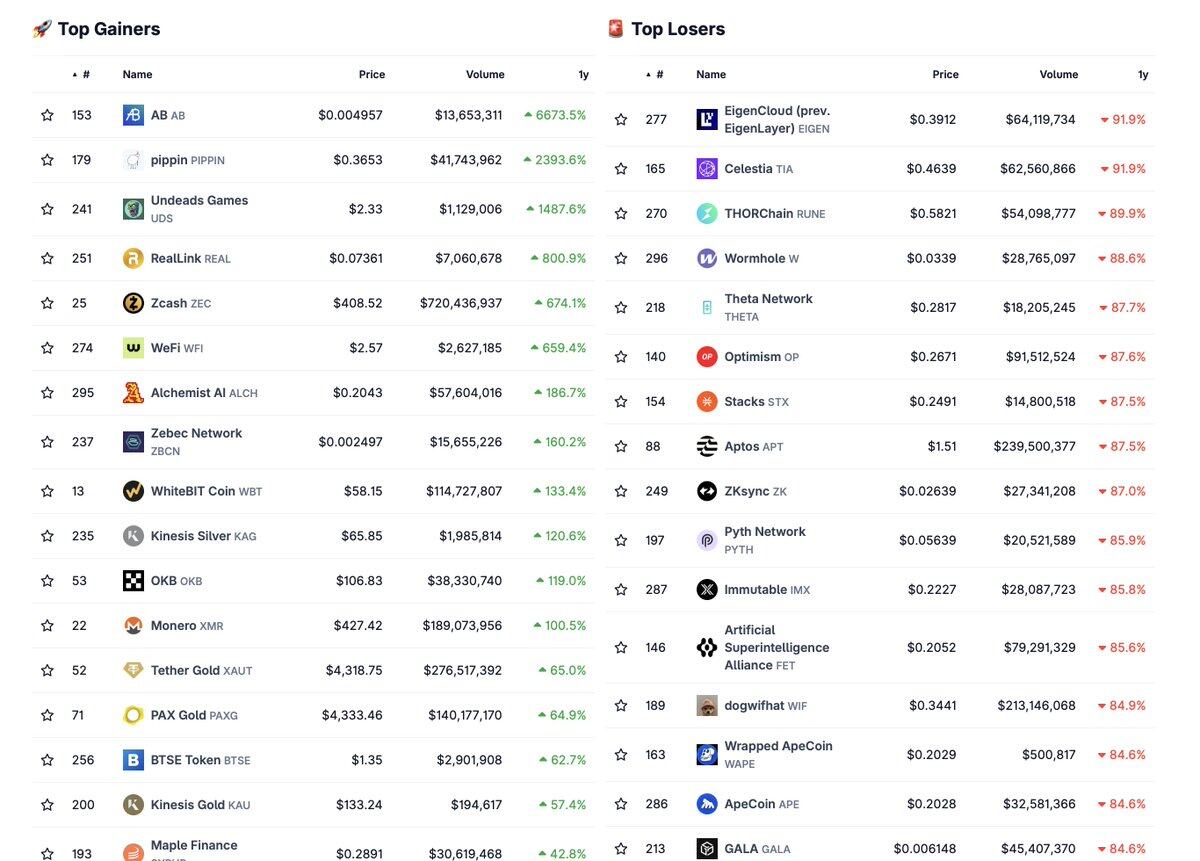
Despite this, a few tokens in 2025 have maintained price increases relative to their TGE. This increase is not a "rebound after a price drop" or "buying at the market bottom," but rather indicates genuine buying support.

Here are the truly rising tokens from the 2025 TGE that I've compiled: ASTER, FOLKS, AVICI, and SENTIS (there are also some "barely passing" tokens like IRYS/FHE/CORN). They don't all look the same, but they all have certain characteristics.

The Best Rising Tokens of the 2025 TGE

Aster is a typical example. ASTER got everything it needed on the first day of launch: major exchange listings, deep liquidity, and the widely accepted "Perp DEX" narrative. The story circulating throughout the year was basically: "Binance-backed Perp DEX with privacy features."

ASTER's price action was controversial (you could call it ZK-related, CZ shadow games, or simply better execution strategies). But despite this, it remains one of the few projects that didn't "immediately sell off" at TGE.
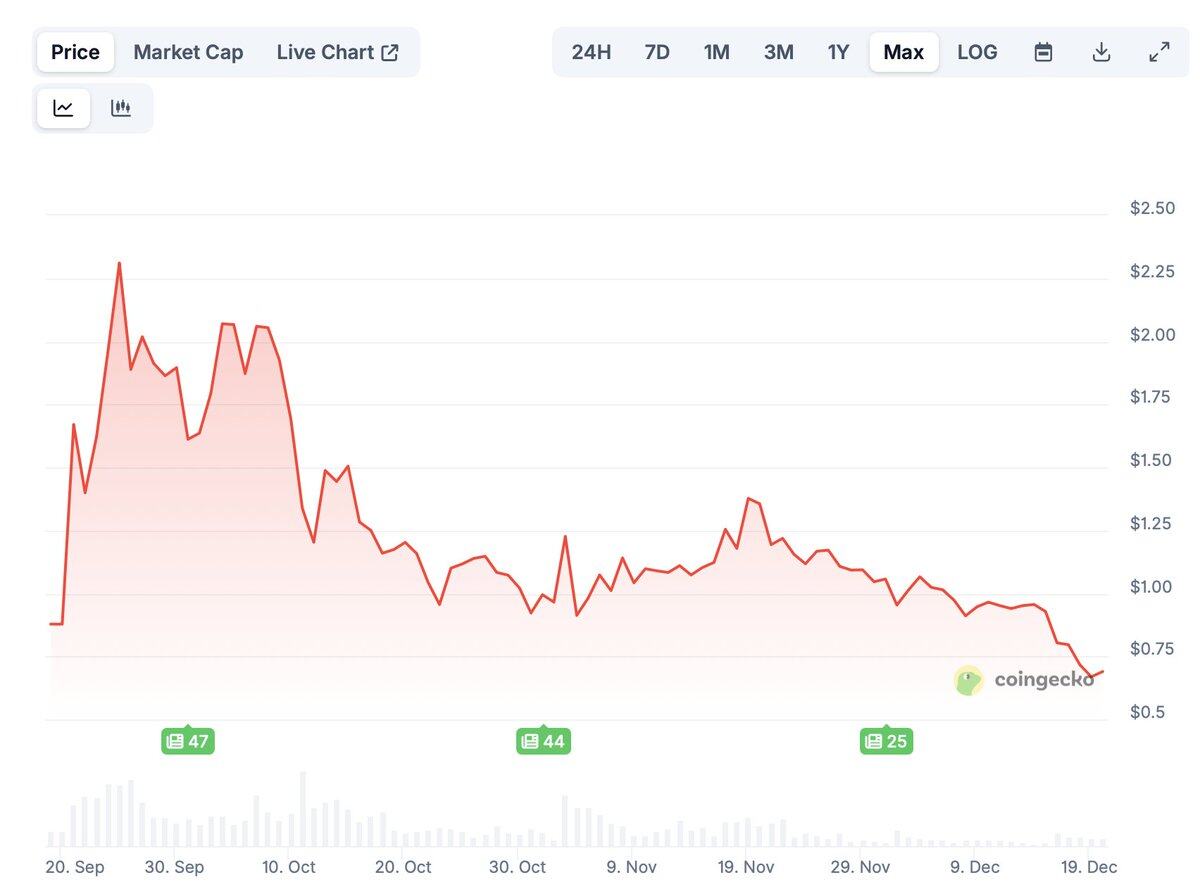
FOLKS is different: it's a lending token, seen as Alpha in a "crappy market year." The formula: "Binance and Kraken showed support from day one, cross-chain pools kept growing, no obvious massive unlocks." The last point is very important. It performed well until the token unlock on December 15th.
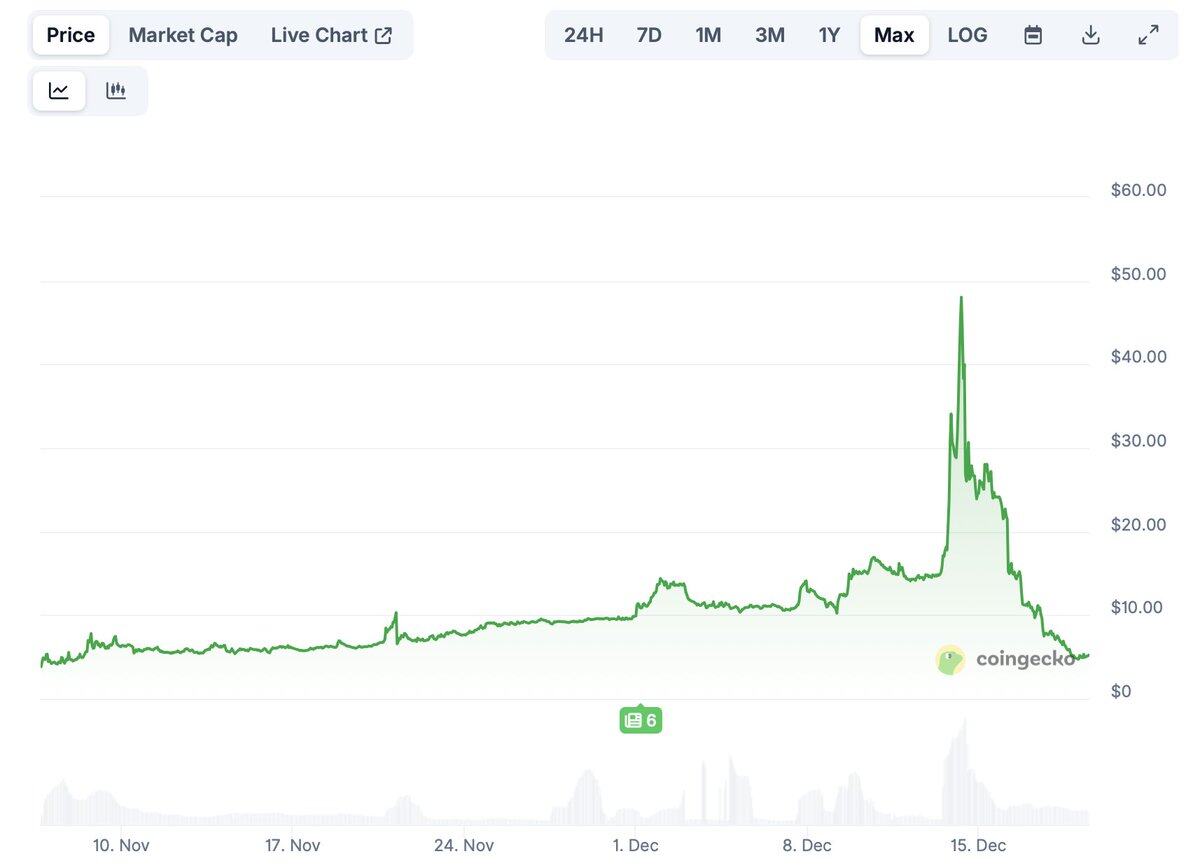
AVICI is different from the first two. AVICI is on this list not because it has the most cutting-edge technology, but because it provided the clearest narrative for CT: "Fair launch, truly usable product." It emphasized not tokenomics, but usage: "decent neobank app, Visa card, real spending." In a market flooded with endogenous "utility," AVICI was a breath of fresh air, both thinking outside the box and being practical. AVICI might be one of the best TGE tokens of the year.
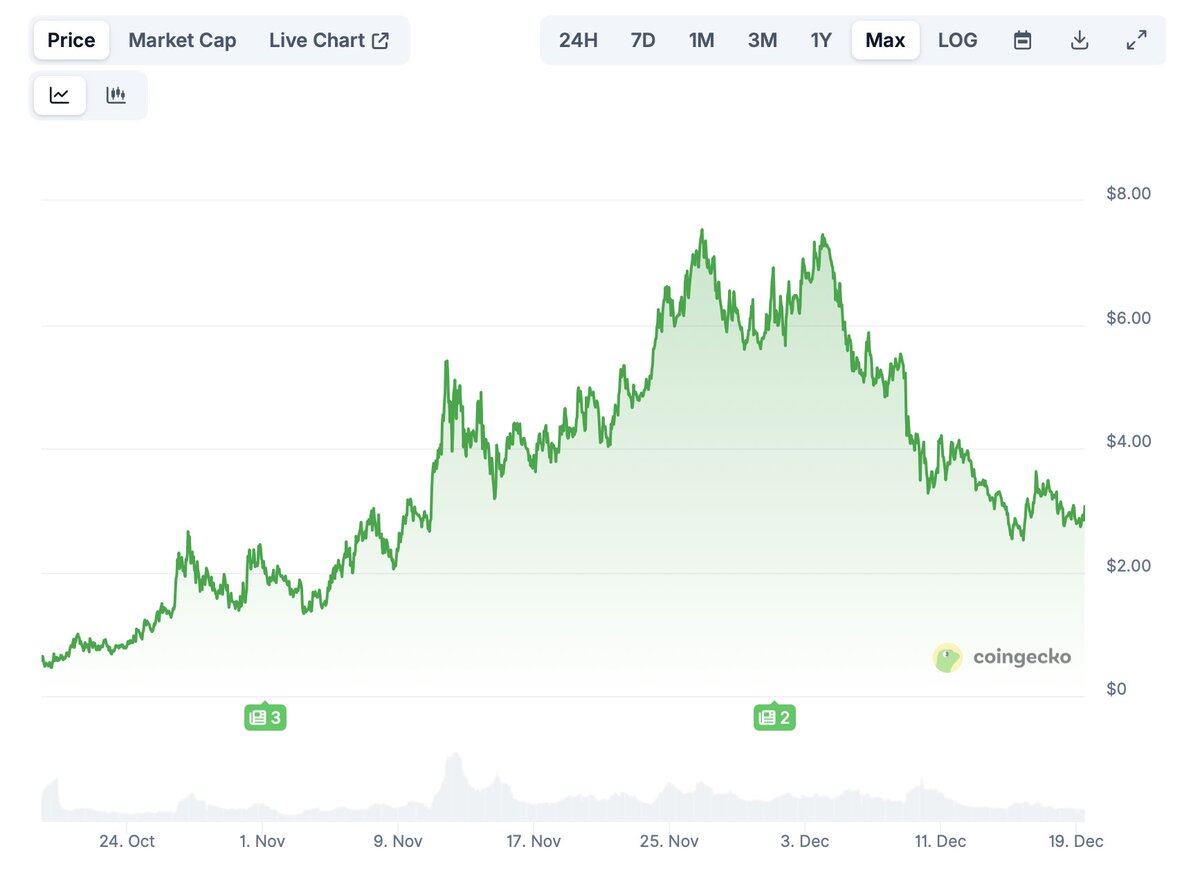
When Tokens Rise for a Reason, Their Prices Tend to Be More Stable

Looking now, the token with the strongest performance post-TGE is SENTIS. Its support points are simple and clear: AI Agent narrative + continuous incentive distribution + exchange listings. In CT, the dominant framework remains consistent: "AI Agents are the next DeFi layer," providing traders with a simple mental model as an anchor.

Mechanically, SENTIS doesn't rely on a one-time listing pump. The token's continuous distribution mechanism (tasks/retrodrop/participation rewards) maintains a steady level of user engagement, which often translates into sustained spot demand as participants prepare for future distributions and ecosystem milestones. This dynamic can support the price even before more meaningful on-chain adoption appears.

"Barely Passing" Tokens

IRYS and FHE belong to the "AI infrastructure and private transactions" field: both benefited from the AI boom, stayed above their initial ranges, and both maintained sufficient liquidity to avoid a price crash. If these projects can translate their narratives into on-chain usage, they can survive. Relying solely on narrative support is not enough.

Then there's CORN. CORN isn't very volatile and is relatively stable compared to its peers, but CORN is more of a "structured product." In 2025, that's not a bad thing. When the market "punishes" overdevelopment, survivability becomes important.

What Characteristics Do Well-Performing 2025 Tokens Share?

Stripping away the narratives and vibes, some clear structural patterns emerge:

1. Token Distribution is More Important Than Hype

The strongest performing projects avoided massive internal liquidity at TGE. AVICI (0% team allocation), SENTIS (activity-based emissions).

Lesson: At project launch, who holds the tokens is more important than who invested privately.

2. Reasonable Launch Valuation Trumps Perfect Timing

Many of the top-performing tokens didn't launch at the peak of market hype, but at reasonable valuations, allowing the market to re-rate them upwards.

AVICI launched a working product with an FDV of around $3.5 million, offering asymmetric upside potential relative to FDV.

Lesson: Tokens that "grow through effort" perform better than those that start with high valuations.

3. Project Usage (or Credible Near-Term Usage) is Priced In

Aster's Perp trading volume, Folks' lending scale, Avici's credit card spending – these weren't just whitepaper promises but observable signals.

Sentis started early but also linked token emissions to on-chain activity, creating a feedback loop between usage and price.

Lesson: The market is now impatient. Utility > Vision.

4. Unlock Structure > Unlock Size

Linear and transparent token unlocks matter, as their dilutive effect is digested by the market. For example, SENTIS releases tokens gradually through participation mechanisms.

Elsewhere, what destroys user confidence isn't token dilution itself, but risky cliff unlocks.

Lesson: Predictable token unlocks are manageable. Unexpected ones are not.

5. Exchange Listings Are Necessary, But Not Sufficient

Almost every token had decent exchange access, but this alone didn't determine anything. Listings amplified outcomes: they helped strong tokens accelerate upwards, while weak tokens were sold off faster. AVICI's token didn't perform that badly even without a Binance listing.

Lesson: Exchange liquidity is an accelerator, not a foundation.

Key Takeaways

Overall, the situation with 2025 TGE tokens marks a shift.

The market no longer rewards "potential," but instead rewards "structure":

- Healthy circulating supply

- Fair token distribution

- Reliable adoption metrics

- Controlled unlock mechanisms

The "rising tokens" of 2025 aren't perfect projects; they were just built to survive their launch. If 2024 was about narrative, then 2025 is about token design under pressure. And this is a lesson most projects haven't yet learned during their TGE.


Perguntas relacionadas

QWhat are the key characteristics of tokens that performed well after TGE in 2025 according to the article?

AThe key characteristics include: 1. Token distribution being more important than hype (e.g., low internal liquidity at TGE, fair launches). 2. Reasonable initial valuation rather than perfect timing. 3. Demonstrable project usage or credible near-term usage. 4. Transparent and linear token unlock structures. 5. Exchange listings acting as accelerators but not being foundational.

QWhich tokens from 2025 are highlighted as examples of successful post-TGE performance?

AThe tokens highlighted are ASTER, FOLKS, AVICI, and SENTIS. Some 'barely passing' tokens mentioned are IRYS, FHE, and CORN.

QWhy did AVICI stand out among the successful TGE tokens in 2025?

AAVICI stood out due to its fair launch (0% team allocation), a functional product (neobank app with Visa card and real spending), and a low initial fully diluted valuation (FDV) of around $3.5 million, which created asymmetric upside potential.

QHow did SENTIS maintain its price stability after TGE?

ASENTIS maintained price stability through a continuous distribution mechanism (missions, retrodrops, participation rewards) that kept user engagement high, translating into steady spot demand and preparing participants for future allocations and ecosystem milestones.

QWhat shift in market focus does the article note for 2025 compared to previous years?

AThe article notes a shift from rewarding 'potential' in 2024 to rewarding 'structure' in 2025, emphasizing healthy circulating supply, fair token distribution, reliable adoption metrics, and controlled unlock mechanisms.

Leituras Relacionadas

How Many Tokens Away Is Yang Zhilin from the 'Moon Chasing the Light'?

The article explores the intense competition between two leading Chinese AI companies, DeepSeek and Kimi (Moon Dark Side), and the mounting pressure on Yang Zhilin, the founder of Kimi. While DeepSeek re-emerged after 15 months of silence with its powerful V4 model—boasting 1.6 trillion parameters and low-cost, long-context capabilities—Kimi has been focusing on long-context processing and multi-agent systems with its K2.6 model. Yang faces a threefold challenge: technological rivalry, commercialization pressure, and investor expectations. Despite Kimi’s high valuation (reaching $18 billion), its revenue heavily relies on a single product with low paid conversion rates, while DeepSeek’s strategic silence and open-source influence have strengthened its market position and valuation prospects, now targeting over $20 billion. Both companies reflect broader trends in China’s AI ecosystem: Kimi aims for global influence through open-source contributions and agent-based advancements, while DeepSeek prioritizes foundational innovation and hardware independence, notably shifting to Huawei’s chips. Their competition is seen as vital for China’s AI progress, with the gap between top Chinese and U.S. models narrowing to just 2.7% on the Elo rating scale. Ultimately, the article argues that this rivalry, though anxiety-inducing for leaders like Zhilin, is essential for driving innovation and solidifying China’s role in the global AI landscape.

marsbitHá 9h

How Many Tokens Away Is Yang Zhilin from the 'Moon Chasing the Light'?

marsbitHá 9h

Trading

Spot
Futuros

Artigos em Destaque

O que é $WELL

WELL3, $$WELL: Revolucionando a Saúde e o Bem-Estar com DePIN e IA Introdução Na paisagem em rápida evolução da tecnologia digital, o sector da saúde e do bem-estar está na vanguarda da inovação, esforçando-se para melhorar os cuidados com os pacientes e promover estilos de vida mais saudáveis. Um jogador inovador neste domínio é o WELL3, um projeto pioneiro de Web3 que visa revolucionar a forma como os indivíduos se envolvem com a sua saúde. Ao aproveitar tecnologias como a Rede de Infraestrutura Física Descentralizada (DePIN), Identidade Descentralizada (DID) e Inteligência Artificial (IA), o WELL3 pretende promover jornadas de saúde seguras e potenciadas por dados. Este artigo abrangente aprofunda-se nos principais aspectos do WELL3, $$WELL, explorando as suas funcionalidades, criadores, investidores e características únicas. O que é o WELL3, $$WELL? O WELL3 serve como uma plataforma inovadora destinada a redefinir a abordagem em relação à saúde e ao bem-estar. Focado na integração de DePIN e DID juntamente com sistemas de IA, o projeto foi concebido para criar experiências personalizadas para os utilizadores, garantindo a segurança e a privacidade dos dados de saúde dos indivíduos. Com um número impressionante de mais de um milhão de utilizadores pré-registados, a missão principal do WELL3 centra-se na melhoria do bem-estar através de jornadas de saúde seguras e orientadas por dados. No seu cerne, o WELL3 utiliza tecnologias avançadas de blockchain para garantir que os utilizadores tenham total controlo sobre a sua informação pessoal. Este projeto não só aborda os desafios da segurança e acessibilidade dos dados, mas também aspira a criar uma comunidade vibrante unida por um compromisso comum com uma melhor saúde. Características-chave do WELL3: DePIN e DID: Estas tecnologias permitem a propriedade e autenticação seguras dos dados, dando aos utilizadores total controlo sobre a sua informação. Integração de IA: Utilizando análises de IA, o WELL3 oferece insights e soluções personalizadas adaptadas às necessidades de saúde individuais. Envolvimento Comunitário: Facilita um ambiente de apoio onde os utilizadores podem conectar-se, partilhar experiências e motivar-se mutuamente em prol de um viver mais saudável. Criador do WELL3, $$WELL A identidade do criador do WELL3 permanece não especificada nas informações disponíveis. À medida que o projeto avança, detalhes adicionais poderão surgir, lançando luz sobre as mentes visionárias por trás desta iniciativa transformadora. Investidores do WELL3, $$WELL O WELL3 recebeu apoio de uma miríade de entidades de investimento influentes, destacando a sua credibilidade e potencial no espaço da saúde e bem-estar. Investidores notáveis incluem: Animoca Brands AWS Samsung The Spartan Group Blocore Fenbushi Capital Newman Group Soul Capital XY Finance Lumoz O apoio destas organizações estabelecidas demonstra uma forte crença na missão do WELL3, proporcionando-lhe os recursos necessários para inovar e expandir as suas ofertas. Como Funciona o WELL3, $$WELL? O WELL3 opera fundindo tecnologias de ponta numa estrutura multichain, garantindo uma experiência do utilizador fluida e inovadora. Abaixo estão alguns fatores que posicionam o WELL3 de forma única no mercado de bem-estar: 1. Propriedade de Dados Segura Com a integração de DePIN e DID, os utilizadores podem manter total controlo sobre a sua informação de saúde pessoal. Este nível de segurança é fundamental na era digital atual, onde as violações de dados e o acesso não autorizado são frequentes. Através do WELL3, a propriedade dos dados é descentralizada, permitindo que os utilizadores gerenciem a sua informação de forma proactiva. 2. Personalização através da IA O WELL3 implementa análises impulsionadas por IA para fornecer aos utilizadores insights de saúde personalizados. Ao aproveitar o poder da IA, a plataforma consegue oferecer recomendações e soluções individualizadas, incentivando os utilizadores a alcançarem os seus objetivos de saúde de forma mais eficaz. 3. Estrutura Multichain O projeto WELL3 foi concebido para funcionar em várias plataformas de blockchain, incluindo Bitcoin, Ethereum, Polygon, Solana, Blast e TON. Esta capacidade multichain assegura que os utilizadores possam interagir com a plataforma de forma fluida em diferentes redes, aumentando a acessibilidade e a usabilidade. 4. Token WELL Central para o ecossistema WELL3 está o Token WELL, que serve múltiplas funções, incluindo utilidade, governança e recompensas. O token permite a participação no ecossistema, apoia o compartilhamento de dados de saúde e incentiva os utilizadores com base no seu envolvimento com a plataforma. Cronologia do WELL3, $$WELL A trajetória do WELL3 exibe marcos significativos no seu desenvolvimento, cada um contribuindo para o sucesso geral do projeto. Aqui está uma breve cronologia dos eventos críticos na história do WELL3: 10 de Fevereiro de 2024: O WELL3 lançou o seu projeto NFT, rapidamente subindo à ribalta como a maior coleção de NFTs na cadeia opBNB com mais de 324.000 proprietários e atingindo 8 milhões de NFTs criados até 27 de Abril de 2024. Venda Pública: O projeto alcançou um valor total notável bloqueado (TVL) de aproximadamente 15.237,2 ETH em apenas sete dias, indicando um forte interesse e apoio do mercado. Lançamento do WELL ID: A plataforma viu mais de 900.000 utilizadores inscreverem-se para o WELL ID e a sua correspondente whitelist de NFTs Ring, marcando uma fase de adoção significativa dentro do ecossistema. Desenvolvimento de Parcerias: O WELL3 estabeleceu parcerias com entidades líderes, incluindo Animoca Brands, AWS, Samsung, entre outras, para melhorar o seu ecossistema e expandir o seu alcance. Volume de Transações: O WELL3 facilitou mais de 17 milhões de dólares em transações, refletindo a sua crescente utilidade e envolvimento dentro da comunidade de saúde e bem-estar. Pontos-chave sobre o WELL3, $$WELL Como uma iniciativa progressiva voltada para o mercado do bem-estar, o WELL3 identificou vários elementos vitais que contribuirão para o seu contínuo sucesso. Aqui estão algumas conclusões importantes a notar: Tokenomics O token $$WELL tem um suprimento máximo de 42 mil milhões, com 71% destinado a iniciativas comunitárias. Esta estratégia de distribuição enfatiza o compromisso do projeto com a sua base de utilizadores e sustentabilidade a longo prazo. Período de Bloqueio Para garantir a estabilidade dentro do ecossistema, os tokens são liberados em lotes ao longo de um período de bloqueio de 24 meses, promovendo confiança e segurança entre os utilizadores. Desenvolvimento do Ecossistema A visão do WELL3 estende-se à criação de um ecossistema abrangente e sustentável para incentivar a participação comunitária ativa, comportamentos que promovam a saúde e soluções digitais que abordem as necessidades prementes do domínio do bem-estar. Adequação ao Mercado A indústria do bem-estar, avaliada em 5,6 trilhões de dólares, apresenta uma oportunidade lucrativa que o WELL3 pretende explorar. Com uma taxa de crescimento anual prevista de 5-10%, o projeto está idealmente posicionado num contexto de crescente tendência em direção a um estilo de vida saudável. Dispositivos Wearables A introdução do WELL3 Ring, um dispositivo wearable incentivado por cripto, alinha-se com a crescente demanda por dados de saúde personalizados. Este dispositivo não só melhora a experiência do utilizador, mas também redefine o que significa estar envolvido com a própria saúde no contexto do Web3. Conclusão O WELL3 representa um avanço significativo na integração da tecnologia blockchain no sector da saúde e do bem-estar. Ao abordar questões cruciais em torno da propriedade dos dados, personalização e envolvimento comunitário, esta plataforma inovadora oferece uma solução visionária para melhorar o bem-estar individual. Com um forte apoio de investidores notáveis e um compromisso com tecnologias pioneiras, o WELL3 está programado para ter um impacto duradouro na paisagem do bem-estar. Para aqueles que procuram navegar pelas complexidades da saúde na era digital, o WELL3 é certamente uma iniciativa a acompanhar à medida que continua a evoluir e crescer.

38 Visualizações TotaisPublicado em {updateTime}Atualizado em 2024.12.03

O que é $WELL

Como comprar WELL

Bem-vindo à HTX.com!Tornámos a compra de Moonwell Artemis (WELL) simples e conveniente.Segue o nosso guia passo a passo para iniciar a tua jornada no mundo das criptos.Passo 1: cria a tua conta HTXUtiliza o teu e-mail ou número de telefone para te inscreveres numa conta gratuita na HTX.Desfruta de um processo de inscrição sem complicações e desbloqueia todas as funcionalidades.Obter a minha contaPasso 2: vai para Comprar Cripto e escolhe o teu método de pagamentoCartão de crédito/débito: usa o teu visa ou mastercard para comprar Moonwell Artemis (WELL) instantaneamente.Saldo: usa os fundos da tua conta HTX para transacionar sem problemas.Terceiros: adicionamos métodos de pagamento populares, como Google Pay e Apple Pay, para aumentar a conveniência.P2P: transaciona diretamente com outros utilizadores na HTX.Mercado de balcão (OTC): oferecemos serviços personalizados e taxas de câmbio competitivas para os traders.Passo 3: armazena teu Moonwell Artemis (WELL)Depois de comprar o teu Moonwell Artemis (WELL), armazena-o na tua conta HTX.Alternativamente, podes enviá-lo para outro lugar através de transferência blockchain ou usá-lo para transacionar outras criptomoedas.Passo 4: transaciona Moonwell Artemis (WELL)Transaciona facilmente Moonwell Artemis (WELL) no mercado à vista da HTX.Acede simplesmente à tua conta, seleciona o teu par de trading, executa as tuas transações e monitoriza em tempo real.Oferecemos uma experiência de fácil utilização tanto para principiantes como para traders experientes.

127 Visualizações TotaisPublicado em {updateTime}Atualizado em 2025.03.21

Como comprar WELL

Discussões

Bem-vindo à Comunidade HTX. Aqui, pode manter-se informado sobre os mais recentes desenvolvimentos da plataforma e obter acesso a análises profissionais de mercado. As opiniões dos utilizadores sobre o preço de WELL (WELL) são apresentadas abaixo.

活动图片













