Top 8 NFT Games as of March 2026

ambcryptoPublicado em 2026-03-18Última atualização em 2026-03-18

Resumo

NFT games have evolved from speculative digital collectibles to utility-driven ecosystems, offering genuine ownership, interoperable assets, and player-driven economies. This list highlights eight leading NFT games as of March 2026: Decentraland is a user-owned virtual world where players monetize experiences through land NFTs and the MANA token. My DeFi Pet combines pet collection and battling with DeFi mechanics, using DPET for breeding and rewards. Pixel is a play-to-earn metaverse focused on farming, crafting, and social interaction, with upcoming $PIXEL token integration. Shrapnel is a competitive shooter where skill-based performance earns NFT gear. Gods Unchained is a strategic card game with NFT-based card ownership on Ethereum. Splinterlands offers fast-paced card battles with low-cost NFT trading on the Hive blockchain. The Sandbox enables creators to build and monetize experiences using SAND tokens and land NFTs. Nine Chronicles is a decentralized RPG where players earn NCG through crafting, combat, and exploration. These games represent diverse approaches to integrating NFTs, ownership, and player incentives, though success often depends on engagement, skill, or creative contribution. The space continues to experiment with new economic models beyond traditional gaming.

When NFTs, or non-fungible tokens, first entered the spotlight, they were just simple digital collectibles. Objects like digital art pieces, avatars, and other virtual assets took the world by storm, ultimately reshaping how people perceive ownership online. But their role has evolved significantly since the early hype cycles. As the underlying technology matured, so did its use cases, moving beyond speculation into more utility-driven ecosystems.

One of the most compelling shifts has been in the gaming industry. NFT-based games are no longer experiments or niche projects. Rather, the notion has evolved into fully developed, user-centric platforms that offer genuine ownership. interoperable assets, and new forms of digital economies as players are now allowed to own in-game assets that exist independently of centralized servers.

Furthermore, by integrating play-to-earn or own-to-play models, many of these games offer users the potential to generate real value through their time, skill, or creative contributions. From competitive strategy games to expansive metaverses, the NFT gaming space is fostering new forms of digital economies- ones where engagement can translate to tangible rewards.

The following list highlights 8 standout NFT games that are leading the charge, each with its own approach to gameplay, asset ownership, and player empowerment:

1. Decentraland
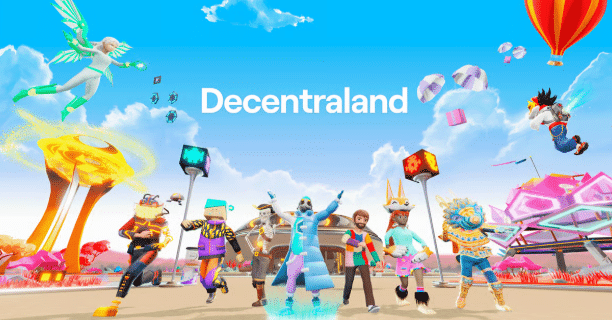
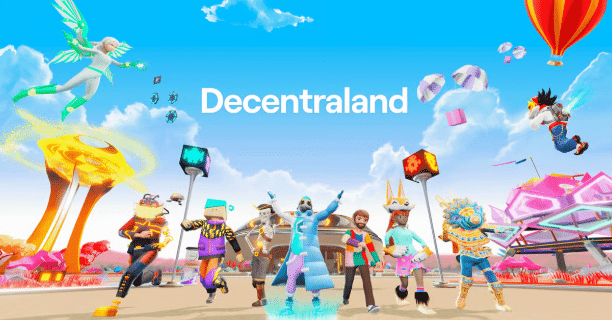
Decentraland offers a user-owned virtual world where players can explore, create, and monetise experiences within a fully decentralised metaverse. Built on the Ethereum blockchain, the game revolves around digital land ownership, with each parcel existing as an NFT. Players can build interactive spaces such as art galleries, games, and full-scale businesses, and generate income through activities like renting land, hosting events, or selling digital goods.

The native token, MANA, facilitates in-game purchases, trade, and governance. New users can casually roam the open world or participate in quests, while more experienced players may dive into custom scripting, scene building, or decentralized app creation.

Though not centered on traditional gameplay loops, Decentraland has carved out a space in the NFT ecosystem as a sandbox for digital creativity and ownership.

2. My DeFi Pet
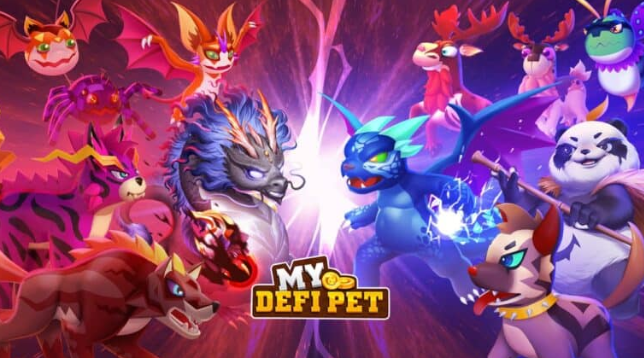
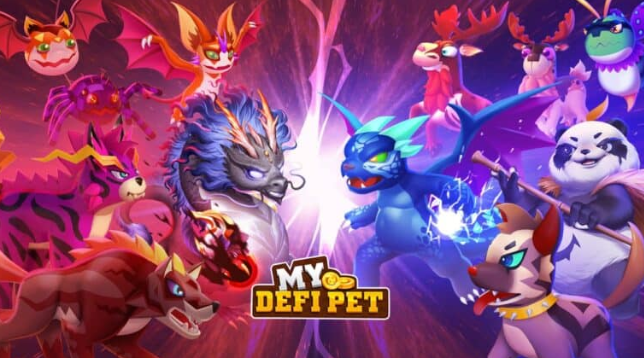
My DeFi Pet is a pet-themed blockchain game that combines elements of digital pet collection, breeding, and battling with DeFi mechanics. Players collect, breed, and evolve a variety of digital pets, each with unique traits and appearances. These pets can be trained, enhanced, and used in battles against other players in turn-based matchups.

The game’s economy is powered by DPET, the native token used for breeding, purchasing new pets, crafting items, and participating in events. Players can earn DPET through battles, selling rare pets in the marketplace, staking, or engaging in in-game DeFi activities such as liquidity pools and lending protocols.

While the core mechanics like collecting and training are beginner-friendly, earning any form of substantial rewards requires deeper involvement, namely breeding high-value pets or mastering battle strategies. As the game’s market activity has slowed, profitability depends more on long-term planning and in-game engagement.

3. Pixel
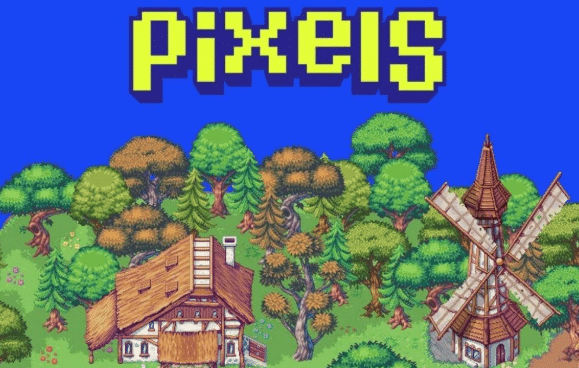
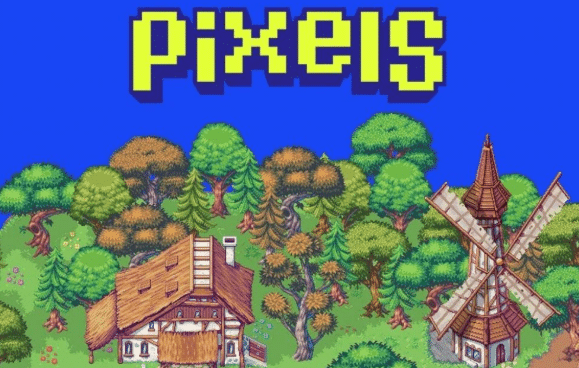
Pixel is a play-to-earn metaverse game where players collect, breed, and manage the game’s avatars known as Pixelmons. Within its expansive virtual world, users can farm, craft, build structures, and engage in battles, all while customising their land and assets for both utility and style. Social interaction also plays a strong role, with guilds, community events, and player-run economies forming the backbone of the experience.

The in-game economy revolves around crafting items, managing farms, and eventually trading goods and assets for the upcoming $PIXEL token. Players can monetize their progress by selling crafted goods, agricultural products, and rare discoveries in the game’s marketplace. Owning land offers strategic advantages, enabling passive income opportunities through farming, leasing, or production.

Although Pixel remains in early development, it shows long-term potential for committed players and creators. However, earning profits currently requires a deeper time and resource investment. Farming and crafting are accessible for beginners, but advanced exploration and social competitions demand greater planning, collaboration, and skill.

4. Shrapnel
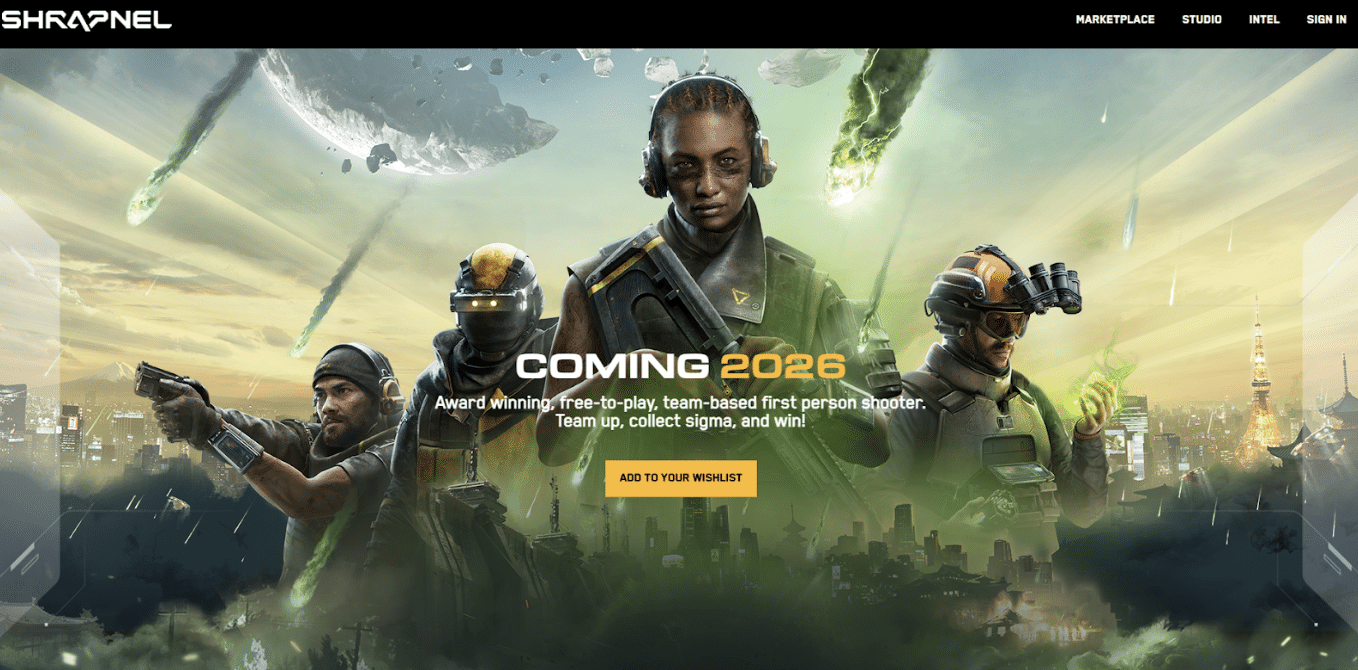
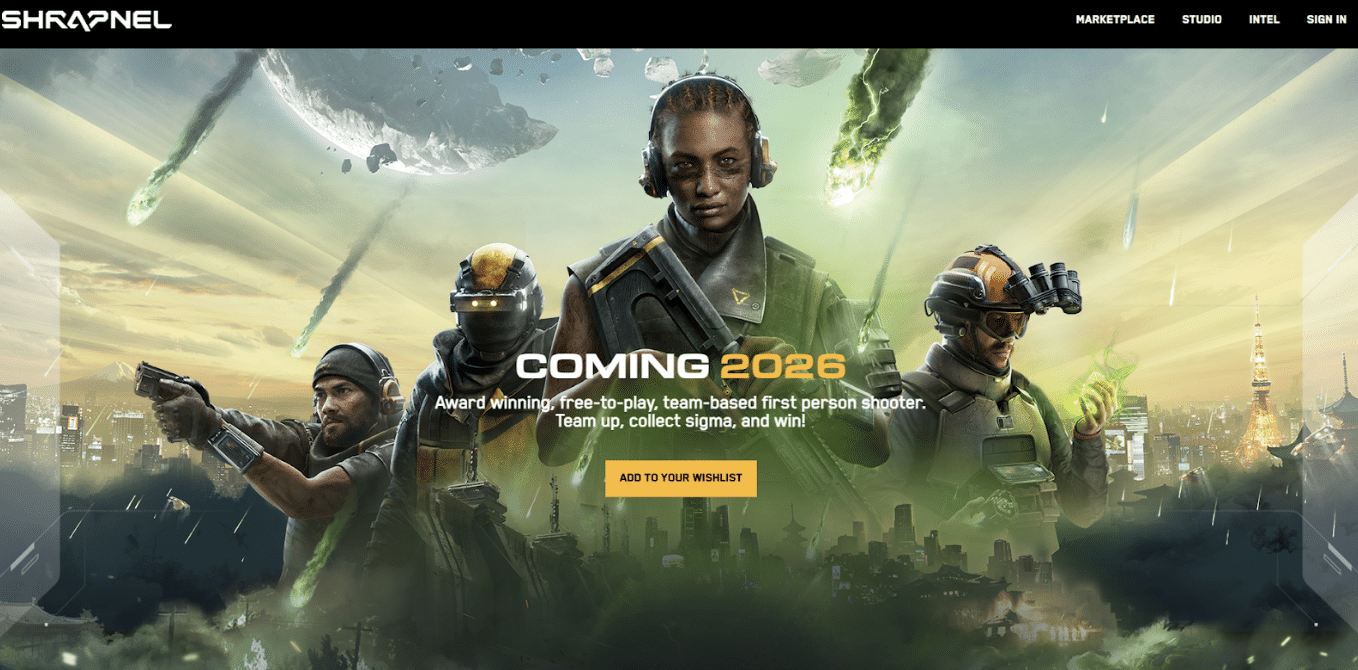
As the name suggests, Shrapnel is a competitive shooter game, where a player’s skill and performance directly affect the items they receive after every match. The focus is on fast, tactical combat, with weapons, gear, and cosmetic items being the main attraction of the entire experience. It feels closer to a traditional multiplayer shooter than a typical blockchain game, with skill and decision-making playing a bigger role than progression systems.

What makes Shrapnel an NFT game is how collectables are handled. Weapons and gear exist as NFTs, meaning players own what they earn and can choose to trade or sell items through external marketplaces. The game is designed so that earning is tied to playing rather than passive mechanics, making it clear that players should value improving their skill and performance above all else.

5. Gods Unchained
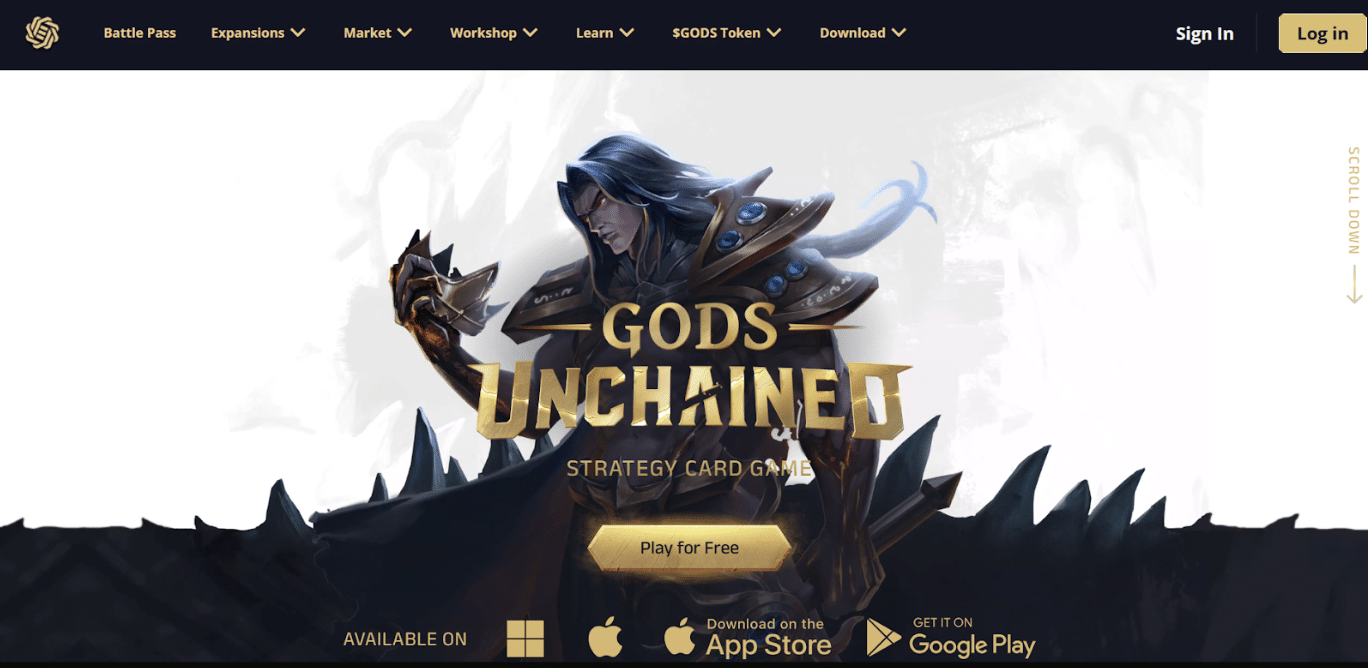
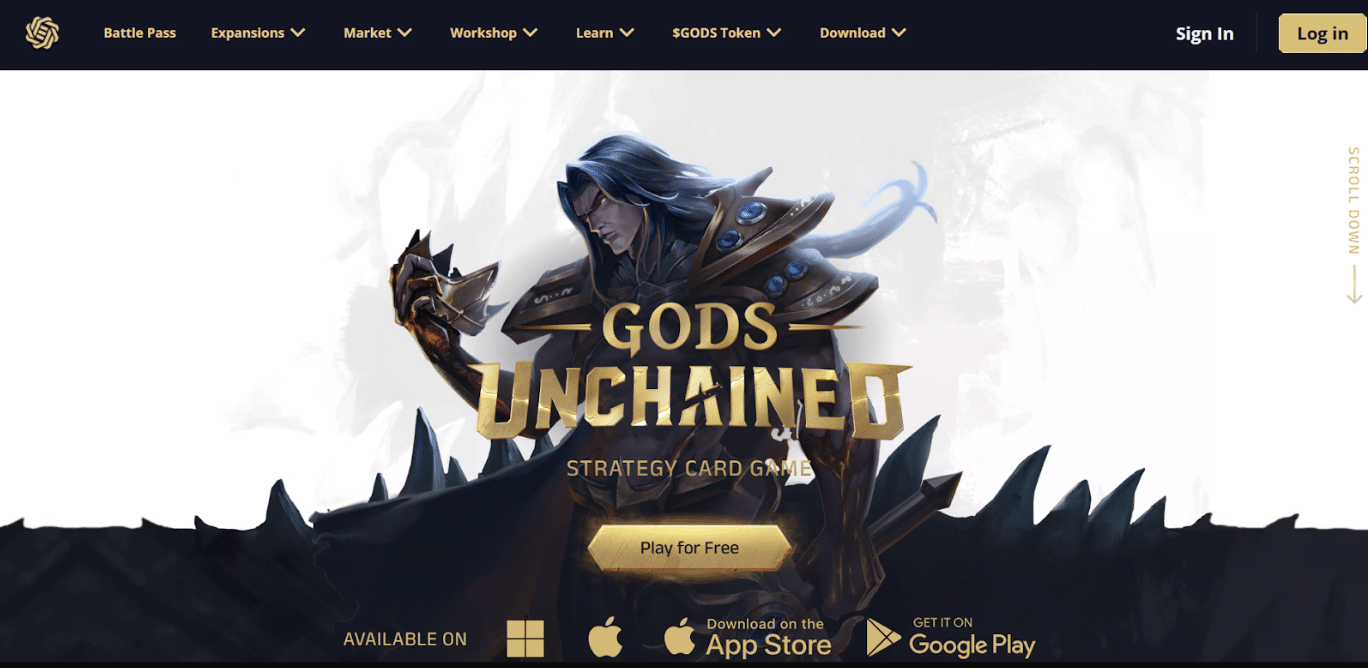
Gods Unchained is a card game that heavily involves strategy. The game is all about building the right deck and outsmarting opponents instead of owning rare cards or spending a fortune. Each match challenges players to think ahead, combining gods, creatures, and spells in ways that can turn the tide if they play their cards right. It’s fast enough to stay engaging, but strategic enough to keep players coming back for more.

Each card exists as an NFT, meaning players own the cards they collect and can trade or sell them outside the game. Built on Ethereum and supported by Immutable X, the game avoids high transaction fees while keeping ownership intact. The NFT layer supports the gameplay rather than taking over, making Gods Unchained a strong option for players who want competitive card battles with real asset ownership in the background.

6. Splinterlands
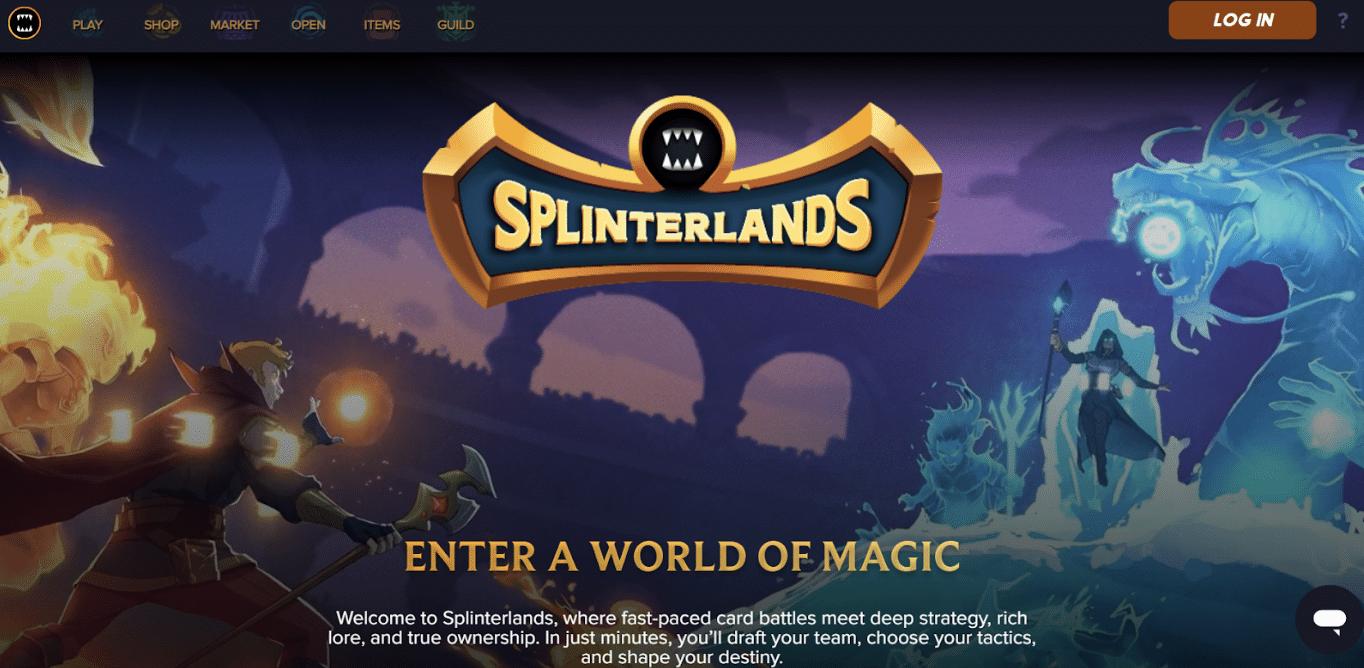
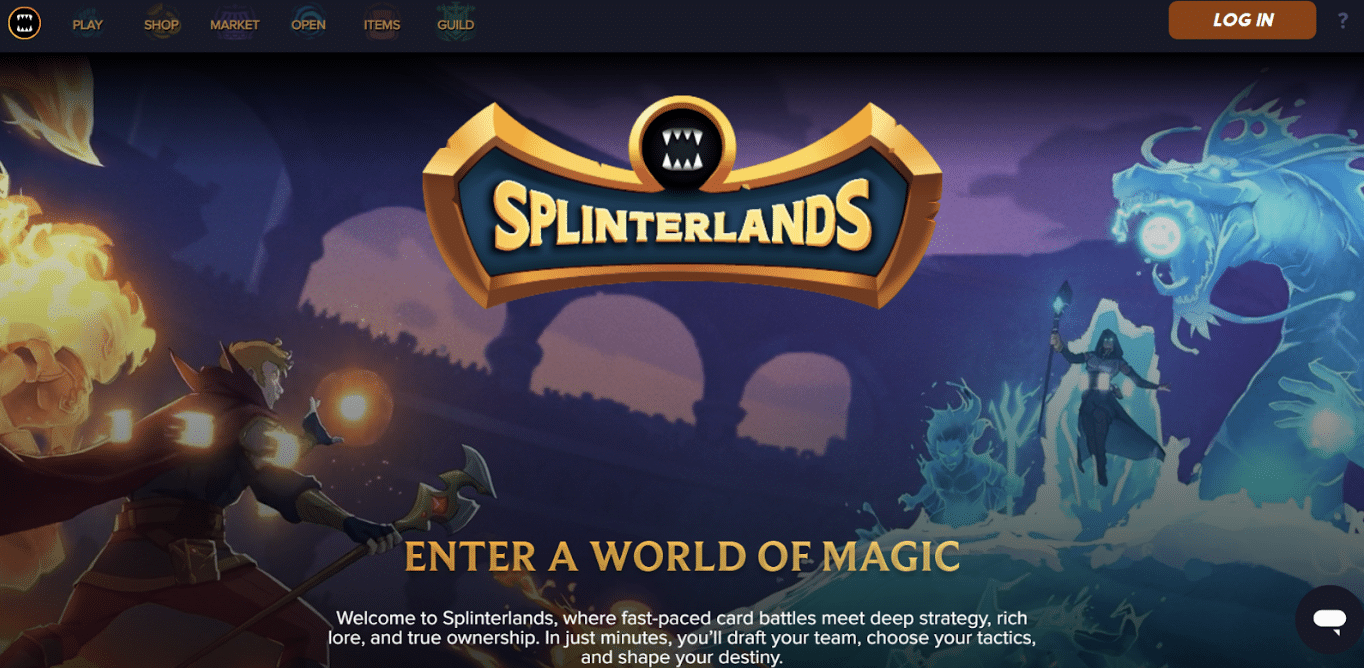
Splinterlands is a card-based strategy game where players build decks and compete in short battles. The point is understanding the card’s abilities and match conditions rather than playing long sessions that involve complex mechanics. Battles are quick, but outcomes depend heavily on how well a player reads the rules and assembles their deck, keeping the gam fair, exciting, and rewarding.

Each card exists as an NFT, meaning players own the cards they collect and can trade, sell, or even rent them to others. The game runs on the Hive blockchain, which keeps transactions fast and low-cost, and its marketplace supports an active player-driven economy. With options to earn through regular play, quests, and competitive matches, Splinterlands is an easy way for players to start playing NFT games that involve some serious strategy without any heavy commitment.

7. The Sandbox
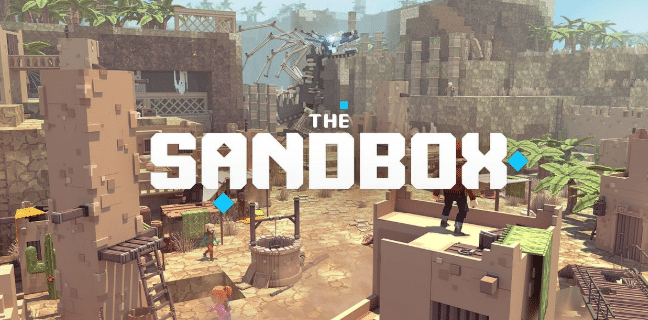
The Sandbox is a community-driven metaverse platform that allows players to create, own, and monetize virtual experiences. Unlike traditional games with set narratives, The Sandbox gives users the tools to design interactive spaces, using intuitive software like Game Maker and VoxEdit. Land ownership is a central pillar, with each virtual plot existing as an NFT that can be developed, sold, or rented for income.

The native SAND token powers all in-game transactions, including asset purchases, staking, and governance participation. Players can earn by creating and selling NFT assets, hosting games or experiences on their land, or trading parcels in the open marketplace. As the ecosystem evolves, The Sandbox has become a hub for digital creators, brands, and communities, many of whom use the platform to launch branded events, collectibles, or digital storefronts.

While the game doesn’t follow traditional gameplay loops, its creative freedom and monetization opportunities make it one of the most robust NFT metaverse platforms today. Earning potential scales with a player’s ability to build, collaborate, or speculate on land and digital goods.

8. Nine Chronicles
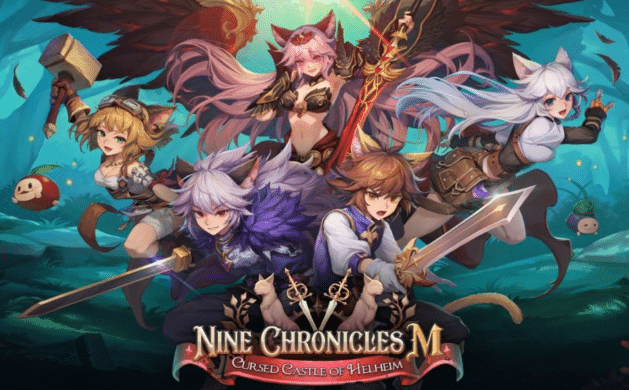
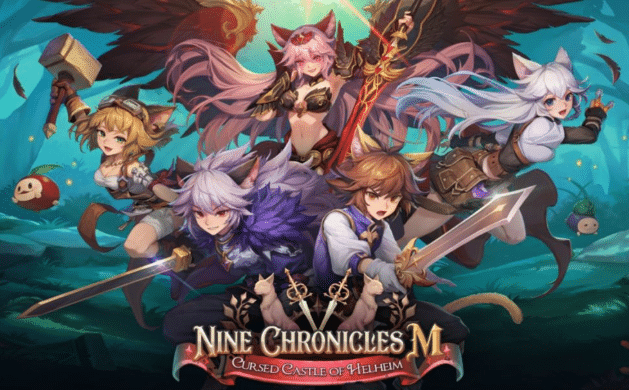
Nine Chronicles is a fully decentralized, open-source role-play game (RPG) where players journey through a procedurally generated world filled with combat zones, crafting systems, and evolving quests. With no central server, the game runs entirely on blockchain, giving players full ownership over their in-game assets and progress.

The gameplay revolves around exploration, crafting, and combat. Players can collect resources from the environment, craft powerful gear and consumables, and fight monsters across multiple realms. The in-game economy is driven by NCG, the platform’s native token, which is earned by mining resources, trading items, and participating in tournaments or governance proposals.

As a play-to-earn game, Nine Chronicles offers multiple earning paths, ranging from selling crafted goods and raw materials to competing in ranked challenges. While the decentralized infrastructure adds transparency and player control, it also introduces a steeper learning curve.

Final thoughts

NFT games aren’t trying to replace traditional gaming overnight. What they’re doing instead is testing new ideas around ownership, progression, and player-driven economies. Some get it right, others are still finding their footing, but the space itself is clearly experimenting. For players, it’s important to understand how a game actually works and decide whether it’s something worth playing even without the tokens attached.


Disclaimer. Readers are encouraged to do their own research. Ambcrypto is not liable for any outcomes related to the use of information, products, or services mentioned. This content may include affiliate or partner links.


Perguntas relacionadas

QWhat is the main evolution of NFTs in the gaming industry as described in the article?

ANFTs in gaming have evolved from simple digital collectibles into fully developed, user-centric platforms that offer genuine ownership, interoperable assets, and new forms of digital economies, allowing players to own in-game assets independently of centralized servers.

QWhich two NFT games mentioned are built on the Ethereum blockchain?

ADecentraland and Gods Unchained are built on the Ethereum blockchain.

QWhat is the native token of The Sandbox, and what is its primary use?

AThe native token of The Sandbox is SAND, and it powers all in-game transactions, including asset purchases, staking, and governance participation.

QHow does Shrapnel differ from typical blockchain games in terms of gameplay focus?

AShrapnel focuses on fast, tactical combat where skill and performance directly affect rewards, making it feel closer to a traditional multiplayer shooter rather than relying on progression systems or passive mechanics.

QWhat is a key characteristic of Nine Chronicles that emphasizes its decentralization?

ANine Chronicles is a fully decentralized, open-source RPG that runs entirely on blockchain with no central server, giving players full ownership over their in-game assets and progress.

Leituras Relacionadas

When the World Cup Collides with Agents: From Web2 to Web3, How Are Wallets Evolving into Agentic Wallets?

World Cup as a Catalyst for Agentic Wallets: From Web2 to Web3 This article explores how the World Cup provides a real-world scenario for observing the evolution of digital wallets from simple asset managers towards "Agentic Wallets"—intelligent, AI-powered interfaces. Using the example of prediction markets like Polymarket, it illustrates how AI Agents can lower the barrier to Web3 interaction. Instead of navigating complex DApps, users can express intent in natural language (e.g., "I think Portugal will win") within platforms like Discord or web pages. The Agent then interprets this intent, finds the relevant market, and seamlessly guides the user through the on-chain transaction via their wallet. The core shift is from wallets as mere "function menus" for signing transactions to "intent interpreters" that understand user goals. The article highlights parallel developments in traditional finance, such as Mastercard's "Agent Pay" and WeChat Pay's AI tests, which focus on granting AI controlled, authorized, and auditable payment capabilities. This underscores a broader trend of AI entering the financial layer. However, the article emphasizes that the primary challenge for Agentic Wallets in Web3 is not automation but establishing clear security boundaries. Unlike traditional systems with chargebacks, on-chain transactions are often irreversible. Therefore, future wallets must ensure users retain ultimate control and comprehension. They need to transparently communicate an Agent's permissions, spending limits, authorized durations, and provide easy ways to pause or revoke access. The World Cup experiments represent early steps toward wallets that are not just applications but ubiquitous, intelligent interfaces that simplify Web3 while keeping users securely in control.

marsbitHá 1h

When the World Cup Collides with Agents: From Web2 to Web3, How Are Wallets Evolving into Agentic Wallets?

marsbitHá 1h

Options Don't Work in DeFi? Vitalik Might Not Agree

For years, the prevailing view has been that options struggle to gain traction in DeFi due to complexity, fragmented liquidity, and lack of natural demand compared to products like perpetual futures. However, a recent algorithmic stablecoin design proposed by Vitalik Buterin presents a different perspective, using options not as a standalone trading product, but as foundational infrastructure for other financial instruments. In this design, one unit of ETH is split into two components: a "stable" side (P) that retains value up to a specified strike price, and an "upside" side (N) that captures all appreciation above that strike. Combined, they always equal one ETH, eliminating debt, margin, and liquidation risks inherent in typical collateralized debt position (CDP) stablecoins. The stable component essentially mimics the payoff of a covered call option. To function as a stablecoin, this structure requires continuously rolling deep in-the-money calls, which introduces challenges like rollover slippage, predictable transaction flow vulnerable to front-running, and persistent liquidity needs. A core hurdle is finding consistent buyers for the leveraged ETH upside exposure (N). While it offers leverage without funding rates or liquidation, it must compete with simpler alternatives like direct call options or perpetuals. The system's scalability depends on a sustained demand for this specific form of leverage. The author draws parallels to their experience with Rysk, where earlier versions of DeFi options protocols struggled. The breakthrough came with Rysk V12, which aligns incentives: asset holders generate yield by selling covered calls against their holdings, while market makers efficiently acquire the desired option exposure. This demonstrates that options can find product-market fit when embedded as a risk distribution and pricing engine within structured products, stablecoins, or yield-generating assets, rather than marketed as a complex direct trading instrument. Vitalik's proposal reinforces this architectural approach—using fully collateralized, non-custodial, and physically settled options as a fundamental building block. The real opportunity for options in DeFi may lie not in becoming the next perpetual swap, but in powering the next generation of on-chain financial products.

marsbitHá 1h

Options Don't Work in DeFi? Vitalik Might Not Agree

marsbitHá 1h

Conversation with Investor Zheng Di: MicroStrategy's Coin Sale Experiment, AI Economy, and Opportunities in US Stocks

Frontier tech investor Zheng "Didier" Di discusses the recent Bitcoin price drop, the financial strategy shift at MicroStrategy, the AI-driven surge in U.S. stocks, and the evolving role of crypto exchanges. Didier posits that the recent BTC decline stems less from macro factors or ETF outflows, and more from market repricing due to MicroStrategy's new financial structure. Following a wave of preferred stock and debt issuance (STRC, STRZ, etc.), MicroStrategy must now manage cash flow to pay dividends, potentially leading to a market expectation of sustained, small-scale BTC sales to maintain its "per-share bitcoin neutral" principle. Didier views this as a financial "experiment" testing market capacity for such recurring sell pressure, which, while creating near-term structural headwinds, likely avoids a true "death spiral" absent major new external shocks. Shifting to AI, Didier argues that tokens are becoming the new form of labor, with AI models and compute (tokenized inputs) increasingly replacing human roles in execution and middle-management. This drives enterprise efficiency and higher margins, fueling the sustained rally in U.S. semiconductor, data center, and infrastructure stocks. He foresees an emerging "machine economy" where automated agents transact and collaborate on-chain. Regarding crypto exchanges offering U.S. equities, Didier sees this as a natural evolution. With few crypto-native assets generating lasting value, exchanges are pivoting towards real-world assets (RWAs) like stocks and bonds. This doesn't necessarily cannibalize crypto but reflects a maturing industry focusing on blockchain's core utilities: decentralized choice and efficient settlement. He notes that trading logic for crypto natives doesn't need to drastically change, as meme-driven and fundamentalist strategies find analogs in U.S. markets. The "1011 event" (likely referring to a major market crash) severely damaged crypto market liquidity, marking a probable end to the altcoin speculative cycle, with capital flowing towards the deeper liquidity of U.S. markets. For the macro outlook, Didier is cautious about near-term market pressure from potential mega-IPOs (e.g., SpaceX) and the U.S. midterm elections, which could bring more regulatory scrutiny. Long-term, he remains bullish on AI's productivity gains and its convergence with blockchain/Web3, predicting a shift from speculative frenzy to a more institutionalized, industrial phase for the crypto sector.

marsbitHá 2h

Conversation with Investor Zheng Di: MicroStrategy's Coin Sale Experiment, AI Economy, and Opportunities in US Stocks

marsbitHá 2h

Playnance’s $GCOIN Lists on KoinBX Amid Rapid Growth in India

Playnance's native token, $GCOIN, has been listed on the cryptocurrency exchange KoinBX as of June 18. This move aims to enhance accessibility for its rapidly growing community, particularly in India, where the blockchain-powered Web3 iGaming ecosystem has gained significant traction. Over 130 partners in Playnance's "Be the Boss" program have built communities engaging thousands of active players in the region. The "Be the Boss" model allows participants to create and manage their own gaming communities, earning rewards tied to community activity. CEO Pini Peter noted India's high engagement, with community leaders successfully building player networks. One partner, Dr. Nicolas, reported earning over $57,000 through the program in recent months, highlighting both the financial rewards and the opportunity to grow an engaged community. $GCOIN serves as the ecosystem's core utility token, incentivizing participation and aligning the interests of players and community leaders ("Bosses"). The listing on KoinBX is part of Playnance's strategy to expand globally, increasing the token's utility and accessibility by combining community ownership, gamified engagement, and blockchain-based incentives. Founded in 2020, Playnance is a Web3 iGaming infrastructure company focused on creating live, non-custodial, on-chain products to onboard mainstream users. It currently processes approximately one million transactions daily, aiming to simplify the user experience while maintaining full on-chain transparency.

TheNewsCryptoHá 2h

Playnance’s $GCOIN Lists on KoinBX Amid Rapid Growth in India

TheNewsCryptoHá 2h

Trading

Spot
Futuros
活动图片