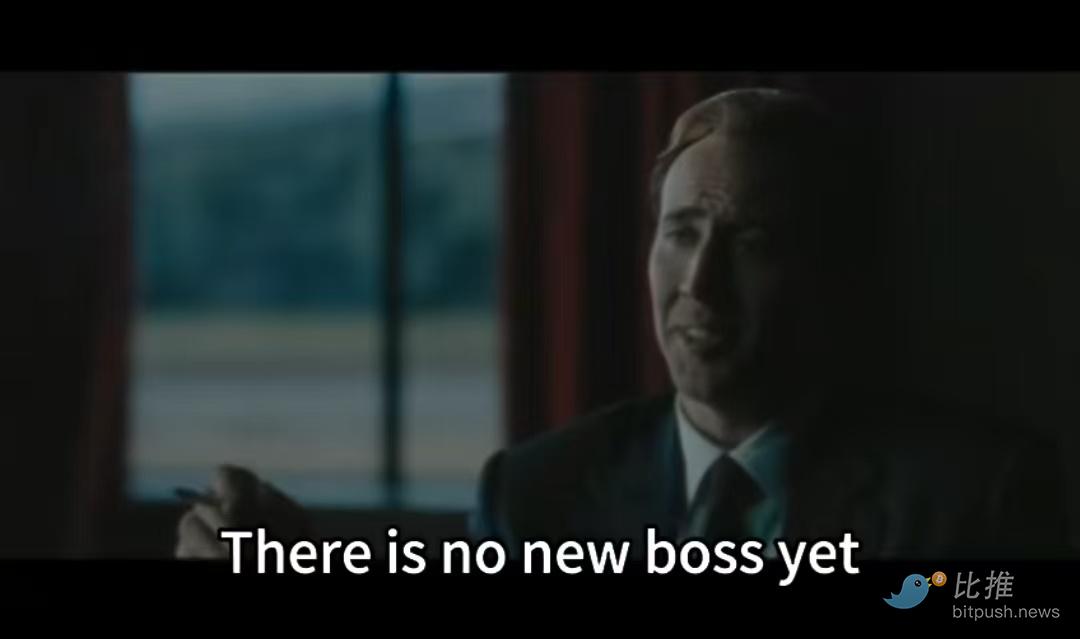
There is no new boss YET

比推Publicado em 2026-03-05Última atualização em 2026-03-05

Resumo

An Iranian deputy military commander from a southern district stated that the Strait of Hormuz has not been blockaded, but only vessels from the U.S. and Israel are prohibited from passing through. This caused a sharp, temporary drop in market prices for oil, gas, and container shipping routes (except European shipping, which remained down). The statement contrasts with Spain's recent refusal to allow the U.S. to use its bases for operations against Iran, where a spokesperson grimly warned of rising energy prices. Around the same time, a U.S. oil tanker sank in the Strait of Hormuz after reportedly “hitting a reef”—a claim viewed by some as corroboration of Iran’s military reports suggesting it was struck by a missile. The information landscape is filled with conflicting narratives, and all claims may be considered both true and false depending on perspective, as psychological and media operations are integral to modern warfare. There is no single authoritative voice in this conflict; even figures like Trump have contributed to the confusion with performative statements. Amid the chaos, all sides are maneuvering for strategic advantage, while humanitarian concerns are overshadowed by geopolitical games. The situation reflects a self-destructive struggle on a global scale.

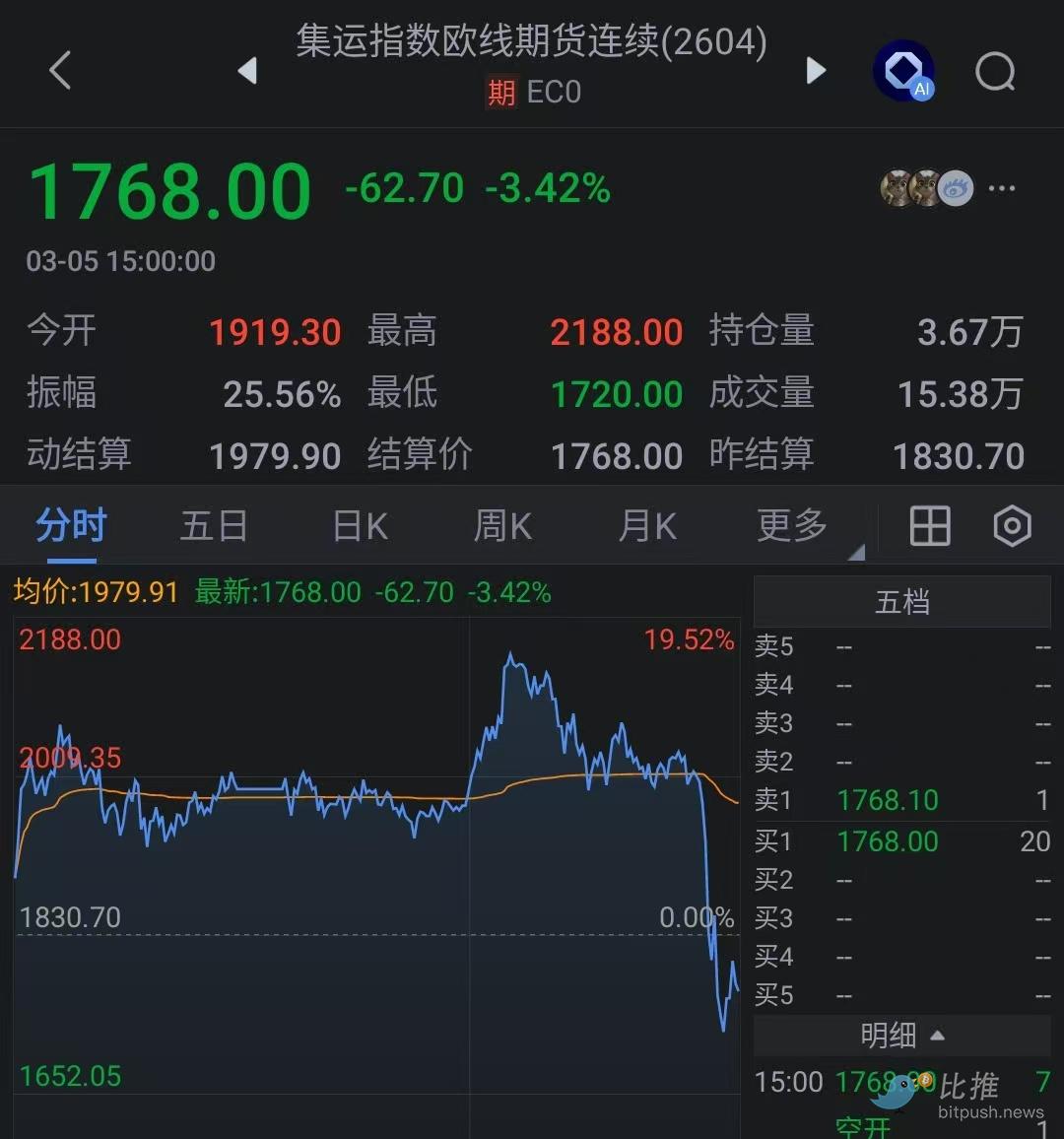
Just now, uh, a deputy commander of a military district in southern Iran said something: 'We have not blocked the Strait of Hormuz,' only prohibiting ships from the US and Israel from passing. This instantly scared the market into a slide, things like European shipping, oil, gas. Scared the hell out of them, a complete mess, but at this moment, most have deeply V-recovered [except for European shipping].

This is in stark contrast to the Spanish spokesperson who, with a grave expression [at a press conference announcing Spain's refusal to negotiate with the US and allow the use of Spanish bases to attack Iran], repeatedly stated that oil and gas prices are bound to rise.

At the moment of speaking, a US oil tanker 'ran aground' and sank in the Strait of Hormuz. Think about it, 'running aground' in the world's busiest energy transport artery. This actually verifies the Iranian military's combat report. It was sunk by a missile.

Some might say, with so many messages and news, which one is true? Who is fooling whom? Actually, all can be considered true (truth mixed with falsehood, falsehood mixed with truth, remember all is fair in war.), because there is no leading figure or authority now [even if there is, like Trump giving himself a 15 out of 10 (evaluating US-Iran actions at a press conference, scoring himself, full marks 10.), it would be full of drama, and the war of public opinion has always been synchronized with the overall war and runs through it from beginning to end.]. The information released by all parties at any given moment can be considered true, but viewed from the overall situation or different standpoints, it can also be considered false. 'Everyone' is searching for the kind of 'ladder' Littlefinger talked about in the chaos, collecting as many chips as possible.

As for humanity, as for compassion. Amidst the complex and numerous coercions, there is temporarily no place for them to stand. This is the self-inflicted disaster of a group of microorganisms on this planet.

Whatever, bro.

#KingOfWar#King of War
Original article link:https://www.bitpush.news/articles/7617058

Perguntas relacionadas

QWhat was the immediate market reaction to the Iranian commander's statement about not blocking the Strait of Hormuz?

AThe market was instantly frightened, causing a sharp decline in prices for routes like European container shipping, oil, and gas. However, these prices mostly experienced a deep V-shaped recovery shortly after, except for European container shipping.

QHow did the Spanish spokesperson's statement contrast with the Iranian commander's?

AThe Spanish spokesperson, with a grave expression, repeatedly stated that oil and gas prices would inevitably rise during a press conference where Spain refused to negotiate with the U.S. on using its bases to attack Iran. This formed a sharp contrast to the Iranian commander's statement that they were not blocking the strait but only banning U.S. and Israeli ships.

QWhat incident is reported to have occurred in the Strait of Hormuz that seemingly confirmed Iran's military report?

AA U.S. oil tanker was reported to have 'run aground' and sunk in the Strait of Hormuz. The article suggests this was a cover story and that the tanker was actually sunk by a missile, validating Iran's military claims.

QAccording to the article, why is it difficult to determine the truth from the various news and messages circulating?

AThe article states that all information released by various parties can be considered true at the moment it is given, but when viewed from an overall perspective or different standpoints, it can also be considered false. There is no single authoritative source, and information warfare is full of deception and drama, making it hard to discern the absolute truth.

QWhat is the overall tone of the article towards the geopolitical situation described?

AThe tone is cynical and pessimistic, describing the situation as a chaotic melee where parties are fighting for leverage, with humanity and compassion having no place. It concludes with a resigned 'so be it' attitude, referring to the conflict as the自作孽 (self-inflicted disaster) of the planet's microbes.

Leituras Relacionadas

Bitcoin Mining Farms Are Becoming AI Factories

Bitcoin mines are transforming into AI factories. This shift is driven by the convergence of three key assets from the previous crypto cycle: infrastructure, talent, and capital. Crypto mining companies like Crusoe, CoreWeave, and Bitdeer are repurposing their core competency—securing power, land, and grid connections in remote locations—to build data centers for AI clients. These firms are signing multi-billion dollar, long-term contracts with companies like Anthropic, AWS, and Microsoft, as AI's demand for reliable, high-capacity compute surpasses the profitability of Bitcoin mining. Simultaneously, crypto entrepreneurs and engineers are applying their skills to new AI ventures. Examples include OpenSea's co-founder launching OpenRouter (an AI model aggregator), and former Coinbase engineers building Fal.ai (a generative media infrastructure platform). Their experience in building scalable, global software networks translates effectively to the AI space. Furthermore, capital accumulated during the crypto boom is now fueling AI. Figures like Jed McCaleb (co-founder of Ripple) funded Voltage Park, a large-scale GPU cloud provider. Notably, some crypto investments, like FTX's early bets on Anthropic and Cursor, have generated astronomical paper returns, demonstrating how high-risk crypto capital flowed into AI before it became mainstream. The transition is not just about repurposing hardware, but about redirecting critical resources—power infrastructure, distributed systems expertise, and venture funding—to the next technological frontier: artificial intelligence.

链捕手Há 29m

Bitcoin Mining Farms Are Becoming AI Factories

链捕手Há 29m

Morpho Launches Fixed-Rate Product Midnight: Lenders and Borrowers Set Their Own Rates, Ending the Era of Interest Rate Models

Morpho Launches Fixed-Rate Product Midnight: Lenders and Borrowers Set Their Own Rates, Ending the Era of Algorithmic Interest Models On-chain lending has grown to $60 billion but remains minuscule compared to traditional finance's $200 trillion annual credit volume. Morpho identifies the lack of fixed rates and maturity dates as key bottlenecks. Institutions need predictability, not the passive floating rates set by algorithmic models. Midnight allows lenders and borrowers to directly quote rates, set terms, and become price makers, not takers. Fixed-rate lending is now viable due to cheaper, faster blockchains and the entry of institutions demanding control and certainty over returns, costs, and duration. Morpho Blue previously gave users control over risk; Midnight adds control over interest rates. Past attempts at on-chain fixed-rate lending failed primarily because they were built on top of floating-rate pools (creating unpredictability) or lacked sufficient active participants. Midnight avoids these pitfalls as a standalone primitive with fixed rates at its core, built upon Morpho Blue's existing large and active user base. Midnight offers distinct value: institutions gain predictable term structures and full control; fintech companies can offer tailored fixed-rate products; lenders/borrowers achieve predictability and efficiency; and curators can now differentiate by configuring both risk and interest rates. Morpho Midnight is not a replacement for Morpho Blue. The Morpho network will now feature two complementary market structures: floating-rate/open-term (Blue) for flexibility and fixed-rate/fixed-term (Midnight) for predictability. Liquidity can flow between them. The launch will be gradual, prioritizing security. Initially, it will support direct lending on Base network with one trading pair (cbBTC/USDC) and limited maturity dates. Advanced features like auto-rollovers will be introduced later.

marsbitHá 29m

Morpho Launches Fixed-Rate Product Midnight: Lenders and Borrowers Set Their Own Rates, Ending the Era of Interest Rate Models

marsbitHá 29m

Trading

Spot
活动图片