The Unluckiest Person: Zero API Calls, Secretly Charged 1 Billion Yuan by Anthropic

marsbitPublicado em 2026-07-13Última atualização em 2026-07-13

Resumo

A South Korean developer, remy_notes, was shocked to receive two invoices from Anthropic totaling over $17.8 million within 24 hours, despite being on a free plan with zero API usage and no linked credit card. His bank blocked the attempted charges. This case highlights a broader issue of billing errors in the AI industry. Auditing firm Vaudit, reviewing millions in AI bills, found significant erroneous overcharges, often related to issues like clients being billed for newer, pricier models instead of older ones they used, or being charged for failed requests and retry loops. While Anthropic claims overcharging is not widespread, major providers have refunded a large portion of disputed amounts. The incident adds to growing distrust, following previous billing controversies like the "HERMES.md bug" and a class-action lawsuit over opaque usage calculations for Anthropic's subscription plans. The complexity of AI pricing models creates a "black box" for users, leading to a new competitive frontier: billing transparency. As users turn to audits and lawsuits, clear and fair pricing is becoming a crucial part of the product experience.

On July 8, the well-known Korean developer remy_notes posted two Anthropic invoice screenshots on Threads: the first for $1.669 million (approximately 11.3 million RMB), the second for $16.62 million (approximately 110 million RMB). The two invoices were issued less than 24 hours apart, with the amount increasing nearly tenfold.
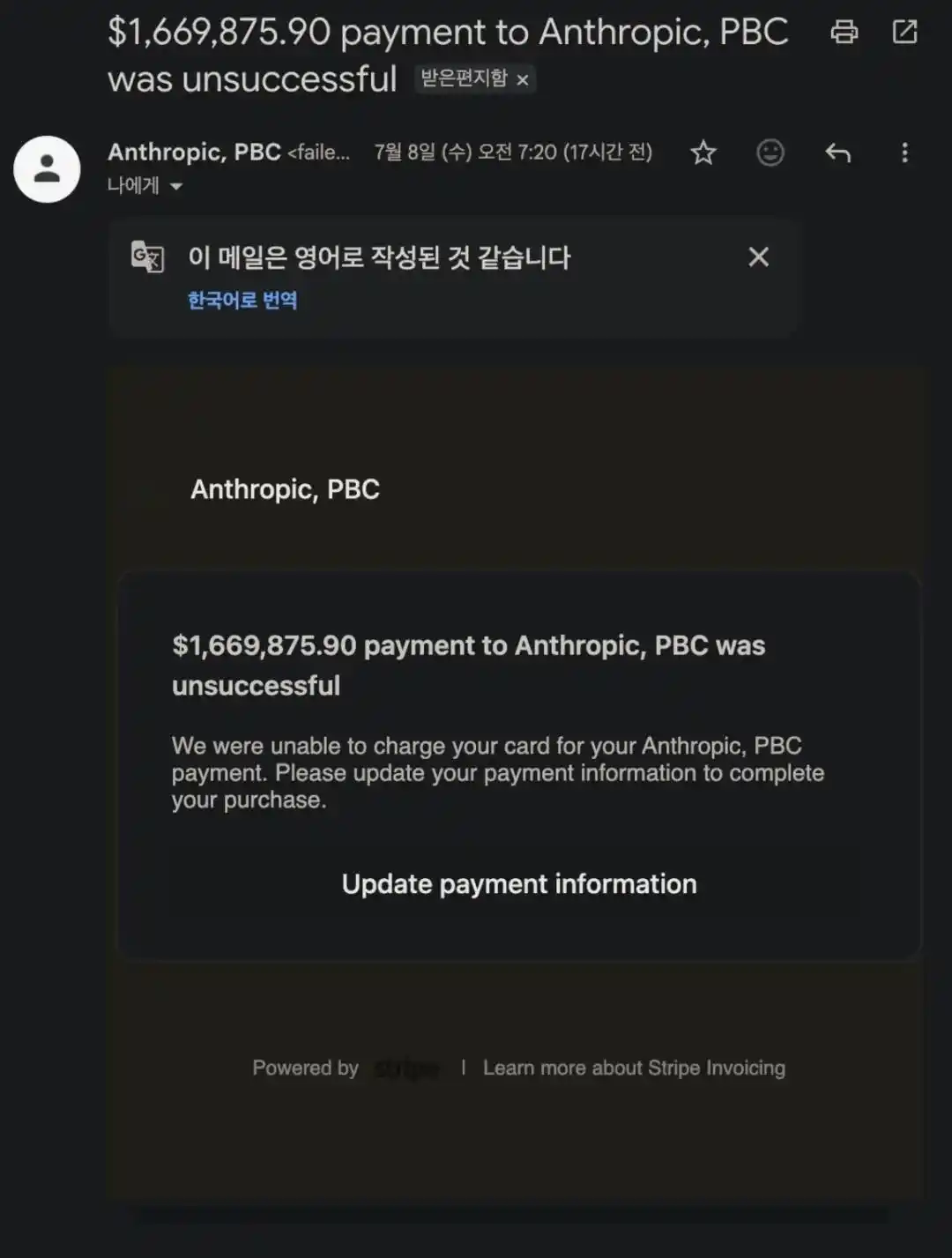
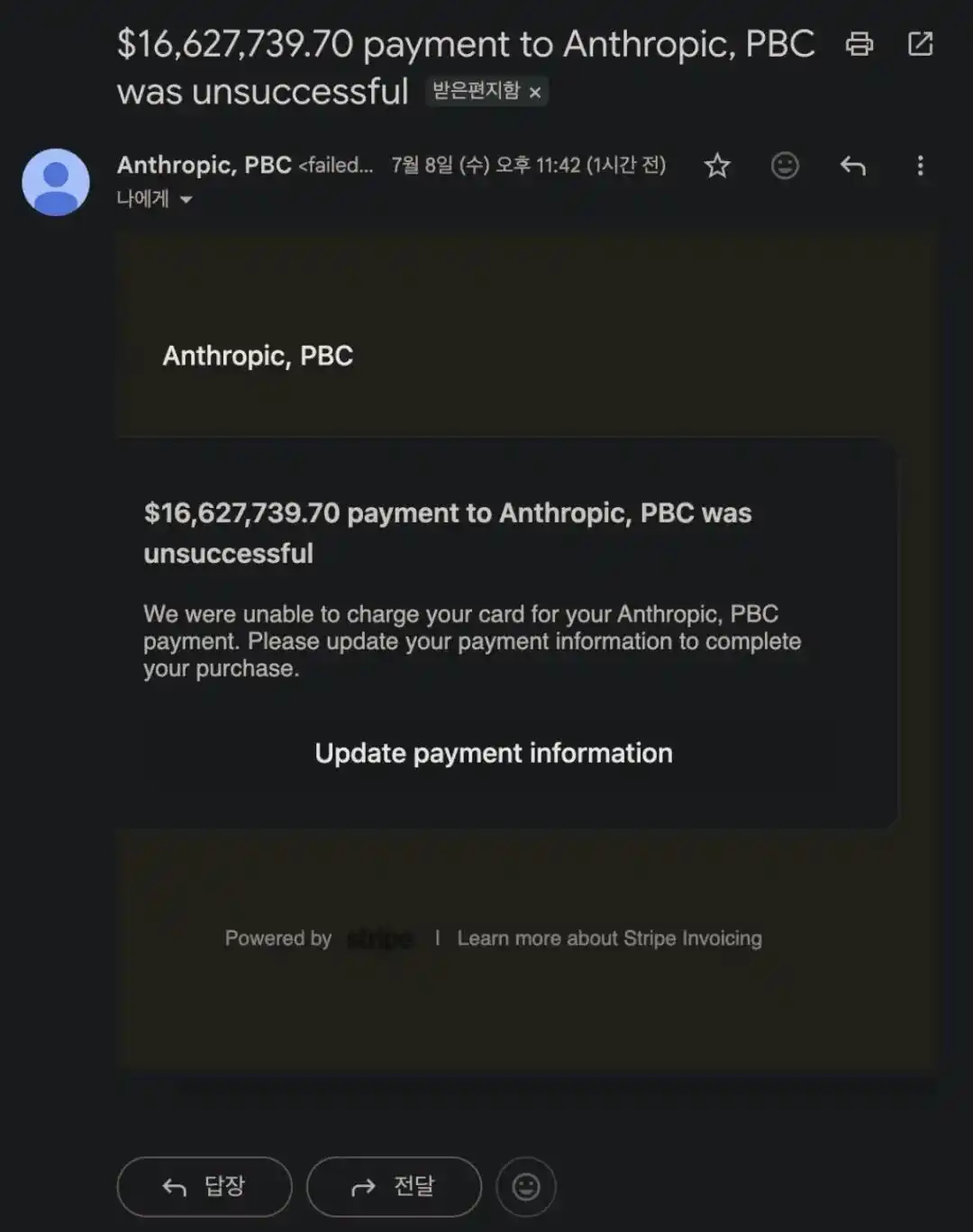
He initially thought it was a phishing email, but the sender address and payment links pointed to Anthropic's official Stripe domain.
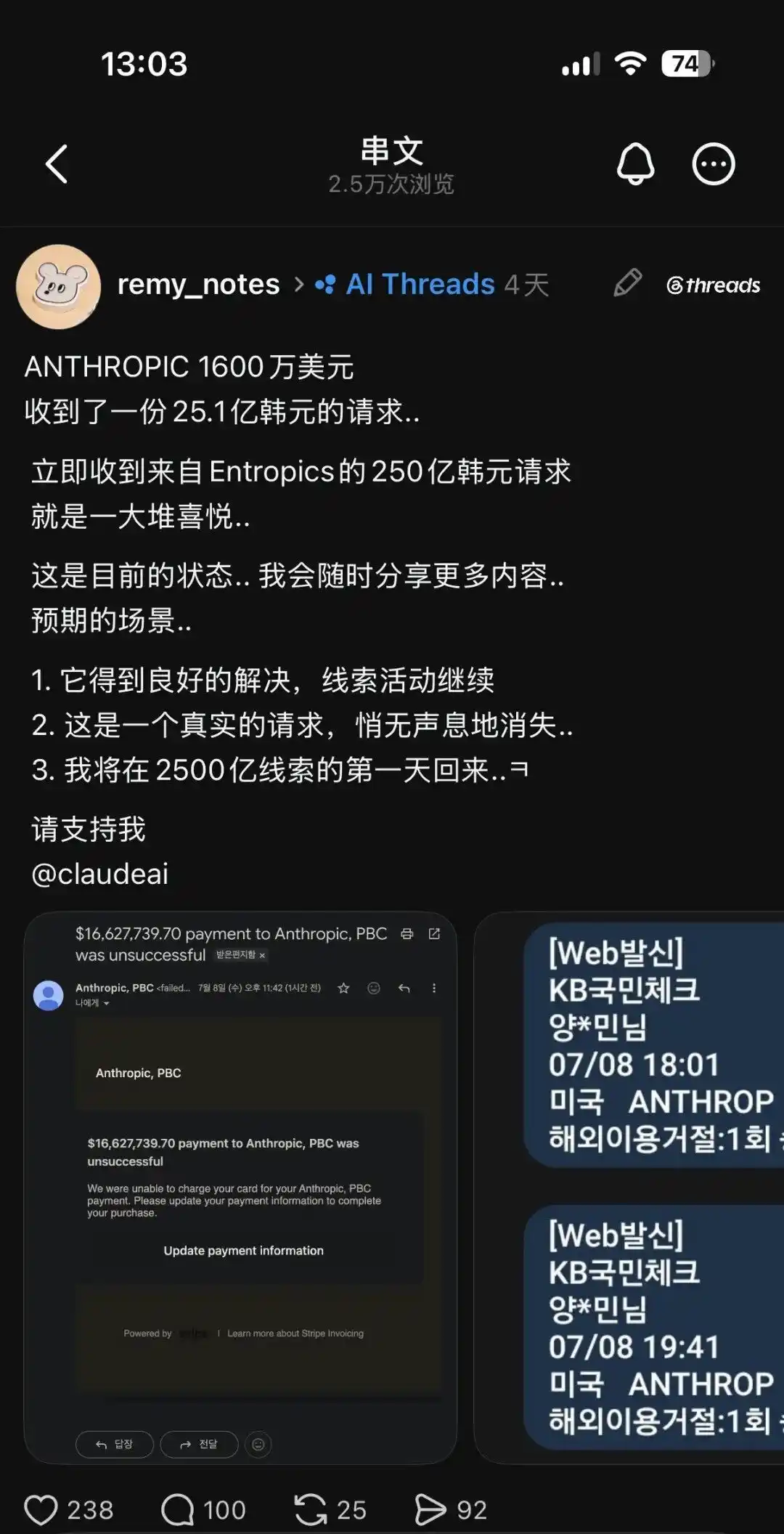
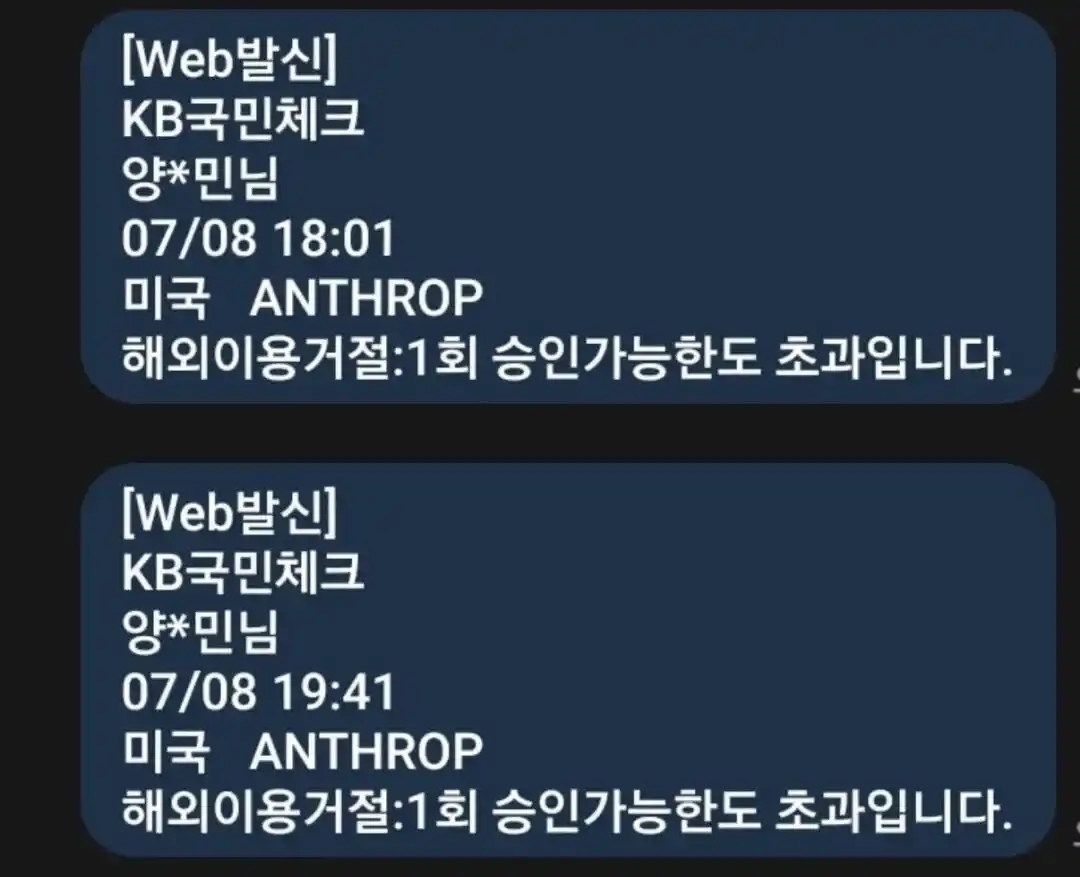
His KB National Bank debit card intercepted two overseas charge requests from the US merchant 'ANTHROP' on the same day—both were denied due to insufficient single-transaction limits.
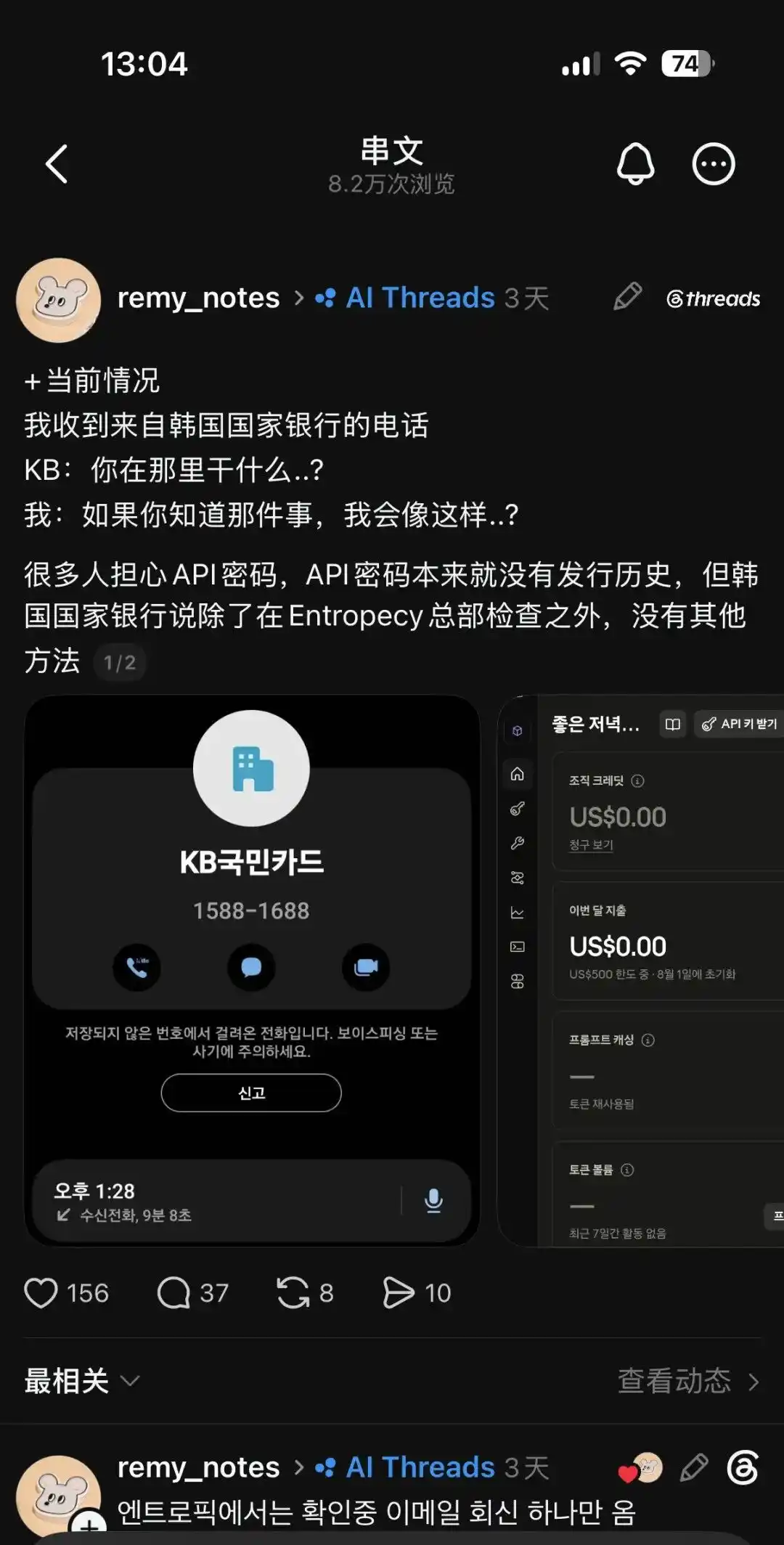
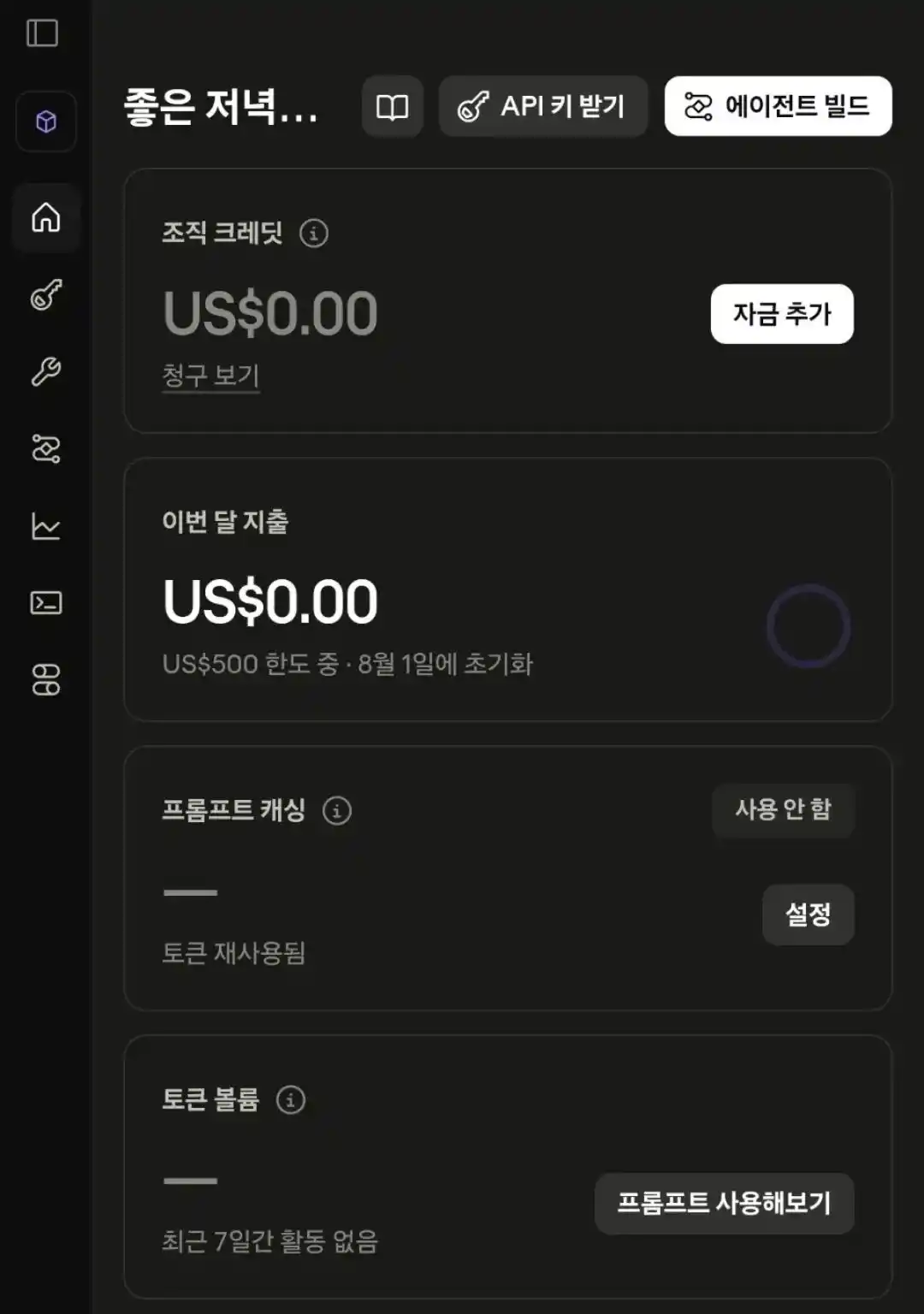
His account was on a free plan, with no credit card linked, and the backend showed zero API usage.
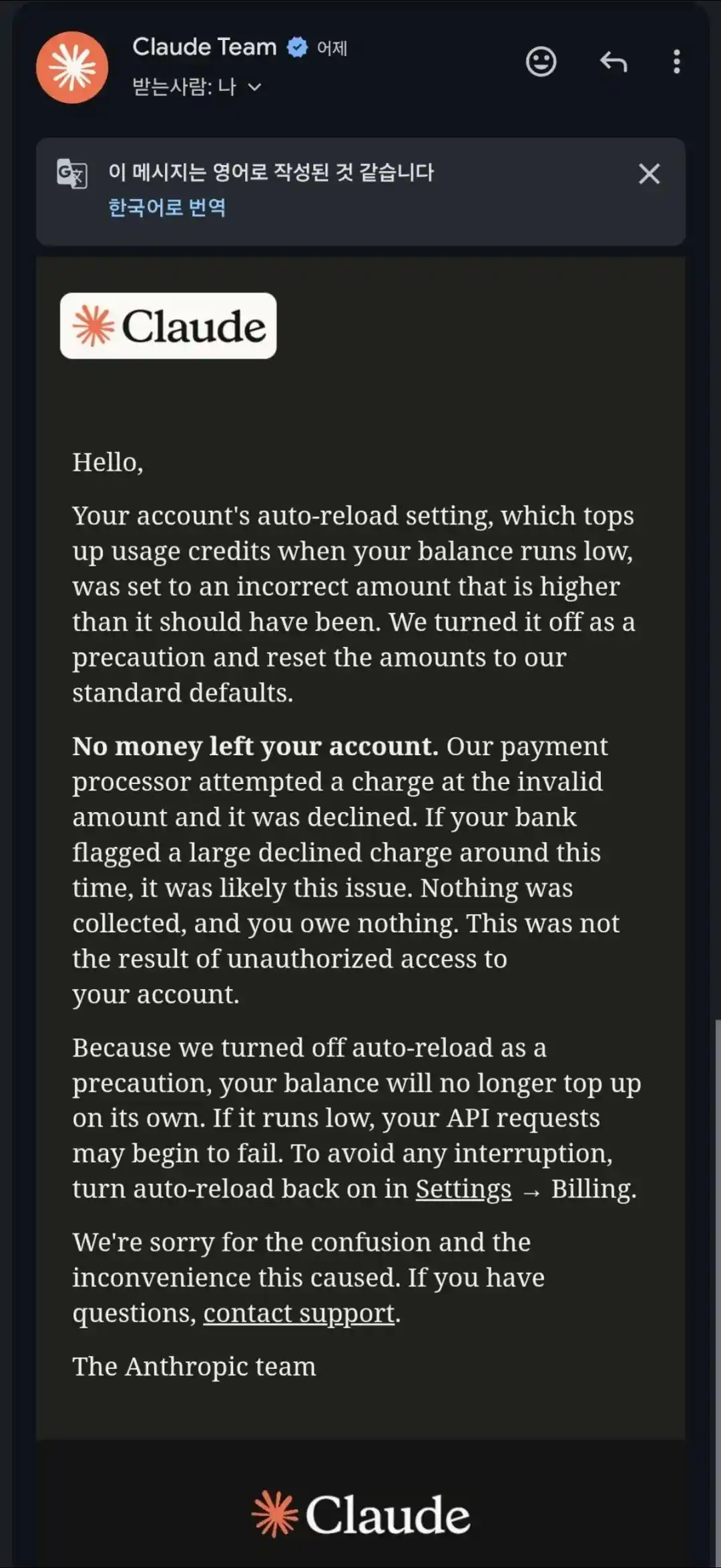
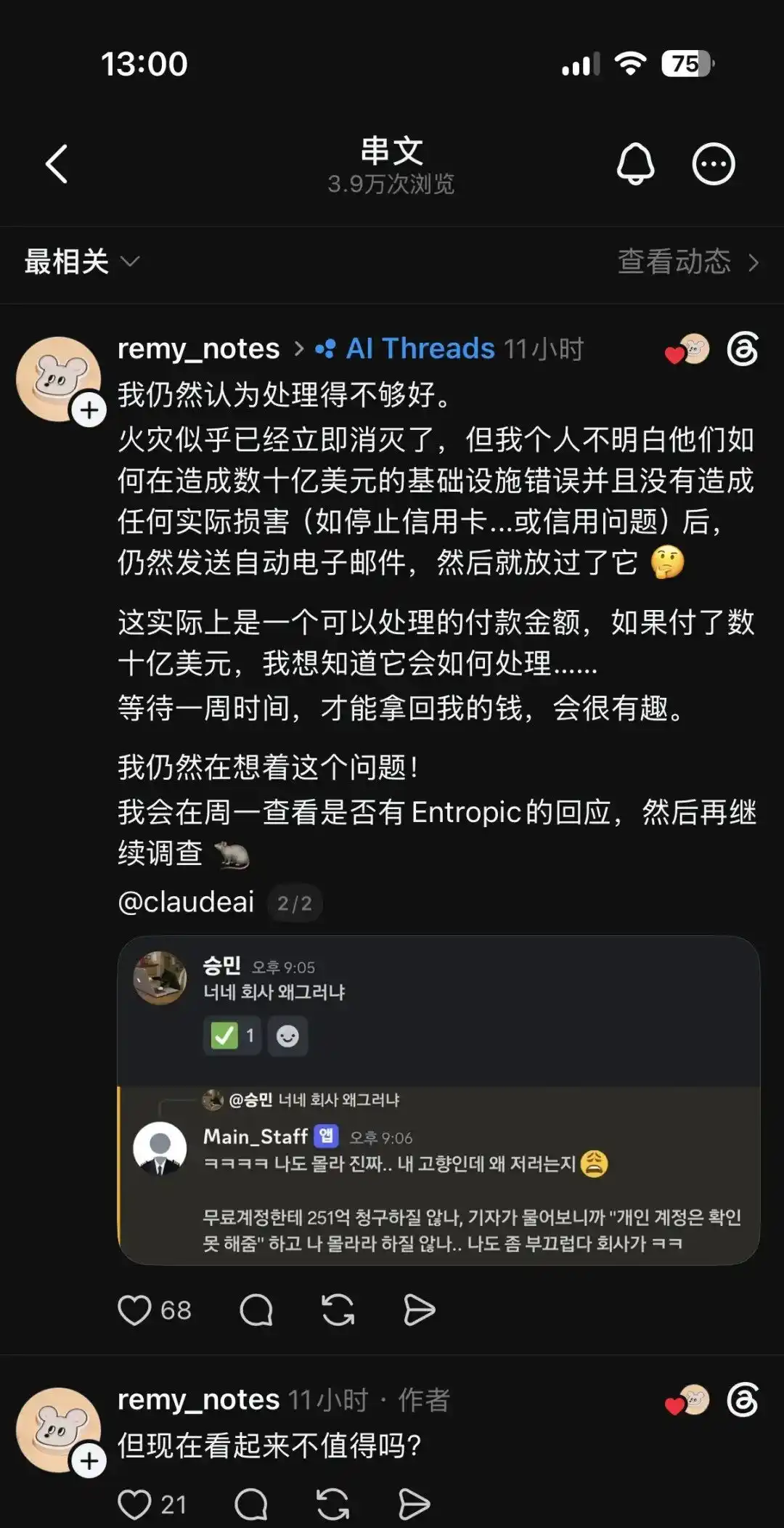
As of publication, Anthropic has not publicly explained the cause of this "phantom bill."
More Than One "Phantom Bill"

The figure of $16.6 million is shocking enough, but what truly deserves attention is the systemic issue emerging from it.

From March to June, AI bill auditing company Vaudit reviewed $34 million in AI bills from 60 companies and discovered approximately $1.7 million in erroneous overcharges, most of which were related to Anthropic's Claude Code.

Vaudit's clients include Panasonic, HP, and Honda, among others.

Vaudit CEO Michael Hahn

Vaudit CEO Michael Hahn described several common overcharging patterns to The Information:

Customers using older, cheaper models but being billed for the more expensive new models;

AI Agents or chatbots failing to complete requests or returning error messages, yet still incurring charges;

Agents repeatedly retrying tasks after failure (retry storms), with each retry being billed.

An Anthropic spokesperson responded, stating the company does not charge for unfulfilled requests or error messages, does not route user requests to older models, and that "overcharging does not seem to be a widespread issue."

However, following appeals from Vaudit and clients, Amazon, Google, Microsoft, Anthropic, and OpenAI refunded about 80% of the disputed amounts.

Hahn said these companies were "very cooperative" in handling billing disputes.

A noteworthy detail: some of Vaudit's audited clients did not purchase services directly from Anthropic but through cloud platforms like AWS, Google Cloud, or Microsoft Azure.

After the billing passes through an additional layer, the responsibility attribution becomes murkier.

Why AI Bills Are Becoming Increasingly Incomprehensible

The developer community's distrust of Anthropic's billing didn't accumulate overnight.

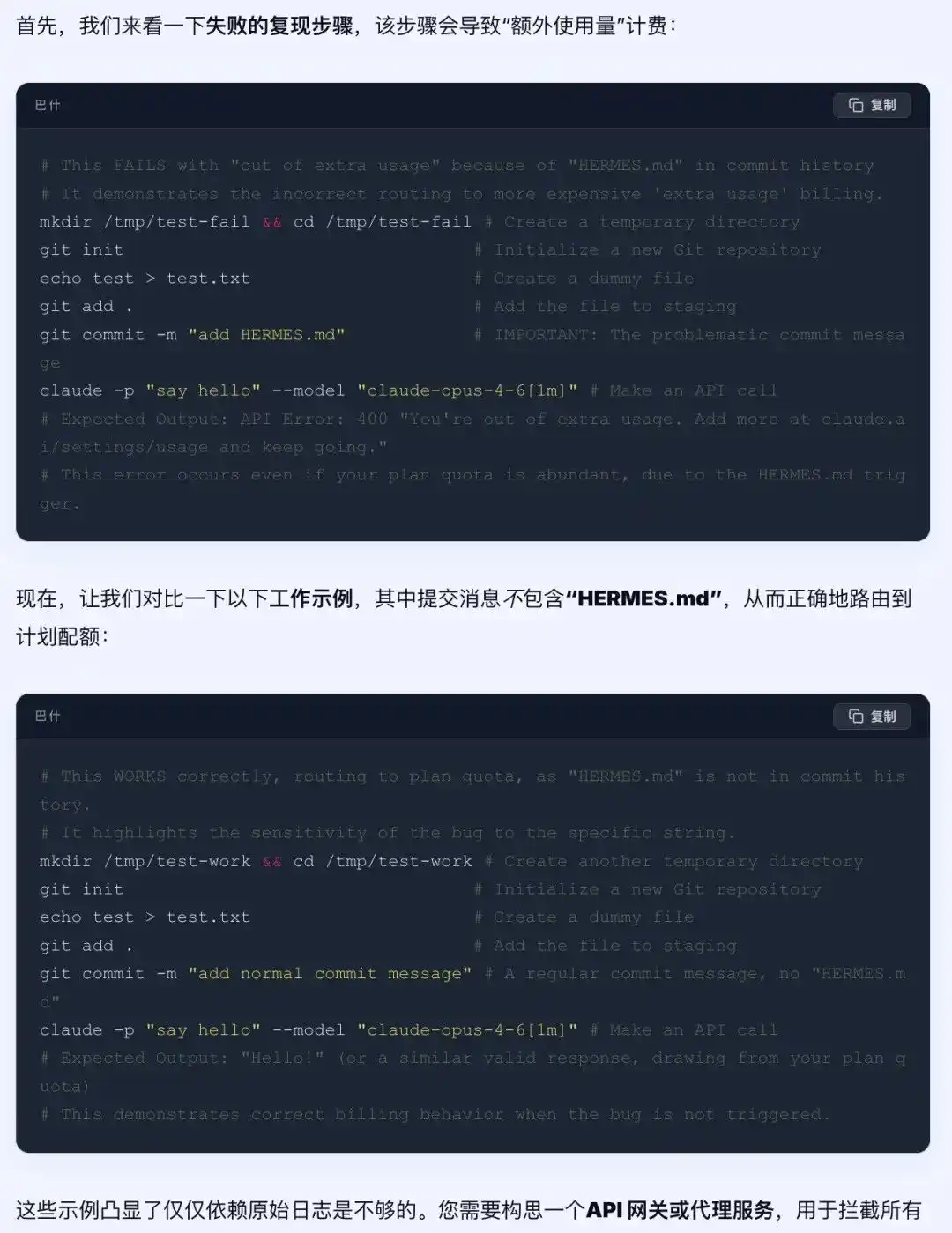
In April this year, developers discovered a billing vulnerability dubbed the "HERMES.md bug": when code commit records contained specific strings, Anthropic's backend would silently route requests that should have been deducted from the Max plan quota to a more expensive "additional usage" billing channel.

Users paid a $200/month subscription fee but were actually billed separately at the API rate.

Anthropic characterized it as an "authentication routing issue" but initially refused refunds, leading many developers to initiate credit card chargebacks.
On June 14, Washington D.C. user Karl Kahn filed a class-action lawsuit in the US District Court for the Northern District of California, alleging that Anthropic's usage promises for the Max 5x ($100/month) and Max 20x ($200/month) subscription plans were misleading.

Kahn claimed that during his use of the Max 20x plan, a single 5-hour programming session consumed 15% of his weekly quota.

The lawsuit argues that Anthropic's usage calculation method is opaque, making it nearly impossible for users to verify whether they are receiving the promised service.

The pricing changes for Claude 5 further amplified this distrust.

Released on June 9 as part of subscription plans, this Anthropic's most powerful publicly available model to date was stripped from them just 13 days later, converted to a usage credit system billed at the API rate ($10 per million input tokens, $50 per million output tokens) – twice the price of Claude 4.8.

Extended reading: Sudden! Anthropic Globally Disables Claude 5

It was also taken offline globally for 19 days due to US government export controls.

After restoration on July 1, the free window provided by Anthropic was only 6 days, later extended to July 12.

When "Safety" Doesn't Cover the Wallet

Anthropic's core brand narrative is "AI safety."

But for paying users, the definition of safety is expanding: it shouldn't only mean the model won't output harmful content; it should also include not being charged an inexplicable fee without your knowledge.

This isn't just Anthropic's problem.

AI service billing structures are inherently complex – model tiers, token usage, API call counts, retries, cloud platform markups, different paths for direct purchase and resale – all layered together, forming a black box that average users can almost never independently verify.

The emergence of auditing companies like Vaudit is itself a signal: AI bills have become so complex that a professional third party is needed to understand them.

Competitors are already sensing the opportunity.

At the June Build conference, Microsoft released MAI-Thinking-1. AI head Mustafa Suleyman told Bloomberg, "Many people are urgently looking for alternatives to Anthropic's expensive models."

OpenAI is reportedly considering significantly lowering token prices.

DeepSeek V4's output token price is about 1/90th of Claude Sonnet 4.6's, starting to be included in developers' cost comparison options.

Over the past year, AI companies won users with model capabilities.

In the next phase of competition, billing transparency will become part of the product experience.

When users start auditing your bills and questioning your pricing promises with class-action lawsuits, "our model is smarter" is no longer enough.

The problem Anthropic faces today, the entire industry will encounter – whoever makes their billing clear first will get the ticket to the next round of trust.

References:

https://www.internationalcyberdigest.com/anthropic-tried-to-phantom-charge-16-6m/

https://www.theinformation.com/newsletters/applied-ai/anthropic-customers-find-errant-charges-auditing-startup-says

This article is from WeChat public account "New Zhiyuan", author: ASI Revelation

Criptomoedas em alta

Perguntas relacionadas

QWhat is the main issue reported by Korean developer remy_notes regarding Anthropic's billing?

AKorean developer remy_notes reported receiving two massive invoices from Anthropic within 24 hours—one for about $1.669 million and another for $16.62 million—despite having a free plan with zero API usage and no credit card linked. His bank blocked the attempted charges due to insufficient limits.

QWhat systemic billing problems did the AI audit company Vaudit discover among Anthropic and other AI providers?

AVaudit audited $34 million in AI bills across 60 companies from March to June and found about $1.7 million in erroneous overcharges, mostly related to Anthropic's Claude Code. Common issues included charging for newer, more expensive models when older ones were used, billing for failed or incomplete requests, and charging for repeated retries by AI agents.

QWhat legal action has been taken against Anthropic related to its billing practices?

AOn June 14, a user named Karl Kahn filed a class-action lawsuit in the U.S. District Court for the Northern District of California. The lawsuit alleges that Anthropic misled customers about usage limits and costs for its Max subscription plans, and that its billing calculations are opaque, making it nearly impossible for users to verify if they received the promised service.

QHow did Anthropic's handling of its Fable 5 model contribute to user distrust?

AAnthropic initially included its powerful Fable 5 model in subscription plans upon release on June 9, but removed it just 13 days later. It was then made available only via a much more expensive API-based credit system (costing twice as much as Opus 4.8). Coupled with a 19-day global takedown due to U.S. export controls and a very short free usage window, these actions eroded user trust in the company's pricing stability and transparency.

QAccording to the article, why is billing transparency becoming a key competitive factor in the AI industry?

AAs AI services grow more complex—with layered pricing based on models, tokens, API calls, retries, and cloud platform markups—their bills have become a 'black box' that users cannot easily verify. The emergence of audit firms like Vaudit and user lawsuits signal that transparent and understandable billing is now part of the product experience. The article suggests that in the next phase of competition, companies that master clear billing will gain a significant trust advantage.

Leituras Relacionadas

Robinhood Provides the Answer: Why Ethereum Becomes the Optimal Solution After Traditional Businesses Enter

The article argues that as real-world, cash-flow-focused businesses enter the blockchain space, they are increasingly choosing the Ethereum L1 + L2 architecture as the optimal infrastructure solution, in contrast to earlier crypto projects built primarily around token sales. It uses Robinhood as a prime example: after testing its stock tokenization product on Arbitrum One, Robinhood launched its own dedicated blockchain, "Robinhood Chain," which is built as an Ethereum L2 using Arbitrum's technology, relying on Ethereum for data availability (via blobs), using ETH as its native gas token, and employing a standard bridge to Ethereum. The author, Ryan Berckmans, distinguishes between two types of participants with different incentive structures: 1. **The "Old Crypto Economy":** Projects whose primary goal is to create and sell a token, with value derived from utility expectations, speculative "monetary premium," or distant cash-flow promises. Their technology stack choices are often flexible and driven by grants, copycat opportunities, or the need for a new token narrative. 2. **The Emerging "Real-World On-Chain Economy":** Traditional businesses using blockchain to improve existing services or create new cash-flow streams. Their goal is to maximize business profits, not token appreciation. For them, blockchain is infrastructure, and they prioritize low risk, security, user reach, operational control, liquidity, and interoperability. For these real-world enterprises, building a standalone L1 is costly, creating a new "security and liquidity island." Ethereum's L1+L2 model splits their core needs: the L1 provides a highly decentralized, neutral, and liquid global settlement layer, while L2s offer a market of customizable, high-performance, operator-controlled execution environments. An Ethereum L2 grants most benefits of an independent chain (high TPS, control, custom features) while inheriting Ethereum's security, seamless access to its ecosystem and assets, and native, low-trust bridging. The piece concludes that this shift in market participants profoundly benefits Ethereum and ETH. As businesses build on Ethereum (directly on L1, via their own L2 like Robinhood Chain, or on shared L2s like Base), they onboard users, embed ETH into products, and deepen its network effects and monetary premium. The choice is driven not by ideological belief but by rational commercial judgment, making Ethereum L1+L2 the current default optimal solution.

Foresight NewsHá 51m

Robinhood Provides the Answer: Why Ethereum Becomes the Optimal Solution After Traditional Businesses Enter

Foresight NewsHá 51m

Trading

Spot

Artigos em Destaque

O que é $WELL

WELL3, $$WELL: Revolucionando a Saúde e o Bem-Estar com DePIN e IA Introdução Na paisagem em rápida evolução da tecnologia digital, o sector da saúde e do bem-estar está na vanguarda da inovação, esforçando-se para melhorar os cuidados com os pacientes e promover estilos de vida mais saudáveis. Um jogador inovador neste domínio é o WELL3, um projeto pioneiro de Web3 que visa revolucionar a forma como os indivíduos se envolvem com a sua saúde. Ao aproveitar tecnologias como a Rede de Infraestrutura Física Descentralizada (DePIN), Identidade Descentralizada (DID) e Inteligência Artificial (IA), o WELL3 pretende promover jornadas de saúde seguras e potenciadas por dados. Este artigo abrangente aprofunda-se nos principais aspectos do WELL3, $$WELL, explorando as suas funcionalidades, criadores, investidores e características únicas. O que é o WELL3, $$WELL? O WELL3 serve como uma plataforma inovadora destinada a redefinir a abordagem em relação à saúde e ao bem-estar. Focado na integração de DePIN e DID juntamente com sistemas de IA, o projeto foi concebido para criar experiências personalizadas para os utilizadores, garantindo a segurança e a privacidade dos dados de saúde dos indivíduos. Com um número impressionante de mais de um milhão de utilizadores pré-registados, a missão principal do WELL3 centra-se na melhoria do bem-estar através de jornadas de saúde seguras e orientadas por dados. No seu cerne, o WELL3 utiliza tecnologias avançadas de blockchain para garantir que os utilizadores tenham total controlo sobre a sua informação pessoal. Este projeto não só aborda os desafios da segurança e acessibilidade dos dados, mas também aspira a criar uma comunidade vibrante unida por um compromisso comum com uma melhor saúde. Características-chave do WELL3: DePIN e DID: Estas tecnologias permitem a propriedade e autenticação seguras dos dados, dando aos utilizadores total controlo sobre a sua informação. Integração de IA: Utilizando análises de IA, o WELL3 oferece insights e soluções personalizadas adaptadas às necessidades de saúde individuais. Envolvimento Comunitário: Facilita um ambiente de apoio onde os utilizadores podem conectar-se, partilhar experiências e motivar-se mutuamente em prol de um viver mais saudável. Criador do WELL3, $$WELL A identidade do criador do WELL3 permanece não especificada nas informações disponíveis. À medida que o projeto avança, detalhes adicionais poderão surgir, lançando luz sobre as mentes visionárias por trás desta iniciativa transformadora. Investidores do WELL3, $$WELL O WELL3 recebeu apoio de uma miríade de entidades de investimento influentes, destacando a sua credibilidade e potencial no espaço da saúde e bem-estar. Investidores notáveis incluem: Animoca Brands AWS Samsung The Spartan Group Blocore Fenbushi Capital Newman Group Soul Capital XY Finance Lumoz O apoio destas organizações estabelecidas demonstra uma forte crença na missão do WELL3, proporcionando-lhe os recursos necessários para inovar e expandir as suas ofertas. Como Funciona o WELL3, $$WELL? O WELL3 opera fundindo tecnologias de ponta numa estrutura multichain, garantindo uma experiência do utilizador fluida e inovadora. Abaixo estão alguns fatores que posicionam o WELL3 de forma única no mercado de bem-estar: 1. Propriedade de Dados Segura Com a integração de DePIN e DID, os utilizadores podem manter total controlo sobre a sua informação de saúde pessoal. Este nível de segurança é fundamental na era digital atual, onde as violações de dados e o acesso não autorizado são frequentes. Através do WELL3, a propriedade dos dados é descentralizada, permitindo que os utilizadores gerenciem a sua informação de forma proactiva. 2. Personalização através da IA O WELL3 implementa análises impulsionadas por IA para fornecer aos utilizadores insights de saúde personalizados. Ao aproveitar o poder da IA, a plataforma consegue oferecer recomendações e soluções individualizadas, incentivando os utilizadores a alcançarem os seus objetivos de saúde de forma mais eficaz. 3. Estrutura Multichain O projeto WELL3 foi concebido para funcionar em várias plataformas de blockchain, incluindo Bitcoin, Ethereum, Polygon, Solana, Blast e TON. Esta capacidade multichain assegura que os utilizadores possam interagir com a plataforma de forma fluida em diferentes redes, aumentando a acessibilidade e a usabilidade. 4. Token WELL Central para o ecossistema WELL3 está o Token WELL, que serve múltiplas funções, incluindo utilidade, governança e recompensas. O token permite a participação no ecossistema, apoia o compartilhamento de dados de saúde e incentiva os utilizadores com base no seu envolvimento com a plataforma. Cronologia do WELL3, $$WELL A trajetória do WELL3 exibe marcos significativos no seu desenvolvimento, cada um contribuindo para o sucesso geral do projeto. Aqui está uma breve cronologia dos eventos críticos na história do WELL3: 10 de Fevereiro de 2024: O WELL3 lançou o seu projeto NFT, rapidamente subindo à ribalta como a maior coleção de NFTs na cadeia opBNB com mais de 324.000 proprietários e atingindo 8 milhões de NFTs criados até 27 de Abril de 2024. Venda Pública: O projeto alcançou um valor total notável bloqueado (TVL) de aproximadamente 15.237,2 ETH em apenas sete dias, indicando um forte interesse e apoio do mercado. Lançamento do WELL ID: A plataforma viu mais de 900.000 utilizadores inscreverem-se para o WELL ID e a sua correspondente whitelist de NFTs Ring, marcando uma fase de adoção significativa dentro do ecossistema. Desenvolvimento de Parcerias: O WELL3 estabeleceu parcerias com entidades líderes, incluindo Animoca Brands, AWS, Samsung, entre outras, para melhorar o seu ecossistema e expandir o seu alcance. Volume de Transações: O WELL3 facilitou mais de 17 milhões de dólares em transações, refletindo a sua crescente utilidade e envolvimento dentro da comunidade de saúde e bem-estar. Pontos-chave sobre o WELL3, $$WELL Como uma iniciativa progressiva voltada para o mercado do bem-estar, o WELL3 identificou vários elementos vitais que contribuirão para o seu contínuo sucesso. Aqui estão algumas conclusões importantes a notar: Tokenomics O token $$WELL tem um suprimento máximo de 42 mil milhões, com 71% destinado a iniciativas comunitárias. Esta estratégia de distribuição enfatiza o compromisso do projeto com a sua base de utilizadores e sustentabilidade a longo prazo. Período de Bloqueio Para garantir a estabilidade dentro do ecossistema, os tokens são liberados em lotes ao longo de um período de bloqueio de 24 meses, promovendo confiança e segurança entre os utilizadores. Desenvolvimento do Ecossistema A visão do WELL3 estende-se à criação de um ecossistema abrangente e sustentável para incentivar a participação comunitária ativa, comportamentos que promovam a saúde e soluções digitais que abordem as necessidades prementes do domínio do bem-estar. Adequação ao Mercado A indústria do bem-estar, avaliada em 5,6 trilhões de dólares, apresenta uma oportunidade lucrativa que o WELL3 pretende explorar. Com uma taxa de crescimento anual prevista de 5-10%, o projeto está idealmente posicionado num contexto de crescente tendência em direção a um estilo de vida saudável. Dispositivos Wearables A introdução do WELL3 Ring, um dispositivo wearable incentivado por cripto, alinha-se com a crescente demanda por dados de saúde personalizados. Este dispositivo não só melhora a experiência do utilizador, mas também redefine o que significa estar envolvido com a própria saúde no contexto do Web3. Conclusão O WELL3 representa um avanço significativo na integração da tecnologia blockchain no sector da saúde e do bem-estar. Ao abordar questões cruciais em torno da propriedade dos dados, personalização e envolvimento comunitário, esta plataforma inovadora oferece uma solução visionária para melhorar o bem-estar individual. Com um forte apoio de investidores notáveis e um compromisso com tecnologias pioneiras, o WELL3 está programado para ter um impacto duradouro na paisagem do bem-estar. Para aqueles que procuram navegar pelas complexidades da saúde na era digital, o WELL3 é certamente uma iniciativa a acompanhar à medida que continua a evoluir e crescer.

56 Visualizações TotaisPublicado em {updateTime}Atualizado em 2024.12.03

O que é $WELL

Como comprar WELL

Bem-vindo à HTX.com!Tornámos a compra de Moonwell Artemis (WELL) simples e conveniente.Segue o nosso guia passo a passo para iniciar a tua jornada no mundo das criptos.Passo 1: cria a tua conta HTXUtiliza o teu e-mail ou número de telefone para te inscreveres numa conta gratuita na HTX.Desfruta de um processo de inscrição sem complicações e desbloqueia todas as funcionalidades.Obter a minha contaPasso 2: vai para Comprar Cripto e escolhe o teu método de pagamentoCartão de crédito/débito: usa o teu visa ou mastercard para comprar Moonwell Artemis (WELL) instantaneamente.Saldo: usa os fundos da tua conta HTX para transacionar sem problemas.Terceiros: adicionamos métodos de pagamento populares, como Google Pay e Apple Pay, para aumentar a conveniência.P2P: transaciona diretamente com outros utilizadores na HTX.Mercado de balcão (OTC): oferecemos serviços personalizados e taxas de câmbio competitivas para os traders.Passo 3: armazena teu Moonwell Artemis (WELL)Depois de comprar o teu Moonwell Artemis (WELL), armazena-o na tua conta HTX.Alternativamente, podes enviá-lo para outro lugar através de transferência blockchain ou usá-lo para transacionar outras criptomoedas.Passo 4: transaciona Moonwell Artemis (WELL)Transaciona facilmente Moonwell Artemis (WELL) no mercado à vista da HTX.Acede simplesmente à tua conta, seleciona o teu par de trading, executa as tuas transações e monitoriza em tempo real.Oferecemos uma experiência de fácil utilização tanto para principiantes como para traders experientes.

165 Visualizações TotaisPublicado em {updateTime}Atualizado em 2026.06.02

Como comprar WELL

Discussões

Bem-vindo à Comunidade HTX. Aqui, pode manter-se informado sobre os mais recentes desenvolvimentos da plataforma e obter acesso a análises profissionais de mercado. As opiniões dos utilizadores sobre o preço de WELL (WELL) são apresentadas abaixo.

活动图片