# Energy Prices Related Articles

HTX News Center provides the latest articles and in-depth analysis on "Energy Prices", covering market trends, project updates, tech developments, and regulatory policies in the crypto industry.

Inflation Stickiness Has Not Yet Subsided: CICC Maintains Its Call for a 25 Basis Point Rate Hike in December

US October CPI rose 0.4% m/m (vs 0.6% prior) and core CPI rose 0.3% m/m, both above expectations; no y/y data due to last October's government shutdown. Inflation remains sticky, with core CPI up 0.3% for a third straight month, supporting further Fed tightening. Fed Governor Waller floated a possible 50bp December hike, but CICC argues policy is not clearly "behind the curve" and financial conditions have tightened modestly, so accelerated tightening is unnecessary. CICC maintains its baseline call of a 25bp hike in December, keeping this cycle gradual and mild. Energy inflation eased (0.7% m/m vs 5.2% prior), though electricity rose 0.9% amid数据中心 power demand. Food CPI rose 0.5%, a five-month high, with broad-based gains across fruits/vegetables, dairy and meat, partly reflecting pass-through from earlier energy costs. Core goods rose 0.2%, with used cars down 1.2% and AI-related hardware inflation easing slightly. Housing CPI rose 0.3%, with OER and rent both up 0.3% and 0.2% respectively, showing no acceleration. Supercore services remained sticky at about 0.4%, with transport services up 0.8%; service inflation sources remain broad. CICC notes the 0.3% core reading meets Waller's condition for considering a 50bp hike, but argues larger hikes are meant to catch up on insufficient tightening, whereas recent tightening is already taking effect and inflation shows stickiness rather than acceleration. Waller himself supported a pause in October. Even hawk Dallas Fed's Logan favors two more 25bp hikes. CICC's baseline remains a 25bp December hike within a gradual, moderate tightening cycle.

marsbit11/11 10:12

Inflation Stickiness Has Not Yet Subsided: CICC Maintains Its Call for a 25 Basis Point Rate Hike in December

marsbit11/11 10:12

Tonight at 9:30 PM the US releases the CPI report: with the year-over-year figure absent, what should investors focus on?

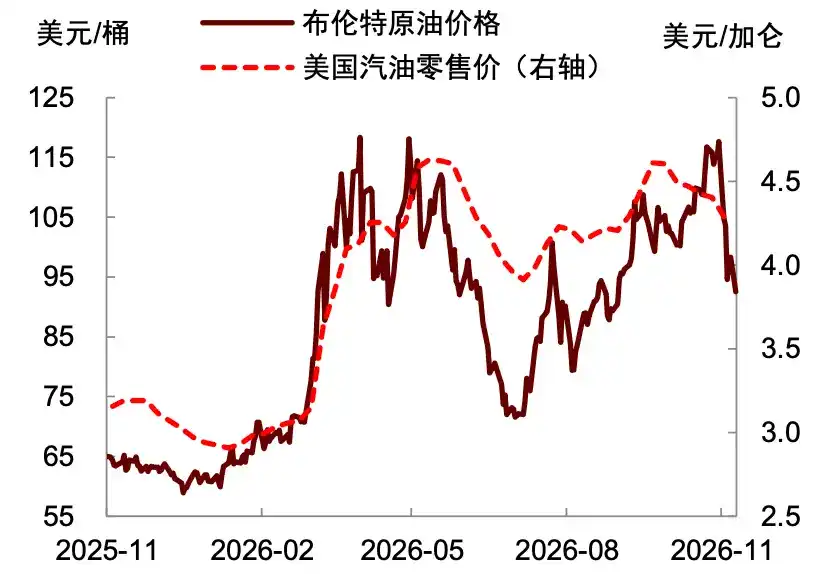
The October CPI report, due Tuesday at 21:30, is drawing close attention as investors watch whether two months of firm price increases are finally cooling and whether the data shifts expectations for further Fed tightening. Economists surveyed by Reuters expect headline CPI to rise 0.3% month-over-month, down from 0.6% in September, with core CPI (excluding food and energy) up 0.2%, potentially the smallest gain in three months. A key caveat: because the October 2025 report was lost to the federal government shutdown, the BLS cannot publish annual (year-over-year) inflation figures this time, so markets will rely more heavily on monthly headline and core changes and individual price components. This is also the last CPI release before the Fed's December meeting. October nonfarm payrolls beat expectations, reinforcing the view of a resilient economy and giving the Fed room to focus on inflation. September CPI had risen 0.6%, the largest monthly gain since April, heightening concerns about persistent inflation. Citi expects limited pass-through of high energy costs and moderate services price growth, while Bloomberg Economics sees headline at about 0.25% and core at 0.24%, with goods and services prices both slowing, notably used cars, consumer electronics and housing-related services. Energy remains a risk: oil is below $100/barrel but up nearly 60% year-to-date, and gas prices are well above early-year levels, pushing up transport, manufacturing, agriculture and household costs. Corporate earnings calls show rising inflation anxiety—"inflation" and related terms were mentioned 820 times by S&P 500 companies in October, the most since February 2024, with industrials accounting for about a quarter. GM expects roughly $2 billion in headwinds from commodities, logistics and memory chip prices, PPG is considering price increases, and McCormick warns of freight costs and weak consumer spending. October PPI on Friday is expected to accelerate to 6.6% year-over-year, a near four-year high. The Fed held rates steady in late October, but markets expect a December hike and another in March. Cleveland Fed President Hammack favors a restrictive stance and more frequent, smaller adjustments. If core CPI comes in well below expectations, investors may scale back rate-hike bets; an upside surprise could prompt reassessment of how long rates stay high.

marsbit11/10 12:35
Tonight at 9:30 PM the US releases the CPI report: with the year-over-year figure absent, what should investors focus on?

marsbit11/10 12:35

October Nonfarm Payrolls Rekindle December Rate Hike Expectations! Wall Street Bets Probability Above 80%, 'New Fed Wire': AI Selloff Could Become a Policy Variable

U.S. October nonfarm payrolls came in much stronger than expected, with 165,000 jobs added versus forecasts of 70,000, unemployment falling to 4.1%, and average hourly wages rising 0.4% month-over-month. The report reignited expectations that the Federal Reserve will raise rates by 25 basis points in December, with traders pricing the odds at roughly 85%, up from about 75% before the release. August and September payrolls were revised up by a combined 84,000. Wall Street analysts said the data clears the way for a December hike, citing a tight labor market, resilient GDP and consumption, and sticky inflation. Some noted the Fed may debate whether to raise by 25 or 50 basis points. However, several cautioned that upcoming inflation data, energy prices, and financial market volatility—especially the recent selloff in AI-related assets—could still influence the Fed's decision. Nick Timiraos, dubbed the "new Fed whisperer," argued the jobs report does not fundamentally change the Fed's view on growth and inflation. The key variable is whether the AI-related asset selloff alters financial conditions. He framed the core question as whether Fed Chair Warsh will prioritize lagging employment data or forward-looking market signals. The report also showed structural concerns, including a rise in involuntary part-time workers, and analysts noted real wages could fall if inflation exceeds the 3.1% year-over-year wage growth.

marsbit11/07 10:31

October Nonfarm Payrolls Rekindle December Rate Hike Expectations! Wall Street Bets Probability Above 80%, 'New Fed Wire': AI Selloff Could Become a Policy Variable

marsbit11/07 10:31

活动图片