Raoul Pal says capital rotation could be fuelling Zcash boom

cointelegraphPublicado em 2025-12-19Última atualização em 2025-12-19

Resumo

Real Vision founder Raoul Pal suggests the recent surge in privacy-focused cryptocurrency Zcash (ZEC) is more likely due to capital rotation rather than the start of a sustained bull trend. While Zcash is up over 699% year-to-date, its price has declined approximately 37% in the past month. Pal states it is too early to confirm a broader uptrend and that the key signal to watch is whether the asset can establish a strong base price before moving higher again. He is not eager to buy at current levels but might consider it in a future down cycle. The token's rise follows increased institutional interest, including a Grayscale filing to convert its Zcash fund into a spot ETF, and a price surge after a prediction by Arthur Hayes that it could reach $10,000.

The recent surge in privacy-focused cryptocurrency Zcash may be driven more by capital rotation than a sustained structural bull trend, says Real Vision founder and macro investor Raoul Pal.

“Do I need that asset to say I was in earliest? I don’t really,” Pal told Kevin Follonier on the “When Shift Happens” podcast published on Thursday.

The privacy-focused token Zcash (ZEC) has seen significant gains this year, but Pal said it is still too early to say whether its rally represents the beginning of a broader uptrend.

“We can’t prove it until the whole market goes up and it continues to trend and not a rotation,” he said. “Right now it’s confirming the rotation thesis.”

Zcash will need to find “a base” first

Zcash is trading at $385.81, up 699.07% since Jan. 1, according to CoinMarketCap. However, momentum has slowed down in recent weeks. Over the past 30 days, the token’s price has declined by approximately 37%.
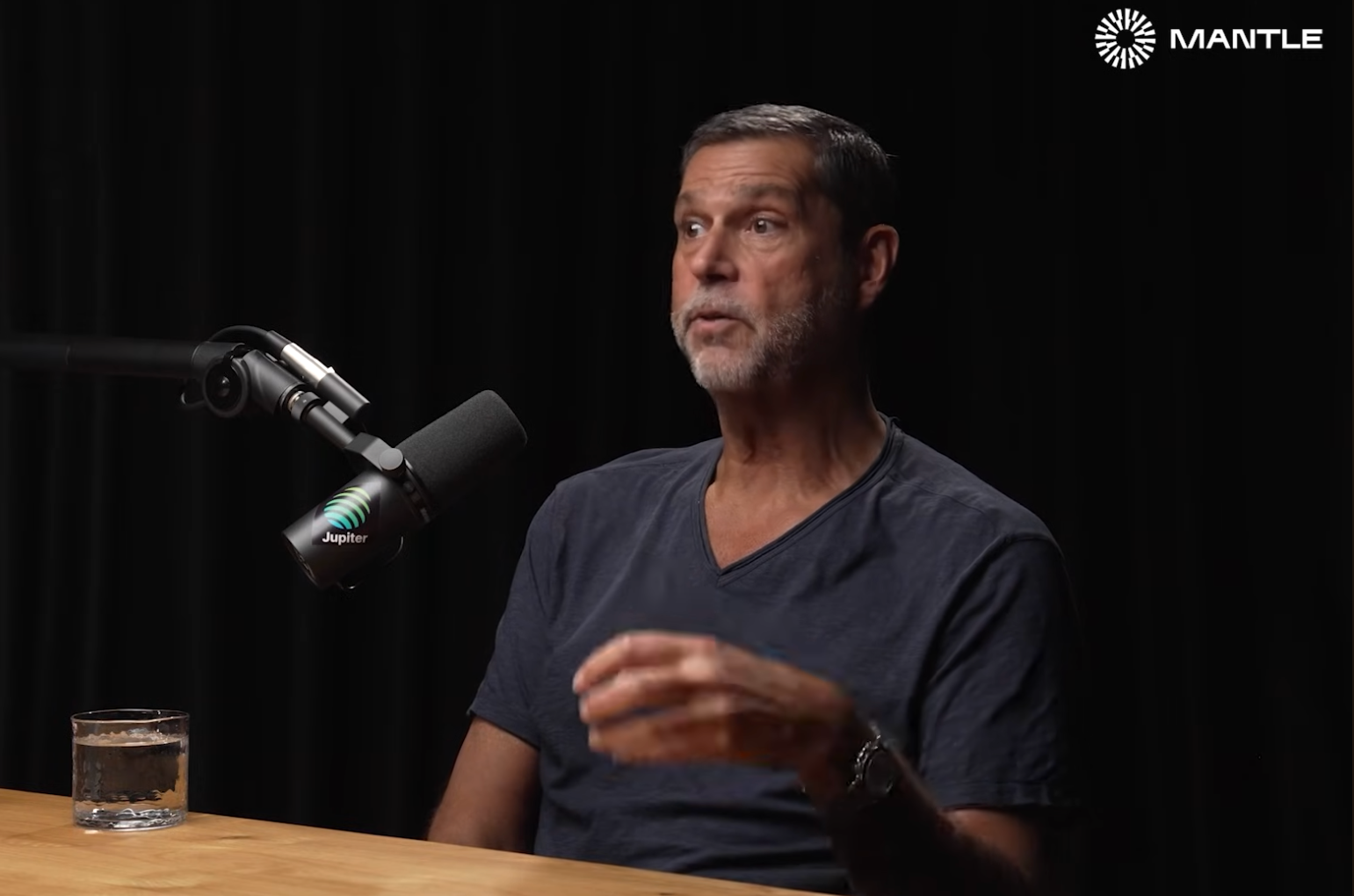
Raoul Pal spoke to Kevin Follonier on the When Shift Happens podcast on Thursday. Source: YouTube

Pal said the primary signal to watch will be whether Zcash can establish a strong floor price after its recent run-up. “What you want to see is whether it finds a base and then starts pulling up again,” he said. Over the past 30 days, Zcash’s price has declined by around 37%.

Pal said he is not eager to buy the crypto asset at current levels. “I’m not sure I’m going to chase it, but I might buy it in the next down cycle,” Pal said.

Zcash was posting price gains despite the broader crypto market being in decline. Its market capitalization rose from under $1 billion in August to a peak above $7 billion in early November.

Zcash saw a massive surge after Arthur Hayes’ tip

A growing number of crypto market participants have been prioritizing anonymity in recent times which has pushed privacy tokens into “the spotlight,” crypto exchange XT Exchange said on Nov. 9.

Zcash institutional interest has increased in recent times

Just a month earlier, on Oct. 26, Zcash rose 30% in 24 hours after crypto entrepreneur Arthur Hayes predicted the token could eventually reach $10,000.

Related: Anxiety of quantum risk to Bitcoin is weighing on its price: Execs

Meanwhile, institutional interest in the crypto asset has also increased.

On Nov. 27, Grayscale Investments submitted a filing to the US Securities and Exchange Commission, signaling its intention to convert its fund tied to Zcash into a spot ETF.

The move followed Grayscale’s launch of other spot ETFs linked to cryptocurrencies, including Bitcoin (BTC), Ether (ETH), Dogecoin (DOGE), and XRP (XRP).

Magazine: Big questions: Would Bitcoin survive a 10-year power outage?

Perguntas relacionadas

QAccording to Raoul Pal, what is the primary driver behind Zcash's recent price surge?

ARaoul Pal suggests that the recent surge in Zcash is driven more by capital rotation rather than a sustained structural bull trend.

QWhat key signal does Raoul Pal say to watch to determine if Zcash's rally is a broader uptrend?

APal says the key signal is whether Zcash can establish a strong floor price, or 'find a base,' after its recent run-up and then start pulling up again.

QWhat was the significant price increase of Zcash (ZEC) since January 1st, as mentioned in the article?

AZcash is up 699.07% since January 1st, trading at $385.81 at the time of the article.

QWhich event in October 2024 triggered a 30% price increase for Zcash in 24 hours?

AZcash rose 30% in 24 hours on October 26th after crypto entrepreneur Arthur Hayes predicted the token could eventually reach $10,000.

QWhat recent filing by Grayscale Investments indicates growing institutional interest in Zcash?

AOn November 27th, Grayscale Investments submitted a filing to the SEC signaling its intention to convert its fund tied to Zcash into a spot ETF.

Leituras Relacionadas

Michael Saylor: 110 Reasons to Oppose BIP-110

Michael Saylor presents 110 arguments against Bitcoin Improvement Proposal (BIP) 110, a soft fork aimed at restricting certain non-monetary data storage uses (like inscriptions) on the Bitcoin blockchain. He acknowledges the proponents' valid concerns—such as node costs, fee pressure, and preserving Bitcoin's monetary focus—but fundamentally disagrees with the proposed solution. Saylor argues that BIP 110 represents a dangerous precedent of using consensus rules to enforce value judgments on transaction validity, moving away from Bitcoin's core principles of neutrality and permissionless innovation. His key objections are organized into eleven categories: 1) It violates neutrality and hard consensus by banning currently valid transactions. 2) It fails to meet the high burden of proof required for a consensus change, lacking concrete data on the alleged crisis. 3) Its seven bundled technical restrictions are overly broad, targeting generic script functionalities and blocking future upgrade paths. 4) It sacrifices compatibility and future optionality by closing off designed upgrade hooks. 5) Its temporary rules add significant complexity (grandfathering, expiry states) without sufficient justification. 6) The economic and security impacts, particularly on miner revenue and fee markets, are uncertain and unmodeled. 7) Superior, market-based tools (fee markets, relay/mining policies) already exist to manage blockchain load. 8) It stifles innovation by creating a chilling effect for developers. 9) Its modified activation mechanism (55% threshold, forced signaling) is aggressive and risks network splits. 10) The precedent it sets—using consensus to suppress disliked but legal uses—is more dangerous than the problem it aims to solve. 11) A better path exists: improving measurements, refining resource-based policies, and allowing market forces to work. Saylor concludes that Bitcoin's strength lies in its neutral rules, open markets, and hard consensus. Changing these foundational elements to target specific use cases is an unnecessary and risky "iatrogenic" intervention. He advocates for guarding Bitcoin's neutrality rather than acting as its redeemer.

marsbitHá 9m

Michael Saylor: 110 Reasons to Oppose BIP-110

marsbitHá 9m

Trading

Spot
活动图片


