Interactive Tutorial | Startale Group, Which Raised $63 Million, Launches Points Campaign

Odaily星球日报Publicado em 2026-03-27Última atualização em 2026-03-27

Resumo

Startale Group, a Singapore-based Web3 infrastructure and solution provider, has raised $63 million in a Series A funding round. The investment includes $50 million from SBI Group and $13 million from Sony Innovation Fund. The funds will be used to advance its on-chain infrastructure, including the development of its Ethereum Layer 2 network Soneium (co-managed with Sony), the Astar Network, a stablecoin (Startale USD and JPYSC), and tokenized securities. The company has launched an interactive points campaign where users can earn STAR points by completing various tasks. Key steps include: registering with an invitation code, daily check-ins, swapping at least 10 USDC (for 3 points), depositing at least 10 USDC into a vault (for 5 points and 7.42% APY), and providing liquidity (for 5 points plus daily rewards). An additional "Lucky Easter Egg" event from March 23 to April 3 offers extra chances to win STAR points and USDSC rewards.

Original | Odaily Planet Daily (@OdailyChina)

Author | Asher (@Asher_ 0210)
Yesterday, Startale Group announced the completion of a $63 million Series A funding round, with SBI Group investing $50 million and Sony Innovation Fund investing $13 million. This round of funding will be used to advance its on-chain infrastructure layout, including Layer2 networks, stablecoins, and tokenized securities.
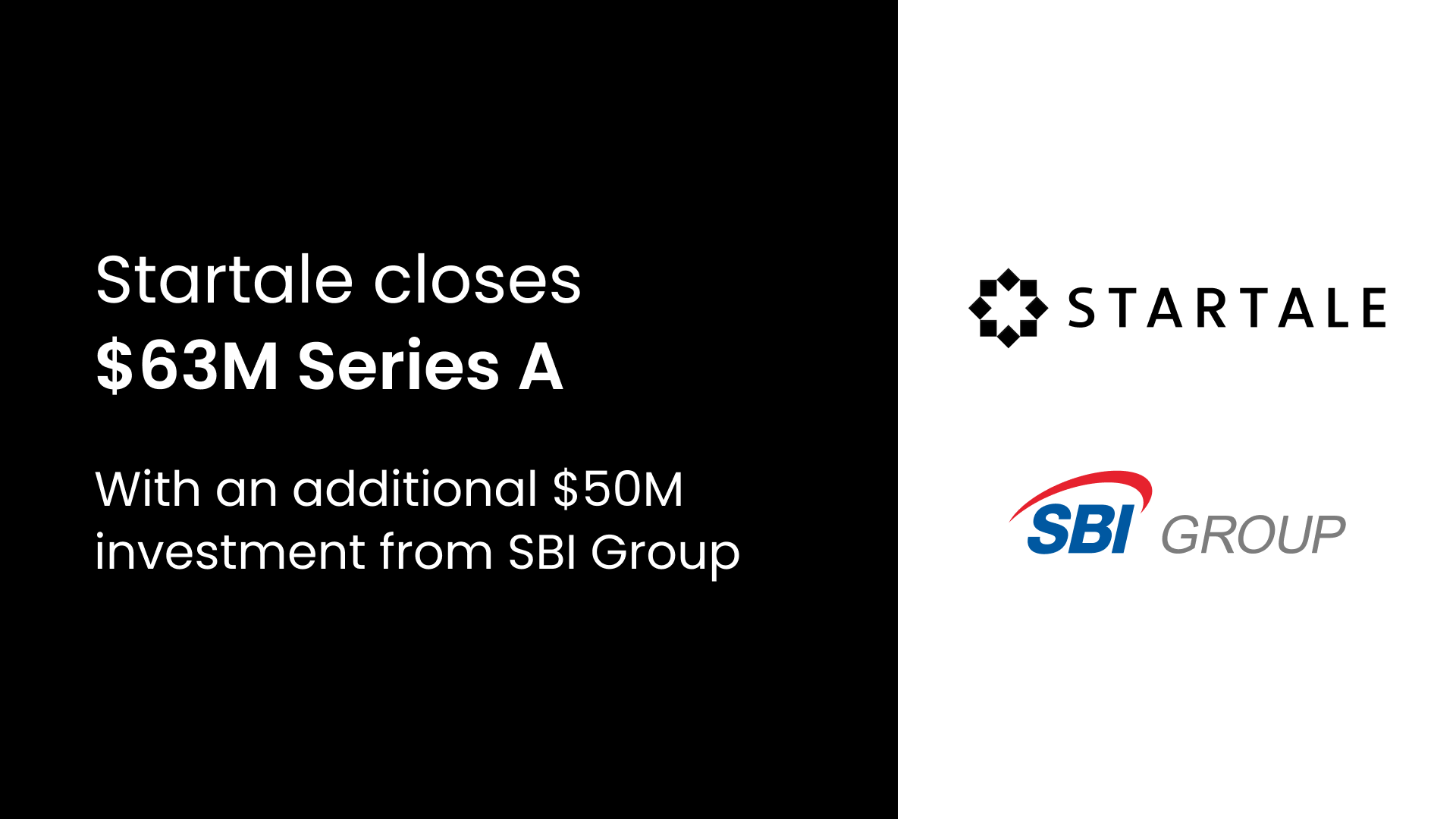
Startale Group Announces Completion of $63 Million Series A Funding Round

Next, Odaily Planet Daily will break down Startale Group and provide a step-by-step guide on how to interact with the project.

Startale Group

Startale Group is a Web3 infrastructure and solutions provider headquartered in Singapore. It currently jointly operates the Ethereum Layer 2 network Soneium with Sony Group and operates Astar Network.

Startale Group is building a complete on-chain ecosystem around projects such as Soneium, Astar Network, Startale App, stablecoin products Startale USD and JPYSC, and Strium, focusing on infrastructure, consumer applications, and financial tools. Furthermore, Startale Group emphasizes entertainment-native blockchain, IP protection, compliant financial infrastructure (RWA, stablecoins), and mass adoption. Through partnerships with Sony and SBI, the company holds a significant position in Japan's Web3 ecosystem while actively expanding globally.

In summary, Startale Group is a key Web3 player backed by Sony, focusing on vertical integration from infrastructure to consumer applications, with the goal of making blockchain technology truly serve hundreds of millions of users.

Step-by-Step Interaction Tutorial

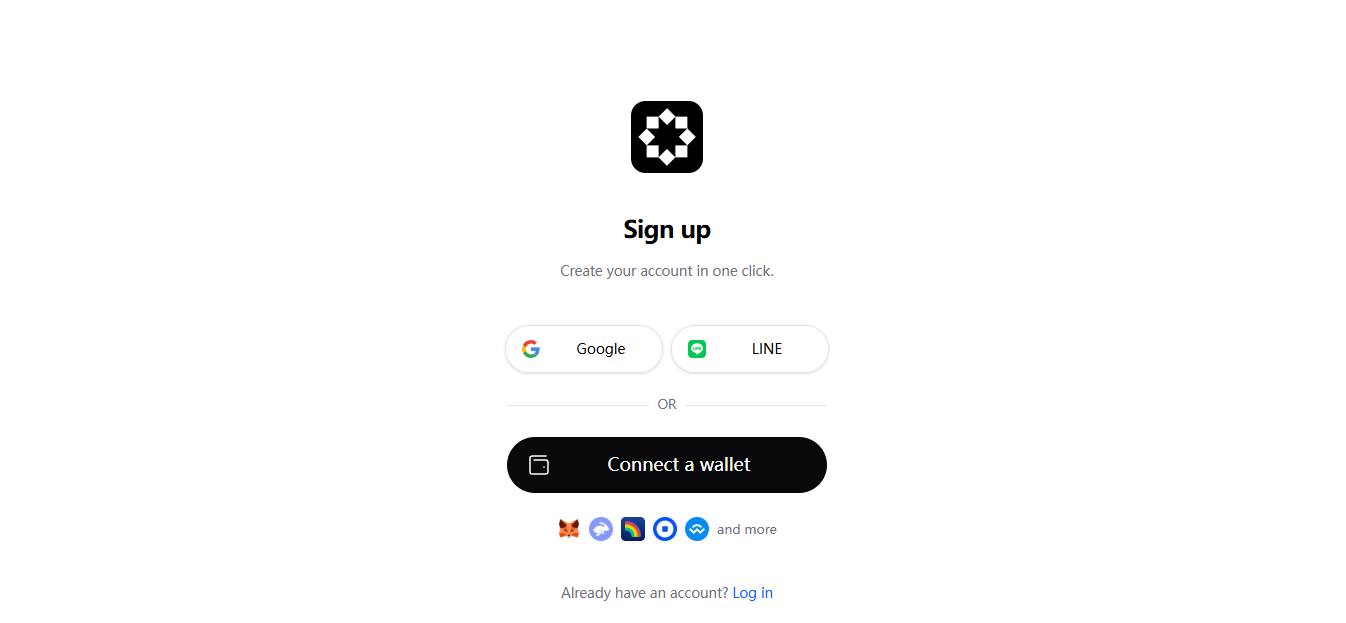
STEP 1. Go to the interaction website (link). An invitation code is required to participate. Three invitation codes are provided here: CMPRFS46, QSQREF49, TGIAHX63. After entering the invitation code, log in to your account via a Web3 wallet.
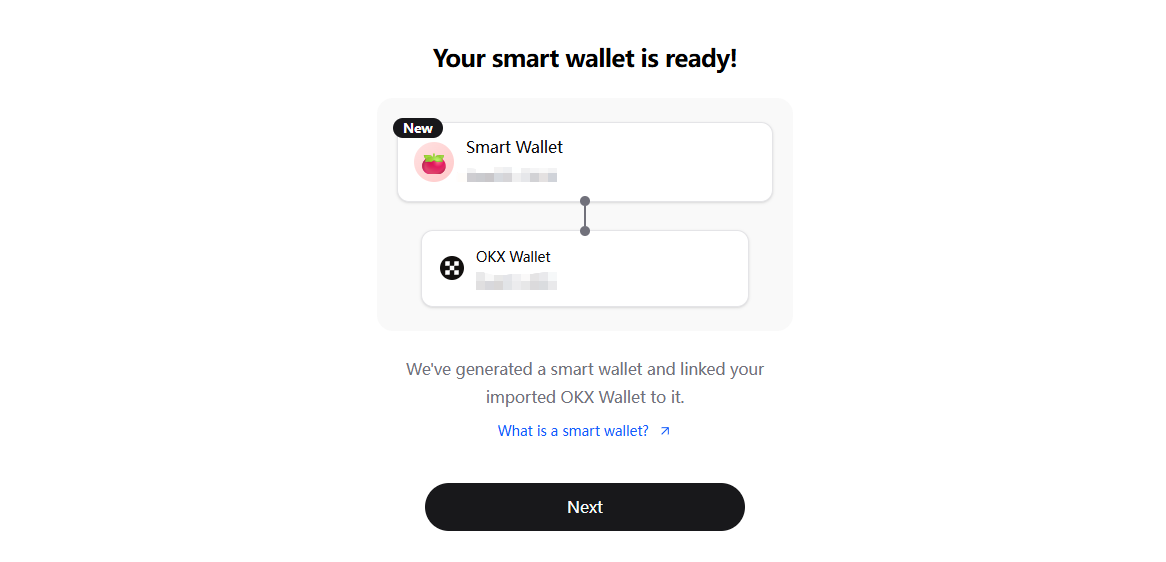
STEP 2. After entering the interaction website, click "Next" to automatically generate a built-in wallet.
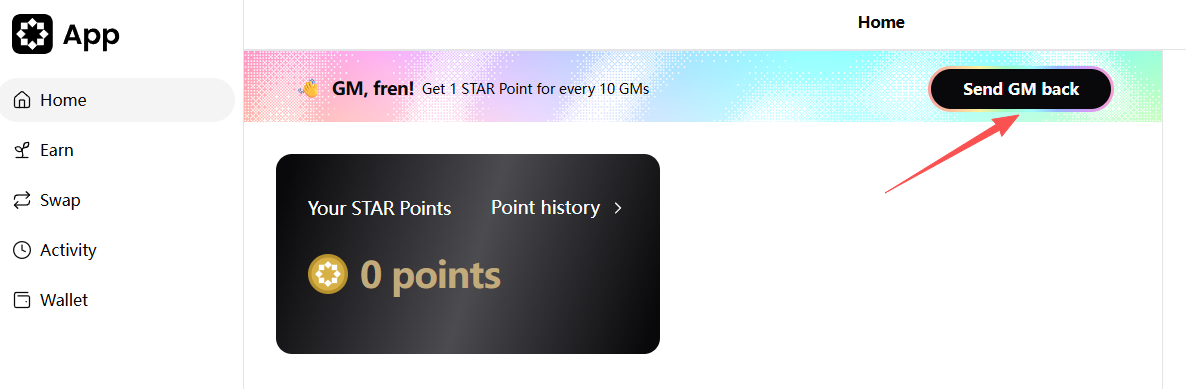
STEP 3. Click "GM" to complete the daily check-in. Consecutive check-ins for 10 days will yield rewards.
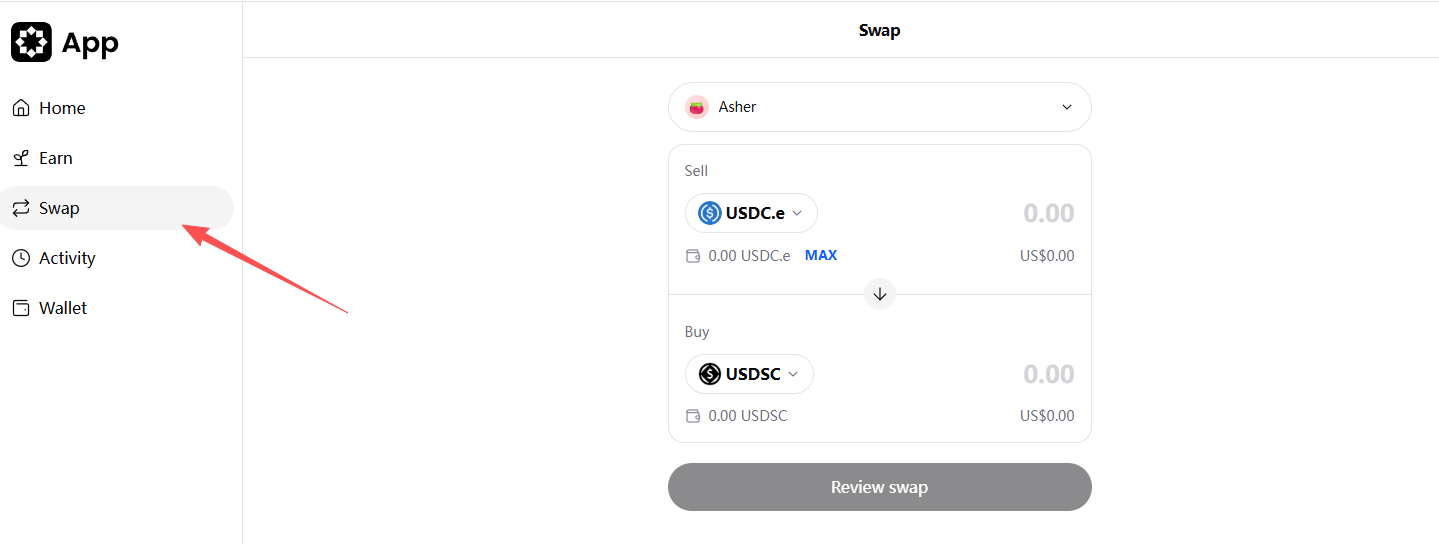
STEP 4. Swap USDC (minimum 10 USDC) to earn 3 STAR points.
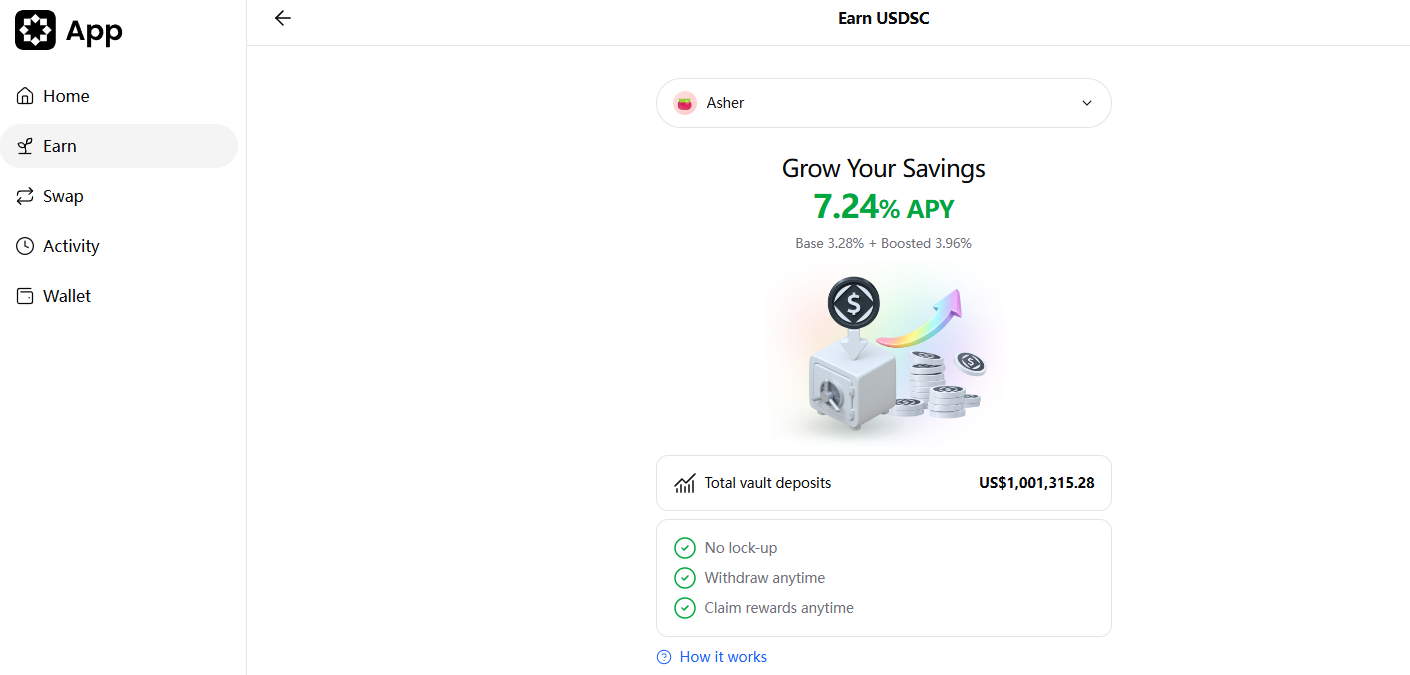
STEP 5. Deposit USDC into the vault (minimum 10 USDC) to earn 5 STAR points, while also receiving a 7.42% annualized yield. The current deposit amount is $1 million.
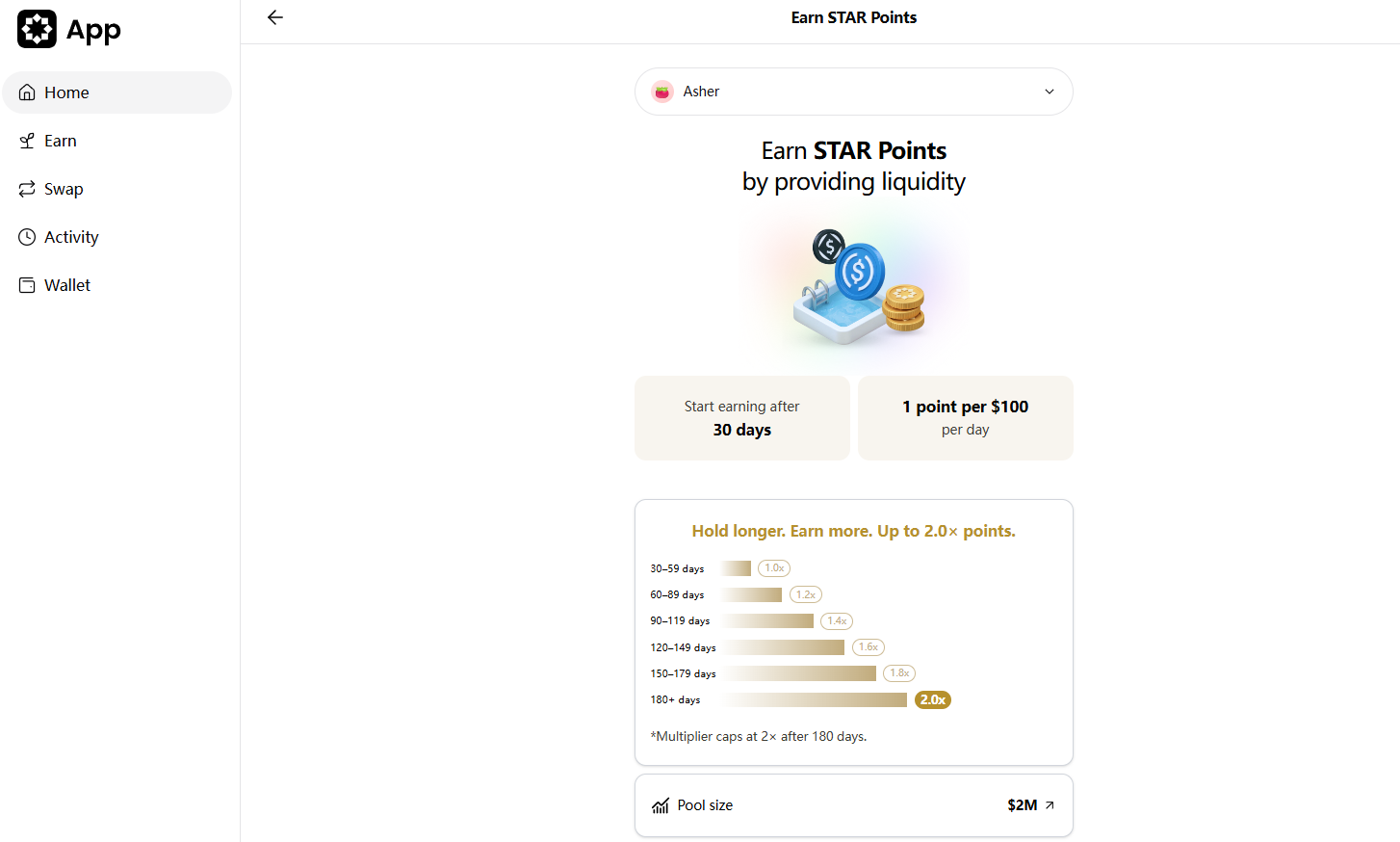
STEP 6. Provide LP liquidity to earn 5 points. Additionally, earn 1 STAR point daily for every $100 in value. Deposits held for over 60 days will receive additional STAR point bonuses.
Furthermore, Startale Group is running a "Lucky Easter Egg" event from March 23rd to April 3rd. Completing the above tasks will grant additional chances to open eggs for opportunities to win STAR points and USDSC rewards.

Perguntas relacionadas

QWhat is the total amount of Series A funding raised by Startale Group and who were the major investors?

AStartale Group raised a total of $63 million in Series A funding, with SBI Group investing $50 million and Sony Innovation Fund investing $13 million.

QWhat are the main business focuses and products of Startale Group as a Web3 infrastructure provider?

AStartale Group focuses on building a complete on-chain ecosystem, including the Ethereum Layer 2 network Soneium, operating Astar Network, the Startale App, stablecoin products Startale USD and JPYSC, and Strium. Their key areas are infrastructure, consumer applications, and financial tools.

QWhat is the first step to interact with the Startale Group project according to the tutorial?

AThe first step is to enter the interaction website, fill in an invitation code (e.g., CMPRFS46, QSQREF49, TGIAHX63), and then log in to the account using a Web3 wallet.

QHow can users earn STAR points by interacting with the platform?

AUsers can earn STAR points by: 1. Swapping at least 10 USDC to get 3 points. 2. Depositing at least 10 USDC into the vault to get 5 points. 3. Providing liquidity (LP) to get 5 points, plus 1 point daily for every $100 in value, with additional bonuses for deposits over 60 days.

QWhat special event did Startale Group launch from March 23 to April 3, and what can users win?

AStartale Group launched a 'Lucky Easter Egg' event during that period. Users who complete the interaction tasks get additional chances to open eggs and win STAR points and USDSC rewards.

Leituras Relacionadas

Why Do You Always Lose Money on Polymarket? Because You're Betting on News, While the Pros Read the Rules

Why do you always lose money on Polymarket? Because you bet on news, while the pros study the rules. This article explains how top traders ("che tou") profit by meticulously analyzing market rules, not just predicting events. Polymarket, a prediction market platform, often sees disputes over event outcomes due to ambiguous rule wording. For instance, a market asking "Who will be the leader of Venezuela by the end of 2026?" was misinterpreted by many who bet on Delcy Rodríguez, assuming she held power. However, the rules specified "officially holds" as the formally appointed, sworn-in individual. Since Nicolás Maduro was still recognized as president officially, he won the market—even being in prison. To resolve such disputes, Polymarket uses a decentralized arbitration system via UMA protocol. The process involves: 1. Proposal: Anyone can propose a market outcome by staking 750 USDC, earning 5 USDC if unchallenged. 2. Dispute: A 2-hour window allows challenges with a 750 USDC stake; successful challengers earn 250 USDC. 3. Discussion: A 48-hour period on UMA Discord for evidence and debate. 4. Voting: UMA token holders vote in two 24-hour phases (blind then public). Outcomes require >65% consensus and 5M tokens voted; otherwise, four re-votes occur before Polymarket intervention. 5. Settlement: Results are final and automatic. Unlike traditional courts, Polymarket’s system lacks separation between arbitrators and stakeholders—voters often hold market positions, creating conflicts of interest. This leads to herd mentality in discussions and non-transparent outcomes without explanatory rulings, preventing precedent formation. Thus, success on Polymarket hinges on deep rule interpretation, not just event prediction, exploiting gaps between reality and contractual wording.

marsbitHá 1h

Why Do You Always Lose Money on Polymarket? Because You're Betting on News, While the Pros Read the Rules

marsbitHá 1h

DeepSeek Funding: Liang Wenfeng's 'Realist' Pivot

DeepSeek, a leading Chinese AI company, has initiated its first external funding round, aiming to raise at least $300 million at a valuation of no less than $10 billion. This move marks a significant shift from its founder Liang Wenfeng’s previous idealistic stance of rejecting external capital to maintain independence. Despite strong financial backing from its parent company, quantitative trading firm幻方量化 (Huanfang Quant), which provided an estimated $700 million in revenue in 2025 alone, DeepSeek faces mounting challenges. Key issues include a 15-month gap in major model updates, delays in its flagship V4 release, and the loss of several core researchers to competitors offering significantly higher compensation. The company is also undergoing a strategic pivot by migrating its infrastructure from NVIDIA’s CUDA to Huawei’s Ascend platform, a move aligned with China’s push for technological self-reliance amid U.S. export controls. However, DeepSeek lags behind rivals like智谱AI and MiniMax—both now publicly listed—in areas such as product ecosystem, multimodal capabilities, and commercialization. The funding round, though relatively small in scale, is seen as a way to establish a market-validated valuation anchor, making employee stock options more competitive and facilitating talent retention. It also signals DeepSeek’s transition from a pure research-oriented organization to a commercially-driven player in the global AI ecosystem.

marsbitHá 2h

DeepSeek Funding: Liang Wenfeng's 'Realist' Pivot

marsbitHá 2h

Trading

Spot
Futuros
活动图片




