Institutions Are Using XRP As Collateral, Says Ripple Prime CEO

bitcoinistPublicado em 2026-03-19Última atualização em 2026-03-19

Resumo

Ripple Prime CEO Mike Higgins states that institutions are beginning to use XRP as collateral within their market structures. Ripple's acquisition and rebranding of Hidden Road to Ripple Prime aims to integrate prime brokerage, clearing, custody, and treasury services. The platform enables firms to use XRP as collateral to finance trades without needing to liquidate it first, providing dollar credit for activities like trading CME futures. This approach, similar to traditional commodity finance, allows for balance-sheet efficiency and access to additional return strategies. Higgins highlights the advantages of digital collateral, such as 24/7 movement and liquidation, crucial for risk management. He emphasizes that institutional adoption requires compliance, transparency, and permissioned access, bridging traditional and digital finance. At the time of reporting, XRP was trading at $1.46.

Ripple Prime is pitching XRP not just as a traded asset, but as working collateral inside institutional market structure. In a March 17 interview with Jake Claver, international CEO Mike Higgins said Ripple’s acquisition of Hidden Road, now rebranded as Ripple Prime, is designed to bring prime brokerage, clearing, custody and treasury functions into a single institutional stack.

Higgins framed Ripple Prime as an access layer for firms trading across both traditional and digital markets. The core idea, he said, is that those markets are no longer separate for much longer, and institutions will need balance-sheet access, collateral mobility and cross-margining tools that work across both.

The Role Of XRP Within Ripple Prime

That is where XRP enters the picture. Higgins said Ripple Prime has built “innovative ways around taking XRP as collateral” and using it to finance trades, allowing institutional clients to post digital assets without first liquidating them into dollars. In practice, that means a firm holding XRP can keep the position on its balance sheet while still accessing leverage or liquidity in markets that do not natively accept XRP.

He gave a concrete example using CME futures. “If you wanted to trade futures on the CME, the CME doesn’t take XRP as good collateral,” Higgins said. “Instead of transforming that and selling that into dollars to give to your clearer, what you can do through Ripple Prime is post your XRP as good margin. We give you dollar credit to trade on the CME, and so now you could be long spot, front-month future, capturing the basis trade.”

That comparison was central to his argument. Higgins likened the model to traditional commodity finance, where a bank would lend against oranges, gold or Treasuries rather than require a client to sell the underlying asset first. The difference now is that crypto-native collateral is starting to be recognized inside institutional risk systems. For holders of assets like XRP, he said, that avoids crystallizing profit and loss, preserves treasury positions and opens up additional return strategies.

He also argued that digital collateral has one structural advantage over traditional assets: it can be moved and liquidated around the clock. That matters not only for trading, but for risk management. “When you trade traditional assets, they have an open and a close every day and they have weekends or long periods of holidays,” Higgins said. “What you get the next day are these huge gaps. A smooth 24/7 market where you can move collateral, that velocity of collateral to meet collateral calls shrinks.”

In Higgins’ telling, the institutional case for tokenization is broader than a single asset. He pointed to Treasury operations, tokenized repo, onchain money-market products and, eventually, tokenized equities as part of the same transition. “You already have crypto as an asset class itself. You have stablecoin usage,” he said. “The world is inexorably moving in this direction and the pace of that is increasing now that we’ve already proven out the thesis of using the technologies with crypto.”

Still, he did not suggest a clean handoff from legacy finance to open DeFi. Higgins repeatedly stressed compliance, counterparty transparency and permissioned access as prerequisites for serious institutional adoption.

Public decentralized venues may be winning market share, he said, but large firms still need AML, KYC and balance-sheet visibility before they can deploy capital at scale. That leaves prime brokers in a familiar role: connecting fragmented pools of liquidity while managing credit, margin and settlement across venues.

At press time, XRP traded at $1.46.
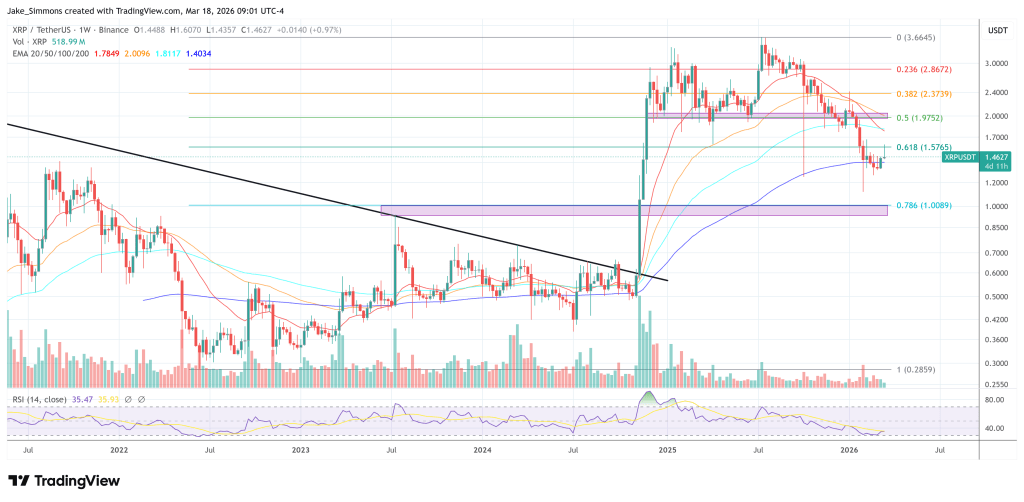
XRP must rise above the 0.618 Fib, 1-week chart | Source: XRPUSDT on TradingView.com

Criptomoedas em alta

Perguntas relacionadas

QWhat is the primary function of Ripple Prime according to CEO Mike Higgins?

ARipple Prime serves as an access layer for firms trading across both traditional and digital markets, providing prime brokerage, clearing, custody, and treasury functions in a single institutional stack.

QHow is XRP being used as collateral within the Ripple Prime system?

ARipple Prime has built innovative ways to accept XRP as collateral, allowing institutional clients to post their XRP to obtain dollar credit for trading in markets like the CME without having to first liquidate their digital assets.

QWhat specific example did Higgins give to illustrate the use of XRP as collateral?

AHiggins gave the example of trading CME futures. Instead of selling XRP for dollars to post as margin, a firm can post its XRP directly with Ripple Prime, which then provides them with dollar credit to trade on the CME.

QWhat structural advantage does digital collateral like XRP have over traditional assets, according to the article?

ADigital collateral can be moved and liquidated 24/7, which provides a significant advantage for risk management and meeting collateral calls, unlike traditional assets which have market closures, weekends, and holidays.

QWhat prerequisites for serious institutional adoption did Higgins repeatedly stress?

AHiggins stressed that compliance, counterparty transparency, and permissioned access are essential prerequisites for serious institutional adoption of these new financial technologies.

Leituras Relacionadas

Bitcoin Mining Farms Are Becoming AI Factories

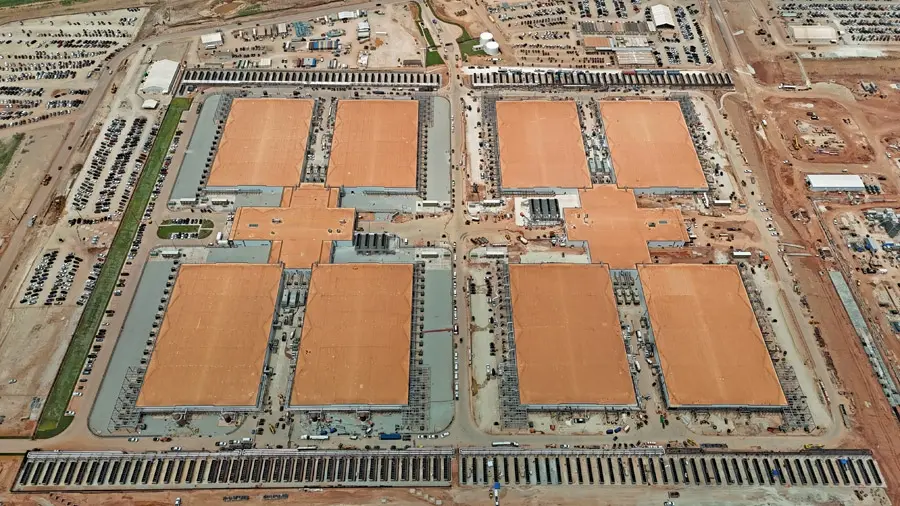
Bitcoin mines are transforming into AI factories. This shift is driven by the convergence of three key assets from the previous crypto cycle: infrastructure, talent, and capital. Crypto mining companies like Crusoe, CoreWeave, and Bitdeer are repurposing their core competency—securing power, land, and grid connections in remote locations—to build data centers for AI clients. These firms are signing multi-billion dollar, long-term contracts with companies like Anthropic, AWS, and Microsoft, as AI's demand for reliable, high-capacity compute surpasses the profitability of Bitcoin mining. Simultaneously, crypto entrepreneurs and engineers are applying their skills to new AI ventures. Examples include OpenSea's co-founder launching OpenRouter (an AI model aggregator), and former Coinbase engineers building Fal.ai (a generative media infrastructure platform). Their experience in building scalable, global software networks translates effectively to the AI space. Furthermore, capital accumulated during the crypto boom is now fueling AI. Figures like Jed McCaleb (co-founder of Ripple) funded Voltage Park, a large-scale GPU cloud provider. Notably, some crypto investments, like FTX's early bets on Anthropic and Cursor, have generated astronomical paper returns, demonstrating how high-risk crypto capital flowed into AI before it became mainstream. The transition is not just about repurposing hardware, but about redirecting critical resources—power infrastructure, distributed systems expertise, and venture funding—to the next technological frontier: artificial intelligence.

链捕手Há 16m

Bitcoin Mining Farms Are Becoming AI Factories

链捕手Há 16m

Morpho Launches Fixed-Rate Product Midnight: Lenders and Borrowers Set Their Own Rates, Ending the Era of Interest Rate Models

Morpho Launches Fixed-Rate Product Midnight: Lenders and Borrowers Set Their Own Rates, Ending the Era of Algorithmic Interest Models On-chain lending has grown to $60 billion but remains minuscule compared to traditional finance's $200 trillion annual credit volume. Morpho identifies the lack of fixed rates and maturity dates as key bottlenecks. Institutions need predictability, not the passive floating rates set by algorithmic models. Midnight allows lenders and borrowers to directly quote rates, set terms, and become price makers, not takers. Fixed-rate lending is now viable due to cheaper, faster blockchains and the entry of institutions demanding control and certainty over returns, costs, and duration. Morpho Blue previously gave users control over risk; Midnight adds control over interest rates. Past attempts at on-chain fixed-rate lending failed primarily because they were built on top of floating-rate pools (creating unpredictability) or lacked sufficient active participants. Midnight avoids these pitfalls as a standalone primitive with fixed rates at its core, built upon Morpho Blue's existing large and active user base. Midnight offers distinct value: institutions gain predictable term structures and full control; fintech companies can offer tailored fixed-rate products; lenders/borrowers achieve predictability and efficiency; and curators can now differentiate by configuring both risk and interest rates. Morpho Midnight is not a replacement for Morpho Blue. The Morpho network will now feature two complementary market structures: floating-rate/open-term (Blue) for flexibility and fixed-rate/fixed-term (Midnight) for predictability. Liquidity can flow between them. The launch will be gradual, prioritizing security. Initially, it will support direct lending on Base network with one trading pair (cbBTC/USDC) and limited maturity dates. Advanced features like auto-rollovers will be introduced later.

marsbitHá 16m

Morpho Launches Fixed-Rate Product Midnight: Lenders and Borrowers Set Their Own Rates, Ending the Era of Interest Rate Models

marsbitHá 16m

human.tech Launches Clean SDK for Privacy-First Web3 Apps

human.tech has launched the Clean SDK, a toolkit enabling developers to build privacy-first Web3 applications with transparent accountability. Released alongside Aztec's version 5, the SDK provides components for integrating zero-knowledge identity verification, sanctions screening, and private transactions, without developers handling sensitive user data or building compliance infrastructure from scratch. It uses zero-knowledge proofs and programmable verification to allow apps to confirm user legitimacy and sanctions compliance while keeping identities confidential. The first application built on the SDK, Shield, a privacy bridge to Aztec, also launched. It allows users to transfer assets privately while proving a unique human is behind each transfer and that funds have passed sanctions checks, as verified by a May 2026 audit. The SDK offers three core verification techniques: Proof of Innocence (sanctions screening against 23 sources), Proof of Personhood (simpler verification via Human Passport), and Proof of Clean Hands (higher-assurance zero-knowledge government ID checks). This allows apps to authenticate users and transactions without exposing personal data. Designed for Aztec builders, the SDK lets developers add programmable privacy to decentralized apps, eliminating the need to create their own verification and ZK infrastructure. Shield demonstrates its practical use for private bridges, but the SDK aims to enable a wider ecosystem of private, accountable financial apps and services. The launch addresses growing demand for infrastructure that balances privacy and accountability. The SDK avoids traditional identity databases, storing encrypted data off-chain, screening at both entry and exit points, and including a gated disclosure mechanism for legal requests. human.tech's products, including the Clean SDK, focus on using zero-knowledge technology to enable verifiable personhood and privacy in digital systems.

TheNewsCryptoHá 53m

human.tech Launches Clean SDK for Privacy-First Web3 Apps

TheNewsCryptoHá 53m

Trading

Spot

Artigos em Destaque

O que é XRP 2.0

XRP 2.0: Uma Nova Fronteira no Landscape das Criptomoedas Introdução ao XRP 2.0 No reino em constante evolução das criptomoedas, novos projetos surgem continuamente, lutando por atenção e adoção. Uma dessas iniciativas promissoras é o XRP 2.0, um novo projeto de criptomoeda concebido para aproveitar a tecnologia de blockchain avançada e as metodologias de criptografia robustas. Embora o nome tenha paralelos com o XRP da Ripple, é crucial notar que o XRP 2.0 opera de forma independente, focando em melhorar a segurança das transações, a privacidade e a escalabilidade. À medida que o panorama financeiro digital abraça cada vez mais soluções descentralizadas, o XRP 2.0 visa contribuir de forma significativa para a web3 e a expansão global dos projetos de criptomoedas. O que é o XRP 2.0? No seu núcleo, o XRP 2.0 é um projeto de criptomoeda que visa criar um ecossistema de moeda digital seguro e descentralizado. Sua tecnologia fundamental integra princípios de blockchain sofisticados com técnicas de criptografia de ponta. O objetivo abrangente do XRP 2.0 é estabelecer-se como uma plataforma confiável e eficiente que possibilita a execução rápida de transações, priorizando a proteção de privacidade aprimorada para os seus usuários. O projeto é promovido como uma solução para muitas limitações enfrentadas pelas criptomoedas existentes, propondo um sistema que pode lidar com um volume maior de transações com velocidade e privacidade melhoradas. Esta versatilidade posiciona o XRP 2.0 como um concorrente significativo em um mercado repleto de várias moedas digitais. Quem é o Criador do XRP 2.0? A identidade do criador por trás do XRP 2.0 foi identificada como 'Wilbur.' No entanto, detalhes abrangentes sobre Wilbur ou a sua entidade associada permanecem elusivos. O anonimato de muitos criadores de criptomoedas não é um fenômeno incomum na indústria, muitas vezes concebido para manter um grau de privacidade e segurança. Quem são os Investidores do XRP 2.0? Até agora, informações específicas relacionadas às fundações ou organizações de investimento que apoiam o XRP 2.0 não estão disponíveis publicamente. No setor das criptomoedas, o apoio de investidores reputados pode influenciar significativamente a credibilidade e o sucesso de um projeto, no entanto, a transparência em relação aos apoiantes financeiros do XRP 2.0 não foi estabelecida. Como Funciona o XRP 2.0? O XRP 2.0 destaca-se por empregar uma combinação de tecnologia blockchain e algoritmos de criptografia avançados que asseguram transações seguras e descentralizadas. Sua estrutura inovadora inclui características únicas projetadas para fomentar o envolvimento dos usuários e ampliar as funcionalidades além das transações convencionais de criptomoedas. Entre essas características, o XRP 2.0 incorpora capacidades potenciadas por IA, como funcionalidades de texto-para-imagem e texto-para-fala. Estas adições são projetadas para melhorar a experiência interativa dos usuários, promovendo uma maior aplicabilidade em vários setores. Ao unir avanços tecnológicos com um design centrado no utilizador, o XRP 2.0 pretende captar a atenção de uma diversa gama de indivíduos e empresas que procuram integrar soluções de criptomoedas em suas estruturas operacionais. Cronologia do XRP 2.0 Compreender o XRP 2.0 requer examinar os marcos que definiram sua jornada até agora: 23 de Julho de 2023: O XRP 2.0 é apresentado como um novo projeto de criptomoeda, visando revolucionar as capacidades de transação seguras e descentralizadas no domínio do blockchain. 8 de Setembro de 2023: O lançamento de outro projeto, XRP20, ocorre, marcando o surgimento de um token ERC-20 na blockchain Ethereum que permanece não relacionado ao XRP 2.0. 13 de Novembro de 2023: O XRP Ledger passa por uma atualização significativa com o lançamento da versão 2.0.0 do software do servidor rippled. É importante notar que este desenvolvimento está desconectado do projeto de criptomoeda XRP 2.0. Pontos-chave sobre o XRP 2.0 Para destilar a essência do XRP 2.0, vários fatores críticos emergem: Características Únicas: A inclusão de características como texto-para-imagem e texto-para-fala potenciadas por IA diversifica ainda mais as aplicações potenciais do XRP 2.0. Tecnologia Blockchain: A estrutura utiliza mecanismos de blockchain avançados e protocolos de criptografia, assegurando um ambiente seguro e descentralizado para transações. Escalabilidade e Privacidade: O XRP 2.0 prioriza proteção de privacidade aprimorada nos processos de transação e a escalabilidade necessária para acomodar uma base de utilizadores crescente. Sem Afiliação com a Ripple: Importante, apesar do seu nome, o XRP 2.0 não tem qualquer lealdade ou colaboração com o XRP da Ripple, distinguindo sua estrutura operacional e objetivos dentro do ecossistema das criptomoedas. Conclusão O XRP 2.0 representa uma empreitada ambiciosa no domínio das criptomoedas, visando oferecer uma combinação de segurança, privacidade e eficiência em transações digitais. Ao integrar tecnologias sofisticadas e características amigáveis ao utilizador, o projeto propõe-se a ampliar os horizontes do que as criptomoedas podem alcançar na economia digital atual. Embora o anonimato do seu criador e a falta de investidores divulgados possam levantar questões para alguns, o foco do XRP 2.0 em funcionalidades avançadas e descentralização aumenta seu apelo num mercado de criptomoedas cada vez mais congestionado. À medida que o panorama das criptomoedas continua a evoluir, o XRP 2.0 pode ainda emergir como um jogador crucial na expansão de soluções de blockchain seguras e escaláveis.

134 Visualizações TotaisPublicado em {updateTime}Atualizado em 2024.12.03

O que é XRP 2.0

Como comprar XRP

Bem-vindo à HTX.com!Tornámos a compra de XRP (XRP) simples e conveniente.Segue o nosso guia passo a passo para iniciar a tua jornada no mundo das criptos.Passo 1: cria a tua conta HTXUtiliza o teu e-mail ou número de telefone para te inscreveres numa conta gratuita na HTX.Desfruta de um processo de inscrição sem complicações e desbloqueia todas as funcionalidades.Obter a minha contaPasso 2: vai para Comprar Cripto e escolhe o teu método de pagamentoCartão de crédito/débito: usa o teu visa ou mastercard para comprar XRP (XRP) instantaneamente.Saldo: usa os fundos da tua conta HTX para transacionar sem problemas.Terceiros: adicionamos métodos de pagamento populares, como Google Pay e Apple Pay, para aumentar a conveniência.P2P: transaciona diretamente com outros utilizadores na HTX.Mercado de balcão (OTC): oferecemos serviços personalizados e taxas de câmbio competitivas para os traders.Passo 3: armazena teu XRP (XRP)Depois de comprar o teu XRP (XRP), armazena-o na tua conta HTX.Alternativamente, podes enviá-lo para outro lugar através de transferência blockchain ou usá-lo para transacionar outras criptomoedas.Passo 4: transaciona XRP (XRP)Transaciona facilmente XRP (XRP) no mercado à vista da HTX.Acede simplesmente à tua conta, seleciona o teu par de trading, executa as tuas transações e monitoriza em tempo real.Oferecemos uma experiência de fácil utilização tanto para principiantes como para traders experientes.

1.7k Visualizações TotaisPublicado em {updateTime}Atualizado em 2026.06.02

Como comprar XRP

Discussões

Bem-vindo à Comunidade HTX. Aqui, pode manter-se informado sobre os mais recentes desenvolvimentos da plataforma e obter acesso a análises profissionais de mercado. As opiniões dos utilizadores sobre o preço de XRP (XRP) são apresentadas abaixo.

活动图片