In Web3 Storytelling, You Don't Need Creativity

marsbitPublicado em 2025-12-29Última atualização em 2025-12-29

Resumo

In the Web3 content space, many creators mistakenly believe they lack creativity, but the real issue is the absence of contrast in their narratives. Contrast refers to a shift or change—such as moving from "before" to "after," "expectation" to "reality," or "belief" to "realization"—that makes content engaging and memorable. Without this transformation, content remains flat and forgettable, merely presenting information like features, data, or promises straightforwardly. The human mind is activated by unexpected changes, not linear facts. For example, instead of stating "Solana is fast and cheap," a contrast-driven approach would describe the surprise of a transaction completing instantly. This creates a relatable moment. Embracing contrast often involves acknowledging past mistakes, doubts, or uncertainties, which fosters authenticity and connection with audiences. To incorporate contrast, ask: "What changed here?" Include elements like a mistaken assumption, a moment of hesitation, or an unexpected outcome. In Web3’s noisy environment, contrast helps content stand out without needing exaggerated creativity—just genuine, relatable shifts.

Author:Noir

Compiled by: Deep Tide TechFlow

Most Web3 content creators think they're not good at storytelling because they feel they "lack creativity."

But friend, that's usually not the real issue.

Actually, the real problem is:

— Your content lacks contrast.

Hey, either the content:

Sounds the same,

Feels flat,

Or has no variation.

And when nothing changes, there's no story to tell.

What is Contrast?
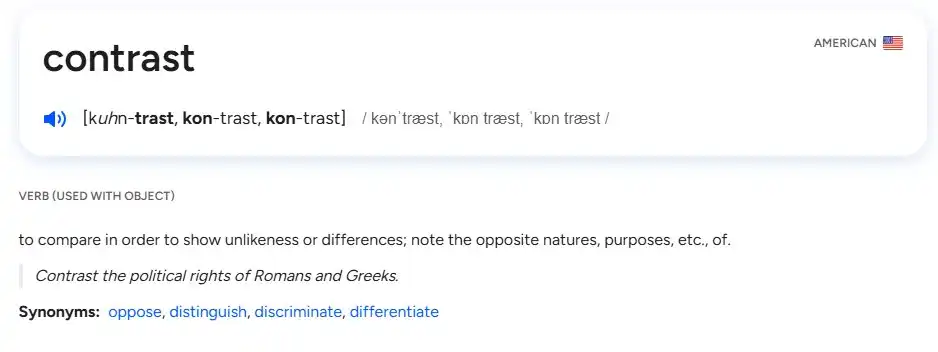
Contrast simply means something is different from what came before.

Yes, it's that simple.

It doesn't require:

Flowery language,

Unexpected plot twists,

Or background music.

At its core, contrast is a transformation, such as:

From "before" to "after"

From "expectation" to "reality"

From "belief" to "realization"

Without this transformation, your content is just information.

Yes, it might be useful, but memorable? Hmm... unlikely.

Why does a lack of contrast make content weak?

The Web3 world is full of:

Features, data, promises, roadmaps......

But most content is presented too straightforwardly:

"This is what it does."

"These are its benefits."

"This is why you should care."

However, the brain isn't interested in this linear information.

It wakes up when something unexpected happens.

Why Content Loses Appeal Without Contrast

The Web3 world is flooded with:

Features, data, promises, roadmaps......

But most content is presented too directly:

"This is its function."

"Why it's good."

"Why you need to care about it."

Yet, the brain isn't activated by this linear information.

It only wakes up when something unexpected occurs.

A Simple Example of "Contrast"

(You've definitely seen this countless times)

Expression without contrast:

Solana has fast transactions and low costs.

Your brain responds: Okay... and?

Expression with contrast:

I clicked send, switched tabs, and only then realized the transaction was already complete.

The same idea, but with a completely different impact.

The second expression creates a "moment." Get it?

Why Does "Contrast" Feel Uncomfortable?

(And why this matters)

Contrast often requires you to admit:

You were wrong, you were confused, you underestimated something.

That's why most people avoid it.

But this discomfort is precisely what makes content feel authentic.

People don't like flawless things.

They connect more easily with relatability and vulnerability.

When someone thinks: "Wait... I've felt that way too."

Congratulations, you've succeeded.

How to Add "Contrast" to Your Content?

Before publishing, ask yourself one question:

"What changed here?"

If you can't answer, try adding one of the following:

  • A mistaken assumption you once had

  • A moment of hesitation

  • An unexpected result

  • A "small decision" you almost didn't make

It really doesn't need a dramatic plot.

You just need a bit of relatable change.

Weirdo's Summary

Don't get me wrong, creativity does play an important role in storytelling.

But not everyone is born creative. This article is specifically for those who genuinely want to learn storytelling techniques.

Its core is: being sincere enough to show "transformation."

In the complex and noisy world of Web3,

"Contrast" is how you stand out without having to shout :)

Remember to follow me, or else you'll... (Content here does not comply with Mainland China norms, suggested deletion).


Perguntas relacionadas

QAccording to the article, what is the main reason most Web3 content creators struggle with storytelling?

AThe main reason is not a lack of creativity, but that their content lacks contrast.

QWhat is the article's definition of 'contrast' in the context of storytelling?

AContrast is defined as something that is different from what came before it, representing a transformation such as from 'before' to 'after' or from 'expectation' to 'reality'.

QWhy does the brain find content without contrast unengaging?

AThe brain is not activated by straightforward, linear information; it is awakened when something unexpected happens.

QWhat is one reason that using contrast in content can feel uncomfortable for the creator?

AIt often requires admitting that you were wrong, confused, or that you underestimated something.

QWhat is a simple question the article suggests creators ask themselves to add contrast to their content?

AAsk: 'What changed here?' and if you can't answer, add elements like a past mistaken assumption, a moment of hesitation, or an unexpected result.

Leituras Relacionadas

You Bet on the News, the Pros Read the Rules: The True Cognitive Gap in Losing Money on Polymarket

The article explains that the key to profiting on Polymarket, a prediction market platform, lies not just predicting real-world events correctly, but in meticulously understanding the specific rules that govern how each market will be resolved. It illustrates this with examples, such as a market on Venezuela's 2026 leader, where the official rules defining "officially holds" the office overruled the intuitive answer of who was in practical control. Other examples include debates over the definition of a "token" or what constitutes an "agreement." The core argument is that a "reality vs. rules" gap creates pricing discrepancies that savvy traders ("车头" or "whales") exploit. The platform has a formal dispute resolution process managed by UMA token holders to settle ambiguous outcomes. This process involves proposal submission, a challenge window, a discussion period, and a final vote. However, the article highlights a critical flaw in this system compared to a traditional court: the lack of separation between the arbiters (UMA voters) and the interested parties (traders with financial stakes in the outcome). This conflict of interest undermines the discussion phase, leads to herd mentality, and results in opaque final decisions without explanatory rulings. Consequently, the system lacks a body of precedent, making it difficult for users to learn from past disputes. The ultimate takeaway is that success on Polymarket requires a lawyer-like scrutiny of the rules to identify and capitalize on the cognitive gap between how events appear and how they are contractually defined for settlement.

marsbitHá 1h

You Bet on the News, the Pros Read the Rules: The True Cognitive Gap in Losing Money on Polymarket

marsbitHá 1h

Trading

Spot
Futuros

Artigos em Destaque

Como comprar T

Bem-vindo à HTX.com!Tornámos a compra de Threshold Network Token (T) simples e conveniente.Segue o nosso guia passo a passo para iniciar a tua jornada no mundo das criptos.Passo 1: cria a tua conta HTXUtiliza o teu e-mail ou número de telefone para te inscreveres numa conta gratuita na HTX.Desfruta de um processo de inscrição sem complicações e desbloqueia todas as funcionalidades.Obter a minha contaPasso 2: vai para Comprar Cripto e escolhe o teu método de pagamentoCartão de crédito/débito: usa o teu visa ou mastercard para comprar Threshold Network Token (T) instantaneamente.Saldo: usa os fundos da tua conta HTX para transacionar sem problemas.Terceiros: adicionamos métodos de pagamento populares, como Google Pay e Apple Pay, para aumentar a conveniência.P2P: transaciona diretamente com outros utilizadores na HTX.Mercado de balcão (OTC): oferecemos serviços personalizados e taxas de câmbio competitivas para os traders.Passo 3: armazena teu Threshold Network Token (T)Depois de comprar o teu Threshold Network Token (T), armazena-o na tua conta HTX.Alternativamente, podes enviá-lo para outro lugar através de transferência blockchain ou usá-lo para transacionar outras criptomoedas.Passo 4: transaciona Threshold Network Token (T)Transaciona facilmente Threshold Network Token (T) no mercado à vista da HTX.Acede simplesmente à tua conta, seleciona o teu par de trading, executa as tuas transações e monitoriza em tempo real.Oferecemos uma experiência de fácil utilização tanto para principiantes como para traders experientes.

340 Visualizações TotaisPublicado em {updateTime}Atualizado em 2025.03.21

Como comprar T

Discussões

Bem-vindo à Comunidade HTX. Aqui, pode manter-se informado sobre os mais recentes desenvolvimentos da plataforma e obter acesso a análises profissionais de mercado. As opiniões dos utilizadores sobre o preço de T (T) são apresentadas abaixo.

活动图片