In a Surprising Move, Pope and Anthropic Founder to Jointly Hold Press Conference

marsbitPublicado em 2026-05-19Última atualização em 2026-05-19

Resumo

In a surprising move, Pope Leo XIV will release his first encyclical, "Magnifica Humanitas," on May 26th, focusing on protecting humanity in the AI age. Anthropic co-founder Chris Olah will join him. This event, drawing parallels to a historic 1891 encyclical on labor rights, highlights the Vatican's attempt to fill the AI governance vacuum with moral authority for its 1.4 billion followers. The Vatican also established a new AI committee. The partnership aligns with Anthropic's focus on AI interpretability and safety, and its stance against military AI use. Critics, however, see this as a distraction from core questions about whether certain AI systems should be built at all, and note the lack of enforceable global AI regulation. The core question addressed is: as machines increasingly mimic human abilities, what defines human dignity? The text argues that human finitude—our mortality and capacity to suffer consequences—grounds meaningful choice and moral responsibility in a way AI cannot replicate. The ultimate warning is against outsourcing judgment and accountability to machines.

Pope Leo XIV will issue his first encyclical on May 26, focusing directly on AI, with Anthropic co-founder and Claude creator Chris Olah invited to share the stage. The Vatican simultaneously establishes an AI Commission. A 2,000-year-old institution is attempting to fill the AI governance vacuum with moral authority—covering a population larger than any AI bill's jurisdiction.

An institution with 1.4 billion followers, enduring for two millennia, has placed AI as its top agenda, even pulling in the creator of Claude to jointly release a position paper.

The core question this document aims to answer is precisely the one the entire AI industry cannot avoid—As machines become more and more like humans, what is human dignity and irreplaceability truly built upon?

On May 26, Pope Leo XIV will issue the encyclical "Magnifica Humanitas" ("Magnificent Humanity") at the Vatican, focusing on "protecting the human person in the age of AI."

An encyclical is one of the highest-level teaching documents of the Catholic Church, addressed to 1.4 billion Catholics worldwide, and also a symbolic action for a new Pope to highlight his governance priorities.

This Pope, an American with a mathematics background, has consistently been concerned with ethics in the AI age, aiming to protect humanity.

The Pope's First Encyclical, Written for AI

This release breaks two conventions.

Popes usually do not personally attend encyclical releases, delegating the task to a cardinal, but Leo XIV has chosen to be present.

Simultaneously inviting Anthropic co-founder Chris Olah as a lay spokesperson is almost unprecedented in the history of encyclical releases.

Vatican journalist Andrea Vreede's assessment is, "If only a cardinal released it, no one would really listen, but with the Pope present, all lenses will be focused there."
The timing was carefully chosen.

The encyclical was signed on May 15, coincidentally the same day 135 years ago when Pope Leo XIII signed the encyclical "Rerum Novarum."
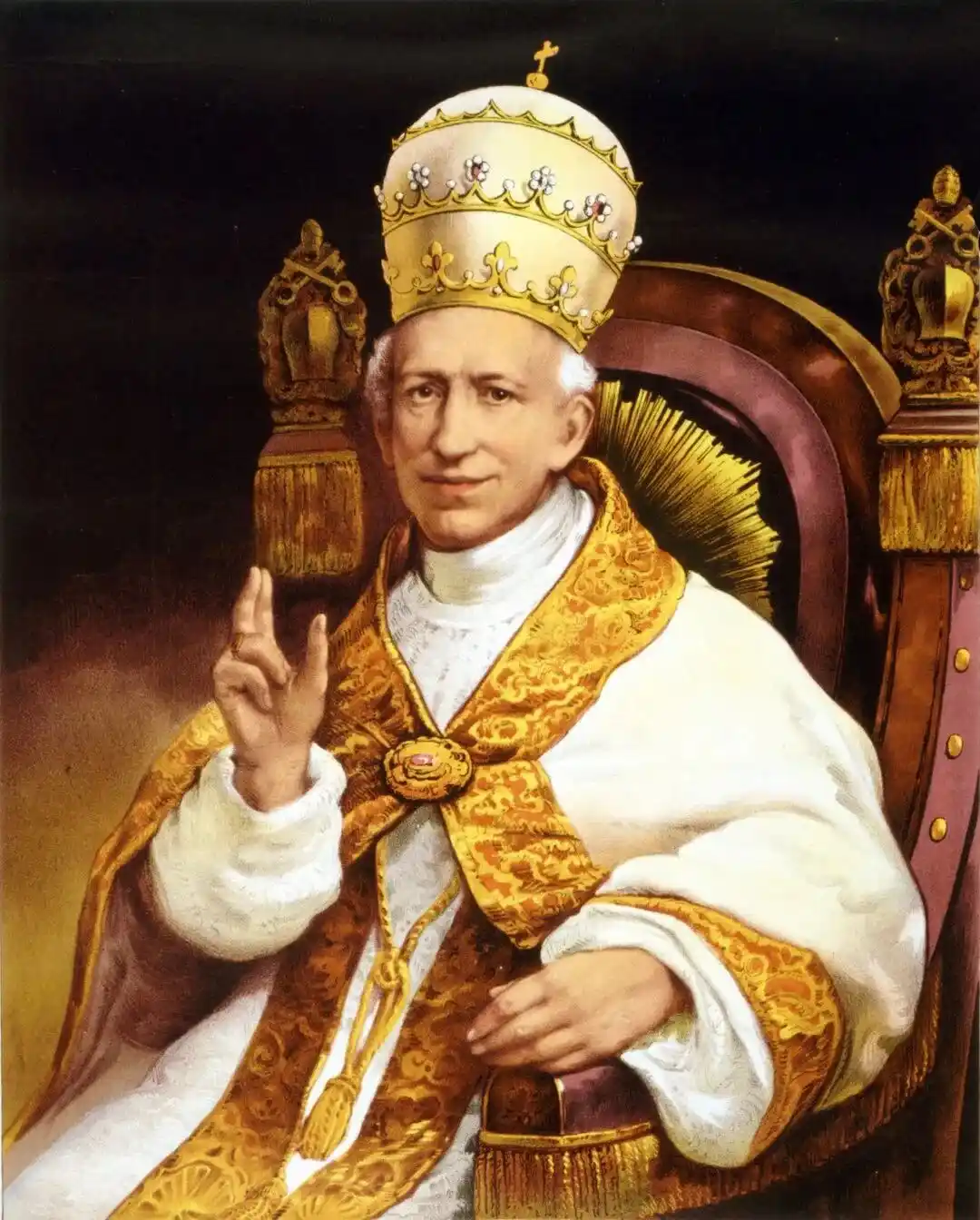
Leo XIII

"Rerum Novarum" responded to the impact of the Industrial Revolution on labor rights and is regarded as a foundational document of Catholic social teaching.

Leo XIV explicitly referenced this connection in his inaugural address: "The Church offers the treasury of its social teaching to everyone in response to yet another industrial revolution, and to developments in the field of artificial intelligence."

Almost simultaneously, the Vatican approved the establishment of an AI Commission on May 16, integrating seven curial institutions for the first time to coordinate previously scattered AI efforts.
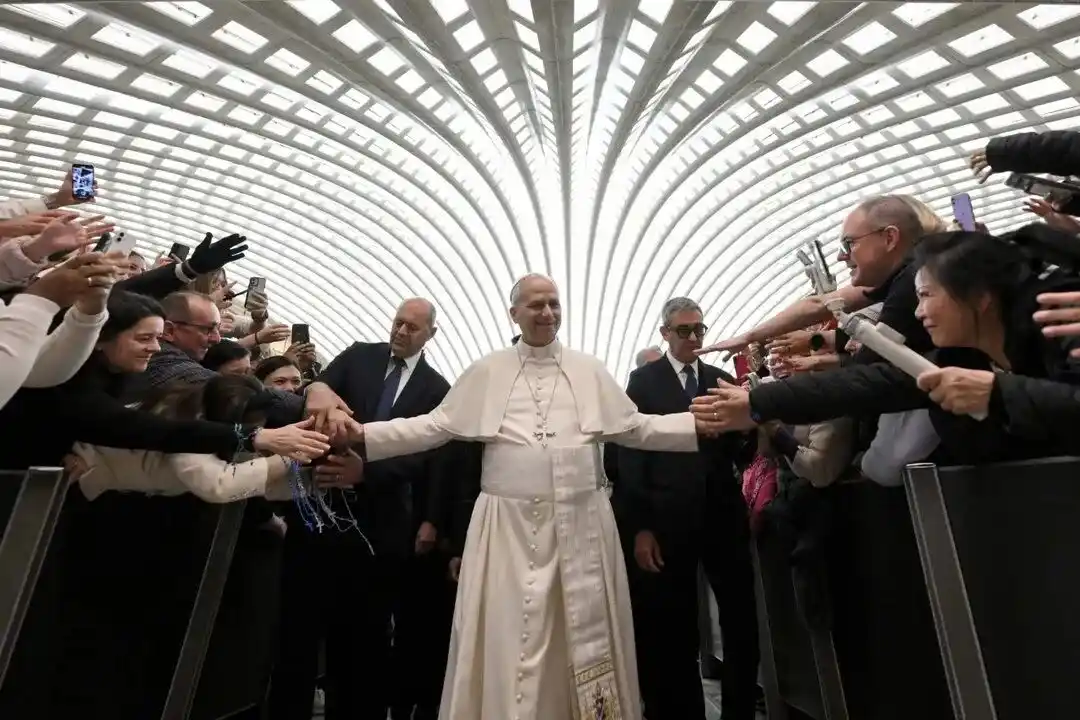
Previously, Leo XIV had already described the militarization of AI as pushing the world into a "spiral of destruction" in a speech at Europe's largest university.

Why Anthropic?

Olah's invitation is a precise alignment of mutual interests.

Olah leads interpretability research at Anthropic, aiming to open AI's black box and understand what neural networks are actually doing internally.

This happens to be the technical version of the Vatican's core concern: Can AI be fully understood and thus trusted?

Anthropic's engagement in religious ethics is systematic.

The company has previously invited clergy to participate in formulating Claude's "Constitution."

Further reading: Anthropic Officially Open Sources Claude's 'Soul'

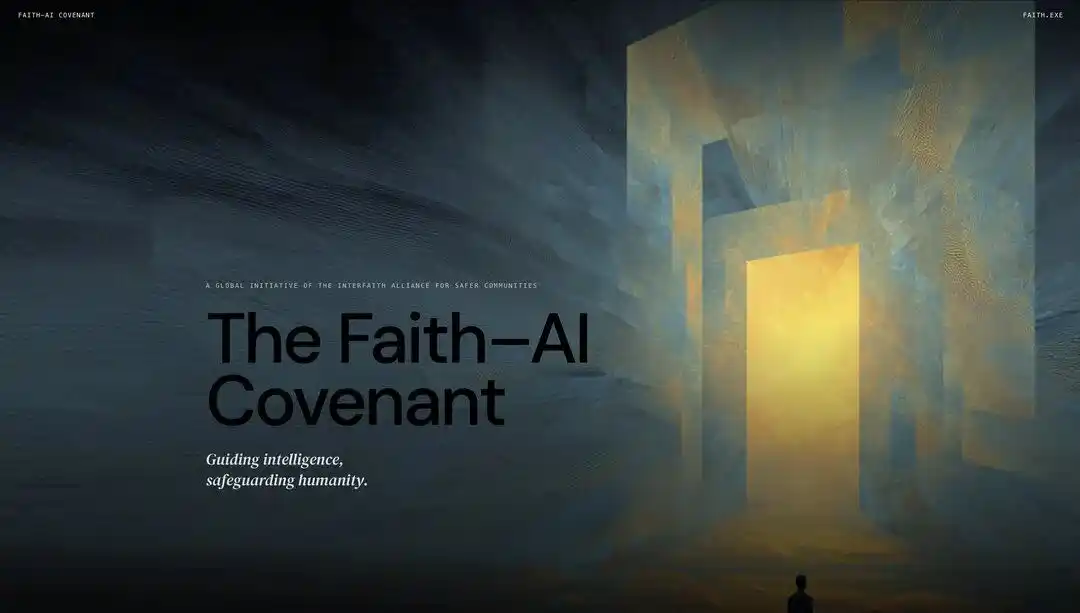
In late April, representatives from Anthropic and OpenAI jointly participated in the inaugural "Faith-AI Covenant" roundtable in New York, discussing AI ethical frameworks with leaders from Hindu, Sikh, Jewish, Orthodox Christian, and other religious traditions. Follow-up meetings are planned in several cities globally.

A more pragmatic stake lies in Anthropic's current friction with the US government regarding the military use of AI, insisting its models cannot be used for autonomous weapon targeting and mass surveillance. This stance aligns highly with the Holy See's opposition to AI weaponization.

For Anthropic, the Vatican's moral endorsement strengthens its "responsible AI" brand positioning.

For the Vatican, having a company actually conducting AI safety research on stage elevates the encyclical beyond empty preaching. Both parties get what they need.

Silicon Valley long held skepticism towards organized religion.

Brian Boyd of the Future of Life Institute interprets this shift: "Silicon Valley's motto was 'move fast and break things.' They broke too many things and too many people."
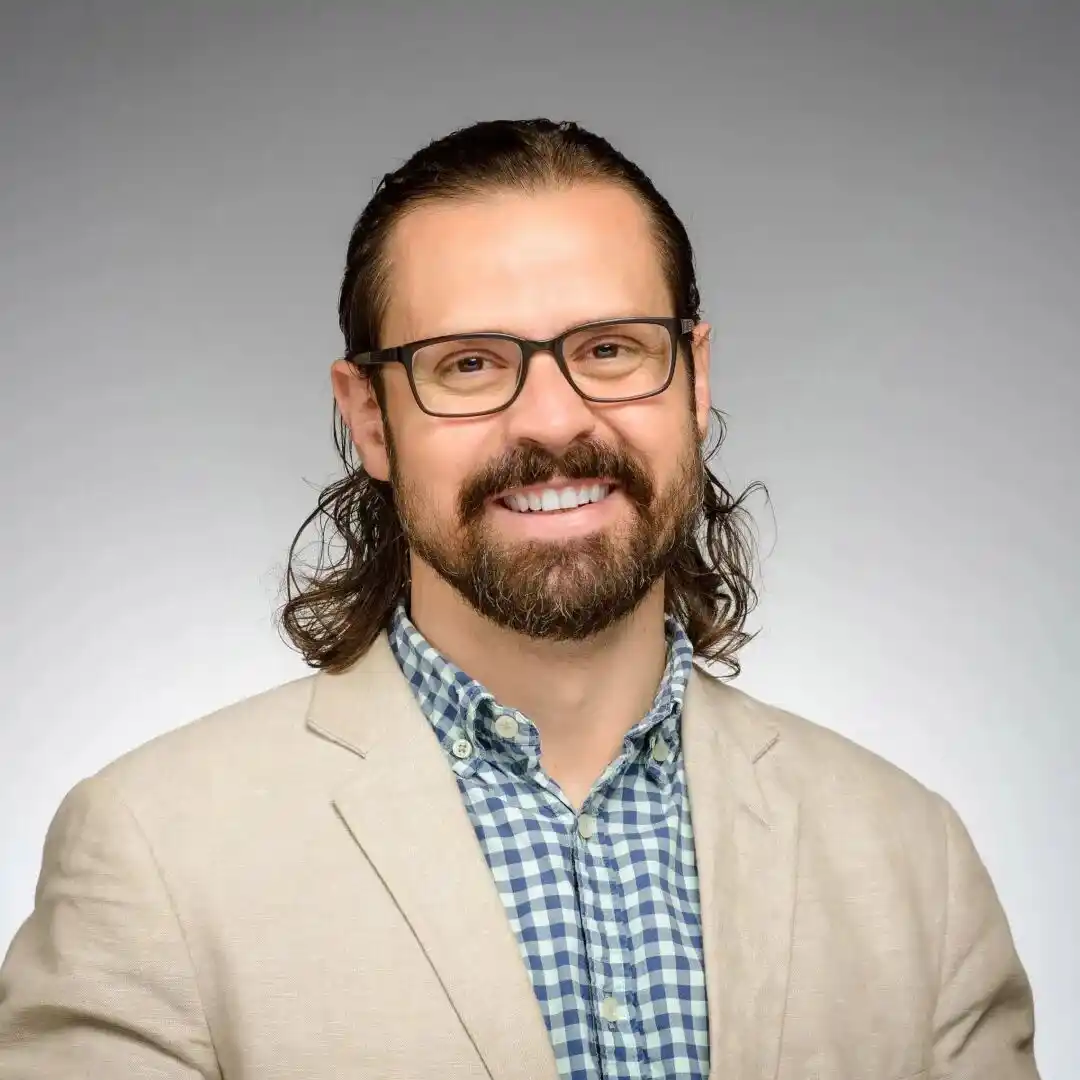
Aligning with religious authority is an attempt to rebuild overdrawn credibility.

Ethical Outsourcing or PR Prop?

The narrative sounds warm, but critics see a different picture.

The sharpest criticism comes from Dylan Baker, Research Lead at the Distributed AI Research (DAIR) Institute.

He argues that discussions around "ethical AI" obscure a more fundamental question: Should certain AI systems be developed at all?

When the discussion framework becomes "since we're building it, let's build it well," the preliminary question of "whether to build it" is completely bypassed.

Humane Intelligence CEO Rumman Chowdhury, former AI Science Envoy for the Biden administration, is similarly lukewarm: "At best it's a distraction, at worst it's derailing the issues that really matter."

She believes Silicon Valley is trying to find "universal ethical principles" from religion to handle gray areas, but the value differences among global religious traditions are no smaller than regulatory differences between nations.

The structural dilemma is even more evident.

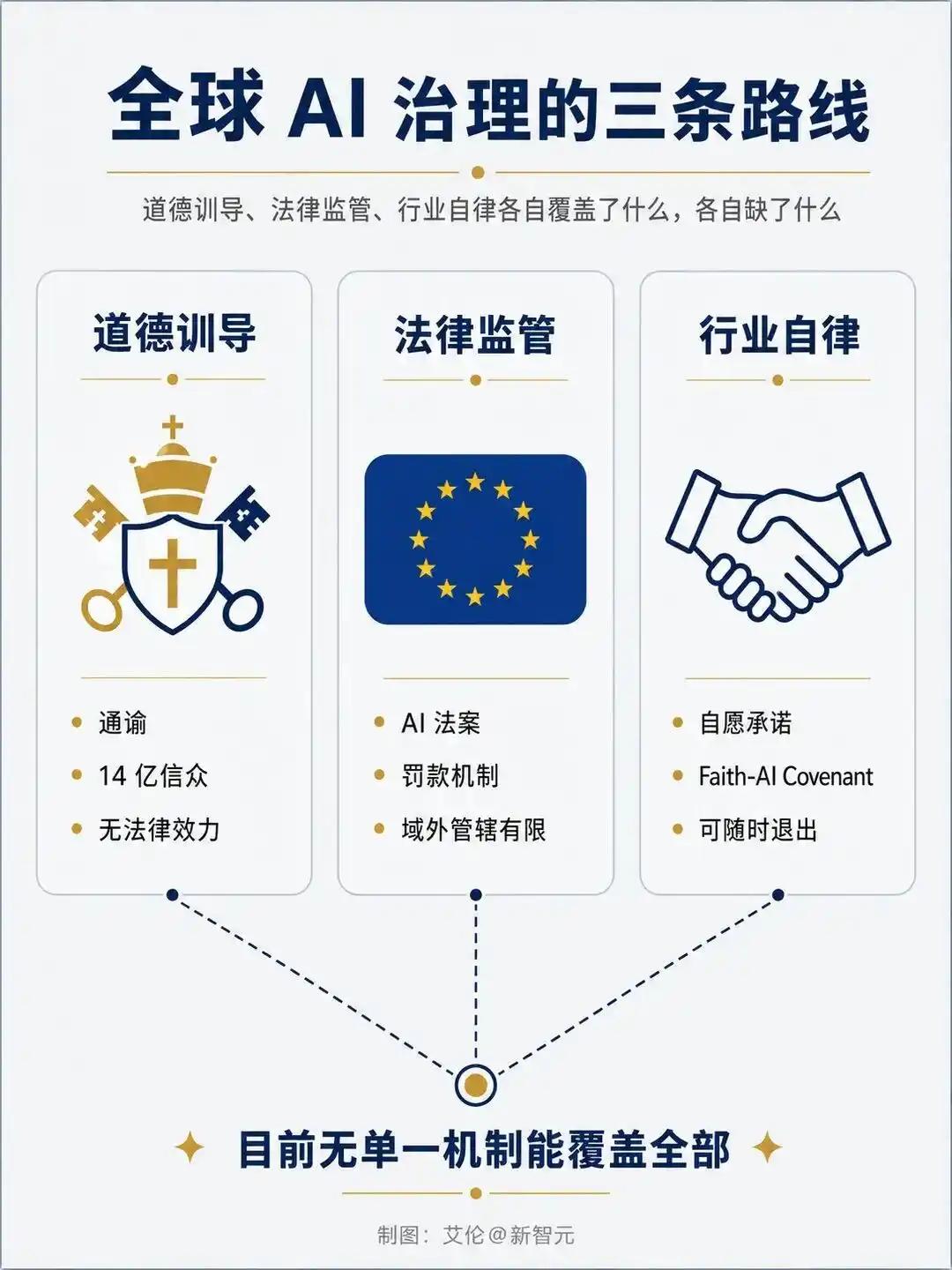
Papal encyclicals rely on moral suasion and have no legal binding force.

The Faith-AI Covenant is a voluntary pledge; participants can withdraw at any time.
The EU AI Act carries fines of up to €35 million or 7% of global revenue, but its extraterritorial reach is limited.

The US federal level still lacks a unified AI regulatory framework.

Currently, no single mechanism globally can effectively constrain the pace of AI development.

The Holy See is filling a vacuum of discourse, not a vacuum of governance capability.
As Machines Become More Like Humans, What Do Humans Rely on to Confirm They Are Human?

All discussions on AI ethics, whether rooted in religious doctrine, legal statutes, or corporate values, ultimately point to the same underlying question: Where does human irreplaceability lie?

People have offered many answers in the past: intelligence, creativity, linguistic ability, emotional resonance, moral judgment.

These answers are being shaken one by one.

AI can write poetry, compose music, pass the bar exam, and make users form real emotional attachments to it.

When these abilities once considered "what makes us human" can all be simulated, what can humans still use to define themselves?

The answer might lie in an attribute AI can never possess: finitude.

Humans die.

Precisely because life has an end, every choice carries weight, every sacrifice has a cost, every promise holds meaning.

Moral judgment is never just a product of logical deduction.

It's built on the visceral experience that "making a mistake causes pain, regret, and the loss of something irreplaceable."

AI can simulate the process of weighing pros and cons, but it lacks the capacity to bear consequences, the urgency brought by mortality, the existential anxiety of "having only one chance in this lifetime."

In the face of the advent of AGI or even ASI, the scenario truly worth vigilance is humans, while having the power of choice, actively outsourcing judgment, decision-making, and even moral responsibility to machines.

Humans are too eager to escape the act of "making a decision and then bearing the consequences," and AI happens to provide a seemingly perfect outlet.

The Pope's encyclical, Anthropic's Constitution, the Faith-AI Covenant roundtables—different in form, but sharing the same underlying message: Technology can evolve infinitely, but the one who ultimately presses the button must be a mortal, vulnerable human being who feels pain and must be responsible for the consequences.

This is likely what "Magnifica Humanitas" truly wants to say.

References:

https://www.theguardian.com/world/2026/may/18/pope-leo-encyclical-human-dignity-ai-anthropic

This article is from the WeChat public account "Xinzhiyuan," author: Xinzhiyuan

Perguntas relacionadas

QWho are the two main figures highlighted in the article regarding the upcoming AI-focused encyclical?

AThe article highlights Pope Leo XIV, who will issue the encyclical, and Chris Olah, the co-founder of Anthropic and creator of Claude. Both will be present at the release event.

QWhat is the historical significance of the date May 15th mentioned in the article?

AMay 15th is significant because it is the same date in 1891 when Pope Leo XIII signed the landmark encyclical 'Rerum Novarum,' which addressed the social issues of the Industrial Revolution. Pope Leo XIV signed his new AI-focused encyclical on the same date, drawing a parallel between the two technological revolutions.

QWhat specific area of AI research does Chris Olah lead at Anthropic, and why does it align with the Vatican's concerns?

AChris Olah leads interpretability research at Anthropic, which aims to open the 'black box' of AI to understand how neural networks function. This aligns with the Vatican's core concern about whether AI can be sufficiently understood and, therefore, trusted.

QWhat is one of the main criticisms presented in the article regarding the 'ethical AI' discussions between tech companies and religious institutions?

AOne main criticism is that these discussions on 'how to build AI ethically' often bypass the more fundamental question of 'whether certain AI systems should be built at all.' Critics argue this framing legitimizes the development of potentially harmful systems from the outset.

QAccording to the article, what uniquely human attribute might form the basis for human dignity in the age of AI?

AThe article suggests that human finitude, particularly the fact that humans are mortal, is a key attribute. Mortality gives weight to choices, consequences, and commitments—an experiential foundation for moral judgment that an AI, which does not face death or irreversible loss, cannot truly possess.

Leituras Relacionadas

AI Trading Cools, South Korean Stocks Plunge 1.8%, Spot Gold Rises 1%, Bitcoin Dives

A sell-off in AI-related stocks, triggered by Broadcom's disappointing earnings forecast, sent shockwaves through global markets. South Korea's KOSPI led Asia's decline, plunging 1.8% as the risks from concentrated chip stock gains and surging leveraged investments came to the fore. The tech-heavy Nasdaq 100 futures fell 0.5% following Broadcom's 14% after-hours plunge, which signaled a slower-than-expected transition to AI clients. This pullback extended Wall Street's weakness, halting the S&P 500's nine-day rally amid hawkish Fed signals and renewed Middle East tensions. South Korean authorities convened an emergency meeting, pledging "immediate measures" against market volatility and warning of record-high stock margin debt. The adjustment rippled across assets: Bitcoin fell to around $64,000, its lowest since February, while safe-haven gold rose 1% on bargain hunting. Oil prices dipped on Middle East ceasefire news. Market analysts noted the sell-off was driven by profit-taking after massive gains, particularly in chip stocks like Samsung and SK Hynix, which now dominate the KOSPI. Wall Street banks are divided on Korea's outlook, with Goldman Sachs raising its target while Citigroup and others warn of overvaluation and a potential bubble. Bridgewater's Ray Dalio noted that great technological shifts often create bubbles. Meanwhile, Fed officials' hints at potential future rate hikes added to the cautious mood ahead of key U.S. jobs data.

华尔街日报Há 5m

AI Trading Cools, South Korean Stocks Plunge 1.8%, Spot Gold Rises 1%, Bitcoin Dives

华尔街日报Há 5m

Seeking Alpha's Hot Article: Why Might the U.S. Stock Market Crash in June?

In a recent Seeking Alpha article, financial professor and analyst Damir Tokic argues that the US stock market may be poised for a significant crash in June 2026. The core thesis centers on a "mega-bubble" in equities, particularly within the technology sector, which has driven the S&P 500 to near-record valuations, with a Shiller P/E ratio exceeding 40—a level comparable to the 2000 dot-com bubble. Tokic identifies two primary catalysts for a potential collapse. First, he points to unsustainable market exuberance fueled by what he terms the "Trump Stimulus"—massive AI capital expenditure by tech giants, which he believes is politically driven and cannot last. Second, and more urgently, he highlights the escalating Iran war as a critical threat. The ongoing closure of the Strait of Hormuz has created a severe global energy supply crunch. Strategic petroleum reserves are projected to hit critically low operational levels by June, potentially causing oil prices to spike above $200 per barrel and triggering a severe, supply-driven inflationary shock. This scenario, Tokic warns, would force the Federal Reserve's hand. Despite currently maintaining a dovish bias, the Fed would likely be compelled to officially pivot to a hawkish stance at its June FOMC meeting to combat soaring inflation and bond yields. He contends that such a shift—or even a failure to act, which would destroy Fed credibility—could be the trigger that punctures the market bubble. The resulting downturn, he concludes, could rival the bear markets of 2000 and 2008, advising investors to prepare for a major correction.

marsbitHá 28m

Seeking Alpha's Hot Article: Why Might the U.S. Stock Market Crash in June?

marsbitHá 28m

AI PC Battle: Bet on the Toll Booth, Not the Camp

**Title:** The AI PC Battle: Don't Bet on Sides, Bet on the Tollbooth **Summary:** The AI PC competition is moving beyond simple "x86 vs. Arm" narratives. The core investment thesis should focus on identifying which players can sustain margins, cash flow, and pricing power throughout the upgrade cycle, rather than backing a particular architecture. The opportunity is analyzed in three layers: 1. **The Advanced Foundry Tollbooth:** TSMC is positioned to collect "tolls" regardless of which chip designer wins, due to its dominant ~70% share in advanced semiconductor manufacturing, which is essential for high-end AI PC chips. 2. **Compute & Platform Spillover:** AMD represents an offensive in the x86 CPU+GPU space, while NVIDIA leverages its GPU and CUDA software stack dominance. Both benefit from the demand for increased local AI compute. 3. **Architecture Diffusion & Turnaround Plays:** ARM and Intel offer potential for significant upside (elasticity), but investments here require stricter discipline due to higher execution risks and competitive challenges. The industry is transitioning from concept to shipment validation. While short-term forecasts for AI PC adoption have been revised down slightly due to tariffs and procurement delays, the long-term trend towards AI becoming a standard PC feature remains intact. The key driver for upgrade cycles will be whether compelling enterprise applications (e.g., privacy-sensitive computing, low-latency inference) emerge beyond consumer-focused features like meeting summarization. Investment strategy should prioritize companies with platform-level advantages and recurring revenue streams. TSMC offers high certainty as the foundational tollbooth. AMD presents a strong offensive play within the established ecosystem. ARM and Intel are higher-risk, higher-potential-reward turnaround bets. The report cautions against chasing short-term hype and emphasizes a disciplined, long-term approach focused on buying ecosystem strength and cash-flow certainty after market enthusiasm subsides. **Key Risks:** Underwhelming AI PC applications slowing upgrade cycles; slow improvement in Windows on Arm compatibility; macro/tariff impacts on PC demand; potential advanced node supply-demand mismatches affecting TSMC; high overall AI sector valuations making stocks vulnerable to a risk-off shift in markets.

marsbitHá 42m

AI PC Battle: Bet on the Toll Booth, Not the Camp

marsbitHá 42m

Ten-Thousand-Word Analysis: From $10 to $290, MRVL Wins the Entire AI Era by 'Not Making GPUs'

Marvell Technology's stock price surged from under $10 in 2016 to a record $290 in June 2026, fueled not by making GPUs, but by dominating AI infrastructure connectivity. This analysis argues the market misvalues MRVL as merely a smaller Broadcom in custom AI chips, overlooking its true, unique position. Marvell's core strength lies in enabling high-speed data flow for AI clusters through three interconnected businesses. First, it holds a commanding ~70% market share in high-speed optical DSPs (essential for data center light modules), a deep-moat business with accelerating growth. Second, its custom AI chip design business serves hyperscalers like AWS, Microsoft, and Google, with a significant revenue pipeline despite lower margins. Third, stable cash flows come from Ethernet switch chips and enterprise storage controllers. Together, they form a full-stack "AI data movement" platform. CEO Matt Murphy's transformative leadership since 2016, involving strategic divestments, key acquisitions (like Inphi for optical DSPs), and securing long-term agreements with major cloud providers, repositioned the company. A pivotal $2 billion strategic investment from NVIDIA in 2026 underscored Marvell's critical role in the AI ecosystem, particularly through collaborations like NVLink Fusion. While Marvell faces risks—including client concentration (losing the Amazon Trainium3 design), lower-margin business mix, competitive threats, insider selling, and complex supply chains—its fundamentals remain strong. The optical interconnect moat is widening with the acquisition of Celestial AI (photonics fabric), and financial metrics show accelerating revenue growth and operating leverage. With a PEG ratio suggesting undervaluation relative to its growth, the thesis is that the market undervalues Marvell's monopolistic position in AI "plumbing" while overemphasizing its competitive custom chip segment. The story transcends investing, symbolizing how in any complex system—from the internet to AI—the value of "connection" ultimately surpasses that of individual "nodes."

marsbitHá 1h

Ten-Thousand-Word Analysis: From $10 to $290, MRVL Wins the Entire AI Era by 'Not Making GPUs'

marsbitHá 1h

Trading

Spot
Futuros

Artigos em Destaque

Como comprar MOVE

Bem-vindo à HTX.com!Tornámos a compra de Movement (MOVE) simples e conveniente.Segue o nosso guia passo a passo para iniciar a tua jornada no mundo das criptos.Passo 1: cria a tua conta HTXUtiliza o teu e-mail ou número de telefone para te inscreveres numa conta gratuita na HTX.Desfruta de um processo de inscrição sem complicações e desbloqueia todas as funcionalidades.Obter a minha contaPasso 2: vai para Comprar Cripto e escolhe o teu método de pagamentoCartão de crédito/débito: usa o teu visa ou mastercard para comprar Movement (MOVE) instantaneamente.Saldo: usa os fundos da tua conta HTX para transacionar sem problemas.Terceiros: adicionamos métodos de pagamento populares, como Google Pay e Apple Pay, para aumentar a conveniência.P2P: transaciona diretamente com outros utilizadores na HTX.Mercado de balcão (OTC): oferecemos serviços personalizados e taxas de câmbio competitivas para os traders.Passo 3: armazena teu Movement (MOVE)Depois de comprar o teu Movement (MOVE), armazena-o na tua conta HTX.Alternativamente, podes enviá-lo para outro lugar através de transferência blockchain ou usá-lo para transacionar outras criptomoedas.Passo 4: transaciona Movement (MOVE)Transaciona facilmente Movement (MOVE) no mercado à vista da HTX.Acede simplesmente à tua conta, seleciona o teu par de trading, executa as tuas transações e monitoriza em tempo real.Oferecemos uma experiência de fácil utilização tanto para principiantes como para traders experientes.

303 Visualizações TotaisPublicado em {updateTime}Atualizado em 2026.06.02

Como comprar MOVE

Discussões

Bem-vindo à Comunidade HTX. Aqui, pode manter-se informado sobre os mais recentes desenvolvimentos da plataforma e obter acesso a análises profissionais de mercado. As opiniões dos utilizadores sobre o preço de MOVE (MOVE) são apresentadas abaixo.

活动图片