In a Surprising Move, Pope and Anthropic Founder to Jointly Hold Press Conference

marsbitPublicado em 2026-05-19Última atualização em 2026-05-19

Resumo

In a surprising move, Pope Leo XIV will release his first encyclical, "Magnifica Humanitas," on May 26th, focusing on protecting humanity in the AI age. Anthropic co-founder Chris Olah will join him. This event, drawing parallels to a historic 1891 encyclical on labor rights, highlights the Vatican's attempt to fill the AI governance vacuum with moral authority for its 1.4 billion followers. The Vatican also established a new AI committee. The partnership aligns with Anthropic's focus on AI interpretability and safety, and its stance against military AI use. Critics, however, see this as a distraction from core questions about whether certain AI systems should be built at all, and note the lack of enforceable global AI regulation. The core question addressed is: as machines increasingly mimic human abilities, what defines human dignity? The text argues that human finitude—our mortality and capacity to suffer consequences—grounds meaningful choice and moral responsibility in a way AI cannot replicate. The ultimate warning is against outsourcing judgment and accountability to machines.

Pope Leo XIV will issue his first encyclical on May 26, focusing directly on AI, with Anthropic co-founder and Claude creator Chris Olah invited to share the stage. The Vatican simultaneously establishes an AI Commission. A 2,000-year-old institution is attempting to fill the AI governance vacuum with moral authority—covering a population larger than any AI bill's jurisdiction.

An institution with 1.4 billion followers, enduring for two millennia, has placed AI as its top agenda, even pulling in the creator of Claude to jointly release a position paper.

The core question this document aims to answer is precisely the one the entire AI industry cannot avoid—As machines become more and more like humans, what is human dignity and irreplaceability truly built upon?

On May 26, Pope Leo XIV will issue the encyclical "Magnifica Humanitas" ("Magnificent Humanity") at the Vatican, focusing on "protecting the human person in the age of AI."

An encyclical is one of the highest-level teaching documents of the Catholic Church, addressed to 1.4 billion Catholics worldwide, and also a symbolic action for a new Pope to highlight his governance priorities.

This Pope, an American with a mathematics background, has consistently been concerned with ethics in the AI age, aiming to protect humanity.

The Pope's First Encyclical, Written for AI

This release breaks two conventions.

Popes usually do not personally attend encyclical releases, delegating the task to a cardinal, but Leo XIV has chosen to be present.

Simultaneously inviting Anthropic co-founder Chris Olah as a lay spokesperson is almost unprecedented in the history of encyclical releases.

Vatican journalist Andrea Vreede's assessment is, "If only a cardinal released it, no one would really listen, but with the Pope present, all lenses will be focused there."
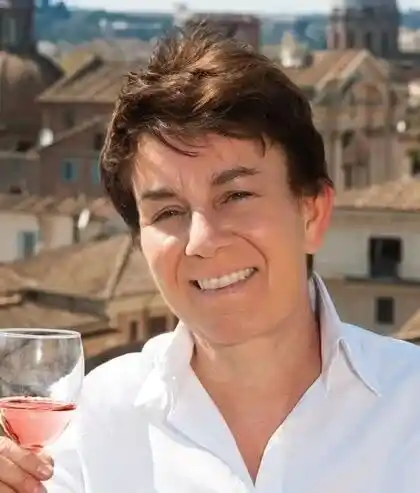
The timing was carefully chosen.

The encyclical was signed on May 15, coincidentally the same day 135 years ago when Pope Leo XIII signed the encyclical "Rerum Novarum."
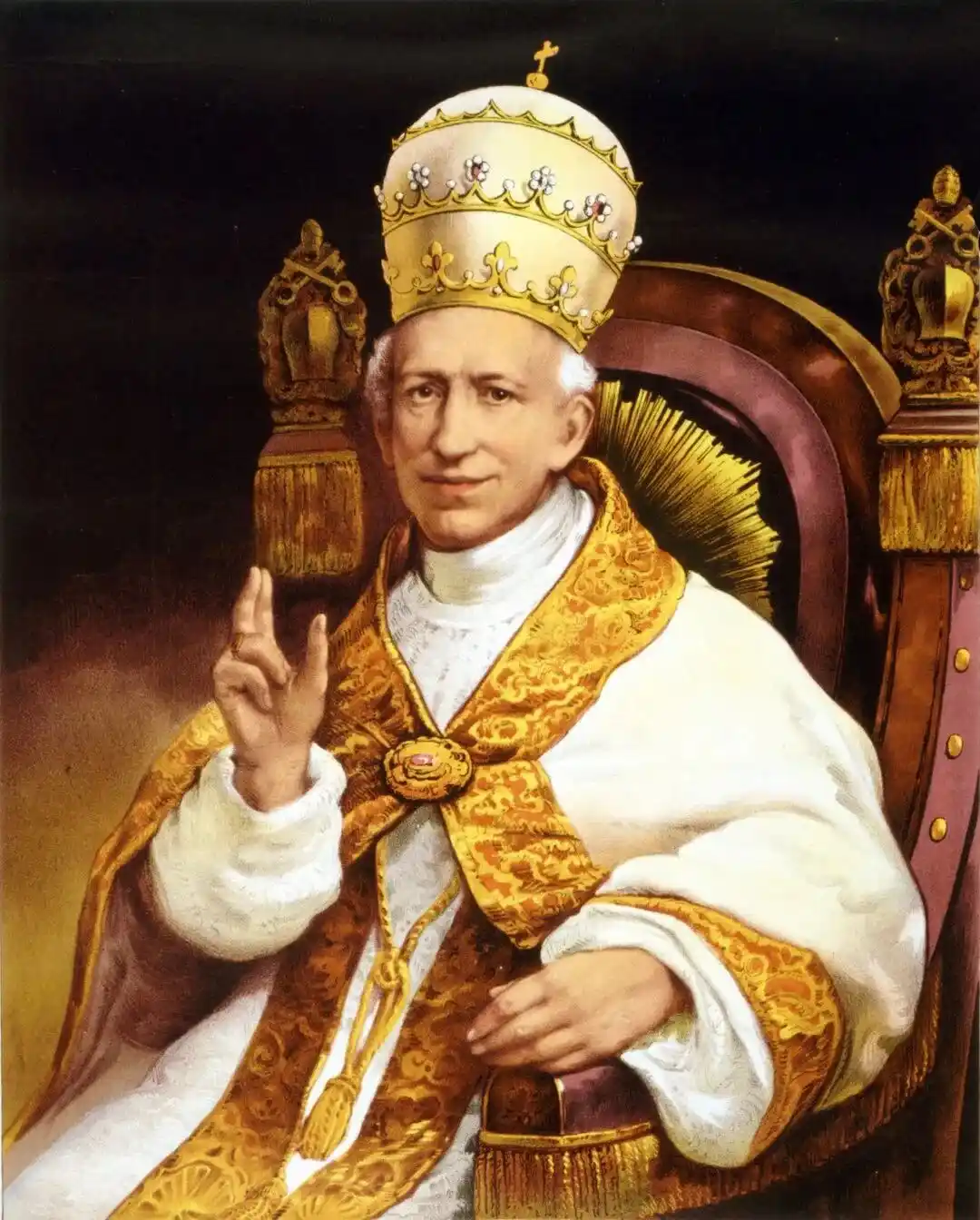
Leo XIII

"Rerum Novarum" responded to the impact of the Industrial Revolution on labor rights and is regarded as a foundational document of Catholic social teaching.

Leo XIV explicitly referenced this connection in his inaugural address: "The Church offers the treasury of its social teaching to everyone in response to yet another industrial revolution, and to developments in the field of artificial intelligence."

Almost simultaneously, the Vatican approved the establishment of an AI Commission on May 16, integrating seven curial institutions for the first time to coordinate previously scattered AI efforts.
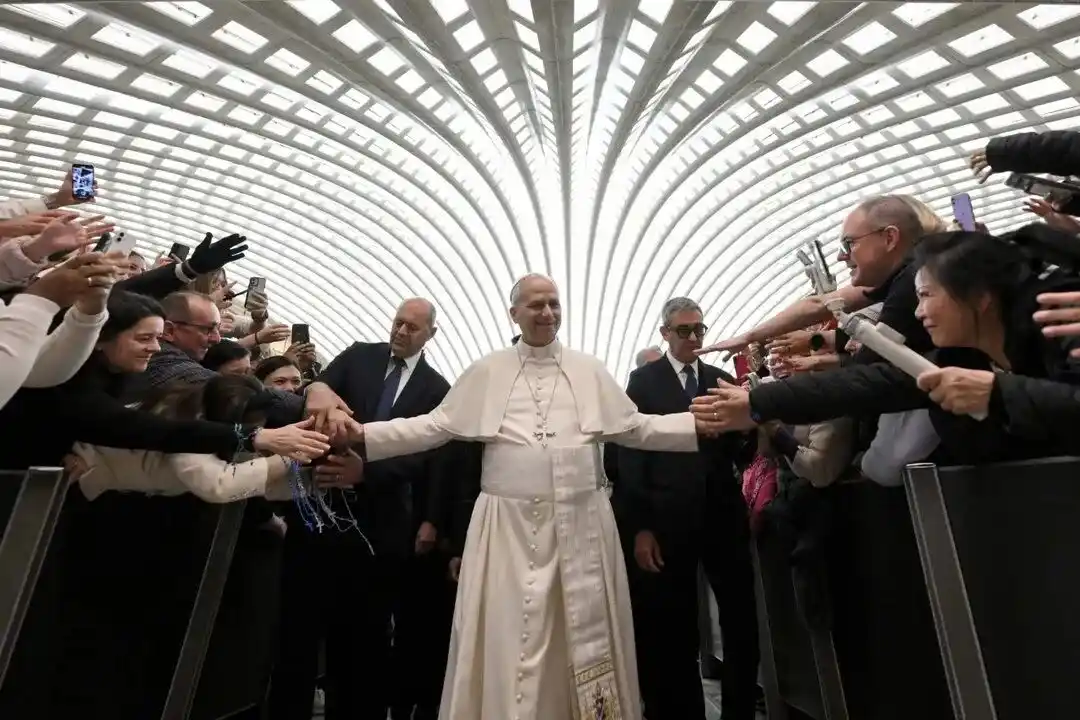
Previously, Leo XIV had already described the militarization of AI as pushing the world into a "spiral of destruction" in a speech at Europe's largest university.

Why Anthropic?

Olah's invitation is a precise alignment of mutual interests.

Olah leads interpretability research at Anthropic, aiming to open AI's black box and understand what neural networks are actually doing internally.

This happens to be the technical version of the Vatican's core concern: Can AI be fully understood and thus trusted?

Anthropic's engagement in religious ethics is systematic.

The company has previously invited clergy to participate in formulating Claude's "Constitution."

Further reading: Anthropic Officially Open Sources Claude's 'Soul'

In late April, representatives from Anthropic and OpenAI jointly participated in the inaugural "Faith-AI Covenant" roundtable in New York, discussing AI ethical frameworks with leaders from Hindu, Sikh, Jewish, Orthodox Christian, and other religious traditions. Follow-up meetings are planned in several cities globally.

A more pragmatic stake lies in Anthropic's current friction with the US government regarding the military use of AI, insisting its models cannot be used for autonomous weapon targeting and mass surveillance. This stance aligns highly with the Holy See's opposition to AI weaponization.

For Anthropic, the Vatican's moral endorsement strengthens its "responsible AI" brand positioning.

For the Vatican, having a company actually conducting AI safety research on stage elevates the encyclical beyond empty preaching. Both parties get what they need.

Silicon Valley long held skepticism towards organized religion.

Brian Boyd of the Future of Life Institute interprets this shift: "Silicon Valley's motto was 'move fast and break things.' They broke too many things and too many people."
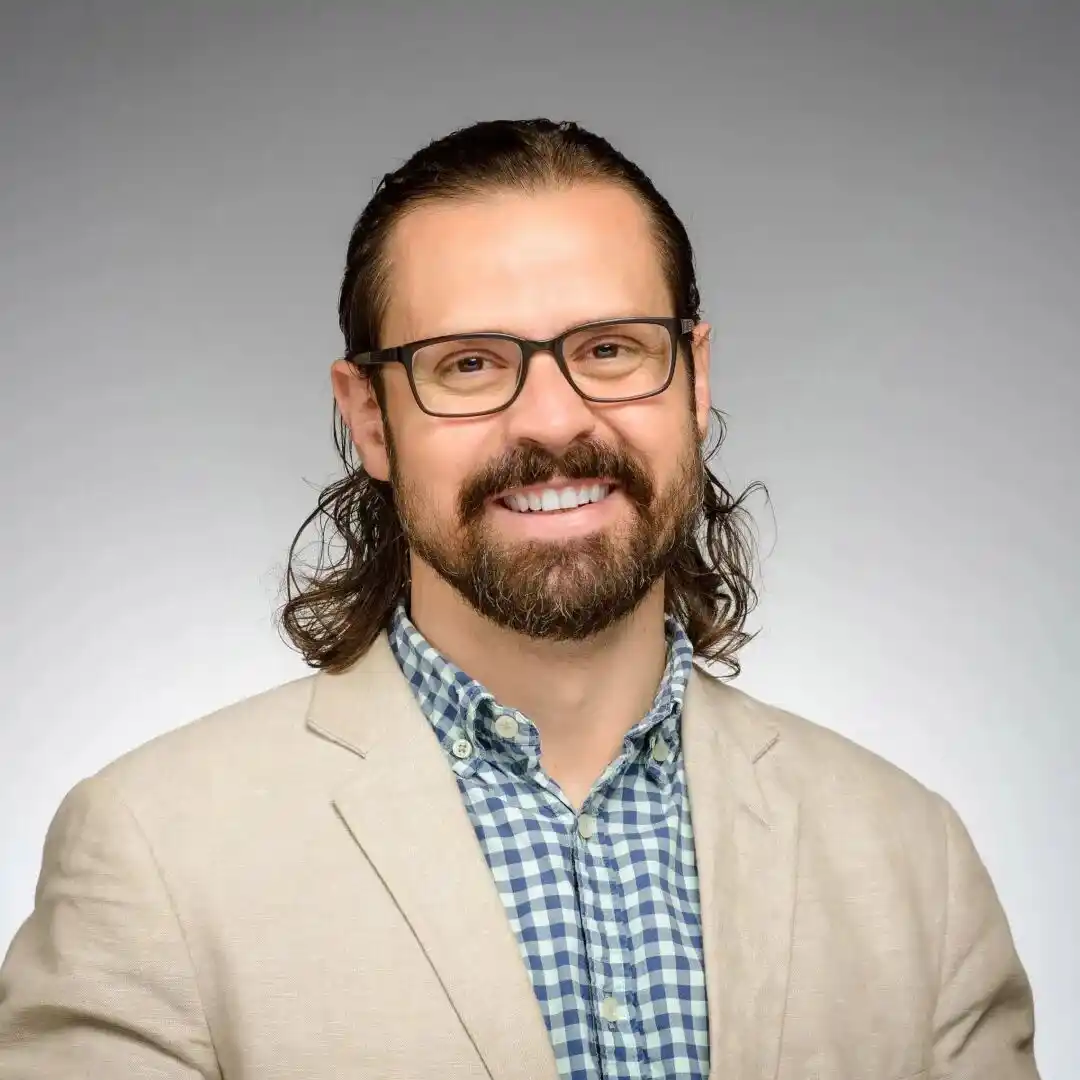
Aligning with religious authority is an attempt to rebuild overdrawn credibility.

Ethical Outsourcing or PR Prop?

The narrative sounds warm, but critics see a different picture.

The sharpest criticism comes from Dylan Baker, Research Lead at the Distributed AI Research (DAIR) Institute.

He argues that discussions around "ethical AI" obscure a more fundamental question: Should certain AI systems be developed at all?

When the discussion framework becomes "since we're building it, let's build it well," the preliminary question of "whether to build it" is completely bypassed.

Humane Intelligence CEO Rumman Chowdhury, former AI Science Envoy for the Biden administration, is similarly lukewarm: "At best it's a distraction, at worst it's derailing the issues that really matter."

She believes Silicon Valley is trying to find "universal ethical principles" from religion to handle gray areas, but the value differences among global religious traditions are no smaller than regulatory differences between nations.

The structural dilemma is even more evident.

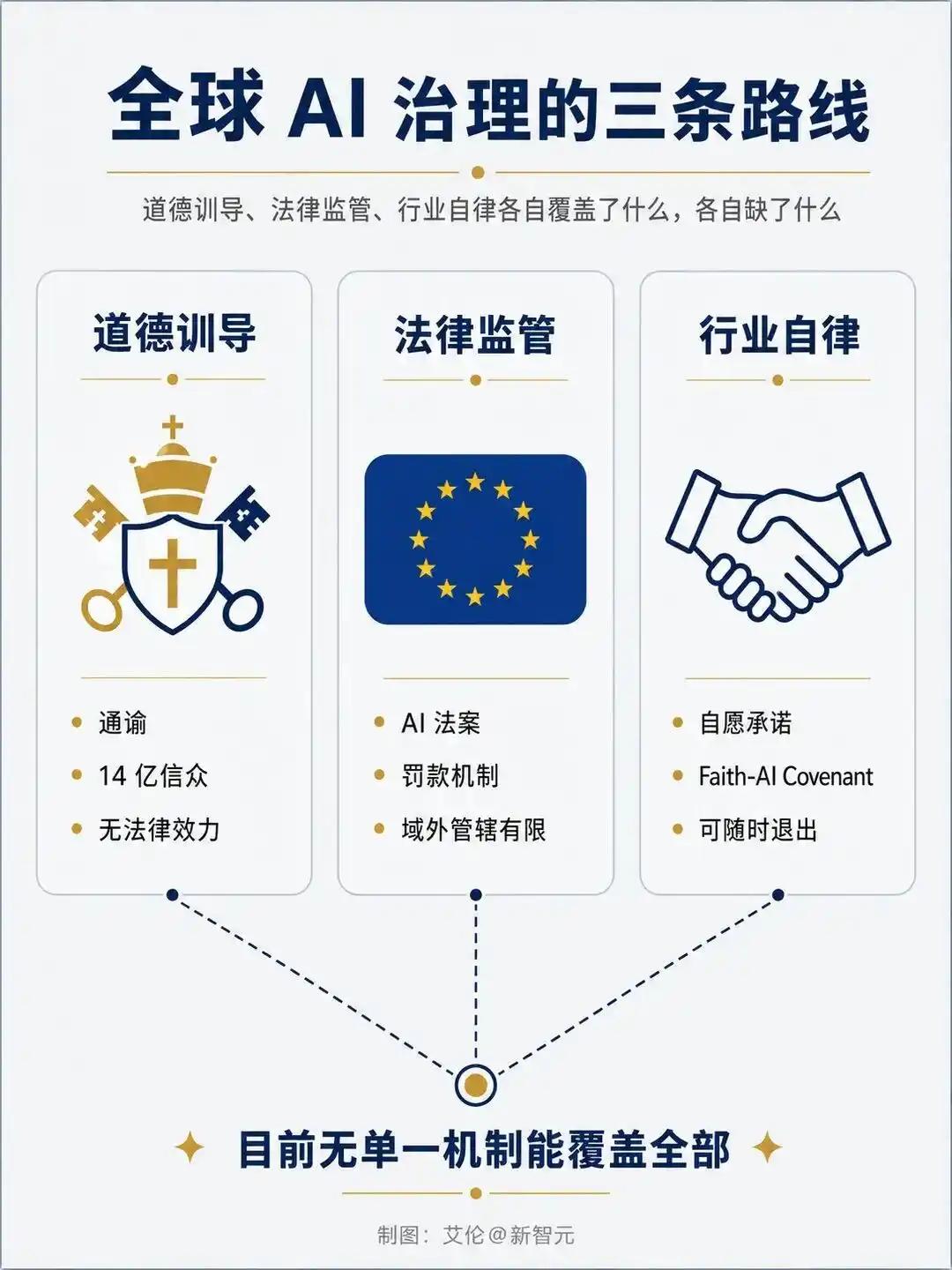
Papal encyclicals rely on moral suasion and have no legal binding force.

The Faith-AI Covenant is a voluntary pledge; participants can withdraw at any time.
The EU AI Act carries fines of up to €35 million or 7% of global revenue, but its extraterritorial reach is limited.

The US federal level still lacks a unified AI regulatory framework.

Currently, no single mechanism globally can effectively constrain the pace of AI development.

The Holy See is filling a vacuum of discourse, not a vacuum of governance capability.
As Machines Become More Like Humans, What Do Humans Rely on to Confirm They Are Human?

All discussions on AI ethics, whether rooted in religious doctrine, legal statutes, or corporate values, ultimately point to the same underlying question: Where does human irreplaceability lie?

People have offered many answers in the past: intelligence, creativity, linguistic ability, emotional resonance, moral judgment.

These answers are being shaken one by one.

AI can write poetry, compose music, pass the bar exam, and make users form real emotional attachments to it.

When these abilities once considered "what makes us human" can all be simulated, what can humans still use to define themselves?

The answer might lie in an attribute AI can never possess: finitude.

Humans die.

Precisely because life has an end, every choice carries weight, every sacrifice has a cost, every promise holds meaning.

Moral judgment is never just a product of logical deduction.

It's built on the visceral experience that "making a mistake causes pain, regret, and the loss of something irreplaceable."

AI can simulate the process of weighing pros and cons, but it lacks the capacity to bear consequences, the urgency brought by mortality, the existential anxiety of "having only one chance in this lifetime."

In the face of the advent of AGI or even ASI, the scenario truly worth vigilance is humans, while having the power of choice, actively outsourcing judgment, decision-making, and even moral responsibility to machines.

Humans are too eager to escape the act of "making a decision and then bearing the consequences," and AI happens to provide a seemingly perfect outlet.

The Pope's encyclical, Anthropic's Constitution, the Faith-AI Covenant roundtables—different in form, but sharing the same underlying message: Technology can evolve infinitely, but the one who ultimately presses the button must be a mortal, vulnerable human being who feels pain and must be responsible for the consequences.

This is likely what "Magnifica Humanitas" truly wants to say.

References:

https://www.theguardian.com/world/2026/may/18/pope-leo-encyclical-human-dignity-ai-anthropic

This article is from the WeChat public account "Xinzhiyuan," author: Xinzhiyuan

Criptomoedas em alta

Perguntas relacionadas

QWho are the two main figures highlighted in the article regarding the upcoming AI-focused encyclical?

AThe article highlights Pope Leo XIV, who will issue the encyclical, and Chris Olah, the co-founder of Anthropic and creator of Claude. Both will be present at the release event.

QWhat is the historical significance of the date May 15th mentioned in the article?

AMay 15th is significant because it is the same date in 1891 when Pope Leo XIII signed the landmark encyclical 'Rerum Novarum,' which addressed the social issues of the Industrial Revolution. Pope Leo XIV signed his new AI-focused encyclical on the same date, drawing a parallel between the two technological revolutions.

QWhat specific area of AI research does Chris Olah lead at Anthropic, and why does it align with the Vatican's concerns?

AChris Olah leads interpretability research at Anthropic, which aims to open the 'black box' of AI to understand how neural networks function. This aligns with the Vatican's core concern about whether AI can be sufficiently understood and, therefore, trusted.

QWhat is one of the main criticisms presented in the article regarding the 'ethical AI' discussions between tech companies and religious institutions?

AOne main criticism is that these discussions on 'how to build AI ethically' often bypass the more fundamental question of 'whether certain AI systems should be built at all.' Critics argue this framing legitimizes the development of potentially harmful systems from the outset.

QAccording to the article, what uniquely human attribute might form the basis for human dignity in the age of AI?

AThe article suggests that human finitude, particularly the fact that humans are mortal, is a key attribute. Mortality gives weight to choices, consequences, and commitments—an experiential foundation for moral judgment that an AI, which does not face death or irreversible loss, cannot truly possess.

Leituras Relacionadas

After Three Consecutive Quarters of Decline, Can the Crypto Market Find a Window for Stabilization in Q3?

The cryptocurrency market has just concluded its worst-performing quarter since 2022, with total capitalization dropping 12.6% to $2.1 trillion. All core metrics indicate capital is leaving the sector, not just rotating within it. Bitcoin fell 14.2% and Ethereum dropped 25.4% in Q2, breaking their previous correlation with US tech stocks. A key driver is the reversal in US spot Bitcoin ETF flows, which saw a net outflow of approximately $4.67 billion in Q2, including a record monthly outflow near $4.5 billion in June. While recent data suggests long-term holders are accumulating again, sustained ETF outflows mean continued selling pressure. Market focus is now singularly on the Federal Reserve. The upcoming July FOMC meeting is seen as the most critical event for Q3. A dovish signal could support Bitcoin reclaiming a $68,000-$84,000 range, while a hawkish stance might establish a new trading band around $50,000-$56,000. Additionally, regulatory uncertainty persists, with the progress of the crucial *CLARITY Act* stalling in the Senate, reducing its perceived 2026 passage probability to 40-45%. Despite the broad downturn, a few sectors showed growth. Prediction markets saw nominal volume surge 48.7% year-over-year to $113.8 billion, and tokenized collectibles transaction volume rose 143% quarterly to $1.4 billion. The Real-World Asset (RWA) tokenization sector also continued steady growth, now representing ~$28.1 billion in on-chain value. The market's foundation for an extreme crash appears limited, with Bitcoin price hovering near its 200-week moving average. However, the trading paradigm has shifted from narrative-driven speculation to decisions based on price action, policy developments, and interest rate expectations, making a broad sentiment-driven rally unlikely in the near term.

marsbitHá 19h

After Three Consecutive Quarters of Decline, Can the Crypto Market Find a Window for Stabilization in Q3?

marsbitHá 19h

BIT Trading Moment: BTC Still Suppressed by Weekly 200 EMA, Rejection May Restart Decline; Storage and Semiconductors that Surged Last Night Begin Falling in Evening Trading

**Crypto & Stock Market Wrap: Bitcoin Tests Resistance, Stocks Retreat After AI Surge** Bitcoin consolidates around $66,000, facing key resistance near $68,000—an area seen as a major psychological and technical hurdle where previous rallies have failed. Analysts note the cryptocurrency is caught between its 200-week moving average (~$63,333) and 200-week EMA (~$68,328). A clear break above $68k is needed to signal a stronger bullish trend, while a rejection could lead to a retest of $63k support. Market sentiment remains cautious, with low futures open interest pointing to a low-liquidity rebound rather than a full bull market. Bitcoin spot ETFs saw another $203 million inflow. US stock futures pointed lower after a strong Tuesday session led by a massive rebound in semiconductors and memory stocks. The rally was fueled by renewed optimism about AI-driven hardware demand, with Micron, SanDisk, and SK Hynix surging. However, those gains reversed in pre-market trading. Super Micro Computer (SMCI) soared over 20% after hours on strong guidance and a record backlog. Other standouts included Rocket Lab and nuclear energy plays Oklo and X-Energy. Rising oil prices (Brent above $91) and climbing Treasury yields (10-year near 4.64%), however, are reigniting inflation concerns and acting as a headwind for equities. In Asia, markets were mixed. South Korea's KOSPI pared early gains to close slightly higher as semiconductor stocks like SK Hynix gave back initial surges. Japan's Nikkei edged lower as the yen hit a fresh 38-year low against the dollar, raising fears of potential market intervention. Key events to watch include the Samsung Galaxy launch, AMD's AI event, and a slew of major tech earnings from Alphabet, Tesla, and IBM after the close on Wednesday, followed by the ECB meeting and Intel's earnings on Thursday.

marsbitHá 20h

BIT Trading Moment: BTC Still Suppressed by Weekly 200 EMA, Rejection May Restart Decline; Storage and Semiconductors that Surged Last Night Begin Falling in Evening Trading

marsbitHá 20h

Former CFTC Chairman, Circle President Tarbert: Preaching Long-Termism While Cashing Out $30 Million Himself

Former CFTC Chairman and Circle President Heath Tarbert has consistently advocated for a long-term vision in public, urging patience from investors as Circle’s stock price has fallen significantly from its peak. However, it has been revealed that since Circle’s IPO, Tarbert has continuously sold his CRCL shares through pre-arranged trading plans, cashing out approximately $30 million, without making any public market purchases. This contrast between his public messaging and personal actions has drawn criticism. Tarbert joined Circle in July 2023 as Chief Legal Officer, leveraging his regulatory experience to help guide the company through its IPO and expansion. Despite promoting stablecoins as long-term infrastructure, he established a 10b5-1 trading plan just before Circle went public, leading to substantial stock sales over the following year. In March 2026, he initiated another plan to sell more shares. His career trajectory highlights a pattern of moving between high-level regulatory roles and influential positions in the financial sector. After resigning as CFTC Chairman in early 2021, he joined Citadel Securities as Chief Legal Officer just 27 days later, during a period of intense regulatory scrutiny for the firm. He later joined Circle, aiding its efforts to navigate regulatory challenges for its public listing. While Tarbert's expertise in policy and compliance is valuable to companies like Circle, his actions—advocating long-term confidence while personally divesting—raise questions about the alignment between his public statements and his private financial decisions, leaving investors who followed his advice to bear the market risks.

marsbitHá 20h

Former CFTC Chairman, Circle President Tarbert: Preaching Long-Termism While Cashing Out $30 Million Himself

marsbitHá 20h

Gate Research Institute: The 'Wall Street-ization' Wave of Crypto Financial Products – Competition or Integration?

The article titled "Gate Research Institute: Are Crypto Financial Products Sparking a 'Wall Street' Wave—Competition or Convergence?" explores the evolving relationship between the crypto ecosystem and traditional finance (TradFi). The piece begins by reflecting on Bitcoin's original 2009 vision of decentralization, disintermediation, and moving away from banks. It then contrasts this with the 2024 landscape, where key crypto assets like Bitcoin are increasingly held through Wall Street products like ETFs issued by giants like BlackRock. The article questions whether this signifies that TradFi is systematically taking over the rights to issue, price, custody, and distribute crypto financial assets. The core argument is that this is not a zero-sum takeover but rather a bidirectional convergence where each side addresses the other's weaknesses. Crypto offers 24/7 global markets, programmable settlement, and open access but lacks compliant channels, institutional-grade custody, deep fiat liquidity, and mainstream distribution. TradFi possesses these but is constrained by legacy systems, limited operating hours, and slow settlement. Two primary convergence paths are highlighted: * **Path A (CEX to TradFi):** Exemplified by Gate, which has progressed from offering tokenized stocks and CFDs to providing direct, real stock trading (US, Hong Kong, South Korea) within its platform, using USDT. * **Path B (TradFi to Crypto):** Exemplified by Robinhood, which has integrated crypto trading, acquired exchanges like Bitstamp, and is moving traditional assets like stocks onto the blockchain via tokenization and its own Layer 2. Both paths are ultimately competing to become the next-generation, unified financial account—a "super account" where users can seamlessly trade cryptocurrencies, stocks, ETFs, RWA (Real World Assets), and tokenized treasury products in one interface. The growth of RWA and tokenized treasuries (e.g., BlackRock's BUIDL) is presented as the asset-layer fusion, providing stable, yield-bearing assets on-chain and acting as a bridge between the two worlds. In conclusion, the "Wall Street-ization" of crypto is framed as a mutual transformation. Decentralized ideals persist in the protocol layer, while at the application layer, a more efficient, global, and accessible unified capital market is emerging from this convergence. The future competition lies not between crypto exchanges and stockbrokers, but between platforms vying to offer the most comprehensive asset coverage, liquidity, and user experience within a single account.

marsbitHá 20h

Gate Research Institute: The 'Wall Street-ization' Wave of Crypto Financial Products – Competition or Integration?

marsbitHá 20h

Trading

Spot

Artigos em Destaque

Como comprar MOVE

Bem-vindo à HTX.com!Tornámos a compra de Movement (MOVE) simples e conveniente.Segue o nosso guia passo a passo para iniciar a tua jornada no mundo das criptos.Passo 1: cria a tua conta HTXUtiliza o teu e-mail ou número de telefone para te inscreveres numa conta gratuita na HTX.Desfruta de um processo de inscrição sem complicações e desbloqueia todas as funcionalidades.Obter a minha contaPasso 2: vai para Comprar Cripto e escolhe o teu método de pagamentoCartão de crédito/débito: usa o teu visa ou mastercard para comprar Movement (MOVE) instantaneamente.Saldo: usa os fundos da tua conta HTX para transacionar sem problemas.Terceiros: adicionamos métodos de pagamento populares, como Google Pay e Apple Pay, para aumentar a conveniência.P2P: transaciona diretamente com outros utilizadores na HTX.Mercado de balcão (OTC): oferecemos serviços personalizados e taxas de câmbio competitivas para os traders.Passo 3: armazena teu Movement (MOVE)Depois de comprar o teu Movement (MOVE), armazena-o na tua conta HTX.Alternativamente, podes enviá-lo para outro lugar através de transferência blockchain ou usá-lo para transacionar outras criptomoedas.Passo 4: transaciona Movement (MOVE)Transaciona facilmente Movement (MOVE) no mercado à vista da HTX.Acede simplesmente à tua conta, seleciona o teu par de trading, executa as tuas transações e monitoriza em tempo real.Oferecemos uma experiência de fácil utilização tanto para principiantes como para traders experientes.

337 Visualizações TotaisPublicado em {updateTime}Atualizado em 2026.06.02

Como comprar MOVE

Discussões

Bem-vindo à Comunidade HTX. Aqui, pode manter-se informado sobre os mais recentes desenvolvimentos da plataforma e obter acesso a análises profissionais de mercado. As opiniões dos utilizadores sobre o preço de MOVE (MOVE) são apresentadas abaixo.

活动图片