Hot Interaction Collection | Cascade Private Beta is Live; KARPAK Mints SBT (April 10th)

Odaily星球日报Publicado em 2026-04-10Última atualização em 2026-04-10

Resumo

**Hot Interaction Roundup: Cascade Private Beta Launches; KARPAK Mints SBTs (April 10)** **Cascade: 24/7 Stock and Crypto Perpetual Trading** Cascade is a crypto brokerage offering a trading app that operates 24/7, enabling users to trade cryptocurrencies, U.S. stocks, and private assets via perpetual contracts. Users can link their bank accounts and manage perpetual trading, portfolio-backed loans, and asset transfers within a single margin account. The platform has launched its private beta. Users can register via its official website using their X account and Google email, and join its Discord community. **KARPAK: Tokenizing Real-World Parking with DePIN** KARPAK is a DePIN project that converts real-world parking activities into on-chain, verifiable data assets. Parking data—such as duration, location, and cost—is collected, verified, and tokenized, allowing users to earn rewards, participate in governance, or receive revenue shares. The project has now launched its Soulbound Token (SBT). Users can mint the SBT by connecting a wallet (on BNB Chain), following KARPAK’s X account, and paying a small gas fee. **Pixie Chess: Web3 Chess with Crypto Incentives** Pixie Chess is a Web3 game combining classic chess, trading card mechanics, and crypto-economic incentives. It recently secured $5.2 million in seed funding led by Paradigm. Users can log in via wallet, create a profile, and choose gameplay modes, with video tutorials available to help them get started.

Original | Odaily Planet Daily (@OdailyChina)

Author | Asher (@Asher_ 0210)

Cascade: 24/7 US Stock Trading + Crypto Perpetual Contract Trading

Project Introduction

Cascade is an encrypted brokerage firm offering a brokerage-style trading app that operates 24/7, supporting perpetual contract trading for cryptocurrencies, US stocks, and private assets. Users can directly link their bank accounts to complete perpetual trading, portfolio-backed lending, and asset transfers within a single margin account.

According to ROOTDATA data, Citrea raised $15 million in funding, with investments from Polychain, Coinbase Ventures, and others.

On April 8th, Cascade announced on platform X the launch of the Cascade private beta.

Interaction Tutorial

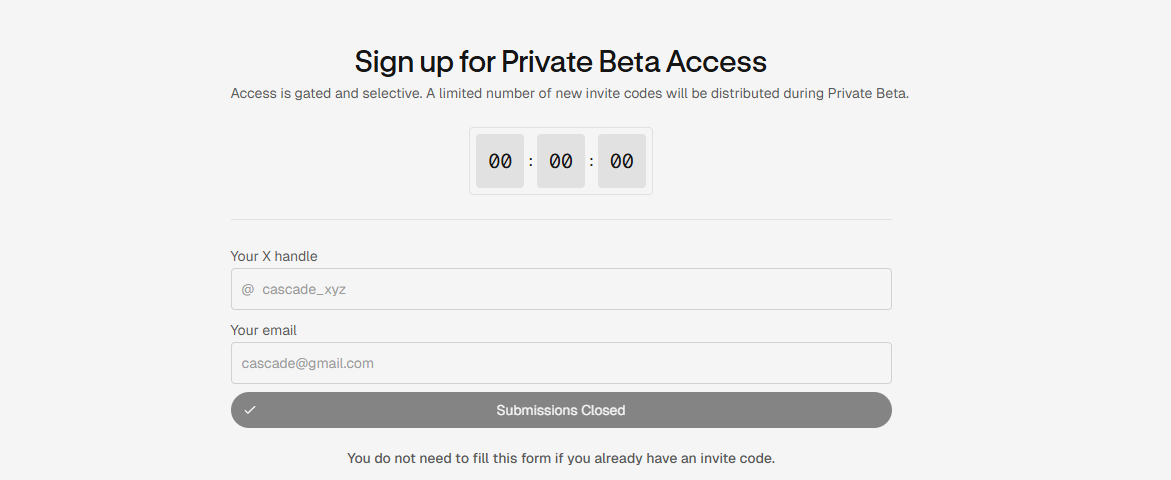
STEP 1. Go to the official website (link: https://cascade.xyz/join), fill in your X account and Google email to complete registration.
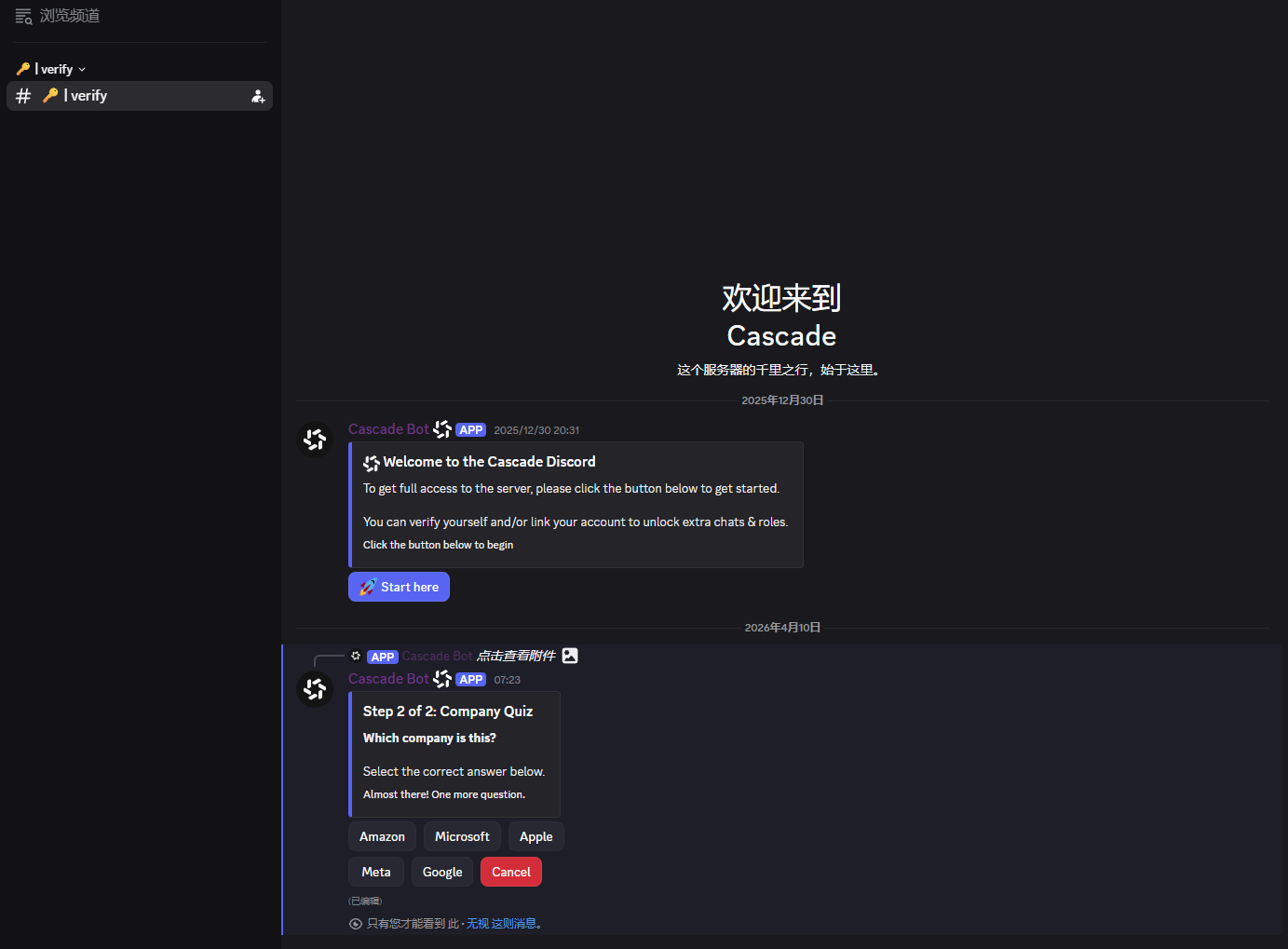
STEP 2. Join the official Discord community (link: https://discord.gg/cascade-xyz).
KARPAK: A DePIN Project Tokenizing Real-World Parking Behavior

Project Introduction

KARPAK is a DePIN project that tokenizes real-world parking behavior, transforming daily urban parking activities into on-chain verifiable data assets and proof-of-work. In other words, data generated when users park (parking duration, location, cost, etc.) is collected, verified, and put on-chain, becoming tokenizable signals that can generate income, participate in network governance, or earn rewards.

On April 8th, KARPAK announced on platform X that the KARPAK SBT is now live, users can mint a proof of being an early project participant and qualify for profit sharing.

Interaction Tutorial

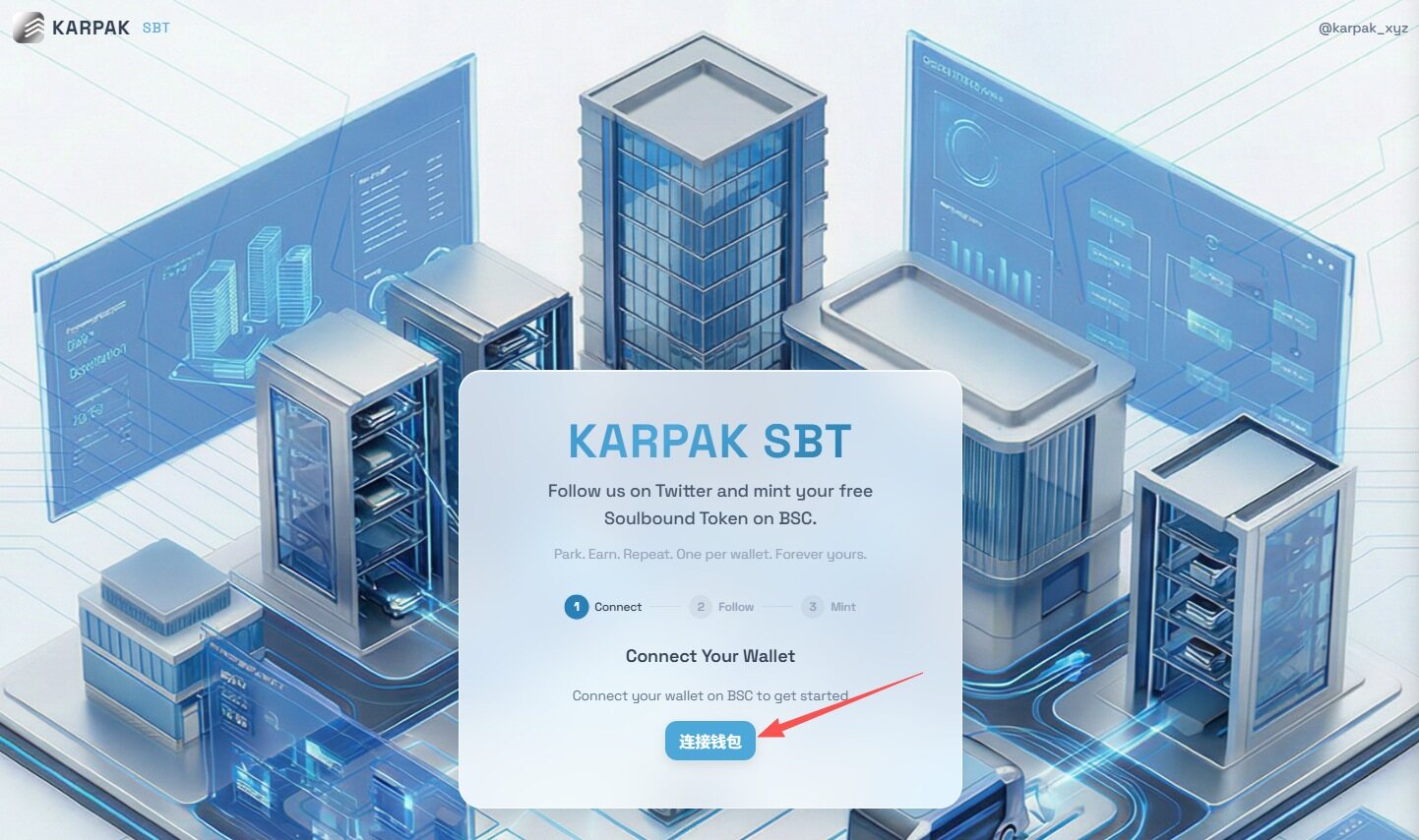
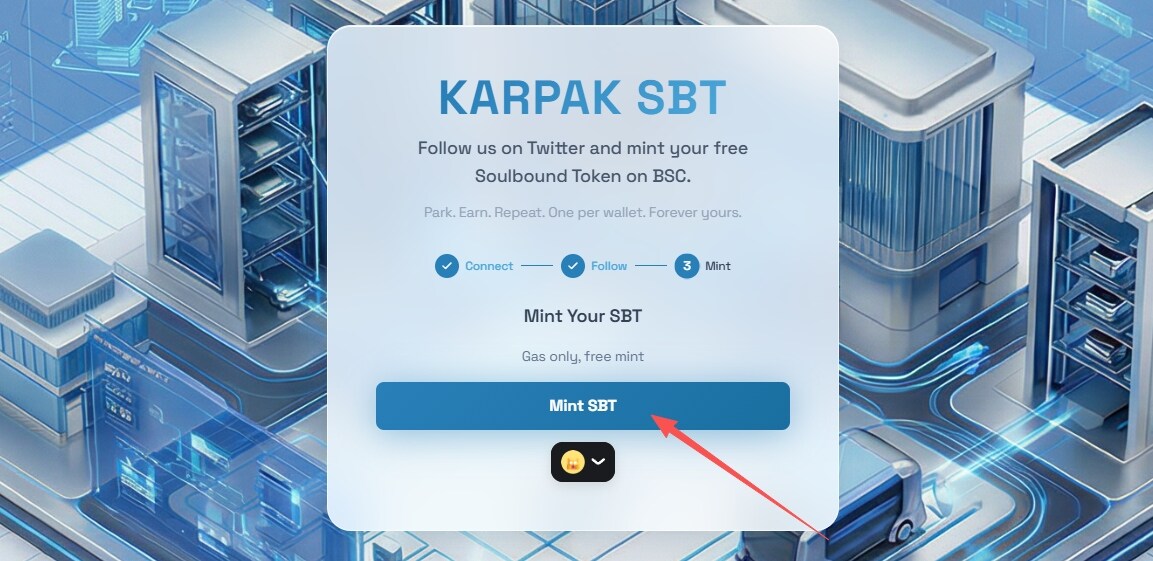
STEP 1. Go to the official website (https://sbt.karpak.xyz/), connect your wallet (as it's an early project, it is recommended to use a wallet with minimal funds for airdrop hunting, be cautious of account theft).
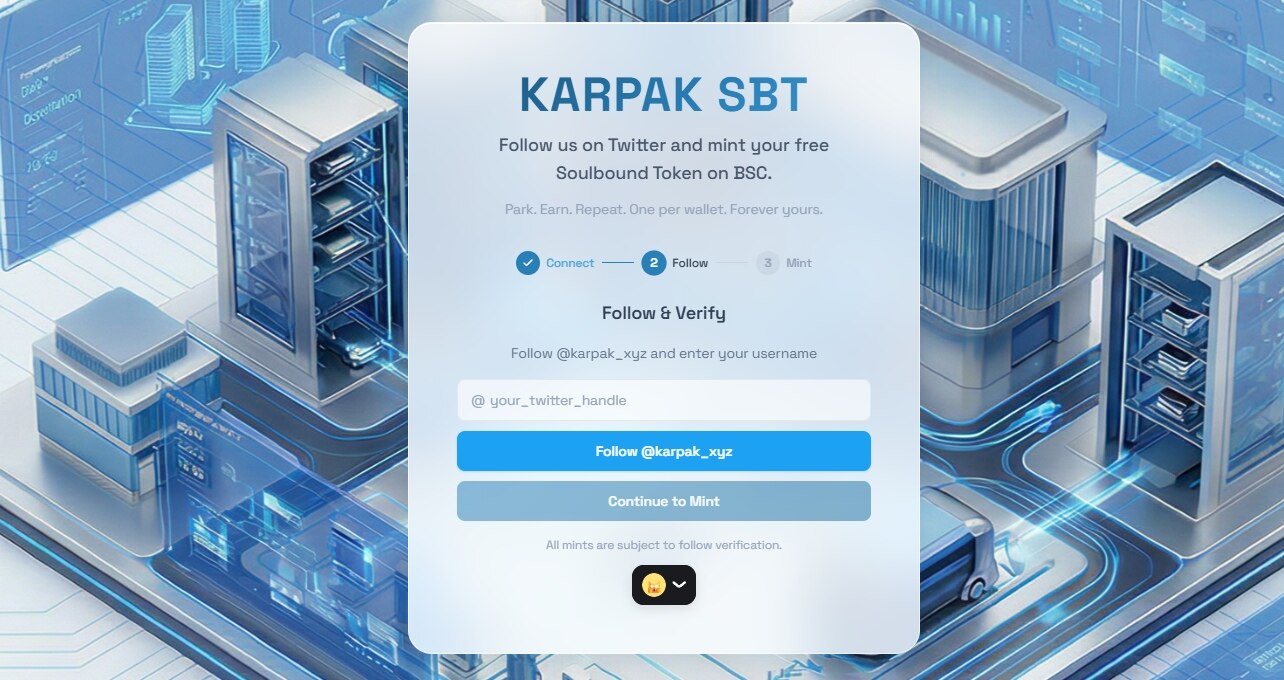
STEP 2. Enter your X account information and follow the official X account.
STEP 3. Pay a small amount of Gas (on BNB Chain) to complete the minting.
Pixie Chess: A Web3 Chess Game

Project Introduction
Pixie Chess is a Web3 chess game that combines classic chess strategy, trading card game (TCG) mechanics, and cryptocurrency economic incentives, themed as "Magical Chess for Real Money". On April 3rd, Pixie Chess announced the completion of a $5.2 million seed funding round led by Paradigm.

Interaction Tutorial

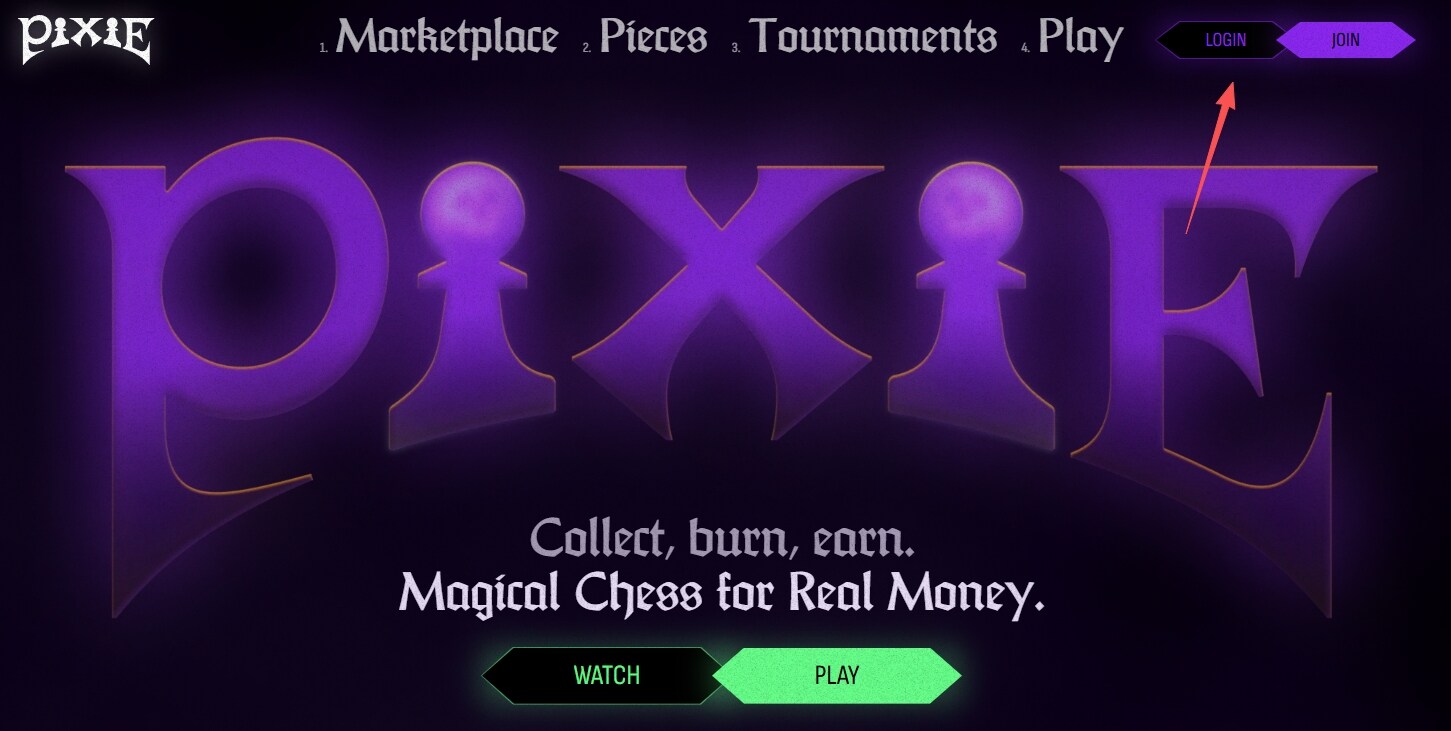
STEP 1. Go to the official website (link: https://www.pixiechess.xyz/), click "LOGIN" and log in by connecting your wallet.
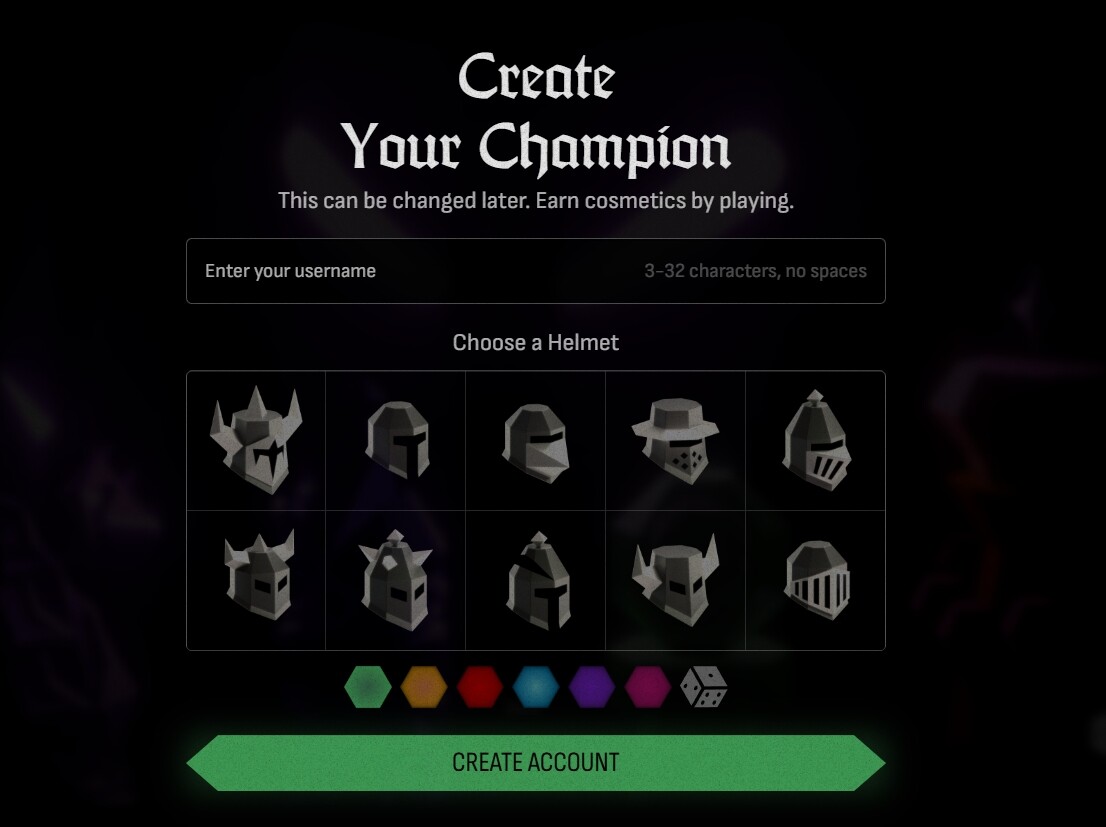
STEP 2. Enter a nickname and choose a helmet to complete character creation.
STEP 3. Select a mode and start the game (includes a video tutorial).

Perguntas relacionadas

QWhat is Cascade and what services does it offer?

ACascade is an encrypted brokerage firm that offers a 24/7 brokerage-style application supporting perpetual contract trading for cryptocurrencies, U.S. stocks, and private assets. Users can link their bank accounts to conduct perpetual trading, borrow against their portfolios, and transfer assets within a single margin account.

QWhat recent milestone did Cascade achieve as mentioned in the article?

ACascade launched its private beta version on April 8th, as announced on their X platform.

QWhat is KARPAK and how does it tokenize real-world behavior?

AKARPAK is a DePIN project that tokenizes real-world parking behavior by converting data such as parking duration, location, and fees into on-chain, verifiable data assets. This data acts as proof-of-work and can be tokenized to generate income, participate in network governance, or earn rewards.

QWhat can users do by minting a KARPAK SBT?

ABy minting a KARPAK Soulbound Token (SBT), users can prove they are early participants in the project and qualify for profit-sharing benefits.

QWhat is Pixie Chess and what makes it unique in the gaming space?

APixie Chess is a Web3 chess game that combines classic chess strategy, trading card game (TCG) mechanics, and cryptocurrency economic incentives. Its unique theme is 'Magical Chess for Real Money,' and it recently raised $5.2 million in a seed round led by Paradigm.

Leituras Relacionadas

Amidst Capital's Encirclement, Decentralization is the Sole Defense for Public Blockchains

In a landscape dominated by power and profit motives, the author argues that decentralization is not merely one desirable feature among many in blockchain design—it is the singular, non-negotiable defense against corporate and capital capture. The article adopts a Machiavellian, realist perspective on human institutions, positing that businesses will inevitably attempt to co-opt any valuable network to protect their profits and dominance. While external attacks like 51% forks are often discussed, the greater existential risk is internal capture—the gradual erosion of a protocol’s neutrality by vested interests, as seen historically with platforms like Visa and Google. The piece critiques permissioned chains, highly centralized “permissionless” layer-1s, and layer-2s without sufficient decentralization (e.g., single sequencers) as inherently vulnerable. These compromised systems, promoted by established financial players, are framed as delaying tactics to stifle truly open networks that threaten existing high-fee, inefficient business models. Real-world examples, such as closed enterprise consortiums that exclude competitors, illustrate how such systems cement oligopolies rather than foster innovation. The author concludes that while decentralized protocols like Ethereum are imperfect and costly to operate, they represent the only viable long-term equilibrium. In a market where value naturally flows to the most secure and neutral settlement layer, only maximally decentralized public blockchains can resist being subsumed by capital and powerful incumbents.

Foresight NewsHá 11m

Amidst Capital's Encirclement, Decentralization is the Sole Defense for Public Blockchains

Foresight NewsHá 11m

Who Decides the Rules of Bitcoin? BIP-110 Ignites Governance Debate

Bitcoin's governance is once again at the center of a heated debate, this time ignited by BIP-110, the "Reduced Data Temporary Softfork." This proposal aims to curb non-monetary data (like inscriptions and Runes) by introducing seven new consensus-layer restrictions over a year, such as limiting new output scripts to 34 bytes and restoring the OP_RETURN cap to 83 bytes. The controversy stems from BIP-110's fundamental shift: it moves the battle against "spam" from node relay and miner policies to the consensus layer, rendering currently valid transactions invalid. Supporters, arguing that default policy governance has failed (highlighted by Bitcoin Core v30's relaxation of OP_RETURN limits), see this as necessary to protect node resources and Bitcoin's monetary focus. Opponents, led by figures like Michael Saylor and Adam Back, warn it dangerously centralizes governance. Saylor listed 110 reasons against it, criticizing its low 55% miner activation threshold and potential for chain splits. Back emphasized Bitcoin's "permissionless" ethos, arguing no single group should impose value judgments via consensus rules. Further complicating matters, technical critiques suggest BIP-110 may be technically circumventable, and a "BlockSlop" vulnerability in its upgrade path poses a consensus risk. The debate has drawn in diverse stakeholders: miners (with pools like Ocean signaling support and Foundry polling clients), node operators (like Bitcoin Knots), and new players like corporate treasury holder MicroStrategy (Saylor), whose market influence adds a novel dimension. Ultimately, BIP-110 acts as a governance stress test, exposing the unresolved question: who decides Bitcoin's rules? It pits the authority of miners, node operators, developers, and capital holders against each other, with each side claiming to defend Bitcoin's core principles of neutrality and security.

marsbitHá 28m

Who Decides the Rules of Bitcoin? BIP-110 Ignites Governance Debate

marsbitHá 28m

Who Decides Bitcoin's Rules? BIP-110 Ignites Governance Debate

Title: Who Decides Bitcoin's Rules? BIP-110 Ignites Governance Debate A new technical proposal, BIP-110 (Reduced Data Temporary Softfork), has sparked a fundamental governance debate within the Bitcoin community. It aims to impose new consensus rules for one year to limit non-financial data (like inscriptions and Runes) on-chain, moving beyond simple node and miner policy filters to invalidate currently valid transactions. Supporters argue that default policies have failed due to workarounds, necessitating consensus-layer changes to protect Bitcoin's core monetary function from data spam. Critics, including Michael Saylor and Adam Back, contend this dangerously centralizes judgment, undermines permissionlessness, and sets a risky governance precedent. They advocate for market-based solutions like fees or Layer 2s instead. The debate exposes deeper tensions: miners are divided on activation; node operators assert their sovereignty; Bitcoin Core developers influence defaults without direct accountability; and large corporate holders like MicroStrategy now wield narrative influence. Technically, BIP-110 may not fully block data and carries a disclosed consensus bug risk. Ultimately, BIP-110 acts as a stress test, forcing the community to confront the unresolved question: who legitimately decides what Bitcoin is and how it evolves, amidst competing claims from miners, nodes, developers, and capital holders.

链捕手Há 40m

Who Decides Bitcoin's Rules? BIP-110 Ignites Governance Debate

链捕手Há 40m

Zcash's New Node Zakura Goes Live: Privacy Payments Can Reach 50,000 TPS, Aiming to Rival Visa and Mastercard

Zcash, a privacy-focused cryptocurrency, has launched a new full node software called Zakura version 1.0.0. Developed by Zcash co-founder Sean Bowe and Dev Ojha, with private ZEC donations, its goal is to enable Zcash to process over 50,000 transactions per second (TPS)—matching the scale of Visa and Mastercard—while maintaining full transaction privacy and verifiability. This addresses a key bottleneck, as Zcash currently handles only about 1 private transaction per second. Zakura is a fork of the Zcash Foundation's Zebra node. It features chain pruning and snapshots, reducing disk usage and allowing new nodes to sync in under two minutes. It also offers compatibility with the legacy `zcashd` client interface. The scalability challenge stems from the large data size of privacy proofs. Bowe's Tachyon project aims to use recursive proofs to reduce consensus-layer data needs from ~500 MB/s to ~100 MB/s. For wallet scalability, Valar Group is researching Private Information Retrieval (PIR) tech to allow wallets to fetch their data privately. Zakura supports fast block propagation and the upcoming "Ironwood" network upgrade (NU6.3), scheduled for activation around July 28th. Ironwood was created to contain a critical inflation bug discovered in the Orchard shielded pool in May 2024. The fix uses "turnstiles" to trap any counterfeit ZEC created during the vulnerability period within the shielded pool, preventing it from entering circulation and restoring supply integrity.

marsbitHá 55m

Zcash's New Node Zakura Goes Live: Privacy Payments Can Reach 50,000 TPS, Aiming to Rival Visa and Mastercard

marsbitHá 55m

Trading

Spot
活动图片