Hot Interaction Collection | Cascade Private Beta is Live; KARPAK Mints SBT (April 10th)

Odaily星球日报Publicado em 2026-04-10Última atualização em 2026-04-10

Resumo

**Hot Interaction Roundup: Cascade Private Beta Launches; KARPAK Mints SBTs (April 10)** **Cascade: 24/7 Stock and Crypto Perpetual Trading** Cascade is a crypto brokerage offering a trading app that operates 24/7, enabling users to trade cryptocurrencies, U.S. stocks, and private assets via perpetual contracts. Users can link their bank accounts and manage perpetual trading, portfolio-backed loans, and asset transfers within a single margin account. The platform has launched its private beta. Users can register via its official website using their X account and Google email, and join its Discord community. **KARPAK: Tokenizing Real-World Parking with DePIN** KARPAK is a DePIN project that converts real-world parking activities into on-chain, verifiable data assets. Parking data—such as duration, location, and cost—is collected, verified, and tokenized, allowing users to earn rewards, participate in governance, or receive revenue shares. The project has now launched its Soulbound Token (SBT). Users can mint the SBT by connecting a wallet (on BNB Chain), following KARPAK’s X account, and paying a small gas fee. **Pixie Chess: Web3 Chess with Crypto Incentives** Pixie Chess is a Web3 game combining classic chess, trading card mechanics, and crypto-economic incentives. It recently secured $5.2 million in seed funding led by Paradigm. Users can log in via wallet, create a profile, and choose gameplay modes, with video tutorials available to help them get started.

Original | Odaily Planet Daily (@OdailyChina)

Author | Asher (@Asher_ 0210)

Cascade: 24/7 US Stock Trading + Crypto Perpetual Contract Trading

Project Introduction

Cascade is an encrypted brokerage firm offering a brokerage-style trading app that operates 24/7, supporting perpetual contract trading for cryptocurrencies, US stocks, and private assets. Users can directly link their bank accounts to complete perpetual trading, portfolio-backed lending, and asset transfers within a single margin account.

According to ROOTDATA data, Citrea raised $15 million in funding, with investments from Polychain, Coinbase Ventures, and others.

On April 8th, Cascade announced on platform X the launch of the Cascade private beta.

Interaction Tutorial

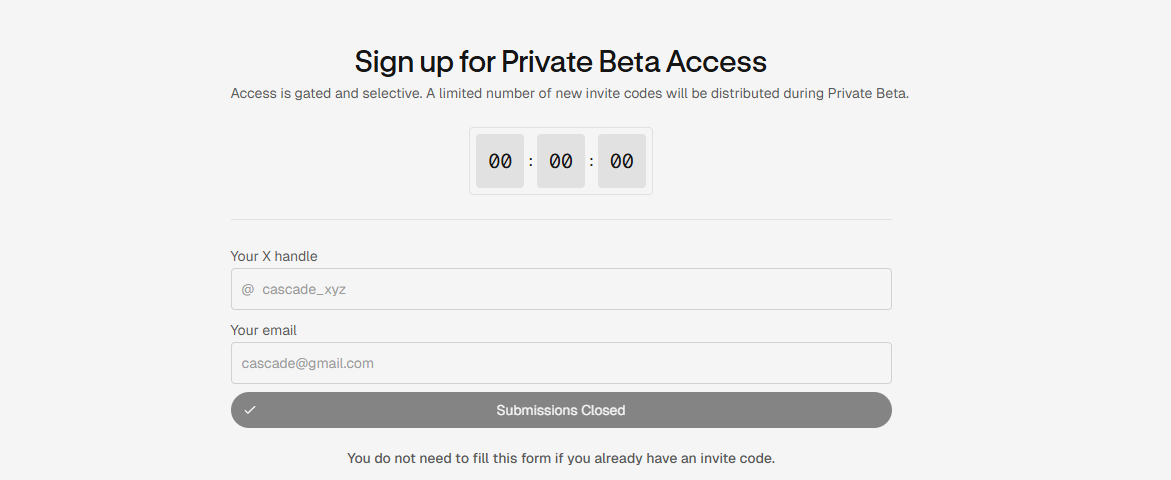
STEP 1. Go to the official website (link: https://cascade.xyz/join), fill in your X account and Google email to complete registration.
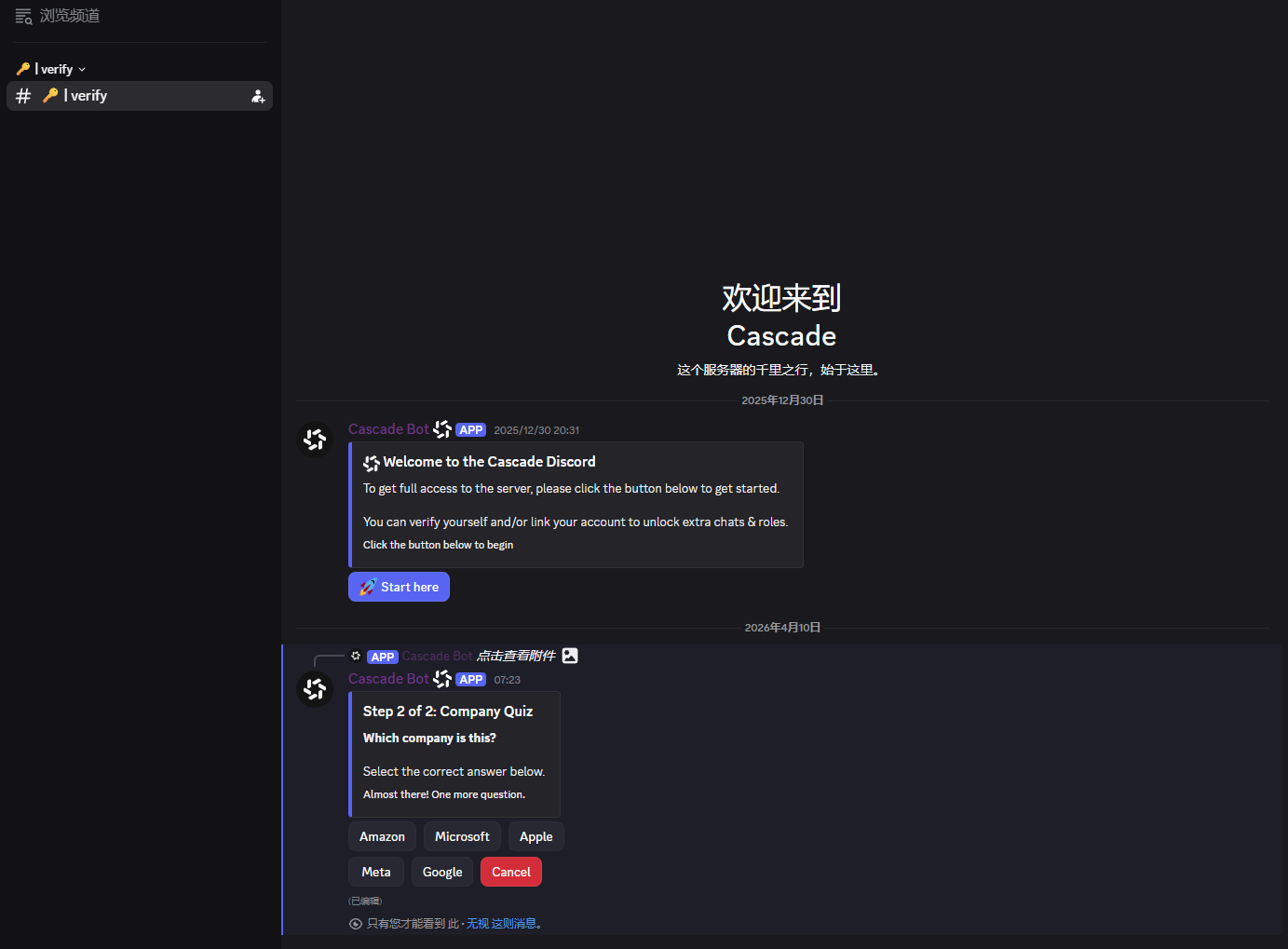
STEP 2. Join the official Discord community (link: https://discord.gg/cascade-xyz).
KARPAK: A DePIN Project Tokenizing Real-World Parking Behavior

Project Introduction

KARPAK is a DePIN project that tokenizes real-world parking behavior, transforming daily urban parking activities into on-chain verifiable data assets and proof-of-work. In other words, data generated when users park (parking duration, location, cost, etc.) is collected, verified, and put on-chain, becoming tokenizable signals that can generate income, participate in network governance, or earn rewards.

On April 8th, KARPAK announced on platform X that the KARPAK SBT is now live, users can mint a proof of being an early project participant and qualify for profit sharing.

Interaction Tutorial

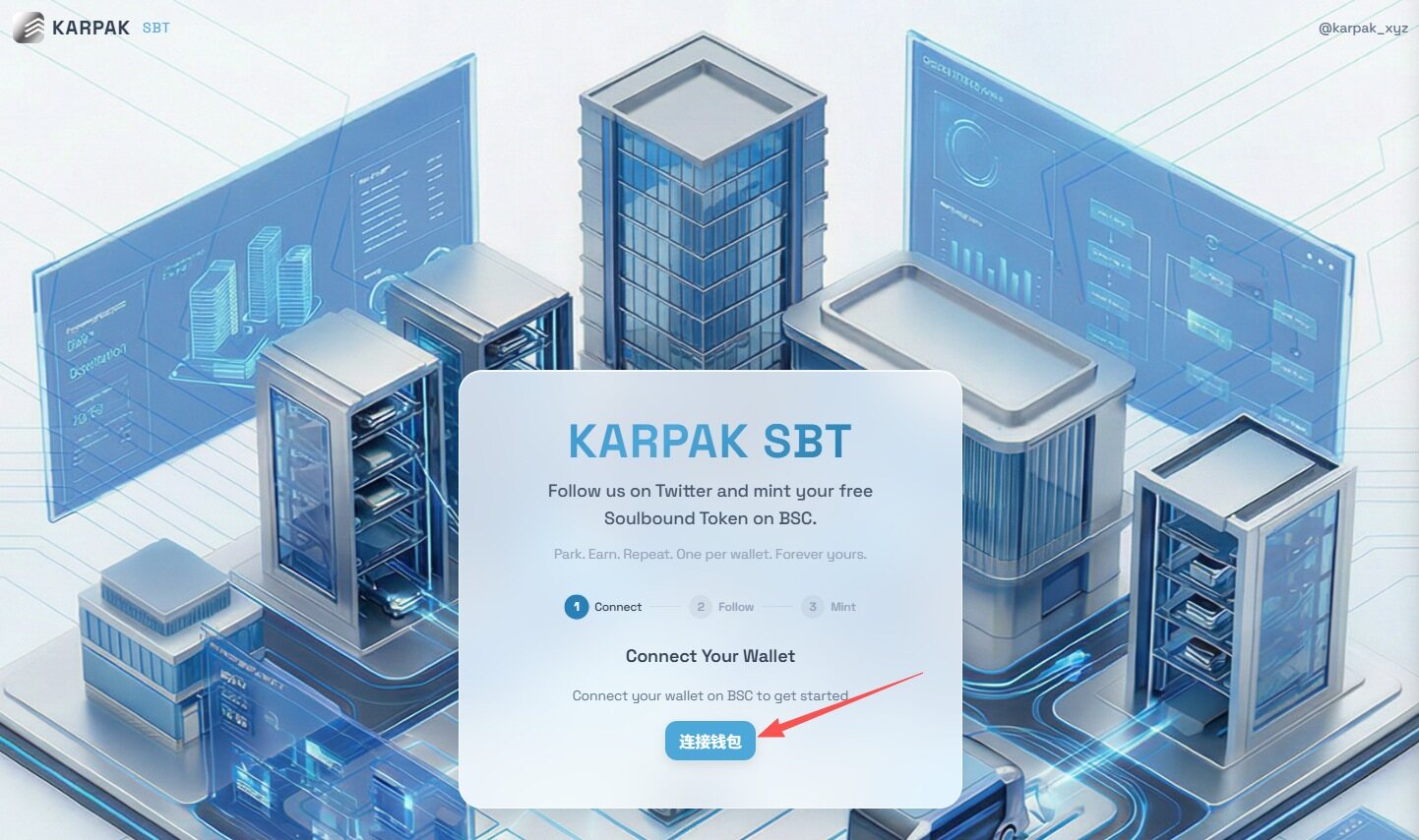
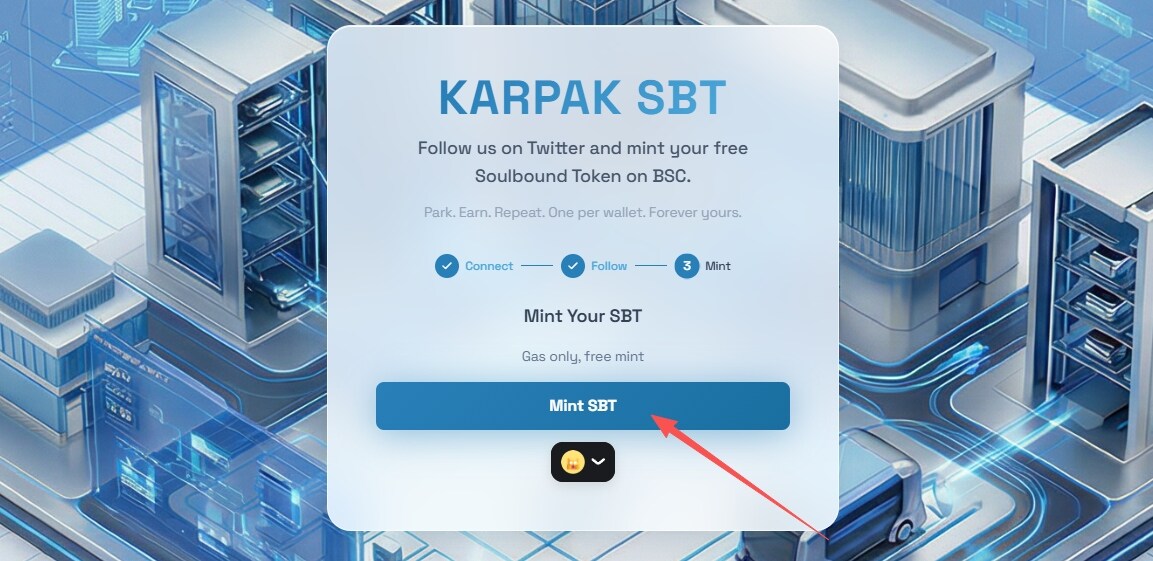
STEP 1. Go to the official website (https://sbt.karpak.xyz/), connect your wallet (as it's an early project, it is recommended to use a wallet with minimal funds for airdrop hunting, be cautious of account theft).
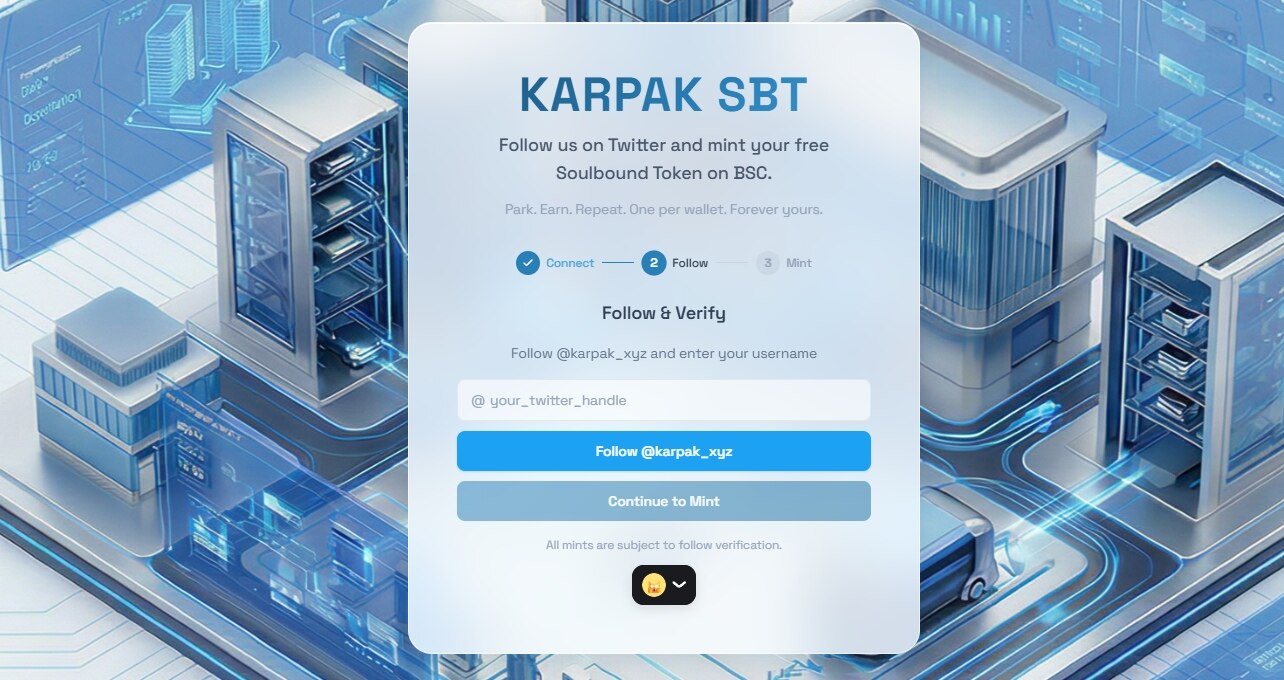
STEP 2. Enter your X account information and follow the official X account.
STEP 3. Pay a small amount of Gas (on BNB Chain) to complete the minting.
Pixie Chess: A Web3 Chess Game

Project Introduction
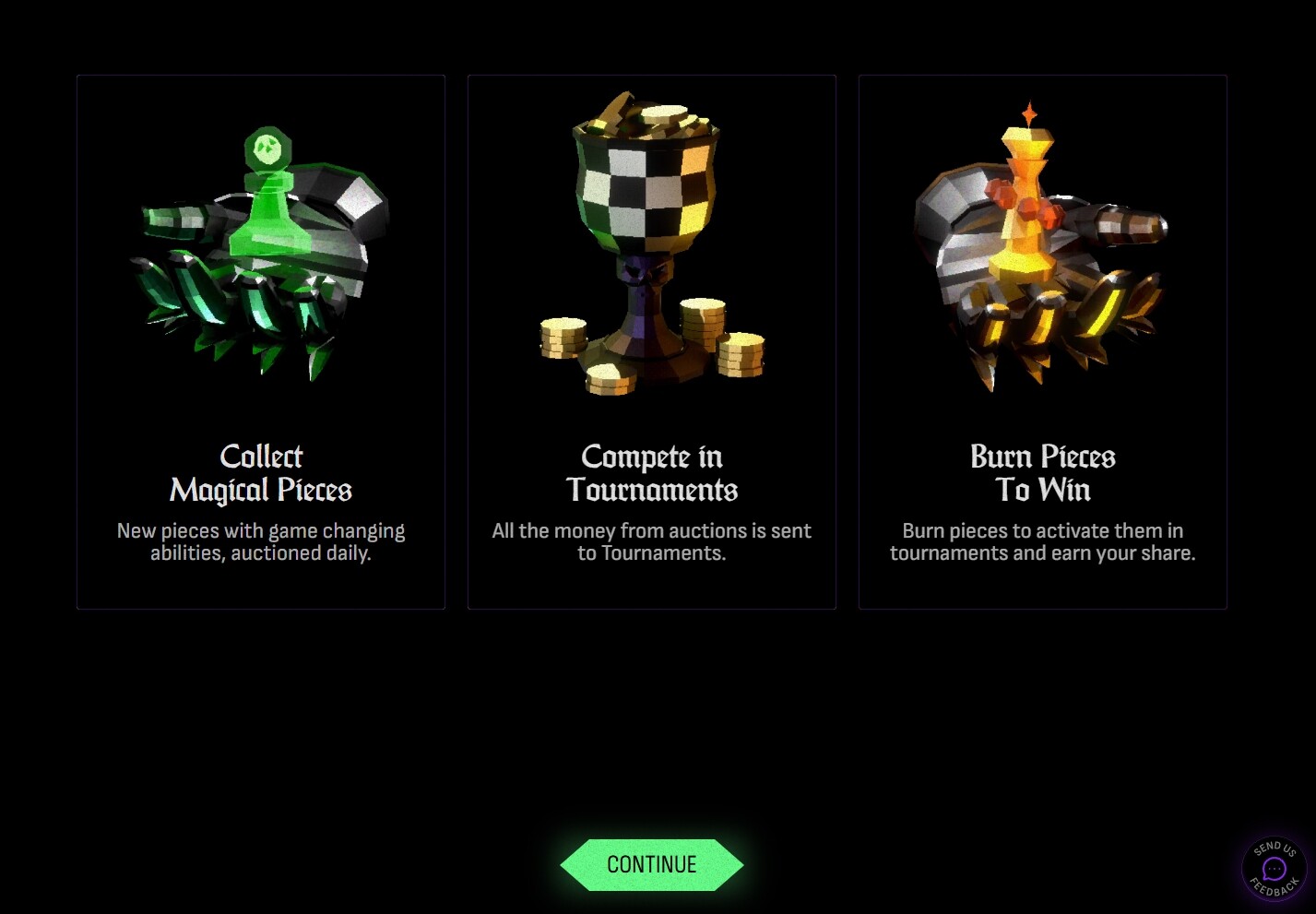
Pixie Chess is a Web3 chess game that combines classic chess strategy, trading card game (TCG) mechanics, and cryptocurrency economic incentives, themed as "Magical Chess for Real Money". On April 3rd, Pixie Chess announced the completion of a $5.2 million seed funding round led by Paradigm.

Interaction Tutorial

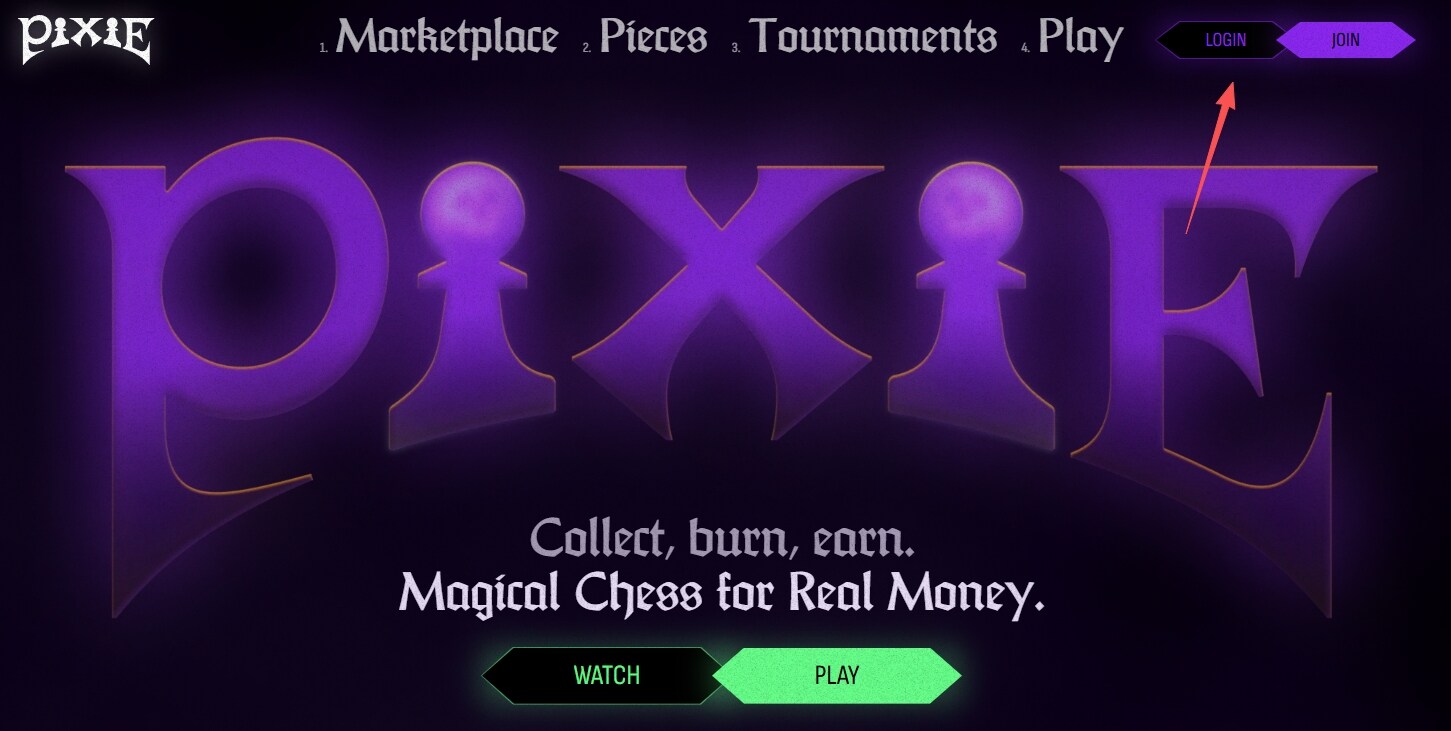
STEP 1. Go to the official website (link: https://www.pixiechess.xyz/), click "LOGIN" and log in by connecting your wallet.
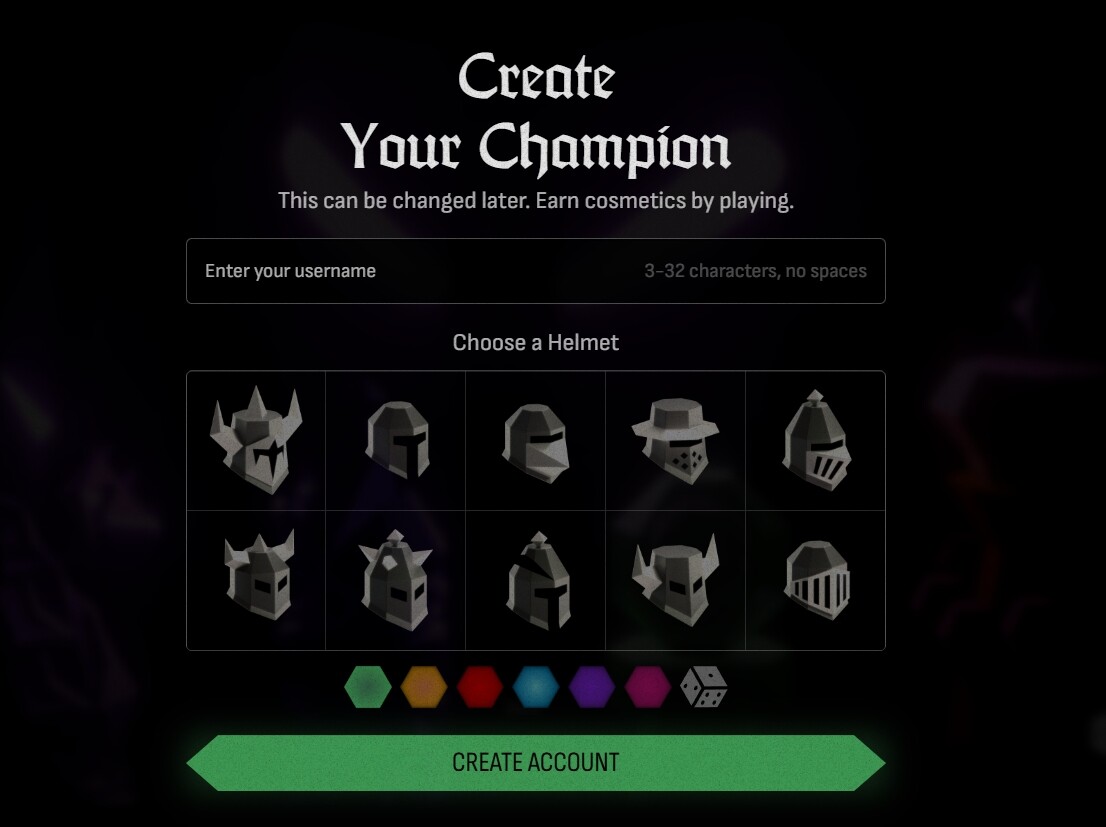
STEP 2. Enter a nickname and choose a helmet to complete character creation.
STEP 3. Select a mode and start the game (includes a video tutorial).
Perguntas relacionadas

QWhat is Cascade and what services does it offer?

ACascade is an encrypted brokerage firm that offers a 24/7 brokerage-style application supporting perpetual contract trading for cryptocurrencies, U.S. stocks, and private assets. Users can link their bank accounts to conduct perpetual trading, borrow against their portfolios, and transfer assets within a single margin account.

QWhat recent milestone did Cascade achieve as mentioned in the article?

ACascade launched its private beta version on April 8th, as announced on their X platform.

QWhat is KARPAK and how does it tokenize real-world behavior?

AKARPAK is a DePIN project that tokenizes real-world parking behavior by converting data such as parking duration, location, and fees into on-chain, verifiable data assets. This data acts as proof-of-work and can be tokenized to generate income, participate in network governance, or earn rewards.

QWhat can users do by minting a KARPAK SBT?

ABy minting a KARPAK Soulbound Token (SBT), users can prove they are early participants in the project and qualify for profit-sharing benefits.

QWhat is Pixie Chess and what makes it unique in the gaming space?

APixie Chess is a Web3 chess game that combines classic chess strategy, trading card game (TCG) mechanics, and cryptocurrency economic incentives. Its unique theme is 'Magical Chess for Real Money,' and it recently raised $5.2 million in a seed round led by Paradigm.

Leituras Relacionadas

Gensyn AI: Don't Let AI Repeat the Mistakes of the Internet

In recent months, the rapid growth of the AI industry has attracted significant talent from the crypto sector. A persistent question among researchers intersecting both fields is whether blockchain can become a foundational part of AI infrastructure. While many previous AI and Crypto projects focused on application layers (like AI Agents, on-chain reasoning, data markets, and compute rentals), few achieved viable commercial models. Gensyn differentiates itself by targeting the most critical and expensive layer of AI: model training. Gensyn aims to organize globally distributed GPU resources into an open AI training network. Developers can submit training tasks, nodes provide computational power, and the network verifies results while distributing incentives. The core issue addressed is not decentralization for its own sake, but the increasing centralization of compute power among tech giants. In the era of large models, access to GPUs (like the H100) has become a decisive bottleneck, dictating the pace of AI development. Major AI companies are heavily dependent on large cloud providers for compute resources. Gensyn's approach is significant for several reasons: 1) It operates at the core infrastructure layer (model training), the most resource-intensive and technically demanding part of the AI value chain. 2) It proposes a more open, collaborative model for compute, potentially increasing resource utilization by dynamically pooling idle GPUs, similar to early cloud computing logic. 3) Its technical moat lies in solving complex challenges like verifying training results, ensuring node honesty, and maintaining reliability in a distributed environment—making it more of a deep-tech infrastructure company. 4) It targets a validated, high-growth market with genuine demand, rather than pursuing blockchain integration without purpose. Ultimately, the boundaries between Crypto and AI are blurring. AI requires global resource coordination, incentive mechanisms, and collaborative systems—areas where crypto-native solutions excel. Gensyn represents a step toward making advanced training capabilities more accessible and collaborative, moving beyond a niche controlled by a few giants. If successful, it could evolve into a fundamental piece of AI infrastructure, where the most enduring value in the AI era is often created.

marsbitHá 6h

Gensyn AI: Don't Let AI Repeat the Mistakes of the Internet

marsbitHá 6h

Why is China's AI Developing So Fast? The Answer Lies Inside the Labs

A US researcher's visit to China's top AI labs reveals distinct cultural and organizational factors driving China's rapid AI development. While talent, data, and compute are similar to the West, Chinese labs excel through a pragmatic, execution-focused culture: less emphasis on individual stardom and conceptual debate, and more on teamwork, engineering optimization, and mastering the full tech stack. A key advantage is the integration of young students and researchers who approach model-building with fresh perspectives and low ego, prioritizing collective progress over personal credit. This contrasts with the US culture of self-promotion and "star scientist" narratives. Chinese labs also exhibit a strong "build, don't buy" mentality, preferring to develop core capabilities—like data pipelines and environments—in-house rather than relying on external services. The ecosystem feels more collaborative than tribal, with mutual respect among labs. While government support exists, its scale is unclear, and technical decisions appear driven by labs, not state mandates. Chinese companies across sectors, from platforms to consumer tech, are building their own foundational models to control their tech destiny, reflecting a broader cultural drive for technological sovereignty. Demand for AI is emerging, with spending patterns potentially mirroring cloud infrastructure more than traditional SaaS. Despite challenges like a less mature data industry and GPU shortages, Chinese labs are propelled by vast talent, rapid iteration, and deep integration with the open-source community. The competition is evolving beyond a pure model race into a contest of organizational execution, developer ecosystems, and industrial pragmatism.

marsbitHá 8h

Why is China's AI Developing So Fast? The Answer Lies Inside the Labs

marsbitHá 8h

3 Years, 5 Times: The Rebirth of a Century-Old Glass Factory

Corning, a 175-year-old glass company, is experiencing a dramatic revival as a key player in AI infrastructure, driven by surging demand for high-performance optical fiber in data centers. AI data centers require vastly more fiber than traditional ones—5 to 10 times as much per rack—to handle high-speed data transmission between GPUs. This structural demand shift, coupled with supply constraints from the lengthy expansion cycle for fiber preforms, has created a significant supply-demand gap. Nvidia has invested in Corning, along with Lumentum and Coherent, in a $4.5 billion total commitment to secure the optical supply chain for AI. Corning's competitive edge lies in its expertise in producing ultra-low-loss, high-density, and bend-resistant specialty fiber, which is critical for 800G+ and future 1.6T data rates. Its deep involvement in co-packaged optics (CPO) with partners like Nvidia further solidifies its position. While not the largest fiber manufacturer globally, Corning's revenue from enterprise/data center clients now exceeds 40% of its optical communications sales, and it has secured multi-year supply agreements with major hyperscalers including Meta and Nvidia. Financially, Corning's optical communications revenue has surged, doubling from $1.3 billion in 2023 to over $3 billion in 2025. Its stock price has risen nearly 6-fold since late 2023. Key future catalysts include the rollout of Nvidia's CPO products and the scale of undisclosed customer agreements. However, risks include high current valuations and potential disruption from next-generation technologies like hollow-core fiber. The company's long-term bet on light over electricity, maintained even through the telecom bubble crash, is now being validated by the AI boom.

marsbitHá 8h

3 Years, 5 Times: The Rebirth of a Century-Old Glass Factory

marsbitHá 8h

Trading

Spot
Futuros
活动图片





