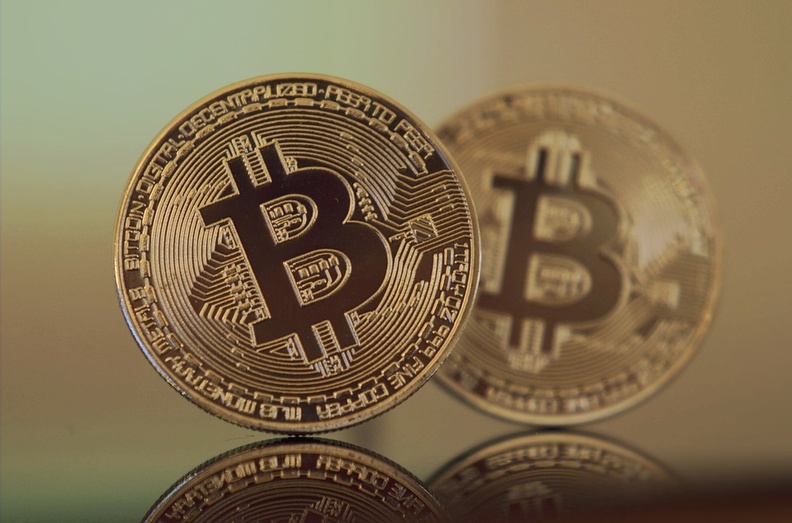
Has BTC's 'Digital Gold' Narrative Failed?

链捕手Publicado em 2026-06-07Última atualização em 2026-06-07

Resumo

The article discusses Bitcoin's "digital gold" narrative, its recent price drop, and long-term outlook through the perspective of "Jason". It argues the narrative is not a failure but that Bitcoin represents a superior, new asset class due to its fixed supply (21 million), portability, and auditability. The piece compares its current ~3-4% global adoption rate to early internet/e-commerce, suggesting significant growth potential. Regarding the 2025-2026 price decline (from ~$126k to briefly under $61k), the author views it as a predictable, consensus-driven sell-off within Bitcoin's ~4-year cycle post-halving, exacerbated by a major "handover" from early, low-cost holders to new institutional buyers via ETFs. A key observation is that historical peak-to-trough drawdowns have lessened over time (e.g., 93% in 2011 to ~50% in 2026), indicating maturing volatility as holder structure changes. For the long term, the author uses a simple framework: Bitcoin's total market cap (~$1.4T at $70k) is only about 7% of gold's (~$20T). Even capturing 30-50% of gold's value would imply substantial upside. However, the article strongly cautions against viewing this as investment advice, emphasizing extreme volatility and the critical importance of risk management, position sizing, and deep fundamental understanding to survive severe drawdowns. It concludes by drawing a parallel to Amazon's 95% crash in 2000 and subsequent 42x recovery, stressing that the key is surviving market cycles to re...

Author: @wuk_Bitcoin

This article is not about predictions or macro narratives. From Jason's perspective, it focuses on three things:

  • How to view Bitcoin as an asset;
  • How to understand this round of decline;
  • How to view Bitcoin's medium to long-term development going forward.

It must be clarified that this is not investment advice, but a framework for thinking. Before any investment, ask yourself one thing: Can you bear the corresponding risks?

First: How to View Bitcoin as an Asset

I still believe Bitcoin is an entirely new asset class and, in the long run, a superior 'gold' asset.

(1) It has a finite supply of 21 million coins, written in code, and no one can change it. Gold has annual new production; Bitcoin does not.

(2) Extremely transferable. Moving $100 million worth of gold from one country to another requires armed transport; moving $100 million worth of Bitcoin requires only a private key. In an era of increasing geopolitical and global uncertainty, the transferability of an asset itself carries a premium.

(3) Auditable. Every Bitcoin transaction is on the blockchain, verifiable by anyone. With gold reserves, you must trust central bank reports. In fact, the U.S. gold reserves haven't undergone a true third-party independent audit for many years.

Some might say, isn't Bitcoin mainly used in the grey market? That view is outdated. More and more countries and financial centers are legislating and regulating, squeezing out the grey areas. Historically, most disruptive technologies have followed this path—early internet, early electronic payments—first chaotic, then regulated. Another key number: global digital currency penetration today is roughly 3%-4%. You can compare this to the internet's penetration of about 5% during the 2000 bubble burst, or e-commerce penetration in China at about 3% when Alibaba went public in 2014, reaching 60% a decade later.

I'm not saying Bitcoin will necessarily replicate this curve. But if you believe this is a real, long-term valuable asset class, then 3%-4% means it's still very early. Early means opportunity, but also means volatility will be enormous!

Second: How to Understand This Round of Decline

First, the facts: Bitcoin peaked in October 2025 near $126,000. It declined steadily over the next four months, most sharply on February 5-6, 2026, with a single-day drop of 15%, briefly falling below $61,000. The Fear & Greed Index dropped to single digits, an extreme zone that has only appeared a few times in history. The next day, it rebounded 11%, reclaiming $70,000.

This is Bitcoin. Its volatility is several times that of traditional assets. If a 15% daily drop keeps you awake at night, this asset may truly not be for you. It's not a question of capability, but of nerve.

So why the drop? My judgment is that this is a cyclical sell-off under high consensus. Bitcoin has a very clear four-year cycle due to its halving mechanism every four years. Historically, a cyclical high occurs 12-18 months after each halving, followed by a correction. The last halving was in April 2024, peaking in October 2025—about 18 months, almost perfectly matching history. This isn't superstition; it's consensus. And consensus means experienced players who have been through multiple cycles will systematically begin selling during this period to lock in profits. Long-term bullishness and periodic selling are never contradictory. Gold fell 45% from $1,900 in 2011 to $1,050 in 2015, only to later rise to nearly $5,000 today.

The truly different aspect this round is ETFs and turnover. The U.S. approval of Bitcoin ETFs in 2024 is indeed important, as it provided a compliant entry point for a large amount of institutional capital. But many overlook this: ETFs brought in new buyers but didn't force old buyers to sell out beforehand. Past Bitcoin holders were mainly two groups: early miners and the first believers (OGs), with extremely low costs—some even a few hundred dollars. When Bitcoin saw a wave of institutional buying, surging to $120,000, would you, if you were them, sell? Very likely. So I believe this round is not about Bitcoin failing, but about the historic turnover Bitcoin must undergo before becoming a mainstream asset: from early believers to long-term, allocation-focused institutions. ETFs are just the first step, and the turnover may not be over.

A frequently overlooked pattern: if you look at Bitcoin's major historical drawdowns together, you'll find an interesting phenomenon.

2011: $32 to $2, a 93% drop

2013-2015: $1,100 to $170, an 85% drop

2017-2018: ~$20,000 to $3,200, an 84% drop

2021-2022: $69,000 to $15,500, a 77% drop

2025-2026 (so far): ~50% drop

The magnitude of each cycle's drop is narrowing. This usually means one thing: the asset is maturing, volatility is decreasing because the holder structure is changing. Of course, a 50% drawdown is still huge, but this isn't a bug; it's a feature. High volatility is the price you pay for potentially superior returns. If Bitcoin only had 5% volatility, its long-term returns would likely be similar to government bonds.

Third: How to View the Long Term?

I have a simple framework: if you believe Bitcoin is digital gold, its long-term value should be benchmarked against physical gold. Today, gold's market cap is roughly $20 trillion. Bitcoin at $70,000 has a total market cap of about $1.4 trillion, equivalent to only 7% of gold's. Even if this narrative is only half realized, and Bitcoin reaches 30%-50% of gold's market cap, the upside from today remains significant.

But I need to tell you two things honestly: I am not advising you to buy now. The turnover may not be over; the short-term market remains fragile. 50% might not be the bottom; it might be. No one knows; those who claim to know are wizards. This is still not investment advice. Digital assets' volatility isn't suitable for most people.

What is the real risk? Some ask if Bitcoin could go to zero. Personally, I think the probability of it going to zero is lower than the probability of it eventually reaching half of gold's market cap. The real risk often isn't the asset itself, but two things:

(1) Your position sizing. If you go all-in, use leverage, or use money you shouldn't, even if Bitcoin rises 10x in the future, you might be forced out along the way, and in the ugliest manner.

(2) Your depth of understanding of the asset. If you're just buying because someone said it will go up, you definitely won't hold through a 50% drop. Only by truly understanding its underlying logic can you remain rational during a crash.

Let's do simple math: if this cycle mirrors the last one with a 75% drop from peak to trough, and you bought after a 50% drop, could you withstand another 50% drop from your entry? This isn't prediction; it's arithmetic.

A Final Comparison

In 2000, a company we all know well saw its stock price drop from $113 to $5.5, a 95% decline. At that time, everyone said the internet bubble had burst, e-commerce was over. Today, that company's stock is around $240, roughly a 42x increase from that low. It's called Amazon. In hindsight, it's easy, but the premise is: you have to survive until that day.

The same goes for Bitcoin. The long-term logic hasn't changed, but the short-term volatility is enough to wipe out anyone who doesn't manage their position. So what truly matters is never whether it will rise, but whether you can survive long enough for it to rise.

Finally, a question: When gold is up 60% and Bitcoin is down 50%, do you think this means the digital gold narrative has failed, or does it show this round of turnover isn't over yet? Is Bitcoin evolving from a speculative asset to an allocation asset? Or is it essentially just speculation?

How you answer reveals your most fundamental belief about this asset class.

Perguntas relacionadas

QAccording to the article, what are the three key aspects that Bitcoin's superiority over physical gold is based on?

AThe article states Bitcoin's superiority over physical gold is based on three key aspects: (1) Its strictly limited supply of 21 million coins, coded and unchangeable, unlike gold which has new annual mining output. (2) Its superior portability—transferring a large sum requires only a private key versus physical, secured transport for gold. (3) Its auditability, as all transactions are on a public blockchain, unlike gold reserves which rely on potentially unaudited central bank reports.

QHow does the author explain the reason behind Bitcoin's significant price drop from its 2025 peak?

AThe author explains the price drop as a 'highly consensual cyclical sell-off.' It aligns with Bitcoin's historical four-year cycle tied to halving events. Following the 2024 halving, the peak in October 2025 roughly fit the 12-18 month pattern. The approval of Bitcoin ETFs in 2024 brought new institutional buyers but did not force early holders (like miners and OGs with very low cost bases) to sell. The price surge to ~$126k provided a prime opportunity for these early holders to take profits, leading to a 'historic great handover' from early believers to long-term institutional investors, which may still be ongoing.

QWhat trend does the author observe when comparing the magnitude of Bitcoin's historical major price drawdowns?

AThe author observes that the magnitude of Bitcoin's major historical drawdowns has been decreasing: 93% (2011), 85% (2013-2015), 84% (2017-2018), 77% (2021-2022), and approximately 50% (2025-2026 so far). This trend suggests the asset is maturing, with volatility decreasing as the holder base broadens and changes structure.

QWhat does the author identify as the two biggest risks for an investor in Bitcoin, rather than the asset itself going to zero?

AThe author identifies the two biggest risks as: (1) The investor's position sizing and use of leverage. Using all-in strategies, leverage, or essential funds can force an investor out of the market during volatility, even if Bitcoin's long-term trend is upward. (2) The depth of the investor's understanding of the asset. Without a fundamental grasp of Bitcoin's logic, an investor is unlikely to withstand severe drawdowns (e.g., 50%) and maintain rationality.

QWhat is the author's suggested long-term valuation framework for Bitcoin, and what potential does it indicate?

AThe author's simple long-term framework is to value Bitcoin as 'digital gold' against physical gold's market cap. With gold's market cap at approximately $20 trillion and Bitcoin's at ~$1.4 trillion (at $70k per BTC), Bitcoin represents only about 7% of gold's value. Even if Bitcoin only achieves 30% to 50% of gold's market cap, the potential upside from current levels remains significant according to this narrative.

Leituras Relacionadas

MSTR Discloses Sale of 3,588 Bitcoins, Stock Price Drops Over 5% at One Point During Trading

MicroStrategy, the world's largest corporate holder of Bitcoin, has significantly shifted its business model. Between June 29 and July 5, the company sold 3,588 bitcoins for approximately $216 million to fund quarterly dividends for its preferred stock. This marks its largest-ever Bitcoin sale and signals a strategic pivot: Bitcoin is transitioning from a "buy-and-hold" reserve asset to a liquidity management tool for the company. This move follows a recent authorization allowing Bitcoin sales when equity fundraising is less attractive. The announcement contributed to a more than 5% intraday drop in MicroStrategy's stock price, while Bitcoin fell to around $61,800—below the company's average holding cost of roughly $75,700. The sale represents a major departure from MicroStrategy's long-standing "never sell" commitment, which saw its first minor breach in May with a $2.5 million sale. The latest, hundred-times-larger transaction underscores growing financial pressures. Analysts note the company faces about $1.5 billion in annual preferred dividend obligations, far exceeding cash flow from its software business. As of July 5, MicroStrategy holds 843,775 bitcoins. Its current operational logic involves buying Bitcoin during favorable financing conditions and selling portions to cover dividends when needed, creating a flexible capital management cycle amidst a challenging market environment.

华尔街日报Há 4h

MSTR Discloses Sale of 3,588 Bitcoins, Stock Price Drops Over 5% at One Point During Trading

华尔街日报Há 4h

Q-Day Countdown: Will Quantum Computing End Cryptocurrencies?

Quantum Computing's Threat to Cryptocurrency: A Countdown to Q-Day Quantum computing, specifically Shor's algorithm, poses a fundamental threat to the public-key cryptography (e.g., ECDSA, RSA) that secures blockchain networks like Bitcoin and Ethereum. This critical juncture, known as Q-Day, is estimated to occur potentially within the next 5-15 years. The core vulnerability stems from the public and immutable nature of blockchains. Assets in addresses where the public key is already exposed on-chain (e.g., spent outputs) are at direct risk, as a sufficiently powerful quantum computer could derive the private key. This threatens the very trust model of cryptocurrencies. The response lies in Post-Quantum Cryptography (PQC)—algorithms like lattice-based ML-DSA and hash-based SLH-DSA, which are resistant to quantum attacks. NIST has standardized key PQC algorithms (FIPS 203, 204, 205), providing a migration path. However, the primary challenge is not technical but socio-economic and involves complex governance: * **Bitcoin's** path is constrained by its conservative ethos. Migrating requires a soft-fork to new address types, facing hurdles like significantly larger signature sizes and, most critically, the divisive governance question of how to handle at-risk legacy UTXOs without violating core principles. * **Ethereum** is pursuing a "cryptographic agility" strategy, with a multi-layered roadmap. It leverages account abstraction for user accounts and is developing compressed hash-based signatures (e.g., leanXMSS) for its consensus layer, aiming for a full-stack upgrade over time. In conclusion, quantum computing does not spell an instant end for cryptocurrency but initiates a critical countdown. The industry has a limited "engineering comfort window" to orchestrate a coordinated, ecosystem-wide migration to PQC. The ultimate bottlenecks are the immense coordination efforts and governance decisions required for this foundational transition.

marsbitHá 5h

Q-Day Countdown: Will Quantum Computing End Cryptocurrencies?

marsbitHá 5h

Trump, the President Who Knows Best How to 'Trade Stocks'

Former US President Donald Trump reported a record-breaking $2.2 billion in personal income for 2025, the highest annual income ever disclosed by a sitting president. This figure, from a 927-page government ethics filing, represented a 3.5-fold increase from his $600 million income in 2024 and boosted his net worth to $6.5 billion. The primary drivers were cryptocurrency (64% of income, approximately $1.4 billion) and real estate (26%, approximately $575 million). His crypto earnings stemmed largely from the launch of his personal meme coin, $TRUMP, generating over $600 million in licensing fees, and substantial profits from the WLFI token and its parent company. Despite a sluggish property market, his Mar-a-Lago resort and associated golf clubs saw revenue surges of 50% and 27%, respectively, attributed to their use as venues for presidential events. Trump's financial disclosure also revealed an unprecedented level of stock market activity, with over 22,000 trades executed in 2025, averaging 87 trades per market day. Media analyses noted several instances where significant trading coincided with major policy announcements, such as proposed tariffs, raising questions about potential conflicts of interest. While the White House stated these trades were handled by a family-managed trust fund and not Trump directly, critics highlighted this as a departure from the blind trusts traditionally used by presidents post-Watergate. The report has intensified debate over the commercialization of the presidency. Supporters view it as a success story of a businessman-president, while critics argue it demonstrates an unprecedented conversion of public influence into private wealth, with policy decisions potentially linked to personal financial gains. The controversy centers on whether Trump's earnings represent innovative entrepreneurship or a fundamental conflict of interest, sparking renewed calls for stricter ethics reforms in US governance.

marsbitHá 6h

Trump, the President Who Knows Best How to 'Trade Stocks'

marsbitHá 6h

Trading

Spot
活动图片