From Banger to Trash: A Sharp Critique of a Web3 Creator's 2025

marsbitPublicado em 2025-12-25Última atualização em 2025-12-25

Resumo

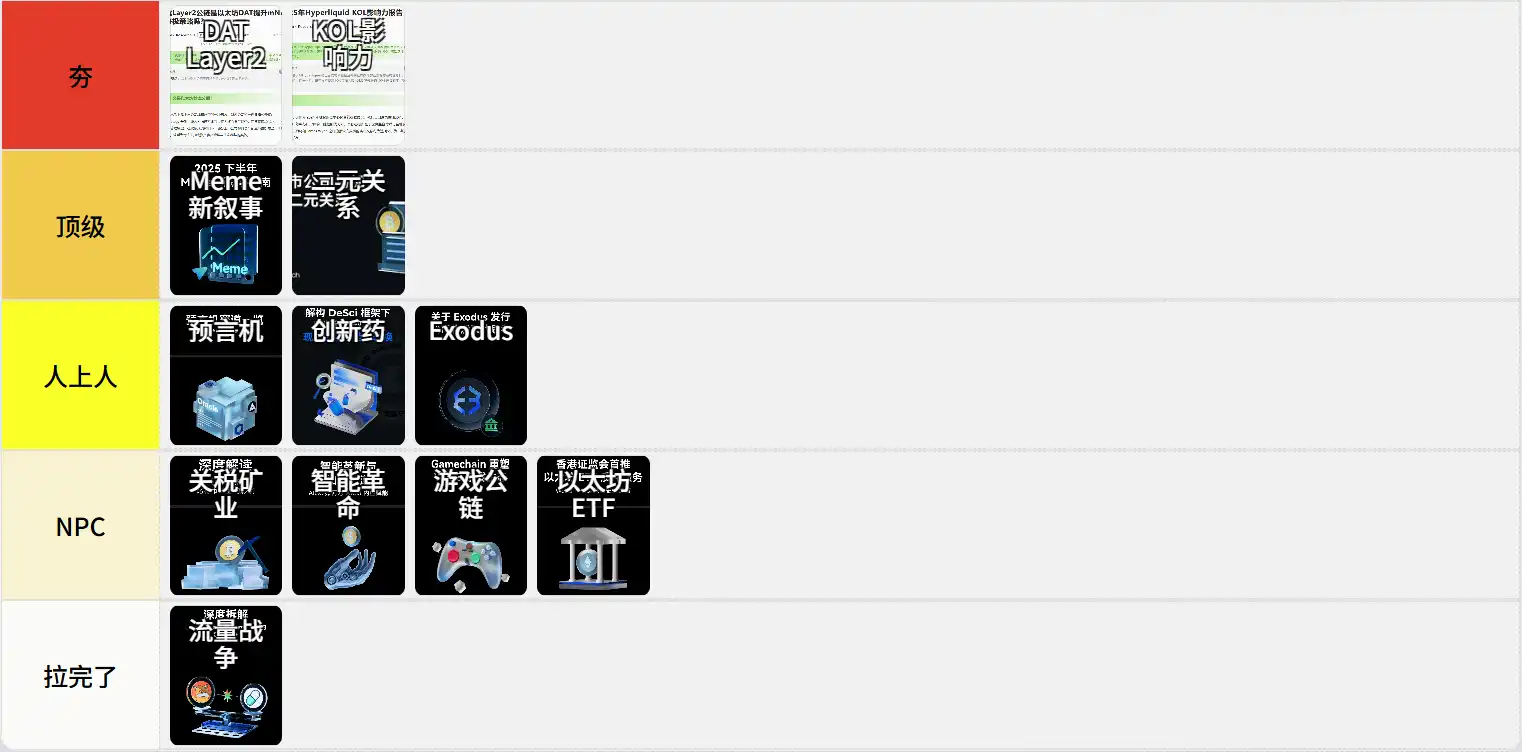
In his 2025 year-end review, a Web3 content creator reflects on a year marked by acceleration in both global events and the crypto space, driven by developments like Trump’s policies and major market shifts. He evaluates 12 of his own articles using a “夯到拉” (strong to weak) rating system. Top-rated pieces include an analysis of DATs (Digital Asset Treasuries) and their strategic use of Ethereum to build Layer 2 networks (“夯的批爆”), a data-driven report on Hyperliquid KOL trading performance (“夯”), and a forward-looking meme investment guide (“顶级”). Other well-received articles cover DeSci’s limitations, AIGC’s role in Web3 content, and tokenized equities like Exodus. Mid-tier articles discuss Trump’s tariff impact on Bitcoin mining, oracle growth beyond financial data, and GameFi’s decline, rated “人上人” or “NPC”. The lowest-rated piece compares Letsbonk.fun and Pump.fun, deemed “拉完了” for its lack of depth and relevance. The author concludes by acknowledging his growth as a creator in a turbulent year and commits to evolving with AI and industry changes despite expecting tougher times ahead.

Recently, it's been trendy online to rank everything from "banger" to "trash"; it seems everything can be rated on this scale. As a practitioner in the Web3 industry, the feeling of 2025 can be summed up in two words: "Acceleration". Having experienced world-shocking events like "Trump launching a coin", "Tariff wars", the "Genius Act", and "1011", it feels like since Trump took office, the entire capital market and crypto world have been put on fast-forward. What happened in the single year of 2025 equals the sum of events from the past 2-3 years. At the same time, as a content creator, I've almost consistently output one piece of in-depth content per month. But in these final days of 2025, rereading these pieces, I think some were well-written, while others fell short. So, at the end of 2025, I'll use the "from banger to trash" framework to rank my own articles.

1. Deconstructing the Real-World Dilemmas and Paradigm Shifts in the "Innovative Drug" Narrative Under the DeSci Framework

Author's Note

The DeSci narrative heated up around Q4 2024, and I personally always thought it was a "pseudo-narrative." Although CZ and Vitalik endorsed multiple token-launching Biotech projects, they aren't actually experts in life sciences. As a former investment manager at a Biotech VC with two years of experience, I probably understand innovative drugs a bit better than most crypto big shots. For example, after a team discovers a macromolecule for an innovative drug, it must go through Phase I, Phase II, and Phase III clinical trials—a 10-year cycle—which is completely misaligned with the investment pace of the crypto world. Therefore, I believe this narrative will eventually fade, becoming yet another aborted narrative in the crypto space. The title was discussed multiple times with former colleagues, and we ultimately settled on this relatively mild one.

Article Excerpt

"The author believes that the primary reason life sciences occupy such a high proportion within the DeSci industry is that after crypto industry opinion leaders accumulated sufficient wealth, all five levels of Maslow's hierarchy of needs were satisfied, leading them to focus more on issues related to life extension. From a fundamental logic perspective, there is a mismatch between DeSci in the Crypto field and real-world innovative drug development in terms of resources, timelines, and operations."

Article Sharp Review

Content Innovation: Four Stars

Content Reach: Three Stars

Content Re-evaluation: No change

Overall Rating: Top Tier (人上人)

2.Intelligent Innovation × Crypto Wave—How AIGC Empowers Web3 Content

Author's Note

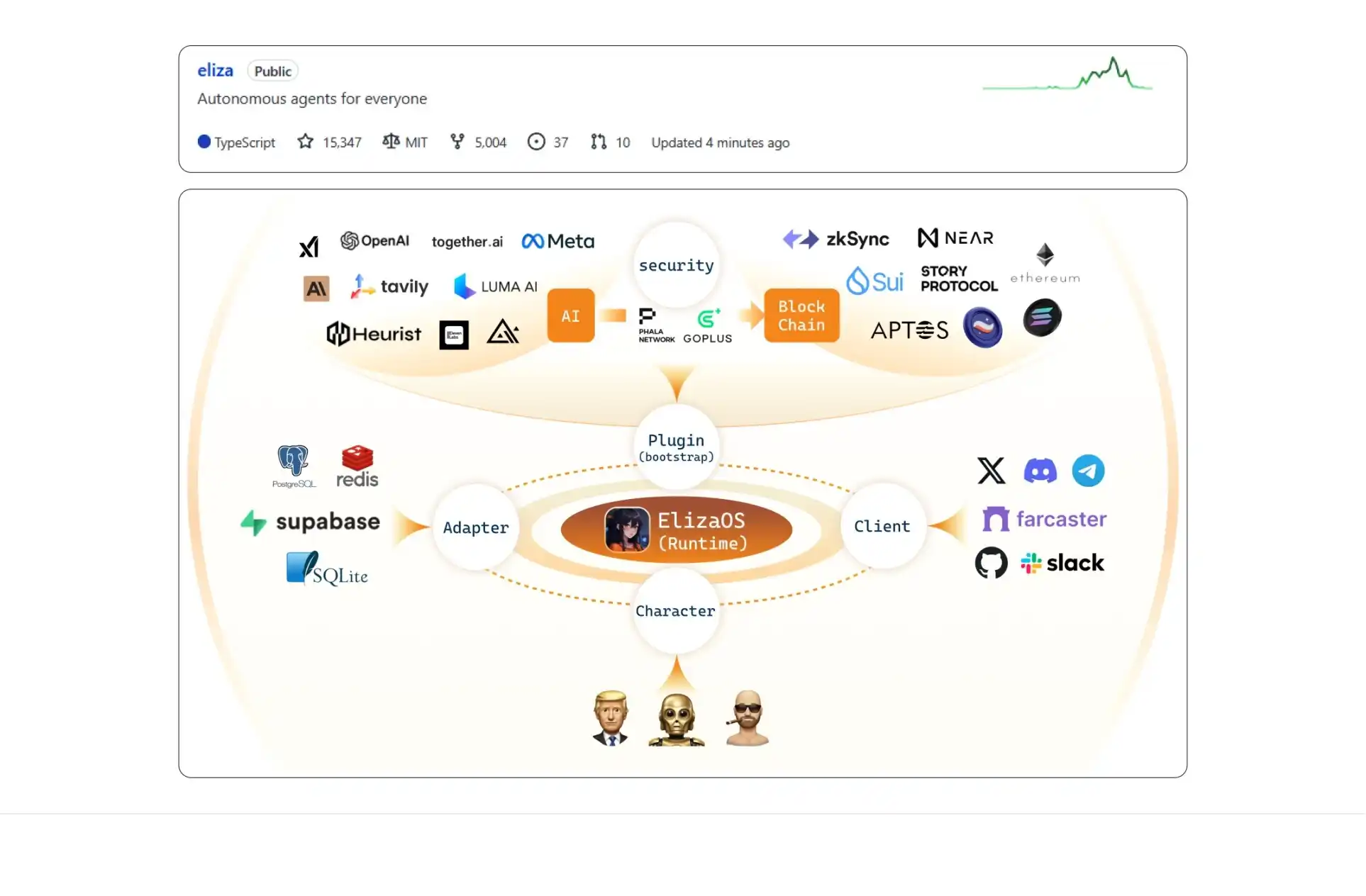
This was a topic I really wanted to write about. The inspiration came from a project I saw during my VC days. It was July 2024, the peak of the Memecoin frenzy. Pump.fun had lowered the barrier to launching a coin to an extreme, so many startup projects revolved around Memes. One project that caught my attention was about collecting viral meme images; the platform used crawlers to grab memes from social media like X, then crowdsourced the launch of Memecoins. Its advantage lay in its data scraping speed and the platform's judgment on the price trends of meme coins after launch. This made me think that Memecoin issuance is also an assembly line: upstream is hot meme capture, midstream is the launch platform, and downstream are retail investors and market makers.

Later, coinciding with the explosion of DeepSeek in early 2025, I started thinking about how AI and Memecoins could combine. Memecoins, as cultural symbols, still need content support. So, I thought about the two-way relationship: AI empowering Memes, and Memes empowering AI. It's a bit like what the famous blogger Zhang Zala said: "Content productization" and "Product contentization." Using Nano Banana and GPT to generate content for PEPE is content productization; while some entertainment AI Agents like Luna represent product contentization. However, these don't allow the author or developer to generate economic benefits; a chain like Story is needed to distribute economic收益. Rereading this article, I feel many ideas were too idealistic, and the overall effect was mediocre.
Article Excerpt

"AIGC can not only赋予 existing Meme characters with content, but AIGC technology can also use Agents as a载体 to provide users with richer services. If AIGC empowerment for Memecoins is the 'old梗新说' (old meme, new telling) of Web3 content, then AI Agents represent a paradigm leap for AIGC technology from content production to service interaction."

Article Sharp Review

Content Innovation: Four Stars

Content Reach: Three Stars

Content Re-evaluation: Minus One Star

Overall Rating: NPC

3.In-Depth Analysis of the Impact of Tariff Policies on Bitcoin Mining

Author's Note

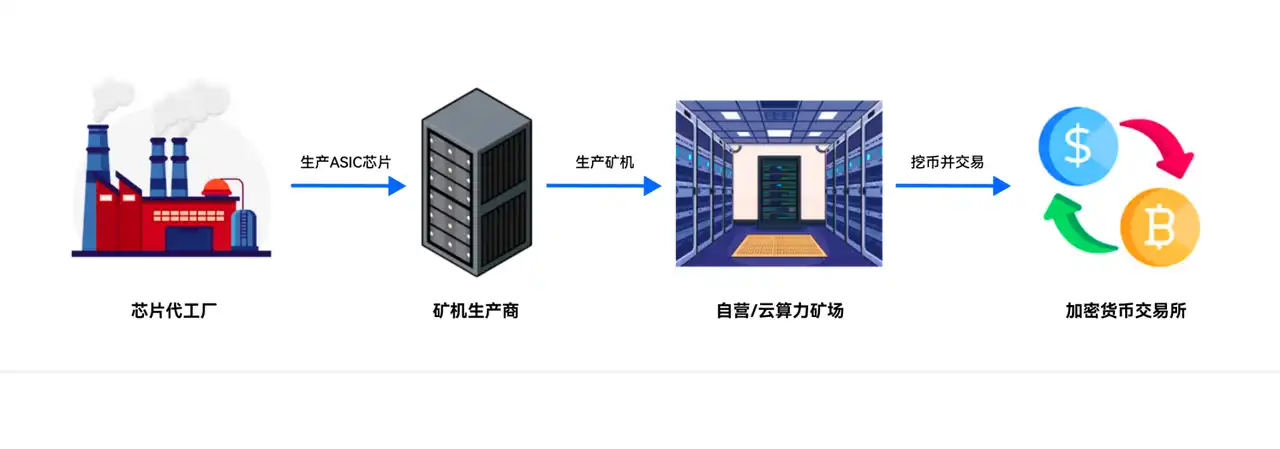
This was an assigned topic from my former company, against the backdrop of Trump's "crazy" tariff policies unsettling global capital markets. In this context, we were to analyze the impact of tariffs on the industry. As everyone knows, the part of the crypto industry most closely connected to the real economy is mining. The implementation of tariff policies had a huge impact on overseas mining farms in places like Iran, Uzbekistan, and Ethiopia. In terms of results, tariffs affected mining machines the most, followed by mining farms, and finally cloud hashrate platforms. Of course, Trump eventually rolled back most of the tariff policies, giving the capital market a scare.

My former company assigned me a small team of three people for this; the colleagues were very nice and hardworking. Maintaining that setup could have yielded a lot of quality content. This assigned topic was very time-sensitive; after the tariff policies passed, rereading this article offered diminishing returns.
Article Excerpt

After Trump announced the tariff policies, Bitcoin mining-related stocks fell by varying degrees, with different segments showing some divergence in performance. Mining machine manufacturers saw the most significant decline over the past month, primarily because mining machine manufacturing was hit by tariff policies on both the supply and demand sides. Self-operated mining farms were mainly affected on the supply side, while the business process of selling Bitcoin to cryptocurrency exchanges was less affected by tariffs. The leasing business model of cloud hashrate platforms naturally has a risk buffer mechanism—it essentially passes the cost of mining machines to customers through hashrate service fees, and some customers directly share the hardware investment through mining machine托管 agreements, making the erosion of mining machine premiums on platform profits significantly weaker than in traditional mining models.

Article Sharp Review

Content Innovation: Two Stars

Content Reach: Three Stars

Content Re-evaluation: Minus One Star

Overall Rating: NPC

4.The Underestimated High-Growth Sector: Searching for the Second Growth Curve of Oracles

Author's Note

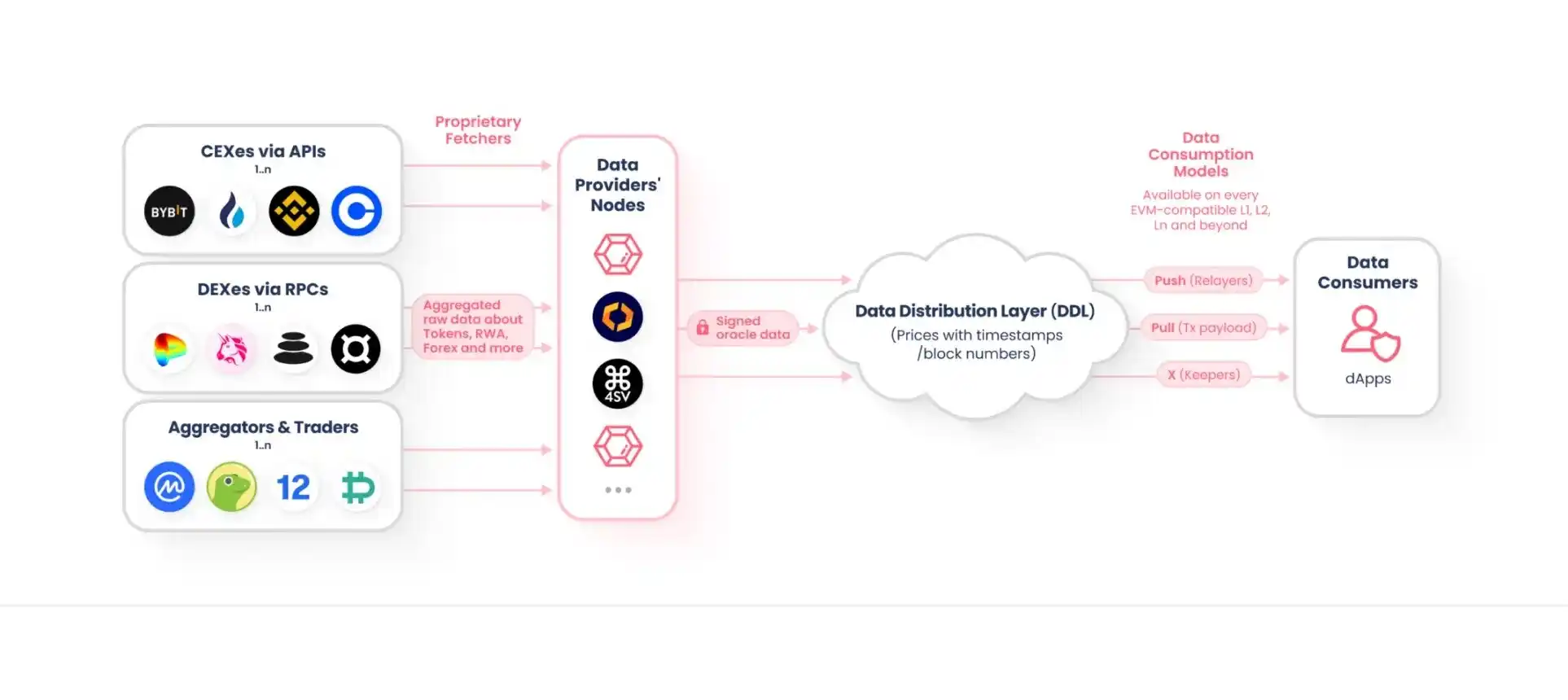
This was a topic chosen from the选题库 (topic pool). My former company required each researcher to produce 2 articles per month. The oracle topic is quite interesting; when I first entered the industry, there were many concepts I didn't understand, oracles being one of them. Because I had to write about this, I looked up a lot of information. Chainlink's moat in the "price feed"领域 is already quite deep; latecomers like Pyth, Redstone, and API3 find it hard to challenge. I still believe the future opportunity in the oracle industry lies in handling complex, non-standardized data, such as clinical data, industrial data, and code data, rather than traditional financial data. There seems to be little opportunity to challenge Chainlink in financial data. This piece reads a bit like routine work; I didn't particularly like it myself.
Article Excerpt

Non-financial assets refer to assets whose prices cannot be reflected in real-time and require mathematical modeling to reflect their value at a specific point in time. Examples include real estate, charging piles, photovoltaic modules, and artwork. Taking charging piles and PV panels as examples, users invest in tokenized assets through on-chain funds, but these cash flow assets are significantly affected by weather, environment, and equipment management, which may impact future cash flow distribution. For these non-financial assets, oracles need to provide more complex services, such as接入 data sources that reflect asset status and influencing factors (e.g., weather data, equipment operation data), and combine them with mathematical models to convert this information into credible on-chain prices or risk assessments, thereby supporting the valuation and management of non-financial RWA tokens.

Article Sharp Review

Content Innovation: Three Stars

Content Reach: Four Stars

Content Re-evaluation: Minus One Star

Overall Rating: Top Tier (人上人)

5. From General to Specialized: How Game Chains Reshape the Web3 Gaming Ecosystem

Author's Note

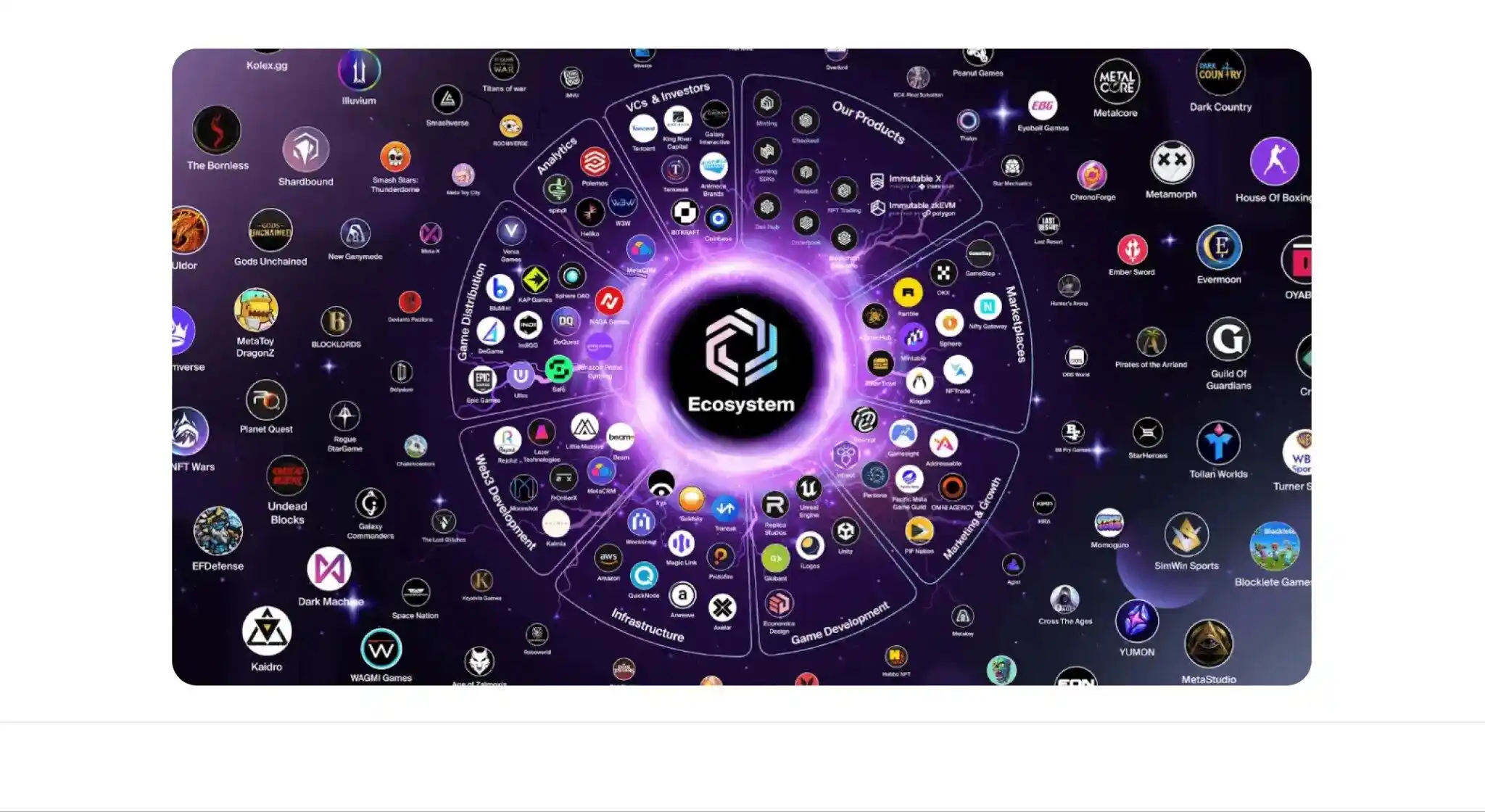
This was also a topic picked from the选题库. Gaming is an area I've always been interested in; I saw many gaming projects during my time as a Web3 VC. This article mainly analyzed some game-specific public chains, like WAX, ImmutableX, and Ronin, examining their game ecosystems and resource endowments. But what I completely didn't expect was that the entire GameFi sector, from games to公链, was very cold in 2025. IMX price dropped 82%, RON dropped 92%, SAND dropped 79%, all exceeding the decline of mainstream altcoins. Then again, Web2 gaming wasn't great this year, with no globally blockbuster hits released—no wonder Dembélé won the Ballon d'Or this year /(ㄒoㄒ)/~~ It's hard to say whether the crypto world dragged down gaming or gaming dragged down blockchain for the链游 sector's decline this year.
Article Excerpt

Gaming is a relatively new industry; Web2 online games have only been around for about 50 years. Looking at the development of Web2 games, high-quality game studios have the opportunity to grow into industry monopolies (like Blizzard Entertainment, Game Science), and internet companies with strong financial resources will also expand into gaming, becoming leaders in the industry (like Tencent, NetEase). The Web3 space has similar situations: Sky Mavis, with its hit game Axie Infinity, gradually advanced from a game studio to a giant in the Ronin game ecosystem; while general-purpose公链 like Polygon and OpBNB,凭借强大的资金实力 (relying on strong financial resources), have also released several influential games.

Article Sharp Review

Content Innovation: Two Stars

Content Reach: Three Stars

Content Re-evaluation: Minus One Star

Overall Rating: NPC

6.Hong Kong SFC First to Launch Ethereum Spot ETF Staking Services, Web3 Industry Sees Historic Breakthrough

Author's Note

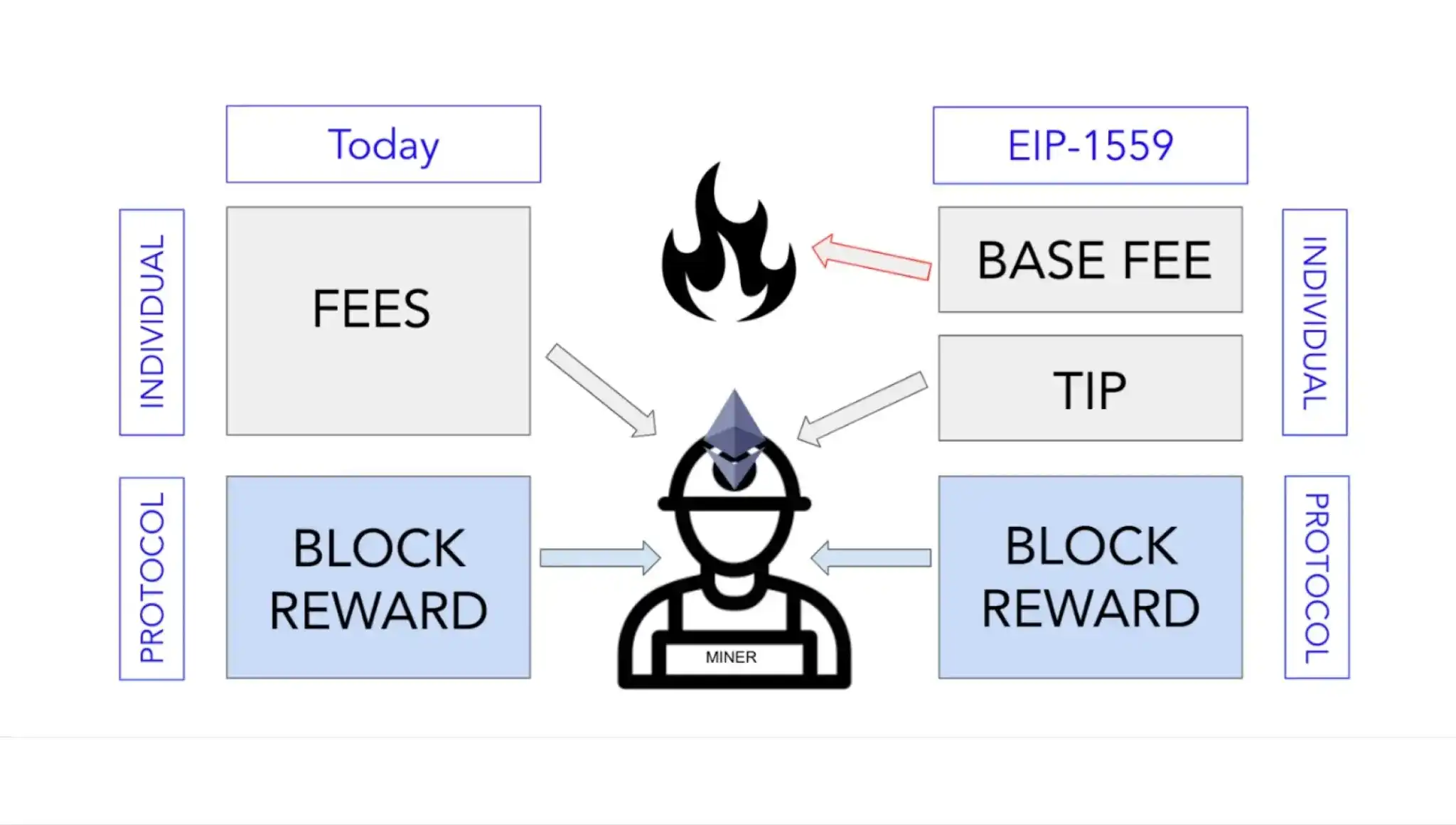
This was a topic closely related to policy. Hong Kong's Ethereum ETF offering staking services theoretically should be more competitive than US Ethereum ETFs without staking. But in reality, after this policy was introduced, not much net capital flowed into the several ETFs launched in Hong Kong; liquidity was still far lower than in the US. This was a short report, essentially introducing the benefits of Ethereum staking to readers. Looking back, the biggest gain from this article was probably learning more about the EIP-1559 proposal during research—turns out node rewards and transaction volume aren't completely linearly related.
Article Excerpt

Let's ask one more why: why has ETH staking yield continued to decline, significantly lagging behind SOL? The author believes the passage of EIP-1559 is an important reason. This proposal aimed to reduce ETH's inflation rate, further optimizing Ethereum's economic model. Before EIP-1559, nodes received the base fee + tips fee from on-chain transactions. After EIP-1559, nodes only receive the tips fee paid by transactors, while the base Gas fee is directly burned to ensure a stable deflation mechanism in ETH's economic model. Ethereum nodes and ETH stakers凭空 lost a significant chunk of revenue.

Article Sharp Review

Content Innovation: One Star

Content Reach: Three Stars

Content Re-evaluation: No change

Overall Rating: NPC

7. In-Depth Analysis of the Traffic War Between Letsbonk.fun and Pump.fun

Author's Note

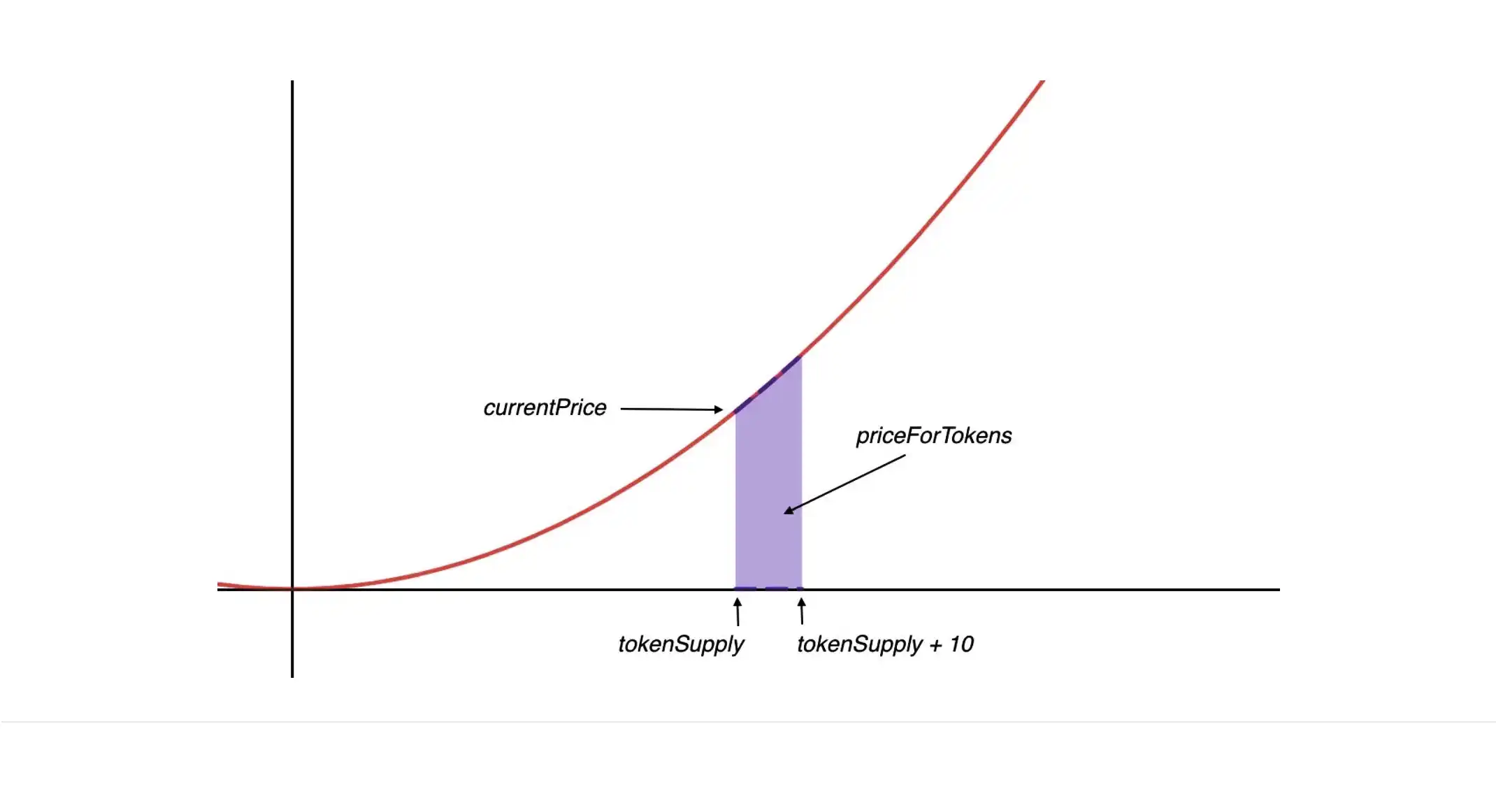
This is one I consider poorly written. Because there were fewer new narratives in July this year, there weren't many topics to write about. Letsbonk.fun was yet another challenger to Pump.fun at the time, but the platform incubated by Bonk was overall quite immature, with relatively simple UI and product structure—it couldn't compare to a complex product like Pump.fun from a product dimension. The reason for comparing the two was that Letsbonk.fun had跑出了一些“金狗” (produced some "golden dogs"), causing its Memecoin launch volume to surpass Pump.fun's for a few weeks.
Article Excerpt

As a latecomer in the one-click coin launch space, the core difference between Letsbonk.fun and Pump.fun lies in their driving forces. Letsbonk.fun's initiator, Tom, is also the initiator of the Bonk token, highly skilled in the community-driven Memecoin growth playbook. Pump.fun, as the pioneer of one-click launches, is primarily code and technology-driven, turning coin launches into a convenient tool. Pump.fun's on-chain address多次 transferred SOL to the centralized exchange Kraken, drawing community backlash. Letsbonk.fun announced an incentive plan for Memecoin project方 upon platform launch, sharing launch profits with community users.

Article Sharp Review

Content Innovation: Two Stars

Content Reach: One Star

Content Re-evaluation: Minus One Star

Overall Rating: Total Trash (拉完了)

8.2025 H2 Meme New Narrative Guide

Author's Note

This was a piece I had high hopes for. At my former company, I wrote 12 long articles in total, 4 of which were related to Memecoins. Actually, many readers want to find the next PEPE, the next BOME, though we all know the probability is very low, similar to scratching a lottery ticket. In 2024 and 2025, many cultural symbols and AI symbols also became hot Memes, like Wukong, Nezha, Grok, etc. So this piece attempted to establish a methodology, letting readers know about potential hot events in advance, so if a "golden dog" appears, they might have a better chance of not missing out. But from the results,这类翻超过 10 倍的域名型 Meme (this type of domain-name Meme that surged over 10x) never appeared again on链 scanning tools like GMGN, also reflecting that the altcoin market was relatively cold in the second half of the year.

Article Excerpt

But for retail investors, the first wave of opportunities for KOL-driven Memecoins is extremely difficult to catch, while another type of Meme's market opportunity is easier to predict. These are Memes that are the on-chain embodiment of real-world火爆 concepts. Because IP itself is not a physical asset and cannot be mapped on-chain through RWA, they can only bring the heat on-chain through Memecoins. Representative examples are Memecoins related to the game "Black Myth: Wukong," the movie "Nezha," the large model "DeepSeek," and "Grok."

Article Sharp Review

Content Innovation: Five Stars

Content Reach: Three Stars

Content Re-evaluation: No change

Overall Rating: Top Tier (顶级)

9. Analyzing the Dual Relationship Between Listed Companies and Cryptocurrency

Author's Note

The big background for writing this was the热度 (buzz) of DAT (Treasury Companies) soaring in the second half of the year. Many listed companies copied MSTR's method, forming DATs with underlying assets like BNB, ETH, SOL, HYPE. Some friends from my private equity days also consulted me on how this thing actually works. This article was originally a guide teaching listed companies how to buy coins. For example, companies with poor main business wanting to use convertible bond financing to transform into a DAT and turn things around should最好囤 SOL or ETH, as staking rewards can cover financing costs. Others with stable cash inflows, like insurance companies, can囤 BTC or LTC; mining coins are类似于黄金和白银 (similar to gold and silver), a type of reserve asset. On the other hand, the Solana Foundation is also looking for the most suitable listed company to play the role of MSTR for the SOL token. Therefore, token project方 also have demands for listed companies to囤币. Ultimately, the title became about this dual relationship between the two. I'm relatively satisfied with the final presentation.
Article Excerpt

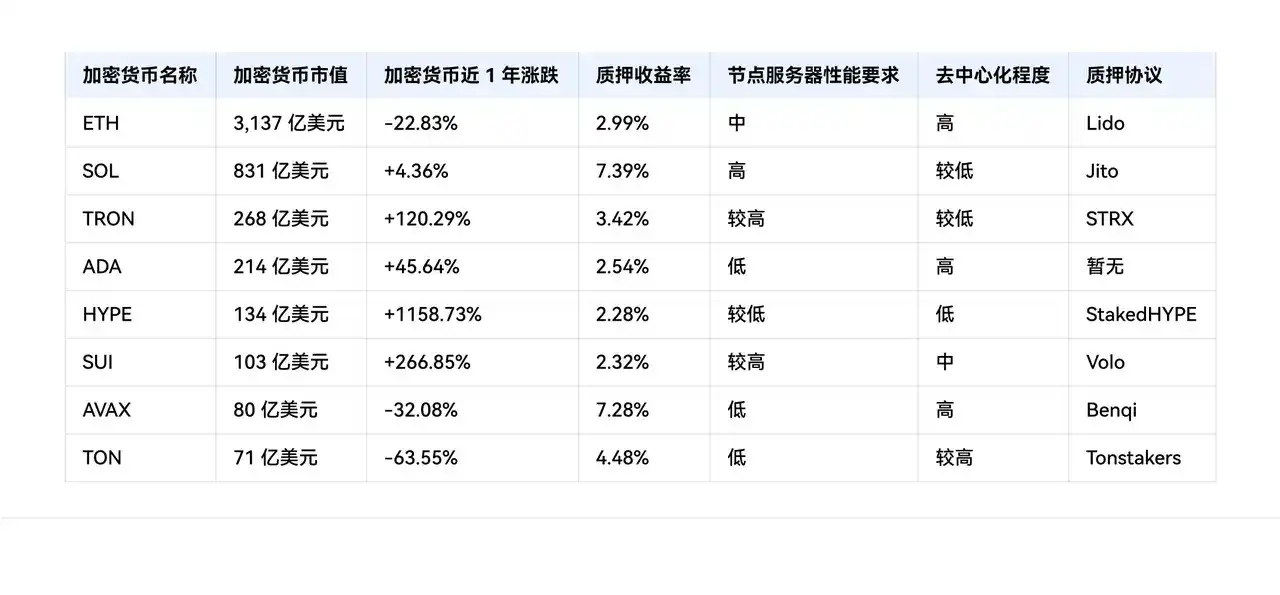
Staking yield can be analogized to stock dividend yield. From the needs of listed companies, the demand to become PoS token囤币商 (hoarding merchants) mainly falls into three categories: (1) Obtain high staking yield, covering financing costs while generating positive cash flow. (2) Obtain high asset appreciation, driving stock price growth. (3) Occupy a core position in the ecosystem, strategically布局 around the public chain ecosystem. Pursuing high staking yield: SOL has high staking yield,公链 has stable transaction volume; Pursuing value growth: HYPE has a transaction fee buyback mechanism, token price has already achieved 10x growth; Pursuing ecosystem layout: ETH has high decentralization, Layer2 development difficulty is low.

Article Sharp Review

Content Innovation: Three Stars

Content Reach: Four Stars

Content Re-evaluation: Plus Half Star

Overall Rating: Top Tier (顶级)

10. Thoughts on Exodus Issuing Tokenized Stocks On-Chain

Author's Note

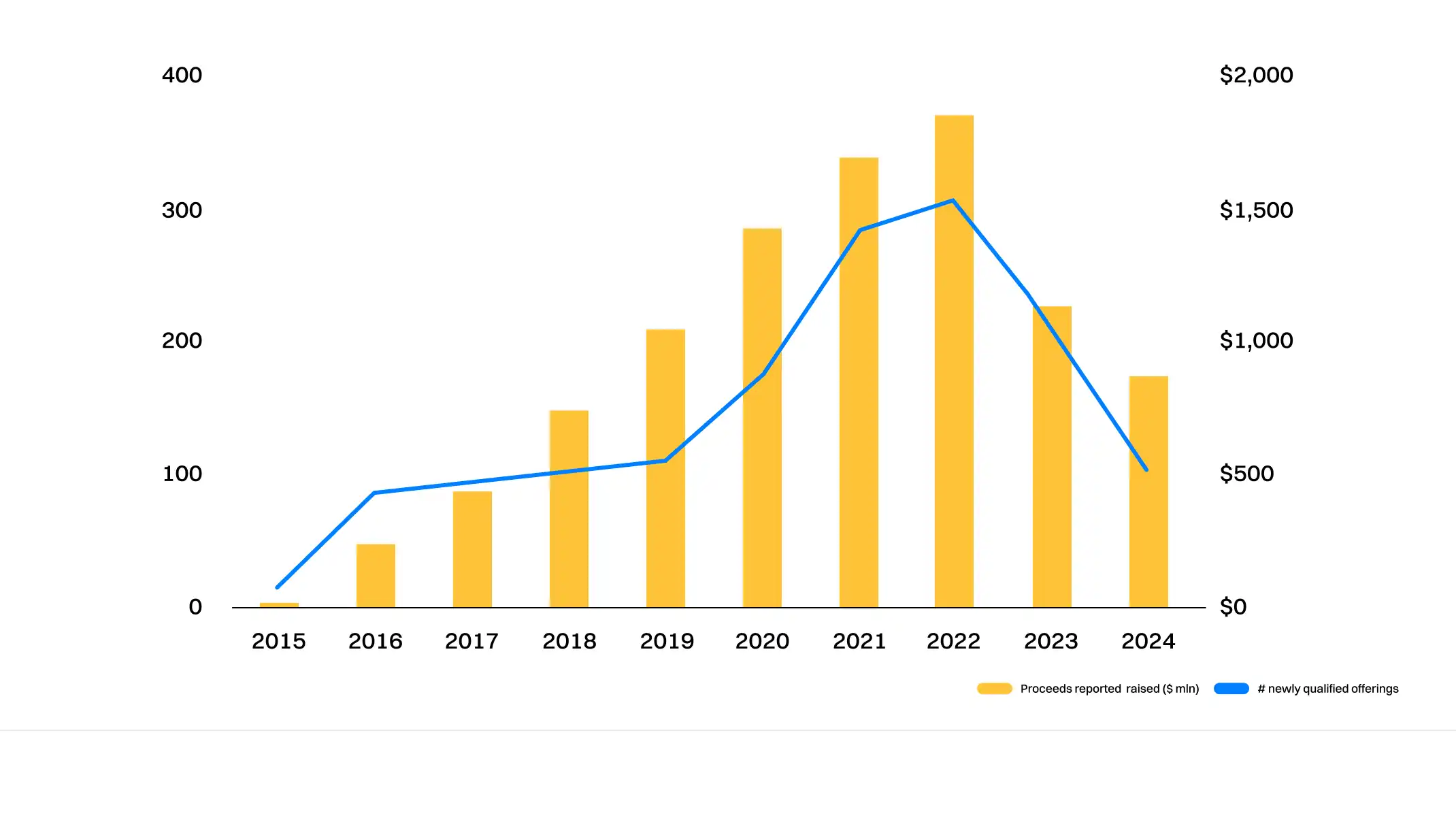
The catalyst for writing this was the stock tokenization narrative becoming very hot in the industry in July. xstocks and Robinhood both launched stock tokenization products and increased marketing efforts. Looking at data from RWA.xyz, actually well-known companies like Tesla, Nvidia, Oracle, Apple, and Google are not the largest by scale. The largest is the stock of Exodus. They passed the SEC's Regulation A, and their IPO financing was directly through token issuance, taking on-chain liquidity instead of traditional cornerstone and anchor investments. This sparked a lot of thought. Among the four methods—Pre-IPO, IPO,定向增发 (private placement), and direct tokenization of large company stocks—the company, the platform, and users all have different demands.
Article Excerpt

Listed companies, especially US-listed companies related to cryptocurrency (like Circle, Coinbase, Marathon) conducting增发融资 (additional issuance) of tokenized stocks on-chain, can补充流动性 (supplement liquidity) for the enterprise for business expansion or investment and acquisition; for investors, they can get a lower price than the secondary market and opportunities for on-chain yield generation. The author believes this area will be a key future development direction for stock tokenization.

Article Sharp Review

Content Innovation: Four Stars

Content Reach: Two Stars

Content Re-evaluation: No change

Overall Rating: Top Tier (人上人)

11. 2025 Hyperliquid KOL Influence Report

Author's Note

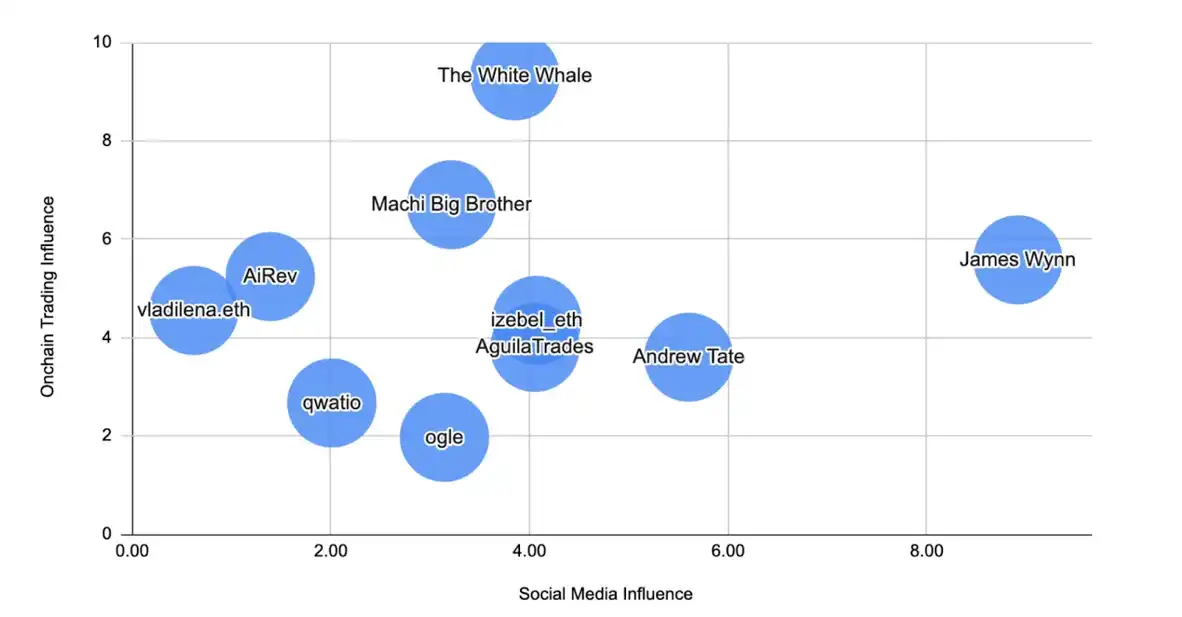
I consider this a very good piece, and it took a lot of effort. Hyperliquid and Pump.fun were the two biggest narrative highlights of 2024, both playing social media + trading perfectly—the former through X, the latter through a live streaming section embedded in the platform. Hyperliquid has so many trader KOLs, so which ones have higher win rates? I found a lot of data on the Hyperdash website and compiled a list of these people's publicly known wallet addresses. This was also the first article I wrote as an independent researcher, actually created during my tenure at the former company.
Article Excerpt

Focusing on KOLs who have bound their personal IP, two typical persona strategies can be observed: "Loss Whale" and "High Win Rate Smart Money." The former attracts market attention by crafting a narrative of "huge wealth fluctuations," leveraging dramatic events; the latter attracts investors to copy trades with the core of verifiable high win rates, hoping to replicate their excess returns. It is worth emphasizing that The White Whale successfully broke through the common "scale curse" in asset management, possessing both顶级资产规模 (top-tier asset scale) and high win rates, thus becoming a benchmark IP in the Hyperliquid ecosystem that combines influence and profitability.

Article Sharp Review

Content Innovation: Four Stars

Content Reach: Three Stars

Content Re-evaluation: Plus One Star

Overall Rating: Banger (夯)

12. Is Building Your Own Layer2 Chain the Ultimate Strategy for Ethereum DATs to Increase mNAV?

Author's Note

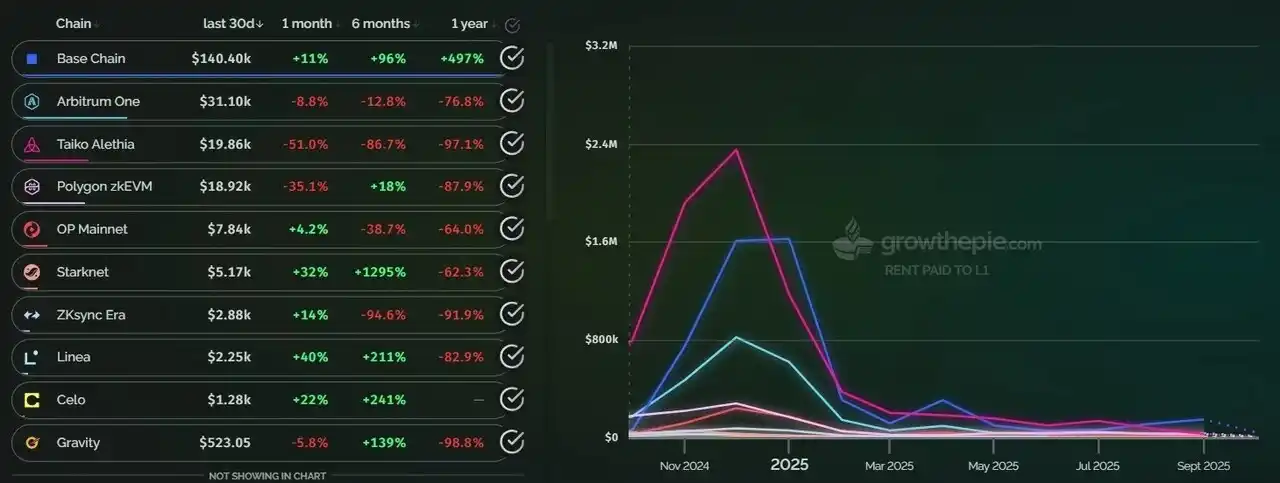
This was also a topic I had in reserve for a long time. Actually, the explanation of the ETH part in "Analyzing the Dual Relationship Between Listed Companies and Cryptocurrency" already hinted at this. For this wave of DATs, many companies haven't really figured out which coin to囤 to achieve which strategic goals. The ceiling for囤 ETH is actually the highest because building a Layer2 has become very easy. If a listed company has a lot of accumulated C-end users, it could完全可以做转化 (completely do conversion), turning some of these users into users of its own chain. Of course, this is just armchair theory; to actually achieve good conversion, many user incentive activities need to be pushed to attract users to the chain. Ultimately, this article was even made into a video by小伙伴 on B站 (Bilibili), and was reposted on Binance Square and Bitget Square, far exceeding my expectations in terms of reach. The host of the "Web3 101" podcast also later mentioned the possibility of Ethereum DATs building their own Layer2s.
Article Excerpt

Staking is currently the most commonly used asset appreciation method for crypto treasury companies, and this approach has gained widespread market recognition. But for Ethereum treasury companies holding ETH,仅仅使用第三方平台对 ETH 进行质押与借贷 (仅仅 using third-party platforms for ETH staking and lending) limits ETH to a financial asset and fails to leverage the high scalability of the Ethereum mainnet at a technical level, losing strategic opportunities. Building their own Ethereum Layer2 network is a fundamental strategic leap for treasury companies. Although it will incur higher capital expenditures for the treasury company, the core value of this decision lies in promoting the company's transition from a "holder" of crypto assets to an active "builder" of the blockchain ecosystem.

Article Sharp Review

Content Innovation: Four Stars

Content Reach: Five Stars

Content Re-evaluation: Plus Half Star

Overall Rating: Absolute Banger (夯的批爆)

Epilogue

2025 is almost over. This year, I wrote articles big and small, including daily, weekly, monthly, and annual reports on the blockchain industry at my former company. After the restructuring at my former company, I also wrote quite a few PR copy. For me, transitioning from Web3 VC to creator, I probably never wrote this much content in the previous 5 years of work. This is my 13th creation in 2025, and also a yearly journal for 2025. If I had to include this piece in the "from banger to trash" ranking, I'd give it a "Top Tier" (人上人), PUA-ing myself to learn more new things next year and produce some better content. Although next year might be the worst year in the four-year cycle, creators continuously evolving with AI will definitely form their own brand and moat.
Perguntas relacionadas

QWhat is the author's overall feeling about the year 2025 in the Web3 space, and what key events contributed to this feeling?

AThe author's overall feeling about 2025 in the Web3 space is one of 'acceleration.' They felt that one year in 2025 was equivalent to 2-3 years' worth of events in the past. Key events that contributed to this feeling included 'Trump launching a coin,' the 'tariff war,' the 'Genius Act,' and the event referred to as '1011.'

QAccording to the author, what are the fundamental mismatches between the Crypto industry's DeSci narrative and real-world biotech innovation drug development?

AThe author identifies three fundamental mismatches: resource mismatch, cycle mismatch, and operational mismatch. The 10-year development cycle for a new drug (including clinical phases I, II, and III) is completely misaligned with the fast-paced investment rhythm of the crypto industry.

QWhich two of the author's articles received the highest 'Comprehensive Rating' of 'Banger' ('夯') and what were their main topics?

AThe two articles that received the 'Banger' rating are: 1) '2025 Hyperliquid KOL Influence Report,' which analyzed the performance and influence of trader KOLs on the Hyperliquid exchange. 2) 'Is Building a Custom Layer2 the Ultimate Strategy for an Ethereum DAT to Increase mNAV?', which explored the strategic potential for crypto treasury companies (DATs) holding ETH to build their own Layer2 networks instead of just staking.

QWhat was the author's critique of their own article 'Deconstructing the Realistic Dilemmas and Paradigm Shifts of the "Innovative Drug" Narrative under the DeSci Framework'?

AThe author critiqued the article by stating they believed the DeSci narrative was a 'false narrative' or 'pseudo-narrative.' They argued that while crypto leaders like CZ and Vitalik supported biotech token projects, they were not experts in life sciences. The author, with a background in Biotech VC, concluded that the long development cycles of biotech are fundamentally mismatched with crypto's investment pace, leading them to predict the narrative would eventually fade away.

QWhat common challenge did the author identify for both Web3 and Web2 games in 2025?

AThe author identified that the entire GameFi sector, including games and dedicated game chains, performed very poorly ('were very cool') in 2025. This was mirrored in the Web2 gaming world, which also had a weak year with no globally popular major game releases, as indicated by the author's comment about Dembele winning the Ballon d'Or, a real-world soccer award used here metaphorically to highlight the lack of a standout winner in gaming.

Leituras Relacionadas

Stuck Polymarket: The Real Test After Riding the Traffic Boom Has Arrived

Polymarket, a leading prediction market platform, is facing significant technical challenges as its growth outpaces its current infrastructure on Polygon. Users are experiencing laggy transactions, unresponsive orders, and delayed confirmations, severely impacting the trading experience. In response, DeFi Engineering VP Josh Stevens outlined a comprehensive engineering overhaul. The plan includes reducing on-chain data delays, fixing order cancellation issues, rebuilding the central limit order book (CLOB), improving website performance, and developing a unified SDK and API. A major revelation was the ongoing "chain migration," indicating a potential move away from Polygon. The core issue is that Polymarket has evolved from a simple prediction market into a high-frequency trading platform, making Polygon's limitations—such as block space, gas fees, and block time—a ceiling for further growth. The migration is not just a simple chain switch but a fundamental rebuild of its trading system to support more complex products like perpetual contracts (Perps). This announcement has sparked competition among chains like Solana, Sui, and Algorand, all vying to host Polymarket. For Polygon, losing this key application, which contributes significantly to its gas fee revenue, would be a major setback. The real test for Polymarket is no longer attracting users but proving it can provide a stable, reliable trading environment that retains them.

Odaily星球日报Há 59m

Stuck Polymarket: The Real Test After Riding the Traffic Boom Has Arrived

Odaily星球日报Há 59m

Lowering Expectations for BTC's Next Bull Market

The author, Alex Xu, explains his decision to significantly reduce his Bitcoin holdings (from full to ~30% of his portfolio) during the current bull cycle, citing a lowered long-term outlook for BTC's price appreciation in the next cycle. He outlines six key reasons for this reduced expectation: 1. **Diminished Growth Drivers:** The narrative of exponential user adoption has largely played out with institutional ETF adoption. The next major growth phase—adoption by sovereign national reserves or central banks—seems unlikely in the near future. 2. **Personal Opportunity Cost:** More attractive investment opportunities have emerged in other assets, such as undervalued companies. 3. **Industry-Wide Contraction:** The broader crypto industry is struggling, with most Web3 business models (SocialFi, GameFi, DePIN) failing. This overall萧条 (depression) reduces the fundamental demand and consensus for Bitcoin. 4. **Strain on Major Buyer:** MicroStrategy, a major corporate buyer of BTC, faces rising financing expenses for its debt, which could slow its purchasing rate and create significant marginal pressure on the market. 5. **Increased Competition from Gold:** The emergence of "tokenized gold" has closed the functional gap (portability, divisibility) between physical gold and Bitcoin, offering a strong competitor in the non-sovereign store-of-value space. 6. **Security Budget Concerns:** The block reward halving continues to exacerbate the long-standing issue of funding Bitcoin's network security, with new fee source explorations like Ordinals and L2s largely failing. The author's decision to hold a significant (though reduced) position reflects a cautious, not bearish, outlook. He remains open to increasing his exposure if the fundamental reasons for his skepticism change or if new positive catalysts emerge.

marsbitHá 1h

Lowering Expectations for BTC's Next Bull Market

marsbitHá 1h

Trading

Spot
Futuros

Artigos em Destaque

O que é $S$

Compreender o SPERO: Uma Visão Abrangente Introdução ao SPERO À medida que o panorama da inovação continua a evoluir, o surgimento de tecnologias web3 e projetos de criptomoeda desempenha um papel fundamental na formação do futuro digital. Um projeto que tem atraído atenção neste campo dinâmico é o SPERO, denotado como SPERO,$$s$. Este artigo tem como objetivo reunir e apresentar informações detalhadas sobre o SPERO, para ajudar entusiastas e investidores a compreender as suas bases, objetivos e inovações nos domínios web3 e cripto. O que é o SPERO,$$s$? O SPERO,$$s$ é um projeto único dentro do espaço cripto que procura aproveitar os princípios da descentralização e da tecnologia blockchain para criar um ecossistema que promove o envolvimento, a utilidade e a inclusão financeira. O projeto é concebido para facilitar interações peer-to-peer de novas maneiras, proporcionando aos utilizadores soluções e serviços financeiros inovadores. No seu núcleo, o SPERO,$$s$ visa capacitar indivíduos ao fornecer ferramentas e plataformas que melhoram a experiência do utilizador no espaço das criptomoedas. Isso inclui a possibilidade de métodos de transação mais flexíveis, a promoção de iniciativas impulsionadas pela comunidade e a criação de caminhos para oportunidades financeiras através de aplicações descentralizadas (dApps). A visão subjacente do SPERO,$$s$ gira em torno da inclusão, visando fechar lacunas dentro das finanças tradicionais enquanto aproveita os benefícios da tecnologia blockchain. Quem é o Criador do SPERO,$$s$? A identidade do criador do SPERO,$$s$ permanece algo obscura, uma vez que existem recursos publicamente disponíveis limitados que fornecem informações detalhadas sobre o(s) seu(s) fundador(es). Esta falta de transparência pode resultar do compromisso do projeto com a descentralização—uma ética que muitos projetos web3 partilham, priorizando contribuições coletivas em vez de reconhecimento individual. Ao centrar as discussões em torno da comunidade e dos seus objetivos coletivos, o SPERO,$$s$ incorpora a essência do empoderamento sem destacar indivíduos específicos. Assim, compreender a ética e a missão do SPERO é mais importante do que identificar um criador singular. Quem são os Investidores do SPERO,$$s$? O SPERO,$$s$ é apoiado por uma diversidade de investidores que vão desde capitalistas de risco a investidores-anjo dedicados a promover a inovação no setor cripto. O foco desses investidores geralmente alinha-se com a missão do SPERO—priorizando projetos que prometem avanço tecnológico social, inclusão financeira e governança descentralizada. Essas fundações de investidores estão tipicamente interessadas em projetos que não apenas oferecem produtos inovadores, mas que também contribuem positivamente para a comunidade blockchain e os seus ecossistemas. O apoio desses investidores reforça o SPERO,$$s$ como um concorrente notável no domínio em rápida evolução dos projetos cripto. Como Funciona o SPERO,$$s$? O SPERO,$$s$ emprega uma estrutura multifacetada que o distingue de projetos de criptomoeda convencionais. Aqui estão algumas das características-chave que sublinham a sua singularidade e inovação: Governança Descentralizada: O SPERO,$$s$ integra modelos de governança descentralizada, capacitando os utilizadores a participar ativamente nos processos de tomada de decisão sobre o futuro do projeto. Esta abordagem promove um sentido de propriedade e responsabilidade entre os membros da comunidade. Utilidade do Token: O SPERO,$$s$ utiliza o seu próprio token de criptomoeda, concebido para servir várias funções dentro do ecossistema. Esses tokens permitem transações, recompensas e a facilitação de serviços oferecidos na plataforma, melhorando o envolvimento e a utilidade gerais. Arquitetura em Camadas: A arquitetura técnica do SPERO,$$s$ suporta modularidade e escalabilidade, permitindo a integração contínua de funcionalidades e aplicações adicionais à medida que o projeto evolui. Esta adaptabilidade é fundamental para manter a relevância no panorama cripto em constante mudança. Envolvimento da Comunidade: O projeto enfatiza iniciativas impulsionadas pela comunidade, empregando mecanismos que incentivam a colaboração e o feedback. Ao nutrir uma comunidade forte, o SPERO,$$s$ pode melhor atender às necessidades dos utilizadores e adaptar-se às tendências do mercado. Foco na Inclusão: Ao oferecer taxas de transação baixas e interfaces amigáveis, o SPERO,$$s$ visa atrair uma base de utilizadores diversificada, incluindo indivíduos que anteriormente podem não ter participado no espaço cripto. Este compromisso com a inclusão alinha-se com a sua missão abrangente de empoderamento através da acessibilidade. Cronologia do SPERO,$$s$ Compreender a história de um projeto fornece insights cruciais sobre a sua trajetória de desenvolvimento e marcos. Abaixo está uma cronologia sugerida que mapeia eventos significativos na evolução do SPERO,$$s$: Fase de Conceituação e Ideação: As ideias iniciais que formam a base do SPERO,$$s$ foram concebidas, alinhando-se de perto com os princípios de descentralização e foco na comunidade dentro da indústria blockchain. Lançamento do Whitepaper do Projeto: Após a fase conceitual, um whitepaper abrangente detalhando a visão, os objetivos e a infraestrutura tecnológica do SPERO,$$s$ foi lançado para atrair o interesse e o feedback da comunidade. Construção da Comunidade e Primeiros Envolvimentos: Esforços ativos de divulgação foram feitos para construir uma comunidade de primeiros adotantes e investidores potenciais, facilitando discussões em torno dos objetivos do projeto e angariando apoio. Evento de Geração de Tokens: O SPERO,$$s$ realizou um evento de geração de tokens (TGE) para distribuir os seus tokens nativos a apoiantes iniciais e estabelecer liquidez inicial dentro do ecossistema. Lançamento da dApp Inicial: A primeira aplicação descentralizada (dApp) associada ao SPERO,$$s$ foi lançada, permitindo que os utilizadores interagissem com as funcionalidades principais da plataforma. Desenvolvimento Contínuo e Parcerias: Atualizações e melhorias contínuas nas ofertas do projeto, incluindo parcerias estratégicas com outros players no espaço blockchain, moldaram o SPERO,$$s$ em um jogador competitivo e em evolução no mercado cripto. Conclusão O SPERO,$$s$ é um testemunho do potencial do web3 e das criptomoedas para revolucionar os sistemas financeiros e capacitar indivíduos. Com um compromisso com a governança descentralizada, o envolvimento da comunidade e funcionalidades inovadoras, abre caminho para um panorama financeiro mais inclusivo. Como em qualquer investimento no espaço cripto em rápida evolução, potenciais investidores e utilizadores são incentivados a pesquisar minuciosamente e a envolver-se de forma ponderada com os desenvolvimentos em curso dentro do SPERO,$$s$. O projeto demonstra o espírito inovador da indústria cripto, convidando a uma exploração mais aprofundada das suas inúmeras possibilidades. Embora a jornada do SPERO,$$s$ ainda esteja a desenrolar-se, os seus princípios fundamentais podem, de facto, influenciar o futuro de como interagimos com a tecnologia, as finanças e uns com os outros em ecossistemas digitais interconectados.

69 Visualizações TotaisPublicado em {updateTime}Atualizado em 2024.12.17

O que é $S$

O que é AGENT S

Agent S: O Futuro da Interação Autónoma no Web3 Introdução No panorama em constante evolução do Web3 e das criptomoedas, as inovações estão constantemente a redefinir a forma como os indivíduos interagem com plataformas digitais. Um projeto pioneiro, o Agent S, promete revolucionar a interação humano-computador através do seu framework aberto e agente. Ao abrir caminho para interações autónomas, o Agent S visa simplificar tarefas complexas, oferecendo aplicações transformadoras em inteligência artificial (IA). Esta exploração detalhada irá aprofundar-se nas complexidades do projeto, nas suas características únicas e nas implicações para o domínio das criptomoedas. O que é o Agent S? O Agent S é um framework aberto e agente, especificamente concebido para abordar três desafios fundamentais na automação de tarefas computacionais: Aquisição de Conhecimento Específico de Domínio: O framework aprende inteligentemente a partir de várias fontes de conhecimento externas e experiências internas. Esta abordagem dupla capacita-o a construir um rico repositório de conhecimento específico de domínio, melhorando o seu desempenho na execução de tarefas. Planeamento ao Longo de Longos Horizontes de Tarefas: O Agent S emprega planeamento hierárquico aumentado por experiência, uma abordagem estratégica que facilita a decomposição e execução eficientes de tarefas intrincadas. Esta característica melhora significativamente a sua capacidade de gerir múltiplas subtarefas de forma eficiente e eficaz. Gestão de Interfaces Dinâmicas e Não Uniformes: O projeto introduz a Interface Agente-Computador (ACI), uma solução inovadora que melhora a interação entre agentes e utilizadores. Utilizando Modelos de Linguagem Multimodais de Grande Escala (MLLMs), o Agent S pode navegar e manipular diversas interfaces gráficas de utilizador de forma fluida. Através destas características pioneiras, o Agent S fornece um framework robusto que aborda as complexidades envolvidas na automação da interação humana com máquinas, preparando o terreno para uma infinidade de aplicações em IA e além. Quem é o Criador do Agent S? Embora o conceito de Agent S seja fundamentalmente inovador, informações específicas sobre o seu criador permanecem elusivas. O criador é atualmente desconhecido, o que destaca ou o estágio nascente do projeto ou a escolha estratégica de manter os membros fundadores em anonimato. Independentemente da anonimidade, o foco permanece nas capacidades e no potencial do framework. Quem são os Investidores do Agent S? Como o Agent S é relativamente novo no ecossistema criptográfico, informações detalhadas sobre os seus investidores e financiadores não estão explicitamente documentadas. A falta de informações disponíveis publicamente sobre as fundações de investimento ou organizações que apoiam o projeto levanta questões sobre a sua estrutura de financiamento e roteiro de desenvolvimento. Compreender o apoio é crucial para avaliar a sustentabilidade do projeto e o seu impacto potencial no mercado. Como Funciona o Agent S? No núcleo do Agent S reside uma tecnologia de ponta que lhe permite funcionar eficazmente em diversos ambientes. O seu modelo operacional é construído em torno de várias características-chave: Interação Humano-Computador Semelhante: O framework oferece planeamento avançado em IA, esforçando-se para tornar as interações com computadores mais intuitivas. Ao imitar o comportamento humano na execução de tarefas, promete elevar as experiências dos utilizadores. Memória Narrativa: Utilizada para aproveitar experiências de alto nível, o Agent S utiliza memória narrativa para acompanhar os históricos de tarefas, melhorando assim os seus processos de tomada de decisão. Memória Episódica: Esta característica fornece aos utilizadores orientações passo a passo, permitindo que o framework ofereça suporte contextual à medida que as tarefas se desenrolam. Suporte para OpenACI: Com a capacidade de funcionar localmente, o Agent S permite que os utilizadores mantenham o controlo sobre as suas interações e fluxos de trabalho, alinhando-se com a ética descentralizada do Web3. Fácil Integração com APIs Externas: A sua versatilidade e compatibilidade com várias plataformas de IA garantem que o Agent S possa integrar-se perfeitamente em ecossistemas tecnológicos existentes, tornando-o uma escolha apelativa para desenvolvedores e organizações. Estas funcionalidades contribuem coletivamente para a posição única do Agent S no espaço cripto, à medida que automatiza tarefas complexas e em múltiplos passos com mínima intervenção humana. À medida que o projeto evolui, as suas potenciais aplicações no Web3 podem redefinir a forma como as interações digitais se desenrolam. Cronologia do Agent S O desenvolvimento e os marcos do Agent S podem ser encapsulados numa cronologia que destaca os seus eventos significativos: 27 de Setembro de 2024: O conceito de Agent S foi lançado num artigo de pesquisa abrangente intitulado “Um Framework Agente Aberto que Usa Computadores como um Humano”, mostrando a base para o projeto. 10 de Outubro de 2024: O artigo de pesquisa foi disponibilizado publicamente no arXiv, oferecendo uma exploração aprofundada do framework e da sua avaliação de desempenho com base no benchmark OSWorld. 12 de Outubro de 2024: Uma apresentação em vídeo foi lançada, proporcionando uma visão visual das capacidades e características do Agent S, envolvendo ainda mais potenciais utilizadores e investidores. Estes marcos na cronologia não apenas ilustram o progresso do Agent S, mas também indicam o seu compromisso com a transparência e o envolvimento da comunidade. Pontos-Chave Sobre o Agent S À medida que o framework Agent S continua a evoluir, várias características-chave destacam-se, sublinhando a sua natureza inovadora e potencial: Framework Inovador: Concebido para proporcionar um uso intuitivo de computadores semelhante à interação humana, o Agent S traz uma abordagem nova à automação de tarefas. Interação Autónoma: A capacidade de interagir autonomamente com computadores através de GUI significa um avanço em direção a soluções computacionais mais inteligentes e eficientes. Automação de Tarefas Complexas: Com a sua metodologia robusta, pode automatizar tarefas complexas e em múltiplos passos, tornando os processos mais rápidos e menos propensos a erros. Melhoria Contínua: Os mecanismos de aprendizagem permitem que o Agent S melhore a partir de experiências passadas, aprimorando continuamente o seu desempenho e eficácia. Versatilidade: A sua adaptabilidade em diferentes ambientes operacionais, como OSWorld e WindowsAgentArena, garante que pode servir uma ampla gama de aplicações. À medida que o Agent S se posiciona no panorama do Web3 e das criptomoedas, o seu potencial para melhorar as capacidades de interação e automatizar processos significa um avanço significativo nas tecnologias de IA. Através do seu framework inovador, o Agent S exemplifica o futuro das interações digitais, prometendo uma experiência mais fluida e eficiente para os utilizadores em diversas indústrias. Conclusão O Agent S representa um ousado avanço na união da IA e do Web3, com a capacidade de redefinir a forma como interagimos com a tecnologia. Embora ainda esteja nas suas fases iniciais, as possibilidades para a sua aplicação são vastas e cativantes. Através do seu framework abrangente que aborda desafios críticos, o Agent S visa trazer interações autónomas para o primeiro plano da experiência digital. À medida que avançamos mais profundamente nos domínios das criptomoedas e da descentralização, projetos como o Agent S desempenharão, sem dúvida, um papel crucial na formação do futuro da tecnologia e da colaboração humano-computador.

533 Visualizações TotaisPublicado em {updateTime}Atualizado em 2025.01.14

O que é AGENT S

Como comprar S

Bem-vindo à HTX.com!Tornámos a compra de Sonic (S) simples e conveniente.Segue o nosso guia passo a passo para iniciar a tua jornada no mundo das criptos.Passo 1: cria a tua conta HTXUtiliza o teu e-mail ou número de telefone para te inscreveres numa conta gratuita na HTX.Desfruta de um processo de inscrição sem complicações e desbloqueia todas as funcionalidades.Obter a minha contaPasso 2: vai para Comprar Cripto e escolhe o teu método de pagamentoCartão de crédito/débito: usa o teu visa ou mastercard para comprar Sonic (S) instantaneamente.Saldo: usa os fundos da tua conta HTX para transacionar sem problemas.Terceiros: adicionamos métodos de pagamento populares, como Google Pay e Apple Pay, para aumentar a conveniência.P2P: transaciona diretamente com outros utilizadores na HTX.Mercado de balcão (OTC): oferecemos serviços personalizados e taxas de câmbio competitivas para os traders.Passo 3: armazena teu Sonic (S)Depois de comprar o teu Sonic (S), armazena-o na tua conta HTX.Alternativamente, podes enviá-lo para outro lugar através de transferência blockchain ou usá-lo para transacionar outras criptomoedas.Passo 4: transaciona Sonic (S)Transaciona facilmente Sonic (S) no mercado à vista da HTX.Acede simplesmente à tua conta, seleciona o teu par de trading, executa as tuas transações e monitoriza em tempo real.Oferecemos uma experiência de fácil utilização tanto para principiantes como para traders experientes.

1.0k Visualizações TotaisPublicado em {updateTime}Atualizado em 2025.03.21

Como comprar S

Discussões

Bem-vindo à Comunidade HTX. Aqui, pode manter-se informado sobre os mais recentes desenvolvimentos da plataforma e obter acesso a análises profissionais de mercado. As opiniões dos utilizadores sobre o preço de S (S) são apresentadas abaixo.

活动图片