Dialogue with Pantera Founder: Bitcoin Has Reached Escape Velocity, Leaving Traditional Assets Behind

marsbitPublicado em 2026-04-04Última atualização em 2026-04-04

Resumo

In a recent interview, Pantera Capital founder Dan Morehead discussed Bitcoin's market cycles, currency devaluation, and the growing institutional adoption of cryptocurrencies. He emphasized that Bitcoin remains one of the most asymmetric investment opportunities, with most institutional investors still holding zero exposure. Morehead noted that Bitcoin's recent 50% pullback aligns with historical four-year cycles but believes the current price level is attractive for long-term investors. He argued that fiat currency devaluation, not asset appreciation, is driving record highs in gold and real estate, creating generational wealth disparities. Morehead highlighted Bitcoin's role as a hedge against geopolitical risks and currency instability, predicting that stablecoins could capture half of all bank deposits within a decade due to their superior accessibility and efficiency. Despite short-term volatility, Morehead remains bullish, stating Bitcoin has reached "escape velocity" with no foreseeable factors that could derail its long-term trajectory. He expects broader global adoption driven by smartphone penetration and financial inclusivity needs.

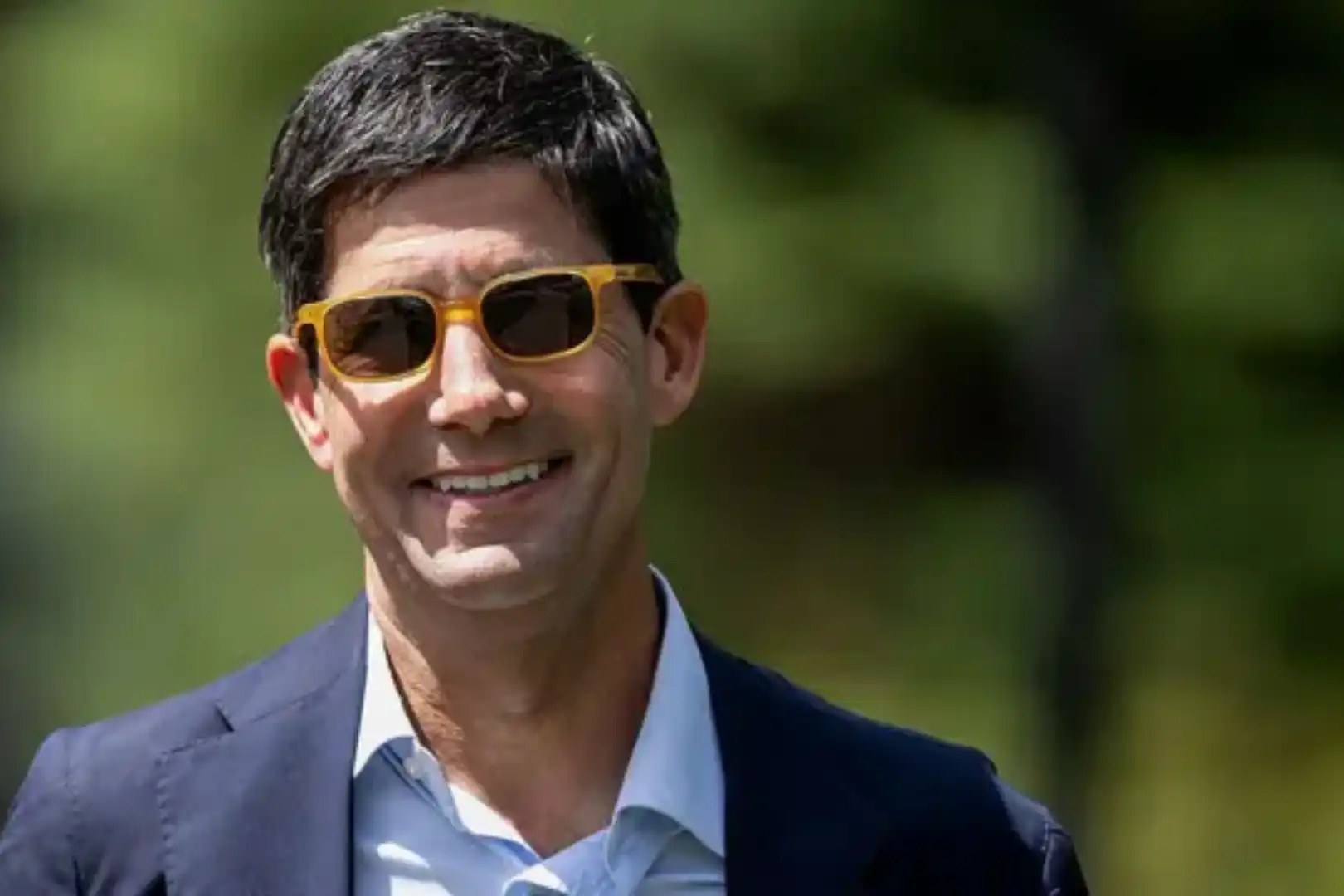
In this interview, Wilfred Frost engages in a second in-depth conversation with Dan Morehead, founder of Pantera Capital. They discuss Bitcoin's cycle positioning after a 50% retracement from its highs; how currency devaluation creates intergenerational wealth conflict; and why the "smart money" is actually the last to enter this cycle.

Key Insights Summary

· The majority of institutional investors still have a 0.0% allocation to blockchain, literally zero.

· It's not that gold is hitting new highs; it's that paper currency is hitting historic lows.

· This might be the first trade in history where the "smart money" enters last.

· The average age of first-time homebuyers in the U.S. has already been pushed back from 28 to 40.

· We are facing an intergenerational inflection point of monetary and state separation.

· Stablecoins are highly likely to capture half of bank deposits within a decade.

· Bitcoin has reached escape velocity; I can't find any factor that could derail this process.

· If you have no exposure to blockchain, to some extent, you are already shorting this trend.

01. "Still the Most Asymmetric Trade in History"

Host: Last time you were here, we delved deep into the macro logic of cryptocurrency. The price at which you first bought Bitcoin was astonishingly low; what was it again?

Dan Morehead: $65.

Host: $65, compared to today's price of around $66,000—it's like two different worlds. In that episode, you described Bitcoin as the "most asymmetric trade in history." Do you still hold that view today?

Dan Morehead: Yes, I'm still convinced of it. Throughout my career, I've always looked for asymmetric opportunities where the upside potential far outweighs the downside risk. Bitcoin, and the broader crypto space, is the most asymmetric trade I've ever seen.

Early on, I would tell people: you could very well lose your entire principal, so don't invest more than you can afford to lose. But at the same time, you have the potential for 5x, 10x, or even thousand-fold returns.

The reason I remain bullish is that we are still in the very early stages. The majority of institutional investors still have a 0.0% allocation to blockchain and cryptocurrency. Literally zero. As long as the downside risk remains negligible relative to the vast size of global financial assets, and the upside is the redefinition of the entire monetary system, this asymmetry will not disappear.

02. The Four-Year Cycle Holds True Again

Host: Our last recording was on October 12th, which was interesting timing. Around October 6th, cryptocurrencies reached a阶段性 high, followed by a pullback. Since then, Bitcoin has fallen about 50%. As someone who has experienced multiple cycles, how do you interpret this decline?

Dan Morehead: Anything trying to change the world comes with a lot of hype and volatility. At the highs, optimism is rampant; at the lows, pessimism prevails. Pantera has been deeply involved in this industry for 13 years and has experienced four full four-year cycles. These cycles are actually very regular, even predictable.

When we met in October, we were恰好 near the high point we predicted two or three years ago. Based on our model from the previous three cycles, we estimated Bitcoin would reach a阶段性 high around August 2025. While we hoped then that this time would be different—perhaps new government policies could break the cycle—in hindsight, the cycle规律 has once again asserted itself. The market fell 50%. That sounds like a lot, but compared to the 85% drops in previous cycles, this is actually much milder. The market probably needs about another year to bottom out, which is consistent with past patterns.

Host: You didn't seem bearish at the time. Did you think this cycle would ultimately fall 75% to 80% like before?

Dan Morehead: That's a key question. I确实 didn't predict it would fall that much at the time because there were many positive factors. But the market has its own rhythm. I want to point out that in previous highs, the price deviated far from the long-term logarithmic trend line, showing疯狂 parabolic movements. For example, in 2013, the price increased 10-fold in the four months before the high. This time, the price didn't show that kind of extreme overheating; it just roughly returned to the 2021 level.

So I think the current price level is大概 the bottoming range. Although it might take another six to eight months to form a bottom,if you have a four to five-year investment horizon, now is a very attractive entry point.

Host: The current price is around $66,000. Many technical analysts say $60,000 is a key support level; if it breaks, it could fall all the way to $25,000. Do you agree?

Dan Morehead: I'm not very good at that technical analysis stuff. We never try to do ultra-short-term timing. Our approach to managing funds is more like venture capital, with a perspective of 5, 10, or even 20 years. From that angle, the current price is already quite cheap.

03. Why is Bitcoin Always the First to Get Sold Off?

Host: Why is Bitcoin always the "whipping boy" among risk assets? When the Nasdaq and S&P 500 peak, cryptocurrency is often the first to be sold. Will this continue forever?

Dan Morehead: That's a very astute observation. Think about it: if a major shock occurs outside of Monday-to-Friday trading hours, you can't sell stocks. Cryptocurrency is the only globally available, highly liquid market with a scale of $2 trillion that operates 24/7, 365 days a year.

When a geopolitical crisis erupts, institutions want to immediately reduce risk exposure, and Bitcoin becomes the only asset they can liquidate in real-time. This causes it to bear excessive selling pressure in the short term. But please note, although correlation spikes during "flash crash" moments, over the long term, Bitcoin's correlation with the S&P 500 is actually very low, around 0.1 to 0.2. Over a multi-year horizon, cryptocurrency moves independently upward, while traditional assets might just be treading water.

04. It's Not Gold Hitting New Highs; It's Paper Currency Hitting Historic Lows

Host: Let's talk about gold. Gold is up 55% over the past 12 months, while Bitcoin is basically flat. Does this shake the "digital gold" narrative for Bitcoin?

Dan Morehead: Gold is an interesting "old-school" asset. It periodically comes into the public eye. Before 2025, gold ETFs actually experienced net outflows for many years, with funds flowing into Bitcoin ETFs. But in 2025, people suddenly realized the U.S. dollar was depreciating faster, and this sense of urgency drove money back into gold.

But I think about this issue differently:It's not that gold or real estate is hitting new highs; it's that paper currency is hitting historic lows. As the money printers keep running, the number of paper notes required to buy a fixed quantity of assets必然 keeps rising. The word "pound" originally meant one pound of pure silver; now you have to fork over hundreds of paper notes to buy the same weight. Governments can print money indefinitely—this is the core of the devaluation trade.

Host: Aren't we in a staggering devaluation cycle right now?

Dan Morehead: Absolutely. The Fed defines "price stability" as 2% depreciation per year, which is本身 absurd. Stability should be zero. Even at just 2% annual depreciation, a person's lifetime purchasing power shrinks by nearly 90%. (Editor's note: Calculated with compound interest, at a 2% annual depreciation rate, purchasing power shrinks by about 80% after 80 years.) I think people are waking up to the realization that they must hold hard assets with fixed quantities, whether stocks, gold, or cryptocurrency.

This devaluation trade also has a clear intergenerational character. Massive money printing drives up asset prices, which benefits the older generation who already own property and stocks, but squeezes the upward mobility of young people. The average age of first-time homebuyers in the U.S. has already been pushed back from 28 to 40. Since they can't accumulate wealth through traditional paths, it's a very rational choice for the younger generation to turn to cryptocurrency. If you look at the wage growth and house price growth curves since 1990, you'll see this剪刀差 has become outrageously large.

05. The Separation of Money and State

Host: How do geopolitical conflicts change the logic for cryptocurrency?

Dan Morehead: Wars always bring lasting inflation. But more importantly, we are witnessing the "separation of money and state." In ancient times, money was gold, which was naturally independent of government. Later, governments monopolized the right to print money, but history shows they haven't managed it well.

In the next decade, people will gradually realize that money does not need state endorsement. Geopolitical conflicts make this trend clearer—the world is阵营化. If you are a country not aligned with the U.S., or you worry your assets might be sanctioned or frozen, you will want an asset not controlled by any single country. China once invested a large portion of its foreign exchange reserves into U.S. Treasuries, which is increasingly risky in the current international格局. Bitcoin, as an asset independent of the banking system and sanction regimes, sees its value highlighted even more during conflicts.

06. The "Smart Money" is Actually Entering Last

Host: How many people actually hold cryptocurrency right now? Globally, are there truly large institutional positions?

Dan Morehead: Still very few. Although 300-400 million people globally hold cryptocurrency, most are small, "dabbling" holdings. But I believe within a decade, due to the proliferation of smartphones (4 billion users globally), most people will be using cryptocurrency. Its cross-border transfers are fast, almost free, and require no one's permission.

This might be the first trade in history where the "smart money" enters last. In all the investment opportunities I've seen over the past 40 years, typically Wall Street eats first, and retail investors are left holding the bag last. This time it's completely reversed; individual investors are out in front. I've been on stage with many alternative investment heavyweights managing hundreds of billions, and many of them know nothing about Bitcoin.

This is why I'm so bullish—this smart, wealthy institutional money will enter someday. Coinbase is already included in the S&P 500 index. If you have no blockchain exposure, to some extent, you are already shorting this trend.

07. Policy: From Hostile to Tailwind

Host: The new administration's attitude shift is a key variable this cycle. How do you assess the current policy environment?

Dan Morehead: It's a huge tailwind. The previous administration took a hostile stance towards blockchain, pursuing Coinbase and cracking down on Ripple. The current administration is willing to build this industry. Although the pace of legislative progress is always frustrating, frankly, the fact that the U.S. Congress spends time discussing topics like "stablecoin market structure" itself indicates a qualitative change in the industry's status.

Regarding stablecoins, this is a revolution unfolding in phases. Currently, stablecoins might not yet pay comprehensive interest, but that's only a matter of time. Stablecoins are eating into the market share of bank deposits. The current scale of stablecoins is approximately $400 billion, while bank deposits are $17 trillion. (Editor's note: As of March 2026, the total market capitalization of stablecoins is approximately $300-320 billion, sources: DefiLlama, CoinDesk, among others.) In the next decade, stablecoins are highly likely to capture half of bank deposits because they are available 24/7 on mobile phones, with a far superior user experience compared to traditional banks.

08. Will a Strategic Bitcoin Reserve Come?

Host: You also follow digital asset treasury companies, like MicroStrategy. Do you think governments will establish strategic Bitcoin reserves in the future?

Dan Morehead: I think it's highly likely. The U.S. already holds a certain amount of digital asset reserves, mostly from law enforcement seizures. And now they are no longer selling these assets; they might even start accumulating more. Countries allied with the U.S. will follow suit for strategic reasons, and countries opposing the U.S. will also buy for defensive purposes. This takes time to work through the political machinery, but the trend is irreversible.

09. Why Solana?

Host: In the Layer 1 competition, why are you particularly bullish on Solana?

Dan Morehead: We hold Bitcoin long-term, but Bitcoin focuses on store of value; it can't handle tens of thousands of high-frequency transactions per second. Solana was designed from the outset for high performance—cheaper, faster, suitable for complex application scenarios like gaming and high-frequency trading. The internet has Google and Facebook; the blockchain field will also have several core Layer 1s. Bitcoin is gold, and Solana might be the digital highway.

10. Nasdaq Down 12%, Bitcoin Down 50%—Is That Reasonable?

Host: The Nasdaq is down 12.5% from its high, while Bitcoin is down 50%. Is this disconnect reasonable?

Dan Morehead: I think it's very unreasonable. Current stock valuations are at historic highs, risk premiums are extremely low, and interest rates remain high, meaning stocks are very expensive relative to bonds.

The AI field is also showing signs of overheating, with many AI company valuations far exceeding trend lines.

In contrast, cryptocurrency is 50% below its long-term trend line. From an asset allocation perspective, cryptocurrency is now in a highly attractive oversold zone. Even if the Nasdaq continues to fall in the future, I believe cryptocurrency will perform better over a two-year span.

11. "I Can't Find Any Factor That Could Derail This Process"

Host: How is your mindset now different from during the 2014 or 2018 bear markets?

Dan Morehead: Completely different. In the early days, I确实 had moments of cold sweat, worried this whole experiment could be completely destroyed by a hack or regulatory crackdown. But after experiencing the Mt. Gox collapse, multiple 85% drawdowns, and repeated regulatory crackdowns, this industry not only didn't fall, it grew stronger. It has reached escape velocity.

Host: Is there any event that would make you completely abandon your bullish view?

Dan Morehead: A few years ago, I had a long list of risks, including custody security, hacking, regulatory uncertainty. But looking back now, most of these risks have been resolved. While no one can guarantee an accident won't happen tomorrow, logically, I can't find any factor that could completely derail this process. A smartphone-based, global monetary system is an inevitable direction for human society.There are 4 billion mobile phone users globally; the financial inclusivity brought by blockchain is far more important than sharing photos on social media.

Original video link

Perguntas relacionadas

QAccording to Dan Morehead, why is Bitcoin still considered the most asymmetric trade?

ABecause most institutional investors still have a 0.0% allocation to blockchain and crypto, meaning the downside risk is tiny relative to the global financial system, while the upside potential is a complete redefinition of the entire monetary system.

QWhat is Dan Morehead's perspective on the recent 50% price correction in Bitcoin?

AHe views it as a normal part of the predictable four-year market cycle. He believes the current price level is likely the bottoming area and is an attractive entry point for investors with a 4-5 year horizon, noting the pullback was milder than the 85% declines seen in previous cycles.

QHow does Dan Morehead explain the phenomenon of Bitcoin being the first asset sold off during market stress?

AHe explains that Bitcoin is the only highly liquid, multi-trillion dollar market that is open 24/7. When a geopolitical crisis hits outside of stock market hours, institutions looking to reduce risk immediately turn to Bitcoin as the only asset they can sell in real-time, leading to disproportionate short-term selling pressure.

QWhat does Dan Morehead mean by 'money is separating from the state'?

AHe means that people are realizing that money does not need to be backed by a nation-state. Geopolitical conflicts are making this trend clearer, as entities outside the US bloc or those fearing sanctions seek an asset that is not controlled by any single country, like Bitcoin.

QWhy does Dan Morehead believe that 'smart money' is late to the crypto trade this time?

AHe states that in all previous investment opportunities over the last 40 years, Wall Street (the smart money) got in first and retail investors were last. This time, it's the complete opposite, with individual investors leading the way while many large, sophisticated institutional investors still have zero understanding or exposure to Bitcoin.

Leituras Relacionadas

Why Do You Always Lose Money on Polymarket? Because You're Betting on News, While the Pros Read the Rules

Why do you always lose money on Polymarket? Because you bet on news, while the pros study the rules. This article explains how top traders ("che tou") profit by meticulously analyzing market rules, not just predicting events. Polymarket, a prediction market platform, often sees disputes over event outcomes due to ambiguous rule wording. For instance, a market asking "Who will be the leader of Venezuela by the end of 2026?" was misinterpreted by many who bet on Delcy Rodríguez, assuming she held power. However, the rules specified "officially holds" as the formally appointed, sworn-in individual. Since Nicolás Maduro was still recognized as president officially, he won the market—even being in prison. To resolve such disputes, Polymarket uses a decentralized arbitration system via UMA protocol. The process involves: 1. Proposal: Anyone can propose a market outcome by staking 750 USDC, earning 5 USDC if unchallenged. 2. Dispute: A 2-hour window allows challenges with a 750 USDC stake; successful challengers earn 250 USDC. 3. Discussion: A 48-hour period on UMA Discord for evidence and debate. 4. Voting: UMA token holders vote in two 24-hour phases (blind then public). Outcomes require >65% consensus and 5M tokens voted; otherwise, four re-votes occur before Polymarket intervention. 5. Settlement: Results are final and automatic. Unlike traditional courts, Polymarket’s system lacks separation between arbitrators and stakeholders—voters often hold market positions, creating conflicts of interest. This leads to herd mentality in discussions and non-transparent outcomes without explanatory rulings, preventing precedent formation. Thus, success on Polymarket hinges on deep rule interpretation, not just event prediction, exploiting gaps between reality and contractual wording.

marsbitHá 1h

Why Do You Always Lose Money on Polymarket? Because You're Betting on News, While the Pros Read the Rules

marsbitHá 1h

DeepSeek Funding: Liang Wenfeng's 'Realist' Pivot

DeepSeek, a leading Chinese AI company, has initiated its first external funding round, aiming to raise at least $300 million at a valuation of no less than $10 billion. This move marks a significant shift from its founder Liang Wenfeng’s previous idealistic stance of rejecting external capital to maintain independence. Despite strong financial backing from its parent company, quantitative trading firm幻方量化 (Huanfang Quant), which provided an estimated $700 million in revenue in 2025 alone, DeepSeek faces mounting challenges. Key issues include a 15-month gap in major model updates, delays in its flagship V4 release, and the loss of several core researchers to competitors offering significantly higher compensation. The company is also undergoing a strategic pivot by migrating its infrastructure from NVIDIA’s CUDA to Huawei’s Ascend platform, a move aligned with China’s push for technological self-reliance amid U.S. export controls. However, DeepSeek lags behind rivals like智谱AI and MiniMax—both now publicly listed—in areas such as product ecosystem, multimodal capabilities, and commercialization. The funding round, though relatively small in scale, is seen as a way to establish a market-validated valuation anchor, making employee stock options more competitive and facilitating talent retention. It also signals DeepSeek’s transition from a pure research-oriented organization to a commercially-driven player in the global AI ecosystem.

marsbitHá 2h

DeepSeek Funding: Liang Wenfeng's 'Realist' Pivot

marsbitHá 2h

Trading

Spot
Futuros

Artigos em Destaque

O que é BITCOIN

Compreender o HarryPotterObamaSonic10Inu (ERC-20) e a Sua Posição no Espaço Cripto Nos últimos anos, o mercado de criptomoedas assistiu a um aumento na popularidade das moedas meme, cativando não apenas os traders, mas também aqueles que procuram envolvimento comunitário e valor de entretenimento. Entre estes tokens únicos está o HarryPotterObamaSonic10Inu (ERC-20), um projeto intrigante que mistura referências culturais no tecido das criptomoedas. Este artigo explora os principais aspetos do HarryPotterObamaSonic10Inu, examinando os seus mecanismos, a sua ética orientada pela comunidade e o seu envolvimento com o vasto panorama cripto. O que é o HarryPotterObamaSonic10Inu (ERC-20)? Como o nome sugere, o HarryPotterObamaSonic10Inu é uma moeda meme construída na blockchain Ethereum, classificada sob o padrão ERC-20. Ao contrário das criptomoedas tradicionais, que podem enfatizar a utilidade prática ou o potencial de investimento, este token prospera no valor de entretenimento e na força da sua comunidade. O projeto visa promover um ambiente onde utilizadores envolvidos possam reunir-se, partilhar ideias e participar em atividades inspiradas por diversos fenómenos culturais. Uma característica notável do HarryPotterObamaSonic10Inu é a zero taxa sobre transações. Este elemento atraente visa encorajar a negociação e o envolvimento da comunidade, isento de encargos adicionais que podem desencorajar os traders de pequena escala. A oferta total da moeda está fixada em mil milhões de tokens, uma cifra que marca a sua intenção de manter uma circulação substancial dentro da comunidade. Criador do HarryPotterObamaSonic10Inu (ERC-20) As origens do HarryPotterObamaSonic10Inu estão um pouco envoltas em mistério; os detalhes sobre o criador permanecem desconhecidos. O desenvolvimento deste token carece de uma equipa identificável ou de um plano explícito, o que não é raro no setor das moedas meme. Em vez disso, o projeto surgiu de forma orgânica, com o seu progresso a depender fortemente do entusiasmo e da participação da sua comunidade. Investidores do HarryPotterObamaSonic10Inu (ERC-20) No que diz respeito a investimentos externos e apoios, o HarryPotterObamaSonic10Inu também permanece ambíguo. O token não lista quaisquer fundações de investimento conhecidas ou apoio organizacional significativo. Em vez disso, o “sangue vital” do projeto é a sua comunidade de base, que informa o seu crescimento e sustentabilidade através da ação coletiva e do envolvimento no espaço cripto. Como Funciona o HarryPotterObamaSonic10Inu (ERC-20)? Como uma moeda meme, o HarryPotterObamaSonic10Inu opera principalmente fora dos quadros tradicionais que muitas vezes governam o valor dos ativos. Existem vários aspetos distintivos que definem como o projeto funciona: Transações Sem Taxas: Sem taxas sobre transações, os utilizadores podem comprar e vender o token livremente, sem a preocupação de custos ocultos. Envolvimento da Comunidade: O projeto prospera na interação da comunidade, aproveitando plataformas de redes sociais para criar entusiasmo e facilitar a participação. Discussões, partilha de conteúdo e envolvimento são elementos cruciais que ajudam a expandir o seu alcance e a fomentar a lealdade entre os apoiantes. Sem Utilidade Prática: Deve ser notado que o HarryPotterObamaSonic10Inu não oferece utilidade concreta dentro do ecossistema financeiro. Em vez disso, é classificado como um token principalmente para entretenimento e atividades comunitárias. Referência Cultural: O token incorpora de forma inteligente elementos da cultura popular para atrair interesse, conectando-se tanto com entusiastas de memes como com seguidores de criptomoedas. HarryPotterObamaSonic10Inu exemplifica como as moedas meme operam de forma diferente de projetos de criptomoedas mais tradicionais, entrando no mercado como construções sociais inovadoras em vez de ativos utilitários. Linha do Tempo do HarryPotterObamaSonic10Inu (ERC-20) A história do HarryPotterObamaSonic10Inu é marcada por vários marcos notáveis: Criação: O token surgiu de um meme viral, capturando a imaginação de muitos entusiastas de criptomoedas. Datas específicas de criação não estão disponíveis, sublinhando a sua ascensão orgânica. Listagem em Exchanges: O HarryPotterObamaSonic10Inu conseguiu entrar em várias exchanges, permitindo um acesso e negociação mais fáceis pela comunidade. Iniciativas de Envolvimento da Comunidade: Atividades contínuas direcionadas a melhorar a interação comunitária, incluindo concursos, campanhas em redes sociais e geração de conteúdo por fãs e defensores. Planos de Expansão Futura: O roteiro do projeto inclui o lançamento de uma coleção de NFTs, mercadorias e um site de eCommerce relacionado aos seus temas culturais, envolvendo ainda mais a comunidade e tentando adicionar mais dimensões ao seu ecossistema. Pontos-Chave sobre o HarryPotterObamaSonic10Inu (ERC-20) Natureza Orientada pela Comunidade: O projeto prioriza a contribuição coletiva e a criatividade, assegurando que o envolvimento dos utilizadores está na vanguarda do seu desenvolvimento. Classificação como Moeda Meme: Representa o epítome da criptomoeda baseada em entretenimento, destacando-se dos veículos de investimento tradicionais. Sem Afiliação Direta com o Bitcoin: Apesar da semelhança no nome do ticker, o HarryPotterObamaSonic10Inu é distinto e não tem qualquer relação com o Bitcoin ou outras criptomoedas estabelecidas. Foco na Colaboração: O HarryPotterObamaSonic10Inu é projetado para criar um espaço de colaboração e partilha de histórias entre os seus detentores, proporcionando uma via para a criatividade e o fortalecimento da comunidade. Perspectivas Futuras: A ambição de expandir além da sua premissa inicial para NFTs e mercadorias delineia um caminho para o projeto potencialmente entrar em avenidas mais mainstream dentro da cultura digital. À medida que as moedas meme continuam a capturar a imaginação da comunidade cripto, HarryPotterObamaSonic10Inu (ERC-20) destaca-se devido aos seus laços culturais e abordagem centrada na comunidade. Embora possa não se encaixar no molde típico de um token orientado para utilidade, a sua essência reside na alegria e camaradagem fomentadas entre os seus apoiantes, destacando a natureza em evolução das criptomoedas em uma era cada vez mais digital. À medida que o projeto continua a desenvolver-se, será importante observar como as dinâmicas comunitárias influenciam a sua trajetória no panorama em constante mudança da tecnologia blockchain.

1.1k Visualizações TotaisPublicado em {updateTime}Atualizado em 2024.12.03

O que é BITCOIN

Como comprar BTC

Bem-vindo à HTX.com!Tornámos a compra de Bitcoin (BTC) simples e conveniente.Segue o nosso guia passo a passo para iniciar a tua jornada no mundo das criptos.Passo 1: cria a tua conta HTXUtiliza o teu e-mail ou número de telefone para te inscreveres numa conta gratuita na HTX.Desfruta de um processo de inscrição sem complicações e desbloqueia todas as funcionalidades.Obter a minha contaPasso 2: vai para Comprar Cripto e escolhe o teu método de pagamentoCartão de crédito/débito: usa o teu visa ou mastercard para comprar Bitcoin (BTC) instantaneamente.Saldo: usa os fundos da tua conta HTX para transacionar sem problemas.Terceiros: adicionamos métodos de pagamento populares, como Google Pay e Apple Pay, para aumentar a conveniência.P2P: transaciona diretamente com outros utilizadores na HTX.Mercado de balcão (OTC): oferecemos serviços personalizados e taxas de câmbio competitivas para os traders.Passo 3: armazena teu Bitcoin (BTC)Depois de comprar o teu Bitcoin (BTC), armazena-o na tua conta HTX.Alternativamente, podes enviá-lo para outro lugar através de transferência blockchain ou usá-lo para transacionar outras criptomoedas.Passo 4: transaciona Bitcoin (BTC)Transaciona facilmente Bitcoin (BTC) no mercado à vista da HTX.Acede simplesmente à tua conta, seleciona o teu par de trading, executa as tuas transações e monitoriza em tempo real.Oferecemos uma experiência de fácil utilização tanto para principiantes como para traders experientes.

3.7k Visualizações TotaisPublicado em {updateTime}Atualizado em 2025.03.21

Como comprar BTC

O que é $BITCOIN

OURO DIGITAL ($BITCOIN): Uma Análise Abrangente Introdução ao OURO DIGITAL ($BITCOIN) OURO DIGITAL ($BITCOIN) é um projeto baseado em blockchain que opera na rede Solana, com o objetivo de combinar as características dos metais preciosos tradicionais com a inovação das tecnologias descentralizadas. Embora partilhe um nome com o Bitcoin, frequentemente referido como “ouro digital” devido à sua percepção como uma reserva de valor, o OURO DIGITAL é um token separado projetado para criar um ecossistema único dentro da paisagem Web3. O seu objetivo é posicionar-se como um ativo digital alternativo viável, embora os detalhes sobre as suas aplicações e funcionalidades ainda estejam em desenvolvimento. O que é o OURO DIGITAL ($BITCOIN)? OURO DIGITAL ($BITCOIN) é um token de criptomoeda explicitamente projetado para uso na blockchain Solana. Em contraste com o Bitcoin, que fornece um papel amplamente reconhecido como armazenamento de valor, este token parece focar em aplicações e características mais amplas. Aspectos notáveis incluem: Infraestrutura Blockchain: O token é construído na blockchain Solana, conhecida pela sua capacidade de lidar com transações de alta velocidade e baixo custo. Dinâmicas de Oferta: O OURO DIGITAL tem um fornecimento máximo limitado a 100 quatrilhões de tokens (100P $BITCOIN), embora os detalhes sobre o seu fornecimento circulante ainda não tenham sido divulgados. Utilidade: Embora as funcionalidades precisas não estejam explicitamente delineadas, existem indicações de que o token poderia ser utilizado para várias aplicações, potencialmente envolvendo aplicações descentralizadas (dApps) ou estratégias de tokenização de ativos. Quem é o Criador do OURO DIGITAL ($BITCOIN)? Neste momento, a identidade dos criadores e da equipa de desenvolvimento por trás do OURO DIGITAL ($BITCOIN) permanece desconhecida. Esta situação é típica entre muitos projetos inovadores no espaço da blockchain, particularmente aqueles alinhados com finanças descentralizadas e fenómenos de moedas meme. Embora tal anonimato possa fomentar uma cultura orientada pela comunidade, intensifica as preocupações sobre governança e responsabilidade. Quem são os Investidores do OURO DIGITAL ($BITCOIN)? As informações disponíveis indicam que o OURO DIGITAL ($BITCOIN) não tem apoiantes institucionais conhecidos ou investimentos proeminentes de capital de risco. O projeto parece operar num modelo peer-to-peer focado no apoio e adoção da comunidade, em vez de rotas de financiamento tradicionais. A sua atividade e liquidez estão principalmente situadas em exchanges descentralizadas (DEXs), como a PumpSwap, em vez de plataformas de negociação centralizadas estabelecidas, destacando ainda mais a sua abordagem de base. Como Funciona o OURO DIGITAL ($BITCOIN) A mecânica operacional do OURO DIGITAL ($BITCOIN) pode ser elaborada com base no seu design de blockchain e nas características da rede: Mecanismo de Consenso: Ao aproveitar o exclusivo proof-of-history (PoH) da Solana combinado com um modelo de proof-of-stake (PoS), o projeto assegura uma validação eficiente das transações, contribuindo para o alto desempenho da rede. Tokenomics: Embora mecanismos deflacionários específicos não tenham sido extensivamente detalhados, o vasto fornecimento máximo de tokens implica que pode atender a microtransações ou casos de uso de nicho que ainda estão por definir. Interoperabilidade: Existe o potencial para integração com o ecossistema mais amplo da Solana, incluindo várias plataformas de finanças descentralizadas (DeFi). No entanto, os detalhes sobre integrações específicas permanecem não especificados. Cronologia de Eventos Chave Aqui está uma cronologia que destaca marcos significativos relacionados ao OURO DIGITAL ($BITCOIN): 2023: O lançamento inicial do token ocorre na blockchain Solana, marcado pelo seu endereço de contrato. 2024: O OURO DIGITAL ganha visibilidade ao tornar-se disponível para negociação em exchanges descentralizadas como a PumpSwap, permitindo que os utilizadores o negociem contra SOL. 2025: O projeto testemunha atividade de negociação esporádica e potencial interesse em envolvimentos liderados pela comunidade, embora não tenham sido documentadas parcerias ou avanços técnicos notáveis até ao momento. Análise Crítica Forças Escalabilidade: A infraestrutura subjacente da Solana suporta altos volumes de transações, o que pode aumentar a utilidade do $BITCOIN em vários cenários de transação. Acessibilidade: O potencial preço de negociação baixo por token pode atrair investidores de retalho, facilitando uma participação mais ampla devido a oportunidades de propriedade fracionada. Riscos Falta de Transparência: A ausência de apoiantes, desenvolvedores ou um processo de auditoria publicamente conhecidos pode gerar ceticismo em relação à sustentabilidade e confiabilidade do projeto. Volatilidade do Mercado: A atividade de negociação depende fortemente do comportamento especulativo, o que pode resultar em volatilidade significativa dos preços e incerteza para os investidores. Conclusão O OURO DIGITAL ($BITCOIN) surge como um projeto intrigante, mas ambíguo, dentro do ecossistema em rápida evolução da Solana. Embora tente aproveitar a narrativa do “ouro digital”, a sua divergência do papel estabelecido do Bitcoin como reserva de valor sublinha a necessidade de uma diferenciação mais clara da sua utilidade pretendida e estrutura de governança. A aceitação e adoção futuras dependerão provavelmente da abordagem da atual opacidade e da definição mais explícita das suas estratégias operacionais e económicas. Nota: Este relatório abrange informações sintetizadas disponíveis até outubro de 2023, e desenvolvimentos podem ter ocorrido além do período de pesquisa.

92 Visualizações TotaisPublicado em {updateTime}Atualizado em 2025.05.13

O que é $BITCOIN

Discussões

Bem-vindo à Comunidade HTX. Aqui, pode manter-se informado sobre os mais recentes desenvolvimentos da plataforma e obter acesso a análises profissionais de mercado. As opiniões dos utilizadores sobre o preço de BTC (BTC) são apresentadas abaixo.

活动图片