Dialogue with Bitwise CIO: Quantum Computing and AI Threats Overhyped, Bullish on the 'Big Four' of Crypto

marsbitPublicado em 2026-03-12Última atualização em 2026-03-12

Resumo

Matt Hougan, CIO of Bitwise, which manages $15 billion in crypto assets, shares his market outlook in a recent podcast. He believes the market peak will occur around December 2024, not when Bitcoin hits $125k, and expects a slower, more grinding recovery from the bear market. The next bull run will likely be less volatile and more gradual. Hougan attributes Bitcoin’s recent sharp decline to long-term holders selling in anticipation of the four-year cycle, not derivatives. While derivatives can amplify short-term volatility, he argues they eventually translate into physical demand. He also notes that Bitcoin’s underperformance compared to gold is due to central banks buying gold aggressively post-2022, not a failure of Bitcoin’s value proposition. He remains long-term bullish, citing Bitcoin’s greater upside potential. According to Hougan, retail investors are largely tapped out, and the current market is driven by slower, steadier institutional inflows via ETFs. This may lead to a more stable but less dramatic bull market. He sees stablecoins and tokenization as major growth drivers, bringing billions into the crypto ecosystem. He dismisses quantum computing as an overblown risk, noting Bitcoin can adapt, and views AI as ultimately beneficial—whether it boosts productivity or triggers inflationary monetary responses. Hougan is optimistic about Ethereum, Solana, and Chainlink, dubbing BTC, ETH, SOL, and LINK the “big four” of crypto. He advises young investors to avoid mem...

Source: New Era Finance Podcast

Broadcast Time: March 10

Compiled by: Felix, PANews

Matt Hougan, Chief Investment Officer at Bitwise, manages $15 billion in crypto assets. In an appearance on the New Era Finance Podcast, Matt Hougan provided an in-depth analysis of the current market's true state, suggesting the market peak will be in December 2024, not when Bitcoin hits a new high of $125,000; the process of emerging from this bear market will be slower and more grueling than previous ones; the next cycle will be a new bull market with lower volatility and a slow, grinding ascent. Additionally, Matt Hougan believes Ethereum is undervalued and proposed the 'Big Four' of cryptocurrencies. Below are the highlights of the conversation.

Bitcoin Plunge Due to Long Selling Pressure, Not Derivatives

Host: What was the reason for Bitcoin's sharp drop in recent months? Was it caused by so-called 'paper Bitcoin (derivatives)'?

Matt Hougan: I strongly disagree with that notion. The Bitcoin price crash was mainly because a large number of holders sold their Bitcoin in advance to prepare for the 'four-year cycle,' or sold the upside potential using covered call strategies. The reason on-chain data doesn't show massive selling is precisely because many trades were executed through options strategies. Although this is categorized as a 'paper' factor, its essence is that longs decided to sell, leading to the price plunge.

Host: But many Bitcoin maximalists strongly oppose 'paper Bitcoin,' believing it interferes with the free market.

Matt Hougan: I understand the concern, but the reality is that derivatives mostly translate into physical demand eventually. For example, if someone goes long in the futures market, the counterparty, to hedge, usually must buy an equivalent amount of physical Bitcoin on the other end. Of course, in extreme cases, like the crash on October 10th, derivatives did amplify the volatility through 'cascading liquidations,' and this dynamic can worsen the situation short-term. But in the long run, it ultimately settles back to physical. The core reason Bitcoin fell nearly 50% is still because people sold their Bitcoin.

Bitcoin Decoupled from Gold but Bullish Long-Term

Host: From your perspective, how much impact do you think this rally in gold prices has had on Bitcoin in the short term?

Matt Hougan: It has had a significant impact, mainly in two aspects. First, attention shifted to gold and AI. Second, gold strengthening while Bitcoin weakened created a 'narrative break.' Institutional investors ask: 'If Bitcoin is digital gold, why is it falling while gold is rising?'

Explaining this phenomenon takes time. The fact is: since the US confiscated Russia's foreign reserves in 2022, global central banks' gold purchases surged from 400 tons to over 1000 tons. But central banks haven't started buying Bitcoin yet. Bitcoin happens to be in the traditional corrective year of its four-year cycle, coinciding with the year central banks are frantically buying gold, leading to their divergent performances.

But this doesn't mean Bitcoin is failing. The world is still digitizing, young people still trust digital assets more; and when the gold ETF launched in 2004, gold's market cap was only $2.5 trillion, now it's over $30 trillion. This means the store-of-value market is expanding rapidly, and Bitcoin's future market share will increase accordingly. So from a growth potential perspective, Bitcoin is more attractive than gold right now.

Retail Ammo Dried Up, Institutional Funds Drive Bitcoin's Slow Bull

Host: Although the four-year cycle theory suggests Bitcoin peaks at $125,000, why do you think it actually peaked in December 2024?

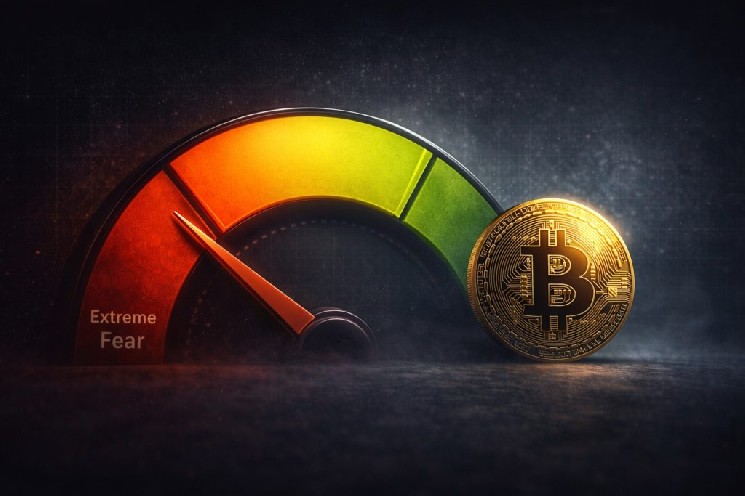
Matt Hougan: The reason is there are two separate markets now. One is the institutional market, building allocations from scratch; the other is traditional crypto investors following the four-year cycle. If you look at the data, you'll see that starting around December 2024, institutional investors are buying Bitcoin heavily through ETFs, while long-term holders and retail are selling heavily. Look at L1 altcoins like Avalanche, Sui, Aptos without ETF support, they entered a 'crypto winter' from January 1, 2025, falling up to 70%. Therefore, crypto asset holders are now in the bottoming area, whether measured by RSI or the 'Fear and Greed Index,' both at historical lows. So I really don't think the turning point was in October. I think the data suggests it started around January 1st, or when Trump took office, around that period. Except for ETFs, everything else is falling relentlessly.

Host: So the question is, are we really seeing a bull market? Seriously, the only reason we're seeing Bitcoin's price rise is because of ETFs, and you guys attracting more institutional adoption of Bitcoin, otherwise we wouldn't see new all-time highs.

Matt Hougan: That's true, and it's something we should ponder. This might mean the retail money that drove past booms has been squeezed dry. They're out of money, after FTX, after the Meme craze, they don't have more funds. This emergence from the bear market will be slower and more grueling than previous ones. Because retail funds might be depleted, while new institutional money is slow and steady. It might be a bit boring. I think it will be a great bull market, but compared to previous ones, it might be a bit bland.

Host: Maybe the trajectory will be more like gold, gradually moving towards a peak over the next 5 years.

Matt Hougan: Who knows? The institutional market is just beginning. Although figures like Larry Fink (BlackRock CEO), Kevin Warsh (potential Fed Chair candidate) are publicly supporting Bitcoin, institutional money moves in slowly, investing just a bit each quarter. This is completely different from the past 'hot money' fast-in-fast-out state. My basic assumption is: we are entering a new bull market with lower volatility and a slow, grinding ascent, especially for Bitcoin.

Host: Compared to when ETFs launched, how are institutions feeling now? Facing current market crashes or events like 'October 10th,' is there some negative sentiment, or still sustained positive sentiment?

Matt Hougan: Yes, they still have sustained positive sentiment, with only one or two caveats. Regarding institutions, they haven't completed their allocations yet. And there's the question 'why is gold rising but Bitcoin isn't.' But the answer to that is very simple, so it's not a real objection. Quantum computing is a real concern that has emerged.

Bitcoin Adoption Requires Long-Term Education, Stablecoins Are a Lifeline

Host: Although Bitcoin's fundamentals are stronger than ever; currently, public perception of Bitcoin is more negative than ever. How do we reverse this narrative and make people understand now is the time to really pay attention to Bitcoin?

Matt Hougan: I think the reversal is happening. The reason is, there are many highly respected people constantly talking about Bitcoin now. You hear BlackRock CEO Larry Fink talk about Bitcoin. You hear potential incoming Fed Chair Kevin Warsh say, 'If you're under 40, Bitcoin is your gold.' You hear Ray Dalio say to hold 15% in gold and Bitcoin. These are thought leaders gradually changing their stance on Bitcoin. I think for the general public, it's a continuous education process, letting them understand how bad the fiat system is, and all the wonderful things you gain through Bitcoin. This takes time. For the world's fund managers, Bitcoin's reputation now is better than at any time since I've been full-time in this space. I've been in crypto for eight years, and it's in a better position than ever.

Host: I also feel the situation seems completely flipped. It used to be retail first, now we see institutions first, retail follows. How much impact do you think stablecoins will have in driving Bitcoin adoption?

Matt Hougan: The impact is absolutely huge. Whether people realize it or not, the fact is everyone will interact with stablecoins and tokenized assets in the coming years. It will become as natural as using WhatsApp. The adoption of tokenization and stablecoins will be the same. This is important because it brings people into the digital asset ecosystem; they are just 'one click away' from Bitcoin, and the concept of digital wealth becomes less foreign. If you could snap your fingers and give everyone in the world a crypto wallet, do you think that would be good or bad for Bitcoin? Obviously good, because it brings people closer to owning Bitcoin.

For the billions of unbanked people in the world, stablecoins are a lifeline. Payment giants like Stripe are fully entering this space. More importantly, Meta plans to launch stablecoin access on Facebook, WhatsApp, and Instagram, which will expose 3 billion people directly to digital wealth. Even if only 10% eventually buy Bitcoin, it will be a huge incremental market.

Host: Let's talk politics and regulation. After Trump took office, the anticipated 'Bitcoin Strategic Reserve' seems to have no movement?

Matt Hougan: People might be a bit impatient. Government moves much slower than retail. Retail decides in a minute, a central bank might take a decade. But there is good news: SEC leadership changed, no longer suing the top 12 crypto companies; the GENIUS Act ended discriminatory policies against crypto businesses. The core now is the CLARITY Act in Congress. If it passes, big Wall Street banks will truly enter on a large scale.

No Need to Worry About Quantum Attacks, Bitcoin Can Benefit from AI Boom

Host: What's your view on the threat of quantum computing?

Matt Hougan: Quantum computing is an 'institutional-grade FUD (Fear, Uncertainty, Doubt)'. While it is a real risk, Bitcoin can be upgraded. If quantum computing could easily break Bitcoin, then global nuclear codes and banking systems would have collapsed long ago; Bitcoin would be the least of your worries.

Host: Regarding AI, many say miners are shifting computing power from Bitcoin mining to AI.

Matt Hougan: This is an extreme phenomenon. If using assets for AI yields better profits, miners will indeed pursue it, but I'm not worried. If enough people switch to AI, Bitcoin mining difficulty drops, costs fall and profit margins rise. Over the past 16 years, facing countless threats like national crackdowns and computing power exodus, the system has always self-corrected economically. It will be the same for the next 160 years.

Host: What overall impact will AI have on the economy? Will it cause massive deflation?

Matt Hougan: No one knows for sure. But either way, the benefits ultimately flow back to Bitcoin. If AI just improves production efficiency and the economy performs well, it's good for risk assets like Bitcoin. If an extreme doomsday scenario happens: AI replaces all jobs, causing massive deflation, people have nothing to do and don't consume. Then the only way governments respond to deflation is by printing money frantically and injecting it into the ecosystem, causing asset price inflation, which is extremely favorable for digitally scarce Bitcoin. But my basic assumption is that AI will lead to fundamental business disruption and reorganization, reducing costs and increasing efficiency, making the world wealthier, which is also good for cryptocurrency.

Multiple Tailwinds Drive Crypto Recovery, Agentic Finance is Growth Flywheel

Host: When talking about the crypto winter, what narrative will pull us out of this trough?

Matt Hougan: It's never just one thing. I think the rise of 'Agentic Finance', the growth of institutional DeFi (e.g., lending over a trillion dollars), the four-year cycle, more dovish-than-expected rate cuts, the fading of quantum risk, and the growth of stablecoins and tokenization, the approval of the Clarity Act, and other factors combined. So many positive messages together will pull us out of the bear market.

Host: Why will Agentic Finance impact tokens?

Matt Hougan: Top payment giant Stripe pointed out in their annual letter that Agentic Finance will account for the majority of all internet transactions, and all this will happen on blockchain and stablecoins. AI agents won't open accounts at JPMorgan Chase; they will only open stablecoin wallets. When they represent the vast majority of economic activity, it's a massive growth flywheel.

Ethereum Undervalued, The 'Big Four' of Cryptocurrencies

Host: So projects like Near, building quality technology in the ecosystem, fit well. Also, is the market extremely undervaluing Ethereum right now?

Matt Hougan: Yes, the market is currently undervaluing both dominant players, Ethereum and Solana. I am very bullish on Ethereum. Vitalik is back in the community as a major force, and there's a faster technology delivery roadmap. As the leader in stablecoins and tokenization, it is winning most of the institutional mandates.

Solana also benefits from its position as a challenger in the same market. When talking to institutions, in the past they only focused on Bitcoin, now the interest allocation is roughly fifty-fifty (half Bitcoin, half stablecoins and tokenization, i.e., ETH and SOL).

Host: I've been a supporter of Chainlink for nine years. Many only look at the token price and ignore the complexity of its underlying technology. Why are you so bullish on it?

Matt Hougan: I think the 'Big Four' of cryptocurrencies are: BTC, ETH, SOL, and LINK. Institutional investors might not even know what an 'oracle' is; they are missing all of this.

My logic is simple: blockchains will increasingly interact with the real world, and 75% of the market share is occupied by Chainlink, which is responsible for connecting data, auditing, cross-chain bridging. If it were a traditional software company, it would absolutely be one of the hottest tech stocks today. Chainlink isn't hot only because token economics seem complex to the average person. But once you understand the business core that 'connecting to the real world requires bridges,' its vast and dominant value becomes obvious.

Advice for Young Investors

Host: If a 25-year-old wants to enter the market now, what advice would you give them?

Matt Hougan: First, buy some cryptocurrency, but not Meme coins. A 25-year-old has a long time horizon. Put most of the allocation into a diversified basket of crypto index products and hold long-term. At the same time, spend time deeply understanding a few specific assets and invest in them. Whether the investment brings huge profits or not, the process itself yields enormous cognitive returns over time. The key is to have 'skin in the game.'

Host: How do you maintain sanity amidst these market fluctuations full of external noise?

Matt Hougan: My investment time horizon is measured in 'decades.' If you ask the most pessimistic person in crypto right now, they will still tell you: in ten years, Bitcoin will be bigger, stablecoins will be huge, tokenization will be huge. So the current fluctuations are just noise.

I've been fortunate to experience two crypto winters. The first experience was the hardest, but once you truly understand the long-term drivers of cryptocurrency and see they still exist, the fluctuations no longer bother you. Keep your eyes on the 'prize ten years from now,' not the prize ten minutes from now.

Related reading: Dialogue with Dalio: AI is Devouring Everything, Gold is Still the Preferred Choice, Bitcoin Still Has a Long Way to Go


Perguntas relacionadas

QAccording to Matt Hougan, what is the main reason for the recent sharp decline in Bitcoin's price?

AThe main reason for the recent sharp decline in Bitcoin's price is that many holders sold their Bitcoin in anticipation of the 'four-year cycle' or used option overwriting strategies to sell their upside potential, which is essentially long holders deciding to sell.

QHow does Matt Hougan characterize the new Bitcoin bull market driven by institutional capital compared to previous cycles?

AHe characterizes it as a new bull market with lower volatility and a slow, grinding upward trend, which may be more 'boring' compared to previous cycles because institutional money comes in slowly and steadily, unlike the fast-moving 'hot money' from retail investors.

QWhat are the 'Four Kings' of cryptocurrency that Matt Hougan is bullish on?

AThe 'Four Kings' of cryptocurrency that Matt Hougan is bullish on are Bitcoin (BTC), Ethereum (ETH), Solana (SOL), and Chainlink (LINK).

QWhy does Matt Hougan believe that concerns about quantum computing are overblown for Bitcoin?

AHe believes concerns are overblown because if quantum computing could easily break Bitcoin, it would have already broken global nuclear weapons codes and the banking system, making Bitcoin the least of one's worries. He also notes that Bitcoin can be upgraded to address such threats.

QWhat role does Matt Hougan see for stablecoins in driving the adoption of Bitcoin and the broader crypto ecosystem?

AHe sees stablecoins as having a massive impact because they bring people into the digital asset ecosystem, making the concept of digital wealth familiar. With major companies like Stripe and Meta integrating stablecoin access for billions of users, it creates a huge incremental market, bringing people 'one click away' from owning Bitcoin.

Leituras Relacionadas

Why Do You Always Lose Money on Polymarket? Because You're Betting on News, While the Pros Read the Rules

Why do you always lose money on Polymarket? Because you bet on news, while the pros study the rules. This article explains how top traders ("che tou") profit by meticulously analyzing market rules, not just predicting events. Polymarket, a prediction market platform, often sees disputes over event outcomes due to ambiguous rule wording. For instance, a market asking "Who will be the leader of Venezuela by the end of 2026?" was misinterpreted by many who bet on Delcy Rodríguez, assuming she held power. However, the rules specified "officially holds" as the formally appointed, sworn-in individual. Since Nicolás Maduro was still recognized as president officially, he won the market—even being in prison. To resolve such disputes, Polymarket uses a decentralized arbitration system via UMA protocol. The process involves: 1. Proposal: Anyone can propose a market outcome by staking 750 USDC, earning 5 USDC if unchallenged. 2. Dispute: A 2-hour window allows challenges with a 750 USDC stake; successful challengers earn 250 USDC. 3. Discussion: A 48-hour period on UMA Discord for evidence and debate. 4. Voting: UMA token holders vote in two 24-hour phases (blind then public). Outcomes require >65% consensus and 5M tokens voted; otherwise, four re-votes occur before Polymarket intervention. 5. Settlement: Results are final and automatic. Unlike traditional courts, Polymarket’s system lacks separation between arbitrators and stakeholders—voters often hold market positions, creating conflicts of interest. This leads to herd mentality in discussions and non-transparent outcomes without explanatory rulings, preventing precedent formation. Thus, success on Polymarket hinges on deep rule interpretation, not just event prediction, exploiting gaps between reality and contractual wording.

marsbitHá 2h

Why Do You Always Lose Money on Polymarket? Because You're Betting on News, While the Pros Read the Rules

marsbitHá 2h

DeepSeek Funding: Liang Wenfeng's 'Realist' Pivot

DeepSeek, a leading Chinese AI company, has initiated its first external funding round, aiming to raise at least $300 million at a valuation of no less than $10 billion. This move marks a significant shift from its founder Liang Wenfeng’s previous idealistic stance of rejecting external capital to maintain independence. Despite strong financial backing from its parent company, quantitative trading firm幻方量化 (Huanfang Quant), which provided an estimated $700 million in revenue in 2025 alone, DeepSeek faces mounting challenges. Key issues include a 15-month gap in major model updates, delays in its flagship V4 release, and the loss of several core researchers to competitors offering significantly higher compensation. The company is also undergoing a strategic pivot by migrating its infrastructure from NVIDIA’s CUDA to Huawei’s Ascend platform, a move aligned with China’s push for technological self-reliance amid U.S. export controls. However, DeepSeek lags behind rivals like智谱AI and MiniMax—both now publicly listed—in areas such as product ecosystem, multimodal capabilities, and commercialization. The funding round, though relatively small in scale, is seen as a way to establish a market-validated valuation anchor, making employee stock options more competitive and facilitating talent retention. It also signals DeepSeek’s transition from a pure research-oriented organization to a commercially-driven player in the global AI ecosystem.

marsbitHá 3h

DeepSeek Funding: Liang Wenfeng's 'Realist' Pivot

marsbitHá 3h

Trading

Spot
Futuros

Artigos em Destaque

O que é GROK AI

Grok AI: Revolucionar a Tecnologia Conversacional na Era Web3 Introdução No panorama em rápida evolução da inteligência artificial, a Grok AI destaca-se como um projeto notável que liga os domínios da tecnologia avançada e da interação com o utilizador. Desenvolvida pela xAI, uma empresa liderada pelo renomado empreendedor Elon Musk, a Grok AI procura redefinir a forma como interagimos com a inteligência artificial. À medida que o movimento Web3 continua a florescer, a Grok AI visa aproveitar o poder da IA conversacional para responder a consultas complexas, proporcionando aos utilizadores uma experiência que é não apenas informativa, mas também divertida. O que é a Grok AI? A Grok AI é um sofisticado chatbot de IA conversacional projetado para interagir com os utilizadores de forma dinâmica. Ao contrário de muitos sistemas de IA tradicionais, a Grok AI abraça uma gama mais ampla de perguntas, incluindo aquelas tipicamente consideradas inadequadas ou fora das respostas padrão. Os principais objetivos do projeto incluem: Raciocínio Fiável: A Grok AI enfatiza o raciocínio de senso comum para fornecer respostas lógicas com base na compreensão contextual. Supervisão Escalável: A integração de assistência de ferramentas garante que as interações dos utilizadores sejam monitorizadas e otimizadas para qualidade. Verificação Formal: A segurança é primordial; a Grok AI incorpora métodos de verificação formal para aumentar a fiabilidade das suas saídas. Compreensão de Longo Contexto: O modelo de IA destaca-se na retenção e recordação de um extenso histórico de conversas, facilitando discussões significativas e contextualizadas. Robustez Adversarial: Ao focar na melhoria das suas defesas contra entradas manipuladas ou maliciosas, a Grok AI visa manter a integridade das interações dos utilizadores. Em essência, a Grok AI não é apenas um dispositivo de recuperação de informações; é um parceiro conversacional imersivo que incentiva um diálogo dinâmico. Criador da Grok AI A mente por trás da Grok AI não é outra senão Elon Musk, um indivíduo sinónimo de inovação em vários campos, incluindo automóvel, viagens espaciais e tecnologia. Sob a égide da xAI, uma empresa focada em avançar a tecnologia de IA de maneiras benéficas, a visão de Musk visa reformular a compreensão das interações com a IA. A liderança e a ética fundacional são profundamente influenciadas pelo compromisso de Musk em ultrapassar os limites tecnológicos. Investidores da Grok AI Embora os detalhes específicos sobre os investidores que apoiam a Grok AI permaneçam limitados, é reconhecido publicamente que a xAI, a incubadora do projeto, é fundada e apoiada principalmente pelo próprio Elon Musk. As anteriores empreitadas e participações de Musk fornecem um forte apoio, reforçando ainda mais a credibilidade e o potencial de crescimento da Grok AI. No entanto, até agora, informações sobre fundações ou organizações de investimento adicionais que apoiam a Grok AI não estão prontamente acessíveis, marcando uma área para exploração futura potencial. Como Funciona a Grok AI? A mecânica operacional da Grok AI é tão inovadora quanto a sua estrutura conceptual. O projeto integra várias tecnologias de ponta que facilitam as suas funcionalidades únicas: Infraestrutura Robusta: A Grok AI é construída utilizando Kubernetes para orquestração de contêineres, Rust para desempenho e segurança, e JAX para computação numérica de alto desempenho. Este trio assegura que o chatbot opere de forma eficiente, escale eficazmente e sirva os utilizadores prontamente. Acesso a Conhecimento em Tempo Real: Uma das características distintivas da Grok AI é a sua capacidade de aceder a dados em tempo real através da plataforma X—anteriormente conhecida como Twitter. Esta capacidade concede à IA acesso às informações mais recentes, permitindo-lhe fornecer respostas e recomendações oportunas que outros modelos de IA poderiam perder. Dois Modos de Interação: A Grok AI oferece aos utilizadores a escolha entre “Modo Divertido” e “Modo Regular”. O Modo Divertido permite um estilo de interação mais lúdico e humorístico, enquanto o Modo Regular foca em fornecer respostas precisas e exatas. Esta versatilidade assegura uma experiência adaptada que atende a várias preferências dos utilizadores. Em essência, a Grok AI combina desempenho com envolvimento, criando uma experiência que é tanto enriquecedora quanto divertida. Cronologia da Grok AI A jornada da Grok AI é marcada por marcos fundamentais que refletem as suas fases de desenvolvimento e implementação: Desenvolvimento Inicial: A fase fundamental da Grok AI ocorreu ao longo de aproximadamente dois meses, durante os quais o treinamento inicial e o ajuste do modelo foram realizados. Lançamento Beta do Grok-2: Numa evolução significativa, o beta do Grok-2 foi anunciado. Este lançamento introduziu duas versões do chatbot—Grok-2 e Grok-2 mini—cada uma equipada com capacidades para conversar, programar e raciocinar. Acesso Público: Após o seu desenvolvimento beta, a Grok AI tornou-se disponível para os utilizadores da plataforma X. Aqueles com contas verificadas por um número de telefone e ativas há pelo menos sete dias podem aceder a uma versão limitada, tornando a tecnologia disponível para um público mais amplo. Esta cronologia encapsula o crescimento sistemático da Grok AI desde a sua concepção até ao envolvimento público, enfatizando o seu compromisso com a melhoria contínua e a interação com o utilizador. Principais Características da Grok AI A Grok AI abrange várias características principais que contribuem para a sua identidade inovadora: Integração de Conhecimento em Tempo Real: O acesso a informações atuais e relevantes diferencia a Grok AI de muitos modelos estáticos, permitindo uma experiência de utilizador envolvente e precisa. Estilos de Interação Versáteis: Ao oferecer modos de interação distintos, a Grok AI atende a várias preferências dos utilizadores, convidando à criatividade e personalização na conversa com a IA. Base Tecnológica Avançada: A utilização de Kubernetes, Rust e JAX fornece ao projeto uma estrutura sólida para garantir fiabilidade e desempenho ótimo. Consideração de Discurso Ético: A inclusão de uma função de geração de imagens demonstra o espírito inovador do projeto. No entanto, também levanta considerações éticas em torno dos direitos autorais e da representação respeitosa de figuras reconhecíveis—uma discussão em curso dentro da comunidade de IA. Conclusão Como uma entidade pioneira no domínio da IA conversacional, a Grok AI encapsula o potencial para experiências transformadoras do utilizador na era digital. Desenvolvida pela xAI e impulsionada pela abordagem visionária de Elon Musk, a Grok AI integra conhecimento em tempo real com capacidades avançadas de interação. Esforça-se por ultrapassar os limites do que a inteligência artificial pode alcançar, mantendo um foco nas considerações éticas e na segurança do utilizador. A Grok AI não apenas incorpora o avanço tecnológico, mas também representa um novo paradigma de conversas no panorama Web3, prometendo envolver os utilizadores com conhecimento hábil e interação lúdica. À medida que o projeto continua a evoluir, ele permanece como um testemunho do que a interseção da tecnologia, criatividade e interação humana pode alcançar.

345 Visualizações TotaisPublicado em {updateTime}Atualizado em 2024.12.26

O que é GROK AI

O que é ERC AI

Euruka Tech: Uma Visão Geral do $erc ai e as suas Ambições no Web3 Introdução No panorama em rápida evolução da tecnologia blockchain e das aplicações descentralizadas, novos projetos surgem frequentemente, cada um com objetivos e metodologias únicas. Um desses projetos é a Euruka Tech, que opera no vasto domínio das criptomoedas e do Web3. O foco principal da Euruka Tech, particularmente do seu token $erc ai, é apresentar soluções inovadoras concebidas para aproveitar as capacidades crescentes da tecnologia descentralizada. Este artigo tem como objetivo fornecer uma visão abrangente da Euruka Tech, uma exploração das suas metas, funcionalidade, a identidade do seu criador, potenciais investidores e a sua importância no contexto mais amplo do Web3. O que é a Euruka Tech, $erc ai? A Euruka Tech é caracterizada como um projeto que aproveita as ferramentas e funcionalidades oferecidas pelo ambiente Web3, focando na integração da inteligência artificial nas suas operações. Embora os detalhes específicos sobre a estrutura do projeto sejam um tanto elusivos, ele é concebido para melhorar o envolvimento dos utilizadores e automatizar processos no espaço cripto. O projeto visa criar um ecossistema descentralizado que não só facilita transações, mas também incorpora funcionalidades preditivas através da inteligência artificial, daí a designação do seu token, $erc ai. O objetivo é fornecer uma plataforma intuitiva que facilite interações mais inteligentes e um processamento eficiente de transações dentro da crescente esfera do Web3. Quem é o Criador da Euruka Tech, $erc ai? Neste momento, a informação sobre o criador ou a equipa fundadora da Euruka Tech permanece não especificada e algo opaca. Esta ausência de dados levanta preocupações, uma vez que o conhecimento sobre o histórico da equipa é frequentemente essencial para estabelecer credibilidade no setor blockchain. Portanto, categorizamos esta informação como desconhecida até que detalhes concretos sejam disponibilizados no domínio público. Quem são os Investidores da Euruka Tech, $erc ai? De forma semelhante, a identificação de investidores ou organizações de apoio para o projeto Euruka Tech não é prontamente fornecida através da pesquisa disponível. Um aspeto que é crucial para potenciais partes interessadas ou utilizadores que consideram envolver-se com a Euruka Tech é a garantia que vem de parcerias financeiras estabelecidas ou apoio de empresas de investimento respeitáveis. Sem divulgações sobre afiliações de investimento, é difícil tirar conclusões abrangentes sobre a segurança financeira ou a longevidade do projeto. Em linha com a informação encontrada, esta seção também se encontra no estado de desconhecido. Como funciona a Euruka Tech, $erc ai? Apesar da falta de especificações técnicas detalhadas para a Euruka Tech, é essencial considerar as suas ambições inovadoras. O projeto procura aproveitar o poder computacional da inteligência artificial para automatizar e melhorar a experiência do utilizador no ambiente das criptomoedas. Ao integrar IA com tecnologia blockchain, a Euruka Tech visa fornecer funcionalidades como negociações automatizadas, avaliações de risco e interfaces de utilizador personalizadas. A essência inovadora da Euruka Tech reside no seu objetivo de criar uma conexão fluida entre os utilizadores e as vastas possibilidades apresentadas pelas redes descentralizadas. Através da utilização de algoritmos de aprendizagem automática e IA, visa minimizar os desafios enfrentados por utilizadores de primeira viagem e agilizar as experiências transacionais dentro do quadro do Web3. Esta simbiose entre IA e blockchain sublinha a importância do token $erc ai, que se apresenta como uma ponte entre interfaces de utilizador tradicionais e as capacidades avançadas das tecnologias descentralizadas. Cronologia da Euruka Tech, $erc ai Infelizmente, devido à informação limitada disponível sobre a Euruka Tech, não conseguimos apresentar uma cronologia detalhada dos principais desenvolvimentos ou marcos na jornada do projeto. Esta cronologia, tipicamente inestimável para traçar a evolução de um projeto e compreender a sua trajetória de crescimento, não está atualmente disponível. À medida que informações sobre eventos notáveis, parcerias ou adições funcionais se tornem evidentes, atualizações certamente aumentarão a visibilidade da Euruka Tech na esfera cripto. Esclarecimento sobre Outros Projetos “Eureka” É importante abordar que múltiplos projetos e empresas partilham uma nomenclatura semelhante com “Eureka.” A pesquisa identificou iniciativas como um agente de IA da NVIDIA Research, que se concentra em ensinar robôs a realizar tarefas complexas utilizando métodos generativos, bem como a Eureka Labs e a Eureka AI, que melhoram a experiência do utilizador na educação e na análise de serviços ao cliente, respetivamente. No entanto, estes projetos são distintos da Euruka Tech e não devem ser confundidos com os seus objetivos ou funcionalidades. Conclusão A Euruka Tech, juntamente com o seu token $erc ai, representa um jogador promissor, mas atualmente obscuro, dentro do panorama do Web3. Embora os detalhes sobre o seu criador e investidores permaneçam não divulgados, a ambição central de combinar inteligência artificial com tecnologia blockchain destaca-se como um ponto focal de interesse. As abordagens únicas do projeto em promover o envolvimento do utilizador através da automação avançada podem diferenciá-lo à medida que o ecossistema Web3 avança. À medida que o mercado cripto continua a evoluir, as partes interessadas devem manter um olhar atento sobre os avanços em torno da Euruka Tech, uma vez que o desenvolvimento de inovações documentadas, parcerias ou um roteiro definido pode apresentar oportunidades significativas no futuro próximo. Neste momento, aguardamos por insights mais substanciais que possam desvendar o potencial da Euruka Tech e a sua posição no competitivo panorama cripto.

395 Visualizações TotaisPublicado em {updateTime}Atualizado em 2025.01.02

O que é ERC AI

O que é DUOLINGO AI

DUOLINGO AI: Integrar a Aprendizagem de Línguas com Inovação Web3 e IA Numa era em que a tecnologia transforma a educação, a integração da inteligência artificial (IA) e das redes blockchain anuncia uma nova fronteira para a aprendizagem de línguas. Apresentamos DUOLINGO AI e a sua criptomoeda associada, $DUOLINGO AI. Este projeto aspira a unir o poder educativo das principais plataformas de aprendizagem de línguas com os benefícios da tecnologia descentralizada Web3. Este artigo explora os principais aspectos do DUOLINGO AI, analisando os seus objetivos, estrutura tecnológica, desenvolvimento histórico e potencial futuro, mantendo a clareza entre o recurso educativo original e esta iniciativa independente de criptomoeda. Visão Geral do DUOLINGO AI No seu cerne, DUOLINGO AI procura estabelecer um ambiente descentralizado onde os alunos podem ganhar recompensas criptográficas por alcançar marcos educativos em proficiência linguística. Ao aplicar contratos inteligentes, o projeto visa automatizar processos de verificação de habilidades e alocação de tokens, aderindo aos princípios do Web3 que enfatizam a transparência e a propriedade do utilizador. O modelo diverge das abordagens tradicionais de aquisição de línguas ao apoiar-se fortemente numa estrutura de governança orientada pela comunidade, permitindo que os detentores de tokens sugiram melhorias ao conteúdo dos cursos e à distribuição de recompensas. Alguns dos objetivos notáveis do DUOLINGO AI incluem: Aprendizagem Gamificada: O projeto integra conquistas em blockchain e tokens não fungíveis (NFTs) para representar níveis de proficiência linguística, promovendo a motivação através de recompensas digitais envolventes. Criação de Conteúdo Descentralizada: Abre caminhos para educadores e entusiastas de línguas contribuírem com os seus cursos, facilitando um modelo de partilha de receitas que beneficia todos os colaboradores. Personalização Através de IA: Ao empregar modelos avançados de aprendizagem de máquina, o DUOLINGO AI personaliza as lições para se adaptar ao progresso de aprendizagem individual, semelhante às características adaptativas encontradas em plataformas estabelecidas. Criadores do Projeto e Governança A partir de abril de 2025, a equipa por trás do $DUOLINGO AI permanece pseudónima, uma prática frequente no panorama descentralizado das criptomoedas. Esta anonimidade visa promover o crescimento coletivo e o envolvimento das partes interessadas, em vez de se concentrar em desenvolvedores individuais. O contrato inteligente implementado na blockchain Solana indica o endereço da carteira do desenvolvedor, o que significa o compromisso com a transparência em relação às transações, apesar da identidade dos criadores ser desconhecida. De acordo com o seu roteiro, o DUOLINGO AI pretende evoluir para uma Organização Autónoma Descentralizada (DAO). Esta estrutura de governança permite que os detentores de tokens votem em questões críticas, como implementações de funcionalidades e alocação de tesouraria. Este modelo alinha-se com a ética de empoderamento comunitário encontrada em várias aplicações descentralizadas, enfatizando a importância da tomada de decisão coletiva. Investidores e Parcerias Estratégicas Atualmente, não existem investidores institucionais ou capitalistas de risco publicamente identificáveis ligados ao $DUOLINGO AI. Em vez disso, a liquidez do projeto origina-se principalmente de trocas descentralizadas (DEXs), marcando um contraste acentuado com as estratégias de financiamento das empresas tradicionais de tecnologia educacional. Este modelo de base indica uma abordagem orientada pela comunidade, refletindo o compromisso do projeto com a descentralização. No seu whitepaper, o DUOLINGO AI menciona a formação de colaborações com “plataformas de educação blockchain” não especificadas, com o objetivo de enriquecer a sua oferta de cursos. Embora parcerias específicas ainda não tenham sido divulgadas, estes esforços colaborativos sugerem uma estratégia para misturar inovação em blockchain com iniciativas educativas, expandindo o acesso e o envolvimento dos utilizadores em diversas vias de aprendizagem. Arquitetura Tecnológica Integração de IA O DUOLINGO AI incorpora dois componentes principais impulsionados por IA para melhorar as suas ofertas educativas: Motor de Aprendizagem Adaptativa: Este motor sofisticado aprende a partir das interações dos utilizadores, semelhante a modelos proprietários de grandes plataformas educativas. Ele ajusta dinamicamente a dificuldade das lições para abordar desafios específicos dos alunos, reforçando áreas fracas através de exercícios direcionados. Agentes Conversacionais: Ao empregar chatbots alimentados por GPT-4, o DUOLINGO AI oferece uma plataforma para os utilizadores se envolverem em conversas simuladas, promovendo uma experiência de aprendizagem de línguas mais interativa e prática. Infraestrutura Blockchain Construído na blockchain Solana, o $DUOLINGO AI utiliza uma estrutura tecnológica abrangente que inclui: Contratos Inteligentes de Verificação de Habilidades: Esta funcionalidade atribui automaticamente tokens aos utilizadores que passam com sucesso em testes de proficiência, reforçando a estrutura de incentivos para resultados de aprendizagem genuínos. Emblemas NFT: Estes tokens digitais significam vários marcos que os alunos alcançam, como completar uma seção do seu curso ou dominar habilidades específicas, permitindo-lhes negociar ou exibir as suas conquistas digitalmente. Governança DAO: Membros da comunidade com tokens podem participar na governança votando em propostas-chave, facilitando uma cultura participativa que incentiva a inovação nas ofertas de cursos e funcionalidades da plataforma. Cronologia Histórica 2022–2023: Conceituação O trabalho preliminar para o DUOLINGO AI começa com a criação de um whitepaper, destacando a sinergia entre os avanços em IA na aprendizagem de línguas e o potencial descentralizado da tecnologia blockchain. 2024: Lançamento Beta Um lançamento beta limitado introduz ofertas em línguas populares, recompensando os primeiros utilizadores com incentivos em tokens como parte da estratégia de envolvimento comunitário do projeto. 2025: Transição para DAO Em abril, ocorre um lançamento completo da mainnet com a circulação de tokens, promovendo discussões comunitárias sobre possíveis expansões para línguas asiáticas e outros desenvolvimentos de cursos. Desafios e Direções Futuras Obstáculos Técnicos Apesar dos seus objetivos ambiciosos, o DUOLINGO AI enfrenta desafios significativos. A escalabilidade continua a ser uma preocupação constante, particularmente no equilíbrio dos custos associados ao processamento de IA e à manutenção de uma rede descentralizada responsiva. Além disso, garantir a criação e moderação de conteúdo de qualidade num ambiente descentralizado apresenta complexidades na manutenção dos padrões educativos. Oportunidades Estratégicas Olhando para o futuro, o DUOLINGO AI tem o potencial de aproveitar parcerias de micro-certificação com instituições académicas, proporcionando validações verificadas em blockchain das habilidades linguísticas. Além disso, a expansão cross-chain poderia permitir que o projeto acedesse a bases de utilizadores mais amplas e a ecossistemas de blockchain adicionais, melhorando a sua interoperabilidade e alcance. Conclusão DUOLINGO AI representa uma fusão inovadora de inteligência artificial e tecnologia blockchain, apresentando uma alternativa focada na comunidade aos sistemas tradicionais de aprendizagem de línguas. Embora o seu desenvolvimento pseudónimo e o modelo económico emergente tragam certos riscos, o compromisso do projeto com a aprendizagem gamificada, educação personalizada e governança descentralizada ilumina um caminho a seguir para a tecnologia educativa no domínio do Web3. À medida que a IA continua a avançar e o ecossistema blockchain evolui, iniciativas como o DUOLINGO AI poderão redefinir a forma como os utilizadores interagem com a educação linguística, empoderando comunidades e recompensando o envolvimento através de mecanismos de aprendizagem inovadores.

378 Visualizações TotaisPublicado em {updateTime}Atualizado em 2025.04.11

O que é DUOLINGO AI

Discussões

Bem-vindo à Comunidade HTX. Aqui, pode manter-se informado sobre os mais recentes desenvolvimentos da plataforma e obter acesso a análises profissionais de mercado. As opiniões dos utilizadores sobre o preço de AI (AI) são apresentadas abaixo.

活动图片