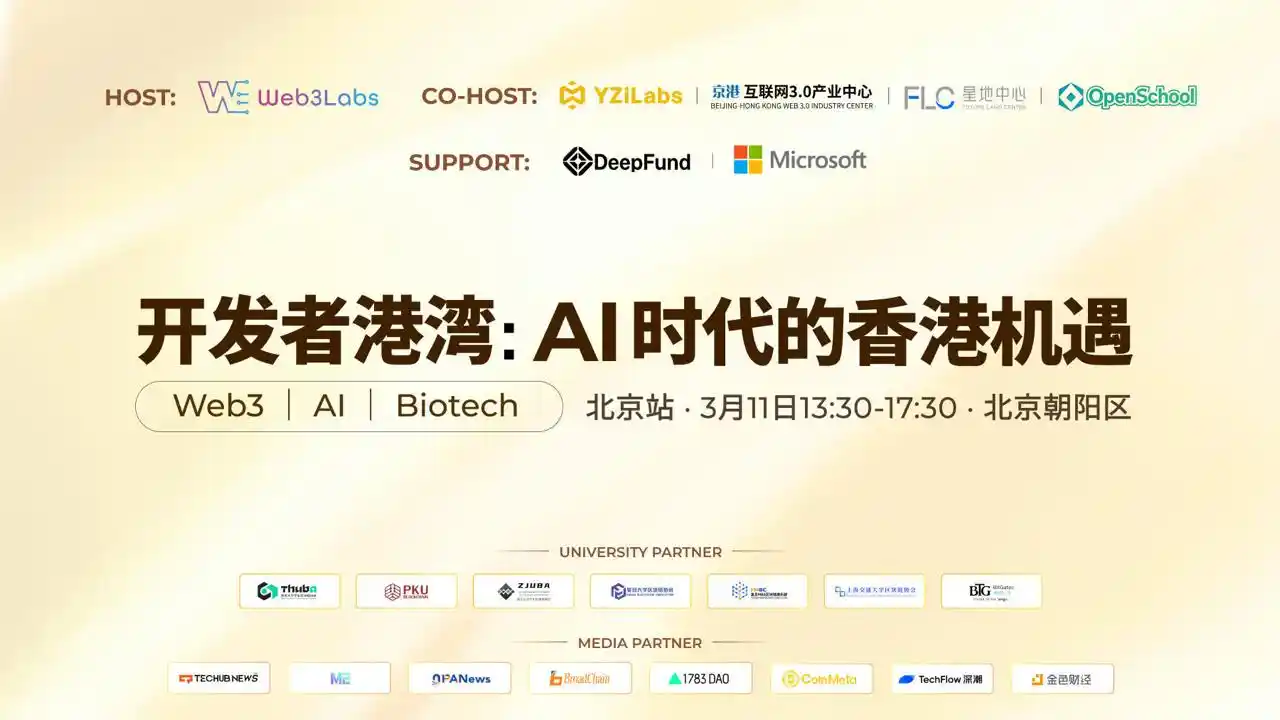
Developer Harbor: Hong Kong's New Opportunities in the AI Era (Beijing Station) Concludes Successfully, Ushering in a New Journey for Alpha Builders

marsbitPublicado em 2026-03-12Última atualização em 2026-03-12

Resumo

On March 11, 2026, the "Developer Harbor: Hong Kong's New Opportunities in the AI Era (Beijing)" event, co-hosted by Web3Labs and YZi Labs, was successfully held at StarLand Center in Beijing. The event brought together over a hundred builders from universities and tech organizations across China to explore Hong Kong's role as an international tech innovation hub in the AI age. The event featured opening remarks from government representatives, including officials from Beijing and Hong Kong, who emphasized the strategic synergy between the two cities in tech innovation, talent mobility, and industrial collaboration. A representative from the Hong Kong government also introduced talent admission policies to support mainland tech professionals seeking opportunities in Hong Kong. Web3Labs CEO Caspar Wong delivered a keynote, arguing that the convergence of AI and Web3 lies at the protocol layer rather than the application layer, with future investment logic focusing on composable, verifiable, and operational infrastructure of real value. A major highlight was the introduction of the "Alpha Builders Innovation Recruitment Program," an initiative by Web3Labs and YZi Labs aimed at identifying and empowering China’s most promising tech builders. Seven teams from top universities such as Tsinghua, Peking, Fudan, and Zhejiang presented projects spanning AI agents, Web3 infrastructure, biocomputing, and privacy computing. Selected teams will gain access to mentorship, ecosystem reso...

On March 11, 2026, "Developer Harbor: Hong Kong's New Opportunities in the AI Era," hosted by Web3Labs and YZi Labs, and co-hosted by the Beijing-Hong Kong Web3.0 Industrial Center, Star Land Center, and OpenSchool, was successfully held at the Star Land Center in Chaoyang District, Beijing. The event brought together over a hundred builders from innovative teams at universities nationwide and industry organizations to jointly explore the new opportunities for Hong Kong as an international hub for technological innovation in the AI era.

🔹 Twin-City Collaboration, Building an Innovation Bridge

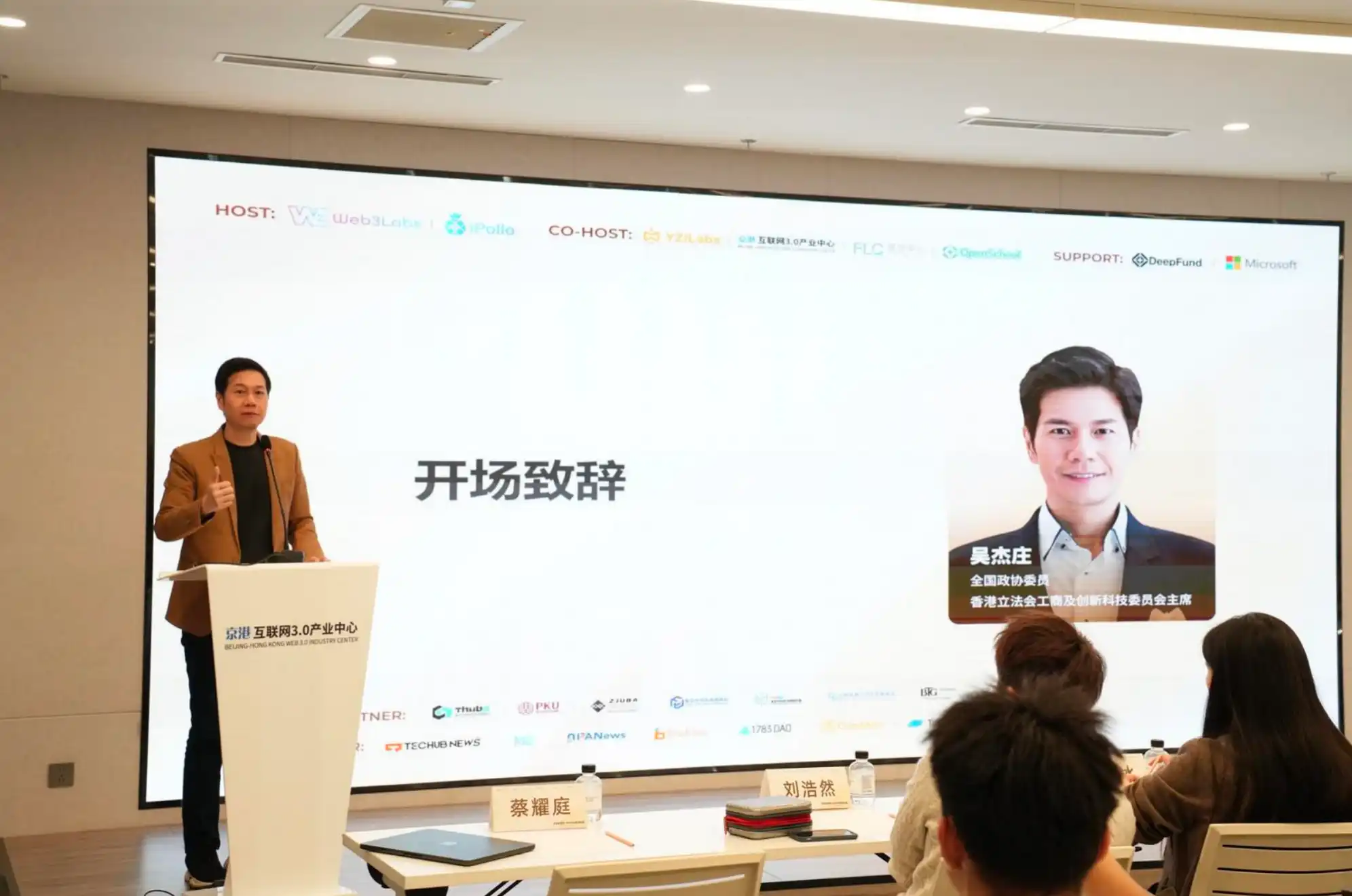
The event gathered over a hundred innovators from universities and cutting-edge technology fields across the country, witnessing a complete ecosystem from policy empowerment to technology implementation. The event kicked off with joint opening remarks by Chen Lei, Member of the Party Working Committee and Deputy Director of the Management Committee of Zhongguancun Chaoyang Park, and Dr. Wu Jiezhuang, Member of the National Committee of the Chinese People's Political Consultative Conference and Chairman of the Hong Kong Legislative Council's Commerce, Industry, and Technology Innovation Committee. Both guests emphasized the strategic complementarity between Beijing and Hong Kong in technological innovation, talent mobility, and industrial collaboration, injecting confidence into the joint building of a world-class innovation ecosystem between the two cities.
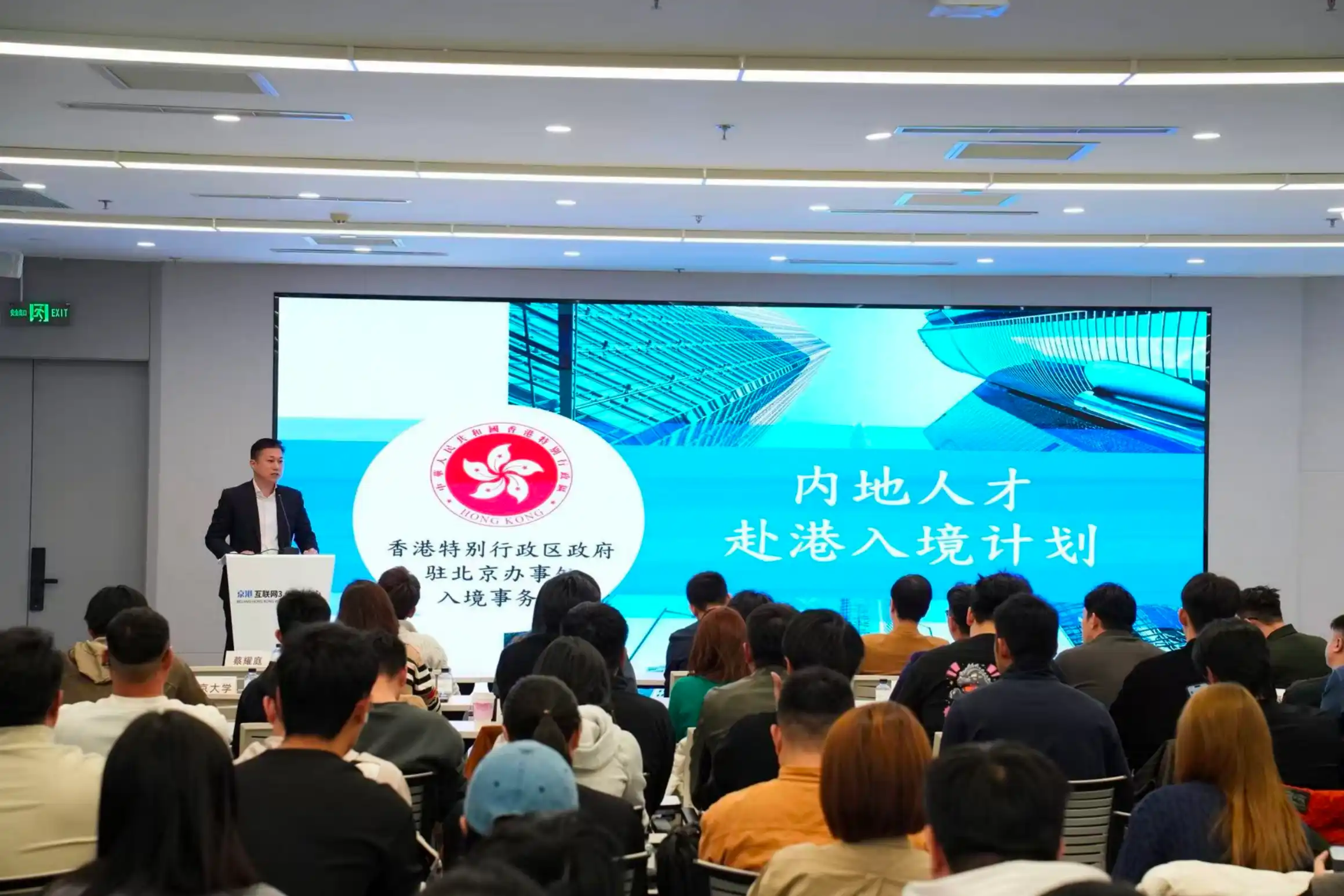
Subsequently, Huang Weiqi, Chief Affairs Director of the Hong Kong Special Administrative Region Government's Beijing Office, systematically interpreted the "Mainland Talent Admission Scheme for Hong Kong," providing detailed explanations of application channels, support measures, and development paths in Hong Kong, offering clear policy guidance for tech talents interested in cross-border development.
Web3Labs CEO Caspar Wong delivered a keynote speech, proposing that "the convergence of AI and Web3 lies not at the application layer but at the protocol layer," and revealing that the next generation of investment logic will focus on composable, verifiable, and operational real-value infrastructure.

🔹 Alpha Builders Gather for the First Time, Showcasing Their Potential

The core highlight of "Developer Harbor: Hong Kong's New Opportunities in the AI Era (Beijing Station)" was undoubtedly the debut of the innovative teams under the "Alpha Builders Innovator Recruitment Plan." This plan, jointly launched by Web3Labs and YZi Labs, aims to discover and empower China's most promising next-generation technical builders (Builders), bridging the critical path from campus innovation to global ecosystem implementation.

At the event, seven cutting-edge innovative teams from top domestic universities such as Tsinghua University, Peking University, Fudan University, and Zhejiang University took the stage to showcase their projects, covering frontier interdisciplinary fields such as AI agents, Web3 infrastructure, biocomputing, and privacy computing. These teams not only possess solid engineering capabilities but also demonstrate a deep understanding of "real-world problems"—a vivid reflection of the "value-driven innovation"理念 advocated by both parties.
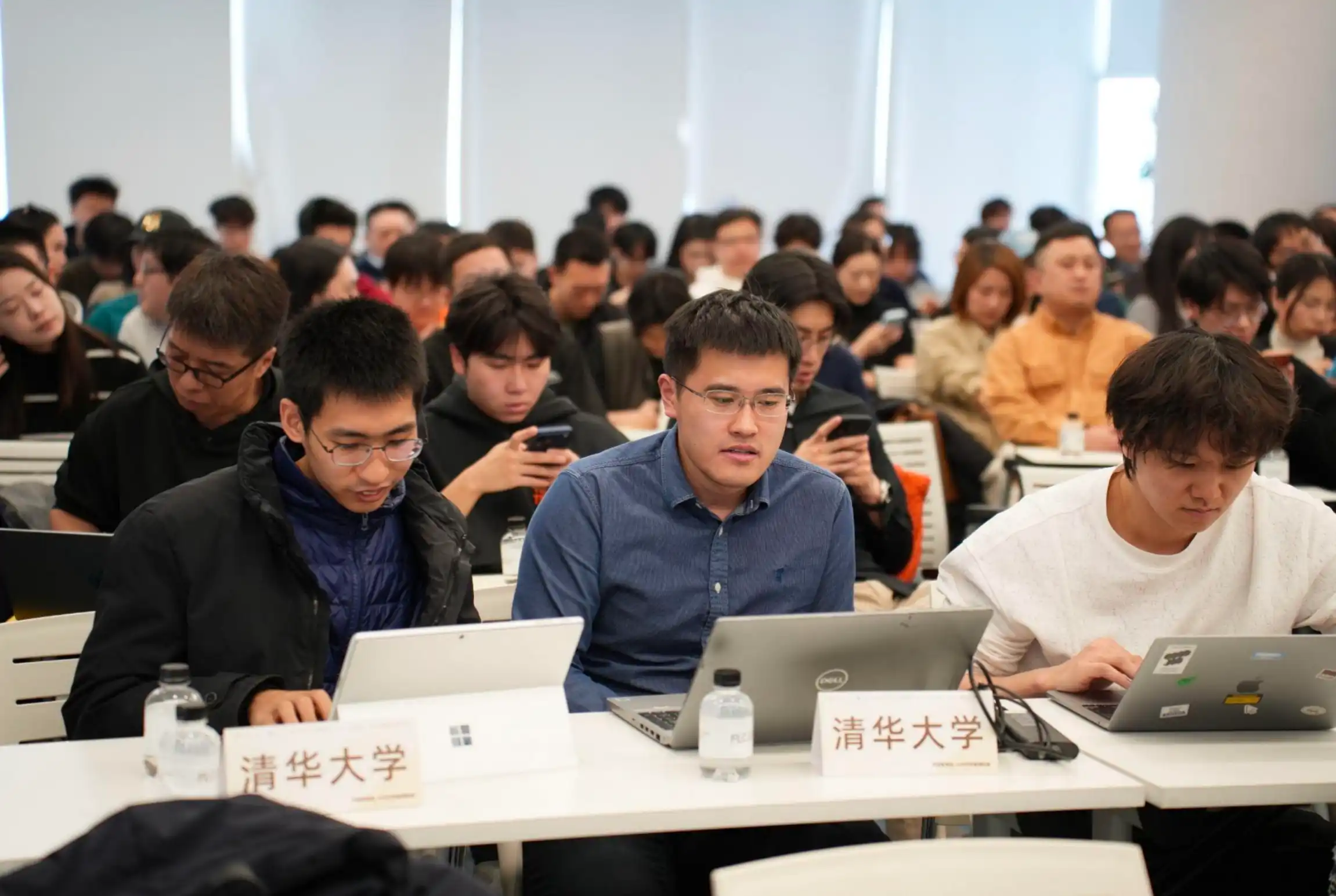
As a globally leading Web3 investment and incubation platform, Web3Labs, in collaboration with YZi Labs, is seeking builders who use technology to solve real-world challenges in Web3, AI, Biotech, and more." This Alpha Builders plan is a practical implementation of this vision—selected teams will have the opportunity to enter the interview process for the EASY Residency program launched by YZi Labs, receiving technical guidance, ecosystem resource connections, and early-stage funding support to accelerate their journey from prototype to product.

From campus laboratories to the international stage, Alpha Builders are constructing a high-speed channel for "youth innovation power × global Web3 ecosystem." This may well be the most anticipated answer to shaping the future in the AI era.
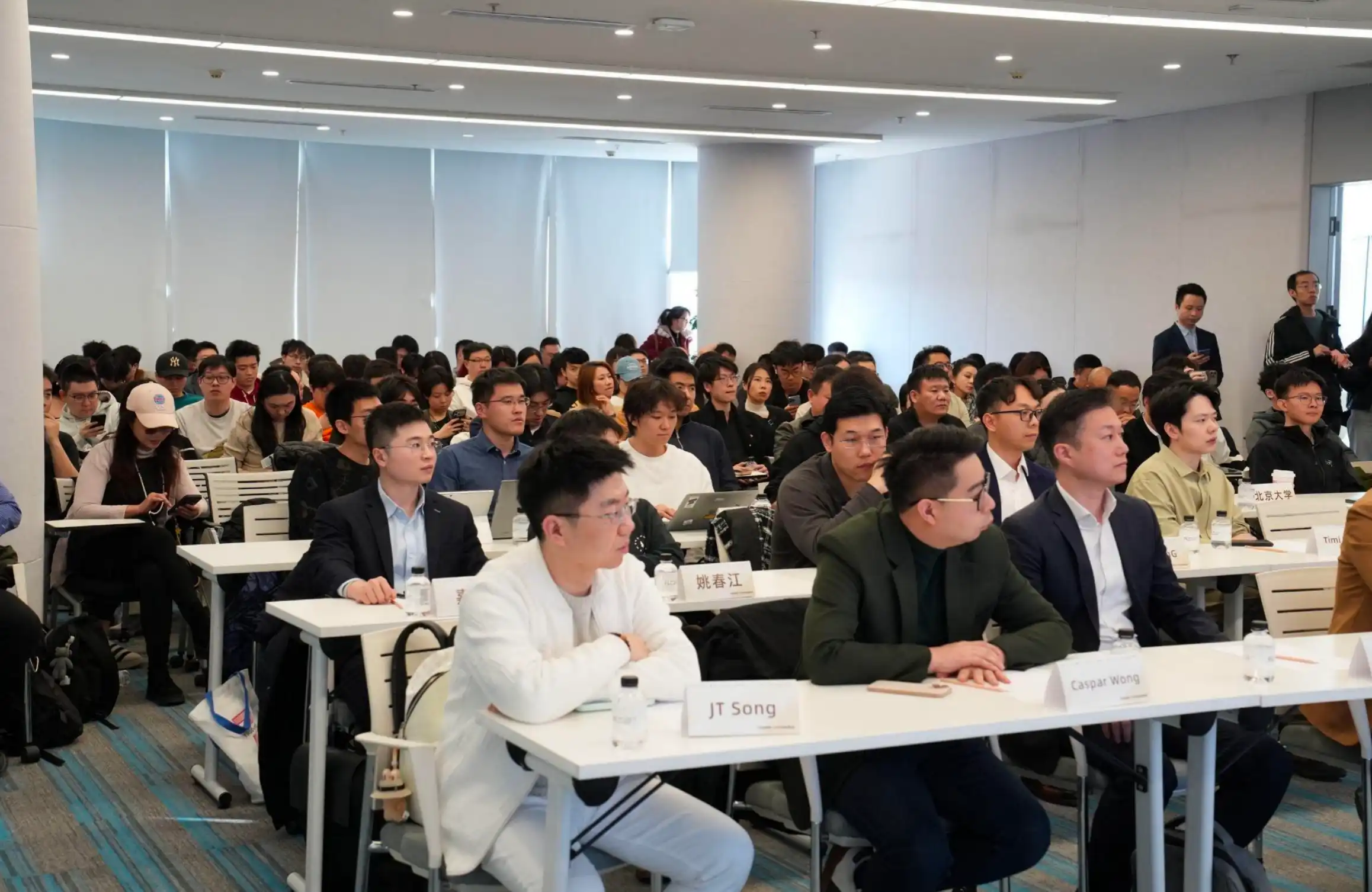
As AI and Web3 reshape the global technological landscape, Hong Kong, with its open system, international ecosystem, and forward-looking policies, is becoming a key hub connecting outstanding innovative forces with the world stage. Web3Labs will continue to collaborate with YZi Labs to discover those Alpha Builders who dare to build, jointly creating a more real, intelligent, and composable digital future.


Criptomoedas em alta

Perguntas relacionadas

QWhat was the main theme of the 'Developer Harbor: Hong Kong's New Opportunities in the AI Era (Beijing Station)' event?

AThe main theme was exploring Hong Kong's new opportunities as an international technology and innovation hub in the AI era, with a focus on the 'Alpha Builders' initiative to empower the next generation of technical builders.

QWhich organizations co-hosted the event in Beijing?

AThe event was hosted by Web3Labs and YZi Labs, and co-hosted by the Beijing-Hong Kong Web3.0 Industrial Center, Star Land Center, and OpenSchool.

QWhat did Web3Labs CEO Caspar Wong propose in his keynote speech regarding AI and Web3?

AHe proposed that 'the convergence of AI and Web3 is not at the application layer, but at the protocol layer,' and revealed that the next generation of investment logic will focus on composable, verifiable, and operational real-value infrastructure.

QWhat is the purpose of the 'Alpha Builders Innovation Recruitment Program'?

AThe program aims to discover and empower China's most promising next-generation technical builders (Builders), providing a pathway from campus innovation to global ecosystem implementation, including technical guidance, resource connections, and early funding support.

QFrom which top Chinese universities did the innovative teams participating in the Alpha Builders program come from?

AThe teams came from top universities including Tsinghua University, Peking University, Fudan University, and Zhejiang University.

Leituras Relacionadas

As Consensus Accelerates, What Are Young Investors Betting On?

Title: As Consensus Forms Faster, What Are Young Investors Betting On? In the rapid evolution of tech investment, a new generation of young investors is navigating a landscape where AI, robotics, commercial aerospace, and quantum computing are advancing simultaneously. Traditional investment logic based on financial models is giving way to a need for deep technical understanding and the ability to act before industry consensus forms. An analysis of trends from the "WAIC FUTURE TECH" list of young investment leaders reveals key shifts in focus. The first major trend is the movement of AI from the digital screen into the physical world. Investment is shifting from large language models and chatbots towards embodied AI, robotics, AI hardware, and edge computing. While demonstrations generate excitement, the real challenge lies in achieving scalable, reliable, and cost-effective delivery in complex real-world environments like factories and logistics. Success depends not just on algorithms but on the integration of sensors, actuators, and control systems. Second, the competitive focus for large models is moving beyond raw capability toward building an "intelligence flywheel." The goal is to create self-reinforcing systems where user interaction generates data, improving the model, which in turn enhances the user experience and attracts more engagement. Companies that successfully embed AI into workflows to create these closed-loop systems can build lasting value that isn't easily erased by the next model upgrade. Third, facing a potential bottleneck in high-quality human-generated data, investors are looking at new underlying technologies. Reinforcement learning and self-play, as demonstrated by AlphaGo Zero, offer paths for AI to generate its own experience. Scientific foundation models, which aim to build general AI capabilities for fields like life sciences and materials discovery, represent a non-consensus direction that could unlock new frontiers of knowledge and data. Finally, in deep-tech areas like quantum computing, commercial aerospace, and space-based infrastructure, patient capital is essential. These fields have long, uncertain development and validation cycles involving complex engineering, supply chains, and regulations. Investment here requires a long-term view, focusing on foundational team capabilities and the eventual emergence of market demand, even if commercial returns are distant. Collectively, these trends illustrate how young investors are adapting to a new era. They are learning to make earlier, technically-informed judgments, balance hype with real-world viability, and provide the patient capital needed to build the deep-tech foundations of the future.

marsbitHá 29m

As Consensus Accelerates, What Are Young Investors Betting On?

marsbitHá 29m

Can Japan Buy Growth with AI? Will the Bond Market Believe It?

Japan's cabinet has introduced the 2026 Basic Policy on Economic and Fiscal Management and Reform, shifting its primary fiscal target. The new framework moves away from the traditional annual primary balance goal and instead prioritizes a stable reduction of the debt-to-GDP ratio. This change is tied to a strategy of increased "responsible proactive fiscal" spending, aiming to boost long-term growth through investments in strategic sectors like AI, semiconductors, energy, and robotics. The government estimates total public and private investment in 62 key technologies could exceed 370 trillion yen by 2040. The market reaction has been mixed and cautious. While equity markets may respond to policy signals, bond markets are focused on fiscal credibility. Concerns center on whether the weakening of the clear primary balance anchor could lead to looser fiscal discipline. If investors doubt that these strategic investments will generate sufficient productivity gains, tax revenue, and nominal growth to outpace rising interest costs, they may demand higher yields on Japanese Government Bonds (JGBs). Recent volatility in the yen and JGB yields, with the 10-year yield briefly reaching 2.9%, reflects this skepticism. The success of this new framework hinges on two factors: whether Japan can achieve a nominal growth rate consistently higher than its long-term interest rates, and whether future budgets demonstrate disciplined control over bond issuance. The government's narrative is that strategic investment is essential to break Japan's cycle of low growth, aging, and labor shortages. However, the bond market will continuously assess the credibility of this plan, pricing the risk that it may represent fiscal expansion rather than a viable growth strategy.

marsbitHá 1h

Can Japan Buy Growth with AI? Will the Bond Market Believe It?

marsbitHá 1h

Misjudged A-Shares: Resilience, Expectations, and Confidence

China's A-share market recently faced selling pressure, especially in tech sectors, initially triggered by a global tech sell-off that began in South Korea. However, the article argues this is a case of "mistaken injury" and highlights the market's underlying resilience. This resilience stems from three main pillars: **1) Tech Sector Fundamentals:** Unlike Korea's market dominated by a few memory chip stocks, China's tech sector is diversified across computing, communications, electronics, and semiconductors, supported by dual narratives of global AI supply chains and domestic substitution. Core areas like optical modules and fiber optics continue to show strong earnings growth. **2) "National Team" Support:** State-backed institutions and large corporations have made significant market purchases and announced buybacks, providing liquidity and signaling confidence. This is seen as a stabilizing policy signal, often associated with market bottoms. **3) Broader Market Pillars:** Other major sectors are showing endogenous recovery momentum. Consumer stocks benefit from stabilizing CPI and signs of sector recovery (e.g., liquor price hikes). Cyclical sectors like aluminum have high earnings, potential price increases due to tight supply, and low valuations. The financial sector offers stable dividends and low valuations. The conclusion is that the sell-off was driven by external contagion, not a collapse in fundamentals. With strong policy support and recovering momentum across key sectors, the A-share market possesses the toughness to regain stability.

marsbitHá 1h

Misjudged A-Shares: Resilience, Expectations, and Confidence

marsbitHá 1h

Trading

Spot

Artigos em Destaque

Como comprar ERA

Bem-vindo à HTX.com!Tornámos a compra de Caldera (ERA) simples e conveniente.Segue o nosso guia passo a passo para iniciar a tua jornada no mundo das criptos.Passo 1: cria a tua conta HTXUtiliza o teu e-mail ou número de telefone para te inscreveres numa conta gratuita na HTX.Desfruta de um processo de inscrição sem complicações e desbloqueia todas as funcionalidades.Obter a minha contaPasso 2: vai para Comprar Cripto e escolhe o teu método de pagamentoCartão de crédito/débito: usa o teu visa ou mastercard para comprar Caldera (ERA) instantaneamente.Saldo: usa os fundos da tua conta HTX para transacionar sem problemas.Terceiros: adicionamos métodos de pagamento populares, como Google Pay e Apple Pay, para aumentar a conveniência.P2P: transaciona diretamente com outros utilizadores na HTX.Mercado de balcão (OTC): oferecemos serviços personalizados e taxas de câmbio competitivas para os traders.Passo 3: armazena teu Caldera (ERA)Depois de comprar o teu Caldera (ERA), armazena-o na tua conta HTX.Alternativamente, podes enviá-lo para outro lugar através de transferência blockchain ou usá-lo para transacionar outras criptomoedas.Passo 4: transaciona Caldera (ERA)Transaciona facilmente Caldera (ERA) no mercado à vista da HTX.Acede simplesmente à tua conta, seleciona o teu par de trading, executa as tuas transações e monitoriza em tempo real.Oferecemos uma experiência de fácil utilização tanto para principiantes como para traders experientes.

515 Visualizações TotaisPublicado em {updateTime}Atualizado em 2026.06.02

Como comprar ERA

Discussões

Bem-vindo à Comunidade HTX. Aqui, pode manter-se informado sobre os mais recentes desenvolvimentos da plataforma e obter acesso a análises profissionais de mercado. As opiniões dos utilizadores sobre o preço de ERA (ERA) são apresentadas abaixo.

活动图片












