Crypto's First Reverse Equity Stake in Hong Kong Stock: The New Capital Model Experiment Behind Pharos' $1 Billion Valuation

marsbitPublicado em 2026-03-19Última atualização em 2026-03-19

Resumo

Crypto Project Pharos Pioneers Reverse Equity Deal with Hong Kong-Listed Company GCLNE at $1 Billion Valuation In a landmark move, the crypto project Pharos has entered a novel capital partnership with Hong Kong-listed GCL New Energy (0451.HK), valuing Pharos at nearly $1 billion. The deal represents a significant innovation in crypto financing, structured as a conditional, performance-based agreement rather than a simple investment. The core of the deal is a two-way, conditional capital injection. GCLNE will invest in Pharos tokens, but the investment is contingent on the performance of the Pharos token post-listing. Simultaneously, Pharos will acquire a stake in GCLNE at a discount. The capital exchanges occur in tranches, with each tranche for both the equity and token portions unlocking only when specific performance milestones for the Pharos token are met. This creates a tightly coupled model where both sides win or lose together based on the token's market success. This structure provides GCLNE, a major Asian solar energy operator, with a risk-controlled entry into the crypto and RWA (Real World Assets) space, offering potential new avenues for capitalizing its physical assets. For Pharos, an institutional-focused Layer 1 blockchain, it delivers a major trust endorsement, a public confidence signal, and a pioneering status as the first crypto project to strategically hold equity in a traditional listed company. The partnership is seen as a natural alignment. GCLNE s...

Author: Deep Tide TechFlow

The long-sluggish Crypto market has welcomed another $1 billion valuation project, but this time the biggest highlight isn't the valuation itself.

On March 14, 2026, Pharos, an institutional-grade high-performance parallel Layer 1 public chain built for real finance, announced a comprehensive upgrade in capital cooperation with the Hong Kong Stock Exchange-listed company GCL New Energy (0451.HK), quickly becoming a market focus.

The market was initially drawn by the valuation: According to the latest agreement signed by both parties, GCL New Energy will complete the investment subscription in Pharos at a valuation of nearly $1 billion. The figure $1 billion was enough to ignite community discussion.

But soon, everyone discovered something even more interesting than the valuation:

According to the disclosure documents, this investment subscription is not a simple "sign and it's effective" one-time investment but is attached with multiple preconditions and tranched closing clauses. If any key condition fails, the cooperation instantly becomes a worthless piece of paper.

Simply put, signing the cooperation ≠ money actually received; everything depends on the listing price performance of the Pharos Token.

All this makes this investment subscription look less like a typical Crypto deal and more like a capital game with distinct gamble characteristics between the traditional market and Crypto: both parties aim for win-win cooperation, but with safeguards in the form of前置条件 (preconditions).

As Crypto financing, accustomed to "unconditional funding," is pulled onto the negotiating table by traditional capital, what should we expect for the subsequent market?
New Crypto Financing Play: Token-Equity Binding, Tranched Unlocking

Many compare this investment subscription to a Crypto version of a "gamble agreement" (对赌 - duì dǔ, valuation adjustment mechanism - VAM) because it captures the risk control logic of such plays well.

In traditional capital markets, VAMs are investors' favorite risk control tool: investors offer a high valuation, and entrepreneurs make a pledge (军令状 - jūn lìng zhuàng). If future KPIs are met, everyone is happy; but if things go wrong, the founder needs to buy back the shares out of their own pocket.

Traditional investment banks often focus on future revenue and profit, while Crypto focuses on a highly Web3-specific metric: token listing performance.

But if you only focus on the VAM concept, you might easily overlook the model innovation led by this transaction.

How can equity, representing traditional capital, and tokens, symbolizing Crypto capital, better integrate? Pharos and GCL New Energy have jointly provided a demonstration first: a sophisticated new capital model of mutual investment, simultaneous effectiveness, and tranched unlocking through isomorphic binding.

The first step in this structural innovation is Pharos's upfront subscription to GCL New Energy shares.

Pharos will act as a pre-investor, subscribing to new shares of GCL New Energy at HK$1.05 per share, with a maximum subscription quota of 183,480,000 shares (equivalent to about 10% of GCL New Energy's shares). Compared to GCL New Energy's stock price of about HK$1.23, this subscription gives Pharos a discount of about 15%.

But at the capital table, there are no free chips.

To truly pocket these discounted shares, Pharos must, within an 18-month validity period, meet the "five-step" closing conditions proposed by GCL New Energy, each step closely watching the future market performance of the Pharos Token.
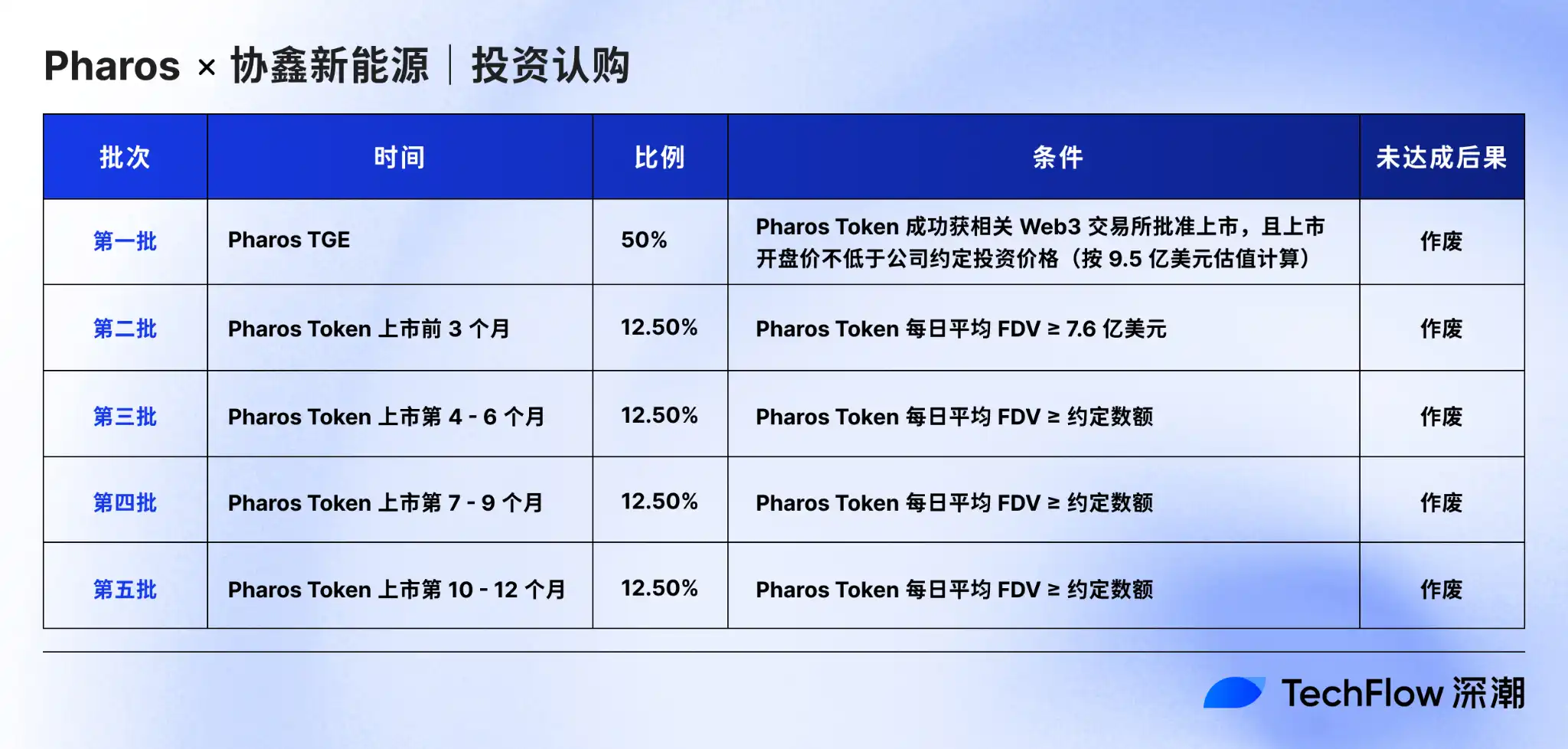
And once the Pharos Token meets the closing conditions, Pharos's share subscription in GCL New Energy will take effect accordingly, and simultaneously, GCL New Energy's subscription for Pharos Token will also take effect, with the same unlocking ratio.

Under this two-way binding:

  • If the Pharos Token performance meets the standard, both equity and tokens are delivered together;
  • If the Pharos Token performance falls short of expectations, both equity and tokens stall together.

Taking the most critical first tranche as an example, after the successful listing of the Pharos Token and its opening price meeting the target, Pharos will immediately deliver 50% of the share subscription to GCL New Energy, while GCL New Energy will acquire Pharos Tokens worth approximately HK$96.73 million at a valuation of $950 million.

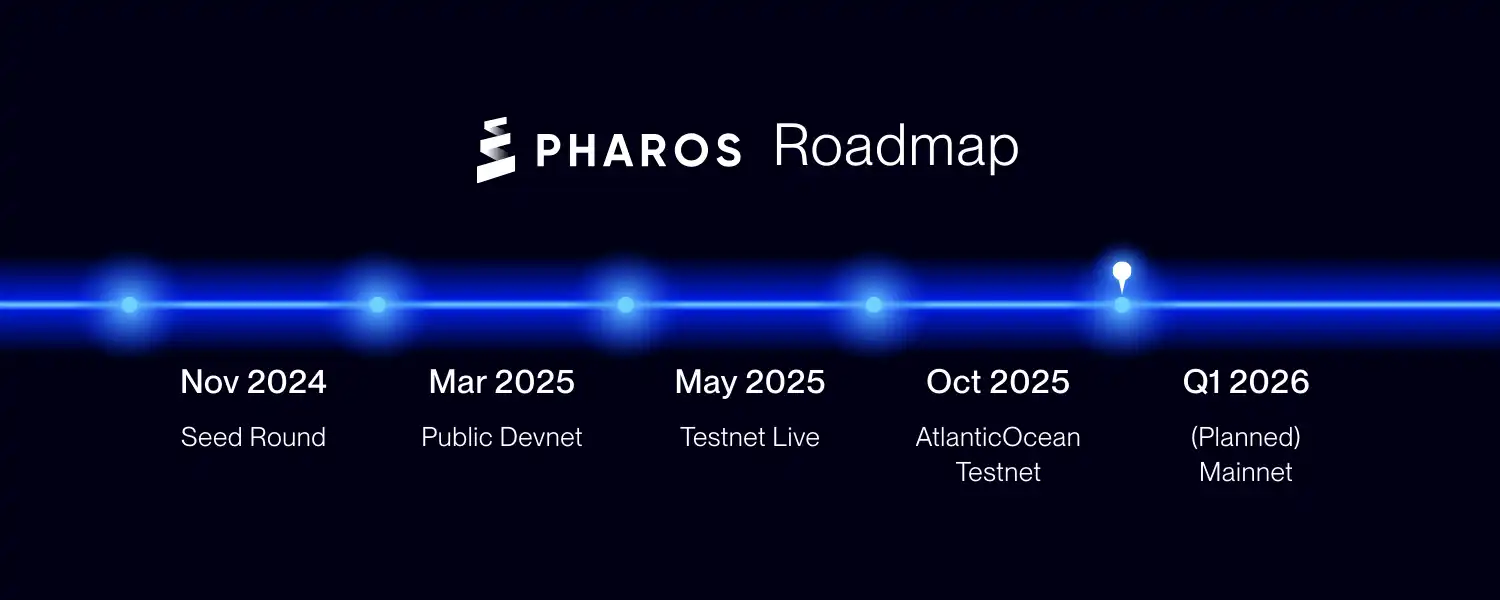
Under such an investment subscription agreement, coupled with Pharos's previous announcement that Anchorage Digital will provide regulated minting, distribution, and custody services for the Pharos TGE, Pharos may now be in the countdown phase, infinitely close to its TGE.
Mutual Benefit: One Agreement, Two Ways to Win

This special investment subscription transaction happens at a微妙 (subtle/delicate) point in time.

Past experience has taught us that the old financing logic of Crypto using whitepapers to tell stories and liquidity imagination to support valuations has失效 (become ineffective). The market has seen too many bubbles and too many crashes. What we need now is a vivid demonstration that simultaneously possesses real assets, a compliance framework, and on-chain imagination.

And the deal between Pharos and GCL New Energy is恰好 (exactly) that demonstration.

Behind the complex terms lies the interest game where both parties try to lock what they care about most into the contract:

For GCL New Energy, this is an excellent model that allows them to attack and defend effectively (进可攻、退可守).

Investing in Pharos is an active bet on the on-chain narrative, while introducing the VAM form effectively controls risk. If Pharos underperforms, GCL can withdraw in time. But if Pharos performs excellently, GCL can not only receive real capital injection but also acquire tokens with high appreciation potential at the initial valuation.

For Pharos, the value of this transaction is far more than just adding a partner.

The first gain is trust endorsement. A Hong Kong-listed company is willing to bind its shares with Tokens, which in itself is the most significant public recognition for Pharos.

The second gain is a confidence proof. Pharos's agreement to this series of strict closing conditions largely signals to the market the project's confidence in its future development. This posture is more convincing than any technical whitepaper.

The third gain is the historical position as an "industry first." Over the past year, we have seen too many DAT model cases where traditional listed companies purchase crypto assets. This time, the direction is reversed: Through this subscription, Pharos directly enters the shareholder ranks of GCL New Energy, becoming the first Crypto project to strategically hold shares in a traditional Hong Kong-listed company in reverse.

In a significant sense, this represents the first time a quality Crypto project from the加密世界 (crypto world) has obtained a real negotiating seat and pricing power in the traditional capital market. Meanwhile, this transaction has also received support through an HKEX announcement, demonstrating Hong Kong's foresight in embracing compliant Crypto innovation and injecting a strong compliance background into this deal.
One contract, two ways to win.

In striving for a win-win and avoiding a lose-lose situation, it also makes more people curious about the two leading protagonists behind this model innovation.

After all, Hong Kong-listed companies are known for strict risk control and conservative作风 (style). Why did Pharos dare to write future price performance into the contract, and why did GCL New Energy dare to bind the listed company's shares with a token that hasn't yet completed market validation?

A closer look reveals that behind this seemingly bold attempt at a cross-border联姻 (alliance/marriage), lies the inevitability of a双向奔赴 (two-way rush / mutual attraction).

Mirror Complementarity: The Inevitable Rendezvous of Pharos and GCL

On one end of the table in this model innovation is GCL New Energy.

As a leading Asian photovoltaic company, its core business focuses on the development, construction, operation, and management of solar power stations (photovoltaic power stations),同时涉及 (also involving) electricity sales and solar-related services. Although it holds the highest quality green assets, it also suffers from the common problems of traditional assets: long construction cycles, slow return realization, and increasingly fierce financing competition.

What GCL needs more is not another power station, but a financial tool that can reorganize, recirculate, and revalue these off-chain assets.

On the other end of the table is Pharos.

As a parallel L1 focused on institutional-grade scenarios, Pharos was clear from its birth: not to build another higher-performance public chain, but to致力于 (dedicate itself to)承接 (undertaking/ hosting) more real things, including stablecoin settlement, institutional-grade DeFi, regulation-friendly payment networks, and the on-chain circulation of RWA, especially energy, commodity, and infrastructure assets. Simply put, Pharos aims to become the infrastructure that can truly support the real finance narrative.

Performance is the premise supporting the "RealFi infrastructure" vision. Pharos, based on a modular + deep parallel execution engine design, boasts advantages like sub-second finality, high throughput, and low fees,能够更好的支撑 (can better support) the on-chaining, circulation, and real-time settlement of assets.

Facing the compliance issues that institutions care deeply about when going on-chain, the Pharos protocol layer has built-in ZK-KYC/AML, digital identity, supports regulation-friendly features, while remaining open.

Even before the cooperation with GCL New Energy, Pharos had already won the favor of capital and institutions:

According to public information, Pharos completed two rounds of financing in November 2024 and September 2025, receiving support from知名 VC (well-known VCs) like Hack VC and Lightspeed Faction.

Regarding institutional cooperation, Pharos previously announced a partnership with the decentralized financial platform Centrifuge. By combining Centrifuge's institutional-grade tokenization infrastructure and asset standards with Pharos's "inclusive and execution-first" Layer 1, they aim to further achieve the规模化分发与运营 (large-scale distribution and operation) of a series of institutional-grade assets on-chain, including tokenized U.S. Treasury bonds (JTRSY) and AAA-rated structured credit products (JAAA).
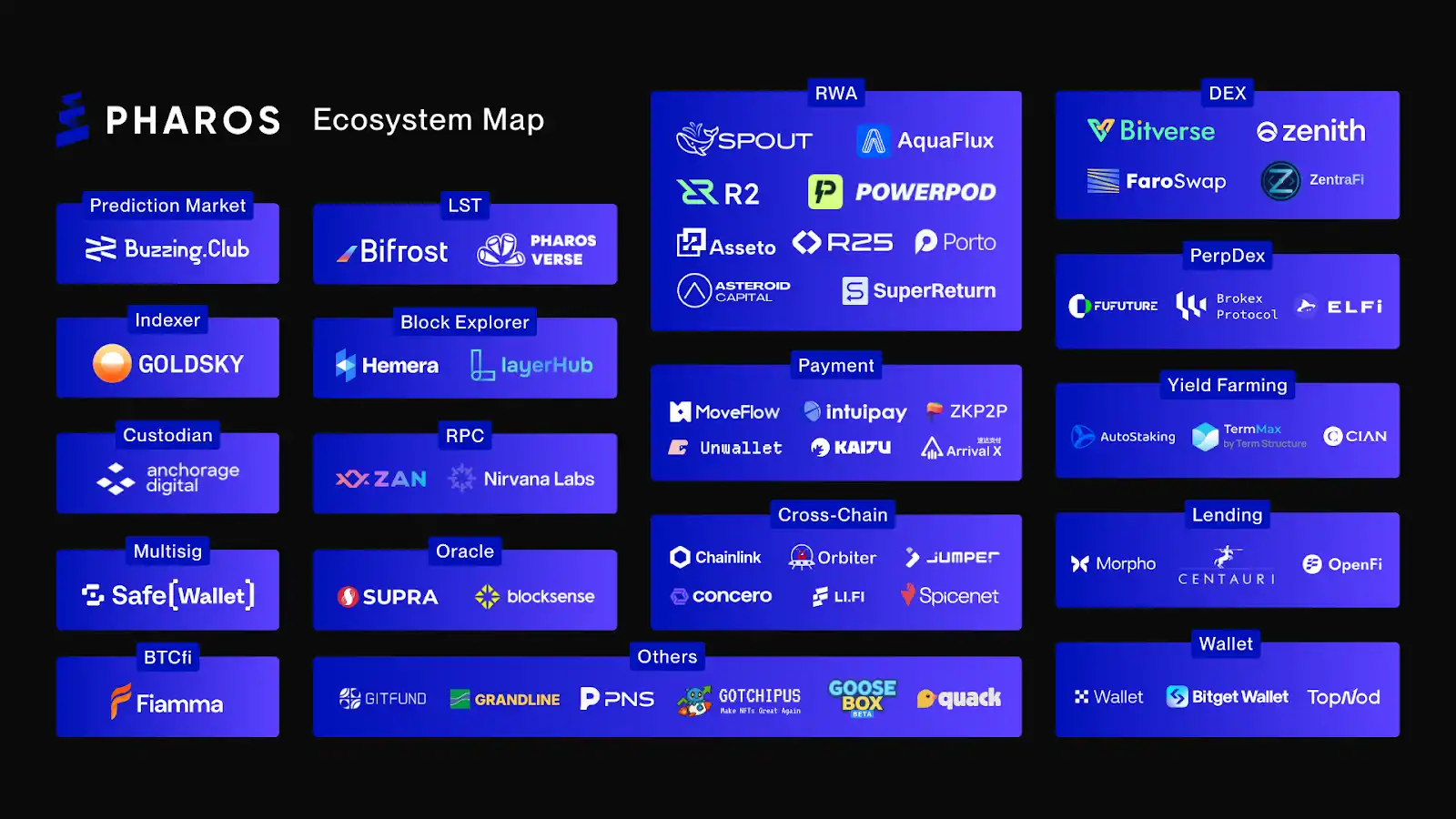
Putting the two counterparties together, one finds an镜像般的互补 (almost mirror-like complementarity) between GCL New Energy and Pharos.

For GCL New Energy, it wants to find a Crypto vehicle that can open up Web3, RWA, and market revaluation space, transforming offline heavy assets into new capital forms on-chain;

For Pharos, it needs a traditional capital entry point that can承接 (accommodate) high valuation, compliance narrative, and real asset imagination, grounding the on-chain story in real assets.

Therefore, from this perspective, this investment subscription is less of a cooperation and more of an inevitable rendezvous.有趣的是, (Interestingly,) Ant Group, with whom both parties have交集 (intersections/connections), is jokingly called by many netizens the隐形桥梁 (invisible bridge) for this rendezvous.

As early as December 2024, GCL Energy Technology (affiliate) cooperated with Ant Digital Technologies to complete China's first RWA cooperation for photovoltaic green assets exceeding RMB 200 million. In June 2025, the two even established a joint venture, "Ant Xin Neng," to further explore scenarios like Energy AI + RWA.

Meanwhile, we know that Pharos's co-founder and several members come from Ant Group. Ant Group's AntChain has extensive ToB landing experience in the enterprise blockchain field. This might further bring Pharos more solid technical implementation capabilities and richer institutional resource integration capabilities when solving institutional RWA needs, also indirectly foreshadowing the cooperation between Pharos and GCL.

But if this transaction is only understood as a capital binding, its potential might be underestimated. As the cooperation is signed, the subsequent cooperation structure, asset on-chain path, and more innovative cooperation directions are the bigger story.

According to the types of on-chain locked assets announced by Pharos, we can see that currently, among all Pharos's locked assets: 51% come from new energy assets of distributed photovoltaic operators and centralized power station operators; 49% come from financial assets of fund management companies and credit asset issuers.
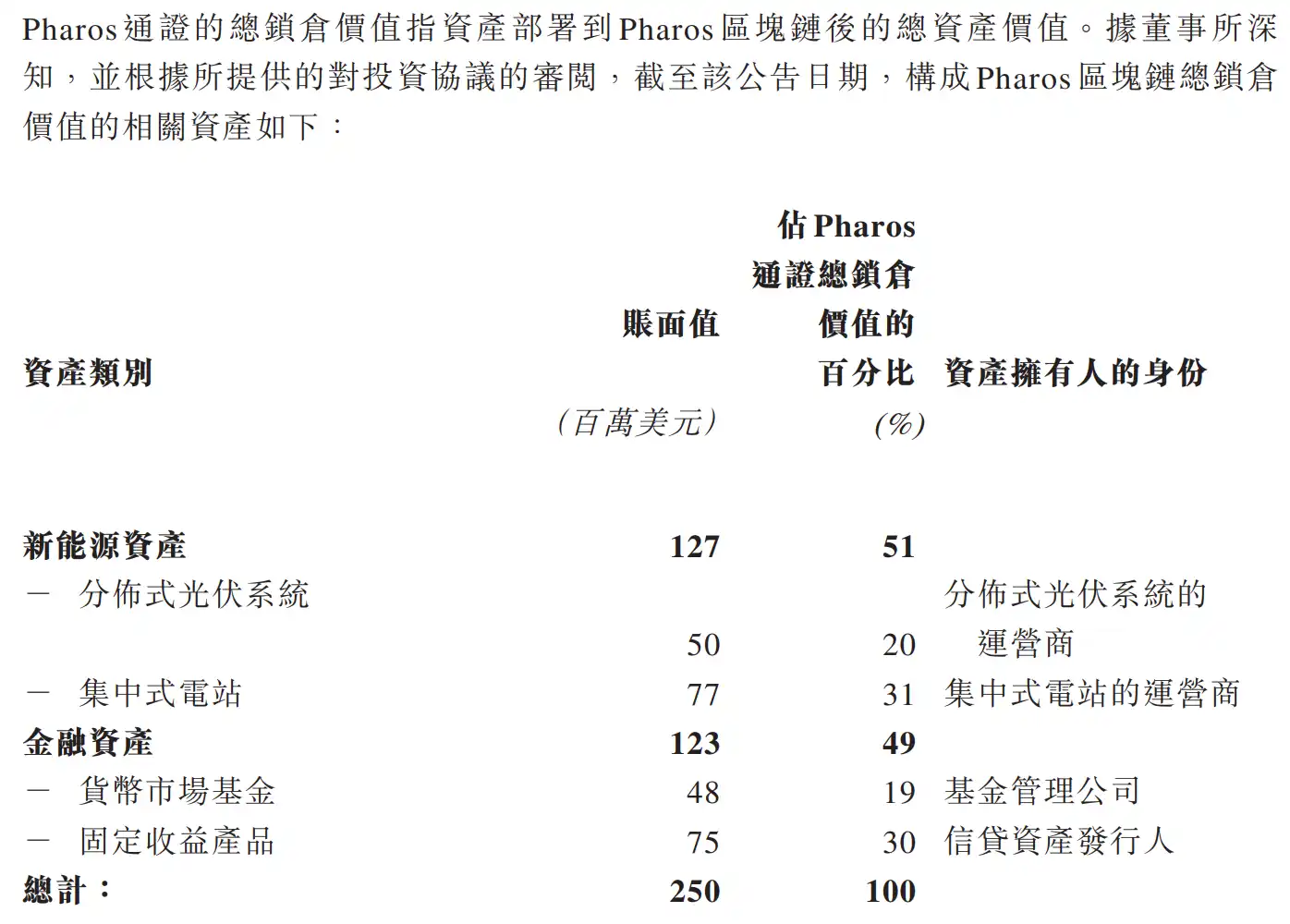
This largely indicates that the assets owned by GCL, such as photovoltaics and new energy power stations, will almost certainly be put on-chain through Pharos in the future.

This means that in the future, high-quality green energy assets in Asia, represented by GCL New Energy, will be able to break through geographical restrictions and connect with the global market more efficiently on-chain. Simultaneously, Pharos will also strive to introduce high-quality RWA assets from Europe and America to Asia, enhancing the global asset allocation capabilities of Asian investors.

Whether pushing out or bringing in, this binding model built on equity, Token, and asset synergy may release growth momentum far exceeding that of a mere subscription itself.

Conclusion

Of course, everything is at a very early stage.

In the present,高度不确定 (highly uncertain) about the future, it is perfectly normal to have voices of concern and doubt.

Some community members believe that, according to the document disclosure, Pharos's nearly $1 billion valuation is calculated based on the current total value of locked assets of $250 million disclosed unilaterally by the project party, lacking real market endorsement.

Others worry that the conditional tranched delivery model will create excessive pressure on the secondary market for the Pharos Token. While the mainnet is not yet launched and the token is not released, we can regard this as a confidence bet, but it is also uncertain whether this will become a提前透支 (pre-overdraft) of confidence in the future.

But different voices恰好证明 (precisely prove) the community's attention to the subsequent development of the event itself. At the same time, none of this prevents us from seeing the model innovation through this token-equity cooperation:

In the past, Crypto financing was more accustomed to first getting money with a good story, then using that money to prove itself;

Now, the cooperation between Pharos and GCL New Energy, by leading innovation, sends a strong signal: the next phase of Crypto might compete on who dares to write the story into a contract, hand the narrative to the market, and turn promises into reality that must be fulfilled.

In the bubble era, the most expensive thing was imagination; in the revaluation era, the most expensive thing is the ability to deliver (兑现力 - duì xiàn lì).

And this, perhaps, is the real value this investment subscription leaves for the industry.

Perguntas relacionadas

QWhat is the key innovation in the capital model between Pharos and GCL New Energy as described in the article?

AThe key innovation is a novel capital model featuring a two-way, conditional, and batch-unlock binding between a cryptocurrency (Pharos Token) and traditional equity (GCL New Energy's stock). The investment and share purchases are contingent on the performance of the Pharos Token, creating a mutually dependent and risk-managed structure.

QWhat is the primary condition that must be met for the capital cooperation between Pharos and GCL New Energy to proceed?

AThe primary condition is the successful listing and market performance of the Pharos Token. The investment and share purchases are executed in batches only if the token's price meets specific targets upon its public listing.

QWhat are the main strategic benefits for GCL New Energy in this deal with Pharos?

AFor GCL New Energy, the deal offers a strategic entry into Web3 and RWA narratives with built-in risk control. It provides potential capital injection, access to appreciating crypto assets at an initial valuation, and a pathway to tokenize its real-world green energy assets for greater liquidity and global market access.

QHow does the article describe the complementary nature of the two companies, Pharos and GCL New Energy?

AThe relationship is described as mirror-like and complementary. GCL New Energy possesses substantial real-world green energy assets but needs financial tools for liquidity and revaluation. Pharos provides the blockchain infrastructure designed for institutional RealFi, aiming to tokenize and facilitate the circulation of such real-world assets.

QWhat broader significance does the article attribute to this deal for the crypto industry?

AThe article posits that the deal signifies a shift in crypto financing from a model based on promises and narratives to one emphasizing verifiable execution and兑现力 (ability to deliver). It represents Crypto projects gaining negotiation power in traditional capital markets and establishes a new precedent for conditional, performance-based capital models.

Leituras Relacionadas

Google and Amazon Simultaneously Invest Heavily in a Competitor: The Most Absurd Business Logic of the AI Era Is Becoming Reality

In a span of four days, Amazon announced an additional $25 billion investment, and Google pledged up to $40 billion—both direct competitors pouring over $65 billion into the same AI startup, Anthropic. Rather than a typical venture capital move, this signals the latest escalation in the cloud wars. The core of the deal is not equity but compute pre-orders: Anthropic must spend the majority of these funds on AWS and Google Cloud services and chips, effectively locking in massive future compute consumption. This reflects a shift in cloud market dynamics—enterprises now choose cloud providers based on which hosts the best AI models, not just price or stability. With OpenAI deeply tied to Microsoft, Anthropic’s Claude has become the only viable strategic asset for Google and Amazon to remain competitive. Anthropic’s annualized revenue has surged to $30 billion, and it is expanding into verticals like biotech, positioning itself as a cross-industry AI infrastructure layer. However, this funding comes with constraints: Anthropic’s independence is challenged as it balances two rival investors, its safety-first narrative faces pressure from regulatory scrutiny, and its path to IPO introduces new financial pressures. Globally, this accelerates a "tri-polar" closed-loop structure in AI infrastructure, with Microsoft-OpenAI, Google-Anthropic, and Amazon-Anthropic forming exclusive model-cloud alliances. In contrast, China’s landscape differs—investments like Alibaba and Tencent backing open-source model firm DeepSeek reflect a more decoupled approach, though closed-source models from major cloud providers still dominate. The $65 billion bet is ultimately about securing a seat at the table in an AI-defined future—where missing the model layer means losing the cloud war.

marsbitHá 1h

Google and Amazon Simultaneously Invest Heavily in a Competitor: The Most Absurd Business Logic of the AI Era Is Becoming Reality

marsbitHá 1h

Computing Power Constrained, Why Did DeepSeek-V4 Open Source?

DeepSeek-V4 has been released as a preview open-source model, featuring 1 million tokens of context length as a baseline capability—previously a premium feature locked behind enterprise paywalls by major overseas AI firms. The official announcement, however, openly acknowledges computational constraints, particularly limited service throughput for the high-end DeepSeek-V4-Pro version due to restricted high-end computing power. Rather than competing on pure scale, DeepSeek adopts a pragmatic approach that balances algorithmic innovation with hardware realities in China’s AI ecosystem. The V4-Pro model uses a highly sparse architecture with 1.6T total parameters but only activates 49B during inference. It performs strongly in agentic coding, knowledge-intensive tasks, and STEM reasoning, competing closely with top-tier closed models like Gemini Pro 3.1 and Claude Opus 4.6 in certain scenarios. A key strategic product is the Flash edition, with 284B total parameters but only 13B activated—making it cost-effective and accessible for mid- and low-tier hardware, including domestic AI chips from Huawei (Ascend), Cambricon, and Hygon. This design supports broader adoption across developers and SMEs while stimulating China's domestic semiconductor ecosystem. Despite facing talent outflow and intense competition in user traffic—with rivals like Doubao and Qianwen leading in monthly active users—DeepSeek has maintained technical momentum. The release also comes amid reports of a new funding round targeting a valuation exceeding $10 billion, potentially setting a new record in China’s LLM sector. Ultimately, DeepSeek-V4 represents a shift toward open yet realistic infrastructure development in the constrained compute landscape of Chinese AI, emphasizing engineering efficiency and domestic hardware compatibility over pure model scale.

marsbitHá 1h

Computing Power Constrained, Why Did DeepSeek-V4 Open Source?

marsbitHá 1h

Trading

Spot
Futuros

Artigos em Destaque

O que é $S$

Compreender o SPERO: Uma Visão Abrangente Introdução ao SPERO À medida que o panorama da inovação continua a evoluir, o surgimento de tecnologias web3 e projetos de criptomoeda desempenha um papel fundamental na formação do futuro digital. Um projeto que tem atraído atenção neste campo dinâmico é o SPERO, denotado como SPERO,$$s$. Este artigo tem como objetivo reunir e apresentar informações detalhadas sobre o SPERO, para ajudar entusiastas e investidores a compreender as suas bases, objetivos e inovações nos domínios web3 e cripto. O que é o SPERO,$$s$? O SPERO,$$s$ é um projeto único dentro do espaço cripto que procura aproveitar os princípios da descentralização e da tecnologia blockchain para criar um ecossistema que promove o envolvimento, a utilidade e a inclusão financeira. O projeto é concebido para facilitar interações peer-to-peer de novas maneiras, proporcionando aos utilizadores soluções e serviços financeiros inovadores. No seu núcleo, o SPERO,$$s$ visa capacitar indivíduos ao fornecer ferramentas e plataformas que melhoram a experiência do utilizador no espaço das criptomoedas. Isso inclui a possibilidade de métodos de transação mais flexíveis, a promoção de iniciativas impulsionadas pela comunidade e a criação de caminhos para oportunidades financeiras através de aplicações descentralizadas (dApps). A visão subjacente do SPERO,$$s$ gira em torno da inclusão, visando fechar lacunas dentro das finanças tradicionais enquanto aproveita os benefícios da tecnologia blockchain. Quem é o Criador do SPERO,$$s$? A identidade do criador do SPERO,$$s$ permanece algo obscura, uma vez que existem recursos publicamente disponíveis limitados que fornecem informações detalhadas sobre o(s) seu(s) fundador(es). Esta falta de transparência pode resultar do compromisso do projeto com a descentralização—uma ética que muitos projetos web3 partilham, priorizando contribuições coletivas em vez de reconhecimento individual. Ao centrar as discussões em torno da comunidade e dos seus objetivos coletivos, o SPERO,$$s$ incorpora a essência do empoderamento sem destacar indivíduos específicos. Assim, compreender a ética e a missão do SPERO é mais importante do que identificar um criador singular. Quem são os Investidores do SPERO,$$s$? O SPERO,$$s$ é apoiado por uma diversidade de investidores que vão desde capitalistas de risco a investidores-anjo dedicados a promover a inovação no setor cripto. O foco desses investidores geralmente alinha-se com a missão do SPERO—priorizando projetos que prometem avanço tecnológico social, inclusão financeira e governança descentralizada. Essas fundações de investidores estão tipicamente interessadas em projetos que não apenas oferecem produtos inovadores, mas que também contribuem positivamente para a comunidade blockchain e os seus ecossistemas. O apoio desses investidores reforça o SPERO,$$s$ como um concorrente notável no domínio em rápida evolução dos projetos cripto. Como Funciona o SPERO,$$s$? O SPERO,$$s$ emprega uma estrutura multifacetada que o distingue de projetos de criptomoeda convencionais. Aqui estão algumas das características-chave que sublinham a sua singularidade e inovação: Governança Descentralizada: O SPERO,$$s$ integra modelos de governança descentralizada, capacitando os utilizadores a participar ativamente nos processos de tomada de decisão sobre o futuro do projeto. Esta abordagem promove um sentido de propriedade e responsabilidade entre os membros da comunidade. Utilidade do Token: O SPERO,$$s$ utiliza o seu próprio token de criptomoeda, concebido para servir várias funções dentro do ecossistema. Esses tokens permitem transações, recompensas e a facilitação de serviços oferecidos na plataforma, melhorando o envolvimento e a utilidade gerais. Arquitetura em Camadas: A arquitetura técnica do SPERO,$$s$ suporta modularidade e escalabilidade, permitindo a integração contínua de funcionalidades e aplicações adicionais à medida que o projeto evolui. Esta adaptabilidade é fundamental para manter a relevância no panorama cripto em constante mudança. Envolvimento da Comunidade: O projeto enfatiza iniciativas impulsionadas pela comunidade, empregando mecanismos que incentivam a colaboração e o feedback. Ao nutrir uma comunidade forte, o SPERO,$$s$ pode melhor atender às necessidades dos utilizadores e adaptar-se às tendências do mercado. Foco na Inclusão: Ao oferecer taxas de transação baixas e interfaces amigáveis, o SPERO,$$s$ visa atrair uma base de utilizadores diversificada, incluindo indivíduos que anteriormente podem não ter participado no espaço cripto. Este compromisso com a inclusão alinha-se com a sua missão abrangente de empoderamento através da acessibilidade. Cronologia do SPERO,$$s$ Compreender a história de um projeto fornece insights cruciais sobre a sua trajetória de desenvolvimento e marcos. Abaixo está uma cronologia sugerida que mapeia eventos significativos na evolução do SPERO,$$s$: Fase de Conceituação e Ideação: As ideias iniciais que formam a base do SPERO,$$s$ foram concebidas, alinhando-se de perto com os princípios de descentralização e foco na comunidade dentro da indústria blockchain. Lançamento do Whitepaper do Projeto: Após a fase conceitual, um whitepaper abrangente detalhando a visão, os objetivos e a infraestrutura tecnológica do SPERO,$$s$ foi lançado para atrair o interesse e o feedback da comunidade. Construção da Comunidade e Primeiros Envolvimentos: Esforços ativos de divulgação foram feitos para construir uma comunidade de primeiros adotantes e investidores potenciais, facilitando discussões em torno dos objetivos do projeto e angariando apoio. Evento de Geração de Tokens: O SPERO,$$s$ realizou um evento de geração de tokens (TGE) para distribuir os seus tokens nativos a apoiantes iniciais e estabelecer liquidez inicial dentro do ecossistema. Lançamento da dApp Inicial: A primeira aplicação descentralizada (dApp) associada ao SPERO,$$s$ foi lançada, permitindo que os utilizadores interagissem com as funcionalidades principais da plataforma. Desenvolvimento Contínuo e Parcerias: Atualizações e melhorias contínuas nas ofertas do projeto, incluindo parcerias estratégicas com outros players no espaço blockchain, moldaram o SPERO,$$s$ em um jogador competitivo e em evolução no mercado cripto. Conclusão O SPERO,$$s$ é um testemunho do potencial do web3 e das criptomoedas para revolucionar os sistemas financeiros e capacitar indivíduos. Com um compromisso com a governança descentralizada, o envolvimento da comunidade e funcionalidades inovadoras, abre caminho para um panorama financeiro mais inclusivo. Como em qualquer investimento no espaço cripto em rápida evolução, potenciais investidores e utilizadores são incentivados a pesquisar minuciosamente e a envolver-se de forma ponderada com os desenvolvimentos em curso dentro do SPERO,$$s$. O projeto demonstra o espírito inovador da indústria cripto, convidando a uma exploração mais aprofundada das suas inúmeras possibilidades. Embora a jornada do SPERO,$$s$ ainda esteja a desenrolar-se, os seus princípios fundamentais podem, de facto, influenciar o futuro de como interagimos com a tecnologia, as finanças e uns com os outros em ecossistemas digitais interconectados.

69 Visualizações TotaisPublicado em {updateTime}Atualizado em 2024.12.17

O que é $S$

O que é AGENT S

Agent S: O Futuro da Interação Autónoma no Web3 Introdução No panorama em constante evolução do Web3 e das criptomoedas, as inovações estão constantemente a redefinir a forma como os indivíduos interagem com plataformas digitais. Um projeto pioneiro, o Agent S, promete revolucionar a interação humano-computador através do seu framework aberto e agente. Ao abrir caminho para interações autónomas, o Agent S visa simplificar tarefas complexas, oferecendo aplicações transformadoras em inteligência artificial (IA). Esta exploração detalhada irá aprofundar-se nas complexidades do projeto, nas suas características únicas e nas implicações para o domínio das criptomoedas. O que é o Agent S? O Agent S é um framework aberto e agente, especificamente concebido para abordar três desafios fundamentais na automação de tarefas computacionais: Aquisição de Conhecimento Específico de Domínio: O framework aprende inteligentemente a partir de várias fontes de conhecimento externas e experiências internas. Esta abordagem dupla capacita-o a construir um rico repositório de conhecimento específico de domínio, melhorando o seu desempenho na execução de tarefas. Planeamento ao Longo de Longos Horizontes de Tarefas: O Agent S emprega planeamento hierárquico aumentado por experiência, uma abordagem estratégica que facilita a decomposição e execução eficientes de tarefas intrincadas. Esta característica melhora significativamente a sua capacidade de gerir múltiplas subtarefas de forma eficiente e eficaz. Gestão de Interfaces Dinâmicas e Não Uniformes: O projeto introduz a Interface Agente-Computador (ACI), uma solução inovadora que melhora a interação entre agentes e utilizadores. Utilizando Modelos de Linguagem Multimodais de Grande Escala (MLLMs), o Agent S pode navegar e manipular diversas interfaces gráficas de utilizador de forma fluida. Através destas características pioneiras, o Agent S fornece um framework robusto que aborda as complexidades envolvidas na automação da interação humana com máquinas, preparando o terreno para uma infinidade de aplicações em IA e além. Quem é o Criador do Agent S? Embora o conceito de Agent S seja fundamentalmente inovador, informações específicas sobre o seu criador permanecem elusivas. O criador é atualmente desconhecido, o que destaca ou o estágio nascente do projeto ou a escolha estratégica de manter os membros fundadores em anonimato. Independentemente da anonimidade, o foco permanece nas capacidades e no potencial do framework. Quem são os Investidores do Agent S? Como o Agent S é relativamente novo no ecossistema criptográfico, informações detalhadas sobre os seus investidores e financiadores não estão explicitamente documentadas. A falta de informações disponíveis publicamente sobre as fundações de investimento ou organizações que apoiam o projeto levanta questões sobre a sua estrutura de financiamento e roteiro de desenvolvimento. Compreender o apoio é crucial para avaliar a sustentabilidade do projeto e o seu impacto potencial no mercado. Como Funciona o Agent S? No núcleo do Agent S reside uma tecnologia de ponta que lhe permite funcionar eficazmente em diversos ambientes. O seu modelo operacional é construído em torno de várias características-chave: Interação Humano-Computador Semelhante: O framework oferece planeamento avançado em IA, esforçando-se para tornar as interações com computadores mais intuitivas. Ao imitar o comportamento humano na execução de tarefas, promete elevar as experiências dos utilizadores. Memória Narrativa: Utilizada para aproveitar experiências de alto nível, o Agent S utiliza memória narrativa para acompanhar os históricos de tarefas, melhorando assim os seus processos de tomada de decisão. Memória Episódica: Esta característica fornece aos utilizadores orientações passo a passo, permitindo que o framework ofereça suporte contextual à medida que as tarefas se desenrolam. Suporte para OpenACI: Com a capacidade de funcionar localmente, o Agent S permite que os utilizadores mantenham o controlo sobre as suas interações e fluxos de trabalho, alinhando-se com a ética descentralizada do Web3. Fácil Integração com APIs Externas: A sua versatilidade e compatibilidade com várias plataformas de IA garantem que o Agent S possa integrar-se perfeitamente em ecossistemas tecnológicos existentes, tornando-o uma escolha apelativa para desenvolvedores e organizações. Estas funcionalidades contribuem coletivamente para a posição única do Agent S no espaço cripto, à medida que automatiza tarefas complexas e em múltiplos passos com mínima intervenção humana. À medida que o projeto evolui, as suas potenciais aplicações no Web3 podem redefinir a forma como as interações digitais se desenrolam. Cronologia do Agent S O desenvolvimento e os marcos do Agent S podem ser encapsulados numa cronologia que destaca os seus eventos significativos: 27 de Setembro de 2024: O conceito de Agent S foi lançado num artigo de pesquisa abrangente intitulado “Um Framework Agente Aberto que Usa Computadores como um Humano”, mostrando a base para o projeto. 10 de Outubro de 2024: O artigo de pesquisa foi disponibilizado publicamente no arXiv, oferecendo uma exploração aprofundada do framework e da sua avaliação de desempenho com base no benchmark OSWorld. 12 de Outubro de 2024: Uma apresentação em vídeo foi lançada, proporcionando uma visão visual das capacidades e características do Agent S, envolvendo ainda mais potenciais utilizadores e investidores. Estes marcos na cronologia não apenas ilustram o progresso do Agent S, mas também indicam o seu compromisso com a transparência e o envolvimento da comunidade. Pontos-Chave Sobre o Agent S À medida que o framework Agent S continua a evoluir, várias características-chave destacam-se, sublinhando a sua natureza inovadora e potencial: Framework Inovador: Concebido para proporcionar um uso intuitivo de computadores semelhante à interação humana, o Agent S traz uma abordagem nova à automação de tarefas. Interação Autónoma: A capacidade de interagir autonomamente com computadores através de GUI significa um avanço em direção a soluções computacionais mais inteligentes e eficientes. Automação de Tarefas Complexas: Com a sua metodologia robusta, pode automatizar tarefas complexas e em múltiplos passos, tornando os processos mais rápidos e menos propensos a erros. Melhoria Contínua: Os mecanismos de aprendizagem permitem que o Agent S melhore a partir de experiências passadas, aprimorando continuamente o seu desempenho e eficácia. Versatilidade: A sua adaptabilidade em diferentes ambientes operacionais, como OSWorld e WindowsAgentArena, garante que pode servir uma ampla gama de aplicações. À medida que o Agent S se posiciona no panorama do Web3 e das criptomoedas, o seu potencial para melhorar as capacidades de interação e automatizar processos significa um avanço significativo nas tecnologias de IA. Através do seu framework inovador, o Agent S exemplifica o futuro das interações digitais, prometendo uma experiência mais fluida e eficiente para os utilizadores em diversas indústrias. Conclusão O Agent S representa um ousado avanço na união da IA e do Web3, com a capacidade de redefinir a forma como interagimos com a tecnologia. Embora ainda esteja nas suas fases iniciais, as possibilidades para a sua aplicação são vastas e cativantes. Através do seu framework abrangente que aborda desafios críticos, o Agent S visa trazer interações autónomas para o primeiro plano da experiência digital. À medida que avançamos mais profundamente nos domínios das criptomoedas e da descentralização, projetos como o Agent S desempenharão, sem dúvida, um papel crucial na formação do futuro da tecnologia e da colaboração humano-computador.

533 Visualizações TotaisPublicado em {updateTime}Atualizado em 2025.01.14

O que é AGENT S

Como comprar S

Bem-vindo à HTX.com!Tornámos a compra de Sonic (S) simples e conveniente.Segue o nosso guia passo a passo para iniciar a tua jornada no mundo das criptos.Passo 1: cria a tua conta HTXUtiliza o teu e-mail ou número de telefone para te inscreveres numa conta gratuita na HTX.Desfruta de um processo de inscrição sem complicações e desbloqueia todas as funcionalidades.Obter a minha contaPasso 2: vai para Comprar Cripto e escolhe o teu método de pagamentoCartão de crédito/débito: usa o teu visa ou mastercard para comprar Sonic (S) instantaneamente.Saldo: usa os fundos da tua conta HTX para transacionar sem problemas.Terceiros: adicionamos métodos de pagamento populares, como Google Pay e Apple Pay, para aumentar a conveniência.P2P: transaciona diretamente com outros utilizadores na HTX.Mercado de balcão (OTC): oferecemos serviços personalizados e taxas de câmbio competitivas para os traders.Passo 3: armazena teu Sonic (S)Depois de comprar o teu Sonic (S), armazena-o na tua conta HTX.Alternativamente, podes enviá-lo para outro lugar através de transferência blockchain ou usá-lo para transacionar outras criptomoedas.Passo 4: transaciona Sonic (S)Transaciona facilmente Sonic (S) no mercado à vista da HTX.Acede simplesmente à tua conta, seleciona o teu par de trading, executa as tuas transações e monitoriza em tempo real.Oferecemos uma experiência de fácil utilização tanto para principiantes como para traders experientes.

1.0k Visualizações TotaisPublicado em {updateTime}Atualizado em 2025.03.21

Como comprar S

Discussões

Bem-vindo à Comunidade HTX. Aqui, pode manter-se informado sobre os mais recentes desenvolvimentos da plataforma e obter acesso a análises profissionais de mercado. As opiniões dos utilizadores sobre o preço de S (S) são apresentadas abaixo.

活动图片