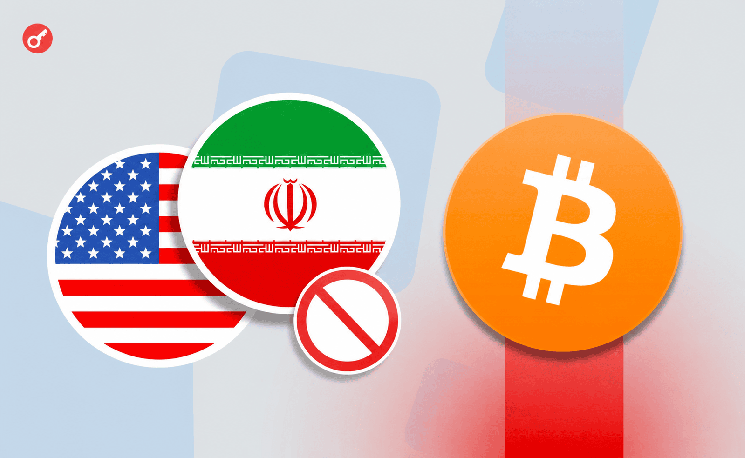
Crypto Regulation Rift Widens As Republicans Reject Market Structure Bill

bitcoinistPublicado em 2026-01-15Última atualização em 2026-01-15

Resumo

A planned Senate Banking Committee markup of a crypto market structure bill has been postponed following Coinbase CEO Brian Armstrong's withdrawal of support. Republicans, led by Sen. Tim Scott, have raised significant concerns, arguing the bill may overreach and stifle innovation rather than protect investors. Key objections focus on provisions that could effectively ban tokenized equities, restrict DeFi, and grant broad government oversight. Despite the political standoff, cryptocurrency prices, including Bitcoin, remained stable. Industry representatives have threatened to withdraw support unless the bill is amended to foster innovation. Bipartisan negotiations continue behind closed doors with no set timeline for a Senate vote.

A planned Senate Banking Committee legislation markup has been postponed, as Coinbase CEO Brian Armstrong has withdrawn his support for a market structure bill which seeks to codify federal regulations over crypto, stablecoins, and DeFi markets.

Based on reports, this unexpected withdrawal sharpened existing tensions between senators on debates of this bill and lawmakers who were trying to revamp critical phrases.

Republicans’ Concerns In Oversight

The Republicans in the Senate, under the leadership of Sen. Tim Scott, have strongly countered. They have expressed reservations about whether it is intended to help ordinary investors or just a few companies.

While some representatives expressed their concerns that broad oversight authority could stymie growth in addition to proposed net yields for stablecoins, reports have indicated that Republicans want more defined enforcement authority in opposition to broad regulatory language.

Bitcoin Unfazed By The Standoff

Despite the confusion, crypto prices remained firm. Bitcoin held its ground and climbed 1.5%. The top crypto asset retained its grip on the $96,000 level, while other top cryptocurrencies like Ethereum and USDT likewise notched similar gains in the last 24 hours, based on the latest market tracking figures.

Meanwhile, investors followed speeches and congress sessions. Market volatility heightened. Some investors opted to go to the sideline position as lobbyists and exchanges sought to shape the draft that will come next.

As a response to the new draft bill issued by the Senate, several industry representatives vocally objected to its provisions and expressed their belief that it could have a negative impact on tokenized equities and Decentralized Finance.

In fact, there are enough concerns in the blockchain sector raised by Armstrong, that he stated he would prefer to see no bill than see a bad bill passed, indicating that even some members of his industry agree with Republican concerns regarding possible overreach by Congress.

Total crypto market cap currently at $3.25 trillion. Chart: TradingView

These industry groups said they will likely withdraw their support unless the Senate makes the necessary changes to allow for continued innovation and cross-border competition regarding blockchain technology.

Negotiations Continue To Take Place Behind Closed Doors

Some Senate leaders still want to move toward a committee vote, even though disagreement remains deep. Republican and Democratic legislators are currently negotiating or trading potential amendments on issues such as stablecoin legislation, DeFi protections and investor protections in an effort to reach an agreement on an acceptable version of the bill by both parties.

Democrats have identified a need to address regulatory issues regarding ethics, potential Money Laundering, and DeFi over-regulation as top priorities. On the other side of the aisle, the Republican Party continues to push for legislation that clearly defines the guardrails for federal regulators regarding blockchains.

As a result of ongoing negotiations, there is currently no set timeline for a Senate floor vote on the new legislation.

Featured image from Unsplash, chart from TradingView

Perguntas relacionadas

QWhy did Coinbase CEO Brian Armstrong withdraw his support for the market structure bill?

ABrian Armstrong withdrew his support because the bill contained too many issues, including a de facto ban on tokenized equities, DeFi prohibitions, and provisions that would give the government unlimited access to financial data.

QWhat is the main concern of Republicans, led by Sen. Tim Scott, regarding the proposed crypto market structure bill?

ARepublicans are concerned that the bill may not be intended to help ordinary investors but only a few companies, and they want more defined enforcement authority rather than broad regulatory language that could stymie growth.

QHow did Bitcoin and the broader crypto market react to the legislative standoff?

ABitcoin held its ground and climbed 1.5%, maintaining its position around $96,000, while other top cryptocurrencies like Ethereum and USDT also saw similar gains in the last 24 hours.

QWhat are the key priorities for Democrats in the ongoing negotiations over the crypto bill?

ADemocrats have identified addressing regulatory issues regarding ethics, potential money laundering, and DeFi over-regulation as their top priorities.

QWhat is the current status of the Senate Banking Committee's timeline for a vote on the legislation?

AThere is currently no set timeline for a Senate floor vote on the new legislation due to ongoing negotiations and deep-seated disagreements between Republicans and Democrats.

Leituras Relacionadas

Not Speculation but a Necessity: The 4 Unique Values of Prediction Markets

Polymarket's recent $4 billion funding round and soaring valuation of $15 billion highlight the explosive growth of prediction markets, with trading volume reaching $25.7 billion in March 2026—a 10.6% monthly increase. This analysis argues that prediction markets serve critical non-speculative functions, positioning them as essential tools rather than mere gambling platforms. Prediction markets offer four unique values: entertainment consumption, insurance-like protection, risk hedging, and truth discovery. Firstly, they stimulate economic activity by engaging users in event-based betting, similar to the broader sports industry. Secondly, they act as a form of decentralized insurance, allowing users to hedge against specific, well-defined risks (e.g., weather events) transparently and without traditional overhead costs. Thirdly, institutions and individuals use these markets to hedge against geopolitical and commodity price risks, as demonstrated during the U.S.-Iran conflict and the launch of 24/7 commodity markets on platforms like Kalshi. Finally, prediction markets counter media bias by aggregating crowd-sourced information, often achieving 30% higher accuracy than surveys due to users' vested interests. Experts like Bitwise’s Jeff Park and SIG’s Jeff Yass emphasize the markets' role in risk transfer and financial innovation. As these platforms evolve, they are poised to become trillion-dollar markets, offering more reliable, decentralized mechanisms for information pricing and risk management.

marsbitHá 18m

Not Speculation but a Necessity: The 4 Unique Values of Prediction Markets

marsbitHá 18m

Interview with Jeff Hoffman: How Web3 and AI Are Reshaping the Trillion-Dollar Social Travel Market

Interview with Jeff Hoffman: Web3 and AI Reshaping the Trillion-Dollar Social Travel Market Jeff Hoffman, co-founder of Priceline, discusses how Web3 and AI are transforming the social travel industry. He highlights that the current travel market is fragmented and inefficient, dominated by traditional online travel agencies (OTAs) that act as intermediaries with opaque models. Web3 introduces direct connections, transparency, and faster settlements, shifting value back to travelers. Key trends driving this change include demand for flexible rewards, digital payments, and trust in communities over ads. Hoffman joined Staynex not for its Web3 label, but because it addresses industry inefficiencies by integrating booking, payments, AI-driven itineraries, and rewards into a single ecosystem. This Web2.5 model combines Web2 scale with Web3 incentives. He emphasizes the team’s focus on execution over hype as a key reason for his involvement. Looking ahead, blockchain will enable transparent rewards and seamless cross-border payments, while AI provides personalization. Together, they will turn travel into a continuous relationship rather than a transaction. Hoffman predicts traditional OTAs will persist, but value will shift to platforms that own payment, loyalty, and community networks. Social travel represents a significant, underestimated opportunity in Web3.

marsbitHá 48m

Interview with Jeff Hoffman: How Web3 and AI Are Reshaping the Trillion-Dollar Social Travel Market

marsbitHá 48m

Trading

Spot
Futuros
活动图片