Crypto Bill Stalls Amid Senate Focus On Inflation – A Quick Look

bitcoinistPublicado em 2026-01-22Última atualização em 2026-01-22

Resumo

A major US cryptocurrency bill has stalled in the Senate as lawmakers shift focus to inflation and housing initiatives. The delay comes amid pushback from industry players like Coinbase, which withdrew support over concerns that the proposed rules could restrict stablecoin operations. The uncertainty has contributed to market volatility, with Bitcoin's price fluctuating around $89,927. Meanwhile, an alternative legislative approach is emerging from the Senate Agriculture Committee, which proposes regulating certain digital tokens as commodities rather than securities. This could provide a separate pathway forward amid the current deadlock. Although the bill is not considered dead, time is running short due to upcoming elections and competing legislative priorities. Supporters continue working behind the scenes to revise the proposal and gather votes, but if an agreement isn’t reached by late February, the legislation may not pass.

Now hanging in uncertainty, a big US cryptocurrency bill meant to set firmer ground for trading platforms, digital tokens and stablecoins lost its urgent status among Congress leaders. Attention shifting elsewhere, several influential senators paused work on it this week. Talks continue behind the scenes, aiming to fix unresolved parts before moving forward.

Lawmakers Focus On Housing

A handful of senators shift attention toward affordable housing plans linked to US President Donald Trump’s priorities. This move shrinks the chance for quick approval of the cryptocurrency legislation. Time runs short as political energy flows elsewhere.

Now the Banking Committee changed its timeline because of that move, so the expected vote on the bill got delayed for now. This puts a pause on efforts to build one clear system.

Big Industry Pushback

Out of nowhere, Coinbase stopped backing the plan. Its executives said the proposal might limit how stablecoins work, affecting services people rely on. That shift made them step away quietly. Right after, the group in charge paused things as well.

That shift laid bare growing tensions. Not every bank welcomed the rise of stablecoins. Rivalry looms when digital coin returns gain wider reach. Some financial players see threat in that growth.

BTCUSD now trading at $89,927. Chart: TradingView

Industry Response And Market Effects

Fear spread through trading floors. When talks got delayed, digital currencies started falling because people began questioning how much longer the arguing could last – alongside what kind of outcome might finally emerge.

Useful, perhaps, if waiting brings sharper rules. Still, dragging too long risks confusing banks more, leaving them unsure when to act.

Separate Tracks Emerge

Ahead of the curve, some lawmakers are eyeing a fresh approach where certain digital tokens fall under commodity rules. This version, quietly shared by the Senate Agriculture team, might follow its own path forward – timing unclear.

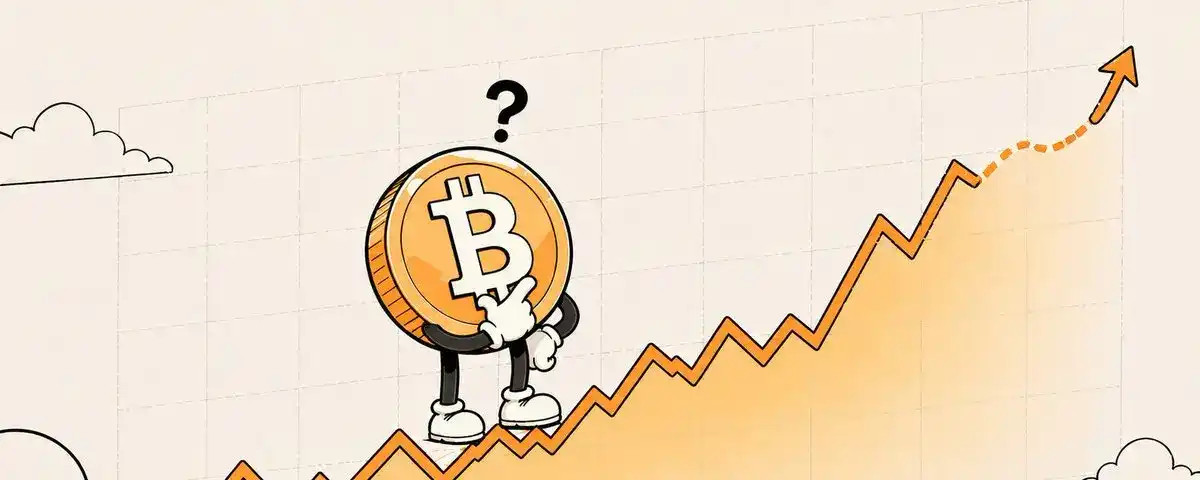
Image: AI-CIO

While others debate classification, this draft sidesteps the main gridlock and suggests an alternate route through regulatory terrain.

One path might still move forward, even if the Banking Committee’s proposal gets stuck. Still, running two versions at once brings up concerns – how will they merge them should both make it to debate?

Crypto Bill: What Might Happen Next

Few believe it’s dead, though time slips fast. Elections loom; attention wanders. Agreement must come soon, or nothing sticks.

Some members of Congress quietly say pushing into late February could kill chances, yet backers still meet out of view to adjust the proposal and pull in more votes.

Featured image from Unsplash, chart from TradingView

Perguntas relacionadas

QWhy did the US cryptocurrency bill lose its urgent status in Congress?

AThe bill lost its urgent status because several influential senators shifted their attention to affordable housing plans linked to President Trump's priorities, reducing the chance for quick approval.

QWhat was Coinbase's reason for withdrawing support for the cryptocurrency bill?

ACoinbase stopped backing the plan because its executives believed the proposal might limit how stablecoins work, which could affect services that people rely on.

QHow did the delay in legislative talks affect the cryptocurrency market?

AThe delay caused fear and uncertainty in trading floors, leading to a fall in digital currency prices as investors questioned how long the arguing would last and what the final outcome might be.

QWhat alternative regulatory approach are some lawmakers considering for digital tokens?

ASome lawmakers are considering a fresh approach where certain digital tokens would fall under commodity rules, as proposed in a draft quietly shared by the Senate Agriculture team.

QWhat is the potential consequence if an agreement on the crypto bill is not reached soon?

AIf an agreement is not reached soon, the bill may not pass due to looming elections and shifting political attention, with some Congress members suggesting that pushing into late February could kill its chances.

Leituras Relacionadas

Stuck Polymarket: The Real Test After Riding the Traffic Boom Has Arrived

Polymarket, a leading prediction market platform, is facing significant technical challenges as its growth outpaces its current infrastructure on Polygon. Users are experiencing laggy transactions, unresponsive orders, and delayed confirmations, severely impacting the trading experience. In response, DeFi Engineering VP Josh Stevens outlined a comprehensive engineering overhaul. The plan includes reducing on-chain data delays, fixing order cancellation issues, rebuilding the central limit order book (CLOB), improving website performance, and developing a unified SDK and API. A major revelation was the ongoing "chain migration," indicating a potential move away from Polygon. The core issue is that Polymarket has evolved from a simple prediction market into a high-frequency trading platform, making Polygon's limitations—such as block space, gas fees, and block time—a ceiling for further growth. The migration is not just a simple chain switch but a fundamental rebuild of its trading system to support more complex products like perpetual contracts (Perps). This announcement has sparked competition among chains like Solana, Sui, and Algorand, all vying to host Polymarket. For Polygon, losing this key application, which contributes significantly to its gas fee revenue, would be a major setback. The real test for Polymarket is no longer attracting users but proving it can provide a stable, reliable trading environment that retains them.

Odaily星球日报Há 10m

Stuck Polymarket: The Real Test After Riding the Traffic Boom Has Arrived

Odaily星球日报Há 10m

Lowering Expectations for BTC's Next Bull Market

The author, Alex Xu, explains his decision to significantly reduce his Bitcoin holdings (from full to ~30% of his portfolio) during the current bull cycle, citing a lowered long-term outlook for BTC's price appreciation in the next cycle. He outlines six key reasons for this reduced expectation: 1. **Diminished Growth Drivers:** The narrative of exponential user adoption has largely played out with institutional ETF adoption. The next major growth phase—adoption by sovereign national reserves or central banks—seems unlikely in the near future. 2. **Personal Opportunity Cost:** More attractive investment opportunities have emerged in other assets, such as undervalued companies. 3. **Industry-Wide Contraction:** The broader crypto industry is struggling, with most Web3 business models (SocialFi, GameFi, DePIN) failing. This overall萧条 (depression) reduces the fundamental demand and consensus for Bitcoin. 4. **Strain on Major Buyer:** MicroStrategy, a major corporate buyer of BTC, faces rising financing expenses for its debt, which could slow its purchasing rate and create significant marginal pressure on the market. 5. **Increased Competition from Gold:** The emergence of "tokenized gold" has closed the functional gap (portability, divisibility) between physical gold and Bitcoin, offering a strong competitor in the non-sovereign store-of-value space. 6. **Security Budget Concerns:** The block reward halving continues to exacerbate the long-standing issue of funding Bitcoin's network security, with new fee source explorations like Ordinals and L2s largely failing. The author's decision to hold a significant (though reduced) position reflects a cautious, not bearish, outlook. He remains open to increasing his exposure if the fundamental reasons for his skepticism change or if new positive catalysts emerge.

marsbitHá 48m

Lowering Expectations for BTC's Next Bull Market

marsbitHá 48m

Can Iran 'Control' the Strait of Hormuz?

Iran has announced a comprehensive plan to assert control over the strategic Strait of Hormuz, a critical global oil shipping chokepoint. The proposed measures include requiring all vessels to obtain Iranian permission for passage, imposing fees for security, environmental protection, and navigation management—preferably paid in Iranian rials—and absolutely banning Israeli ships. Vessels from countries deemed hostile by Iran’s top security bodies may also be barred. Analysts suggest Iran’s motives are multifaceted: increasing pressure on the U.S. and Israel by leveraging control over oil transit to influence global prices and inflation; creating a new revenue stream, potentially exceeding $7.7 billion annually, to counter Western sanctions and support postwar reconstruction; and using transit permissions as bargaining chips in future negotiations, notably with the U.S. However, the plan faces significant practical and diplomatic challenges. Enforcing comprehensive interception and fee collection in the busy waterway, patrolled by international military forces, would be difficult. The U.S. has already countering with a blockade of Iranian ports and threats to intercept any ship paying fees, potentially strangling Iran’s oil exports and fee revenue. Broad international opposition, led by European and Gulf states, and legal controversies further complicate implementation. The proposal may ultimately serve more as a negotiating tactic than a feasible policy, with its execution remaining highly uncertain.

marsbitHá 1h

Can Iran 'Control' the Strait of Hormuz?

marsbitHá 1h

Trading

Spot
Futuros
活动图片