Coinstore B.KU Digital Finance and RWA Thematic Event Successfully Concluded

marsbitPublicado em 2026-01-09Última atualização em 2026-01-09

Resumo

On January 8, 2025, Coinstore B.KU successfully hosted the "Digital Finance and RWA (Real World Assets)" themed event, bringing together experts from digital finance, blockchain technology, traditional industries, and international organizations. The event centered on RWA development trends, structural changes in digital finance, and global ecosystem development. The event highlighted RWA as a critical bridge between traditional finance and the blockchain world, signaling a shift toward value-driven models based on real assets, compliance, and long-term trust. Attendees included international figures such as His Royal Highness Prince Charit of Thailand, who expressed support for digital finance innovation, along with representatives from Coinstore/B.KU management, foundations, regional teams, and ecosystem partners like MMT and HMC. Coinstore COO Albert emphasized RWA as a long-term strategic focus, aiming to integrate real-world assets with blockchain through digitization, standardization, and compliance. A global launch ceremony marked a key milestone in Coinstore B.KU’s international expansion. A keynote speech by blockchain architect MOSE explored the technical and practical aspects of RWA, covering asset tokenization and enterprise digital transformation. The event also featured the signing of ecosystem partnerships with organizations including MMT and HMC, reinforcing collaborative efforts in RWA implementation. Jason, Coinstore B.KU’s APAC Market Lead, outlined pla...

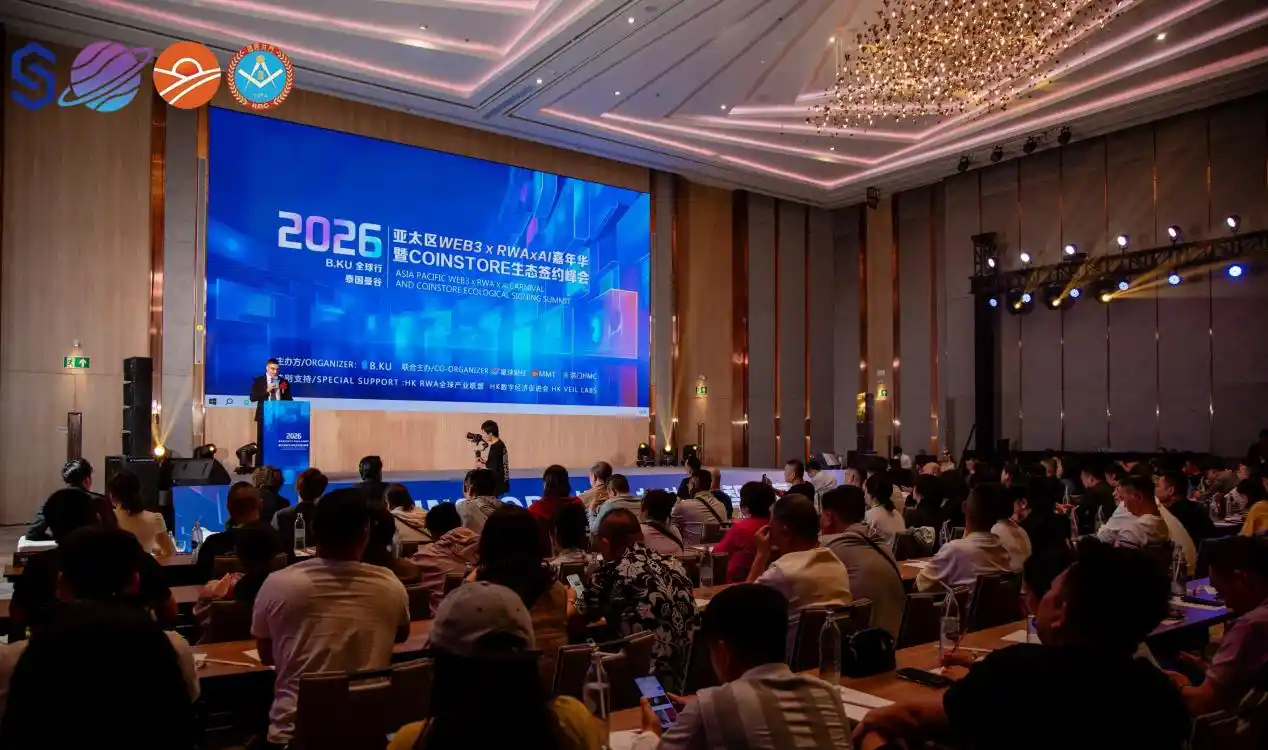
On January 8, 2025, the "Digital Finance and RWA (Real World Assets) Thematic Event" hosted by Coinstore B.KU was successfully held. Multiple guests from digital finance, blockchain technology, traditional industries, and international organizations gathered at the venue to engage in in-depth discussions on RWA development trends, structural changes in digital finance, and the construction of a global ecosystem.
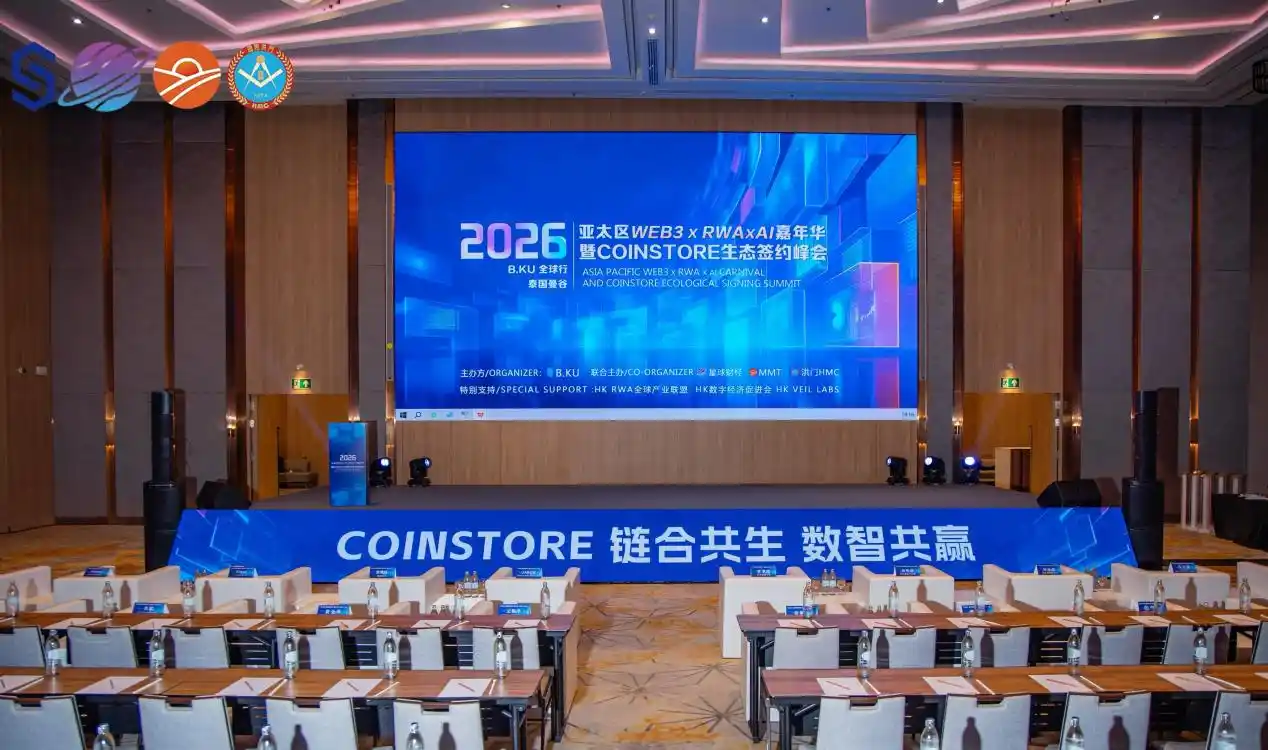
The event kicked off in a warm and professional atmosphere. The organizers stated that the digital asset industry is currently in a critical transition phase, moving from concept-driven and sentiment-based trading toward a value-driven model centered on real assets, compliance frameworks, and long-term trust. In this context, RWA is becoming a key bridge connecting the traditional financial system with the blockchain world and is regarded as one of the most certain directions for the next phase of digital finance.
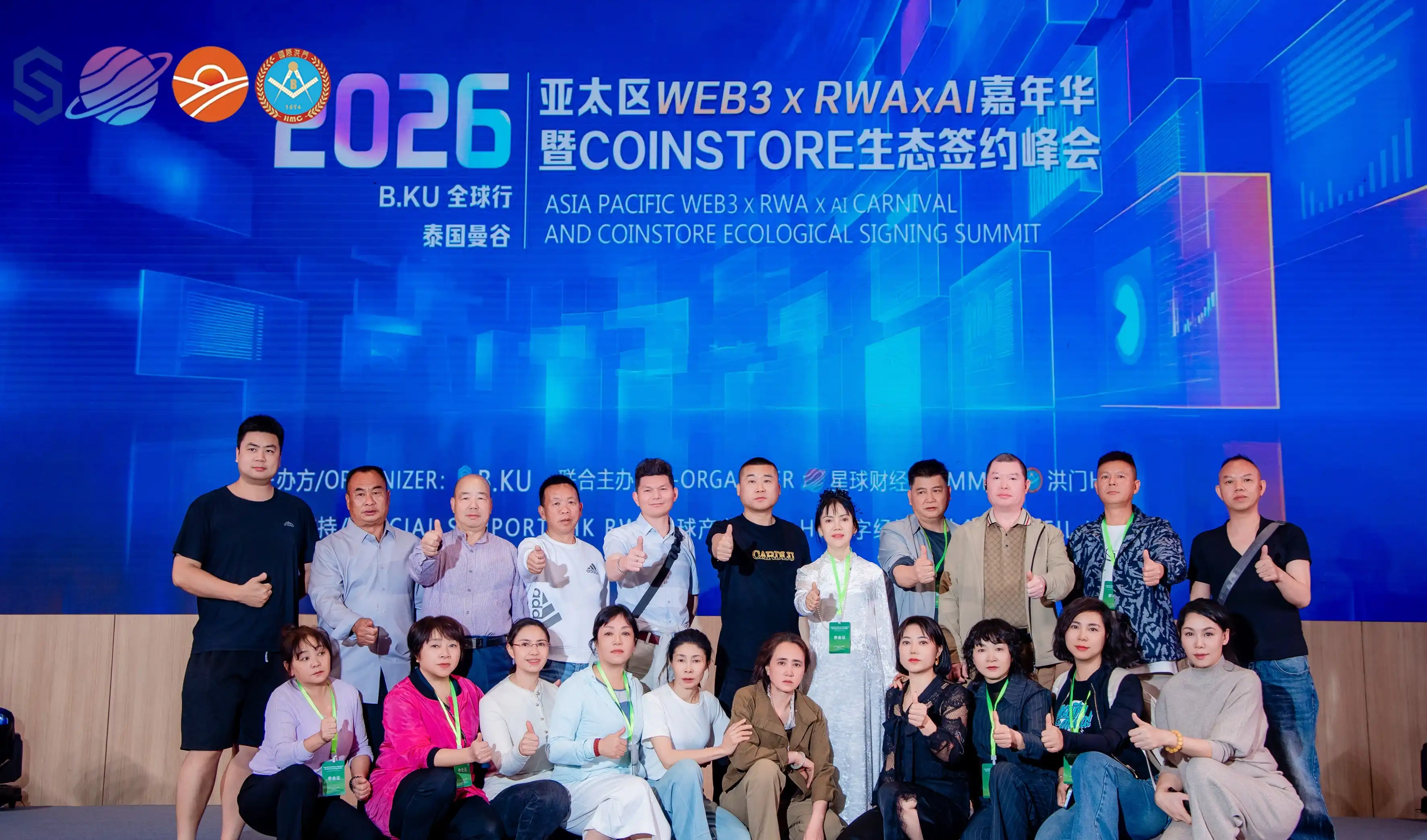
Gathering of International Guests, Building an Open Exchange Platform

The event featured a diverse lineup of guests from multiple countries and regions, including His Royal Highness Prince Charit of Thailand, as well as representatives from Coinstore/BKU exchange management, foundations, Asia-Pacific market teams, and communities in Korea and Japan. It also brought together various ecological organizations and industry representatives, such as the MMT ecosystem, Hung Mun HMC ecosystem, veill/veillabs, fully demonstrating Coinstore B.KU's international influence in the global digital finance field.
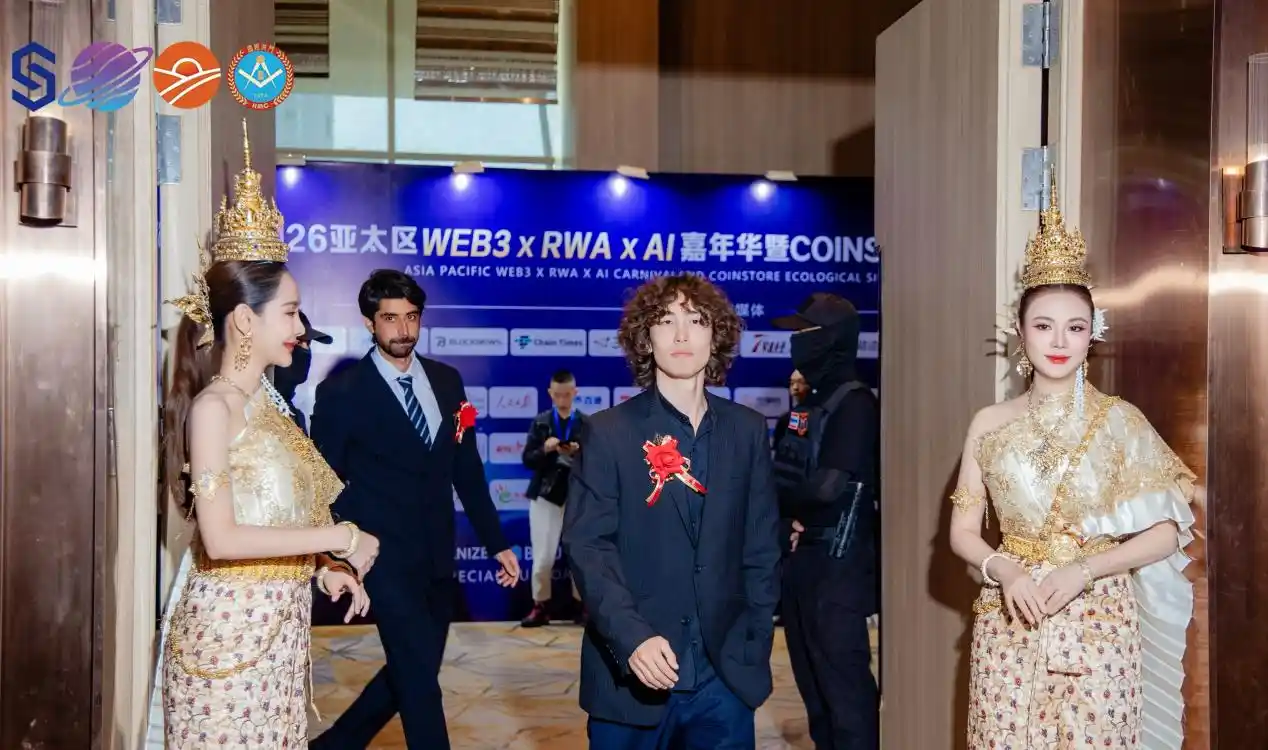
Speech by Thai Prince: Affirming the Value of Digital Finance and Innovative Cooperation

During the guest speech segment, His Royal Highness Prince Charit of Thailand delivered a speech, expressing high regard for the potential of digital finance and blockchain technology in driving economic innovation and cross-regional cooperation, and extending sincere wishes for the event. The organizers expressed heartfelt thanks for the Prince's attendance and support.
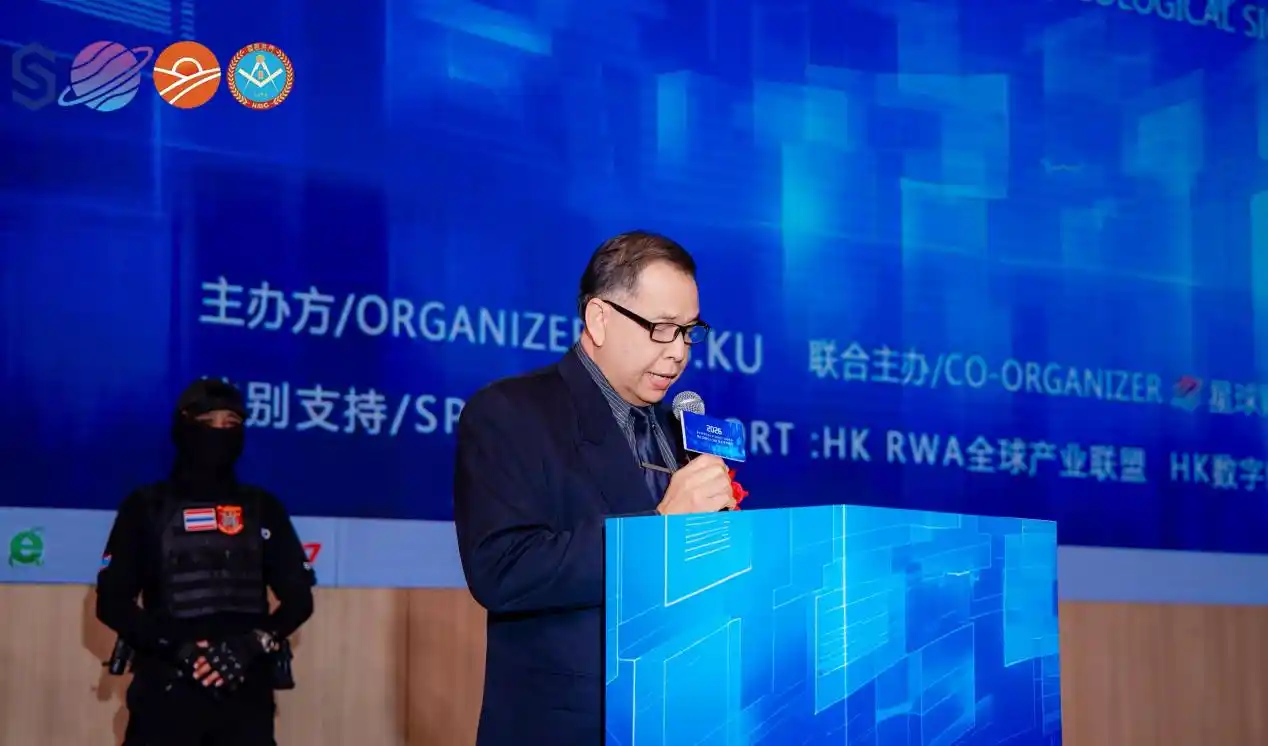
Coinstore COO: RWA is a Core Direction of Long-Term Strategy

Subsequently, Albert, COO of Coinstore Exchange, delivered a keynote speech, systematically sharing the platform's development logic, RWA strategic layout, and global market planning. He stated that RWA is not a short-term trend but a core direction for Coinstore B.KU's long-term development. By promoting asset digitization, standardization, and compliance, the platform will continue to explore the deep integration of real-world assets with blockchain infrastructure, building a sustainable global digital finance ecosystem.
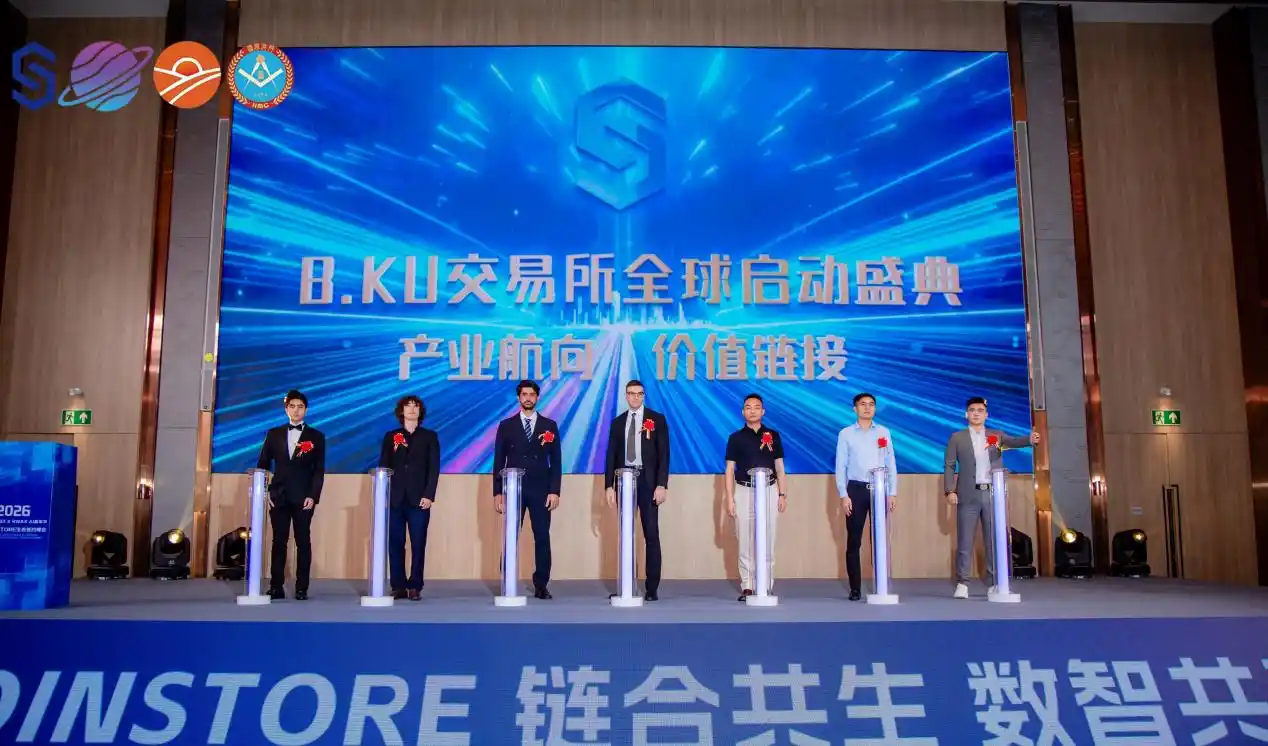
Coinstore Global Launch Ceremony Officially Completed

The event reached a significant milestone—the Coinstore Global Launch Ceremony. Seven guests, including Coinstore B.KU exchange management, foundation representatives, Asia-Pacific market leaders, and ecological partners, took the stage together to witness a key step in B.KU's journey toward global development, marking the official launch of its internationalization strategy.
RWA Keynote Speech: Analyzing Technical Logic and Industry Opportunities

In the core keynote speech segment, blockchain architect and RWA lecturer MOSE delivered a presentation titled "RWA: The Intelligence and Influence of Real World Assets, and the Inevitability of Enterprise Digital Transformation." From perspectives such as technical architecture, asset on-chain logic, application pathways, and industry practices, he systematically analyzed the development logic and practical opportunities of RWA, providing forward-looking professional insights for the attendees.

Ecological Signing and Implementation, Promoting RWA Practice Collaboration

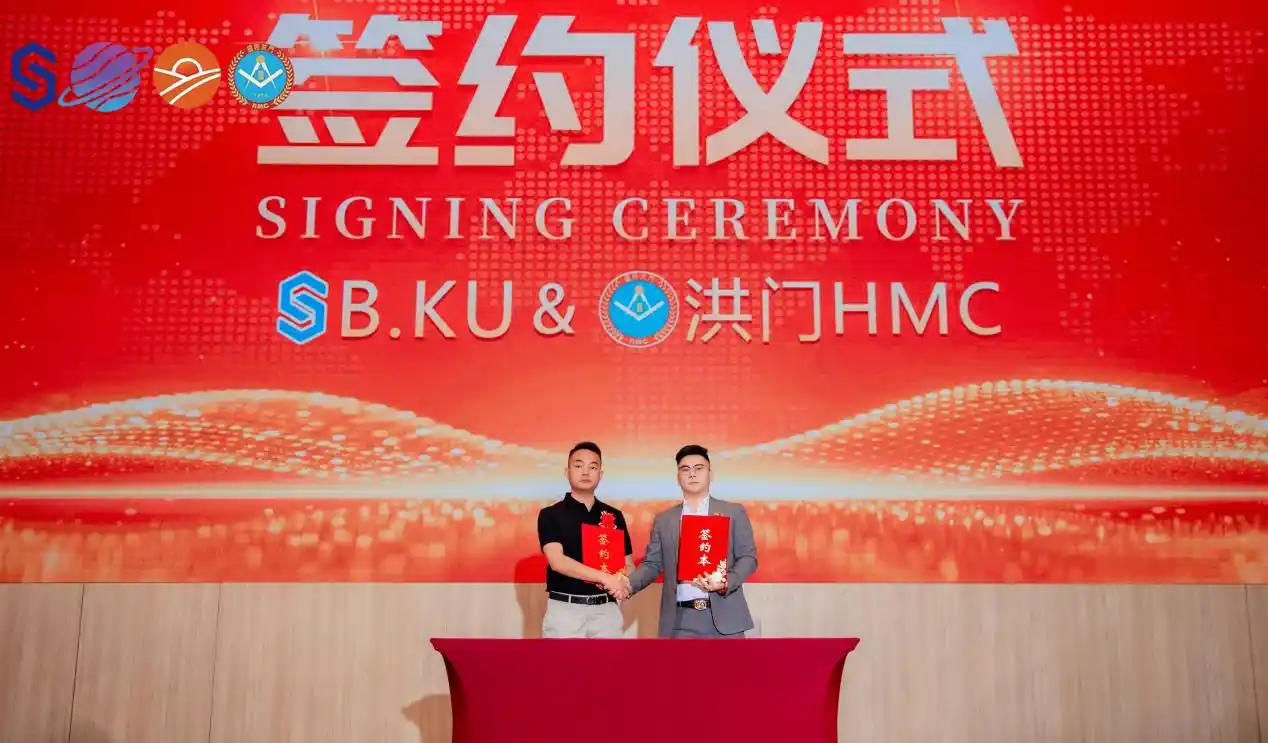
The ecological signing and cooperation release ceremony that followed became one of the key achievements of the event.
Ecological representatives, including MMT Ecosystem Chairman Du Xiaoyang and Hung Mun HMC Ecosystem Xiaohongchuan Technology Chairman Su Yunfeng, delivered speeches expressing their vision for cooperation with Coinstore B.KU in RWA, industrial digitization, and ecological co-construction.
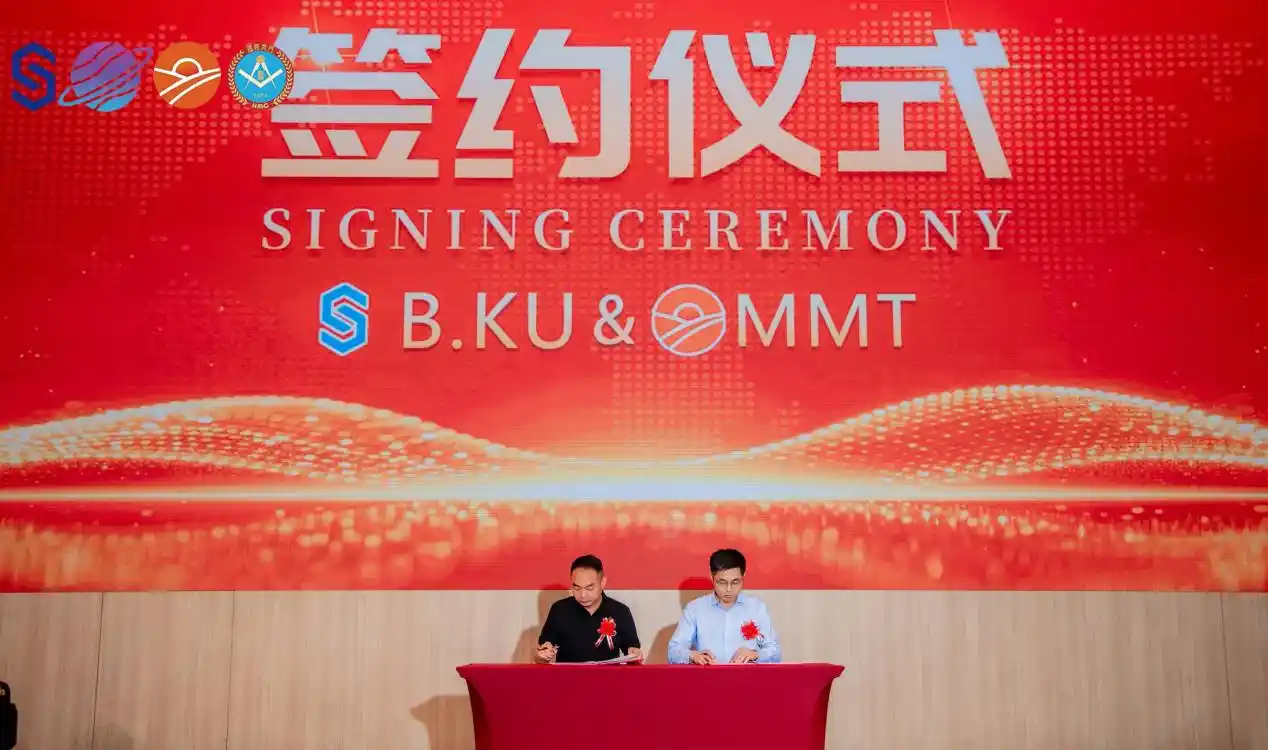
The organizers stated that this signing not only confirms the cooperative relationship but also marks a more solid step forward for Coinstore B.KU in RWA ecological construction and practical implementation.
Deepening Roots in Asia-Pacific, with a Global Vision

In the final segment of the event, Jason, Head of Asia-Pacific Market at Coinstore B.KU, shared the platform's overall layout strategy and future growth directions in the Asia-Pacific market. He pointed out that the Asia-Pacific region will become a key growth engine in Coinstore B.KU's global strategy. The platform will continue to expand its international influence through localized operations, community building, and ecological cooperation.
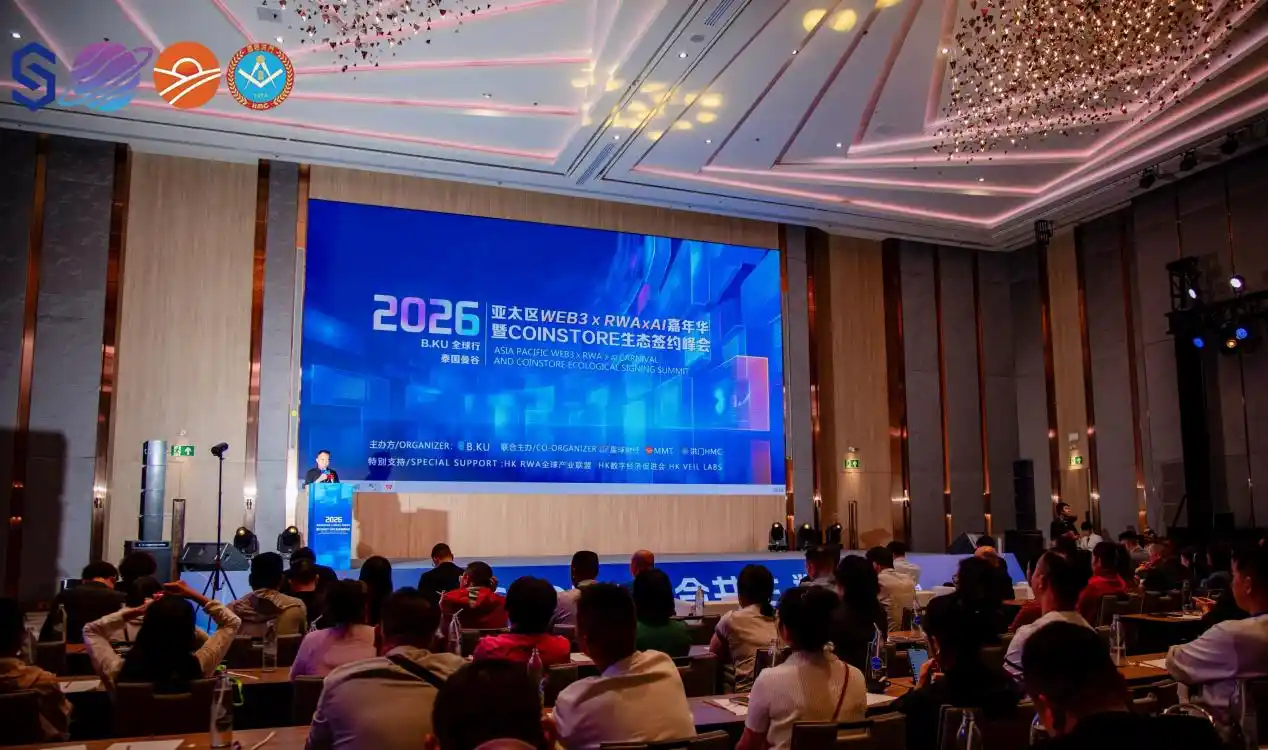
With this, the conference segment of the "Coinstore B.KU Digital Finance and RWA Thematic Event" concluded successfully. The organizers stated that they will continue to use RWA as an important tool to promote the deep integration of digital finance and the real economy, working hand in hand with global partners to explore a more open, compliant, and sustainable new paradigm for digital assets.


Perguntas relacionadas

QWhat was the main theme of the event hosted by Coinstore B.KU on January 8, 2025?

AThe main theme of the event was Digital Finance and RWA (Real World Assets).

QAccording to the Coinstore COO, what is the strategic importance of RWA for the platform?

AThe Coinstore COO stated that RWA is not a short-term trend but a core direction for Coinstore B.KU's long-term development, focusing on asset digitization, standardization, and compliance to build a sustainable global digital finance ecosystem.

QWhich international dignitary attended the event and delivered a speech?

AHis Royal Highness Prince Charit of Thailand attended the event and delivered a speech, expressing strong interest in the potential of digital finance and blockchain technology.

QWhat significant milestone was achieved during the event regarding Coinstore's global expansion?

AThe Coinstore Global Launch Ceremony was held, marking the official start of its internationalization strategy with seven guests from management, the foundation, and partners participating.

QWhich ecosystems or organizations were mentioned as signing cooperation agreements with Coinstore B.KU during the event?

AThe MMT ecosystem, represented by Chairman Du Xiaoyang, and the Hung Men HMC ecosystem, represented by Chairman Su Yunfeng of Xiaohongchuan Technology, signed cooperation agreements with Coinstore B.KU.

Leituras Relacionadas

Breaking: OpenAI Undergoes Major Reorganization, President Brockman Assumes Command

OpenAI has announced a major internal reorganization just months before its anticipated IPO. The company is merging its three flagship product lines—ChatGPT, Codex, and the API platform—into a single, unified product organization. The most significant leadership change involves co-founder and President Greg Brockman moving from a background technical role to take full, permanent control over all product strategy. This follows the indefinite medical leave of AGI Deployment CEO Fidji Simo. Additionally, ChatGPT's longtime lead, Nick Turley, has been reassigned to enterprise products, with former Instagram executive Ashley Alexander taking over consumer offerings. The consolidation, internally framed as a strategic move towards an "Agentic Future," aims to break down internal silos and create a cohesive "Super App." This planned desktop application would integrate ChatGPT's conversational abilities, Codex's coding power, and a rumored internal web browser named "Atlas" to autonomously perform complex user tasks. The reorganization occurs amid significant internal and external pressures. OpenAI has recently seen a wave of high-profile departures, including Sora co-lead Bill Peebles and other senior technical leaders, leading to concerns about a thinning executive bench. Externally, rival Anthropic recently secured funding at a staggering $900 billion valuation, surpassing OpenAI's own. Google's upcoming I/O developer conference also poses a competitive threat. Analysts suggest the dramatic restructure is a pre-IPO move to present a clearer, more focused narrative to Wall Street—streamlining operations and demonstrating decisive leadership under Brockman to counter internal turbulence and intense market competition.

marsbitHá 3h

Breaking: OpenAI Undergoes Major Reorganization, President Brockman Assumes Command

marsbitHá 3h

Two Survival Structures of Market Makers and Arbitrageurs

Market makers and arbitrageurs represent two distinct survival structures in high-frequency trading. Market makers primarily use limit orders (makers) to profit from the bid-ask spread, enjoying high capital efficiency (nominally 100%) but bearing inventory risk. This "inventory risk" arises from passive, fragmented, and discontinuous order fills in the limit order book (LOB). This risk, while a potential cost, can also contribute to excess profit if managed within control boundaries, allowing for mean reversion. Market makers essentially sell "time" (uncertainty over execution timing) to the market for price control and low fees. In contrast, cross-exchange arbitrageurs typically use market orders (takers) to exploit price differences or funding rates, resulting in lower nominal capital efficiency (requiring capital on both exchanges) and higher transaction costs. Their risk exposure stems from asymmetries in exchange rules (e.g., minimum order sizes), execution latency, and infrastructure risks (e.g., ADL, oracle drift). These exposures are active, exogenous gaps that primarily erode profits rather than contribute to them. Arbitrageurs essentially sell "space" (capital sunk across venues) for localized, immediate certainty. Both strategies engage in a trade-off between execution friction and residual risk. Optimal systems allow for temporary, controlled risk exposure rather than enforcing zero exposure at all costs. Their evolution converges towards hybrid models: arbitrageurs may use maker orders to reduce costs, while market makers may use taker orders or hedges for risk management. Ultimately, both use different forms of risk exposure—market makers exposing inventory, arbitrageurs immobilizing capital—to extract marginal, hard-won certainty from the market.

链捕手Há 3h

Two Survival Structures of Market Makers and Arbitrageurs

链捕手Há 3h

Who Will Define the Rules of the AI Era? Anthropic Discusses the 2028 US-China AI Landscape

This article, based on Anthropic's analysis, outlines the intensifying systemic competition between the U.S./allies and China for AI leadership by 2028. It argues that access to advanced computing power ("compute") is the critical bottleneck, where the U.S. currently holds a significant advantage through chip export controls and allied innovation. However, China's AI labs remain competitive by exploiting policy loopholes—via chip smuggling, overseas data center access, and "model distillation" attacks to copy U.S. model capabilities—keeping them close to the frontier. The piece presents two contrasting scenarios for 2028. In the first, decisive U.S. action to tighten compute controls and curb distillation locks in a 12-24 month AI capability lead, cementing democratic influence over global AI norms, security, and economic infrastructure. In the second, policy inaction allows China to achieve near-parity through continued access to U.S. technology, enabling Beijing to promote its AI stack globally and integrate advanced AI into its military and governance systems, altering the strategic balance. Anthropic contends that maintaining a decisive U.S. lead is essential for shaping safe AI development and governance. The core recommendation is for U.S. policymakers to urgently close compute and model access loopholes while promoting global adoption of the U.S. AI technology stack to secure a lasting strategic advantage.

marsbitHá 5h

Who Will Define the Rules of the AI Era? Anthropic Discusses the 2028 US-China AI Landscape

marsbitHá 5h

Trading

Spot
Futuros
活动图片




