BITPANDA, VISION WEB3 FOUNDATION, AND OPTIMISM JOIN FORCES TO CONNECT EUROPEAN FINANCIAL INSTITUTIONS TO THE GLOBAL BLOCKCHAIN ECONOMY

marsbitPublicado em 2026-03-26Última atualização em 2026-03-26

Resumo

Bitpanda, a leading European digital asset platform, has launched Vision Chain—a dedicated blockchain layer built in collaboration with Vision Web3 Foundation and powered by Optimism’s technology stack. Designed to bridge European financial institutions with the global on-chain economy, Vision Chain addresses long-standing infrastructure gaps by offering a regulated, interoperable environment compliant with MiCAR, MiFID II, and DORA. The network uses a MiCA-compliant euro stablecoin for fee settlement, eliminating currency volatility risks. Its economic model is the Vision Token (VSN), which supports ecosystem stability through token buybacks and burns. The infrastructure enables institutions to move from siloed pilots to production-scale tokenized asset issuance, while providing developers access to high-quality assets for building compliant DeFi products. According to leadership from Bitpanda, Vision Web3 Foundation, and Optimism, Vision Chain combines the openness of public blockchains with the reliability required by institutions, laying the foundation for a transparent and integrated European digital capital market.

Bitpanda, Europe's leading platform for cryptocurrencies and other digital assets, has announced the launch of Vision Chain, aimed at addressing long-standing infrastructure bottlenecks in the European financial sector. Vision Chain is a dedicated blockchain layer designed to move tokenized assets from isolated pilot projects into the mainstream economy. Developed in collaboration with the Vision Web3 Foundation and built on the Optimism technology stack, the network provides institutions with a standardized environment to issue and settle tokenized assets in compliance with the EU's Markets in Crypto-Assets Regulation (MiCAR) and the Markets in Financial Instruments Directive (MiFID II), while incorporating technical resilience principles aligned with the Digital Operational Resilience Act (DORA).

This release fills a critical infrastructure gap. European institutions have long been confined to closed proprietary networks lacking liquidity and interoperability. Vision Chain offers a managed infrastructure that connects regulated finance with the global on-chain economy. With Vision Chain, Bitpanda eliminates the operational complexity and cost of building private blockchain systems, enabling partners to transition smoothly from pilot projects to production-level deployments. To ensure institutional stability, the network uses a MiCA-compliant euro stablecoin as the settlement currency for all network and transaction fees, thereby eliminating the currency volatility risks commonly associated with public blockchain fees.

The commercial engine of this infrastructure is the Vision Token (VSN), a crypto asset issued by the Vision Web3 Foundation. A portion of the network's revenue is used to repurchase and burn tokens, supporting ecosystem stability and creating a virtuous model where network activity is positively correlated with network value. For the decentralized finance (DeFi) sector, this architecture provides a compliance-aligned ecosystem where developers can build complex products using high-quality assets issued by banks and fintech companies, while offering Bitpanda's over seven million users investment opportunities previously available only to professional market participants.

Bitpanda CEO Lukas Enzersdorfer-Konrad stated: "Today we are still talking about digital assets, but in the future, all assets may become digitized. Tokenization is expected to redefine capital markets. European financial institutions have been preparing for this transformation for years, but the infrastructure has always been missing. With Vision Chain, we are building a public blockchain with European regulatory standards at its core, combining the openness of public networks with the reliability required by institutions. This will lay the foundation for Europe's digital capital markets."

Vision Web3 Foundation Board Chairman Fabian Reinisch stated: "The Vision Foundation was established to build open, sustainable infrastructure for on-chain finance. Vision Chain is a significant milestone in this mission. By combining public blockchain technology with institutional needs and long-term ecological incentives, we are laying the groundwork for the next generation of European financial applications based on transparent, interoperable networks."

Optimism CEO Jing Wang added: "Vision Chain exemplifies the growing market demand for blockchain infrastructure that meets institutional standards without sacrificing Ethereum's openness. Through OP Enterprise, we provide a fully managed deployment model that supports chain operations, infrastructure management, and continuous upgrades, allowing partners to focus on product development and practical application scenarios. We are honored to collaborate with Bitpanda and the Vision Foundation to bring regulated financial institutions onto Ethereum and strengthen Europe's position in the global on-chain economy."

Perguntas relacionadas

QWhat is the main purpose of Vision Chain, as announced by Bitpanda?

AVision Chain is a dedicated blockchain layer designed to move tokenized assets from isolated pilot projects into the mainstream economy, providing a standardized environment for institutions to issue and settle tokenized assets in compliance with EU regulations like MiCAR and MiFID II.

QWhich technology stack is Vision Chain built upon?

AVision Chain is built using the Optimism technology stack.

QWhat problem does Vision Chain aim to solve for European financial institutions?

AIt addresses the long-standing infrastructure bottleneck that confined European institutions to closed proprietary networks lacking liquidity and interoperability, by providing a managed infrastructure that connects regulated finance with the global on-chain economy.

QWhat is the role of the Vision Token (VSN) in this new ecosystem?

AThe Vision Token (VSN) is the cryptographic asset issued by the Vision Web3 Foundation that acts as the commercial engine of the infrastructure. A portion of the network's revenue is used to buy back and burn the token to support ecosystem stability, creating a virtuous model where network activity is positively correlated with network value.

QHow does Vision Chain handle network and transaction fees to ensure stability for institutions?

AThe network uses a MiCA-compliant euro stablecoin as the settlement currency for all network and transaction fees, thereby eliminating the currency volatility risk commonly associated with public blockchain fees.

Leituras Relacionadas

Once-Popular Web3 Enters Wave of Layoffs

The once-hot Web3 industry is experiencing a severe wave of layoffs. While many companies attribute job cuts to AI-driven restructuring, the primary reason is often financial pressure. The Web3 sector, at the intersection of tech and finance, has been hit particularly hard. Employees at major cryptocurrency exchanges report sudden, impersonal layoffs—often with system access revoked overnight—and minimal or no severance. Common tactics include setting impossible performance targets or terminating employees for minor policy violations. The working atmosphere has become toxic, marked by intense monitoring, excessive meetings, and management obsessed with control and internal politics rather than product innovation. The industry's core business model is collapsing. Exchange revenue from trading fees and listing charges has plummeted due to a decline in quality projects and retail investor exodus. Events like the massive forced liquidation on October 10th further shattered confidence. Competition from on-chain derivatives platforms and prediction markets is intensifying the downturn. As layoffs continue, displaced workers struggle to find new opportunities. Many transition to the AI sector, but face significant bias from traditional finance and even some AI firms, which view crypto industry experience with suspicion. The current downturn appears more structural than cyclical, driven by unsustainable practices, internal strife, and a failure to innovate, raising questions about the industry's future trajectory.

marsbitHá 47m

Once-Popular Web3 Enters Wave of Layoffs

marsbitHá 47m

Sales Drop 26% But Prices Rise? Xiaomi's Dilemma

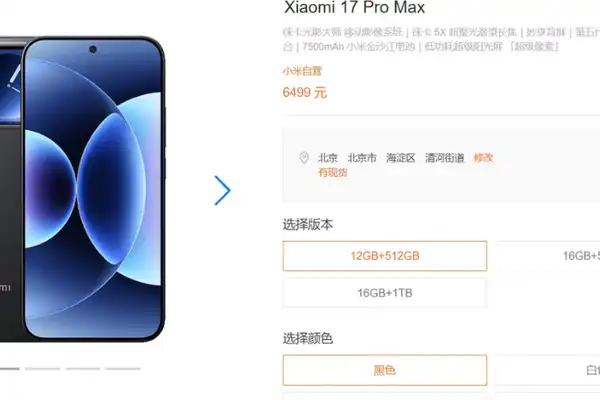
Xiaomi, facing a significant 26.3% year-on-year decline in global smartphone shipments in Q2 2026, has implemented its third price hike of the year. On August 2nd, prices were raised for nine models, including the flagship Mi 17 series (up 400-500 yuan) and Redmi K90/Turbo 5 series (up 300 yuan). This move completes a pattern where cost pressure, originating from surging memory chip prices, has climbed from entry-level to mid-range and now flagship products. The primary driver is a severe supply squeeze on consumer-grade DRAM and NAND flash memory, as major manufacturers like Samsung shift advanced capacity to more profitable HBM for AI applications. According to Xiaomi President Lu Weibing, memory prices for the same configuration have skyrocketed nearly fourfold since Q1 2025, adding roughly 1500 yuan to the cost of a mainstream 12GB+512GB phone. IDC estimates consumer memory costs have risen nearly 300% year-on-year. While the price increases hurt demand and contributed to the sales slump, Xiaomi's strategy of reducing entry-level models and upgrading its product mix also played a role. Domestically, its market share in China fell to 12% (5th place), while leaders Huawei and Apple saw shipments grow over 24%. To mitigate future risks, Xiaomi is accelerating its in-house "Surge" chip development and optimizing memory configurations across its lineup. Xiaomi is not alone; major brands like OPPO, vivo, and Apple have already raised prices in 2026, with industry insiders predicting another round of increases (200-800 yuan) in the second half. A full-scale industry-wide涨价 cycle is underway, forcing both manufacturers and consumers to recalibrate their strategies and purchasing decisions amid sustained cost pressures.

marsbitHá 57m

Sales Drop 26% But Prices Rise? Xiaomi's Dilemma

marsbitHá 57m

Trading

Spot
活动图片