Binance Leads Push To Offer Tokenized US Stocks Outside Traditional Markets

bitcoinistPublicado em 2026-01-24Última atualização em 2026-01-24

Resumo

Major cryptocurrency exchanges, led by Binance, are exploring the reintroduction of tokenized US stocks, aiming to merge traditional financial markets with digital assets. Binance and OKX are reportedly evaluating offering crypto tokens that track publicly listed companies, reflecting a broader industry shift. This move is part of Binance's strategy to connect traditional finance with crypto, expanding user choice while adhering to regulatory standards. Other firms like Robinhood, Gemini, and Kraken have already launched similar offerings in Europe, while Robinhood and Coinbase are seeking regulatory approval in the US. Proponents argue that properly structured tokenization can enhance investor protections and market efficiency.

Major cryptocurrency exchanges are reportedly positioning to bring tokenized stock trading onto the blockchain, signaling a renewed push to merge traditional financial markets with digital assets.

According to a report published Friday by The Information, platforms such as Binance are exploring ways to offer crypto tokens that track publicly listed US companies, effectively creating new channels for equity exposure through tokenized instruments.

Binance And OKX Explore Tokenized Stocks

The report says Binance is considering reintroducing stock tokens to its platform, several years after pulling similar products in 2021 amid regulatory uncertainty.

The plan, cited by a person familiar with the matter, reflects a broader shift within the industry as exchanges revisit tokenized equities under evolving market and compliance frameworks.

OKX is also said to be evaluating the possibility of offering tokenized stocks, according to Haider Rafique, the company’s global managing partner and chief marketing officer.

Binance has framed the move as part of its long-term strategy to connect traditional finance with the crypto ecosystem. In a statement to CoinDesk, a Binance spokesperson said the exchange is focused on expanding user choice while maintaining strict regulatory standards.

The company noted that it began supporting tokenized real-world assets (RWAs) last year and recently launched what it described as the first regulated traditional finance perpetual contracts settled in stablecoins.

Exploring tokenized equities, the spokesperson said, is a natural progression as Binance continues to build infrastructure, collaborate with established financial institutions, and develop new products for users and the wider industry.

Binance and OKX are not alone in this effort. Several major crypto firms, including Robinhood (HOOD), Gemini (GEMI), and Kraken, have already rolled out tokenized stock offerings in Europe. Meanwhile, Robinhood and blockchain startup Dinari are seeking regulatory approval to introduce similar products in the United States.

Tokenized Shares Gain Increased Interest

Robinhood took a significant step in June of last year when it launched trading in tokens linked to publicly listed companies and announced plans to expand into tokenized shares of private firms.

As part of the rollout, the company distributed tokens pegged to OpenAI. According to Robinhood’s terms and conditions, those tokens function as derivative contracts backed by the firm’s ownership of fund units in a special-purpose vehicle that holds OpenAI convertible notes.

Coinbase (COIN), on the other hand, is reportedly in discussions with the US Securities and Exchange Commission (SEC) about launching tokenized securities that would grant investors the same legal rights and benefits as conventional shares.

Several issuers involved in the space say they are closely adhering to established rules around securities law, anti-money laundering requirements, bankruptcy protections, and investor safeguards.

Industry leaders argue that, when structured properly, tokenization can strengthen rather than weaken investor protections. Ian De Bode, chief strategy officer at Ondo Finance, said that a careful approach to tokenized securities can enhance safeguards while unlocking efficiencies that traditional markets struggle to achieve.

The daily chart shows BNB’s price consolidating below the key $900 level. Source: BNBUSDT on TradingView.com

Featured image from OpenArt, chart from TradingView.com

Criptomoedas em alta

Perguntas relacionadas

QWhat is Binance's reported plan regarding tokenized stock trading, and why is it significant?

ABinance is reportedly considering reintroducing stock tokens to its platform, which are crypto tokens that track publicly listed US companies. This is significant as it represents a renewed push to merge traditional financial markets with digital assets, creating new channels for equity exposure outside of traditional markets.

QWhich other major cryptocurrency exchanges, besides Binance, are exploring the offering of tokenized stocks?

ABesides Binance, OKX is also evaluating the possibility of offering tokenized stocks. Other major firms like Robinhood, Gemini, and Kraken have already rolled out such offerings in Europe.

QHow does Binance justify its exploration of tokenized equities as part of its long-term strategy?

ABinance frames this move as a natural progression in its strategy to connect traditional finance with the crypto ecosystem. The exchange stated it is focused on expanding user choice while maintaining strict regulatory standards, building infrastructure, collaborating with financial institutions, and developing new products.

QWhat specific example of a tokenized offering did Robinhood launch, and how does it function?

ARobinhood launched tokens pegged to OpenAI. According to its terms, these tokens function as derivative contracts backed by the firm's ownership of fund units in a special-purpose vehicle that holds OpenAI convertible notes.

QHow are issuers of tokenized securities ensuring they comply with existing regulations?

AIssuers say they are closely adhering to established rules around securities law, anti-money laundering requirements, bankruptcy protections, and investor safeguards. Industry leaders argue that a careful approach to tokenization can enhance investor protections while unlocking market efficiencies.

Leituras Relacionadas

Once-Popular Web3 Enters Wave of Layoffs

The once-hot Web3 industry is experiencing a severe wave of layoffs. While many companies attribute job cuts to AI-driven restructuring, the primary reason is often financial pressure. The Web3 sector, at the intersection of tech and finance, has been hit particularly hard. Employees at major cryptocurrency exchanges report sudden, impersonal layoffs—often with system access revoked overnight—and minimal or no severance. Common tactics include setting impossible performance targets or terminating employees for minor policy violations. The working atmosphere has become toxic, marked by intense monitoring, excessive meetings, and management obsessed with control and internal politics rather than product innovation. The industry's core business model is collapsing. Exchange revenue from trading fees and listing charges has plummeted due to a decline in quality projects and retail investor exodus. Events like the massive forced liquidation on October 10th further shattered confidence. Competition from on-chain derivatives platforms and prediction markets is intensifying the downturn. As layoffs continue, displaced workers struggle to find new opportunities. Many transition to the AI sector, but face significant bias from traditional finance and even some AI firms, which view crypto industry experience with suspicion. The current downturn appears more structural than cyclical, driven by unsustainable practices, internal strife, and a failure to innovate, raising questions about the industry's future trajectory.

marsbitHá 48m

Once-Popular Web3 Enters Wave of Layoffs

marsbitHá 48m

Sales Drop 26% But Prices Rise? Xiaomi's Dilemma

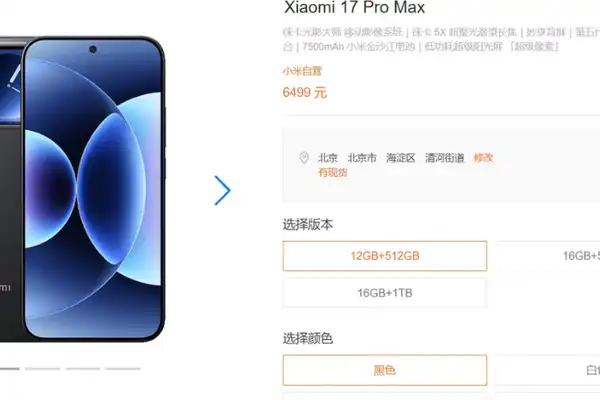
Xiaomi, facing a significant 26.3% year-on-year decline in global smartphone shipments in Q2 2026, has implemented its third price hike of the year. On August 2nd, prices were raised for nine models, including the flagship Mi 17 series (up 400-500 yuan) and Redmi K90/Turbo 5 series (up 300 yuan). This move completes a pattern where cost pressure, originating from surging memory chip prices, has climbed from entry-level to mid-range and now flagship products. The primary driver is a severe supply squeeze on consumer-grade DRAM and NAND flash memory, as major manufacturers like Samsung shift advanced capacity to more profitable HBM for AI applications. According to Xiaomi President Lu Weibing, memory prices for the same configuration have skyrocketed nearly fourfold since Q1 2025, adding roughly 1500 yuan to the cost of a mainstream 12GB+512GB phone. IDC estimates consumer memory costs have risen nearly 300% year-on-year. While the price increases hurt demand and contributed to the sales slump, Xiaomi's strategy of reducing entry-level models and upgrading its product mix also played a role. Domestically, its market share in China fell to 12% (5th place), while leaders Huawei and Apple saw shipments grow over 24%. To mitigate future risks, Xiaomi is accelerating its in-house "Surge" chip development and optimizing memory configurations across its lineup. Xiaomi is not alone; major brands like OPPO, vivo, and Apple have already raised prices in 2026, with industry insiders predicting another round of increases (200-800 yuan) in the second half. A full-scale industry-wide涨价 cycle is underway, forcing both manufacturers and consumers to recalibrate their strategies and purchasing decisions amid sustained cost pressures.

marsbitHá 59m

Sales Drop 26% But Prices Rise? Xiaomi's Dilemma

marsbitHá 59m

Trading

Spot

Artigos em Destaque

Como comprar PUSH

Bem-vindo à HTX.com!Tornámos a compra de Push Protocol (PUSH) simples e conveniente.Segue o nosso guia passo a passo para iniciar a tua jornada no mundo das criptos.Passo 1: cria a tua conta HTXUtiliza o teu e-mail ou número de telefone para te inscreveres numa conta gratuita na HTX.Desfruta de um processo de inscrição sem complicações e desbloqueia todas as funcionalidades.Obter a minha contaPasso 2: vai para Comprar Cripto e escolhe o teu método de pagamentoCartão de crédito/débito: usa o teu visa ou mastercard para comprar Push Protocol (PUSH) instantaneamente.Saldo: usa os fundos da tua conta HTX para transacionar sem problemas.Terceiros: adicionamos métodos de pagamento populares, como Google Pay e Apple Pay, para aumentar a conveniência.P2P: transaciona diretamente com outros utilizadores na HTX.Mercado de balcão (OTC): oferecemos serviços personalizados e taxas de câmbio competitivas para os traders.Passo 3: armazena teu Push Protocol (PUSH)Depois de comprar o teu Push Protocol (PUSH), armazena-o na tua conta HTX.Alternativamente, podes enviá-lo para outro lugar através de transferência blockchain ou usá-lo para transacionar outras criptomoedas.Passo 4: transaciona Push Protocol (PUSH)Transaciona facilmente Push Protocol (PUSH) no mercado à vista da HTX.Acede simplesmente à tua conta, seleciona o teu par de trading, executa as tuas transações e monitoriza em tempo real.Oferecemos uma experiência de fácil utilização tanto para principiantes como para traders experientes.

587 Visualizações TotaisPublicado em {updateTime}Atualizado em 2026.06.02

Como comprar PUSH

Discussões

Bem-vindo à Comunidade HTX. Aqui, pode manter-se informado sobre os mais recentes desenvolvimentos da plataforma e obter acesso a análises profissionais de mercado. As opiniões dos utilizadores sobre o preço de PUSH (PUSH) são apresentadas abaixo.

活动图片