Editor's Note: In the crypto industry, discussions about 'whether to build infrastructure' and 'whether technical complexity equals competitive moat' have never ceased. But this article offers a counterexample from a frontline entrepreneur: from consecutive failures in betting on infra to pivoting towards consumer products that people are willing to use and pay for, the author uses personal experience to复盘 the real difficulty of 'building products' in the crypto industry.
Compared to technical complexity and grand narratives, the article focuses more on users, distribution, and execution details. In the consumer crypto space, value is not 'proven' but 'used into existence'.
The following is the original text:
As a first-time founder, I spent years working on three infrastructure protocols, all of which ultimately failed. By 2025, I began shifting to building a consumer product that people actually want to use. This piece shares the lessons I learned about user growth and fundraising 'after stepping into pitfalls'.
I've been in this industry for about 4 years.
In 2023, I started my venture in the EVM ecosystem, right when 'account abstraction' was the hottest topic. Almost everyone was developing SDKs for account abstract wallets. Meanwhile, the Rollup ecosystem heated up rapidly. Optimism, Arbitrum, and various RaaS projects dominated the mainstream view.
As someone who loves math, I was deeply attracted to ZK, believing it would change the world (I still believe it eventually will).
A core mistake I made back then was: equating 'complexity' with 'credibility'.
When VCs asked me about use cases, I would confidently list directions like zkML, zk identity, zk voting — yet in reality, almost none of these are actually used today. I mistook 'the technology looks impressive' for 'this is a useful product'.
As time went on, I even started to believe: the more complex the idea, the higher the probability of startup success.
Many investors also told me that in the crypto industry, only infrastructure has a chance to succeed. It wasn't until nearly two years and over 500 rejections later that I realized: this path wasn't for me.
So, I entered the Solana ecosystem.
For me, this was a whole new world. People here care about practical use cases. Even if it's memes, revenue matters. Speed matters. Distribution matters. (Special thanks to @superteamin for the help along the way.)
So far, we've been building consumer applications in this ecosystem for nearly 7 months. During the private testing phase, we've already processed over $12 million in transaction volume. Below are some of the lessons I've summarized:
1. Build for Young Users Willing to Try New Things
Aim to design products for a demographic that is naturally more receptive to new products.
In consumer crypto products, this usually means 'trenchers' or younger users, many concentrated in the 13–21 age range.
A 2024 study by the Consumer Technology Association (CTA) on Gen Z (11–26 years old) showed: 86% of Gen Z believe technology is an indispensable part of life, a higher proportion than any older group. They adopt new technologies earlier, with an average household owning 13 devices, using about 6 of them daily, for nearly 12 hours.
Gen Z is also more likely to personally own emerging tech products, such as crypto apps (e.g., 58% own game consoles, a significantly higher than older groups). They have a stronger willingness to spend on new technology, subscribe to more services, and their habits change and adapt noticeably faster than Millennials, Gen X, or Boomers.
They are more willing to try new apps, experiment, and quickly change usage habits.
In contrast, older users (in many cases, 25+) are generally less willing to change established workflows unless the incentives are very strong. Side note: this conclusion might not apply if you're building for institutions.
Multiple studies also show clear behavioral differences: younger users engage in social communication with more people daily, meaning they are more likely to share 'interesting products they discover' with friends. Around ages 20–21, social messaging activity typically peaks, largely related to college or being in school.
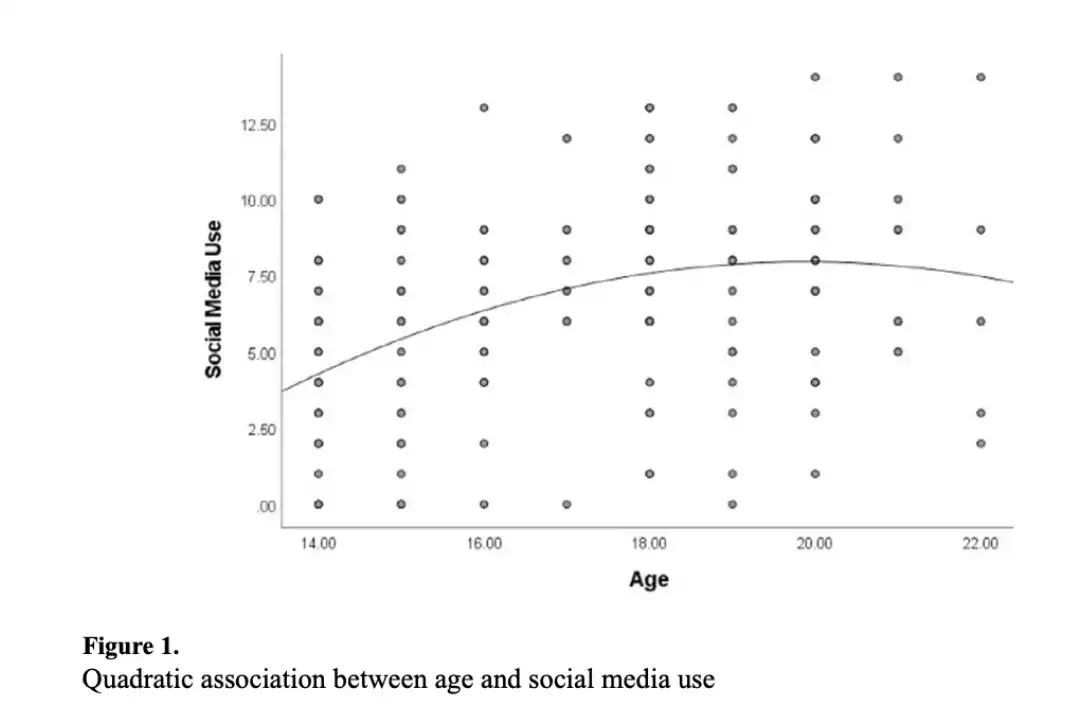
This trend leads to a very direct implication: products designed for younger users naturally have stronger virality.
2. Make the Product Itself Shareable to Reduce Marketing Costs
If you don't have ample marketing or advertising budgets, then your product itself must serve as the 'distribution channel'.
In other words, the product is the marketing, the product is the propagation.
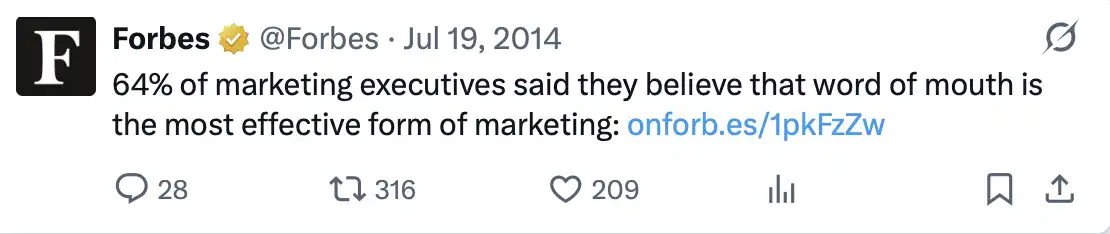
A highly shareable product can significantly reduce marketing costs.
This is especially important in the crypto industry because:
· KOL marketing is expensive
· User trust is generally low
· Most users expect rewards or incentives before participating
In such an environment, relying on traditional marketing methods is often inefficient, while organic propagation driven by the product itself is more sustainable.
If your product can give users a reason to share spontaneously, whether with friends, groups, or communities, you can achieve distribution without burning大量资金.
This isn't easy to do in crypto, but optimizing for it from day one is very worthwhile in the long run.
3. Respond to User Feedback ASAP
When users report issues with the experience, or encounter poor interactions, fix them immediately, especially those that directly block the usage flow.
My previous approach was to save bug fixes for the end of the day. But once, a user DM'd me saying: 'Your App doesn't have this feature yet, I'll use Y for now.'
I said I understood, but the result was, the user kept using product Y afterwards. I tried multiple times via DMs to win them back, but it was very difficult — they had already formed a habit of using Y.
Ultimately, once users establish habits on another product, the cost of switching them back becomes extremely high.
Therefore, try to: resolve bugs within 2–5 hours.
If multiple users repeatedly request a new feature that is very important to them and technically feasible:
· Develop and launch it within 2–3 days
· Clearly tell them it was launched based on their feedback
·甚至可以给予一定的经济激励 (this might turn them into your product's most active evangelists)
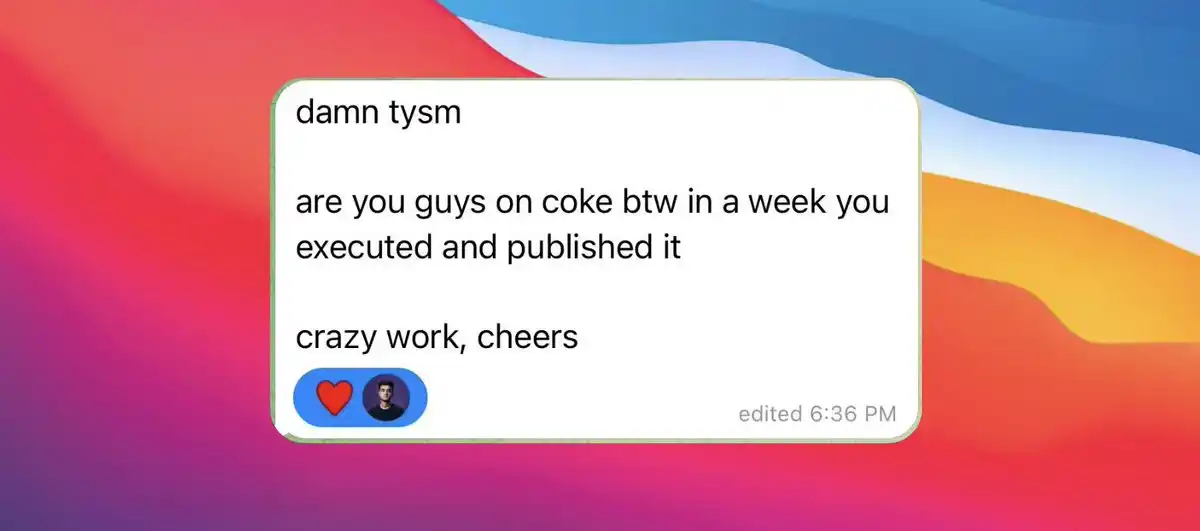
Delivering features around user needs does three things: directly improves the product, increases user frequency, and builds deep trust.
When users see their feedback taken seriously and actually turned into product features, they start to feel: this product is 'partly theirs'.
This emotional sense of 'ownership' is extremely important and powerful in early-stage consumer products.
4. The App's Name is Very Important
This might sound basic, but many people — including myself — have made serious mistakes at this step.
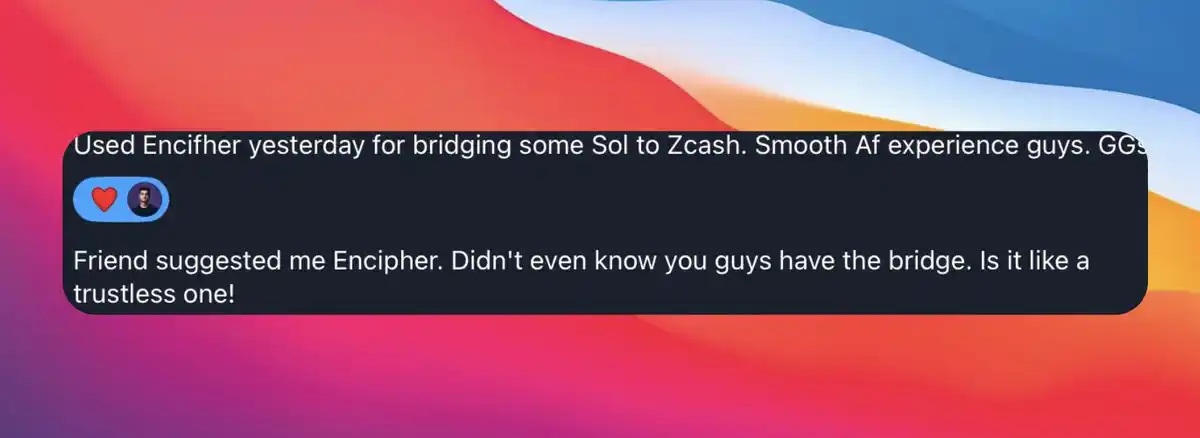
Your App's name must be highly memorable and easy enough to relay and share. Otherwise, you'll frequently receive messages like this (users want to recommend it but can't remember what it's called).
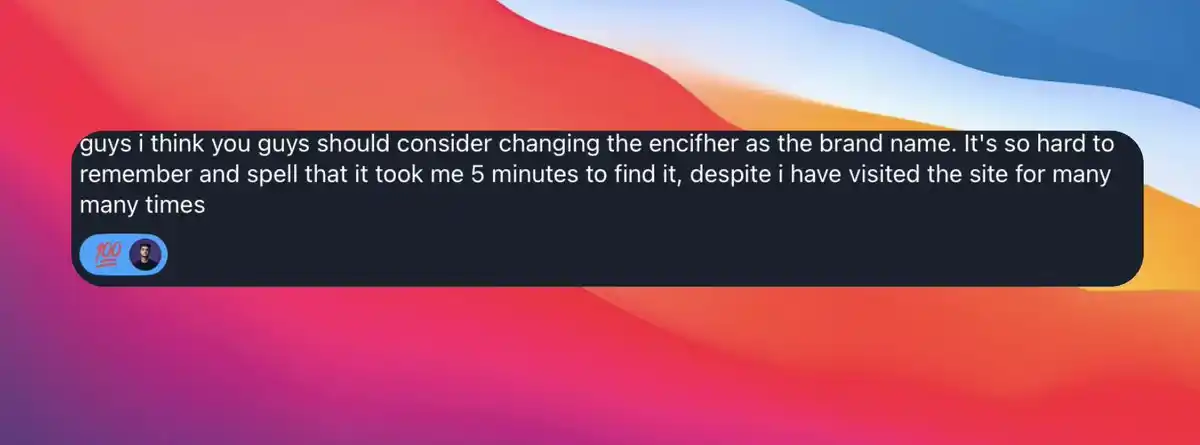
The truth is indeed so — the name 'encifher' itself was hard to remember, I really can't blame users for that.
There were even many group chats created by investors or partners where the product name was misspelled, something I can only苦笑 about now.
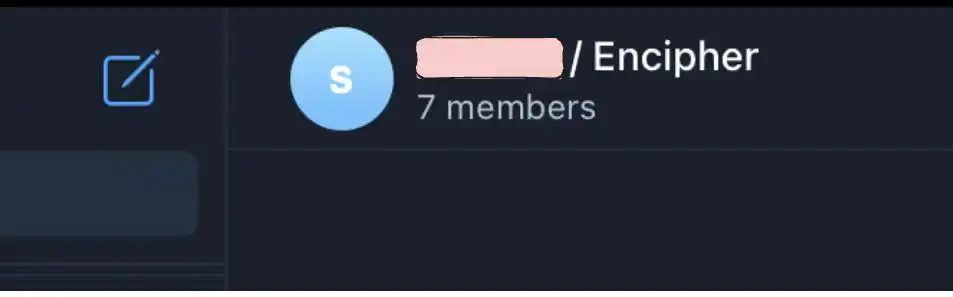
Because of this, we later changed the name to encrypt.trade.
There are plenty of existing methods and resources online for how to choose a 'memorable and shareable' name.
5. Talking to Users is Hard, But Non-Negotiable
Finding users and actually talking to them is inherently very difficult, especially when your direction isn't within the current mainstream narrative.
When I first started working on privacy-related products, it wasn't a popular niche. Although many retail users had real privacy needs, they were scattered and hard to find.
So I did something most people actively avoid: during the idea validation phase, I proactively cold-DM'd nearly 1000 people.
If lucky, about 10 out of 100 people might reply; and among those replies, only maybe 3–4 might give you useful feedback.
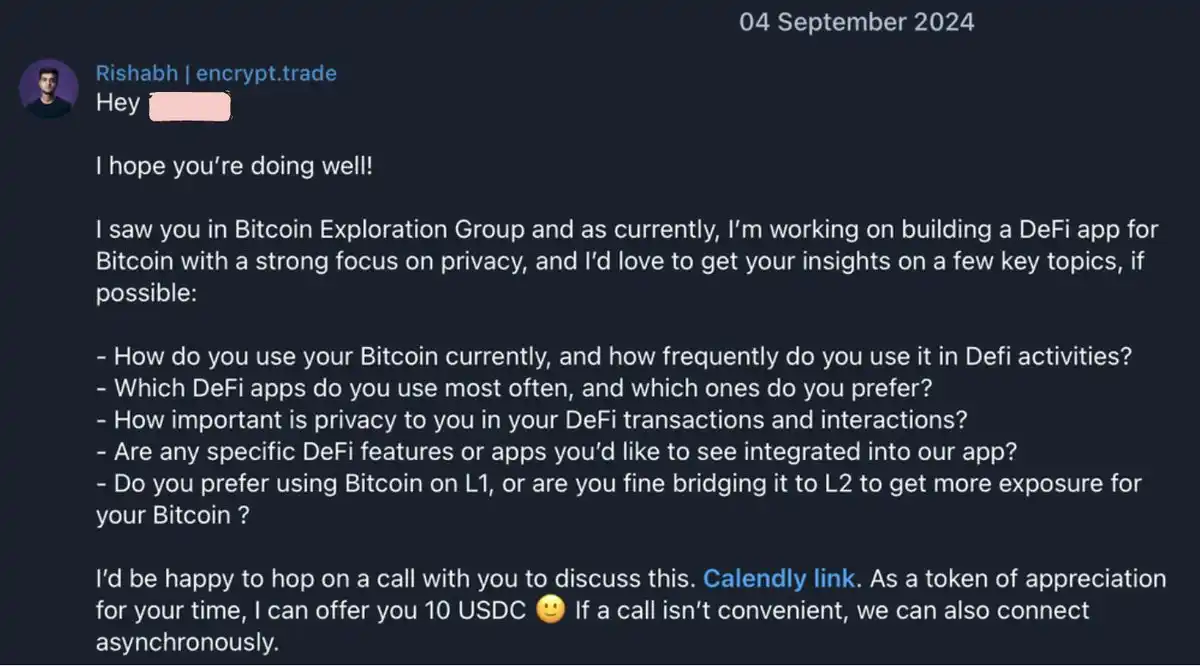
In practice, whenever someone showed even the slightest interest, I would have in-depth conversations with them, iterating on the product while communicating with users.
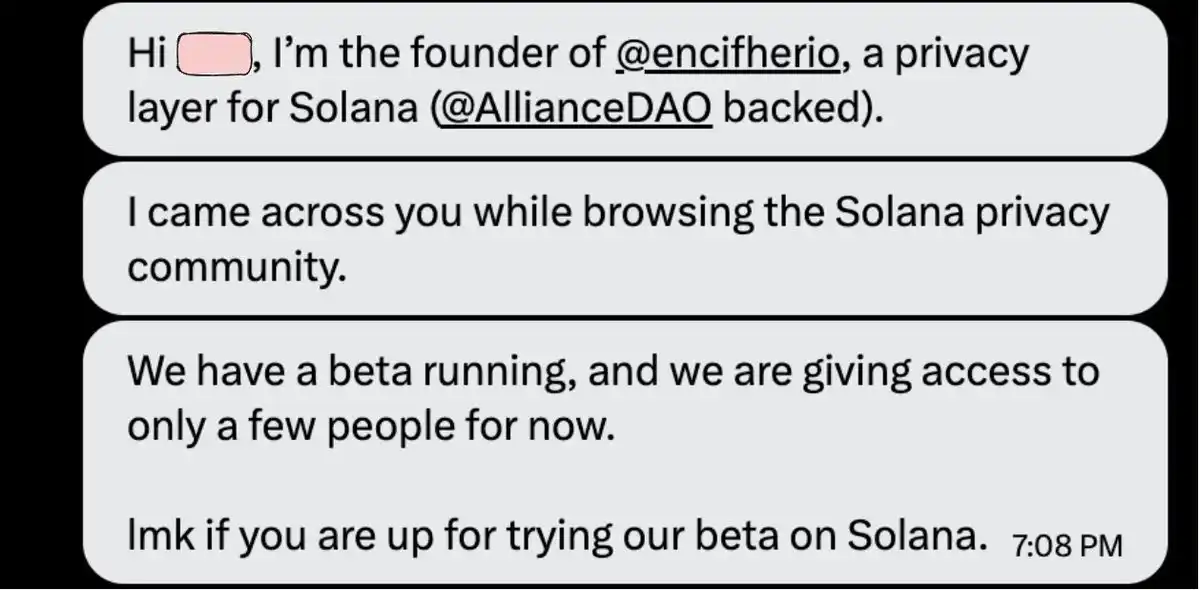
In fact, cold DMing itself is a process that needs constant iteration. When writing and sending cold DMs, there are several key points to note: try to start with a relatively 'soft' opener, put the most substantial information first (e.g., funding status, transaction volume processed, etc.), mention where you saw or learned about them, maintain a friendly, non-intrusive call-to-action (CTA), and definitely follow up, don't just send once and stop.
There is no such thing as a 'perfect cold DM'. You need to constantly A/B test different versions to find out which ones actually work for your target users.
Below is a high-quality cold DM template (thanks to @realsimon, from @alliance), which you can refer to directly:
But it's important to be clear: this process is slow and psychologically draining.
In crypto, very few people are willing to reply to cold DMs because scams are everywhere. Low response rates are the norm (it is indeed a bit discouraging).
But even so, you still must do it.
At this stage, your goal is not to get 1000 users. Your goal is 10–20 early users who have the following characteristics: genuinely care about the problem you're solving, are willing to try your product, and can give honest, direct feedback.
These early users will gradually become your support system. Early products will almost certainly have frequent problems, and it is these users who help you through the most vulnerable stages.
6. Iterate Quickly
The pace of the crypto industry is extremely fast. Narratives change rapidly, and user attention spans are even shorter.
If the product you build has no real value, it's inherently hard to get attention; even if you briefly gain attention without value, that focus won't last.
It might bring a short burst of hype at best, but the product itself cannot survive long-term.

This is toly's advice for developers at Breakpoint 2025.
The core meaning is just three points: ship fast, iterate frequently, be willing to pivot radically
I also learned one very important thing: users won't always directly tell you what to do next.
You need to judge by observing their behavior: what are they doing repeatedly? What workarounds or detours are they using? What are they already willing to pay for?
Many ideas sound reasonable, but most users might not be willing to pay for them.
7. Please Make Your Website 'Idiot-Proof'
I don't know why this needs to be emphasized repeatedly, but it must be said: 'Do not make any assumptions about users.'
If you think users should understand, you are wrong. Things that are obvious to us developers who have spent hundreds of hours building the product are completely foreign to users encountering it for the first time.
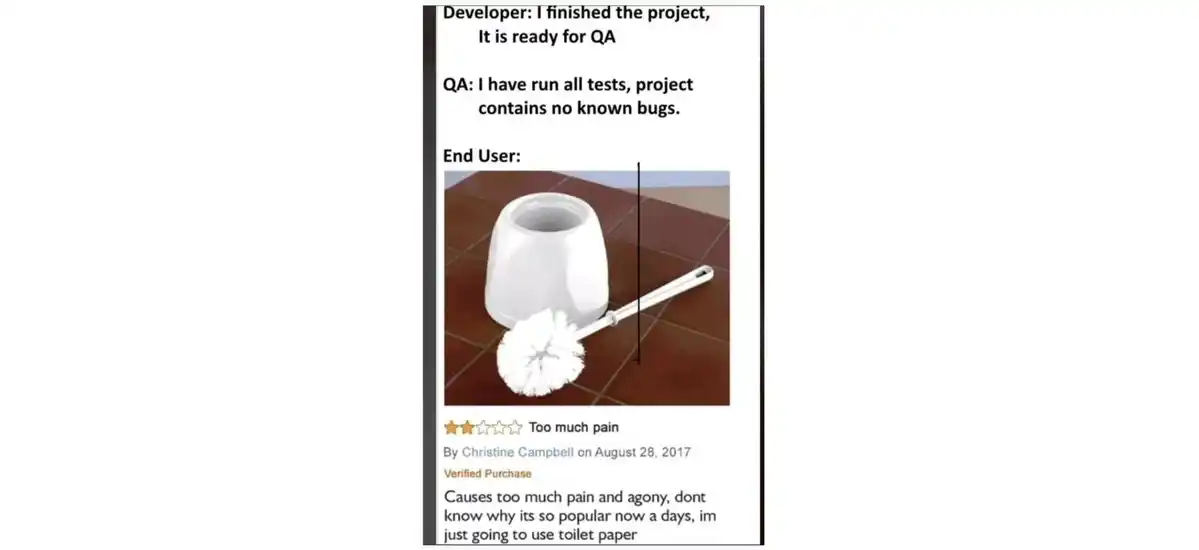
Don't introduce any new concepts or workflows. Only use simple, familiar things that genuinely make users' lives easier. The click path should be as streamlined as possible; users should be able to see, understand, or perceive the product's value within 5 seconds of entering the app (this is something we are still continuously optimizing).
I can't attach screenshots, but I've received many DMs where users completely misunderstood the purpose of a feature.
Conclusion
Building consumer crypto products is both fun and challenging.
Speed, extreme focus on users, and distribution capability are often more important than 'perfect technology'.
This is very different from B2B products, but I still believe it was the right choice we made.
This piece is already long enough; I'll save the lessons on fundraising for the next post. Finally, just use encrypt.trade :)
If this content resonates with you, or if you're also building consumer crypto products and want to chat about GTM, distribution, or the product itself, feel free to DM me.
I'm always happy to talk with other founders and developers.