a16z Gathering: 7 Key Rules to Become a Top KOL

marsbitPublicado em 2026-01-11Última atualização em 2026-01-11

Resumo

Hosted by a16z and Tech Week, a gathering of 50 creators—including meme lords, TikTokers, bloggers, and podcasters—revealed key strategies for success in the creator economy. Seven core insights emerged: 1. Own your audience through email lists to ensure direct, lasting connections beyond algorithmic platforms. 2. Build offline touchpoints like events and dinners to deepen community trust and explore high-value collaborations. 3. Bundle sponsorships across newsletters, podcasts, and social media for predictable income and integrated campaigns. 4. Focus on niche markets; specialized audiences often yield stronger, more valuable businesses. 5. Collaborate through cross-promotion and joint ventures to accelerate growth and expand reach. 6. Dominate one primary platform first before expanding, as it remains the core of community connection. 7. Distribution is the ultimate moat—combining brand and distribution creates a competitive edge. The creator economy is maturing, with refined strategies and larger opportunities. Success hinges on ownership, offline engagement, strategic partnerships, and distribution power.

Original Title: 7 Insights from Hosting 50 Creators at a16z

Original Author: Ish Verduzco

Original Compilation: Deep Tide TechFlow

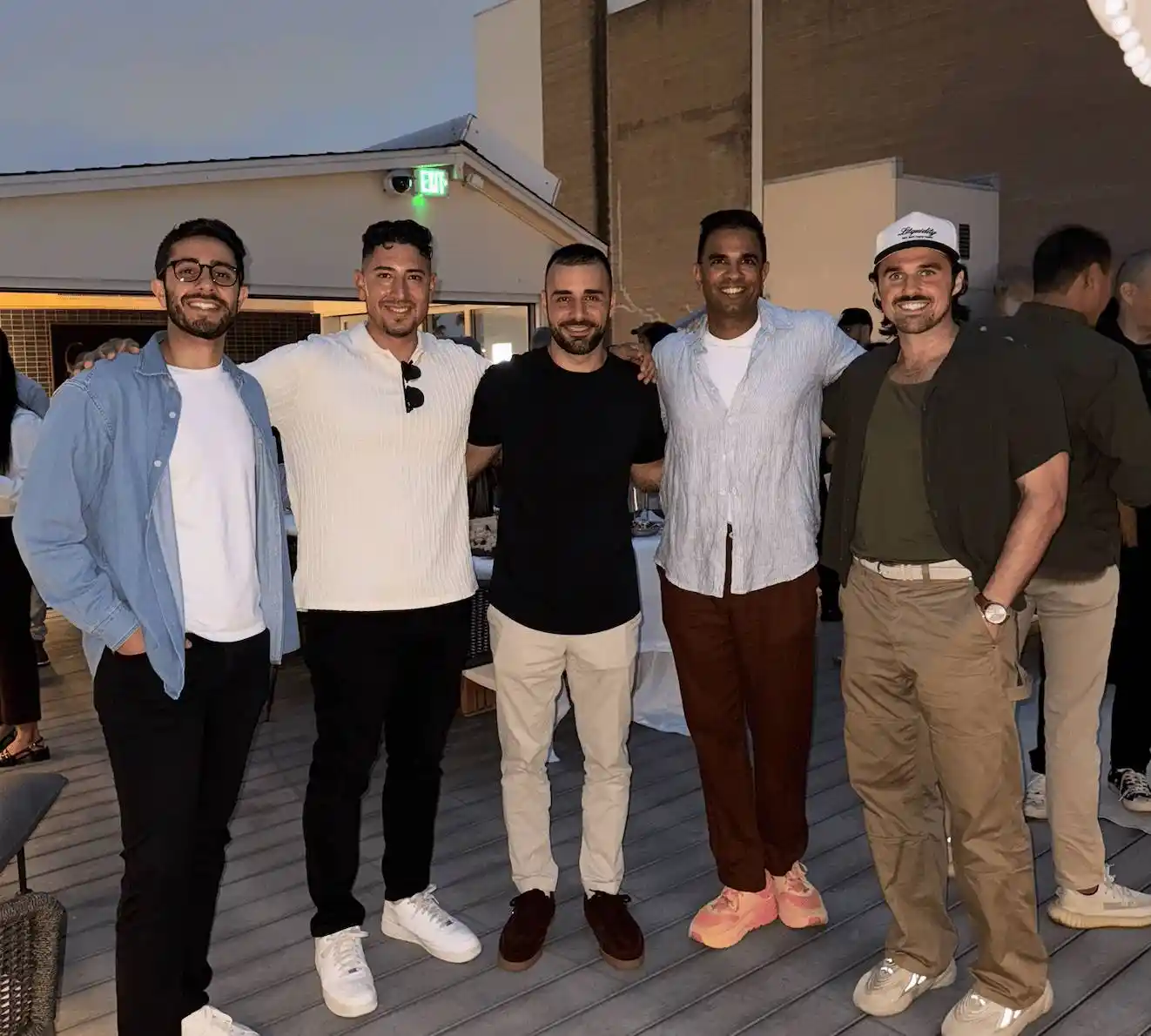
Last night, I hosted a gathering with the Tech Week team at a16z, inviting about 50 creators to participate.

Participants included meme lords, TikTok creators, lifestyle bloggers, cinematic video creators, Substack authors, email newsletter operators, podcast producers, YouTube bloggers, social media managers, and more.

Almost covering the entire spectrum of internet content creators.

In this article, I will share 7 key insights summarized from multiple conversations.
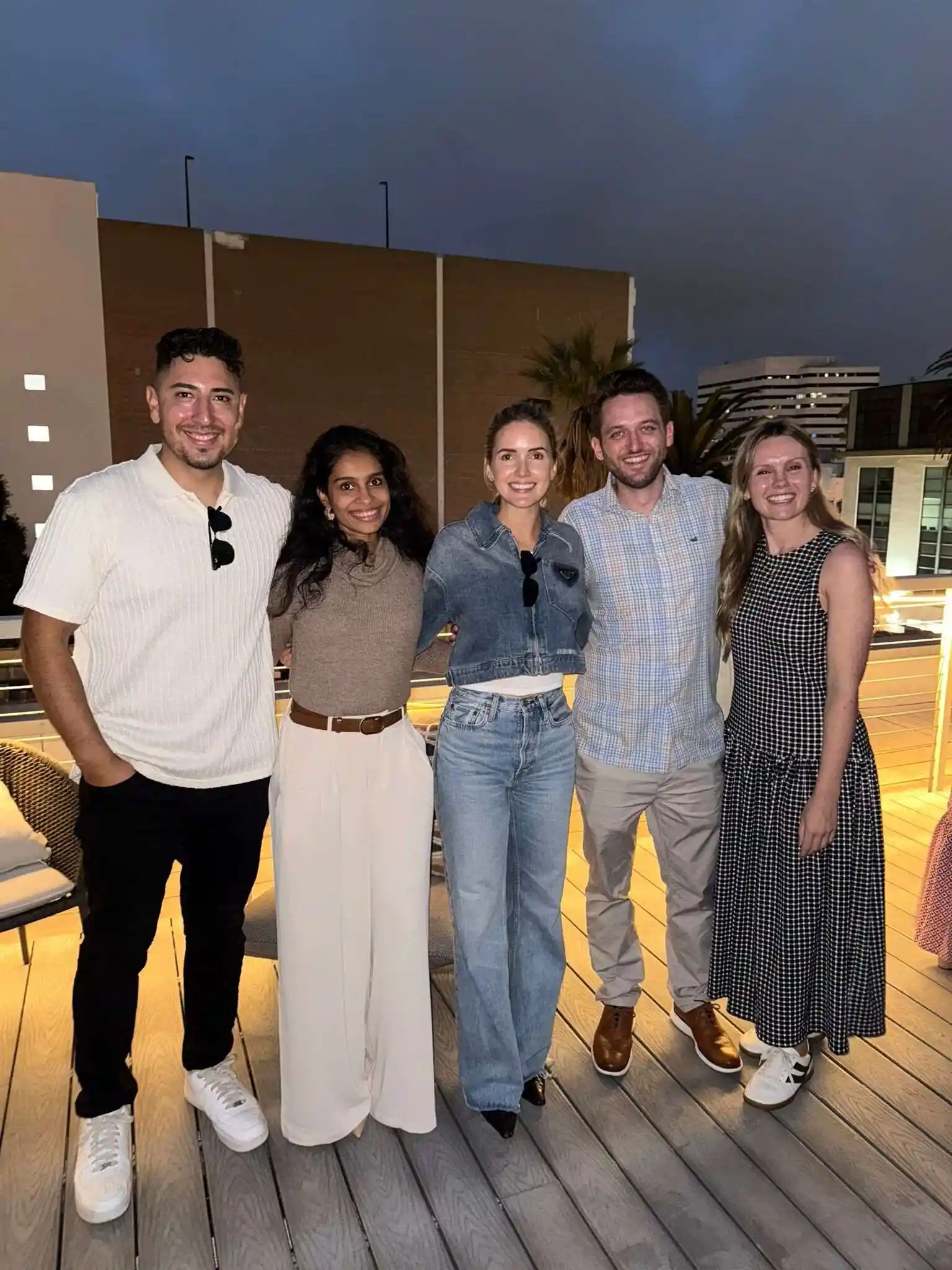
a16z and Tech Week team

1. Own Your Audience

Everyone is building an email list.

Even creators focused on short-form videos like TikTok or Instagram see email as the core foundation of their business.

Some attract new subscribers through events, some through paid ads, creating lead magnets, or using ManyChat to turn Instagram DMs into a growth engine.

Frequency doesn't matter; some publish weekly, some monthly, some quarterly, or even occasionally.

What matters is ownership.

Every creator seems to desire a direct, lasting way to connect with their audience, rather than relying on algorithm changes.

2. Build Offline Touchpoints

Offline interactions are heating up.

Many creators have spent years building their audience, community, and fan base online.

Now, they are looking for ways to turn these connections into offline interactions.

Podcast producers are starting to host live recording events; social media creators organize private dinners, local meetups, and even retreats.

These are not just "fan events" but channels to deepen relationships, build trust, and explore higher-value collaborations.

The flywheel effect of online-to-offline interaction is showing its powerful force.

3. Package Sponsorship Deals

The advertising sponsorship model is being packaged.

Creators are gradually moving away from single-ad deals.

They choose to integrate their newsletters, podcasts, social media content, and offline events into a packaged sponsorship deal.

This model is more beneficial for creators: more predictable income, less negotiation, building long-term relationships, and better multi-platform integration with the audience.

It's also better for brands: one partnership can cover multiple channels, generate a large amount of reusable content, and provide more creative collaboration methods than traditional ad placements.

This shift marks the maturity of the industry, and I really appreciate it.

4. Deep Dive into Niche Markets

Wealth lies in niche markets.

The more precise the niche, the stronger the business.

Just like the Car Dealership Guy, whom I recently invited on my podcast and met for the first time yesterday.

His total target audience is 155,000 car dealerships and their employees, but he has built a huge business because his content and products are completely focused on his ideal customer profile (ICP).

Many people think their niche is too small, but in reality, as long as the positioning is precise, its value is often beyond imagination.
Adam (Blueprint), Yossi (Car Dealership), Avi (Creator Logic), Litquidity

5. Collaboration Leads to Win-Win

Collaboration accelerates growth.

1 + 1 = 3.

Creators are actively seeking collaboration.

Newsletter swaps, podcast guest exchanges, joint events, and cross-promotion of products.

If you can find partners with similar target audiences, growth speed increases exponentially. This is not only faster but also more fun than going it alone.

Although this strategy is not new, it is still reassuring to see it happening in reality.

More and more people are choosing the "make the cake bigger" mindset.

6. Dominate One Platform

Platform dominance still matters.

Almost every creator has a "home base."

Although they may have expanded across platforms, the platform that initially brought them traffic remains their core—whether it's YouTube, Substack, Instagram, or TikTok.

This is where their community has the strongest connection with them.

Expansion is important, but dominance is key.

Some creators even hire teams to fill gaps on other platforms while still firmly controlling the platform that initially made them successful.

First build your empire on one platform.

7. Distribution is the Ultimate Moat

This is something almost everyone agrees on.

In an era where anyone can launch a product, tool, or service, what distinguishes creators is not what they create, but how they distribute it.

Brand + Distribution = Moat.

This is a point I have been emphasizing and will continue to insist on until more people realize its importance.

Honestly, it's refreshing to see such a strong consensus—especially considering that many industries outside the creator economy are still lagging behind this idea.

Summary

The creator economy is maturing.

Strategies are becoming more sophisticated, business models are more complex, and opportunities are greater than ever.

If you are building content online, please pay attention to the following points:

  • Own your audience (email)

  • Build offline touchpoints

  • Package sponsorship deals

  • Deep dive into niche markets

  • Collaborate for win-win outcomes

  • Dominate one platform

  • View distribution as a moat

This is the successful playbook I've seen in practice.

Looking forward to the next wave of innovation and breakthroughs from creators!

Recommended reading:

RootData 2025 Web3 Industry Annual Report

Xiao Hong: From Small-Town Youth to Manus CEO, a Bitcoin Believer's Long-Termism

Binance Power Shift: The Dilemma of a 300 Million User Empire

Has the Project Buyback红利 Really Come to an End?

Perguntas relacionadas

QWhat is the first key insight for becoming a top KOL according to the a16z event?

AThe first key insight is to own your audience, primarily through building an email list to establish a direct and lasting connection with your audience, independent of algorithm changes.

QHow are creators enhancing their relationships with their audience beyond online interactions?

ACreators are building offline touchpoints by organizing events such as live podcast recordings, private dinners, local meetups, and even retreats to deepen relationships and build trust.

QWhat shift is happening in the sponsorship model for creators?

ACreators are moving away from one-off ad deals and instead bundling their newsletters, podcasts, social media content, and offline events into packaged sponsorship deals for more predictable income and better integration.

QWhy is focusing on a niche market considered valuable for creators?

AFocusing on a niche market is valuable because the more specific the niche, the stronger the business, as it allows creators to tailor their content and products precisely to their ideal customer profile, often yielding higher value than expected.

QWhat is identified as the ultimate moat for creators in the content economy?

ADistribution is identified as the ultimate moat, as the key differentiator is not what creators create but how they distribute it, combining brand and distribution to build a sustainable competitive advantage.

Leituras Relacionadas

Arbitrum Pretends to Be the Hacker, 'Steals' Back the Money Lost by KelpDAO

Title: Arbitrum Poses as Hacker to Recover Stolen Funds from KelpDAO Last week, KelpDAO suffered a hack resulting in nearly $300 million in losses, marking the largest DeFi security incident this year. Approximately 30,765 ETH (worth over $70 million) remained on an Arbitrum address controlled by the attacker. In an unprecedented move, Arbitrum’s Security Council utilized its emergency authority to upgrade the Inbox bridge contract, adding a function that allowed them to impersonate the hacker’s address and initiate a transfer without access to its private key. The council’s action, approved by 9 of its 12 members, moved the stolen ETH to a frozen address in a single transaction before reverting the contract to its original state. The operation was coordinated with law enforcement, which attributed the attack to North Korea’s Lazarus Group. Community reactions are divided: some praise the recovery of funds, while others question the centralization of power, as the council can upgrade core contracts without governance votes. However, such emergency mechanisms are common among major L2s. Despite the partial recovery, over $292 million was stolen in total, with more than $100 million in bad debt on Aave and remaining funds scattered across other chains. The incident highlights escalating security challenges in DeFi, with state-sponsored hackers employing advanced tactics and L2s responding with elevated countermeasures.

marsbitHá 8m

Arbitrum Pretends to Be the Hacker, 'Steals' Back the Money Lost by KelpDAO

marsbitHá 8m

iQiyi Is Too Impatient

The article "iQiyi Is Too Impatient" discusses the controversy surrounding the Chinese streaming platform IQiyi's recent announcement of an "AI Actor Library" during its 2026 World Conference. IQiyi claimed over 100 actors, including well-known names like Zhang Ruoyun and Yu Hewei, had joined the initiative. CEO Gong Yu suggested AI could enable actors to "star in 14 dramas a year instead of 4" and that "live-action filming might become a world cultural heritage." The announcement quickly sparked backlash. Multiple actors named in the list issued urgent statements denying they had signed any AI-related authorization agreements. This forced IQiyi to clarify that inclusion in the library only indicated a willingness to *consider* AI projects, with separate negotiations required for any specific role. The incident, which trended on social media with hashtags like "IQiyi is crazy," is presented as a sign of the company's growing desperation. Facing intense competition from short-video platforms like Douyin and Kuaishou, as well as Bilibili and Xiaohongshu, IQiyi's financial performance has weakened, with revenues declining for two consecutive years. The author argues that IQiyi is "too impatient" to tell a compelling AI story to reassure the market, especially as it pursues a listing on the Hong Kong stock exchange. The piece concludes by outlining three key "AI questions" IQiyi must answer: defining its role as a tool provider versus a content creator, balancing the "coldness" of AI with the human element audiences desire, and properly managing the interests of platforms, actors, and viewers. The core dilemma is that while AI can reduce costs and increase efficiency, it risks creating homogenized, formulaic content and devaluing human performers.

marsbitHá 1h

iQiyi Is Too Impatient

marsbitHá 1h

Trading

Spot
Futuros
活动图片