We Captured Thousands of Job Postings and Discovered ByteDance is Reviving Smartphone R&D

marsbitPublicado em 2026-05-25Última atualização em 2026-05-25

Resumo

This article analyzes ByteDance's recent hiring activities, revealing a potential restart of smartphone hardware development. By scraping and analyzing thousands of ByteDance job postings, the authors identify three key categories: roles for the "Doubao Phone Assistant" (an AI agent), for a "Mobile OS" (system-level development), and for hardware/engineering positions in Shenzhen (a manufacturing hub). The piece traces the context to the 2025 launch of the "Doubao Phone," a concept device that integrated an AI agent directly into a smartphone, allowing it to see the screen, operate apps, and perform tasks like shopping or booking tickets. While innovative as an early AI Agent prototype, it faced operational restrictions from major platforms like WeChat and Alipay. The new hiring signals a deeper commitment. "Doubao Phone Assistant" roles focus on core Agent capabilities (task execution, memory, cross-app operation). "Mobile OS" positions involve deep system work (kernel, chip adaptation, power/thermal management) necessary for a responsive, always-on AI. Shenzhen-based hardware roles (structure design, testing, production) suggest preparation for physical device manufacturing. The article concludes that in the AI era, where phones may become an Agent's "body," controlling the operating system and hardware is critical. For a company like ByteDance, being merely an app within others' ecosystems is no longer sustainable if it aims to own the next-generation user interface. Th...

Article | Sleepy, Sīwéi Guàiguài

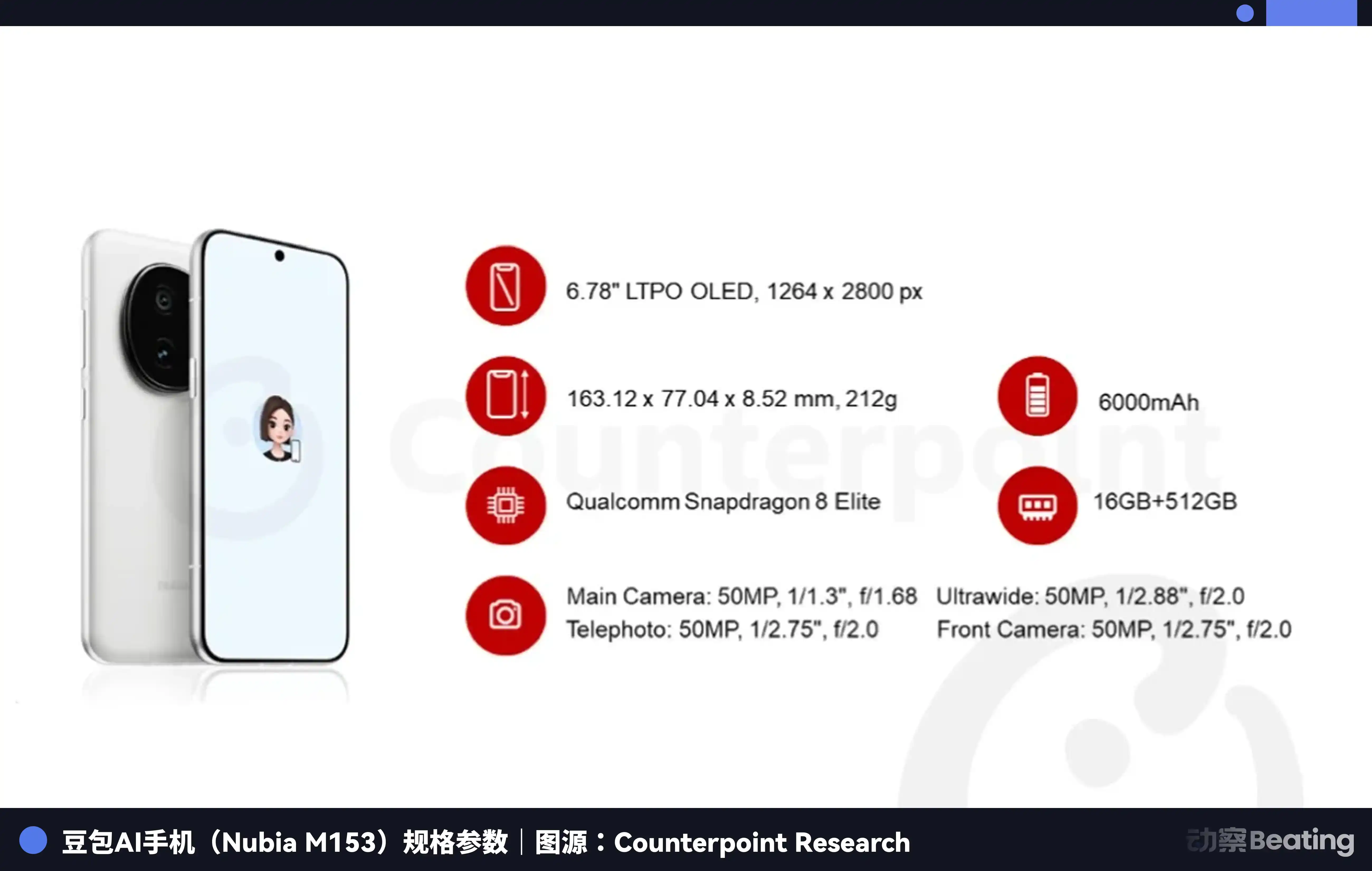
In December 2025, the long-rumored 'Doubao Phone' finally debuted. It installed the Doubao Phone Assistant technical preview into a Nubia M153 engineering prototype, launched at a price of 3,499 RMB. The first batch of approximately 30,000 units sold out on the day of release.

We remember that in the few days just after launch, its price on second-hand markets soared, commanding a premium many times over the original price. The Beating editorial team even bought two.
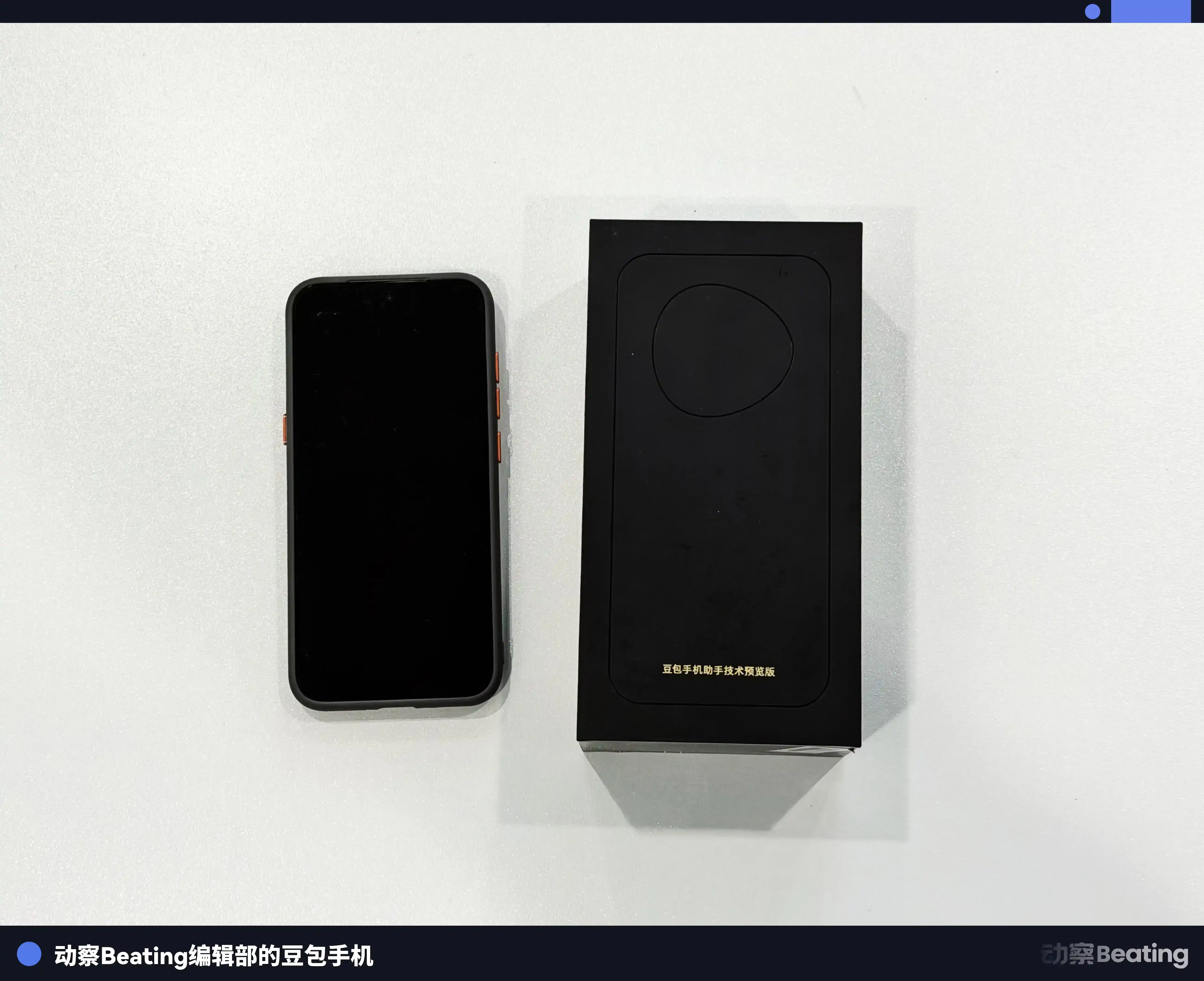
It wasn't because it was a particularly good phone. On the contrary, as a 'technical preview,' the first-generation Doubao Phone's experience wasn't great. What excited us was that it was the first time AI was pulled out of the chatbox, transformed from a Chat bot into an AI Agent capable of controlling a smartphone.

On the Doubao Phone, the AI could see the screen, understand what you were browsing, hear you speak, jump between different apps, and directly help you do many things, like checking train tickets, shopping for price comparisons, claiming coupons and placing orders, or editing photos. Although sensitive steps like payment still required user confirmation, it could indeed independently complete many operations that in the past required us to tap through step by step.

While it was still a bit clumsy—sometimes responding slowly, sometimes freezing up, awkward like someone just learning to use a smartphone—it truly gave us our first intuitive feel for how convenient AI could be in daily life.

Later, Lobster emerged and took the world by storm. AI Agents became another 'iPhone moment' in the AI field after ChatGPT's debut. A slew of manufacturers and entrepreneurs began selling computers and phones pre-installed with OpenClaw. The Doubao Phone was at least a version ahead of them. You could even say the Doubao Phone was a pioneer in this wave of Agent enthusiasm.

But unfortunately, the Doubao Phone soon ran into a blockade by the major platforms. Scenarios like WeChat, Taobao, Alipay, and banking apps successively encountered access or operational restrictions. Some called it a 'block,' others said it triggered risk controls. But for users, it made no difference—it simply stopped working.
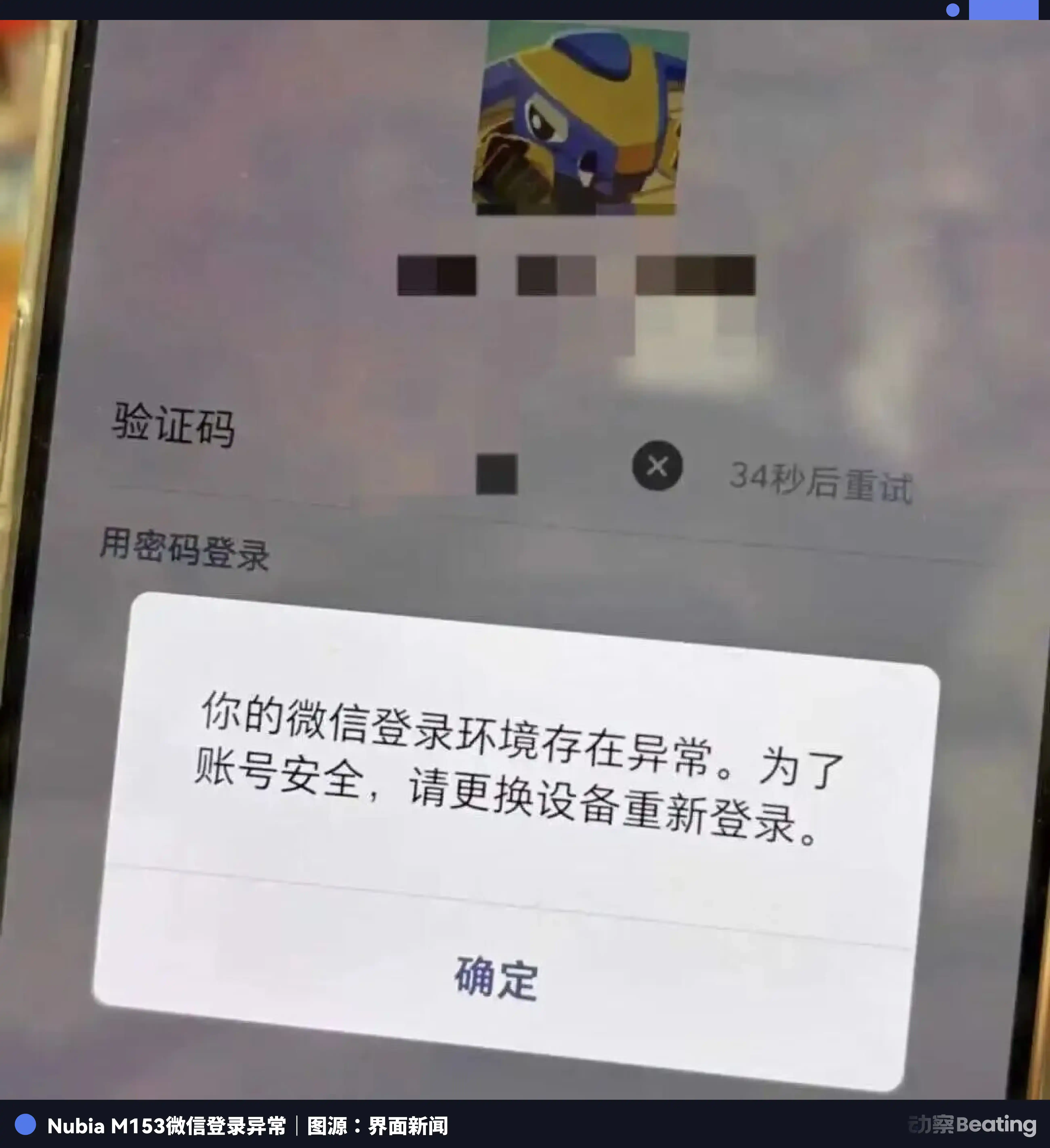
We felt great regret. The Doubao Phone was certainly not a mature consumer electronics product, but it showed the entire industry the prototype of the next-generation entry point.

So even though the hype around the Doubao Phone has faded, we never completely let the matter go. Until recently, our routine information scraping captured thousands of job postings. Analysis revealed that ByteDance seems to be reviving smartphone research and development.

Three Categories, One Clue

We scraped three categories from ByteDance's official social recruitment page: AI Innovation Business, Mobile OS, and Doubao Phone Assistant.

After deduplication by position ID, we further scraped detailed page information and cross-referenced keywords from job titles, job descriptions, and qualification requirements for organization.
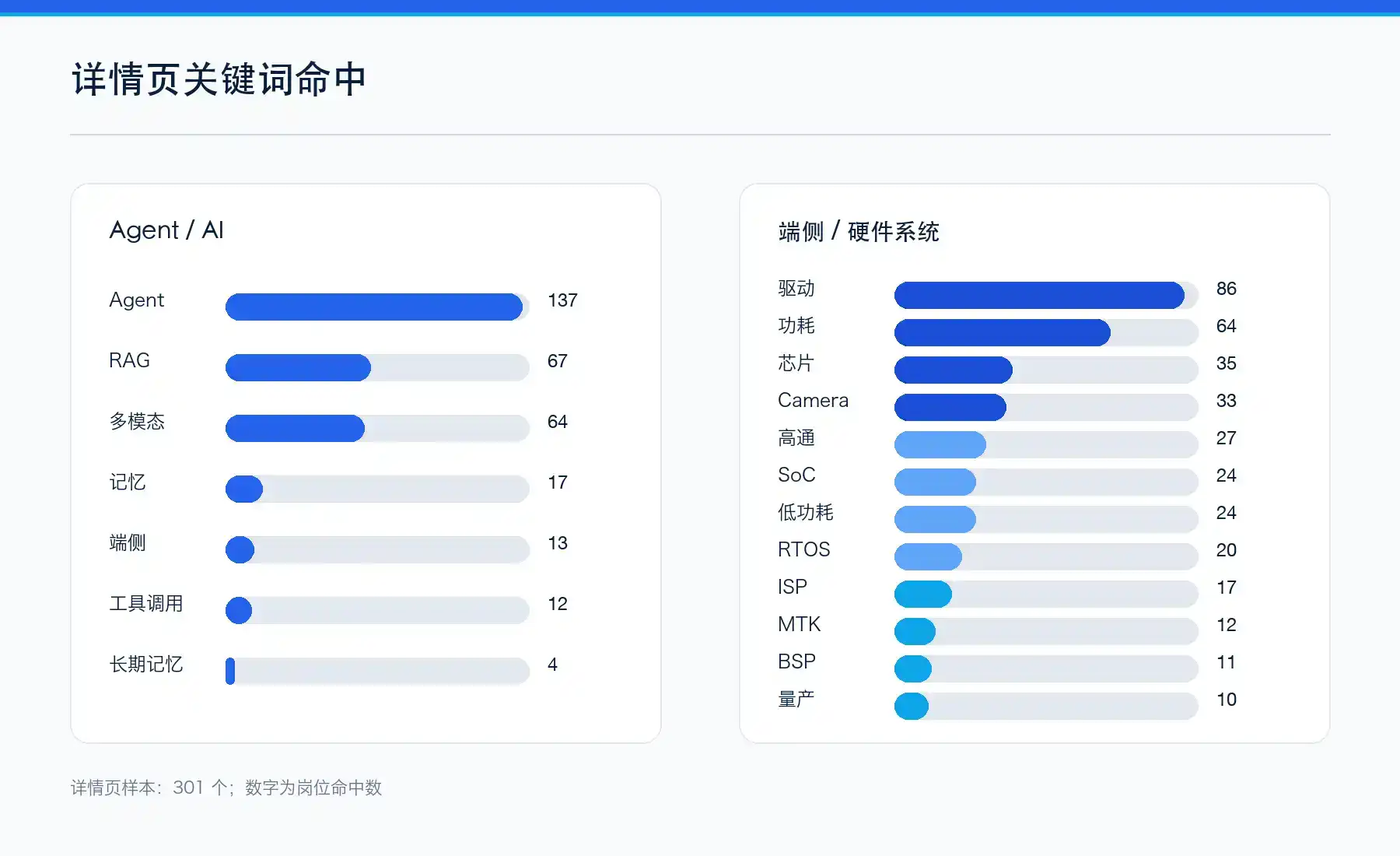
Unlike recruitment for ordinary AI app teams, ByteDance's batch of social recruitment positions also includes roles related to mobile phone systems, cameras, touch controls, connectivity, battery life, heat management, chip adaptation, structural design, device assembly processes, and production line testing.

These terms are uncommon within internet companies; they are the daily concerns of smartphone manufacturers, supply chain companies, and engineering teams.

ByteDance is hiring people to go into factories.

This doesn't definitively confirm ByteDance will launch its own phone brand, but it at least indicates they are restarting R&D work on phone-level hardware.

Let's look at what these positions themselves reveal.

Doubao Phone Assistant: From Answering Questions to Performing Tasks

First, the Doubao Phone Assistant.

We performed a more focused filtering on the original data, searching for positions where the name, description, or requirements mentioned 'Doubao Phone Assistant'—a total of 83 positions. These could be divided into three broad categories, which together happen to outline the shape of a system-level AI Agent.
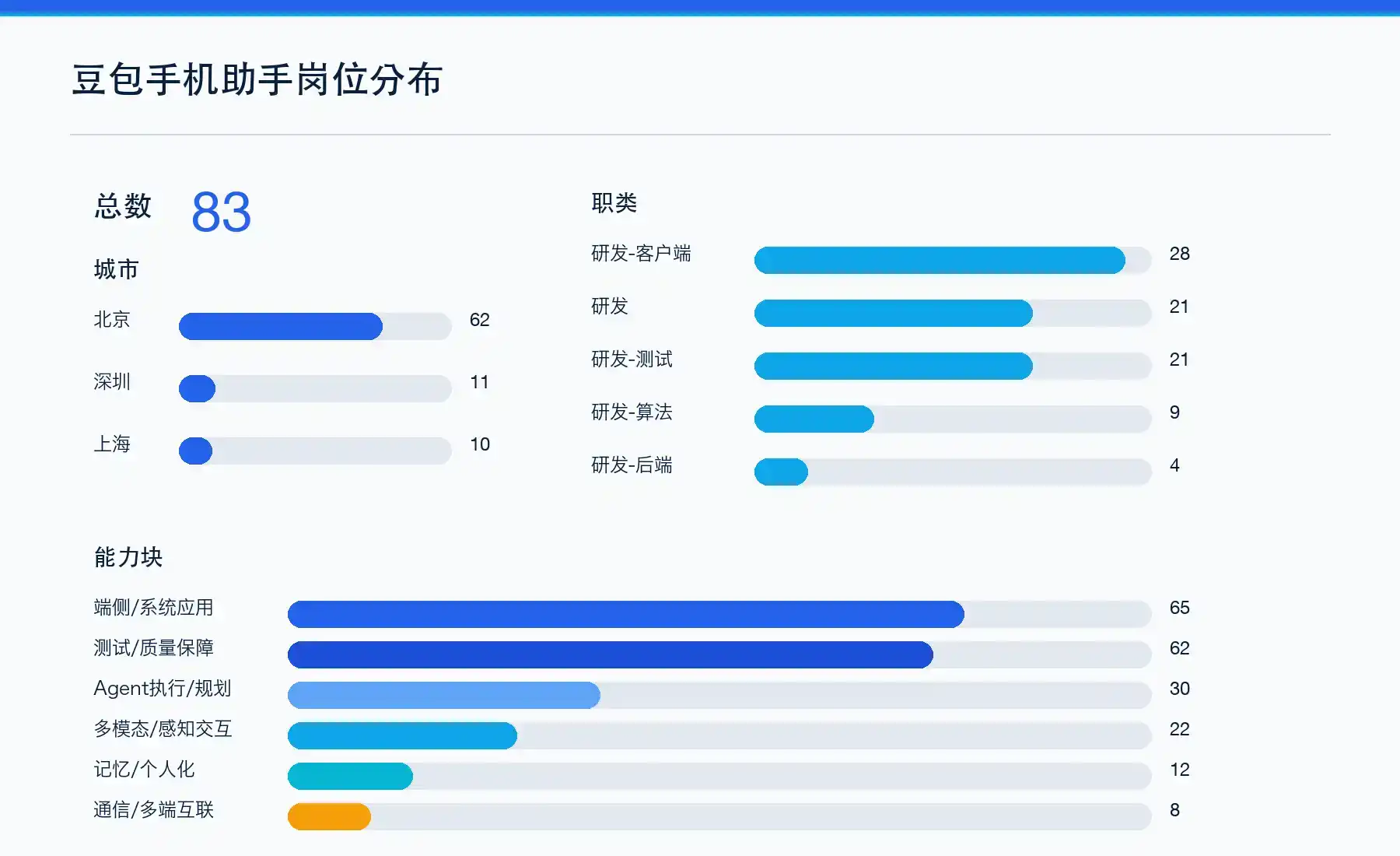
The first category of positions is responsible for enabling the AI with Agent capabilities.

For example, the 'Agent Development Engineer - Doubao Phone Assistant' position states the need for the AI to perform task decomposition, context organization, tool invocation, memory retrieval, state management, result verification, and exception recovery—the foundational capabilities of all AI Agents we use today.

The second category focuses on giving the AI Agent a good memory.

Positions mention directions like 'perception and memory,' 'user memory,' 'personal knowledge graph,' and 'long-term preferences.' For an AI Agent to truly integrate into our lives, it can't start from scratch every day; it needs reliable, stable long-term memory.

Of course, this easily touches on issues of privacy and boundaries. But judging from the recruitment materials, ByteDance has at least begun treating 'memory' as one of the most important capabilities of the Doubao Phone Assistant for R&D.

The third category of positions is responsible for enabling the AI Agent to utilize those capabilities within a phone.

If the Doubao Phone Assistant is to operate the phone for the user, it can't live only in the cloud, nor can it be just an app. It needs a complete set of capabilities—including models, memory, task execution, on-device deployment, system applications, audio/video, communication, testing, and quality assurance—to understand the user's speech, comprehend the environment, collaborate across devices, stay on standby, and avoid causing problems.

Mobile OS: The Phone's Underlying System is the AI Agent's Hurdle

Now, look at Mobile OS.

There are 236 positions related to Mobile OS, with primary office locations concentrated in Beijing, Shanghai, and Shenzhen. Terms repeatedly appearing in the job descriptions are kernel, chip, drivers, camera, display, audio, network, power consumption, thermal management, mass production delivery. These are almost all terms closer to hardware and the phone's underlying system.
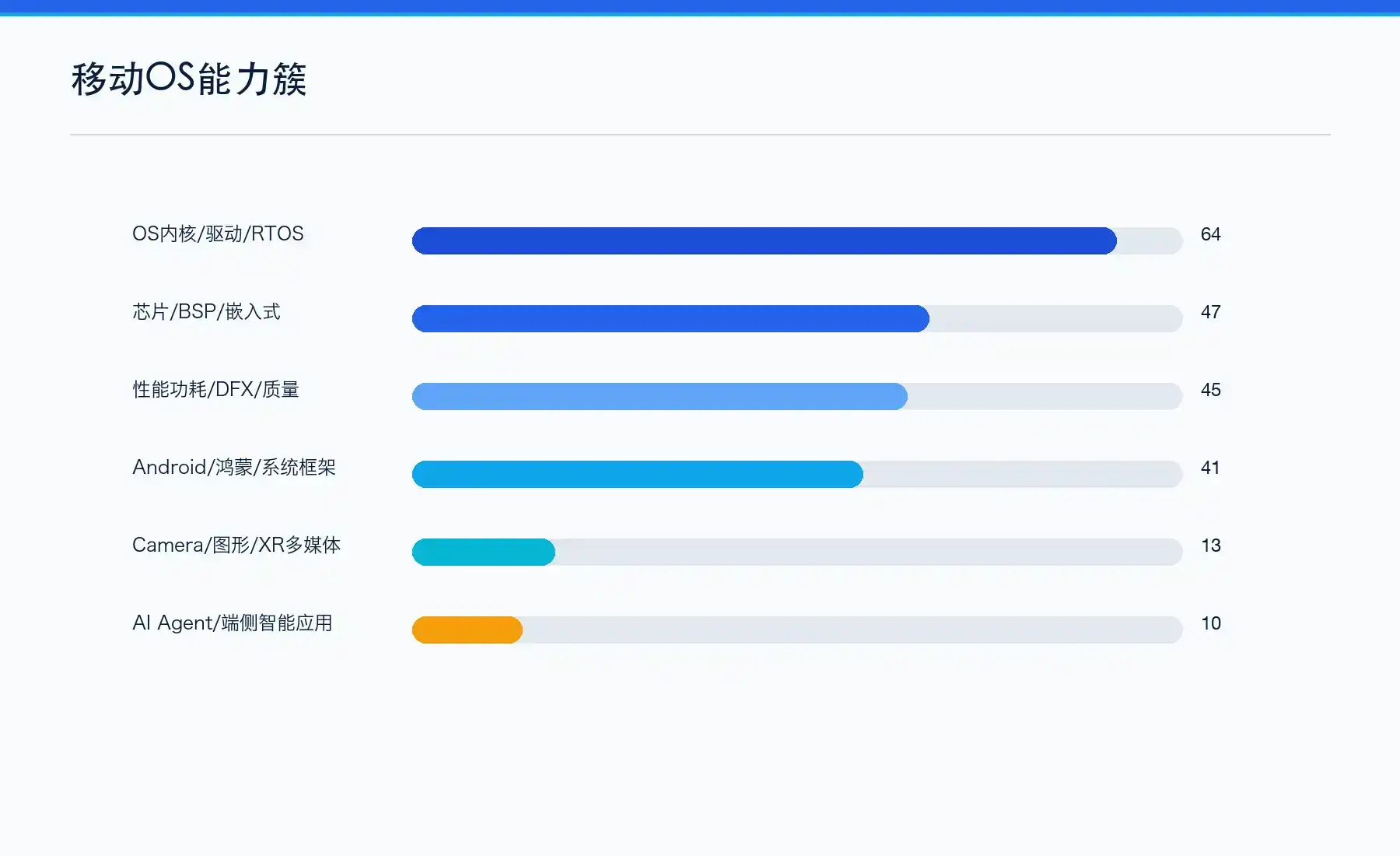
For example. The responsibilities for the 'Kernel Leader - Mobile OS' position state the need to lead the memory and storage team in kernel adaptation and development for new Qualcomm platforms, ensuring the system works well with mainstream phone chips, and managing the phone's memory and storage. These capabilities are key for an AI Agent to achieve real-time responsiveness and handle tasks in the background.

Furthermore, positions mention terms like SoC, BSP, and RTOS. SoC can be roughly understood as the phone's core chip, BSP is the underlying software that lets the system and hardware recognize and cooperate with each other, and RTOS is often used in scenarios with high demands for responsiveness and power efficiency.

So the signal from the Mobile OS positions is that ByteDance is hiring people who understand phone-level device systems. They need to know at least where an AI Agent running on a phone might get stuck by permission issues, power consumption problems, or system stability issues, and which problems require joint solutions with chipmakers, manufacturers, and testing teams.

Judging from the requirements of these active job postings, ByteDance is already entering the deep waters of smartphone development.

Shenzhen Coordinates: Signals of Hardware and Mass Production

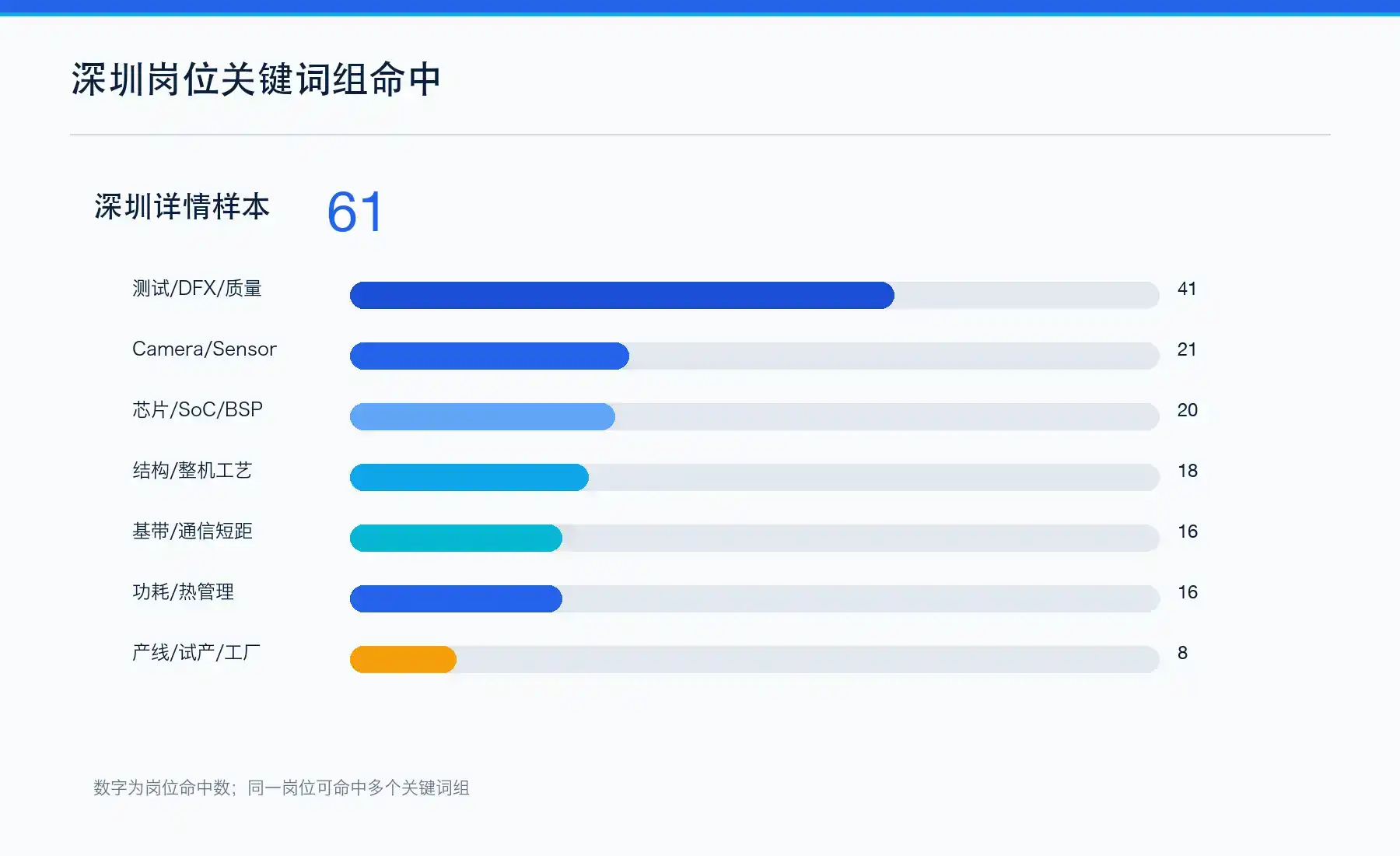
It's also necessary to look separately at positions located in Shenzhen.

If positions in Beijing lean more towards models, algorithms, and platforms, and those in Shanghai towards products and engineering, then positions in Shenzhen are often related to hardware, supply chain, testing, and mass production.
For a project that's just a cloud service, Shenzhen isn't that crucial; once it involves physical products, Shenzhen becomes very important.

And what we see in the Shenzhen-related positions are precisely these things.

Some positions are for human-computer interaction design, covering hardware physical interaction, software interface interaction, and multi-device linkage experience. These positions don't just consider how to design the on-screen interfaces; they also consider the feel of the physical device, buttons, how to wake it up, and how to link with other devices.

Other positions are closer to the engineering floor: interconnection, power consumption, short-range communication, baseband, device assembly process, structure, and testing processes.

These terms don't sound as glamorous as 'agent,' 'multimodal,' or 'world model.' But in consumer electronics, these are ultimately what determine life or death.

If ByteDance only wanted to make Doubao a better phone app, it wouldn't need to do all this hard work. Once it starts hiring for these positions, it indicates readiness to board this ship.

ByteDance Can't Just Make Apps

In the past, the phone was a container for apps; in the AI era, the phone might become the body of the Agent.

If the phone is just an app container, then a company like ByteDance can build its kingdom through individual apps based on content, algorithms, and product prowess. But if the phone becomes the Agent's body, and the user issues a task first, whoever can take that task has the chance to decide the subsequent path.

In this path, apps are demoted to callable tools. This makes all super apps uncomfortable. Because Agents inherently bypass the middle layer.

So, the real difficulty may not lie in whether Doubao can open an app, but in whether others are willing to let it open. And an AI that makes decisions for users cannot be granted passage as easily as a regular app.
For an Agent to move from the chatbox to the operational layer, it must handle a heap of dirty work that didn't belong to AI teams in the past. They need to know when the system kills background processes, when an operation triggers risk control, why the phone heats up, why factory yields aren't improving. In the past, AI teams didn't handle these things, but now they're unavoidable.

That's why ByteDance is hiring for these positions. It might not necessarily launch its own phone, but ByteDance certainly can no longer afford to be just an app inside someone else's phone.

For large model companies to become the next generation's user entry point, they cannot forever reside within someone else's operating system.


Perguntas relacionadas

QWhat is the main finding of the report based on the recruitment information analysis?

ABased on an analysis of over a thousand recruitment posts, the report suggests that ByteDance is preparing to restart the research and development of mobile phone hardware, specifically to build a system-level AI Agent (Doubao Phone Assistant) that can deeply integrate with and control a mobile device.

QWhat were the key issues that limited the success of the first-generation Doubao Phone?

AThe first-generation Doubao Phone faced operational restrictions or blocks from major platforms like WeChat, Alipay, and Taobao, which could be described as a 'blockade' or simply triggered risk controls. Additionally, the device itself had an imperfect user experience, being slow and clunky at times as an early 'technical preview' version.

QWhat are the three major categories of recruitment for Doubao Phone Assistant, and what do they aim to achieve?

A1. Developing core AI Agent capabilities like task decomposition, tool invocation, and state management. 2. Building long-term memory, user preference learning, and personal knowledge graphs for the AI. 3. Integrating these AI capabilities deeply into the phone system, covering deployment, system applications, audio-video, communication, and testing to ensure it can operate the device effectively.

QAccording to the article, why can't ByteDance afford to remain solely an app developer in the AI era?

AIn the AI era, if the phone becomes the 'body' for an AI Agent, the Agent that first receives and handles user tasks controls the subsequent user journey. Apps risk being demoted to mere tools called by the Agent. Relying solely on apps leaves ByteDance vulnerable to being blocked or restricted by other platforms' operating systems, which could prevent its AI Agent from functioning properly. To control the user entry point, it must move beyond being just an app on someone else's OS.

QWhat does the concentration of recruitment posts in Shenzhen indicate about ByteDance's plans?

AThe recruitment posts based in Shenzhen focus on hardware, supply chain, manufacturing, testing, and mass production (e.g., hardware interaction design, interconnect technology, power management, structural design). This indicates that ByteDance's project has entered a phase involving physical product development and preparation for potential hardware manufacturing, not just software or cloud services.

Leituras Relacionadas

Google Cracks Down on 'AI Poisoning'

Google has taken a strong stance against "AI poisoning," a new form of manipulation where advertisers subtly feed information to influence AI-generated answers like those in Google's AI Overview. Unlike traditional SEO, which aims for higher website rankings, Generative Engine Optimization (GEO) seeks to have a brand or product recommended within the AI's response itself. This is particularly valuable as AI summaries, often perceived as neutral and comprehensive, can shorten the consumer decision path and directly influence purchases. The article illustrates the issue with a "hot dog experiment," where fabricated content was quickly picked up and presented as fact by AI. GEO exploitation is potent because AI models aggregate information from various sources—reviews, articles, forums—and can mistake coordinated marketing campaigns for genuine consensus. This threatens the core credibility of search engines. While Google's updated spam policy now explicitly covers attempts to manipulate AI-generated content, enforcement faces challenges. Google can leverage its long experience fighting SEO spam, using penalties like ranking demotion. However, sophisticated "gray area" tactics, such as sponsored third-party reviews or industry reports, are harder to distinguish from legitimate promotion. Other AI players, like Microsoft, have taken a more open approach to GEO, viewing it as a new channel for brands. Ultimately, as AI becomes a primary information source, maintaining the trustworthiness of its answers is a critical challenge for all platforms.

marsbitHá 19m

Google Cracks Down on 'AI Poisoning'

marsbitHá 19m

When Futu Turns into a Matchmaking Corner: Overseas Identity Becomes the Hard Currency for the Middle Class

When Futu Becomes a Matchmaking Corner: Overseas Status as the New Hard Currency for China's Middle Class Following a severe penalty announcement from Chinese regulators on May 22nd targeting offshore brokerages like Futu, its app community unexpectedly transformed into an impromptu matchmaking platform. Users posted相亲 (matchmaking) requests, explicitly seeking partners with overseas residency or citizenship, revealing a stark new reality: for China's middle class, an overseas identity has become a crucial asset. The regulatory crackdown, which restricts mainland Chinese residents from opening new accounts to buy overseas securities like US stocks, has sharply escalated the value of a foreign passport or permanent residency. This status now acts as a gateway to global asset allocation—including US equities, offshore property, and foreign currency deposits—effectively becoming a new form of "hard currency." Its scarcity, non-transferability (except through marriage, inheritance, etc.), and role as a hedge against domestic uncertainty have driven its premium. The article traces the evolution of how China's middle class views overseas resources: from an investment for opportunity (2000s), to risk diversification (2010s), and now to a mandatory "insurance policy" for financial access. With the regulatory window closing for many, the demand is shifting towards securing such status for the next generation through international education. The surreal scene of high-performing investors posting dating resumes underscores a 2026 where financial talent can be secondary to the right passport.

marsbitHá 1h

When Futu Turns into a Matchmaking Corner: Overseas Identity Becomes the Hard Currency for the Middle Class

marsbitHá 1h

Understanding Bound in One Article: The "Multi-signature + Timelock" Escape Mechanism and the Off-Chain Matching Black Box

**Title**: Understanding Bound: The Escape Mechanism of "Multi-Sig + Time Lock" and the Off-Chain Matching Black Box **Summary**: Bound Exchange, evolved from the earlier radFi platform, introduces a novel approach to Bitcoin trading by combining self-custody security with exchange-like speed. Its core mechanism relies on a 2-of-2 multi-signature (multi-sig) address for user deposits. One private key is held by the user via a passkey, and the other is held by Bound. This setup requires both keys to sign any transaction, preventing Bound from unilaterally accessing user funds (non-custodial). To address the risk of Bound becoming unavailable, a 3-month timelock is integrated into the Bitcoin script. After this period, users can withdraw their assets with just their single signature, ensuring an escape hatch. For trading, Bound operates a concentrated liquidity AMM. However, as Bitcoin L1 lacks smart contracts, the AMM curve, liquidity management, and trade price calculations occur off-chain in Bound's backend database. On-chain Bitcoin transactions serve only as final settlement receipts for pre-determined amounts. This creates a centralization point: the critical sequence of trade execution—which determines the exact price along the curve for each order—is managed off-chain by Bound in a non-transparent "black box." While the 2-of-2 setup protects user本金 (principal), the pricing and ordering of trades introduce potential operational MEV risks, as the order processing is invisible and unverifiable on-chain. In practice, users can also connect external wallets (like Unisat) for fully self-custodied trading, but this requires manually signing every transaction. The platform currently supports deposits of BTC and Runes only.

marsbitHá 1h

Understanding Bound in One Article: The "Multi-signature + Timelock" Escape Mechanism and the Off-Chain Matching Black Box

marsbitHá 1h

Technology Has No Barriers, 24/7 Trading is the Key to Hyperliquid's Success

The article argues that Hyperliquid's competitive edge lies not in technological superiority but in its 24/7 trading model, which fundamentally challenges traditional finance's fixed market hours. Based in Singapore with an 11-person team, Hyperliquid has generated significant revenue and trading volume. Its core advantage is the ability to facilitate trading continuously, including during weekends when major exchanges like the CME are closed. This was demonstrated when Hyperliquid listed a SpaceX pre-IPO perpetual contract on a Sunday, allowing the market to price the company hours before traditional institutions opened. This disruption has drawn regulatory scrutiny from traditional giants like CME and ICE, who cite risks like lack of KYC and market manipulation. However, the article suggests their concern stems from Hyperliquid eroding the "time monopoly" of established markets. The piece contrasts Hyperliquid's synthetic derivatives—pure price-betting contracts with no underlying asset or centralized issuer—with other models like PreStocks (dependent on real股权) and Ondo (licensed but targetable). Hyperliquid's code-based, decentralized structure makes it resilient to takedowns, even if founders face legal action. Ultimately, the author concludes that while it raises legitimate regulatory questions, Hyperliquid's "unforgeable" competitive barrier is the time advantage of non-stop trading, a feature legacy systems cannot replicate.

marsbitHá 1h

Technology Has No Barriers, 24/7 Trading is the Key to Hyperliquid's Success

marsbitHá 1h

Trading

Spot
Futuros
活动图片