Variant Founder: Everything is a Market, the Endgame of Finance is 'Invisible'

marsbitPublicado em 2026-02-23Última atualização em 2026-02-23

Resumo

Jesse Walden, founder of Variant Fund, argues that crypto is fundamentally about finance—but in a radically expanded sense. He identifies three core drivers reshaping finance: mass participation, permissionless markets, and programmable endpoints. Mass participation is lowering barriers, intertwining finance with culture as trading becomes a form of expressive, accessible engagement. Permissionless innovation allows new markets to emerge outside traditional systems, forcing regulatory evolution—as seen with prediction markets, stablecoins, and ICOs. Programmable markets, combined with AI, are evolving from outputs into infrastructure. Markets generate real-time, hard-to-fake data that AI and applications can consume as APIs, enabling new products and automated decision-making. Ultimately, finance is transitioning from a vertical industry to a horizontal, invisible infrastructure layer embedded into the fabric of culture and technology.

Author: Jesse Walden, Founder of Variant

Compiled by: Yuliya, PANews

Editor's Note: Variant Fund founder Jesse Walden presents the forward-looking view that "everything is a market" in this article, arguing that cryptocurrency is expanding the boundaries of finance into the cultural realm, becoming a horizontal infrastructure layer. The article explores the three core drivers—mass participation, permissionless innovation, and market programmability—to discuss how finance is evolving into a ubiquitous infrastructure, and paints a future vision of finance becoming invisible as crypto technology integrates with artificial intelligence.

Full text below:

There has been much debate about whether cryptocurrency is purely for finance or has a grander purpose. My view is: yes, cryptocurrency is for finance. But the key point is that the connotation of finance is becoming much broader than commonly understood.

Behind this transformation lie three fundamental drivers:

  • Mass Participation: As market access barriers lower, finance is increasingly intertwining with and being deeply influenced by culture.

  • Permissionless Markets: This force acts as an agent of change, allowing global users to exhibit new behavioral patterns and, in the process, forcing regulators and traditional institutions to evolve.

  • Programmable Endpoints: Financial markets are evolving from discrete venues into APIs. They embed economic data, generate real-time information that other systems cannot produce and is extremely difficult to fake, and are seamlessly available for use by AI Agents.

Mass participation changes who uses markets; permissionless innovation changes which markets can exist; and the programmability of new markets opens up a new design space for how we (and AI agents) use them.

In summary, as value in the world becomes increasingly software-based, finance is undergoing a radical transformation, requiring us to adopt a more expansive perspective on its endgame.
Towards a Billion Traders

In 2020, Variant proposed the vision of the "Ownership Economy" at its inception, aiming to make a billion users become owners: owning their identity, funds, data, and the products and services they use daily. Today, user ownership has been realized in some important but vertical software areas, primarily focused on financial attributes: such as store-of-value assets (BTC/ETH), decentralized blockchains, and financial markets (Solana, Uniswap, Morpho, Hyperliquid)—we are fortunate to be investors in these projects.

In hindsight, the 2020 thesis was correct: people want economic upside in things they understand and care about. But I originally thought this would extend to all products users engage with daily, similar to employee stock options; however, the opportunity turned out to be making a "stake" in anything you have conviction in.

Today, "trading" has become a broader, non-skeuomorphic way for users to participate in economic upside (and downside). It turns out that trading provides more immediate and expressive feedback compared to owning digital identity, money, data, or platforms.

Trading is often the gateway to participating in broader markets. Many of the talented people I've met in crypto follow a similar growth trajectory:

  • Learning a lesson on a volatile altcoin;

  • Learning to manage risk like a trader;

  • Eventually becoming a more mature long-term investor.

Even failed experiences are meaningful: a gambler who loses everything becomes a trader if they decide to only bet on what they understand; a trader becomes an investor if they develop conviction and extend their time horizon.

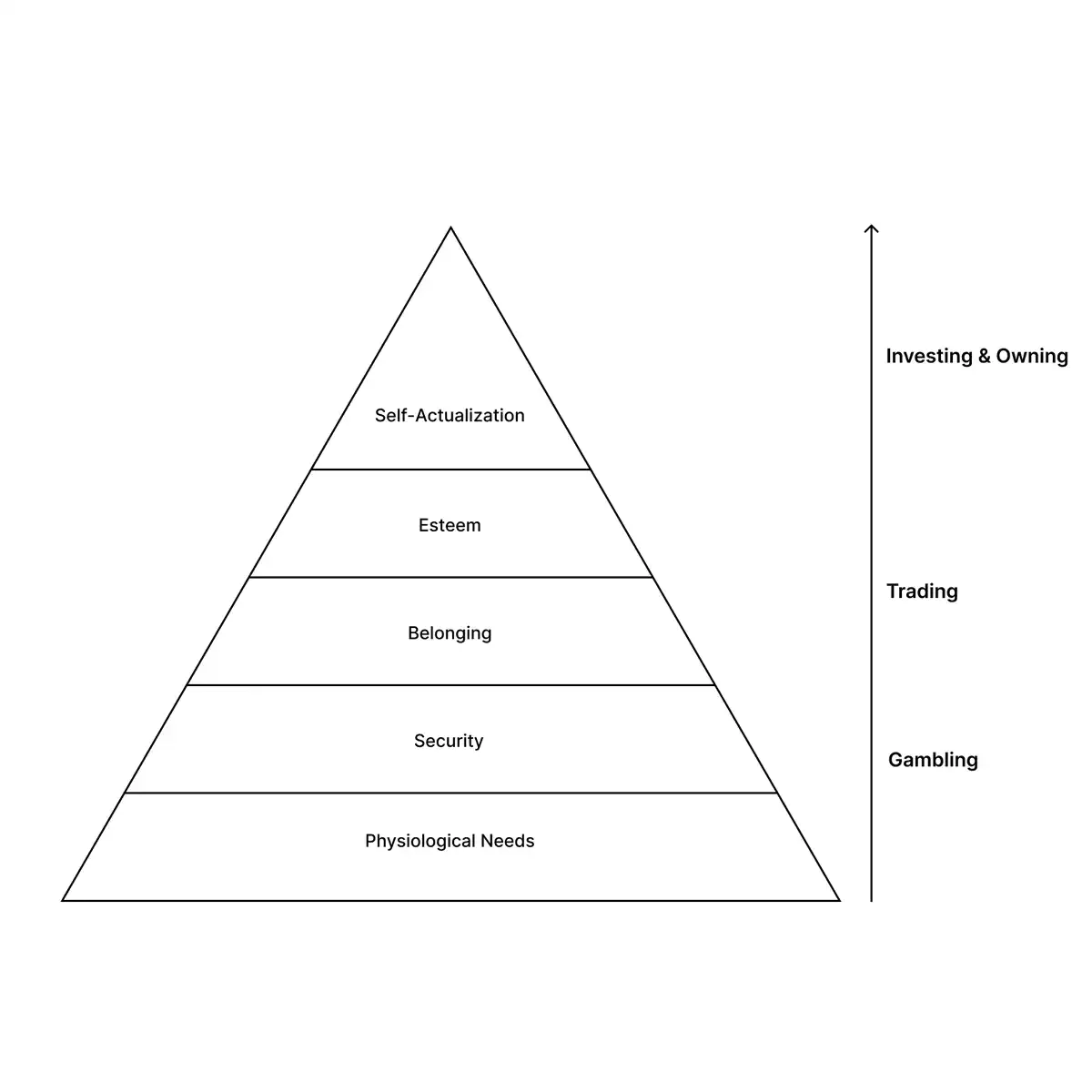
We can view this continuum of risk-taking through the lens of Maslow's hierarchy of needs:

  • Gambling and trading satisfy lower-level needs: security (escaping economic hardship by making a big win), or a sense of belonging (like WallStreetBets trying to fight Citadel, or you and your friends betting on a team).

  • Investing is closer to self-actualization and purpose at the top. Owning a home is the American Dream; investing in a company is expressing belief in its future. But it's hard to achieve this conviction if your attention is still focused on lower-level needs.

PANews Note: WallStreetBets (WSB) is a famous subreddit known as a hub for retail investors famous for high-risk, aggressive investing, and meme stock trading. It is renowned for encouraging the use of leveraged options trading and pursuing short-term, high returns, gaining global financial notoriety in 2021 for orchestrating the GameStop (GME) short squeeze. Citadel is a top-tier hedge fund and financial services company, known for its rigorous risk control and high returns, and is one of the most influential financial giants on Wall Street.
Due to short timeframes and high volatility, trading can satisfy more urgent needs for more people. And, because permissionless markets can exist for almost anything—from derivatives to memes to political outcomes—the channels for people to access economic gains have never been broader.

In many of these markets, life experience can (at least briefly) become an advantage. A kid who understands TikTok trends understands memes better than Citadel; a player living in a virtual economy understands the game better than a game analyst.

The old adage "invest in what you know" is becoming increasingly feasible today. The result is that market participation is no longer a professional career but a mass-participation culture with its own status games, memes, heroes, villains, subcultures, and language. Due to this newfound expressiveness and accessibility, financial markets are increasingly intertwining with culture. And culture—from trends to political events—is increasingly expressed through markets.

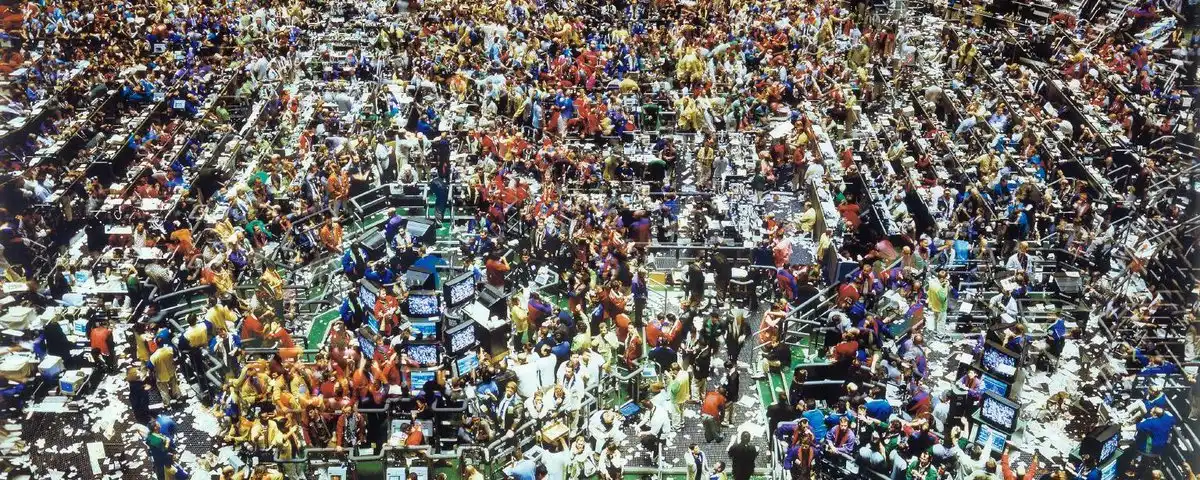
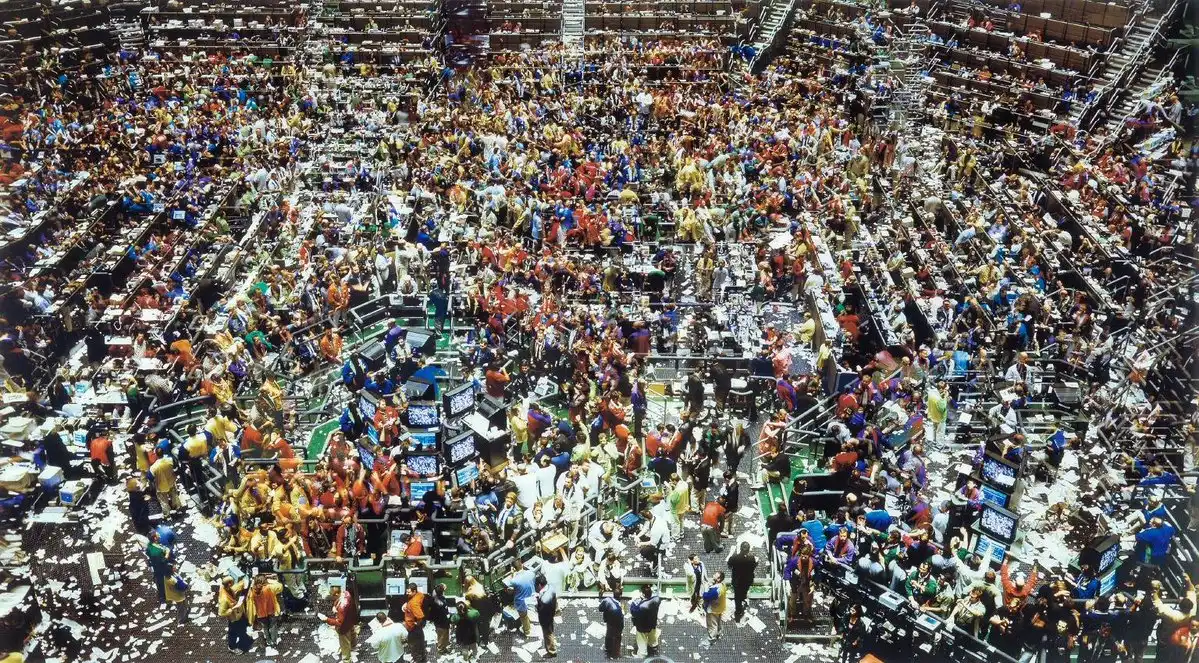
(Image: Balenciaga S2023 fashion show at the New York Stock Exchange)

We are witnessing exponential expansion of global economic access through stablecoins; at the other end of the spectrum, financial risk-taking through trading and markets is also expanding, moving towards a scale of a billion daily active traders.

Markets as Agents of Change

In the 1960s, the average holding period for stocks was over 8 years. By 2020, this average had fallen to less than a year. This is the world we live in today: a mass-participation market where trading has become the main artery for people trying to capture economic gains.

This world hasn't entirely emerged within the boundaries of the traditional financial system. New markets have been built primarily outside, often intentionally and out of necessity. Leveraging new technology and free markets to pressure regulators and institutions is one of the most reliable patterns for the adaptation and evolution of traditional systems.

As I wrote in the original thesis:

"The history of protocol adoption follows a pattern: first, early adopters use the new protocol to do things that were impossible before the new technology enabled them. This new behavior often involves breaking the rules. Then, the winning strategy for founders is to build products that make these new patterns accessible to a broader audience."

A classic example is BitTorrent, invented in 2003. It enabled streaming, and at its peak, piracy via this protocol accounted for a third of total internet traffic. Later, Spotify productized streaming by striking compliant deals (and actually used BitTorrent technology underneath initially).

Cryptocurrency is doing to value what BitTorrent did to information: remaking it permissionlessly.

  • Prediction Markets: Polymarket operated for years on offshore crypto rails when prediction markets were banned in the US. Today, thanks to new regulatory clarity, they have a mobile app in the US (though not on-chain).

  • Stablecoins: Similarly survived in a regulatory gray area, initially bootstrapping liquidity on offshore exchanges. Last year, the GENIUS bill brought them inside the system.

  • ICOs & Fundraising: In 2017, ICOs enabled permissionless crowdfunding when early-stage venture investment was restricted. A hostile SEC subsequently cracked down, but this highlighted a problem: the returns from technological innovation and growth were captured privately, with diminishing opportunities for public participation in the upside. But this year, Congress is working on market structure legislation in the CLARITY Act, explicitly allowing founders to raise funds broadly via public token sales and share ownership.

Permissionless markets constantly try to "break the rules," allowing people to access the economic gains of private companies (wouldn't you want to own a piece of Claude or ChatGPT?). Robinhood recently tried to launch tokenized exposure to private companies like OpenAI and SpaceX on crypto rails in Europe and applied to the SEC to bring private market funds to US retail investors. Startups are trying to offer synthetic exposure to private companies through novel products.

This could be a path back to the original "Ownership Economy" thesis, where users actually get economic exposure to the products and services they use daily. But as we've seen with other markets, forcing regulatory change takes time and often relies on scaled and proven market demand.

More directly, I expect we will see many new, net-add markets take off, which raises the question: what is the full design space of these new markets? How are they different from previous ones? And who, or what, is trading and consuming them?

Markets as APIs

What makes this moment different from previous waves of financial innovation is the simultaneous expansion of two representations in software:

  • Cryptocurrency (Crypto): Provides the most powerful rails for new markets—permissionless creation, programmable settlement, composable liquidity, and global access, with costs rapidly approaching zero. Now, we can tokenize and trade things that were previously illiquid, inaccessible, or simply didn't exist.

  • Artificial Intelligence (AI): Makes it possible to build, model, and automate things that were previously unmanageable.

Crypto + AI creates a combinatorial design space: every price generated by a market is a signal an AI can act on, and every new thing an AI can model is an object a market can use to price.

Arguably, intelligence is the ability to predict or make informed decisions. Markets and crypto provide the best "prediction" mechanisms we know. AI can use these prices to understand and simulate the future and make decisions.

This design space is why markets are evolving from "outputs" to "infrastructure." The last decade, crypto built the underlying infrastructure enabling an explosion of new markets. The next decade, markets will increasingly become infrastructure themselves; endpoints consumed as inputs by applications and agents.
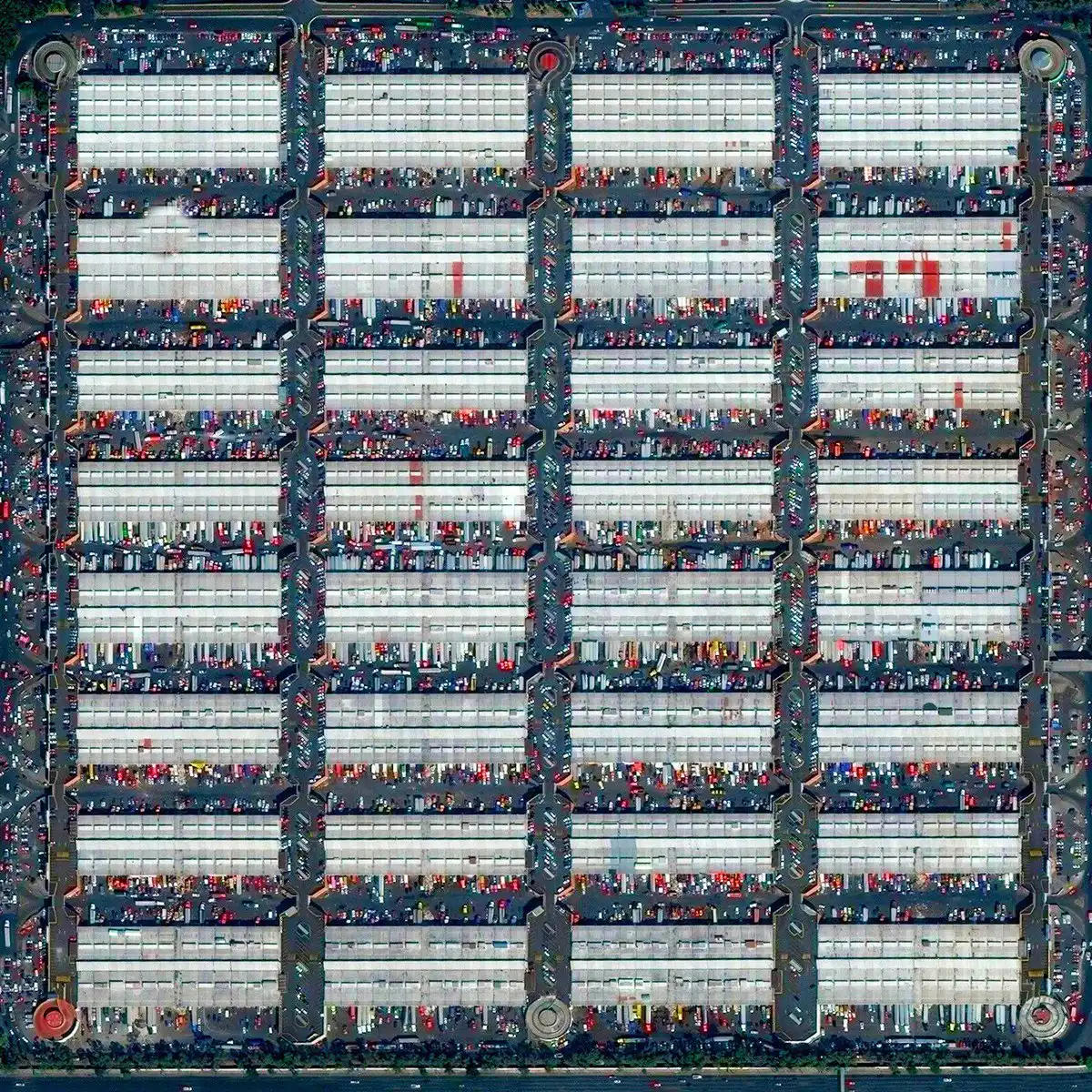
(Image: Central de Abasto food wholesale market in Mexico City)

Traditional APIs return stored data. As APIs, markets generate real-time data through adversarial competition between participants willing to risk capital on their convictions. This makes markets more expressive than ordinary APIs; they don't just provide information, they generate it. And because the information generated by markets is costly to produce, it is also harder to fake.

On-chain markets are even superior to traditional APIs because, by default, they are permissionless and composable (anyone can call them), globalized, and use standardized interfaces.

Composing markets directly into products has already begun in finance, known as the "DeFi Mullet": fintech products with familiar front-end experiences built on DeFi back-end rails, like Morpho vaults. Coinbase's borrow and earn products offer users dynamic interest rates, which are paid or earned by querying Morpho's on-chain lending markets. Users enjoy these features without needing to understand the underlying lending market dynamics.

Beyond financial services, Polymarket's odds for the Golden Globes are a recent intuitive example of this phenomenon. The API provides real-time prices, composed into entertainment products (the market accurately predicted 26 out of 27 winners).
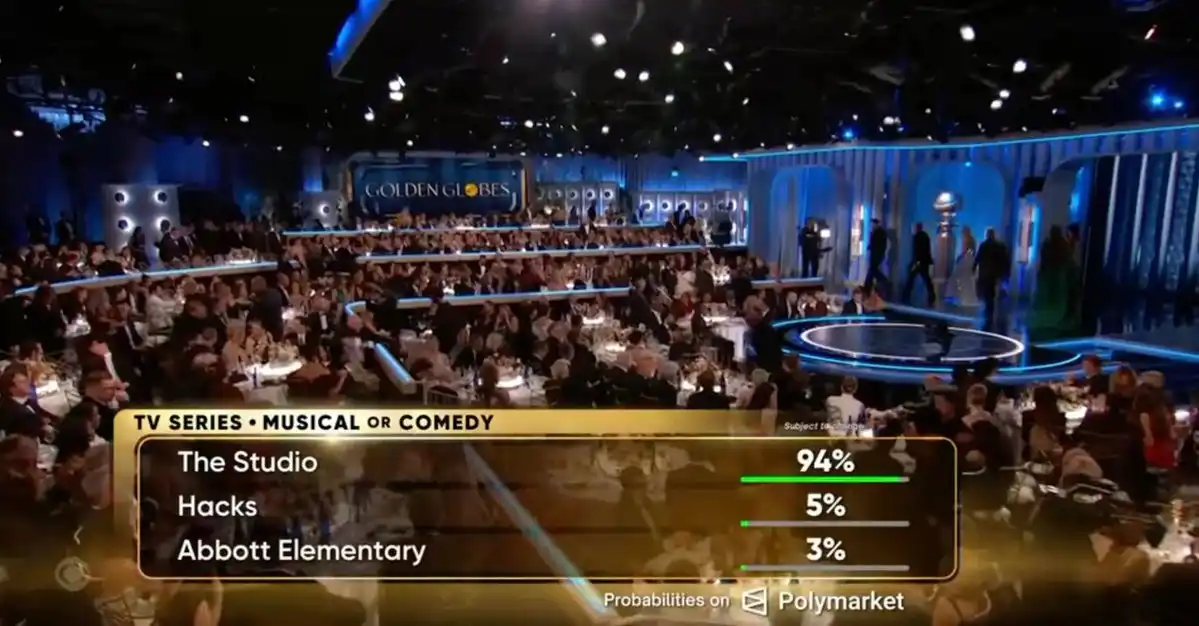
As we tokenize more of the world's value and bring new markets on-chain, this pattern will expand beyond fintech wrappers or live event odds. Although not currently on-chain, Apple's "Clean Energy Charging" is an illustrative mainstream example. In the US, when you plug in your phone to charge, Apple uses real-time predictions of grid carbon intensity to schedule charging times for maximum energy and cost efficiency. You never see the underlying energy market, but Apple's product is calling an endpoint for market data, using its signal as an input to make decisions and optimize the product.

MetaDAO, a crowdfunding platform powered by prediction markets, takes this idea further. When faced with a governance decision, it creates two conditional markets: one assuming the token price if the proposal passes, another if it fails. Whichever market price is higher determines the outcome: the proposal automatically takes effect or is rejected. The DAO no longer decides by voting but calls upon markets to make decisions, with participants betting real money on the future outcome they believe is better. Here, the underlying market is not just an input to the decision but the decision mechanism itself.

If you assume all finance and markets are becoming programmable while AI is becoming more powerful, then holding an expansive view of finance's endgame is reasonable and exciting. Price signals, prediction market outcomes, on-chain capital flows, etc., will become inputs that any application or agent can read, interpret, and act upon. If an agent can earn a penny more than its inference cost by creating or participating in a market, it becomes rational to do so.

When we factor in the consumption and market participation of AI agents, "a billion active traders" might be a severe underestimate of the scale of the future.

The Endgame of Finance

Finance is undergoing a transformation from a unique vertical industry into a horizontal foundational layer.

As markets become more expressive and accessible, finance is embedding itself into culture, and culture itself is increasingly expressed through finance. Simultaneously, as markets become permissionless software, they accelerate their role as agents of change, opening new opportunities for users seeking economic upside (and downside) in things they understand and love. And users will also want their AI agents to participate in markets to improve their lives.

As markets become more programmable, finance is becoming increasingly ubiquitous as a new building block of information infrastructure. The most successful infrastructure is often invisible, and finance is on a path to being woven into the fabric of everything.

This is why I'm willing to hold an extremely grand, expansive perspective on the endgame of "finance."

Perguntas relacionadas

QWhat are the three fundamental drivers behind the expansion of finance's meaning according to Jesse Walden?

AThe three fundamental drivers are: 1) Mass participation, as lower market access barriers intertwine finance with culture; 2) Permissionless markets, which act as change agents allowing global users to exhibit new behaviors; 3) Programmable endpoints, where financial markets evolve from discrete venues into APIs embedded with economic data.

QHow does the author describe the evolution of a participant's journey in the crypto space?

AThe author describes a common trajectory: starting with a lesson from a volatile altcoin, learning to manage risk like a trader, and eventually maturing into a long-term investor. Even failed experiences are meaningful, transforming a gambler into a trader who bets on what they know, and then into an investor with conviction and a longer time horizon.

QWhat role do permissionless markets play in driving regulatory and institutional change?

APermissionless markets, often built outside traditional financial systems, act as change agents by allowing new behaviors that 'break the rules.' This forces regulators and traditional institutions to adapt and evolve. Examples include prediction markets (Polymarket), stablecoins, and ICOs, which eventually lead to new legislation and regulatory clarity after demonstrating proven market demand.

QHow does the combination of Crypto and AI create a new design space for markets?

ACrypto provides the infrastructure for permissionless, programmable, and globally accessible markets, while AI enables the modeling and automation of previously unmanageable things. This combination creates a design space where every price generated by a market becomes actionable data for AI, and every new thing AI can model becomes an object that markets can price. Markets evolve from outputs to infrastructure, serving as APIs that applications and AI agents can consume.

QWhat is the ultimate vision for the future of finance as presented in the article?

AThe ultimate vision is that finance is transitioning from a distinct vertical industry into a horizontal infrastructure layer that becomes 'invisible.' It is increasingly embedded into culture and expressed through it, driven by mass participation and permissionless innovation. As markets become more accessible and programmable, finance will integrate into the fabric of everything, serving as a universal information infrastructure for both humans and AI agents to consume and act upon.

Leituras Relacionadas

BlackRock and Citadel Are Aggressively 'Sweeping Goods': What Fundamental Changes Have Occurred in the Logic of TradFi Entering DeFi?

Traditional finance (TradFi) giants like BlackRock, Citadel Securities, and Apollo Global Management are now directly purchasing DeFi governance tokens (UNI, ZRO, MORPHO), signaling a strategic shift beyond mere equity investments or pilot programs. This move is primarily about securing access to and aligning with the infrastructure they plan to use for tokenizing and distributing their products on-chain, rather than making broad portfolio bets on DeFi assets. Key drivers include improved custody/operational infrastructure and greater regulatory clarity, such as the upcoming repeal of SAB 121 and potential market structure legislation like the CLARITY Act. While this represents a structural change in institutional engagement, the token price impact has been muted due to weak market conditions and a lack of direct value capture mechanisms for most tokens. For governance tokens to function more like strategic equity, clearer value accrual (e.g., fee switches), reduced VC selling pressure, and enhanced regulatory certainty are needed. Concerns about governance centralisation exist, but increased professional participation could improve oversight. More TradFi firms, particularly those building tokenized products (e.g., Fidelity, Franklin Templeton), are expected to follow, focusing on blue-chip protocols in stablecoins, RWAs, and trading infrastructure.

marsbitHá 17m

BlackRock and Citadel Are Aggressively 'Sweeping Goods': What Fundamental Changes Have Occurred in the Logic of TradFi Entering DeFi?

marsbitHá 17m

Two Paths, One Destination

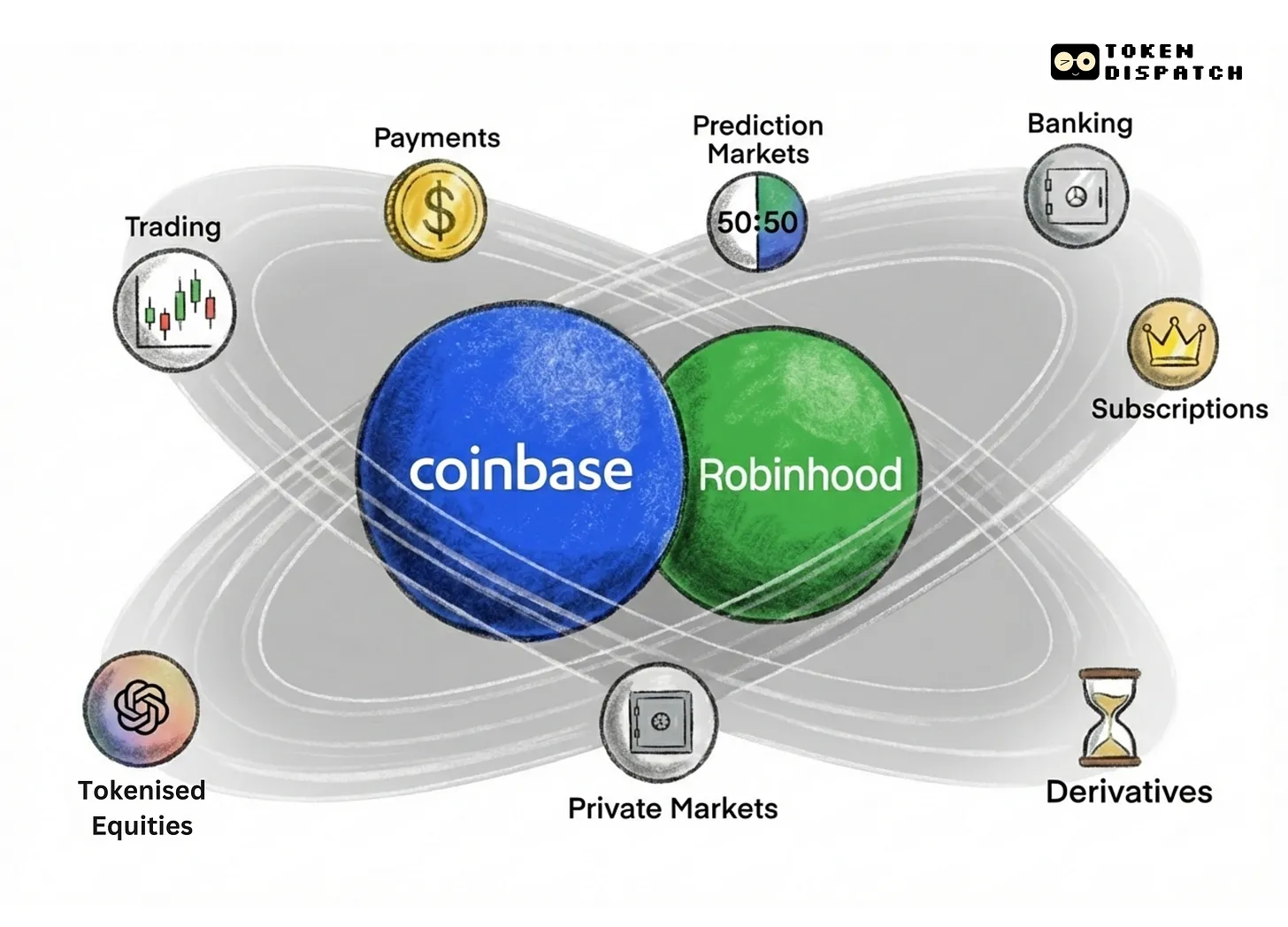
Coinbase and Robinhood, despite recent earnings misses, are undergoing significant transformations that diverge from simplistic narratives tied to crypto performance. Both are systematically diversifying their revenue streams to reduce cyclical dependency. Coinbase’s subscription and service revenue reached $2.8B in 2025, 5.5x its 2021 peak. It now holds 12% of global crypto assets and is expanding into derivatives (via the Deribit acquisition), prediction markets, and institutional services, partnering with major banks and asset managers like BlackRock. Its long-term goal is to become a foundational settlement layer for on-chain finance. Robinhood’s growth is highlighted by a 27% YoY increase in ARPU to $191, driven largely by its prediction markets—its fastest-growing product line, generating $300M in annualized revenue. Other key drivers include options trading and subscription services. The company is also expanding into banking and private market access through Robinhood Ventures, aiming to capture a share of generational wealth transfer. Though they started from opposite ends—Coinbase in crypto, Robinhood in traditional equities—both are converging toward the same vision: a financial super-app for retail users. They are now competing directly in emerging areas like prediction markets, tokenization, and private market access, with the goal of deepening user financial integration and becoming indispensable platforms.

marsbitHá 27m

Two Paths, One Destination

marsbitHá 27m

I Finally Understand Why Musk Is Convinced We Live in a 'Simulated World'

The author, an investor and entrepreneur, describes their initial skepticism towards Elon Musk's simulation theory—the idea that the probability we live in base reality is only one in a billion. Their perspective shifted after two personal experiences with seemingly inexplicable accuracy in predictions. First, a fortune-teller using traditional Chinese astrology consistently and accurately predicted investment outcomes and obstacles over more than a dozen instances. Second, a close friend, a highly educated Tarot card reader, provided remarkably precise and consistent readings across different methods. The friend explained that Tarot practice is like having "database access permissions" to a vast informational field—a metaphor that resonated deeply with the author. This led the author to reexamine the world through a programmer’s lens. They note several “coincidences” that align with the simulation hypothesis: - **Junk DNA**: The 98% of non-coding DNA resembles legacy code or commented-out functions in software. - **The Great Flood Myths**: Shared global flood narratives and the sharp drop in human lifespans afterward mirror a system reset or version update. - **Cosmic Limits**: The Big Bang resembles a system boot-up, the speed of light a CPU frequency limit, and déjà vu a caching error. The author concludes that viewing reality as a simulation makes these phenomena coherent. Rather than leading to nihilism, this perspective is liberating: although one’s “character settings” may be predetermined, the subjective experience of love, joy, and achievement remains real. The goal is to live fully within one’s own version, striving to reach one’s potential. The essay ends on an optimistic note: with tools like Web3 and AI, humanity may be transitioning from passive “players” to active “advanced players” capable of exploring and even altering the rules of the simulated world. The emphasis is not on proving the theory but on engaging meaningfully within the system.

marsbitHá 34m

I Finally Understand Why Musk Is Convinced We Live in a 'Simulated World'

marsbitHá 34m

Trading

Spot
Futuros

Artigos em Destaque

O que é $S$

Compreender o SPERO: Uma Visão Abrangente Introdução ao SPERO À medida que o panorama da inovação continua a evoluir, o surgimento de tecnologias web3 e projetos de criptomoeda desempenha um papel fundamental na formação do futuro digital. Um projeto que tem atraído atenção neste campo dinâmico é o SPERO, denotado como SPERO,$$s$. Este artigo tem como objetivo reunir e apresentar informações detalhadas sobre o SPERO, para ajudar entusiastas e investidores a compreender as suas bases, objetivos e inovações nos domínios web3 e cripto. O que é o SPERO,$$s$? O SPERO,$$s$ é um projeto único dentro do espaço cripto que procura aproveitar os princípios da descentralização e da tecnologia blockchain para criar um ecossistema que promove o envolvimento, a utilidade e a inclusão financeira. O projeto é concebido para facilitar interações peer-to-peer de novas maneiras, proporcionando aos utilizadores soluções e serviços financeiros inovadores. No seu núcleo, o SPERO,$$s$ visa capacitar indivíduos ao fornecer ferramentas e plataformas que melhoram a experiência do utilizador no espaço das criptomoedas. Isso inclui a possibilidade de métodos de transação mais flexíveis, a promoção de iniciativas impulsionadas pela comunidade e a criação de caminhos para oportunidades financeiras através de aplicações descentralizadas (dApps). A visão subjacente do SPERO,$$s$ gira em torno da inclusão, visando fechar lacunas dentro das finanças tradicionais enquanto aproveita os benefícios da tecnologia blockchain. Quem é o Criador do SPERO,$$s$? A identidade do criador do SPERO,$$s$ permanece algo obscura, uma vez que existem recursos publicamente disponíveis limitados que fornecem informações detalhadas sobre o(s) seu(s) fundador(es). Esta falta de transparência pode resultar do compromisso do projeto com a descentralização—uma ética que muitos projetos web3 partilham, priorizando contribuições coletivas em vez de reconhecimento individual. Ao centrar as discussões em torno da comunidade e dos seus objetivos coletivos, o SPERO,$$s$ incorpora a essência do empoderamento sem destacar indivíduos específicos. Assim, compreender a ética e a missão do SPERO é mais importante do que identificar um criador singular. Quem são os Investidores do SPERO,$$s$? O SPERO,$$s$ é apoiado por uma diversidade de investidores que vão desde capitalistas de risco a investidores-anjo dedicados a promover a inovação no setor cripto. O foco desses investidores geralmente alinha-se com a missão do SPERO—priorizando projetos que prometem avanço tecnológico social, inclusão financeira e governança descentralizada. Essas fundações de investidores estão tipicamente interessadas em projetos que não apenas oferecem produtos inovadores, mas que também contribuem positivamente para a comunidade blockchain e os seus ecossistemas. O apoio desses investidores reforça o SPERO,$$s$ como um concorrente notável no domínio em rápida evolução dos projetos cripto. Como Funciona o SPERO,$$s$? O SPERO,$$s$ emprega uma estrutura multifacetada que o distingue de projetos de criptomoeda convencionais. Aqui estão algumas das características-chave que sublinham a sua singularidade e inovação: Governança Descentralizada: O SPERO,$$s$ integra modelos de governança descentralizada, capacitando os utilizadores a participar ativamente nos processos de tomada de decisão sobre o futuro do projeto. Esta abordagem promove um sentido de propriedade e responsabilidade entre os membros da comunidade. Utilidade do Token: O SPERO,$$s$ utiliza o seu próprio token de criptomoeda, concebido para servir várias funções dentro do ecossistema. Esses tokens permitem transações, recompensas e a facilitação de serviços oferecidos na plataforma, melhorando o envolvimento e a utilidade gerais. Arquitetura em Camadas: A arquitetura técnica do SPERO,$$s$ suporta modularidade e escalabilidade, permitindo a integração contínua de funcionalidades e aplicações adicionais à medida que o projeto evolui. Esta adaptabilidade é fundamental para manter a relevância no panorama cripto em constante mudança. Envolvimento da Comunidade: O projeto enfatiza iniciativas impulsionadas pela comunidade, empregando mecanismos que incentivam a colaboração e o feedback. Ao nutrir uma comunidade forte, o SPERO,$$s$ pode melhor atender às necessidades dos utilizadores e adaptar-se às tendências do mercado. Foco na Inclusão: Ao oferecer taxas de transação baixas e interfaces amigáveis, o SPERO,$$s$ visa atrair uma base de utilizadores diversificada, incluindo indivíduos que anteriormente podem não ter participado no espaço cripto. Este compromisso com a inclusão alinha-se com a sua missão abrangente de empoderamento através da acessibilidade. Cronologia do SPERO,$$s$ Compreender a história de um projeto fornece insights cruciais sobre a sua trajetória de desenvolvimento e marcos. Abaixo está uma cronologia sugerida que mapeia eventos significativos na evolução do SPERO,$$s$: Fase de Conceituação e Ideação: As ideias iniciais que formam a base do SPERO,$$s$ foram concebidas, alinhando-se de perto com os princípios de descentralização e foco na comunidade dentro da indústria blockchain. Lançamento do Whitepaper do Projeto: Após a fase conceitual, um whitepaper abrangente detalhando a visão, os objetivos e a infraestrutura tecnológica do SPERO,$$s$ foi lançado para atrair o interesse e o feedback da comunidade. Construção da Comunidade e Primeiros Envolvimentos: Esforços ativos de divulgação foram feitos para construir uma comunidade de primeiros adotantes e investidores potenciais, facilitando discussões em torno dos objetivos do projeto e angariando apoio. Evento de Geração de Tokens: O SPERO,$$s$ realizou um evento de geração de tokens (TGE) para distribuir os seus tokens nativos a apoiantes iniciais e estabelecer liquidez inicial dentro do ecossistema. Lançamento da dApp Inicial: A primeira aplicação descentralizada (dApp) associada ao SPERO,$$s$ foi lançada, permitindo que os utilizadores interagissem com as funcionalidades principais da plataforma. Desenvolvimento Contínuo e Parcerias: Atualizações e melhorias contínuas nas ofertas do projeto, incluindo parcerias estratégicas com outros players no espaço blockchain, moldaram o SPERO,$$s$ em um jogador competitivo e em evolução no mercado cripto. Conclusão O SPERO,$$s$ é um testemunho do potencial do web3 e das criptomoedas para revolucionar os sistemas financeiros e capacitar indivíduos. Com um compromisso com a governança descentralizada, o envolvimento da comunidade e funcionalidades inovadoras, abre caminho para um panorama financeiro mais inclusivo. Como em qualquer investimento no espaço cripto em rápida evolução, potenciais investidores e utilizadores são incentivados a pesquisar minuciosamente e a envolver-se de forma ponderada com os desenvolvimentos em curso dentro do SPERO,$$s$. O projeto demonstra o espírito inovador da indústria cripto, convidando a uma exploração mais aprofundada das suas inúmeras possibilidades. Embora a jornada do SPERO,$$s$ ainda esteja a desenrolar-se, os seus princípios fundamentais podem, de facto, influenciar o futuro de como interagimos com a tecnologia, as finanças e uns com os outros em ecossistemas digitais interconectados.

69 Visualizações TotaisPublicado em {updateTime}Atualizado em 2024.12.17

O que é AGENT S

Agent S: O Futuro da Interação Autónoma no Web3 Introdução No panorama em constante evolução do Web3 e das criptomoedas, as inovações estão constantemente a redefinir a forma como os indivíduos interagem com plataformas digitais. Um projeto pioneiro, o Agent S, promete revolucionar a interação humano-computador através do seu framework aberto e agente. Ao abrir caminho para interações autónomas, o Agent S visa simplificar tarefas complexas, oferecendo aplicações transformadoras em inteligência artificial (IA). Esta exploração detalhada irá aprofundar-se nas complexidades do projeto, nas suas características únicas e nas implicações para o domínio das criptomoedas. O que é o Agent S? O Agent S é um framework aberto e agente, especificamente concebido para abordar três desafios fundamentais na automação de tarefas computacionais: Aquisição de Conhecimento Específico de Domínio: O framework aprende inteligentemente a partir de várias fontes de conhecimento externas e experiências internas. Esta abordagem dupla capacita-o a construir um rico repositório de conhecimento específico de domínio, melhorando o seu desempenho na execução de tarefas. Planeamento ao Longo de Longos Horizontes de Tarefas: O Agent S emprega planeamento hierárquico aumentado por experiência, uma abordagem estratégica que facilita a decomposição e execução eficientes de tarefas intrincadas. Esta característica melhora significativamente a sua capacidade de gerir múltiplas subtarefas de forma eficiente e eficaz. Gestão de Interfaces Dinâmicas e Não Uniformes: O projeto introduz a Interface Agente-Computador (ACI), uma solução inovadora que melhora a interação entre agentes e utilizadores. Utilizando Modelos de Linguagem Multimodais de Grande Escala (MLLMs), o Agent S pode navegar e manipular diversas interfaces gráficas de utilizador de forma fluida. Através destas características pioneiras, o Agent S fornece um framework robusto que aborda as complexidades envolvidas na automação da interação humana com máquinas, preparando o terreno para uma infinidade de aplicações em IA e além. Quem é o Criador do Agent S? Embora o conceito de Agent S seja fundamentalmente inovador, informações específicas sobre o seu criador permanecem elusivas. O criador é atualmente desconhecido, o que destaca ou o estágio nascente do projeto ou a escolha estratégica de manter os membros fundadores em anonimato. Independentemente da anonimidade, o foco permanece nas capacidades e no potencial do framework. Quem são os Investidores do Agent S? Como o Agent S é relativamente novo no ecossistema criptográfico, informações detalhadas sobre os seus investidores e financiadores não estão explicitamente documentadas. A falta de informações disponíveis publicamente sobre as fundações de investimento ou organizações que apoiam o projeto levanta questões sobre a sua estrutura de financiamento e roteiro de desenvolvimento. Compreender o apoio é crucial para avaliar a sustentabilidade do projeto e o seu impacto potencial no mercado. Como Funciona o Agent S? No núcleo do Agent S reside uma tecnologia de ponta que lhe permite funcionar eficazmente em diversos ambientes. O seu modelo operacional é construído em torno de várias características-chave: Interação Humano-Computador Semelhante: O framework oferece planeamento avançado em IA, esforçando-se para tornar as interações com computadores mais intuitivas. Ao imitar o comportamento humano na execução de tarefas, promete elevar as experiências dos utilizadores. Memória Narrativa: Utilizada para aproveitar experiências de alto nível, o Agent S utiliza memória narrativa para acompanhar os históricos de tarefas, melhorando assim os seus processos de tomada de decisão. Memória Episódica: Esta característica fornece aos utilizadores orientações passo a passo, permitindo que o framework ofereça suporte contextual à medida que as tarefas se desenrolam. Suporte para OpenACI: Com a capacidade de funcionar localmente, o Agent S permite que os utilizadores mantenham o controlo sobre as suas interações e fluxos de trabalho, alinhando-se com a ética descentralizada do Web3. Fácil Integração com APIs Externas: A sua versatilidade e compatibilidade com várias plataformas de IA garantem que o Agent S possa integrar-se perfeitamente em ecossistemas tecnológicos existentes, tornando-o uma escolha apelativa para desenvolvedores e organizações. Estas funcionalidades contribuem coletivamente para a posição única do Agent S no espaço cripto, à medida que automatiza tarefas complexas e em múltiplos passos com mínima intervenção humana. À medida que o projeto evolui, as suas potenciais aplicações no Web3 podem redefinir a forma como as interações digitais se desenrolam. Cronologia do Agent S O desenvolvimento e os marcos do Agent S podem ser encapsulados numa cronologia que destaca os seus eventos significativos: 27 de Setembro de 2024: O conceito de Agent S foi lançado num artigo de pesquisa abrangente intitulado “Um Framework Agente Aberto que Usa Computadores como um Humano”, mostrando a base para o projeto. 10 de Outubro de 2024: O artigo de pesquisa foi disponibilizado publicamente no arXiv, oferecendo uma exploração aprofundada do framework e da sua avaliação de desempenho com base no benchmark OSWorld. 12 de Outubro de 2024: Uma apresentação em vídeo foi lançada, proporcionando uma visão visual das capacidades e características do Agent S, envolvendo ainda mais potenciais utilizadores e investidores. Estes marcos na cronologia não apenas ilustram o progresso do Agent S, mas também indicam o seu compromisso com a transparência e o envolvimento da comunidade. Pontos-Chave Sobre o Agent S À medida que o framework Agent S continua a evoluir, várias características-chave destacam-se, sublinhando a sua natureza inovadora e potencial: Framework Inovador: Concebido para proporcionar um uso intuitivo de computadores semelhante à interação humana, o Agent S traz uma abordagem nova à automação de tarefas. Interação Autónoma: A capacidade de interagir autonomamente com computadores através de GUI significa um avanço em direção a soluções computacionais mais inteligentes e eficientes. Automação de Tarefas Complexas: Com a sua metodologia robusta, pode automatizar tarefas complexas e em múltiplos passos, tornando os processos mais rápidos e menos propensos a erros. Melhoria Contínua: Os mecanismos de aprendizagem permitem que o Agent S melhore a partir de experiências passadas, aprimorando continuamente o seu desempenho e eficácia. Versatilidade: A sua adaptabilidade em diferentes ambientes operacionais, como OSWorld e WindowsAgentArena, garante que pode servir uma ampla gama de aplicações. À medida que o Agent S se posiciona no panorama do Web3 e das criptomoedas, o seu potencial para melhorar as capacidades de interação e automatizar processos significa um avanço significativo nas tecnologias de IA. Através do seu framework inovador, o Agent S exemplifica o futuro das interações digitais, prometendo uma experiência mais fluida e eficiente para os utilizadores em diversas indústrias. Conclusão O Agent S representa um ousado avanço na união da IA e do Web3, com a capacidade de redefinir a forma como interagimos com a tecnologia. Embora ainda esteja nas suas fases iniciais, as possibilidades para a sua aplicação são vastas e cativantes. Através do seu framework abrangente que aborda desafios críticos, o Agent S visa trazer interações autónomas para o primeiro plano da experiência digital. À medida que avançamos mais profundamente nos domínios das criptomoedas e da descentralização, projetos como o Agent S desempenharão, sem dúvida, um papel crucial na formação do futuro da tecnologia e da colaboração humano-computador.

286 Visualizações TotaisPublicado em {updateTime}Atualizado em 2025.01.14

Como comprar S

Bem-vindo à HTX.com!Tornámos a compra de Sonic (S) simples e conveniente.Segue o nosso guia passo a passo para iniciar a tua jornada no mundo das criptos.Passo 1: cria a tua conta HTXUtiliza o teu e-mail ou número de telefone para te inscreveres numa conta gratuita na HTX.Desfruta de um processo de inscrição sem complicações e desbloqueia todas as funcionalidades.Obter a minha contaPasso 2: vai para Comprar Cripto e escolhe o teu método de pagamentoCartão de crédito/débito: usa o teu visa ou mastercard para comprar Sonic (S) instantaneamente.Saldo: usa os fundos da tua conta HTX para transacionar sem problemas.Terceiros: adicionamos métodos de pagamento populares, como Google Pay e Apple Pay, para aumentar a conveniência.P2P: transaciona diretamente com outros utilizadores na HTX.Mercado de balcão (OTC): oferecemos serviços personalizados e taxas de câmbio competitivas para os traders.Passo 3: armazena teu Sonic (S)Depois de comprar o teu Sonic (S), armazena-o na tua conta HTX.Alternativamente, podes enviá-lo para outro lugar através de transferência blockchain ou usá-lo para transacionar outras criptomoedas.Passo 4: transaciona Sonic (S)Transaciona facilmente Sonic (S) no mercado à vista da HTX.Acede simplesmente à tua conta, seleciona o teu par de trading, executa as tuas transações e monitoriza em tempo real.Oferecemos uma experiência de fácil utilização tanto para principiantes como para traders experientes.

348 Visualizações TotaisPublicado em {updateTime}Atualizado em 2025.03.21

Discussões

Bem-vindo à Comunidade HTX. Aqui, pode manter-se informado sobre os mais recentes desenvolvimentos da plataforma e obter acesso a análises profissionais de mercado. As opiniões dos utilizadores sobre o preço de S (S) são apresentadas abaixo.

活动图片