From 'The Big Short' to San Francisco: The Revelry and Dizziness Within the AI Bubble

marsbitPublicado em 2026-06-08Última atualização em 2026-06-08

Resumo

From "The Big Short" to San Francisco: The Frenzy and Dizziness in the AI Bubble The article captures the intense, frenetic atmosphere in San Francisco, the epicenter of the current AI boom. Drawing a parallel to the "smell of money" from *The Big Short*, the author observes a city gripped by a singular status game centered entirely on AI and technology. This manifests in a palpable, caffeine-fueled anxiety ("people are shaking"), rampant comparison using vanity metrics like funding rounds, and pervasive "Big Bubble Behavior." The piece explores the city's stark contrasts: its dystopian streets versus beautiful vistas, and the disconnect between the doomsday concerns of some AI researchers and the optimistic, growth-focused "GTM" teams. It critiques the obsession with "math genius" founders as the new ticket to outsized returns, akin to scouting sports prodigies. Referencing economic historian Carlota Perez's "frenzy phase" and Karl Polanyi's "double movement," the author frames the boom as a period where financial speculation detaches from fundamentals, with society potentially becoming subordinate to a new economic force driven by "geniuses in data centers." Ultimately, while acknowledging the unprecedented wealth creation and party-like energy, the article concludes with cautionary advice: when the music is playing, you should dance, but don't get drunk. The core reminder is to stay grounded, avoid distorted judgment, and maintain perspective amidst the euphoria.

Original Title: What's That Smell in San Francisco?

Original Author: Spencer Yen

Original Translation: Peggy, BlockBeats

Editor's Note: San Francisco is once again becoming the intersection of technological revolution and financial bubbles. AI companies, research labs, venture capital, outdoor advertisements, and gossip networks collectively shape a highly exhilarated urban atmosphere: some are propelled forward by valuations and equity packages, others immerse themselves in apocalyptic visions of AGI, and some view math competition prodigies as the gateway to the next generation of outsized returns.

Drawing from the line "I smell money" in *The Big Short*, the author records observations after moving from New York to San Francisco: the density of technology, wealth creation, and information asymmetry in this city are real, and so are the anxiety, comparisons, and Big Bubble Behavior. When AI becomes San Francisco's only status game, innovation, speculation, belief, and fear begin to blend, forming the most immediate on-the-ground sample of this wave of AI fever.

The interest of this article lies not in hastily judging when the bubble will burst, but in showing *how* the bubble happens: how people talk, compare, invest, become anxious, and seek their own place within the narrative of "the future is coming." The music is still playing, the party isn't over, but the author concludes with a reminder to himself and all those within it: you can dance, but don't get drunk.

Below is the original text:

One of my favorite movie scenes is the Jenga scene in *The Big Short*: Ryan Gosling's character pitching a trade to short the US housing market to Steve Carell's hedge fund team.

In that conference room, with an obnoxiously confident, jerk-like aura, he has three props: his sidekick Chris, his quant Jiang, and a Jenga tower printed with mortgage bond ratings. His opening line is also brilliant: Do you smell that? What is that? What's that smell? Perfume? No. Opportunity? No. It's money. I smell money.
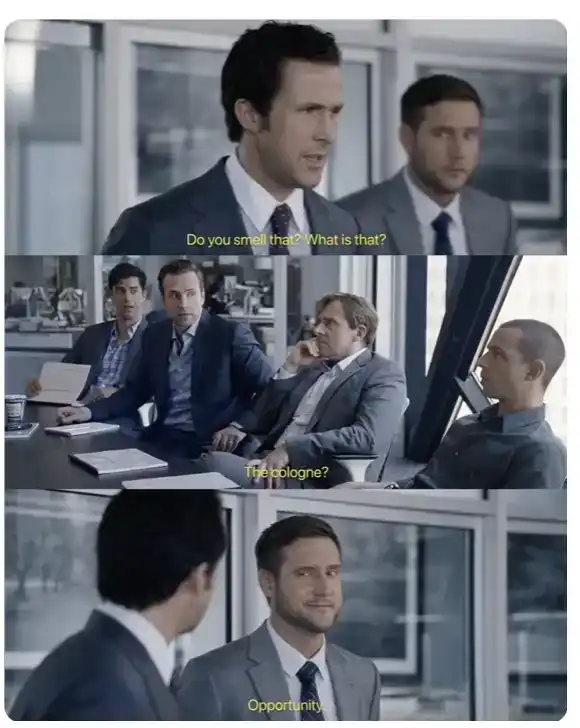
https://www.youtube.com/watch?v=YgF98vyn2fY

A few months ago, I moved from New York to San Francisco to join a friend's startup. Before moving, everyone told me: "You have to go to San Francisco," saying that's where everything is happening. So I've been grappling with this question: Is San Francisco really that important? Was I really missing something staying in New York?

My answer so far is: If you want to be at the center of this massive technological revolution and bubble, then this is indeed the place to be. The density here is real, the gossip networks are real, and consequently, the information asymmetry is also real.

During this time in San Francisco, I've accumulated some observations and thoughts. Here's what I've been 'smelling' in San Francisco:

1. People are trembling.

2. There's only one status game here.

3. A city that's always crying wolf.

4. Obsession with math prodigies.

What's struck me is how vastly different the human experience can be within the same city—walk on some streets and you'll feel like you're in hell; turn onto another and you'll see the bay, distant cypress trees, and beautiful scenery. The most techy, futuristic moments here are probably watching various autonomous vehicles roaming the city streets. Every time I see one of those new, friendly light-blue Waymo cars, I can't help but smile. Or, you might feel surveilled by Ava the AI BDR (AI Business Development Rep). I hate that ad. But credit where it's due, they successfully got me still talking about it with 'rage bait.' Every morning, right outside my apartment door, I see this monster:
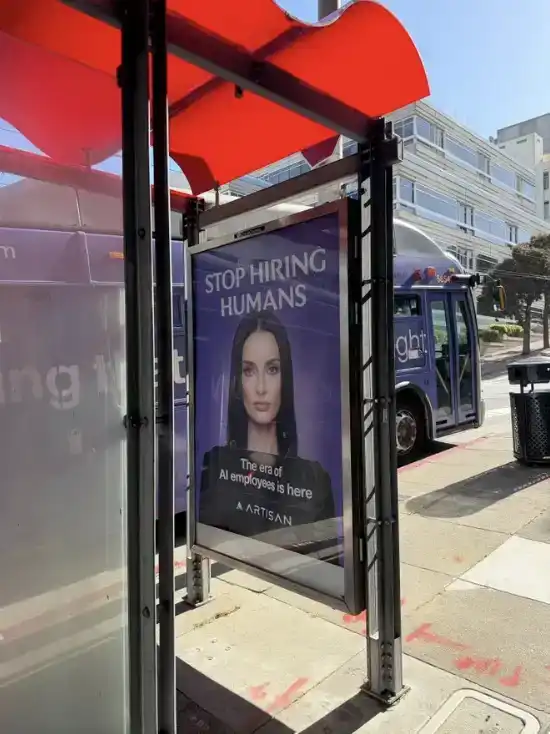
Why do people graffiti friend.com but not this garbage ad? Also, if you live nearby, let's grab ice cream sometime!

People in San Francisco are trembling

A few weeks ago, I was hanging out with my friend Jared (@imjaredz). He lives in New York but recently joined Cognition. We had lunch and coffee at the Cognition office. Nice vibe, good coffee, great rooftop. I asked him what he thought about the vibe in San Francisco.

"Have you noticed how people in San Francisco are all trembling?" I laughed, thinking: What? Trembling? Then I realized I had cold brew that morning, 300mg of caffeine, and was indeed a bit jittery. "Yeah, literally trembling. I'm not against people going full ADD, but next time you have a coffee chat, pay attention—see if they're trembling."

Bubbles and boom times bring this frenetic energy, as if if you don't 'make it' now, you'll never have another chance. I'm not immune either—after Jared's reminder, I noticed I seem to tremble sometimes too. That whole "grind to escape permanent pleb status" meme is overdone, but every meme gets popular because it captures a zeitgeist. If nightlife is a city's heartbeat, a thermometer for its culture, what does it say when a 'dog startup' 24-hour cafe becomes the de facto nocturnal grind haven?

Trembling is part of the process of technological revolution and financial bubbles. Forgive me, I used AI for part of this writing; if you want to kill me for that, I apologize in advance. But I was looking up Carlota Perez quotes, and I liked Gemini's summary of the 'Frenzy Phase':

Frenzy Phase: The peak of the installation period, where market psychology abandons fundamentals. Financial participants stop pursuing dividends and switch to capital gains, causing a decoupling of the 'paper economy' from the 'real economy.'
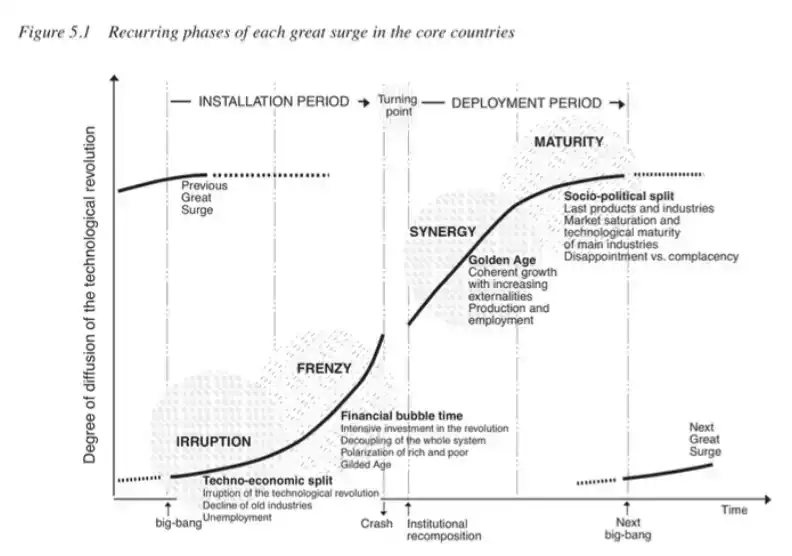
Source: https://stratechery.com/2021/the-death-and-birth-of-technological-revolutions/

A friend of mine coined a term: "Big Bubble Behavior." It's a beautiful phrase, and I've been using it the past two weeks to label everything characteristic of the frenzy phase. Market euphoria sometimes makes people do irrational things. Trembling is Big Bubble Behavior. I've seen trays of lobster tails twice in my life: first at a crypto party on a Venetian Island mansion in Miami in 2021, and second at ClawCon in 2026.
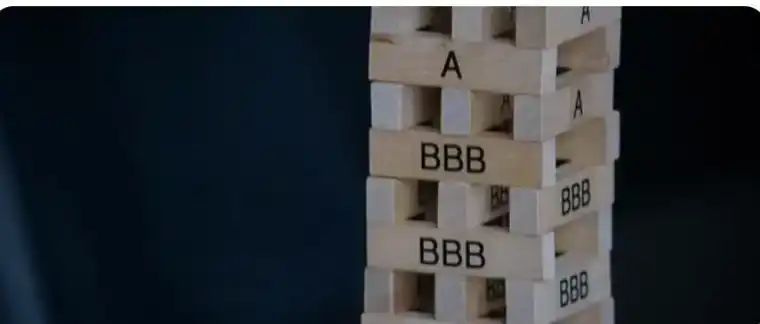
Big Bubble Behavior
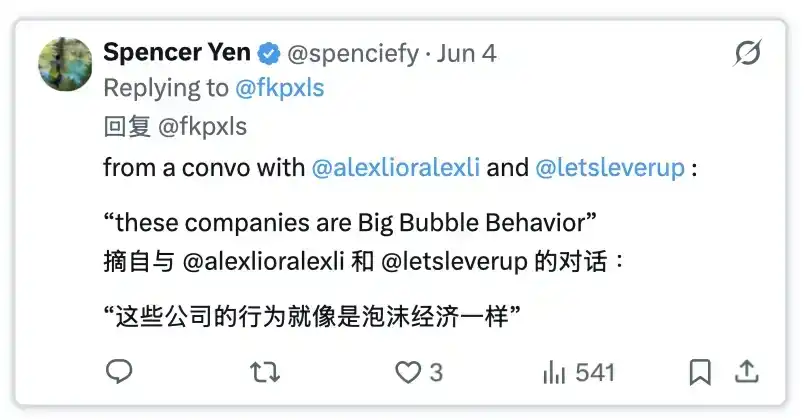
There's only one status game in San Francisco
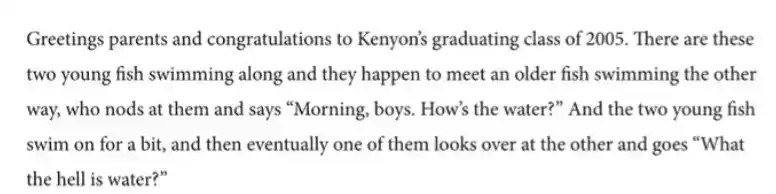
David Foster Wallace, *This is Water*: https://fs.blog/david-foster-wallace-this-is-water/

In San Francisco, this water is AI. Outdoor ads are everywhere—billboards, buses, bus stops, shared bikes, even the blue sky seems occupied by them.

My issue with San Francisco is this: there's only one dominant status game—tech. You go to dinner, or hang out in a park, and hear the same vocabulary. You also see all sorts of 'alpha farming' (hunting for informational edge) because those gossip networks really do exist. And I can't even get mad because I'm that person too. Don't hate the player, hate the game.

The problem is, when a city has only one dominant status game, it becomes far too easy to compare yourself to others.

We increasingly measure and compare each other by vanity metrics, like how much funding someone raised, or what letter in the alphabet your company's round is at. I truly hope someone raises a Series Z, because that would directly prove how absurd the private markets have become. You hear the gossip: which hot startup is getting chased by finance players, what crazy valuation level they're at. Then you can't help but start doing those disgusting, Blind-style back-of-the-envelope calculations: how much is so-and-so's equity package worth now.

I told a friend, if you saw the kind of reverse salary math, offer-optimizing math on Blind, you'd cringe so hard. Blind is that anonymous big-tech social network, famous for memes like: "Having a life crisis, my wife might leave me, but should I take Meta L6 or Google L9? TC: $969k." So why are we doing the same thing here now? Go touch grass. Or maybe that's just my cope.

In New York, there are at least 7 status games simultaneously. Finance, big law, music, fashion, celebrity circles, old-money family offices, media/news, sports, entertainment. Because the scope is so broad, some games are so distant they're almost inaccessible, making them interesting to talk about and learn. It scatters the attention of all ambitious people.

I enjoy asking law school friends which top firms are most prestigious and the subtle differences between them; I enjoy learning about the fashion and luxury world and what it takes to survive there; I enjoy understanding the cushy lives of quant elites and their garden leave arrangements.

San Francisco is creating unprecedented wealth, which brings a weird energy. A research friend mentioned people around them are already looking into buying land and diversifying into scarce resources. There's a feeling: you're either someone with lab equity, or you're not. There's also the joke that San Franciscans don't know how to spend money; this weird energy comes from massive new wealth being created, but people don't know what to do with it. First-time rich? Let the experienced rich kids teach you how to enjoy life.
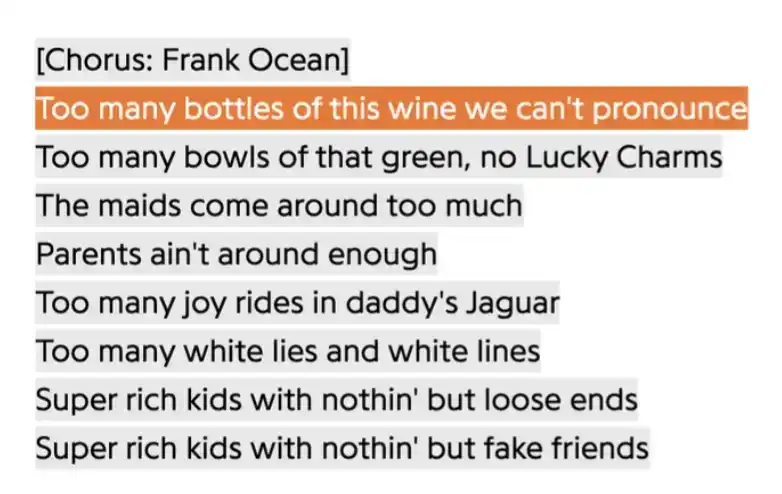
*Super Rich Kids* — Frank Ocean: https://www.youtube.com/watch?v=0XCQNpjWmRE

A city that's always crying wolf

My first impression of San Francisco was this doomer sentiment. Maybe the researchers in the labs truly see some 'second coming'; if so, their calls for slowdowns and safety emphasis make sense. But I have no real way of knowing. All I know is how doomerism makes *me* personally feel—not great!

I've already had several nihilistic conversations, roughly along the lines of: "If Mythos could wipe all this out in one go, or crack everything, then what are we even doing here building software?" And "Will AI ruin our lives?" And "AI will create massive inequality and cause society a lot of pain."

My one-sentence take is: humans will always find something else to do, work will migrate to higher levels of abstraction, and new things will become valuable.

We're terrible at predicting what future society will look like. I think those anti-capitalists I read in college were angry at the wrong things—imagine their reaction seeing humans derive joy from AI-generated fruit trash videos or 'Tung Tung Tung Sahur' in Italian brainrot.

"The problem isn't that AI makes content dumb, [sniff], it's that we enjoy this dumbness as a kind of sacred junk, a digital fetish object, [sniff], isn't it?"

From my friend Samir. His resume: not a researcher, but he has a 'fish guy.'
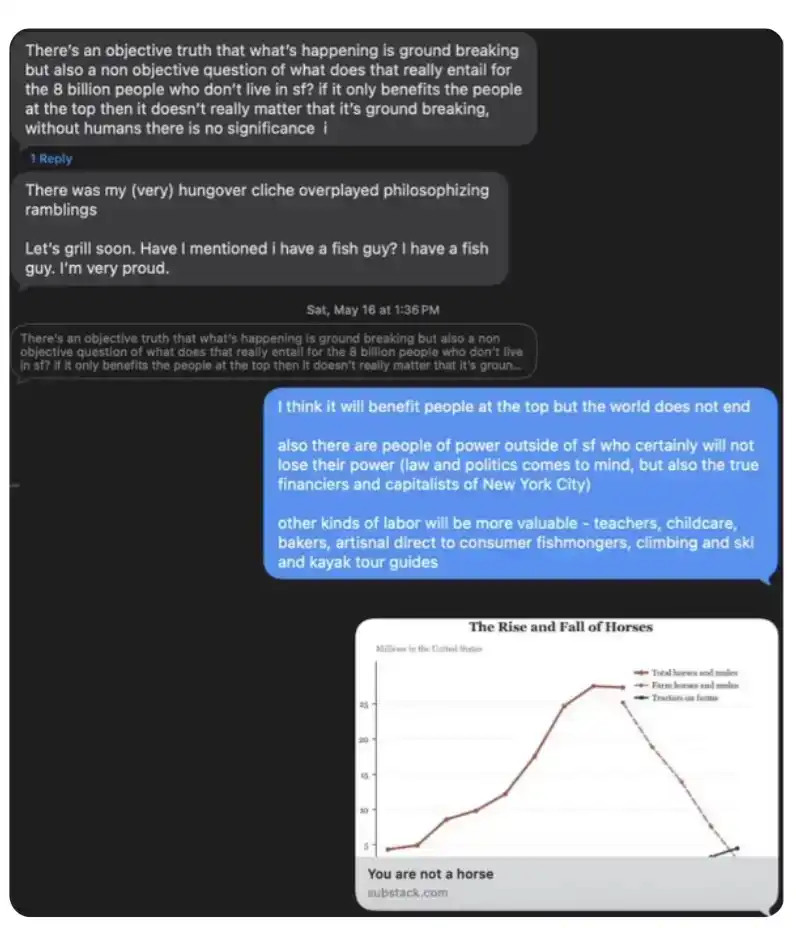
Anyone else have their own 'someone guy'? Please tell me.

A friend working at a lab pointed out that GTM (go-to-market/sales/growth) teams and research teams within the same company are having completely different lived experiences right now. That doomerism gets balanced out by: "Come hang with the GTM team, have a beer, touch grass." There's something interesting about the pessimism of the model creators versus the optimism of the people closest to deploying the technology. Time to get Forward Deployed!

Reality has a surprising amount of detail: https://johnsalvatier.org/blog/2017/reality-has-a-surprising-amount-of-detail

Six years ago, in college, I wrote about how AI reshapes social structures, titled *Polanyi and the Second Great Transformation* (No Pangram AI detection needed, pre-2023 Medium was like an organic pasture for human writing).

Let me explain the reference: Karl Polanyi was an Austro-Hungarian-born economic sociologist whose magnum opus is *The Great Transformation*. Written in 1944, it critiqued the rise of modern market capitalism in 19th-century Britain. So, the 'First Great Transformation' was the shift to capitalism, and my 21-year-old smart-aleck self called AI the 'Second' Great Transformation... you get it.

Polanyi's most famous concept is 'The Double Movement,' describing a historical push-and-pull phenomenon: on one hand, the free market's relentless expansion; on the other, society generates a counterforce trying to protect itself through regulation. The first movement is capitalist elites trying to expand free markets and commodify society; today, that's commodifying intelligence. The second, opposing movement is people reacting to market-driven destruction and trying to protect society; today, that's anti-AI, anti-data center rhetoric.

Here's my naive college-aged writing from 21:

Polanyi explains that the development of machinery for production led to the 'fictitious commodification' of labor (people) and land (nature). While the Fourth Industrial Revolution has already occurred within a market system, the advent of the mechanical mind presents a different threat: taking over jobs. As computers can perform more 'human' cognitive tasks with greater efficiency, many ordinary people may lose their jobs.

Polanyi wrote: "Nothing saved the common people of England from the impact of the Industrial Revolution. A blind faith in spontaneous progress had taken hold of the minds of men..."
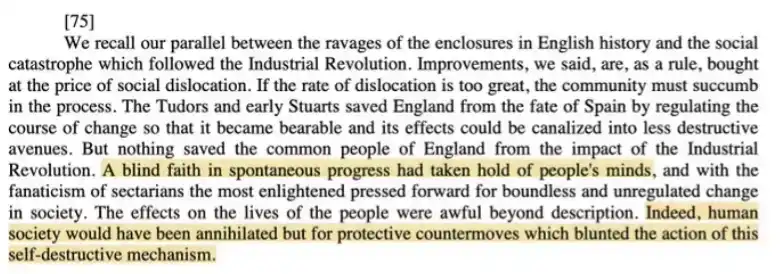
https://medium.com/@spenceryen/polanyi-and-the-second-great-transformation-6d6364b5d3c6

So on second thought, maybe the people constantly crying 'wolf' have a point. Blind faith in spontaneous progress might not end well. Polanyi's critique of market capitalism is that for most of human history, economic activity was subordinate to social, cultural, and religious institutions. But later, market capitalism inverted this relationship, subordinating society to the economy.

How do we ensure society isn't subordinated to a nation of geniuses in data centers? As Ben Thompson accurately pointed out in his article about Anthropic's Mythos, the punchline of *The Boy Who Cried Wolf* is that the wolf eventually does come.

But what would the capitalist in me say? Then invest in social, cultural, and religious institutions! If you have any good trade ideas, feel free to DM me your pitch deck.
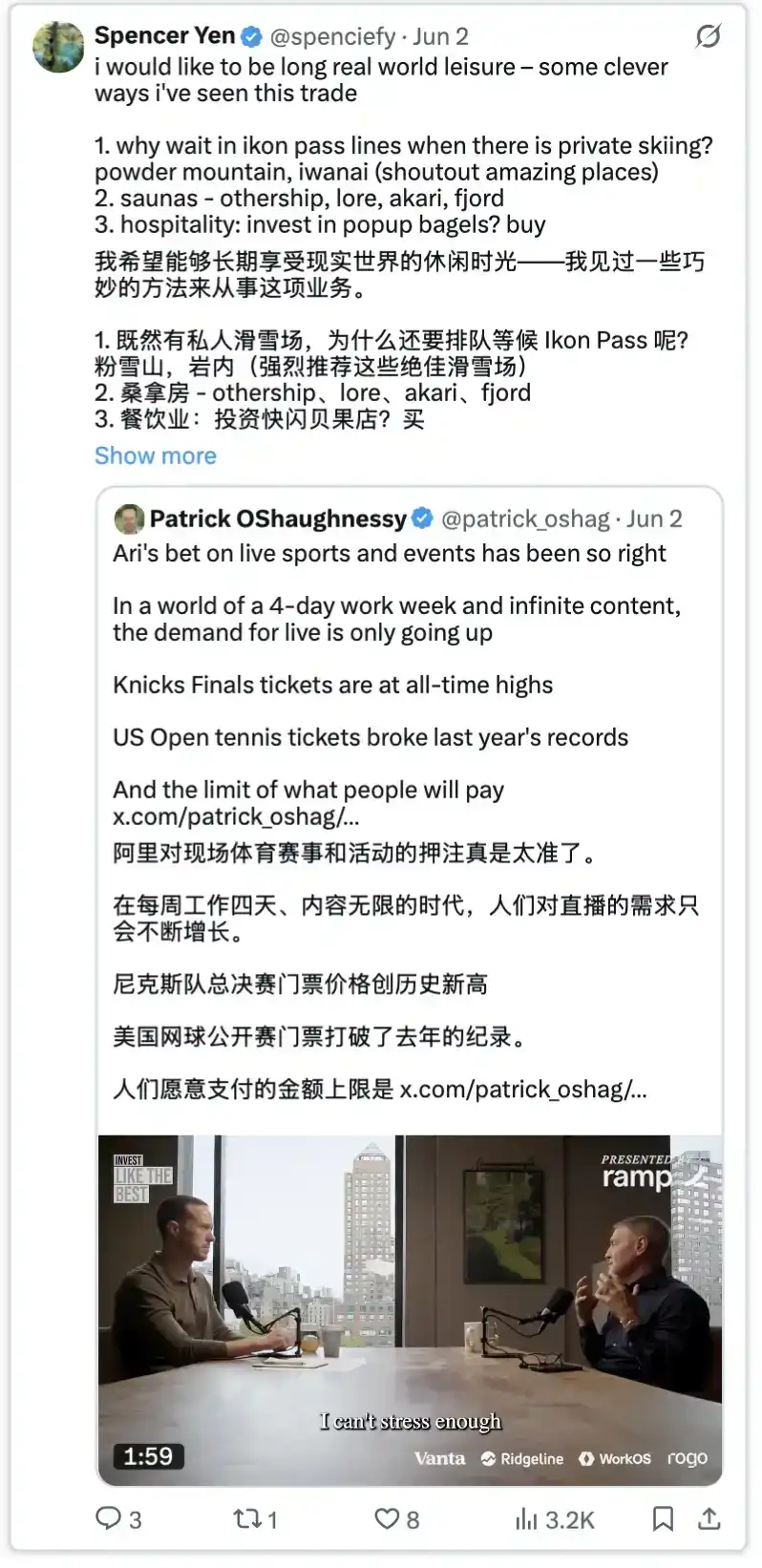
Obsession with math prodigies

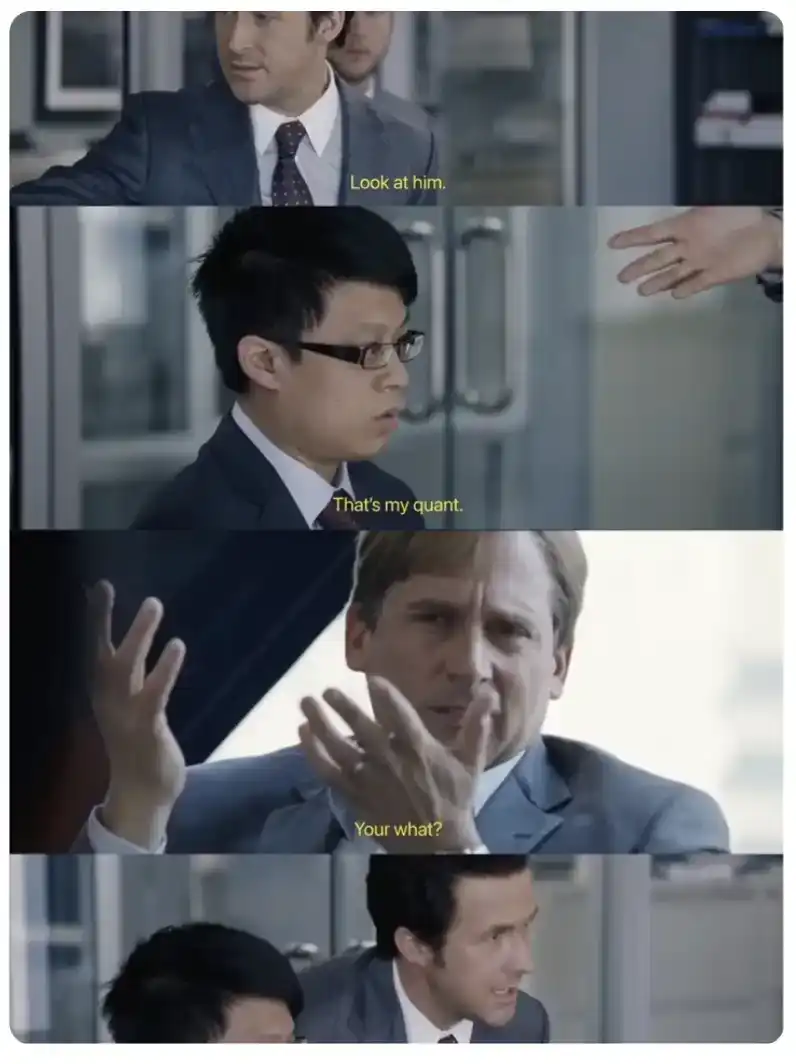
Another favorite gag from that *Big Short* Jenga scene is when Ryan Gosling points to the Chinese guy beside him and says, "That's my quant." The vibe weirdly parallels a recent batch of hot founders being chased by investors—they're often prodigy kids who dominated math competitions from a young age.

Again, Ryan Gosling, responding to Steve Carell's skepticism:

"So you're saying if the default rate hits 8%, these bonds blow up, and we're at 4% now? If they go to 8%, that's the end of the world?" "Yeah, that's correct." "Why is nobody talking about this? You're absolutely certain of this math model?" "Look at him. That's my quant." "Your what?" "My quan-ti-ta-tive, my math specialist. Look at him. Don't you notice anything different about him? Look at his face." "That seems a little racist." "Look at his eyes. I'll give you a hint, his name is Yang! He's a national math champion in China, doesn't even speak English! So yes, I'm very certain of this math model."
To some investors, the key predictive indicator for a fund's DPI (Distributed to Paid-In Capital, a measure of actual returns) seems to come from the founder's childhood—either they were a math competition prodigy as a kid, or they have some childhood trauma. Growing up in the Bay Area, my perception of my own math abilities was shattered early because my genius peers were all in the math competition circles. Now, they've mostly become quant traders or researchers at big model labs.

I distinctly remember a moment from seventh grade: my dad and I were flipping through sports channels on TV at home, and I saw my middle school classmate on ESPN2... he was competing in the Mathcounts competition. In that moment, I knew my path was over. I often joke that when I started playing the 'grind for college apps' game in ninth grade, I knew I couldn't compete with those Intel STS, RSI, AIME, USACO kids, so I had to find my own game.

I deeply admire many of these standout CEOs, founders, and researchers, and I have personally made a financial bet on one of them. But what I find funny is that an entire asset class and investor narrative has now formed around 'cultivating the smartest math competition kids and treating them as tickets to alpha.' When you think about it, it's not fundamentally different from scouts looking for the next Wemby (Victor Wembanyama). Though, I also want to believe in the Jalen Brunson story—hard work, persistence, and heart can win too.

Hyperliquid.

Party like it's 1999

https://x.com/elonmusk/status/1656326406618619910

A very wise investor once gave me two pieces of advice:

First, you will live through three bubbles in your lifetime.

The first bubble you experience, you'll be completely immersed in the euphoria. You have no experience, you attend the party, get swept up in the fervor.

The second bubble you experience, you remember what happened the first time, so you can exit with some wins, but you'll still get drawn in a bit.

The third bubble is your chance to create generational wealth—you've accumulated enough experience from the first two to know how to manage risk, emotions, and exit timing.
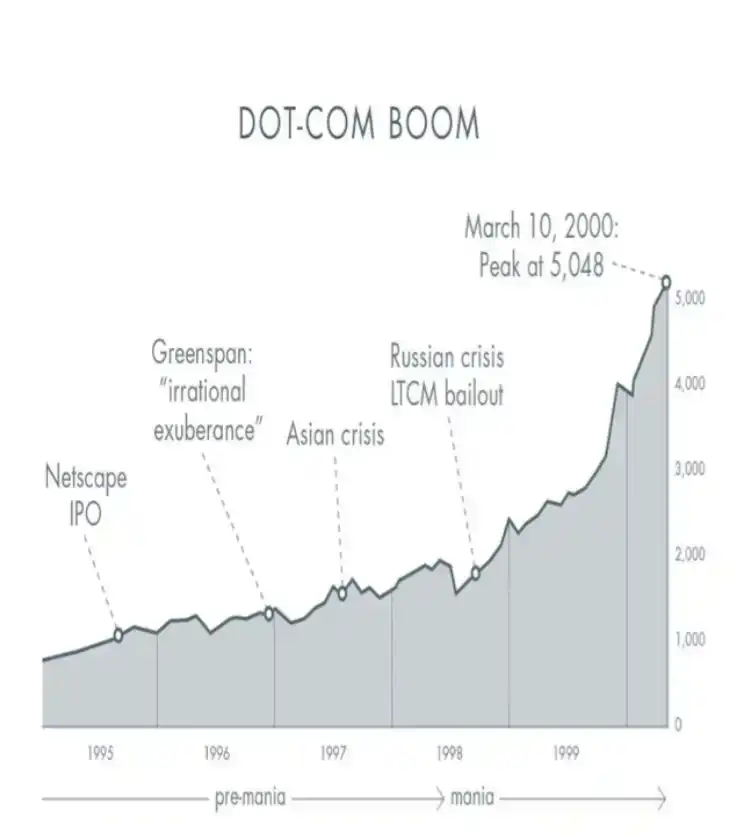
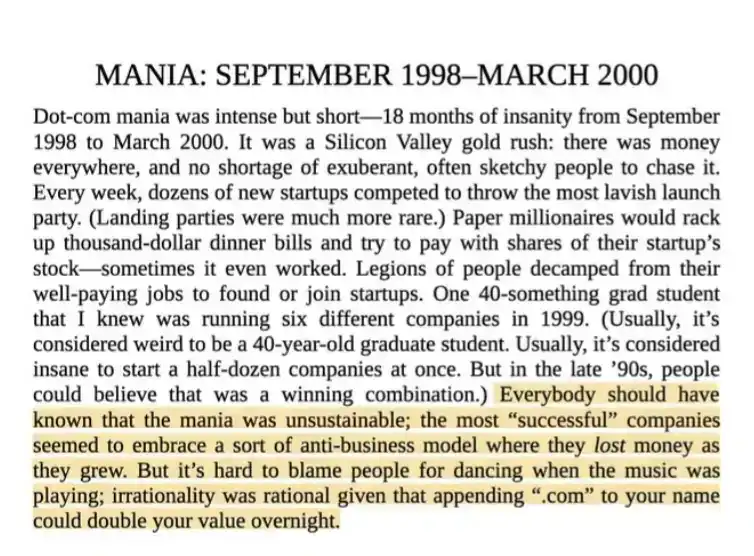
The second piece of advice is: When the music is playing, you dance, but don't get drunk.

Right now the music is deafening, maybe even about to blow the speakers. But bigger backup speakers are being manufactured, and this party clearly isn't over.

This is a reminder to myself, and to anyone who needs to hear it: remember to touch grass, cook your own meals, don't let Big Bubble Behavior warp your judgment. Borrowing wisdom from my friend Samir: Let's barbecue soon. Do you know a fish guy?
From Peter Thiel's *Zero to One*

Original link

Perguntas relacionadas

QWhat are some key characteristics of the 'Big Bubble Behavior' the author observes in San Francisco's current tech scene?

AThe author describes 'Big Bubble Behavior' as actions and energies characteristic of the 'Frenzy Phase' of a financial bubble. Key observations include: a jittery, manic energy among people (literally 'shaking'), a single dominant status game centered around tech and AI, rampant comparison through vanity metrics like funding rounds and equity packages, and conspicuous consumption (e.g., lobster tails at parties). It represents a period where market psychology abandons fundamentals for capital gains.

QAccording to the author, what is the main difference between the social 'status games' in San Francisco compared to New York?

AThe author states that in San Francisco, there is essentially only one dominant status game: technology/AI. This leads to intense, direct comparison among individuals based on tech-specific metrics like funding and valuation. In contrast, New York has at least seven different status games (e.g., finance, law, fashion, media, old money), which are diverse and distant enough from each other that they spread ambition and make social dynamics more varied and interesting to learn about.

QHow does the author interpret the prevalent 'doomerism' or apocalyptic anxiety about AI in San Francisco?

AThe author acknowledges the doomerism but offers a skeptical and somewhat optimistic personal view. While admitting lab researchers might have valid safety concerns, the author feels this outlook is personally unhelpful. The core belief is that humans will adapt, work will shift to higher levels of abstraction, and new things will become valuable. The author also references Karl Polanyi's theory of the 'Double Movement,' suggesting society might push back against market-driven AI commodification, and humorously suggests investing in 'society, culture, and religious institutions' as a counter-trade.

QWhat parallel does the author draw between the AI investment landscape and the film 'The Big Short'?

AThe author draws a parallel between the reverence for quantitative experts in 'The Big Short' and the current fascination with 'math prodigies' in AI investing. In the film, a math champion is presented as the ultimate authority for a financial model. Similarly, in today's AI scene, many sought-after founders are former math competition champions from childhood. The author notes that an entire 'asset class' has formed around identifying and betting on these 'math genius kids' as the next generation's ticket to outsized returns, akin to sports scouting.

QWhat two pieces of advice about navigating financial bubbles does the author share from a seasoned investor?

AThe two pieces of advice are: 1) You will experience three bubbles in your lifetime. The first, you naively ride in euphoria. The second, you participate with some experience. The third is your chance to build generational wealth, as you've learned to manage risk, emotion, and exits. 2) When the music is playing, you must dance. But don't get drunk. The author applies this to the current AI frenzy, noting the music is loud but cautioning against letting 'Big Bubble Behavior' distort judgment.

Leituras Relacionadas

When AI Begins to Audit the World: From Claude Discovering the ZEC Vulnerability, Watching the Encryption Industry Enter the 'Recursive Security Era'

**When AI Audits the World: From Claude's Discovery of a ZEC Vulnerability, Viewing the Crypto Industry Entering a "Recursive Security Era"** This article examines a pivotal shift in the blockchain security landscape, triggered by the convergence of two events: Anthropic's research on AI's "Recursive Self-Improvement" and Claude Opus 4.8's discovery of a critical vulnerability in Zcash's code. Traditionally, crypto security has relied on human experts and automated tools for periodic audits. However, the article argues AI is transitioning from a mere tool to an active participant in understanding and analyzing complex systems. Claude's ability to identify a subtle flaw in Zcash's zero-knowledge proof system demonstrates AI's potential to dramatically lower the cost and time required for risk discovery. This goes beyond finding a single bug; it signals a change in the very mechanism of how vulnerabilities are found. The core thesis introduces the concept of "Recursive Security," drawing a parallel to Anthropic's "Recursive Self-Improvement." Just as AI can accelerate its own development through feedback loops, security systems are evolving towards a continuous cycle of analysis, risk identification, remediation, and re-analysis. Security is becoming a persistent, evolving capability integrated into a system's lifecycle, rather than a one-time pre-launch audit. This shift is particularly urgent for the crypto industry, where system complexity from Layer-2 networks, modular architectures, and ZK-proofs is growing faster than human analysis capacity. AI excels at the pattern recognition and contextual understanding needed to navigate this complexity. Importantly, the article cautions that AI augments both defenders and potential attackers, accelerating the entire threat landscape. The future competitive advantage may not lie in having zero vulnerabilities, but in having the fastest risk discovery, validation, and response capabilities. The Claude-Zcash incident is thus an early signal of an era where AI-driven, recursive security systems become essential for managing risk in an increasingly complex digital world.

marsbitHá 1h

When AI Begins to Audit the World: From Claude Discovering the ZEC Vulnerability, Watching the Encryption Industry Enter the 'Recursive Security Era'

marsbitHá 1h

From MSTR to STRC+: Where Is the Limit of the Strategy Universe?

From MSTR to STRC+: The Evolution and Limits of the Strategy Universe This article examines the transformation of Strategy (formerly MicroStrategy) from a simple "Bitcoin treasury" company into a complex financial engineering firm building a BTC-backed credit system. **Core Thesis:** Strategy's true significance lies not just in its massive BTC holdings (~844k BTC), but in its attempt to transform this static reserve into a multi-layered credit curve within traditional capital markets and, subsequently, into on-chain yield infrastructure. **The MSTR Flywheel:** The initial model was a reflexive loop: BTC price rises → MSTR stock rises → company raises capital (debt/equity) at a premium → buys more BTC → increases per-share BTC exposure → MSTR premium grows. This "amplified Bitcoin" equity (MSTR) thrives on bullish momentum but is vulnerable to tightening premiums and rising funding costs. **Building the Credit Curve:** Strategy's innovation is slicing its single BTC balance sheet into different risk/return profiles via specialized securities: * **MSTR:** High-volatility equity layer absorbing full BTC upside/downside. * **STRC:** Key product. A perpetual preferred stock designed as "short duration high yield credit," offering ~11.5% floating monthly dividends. It attracts fixed-income investors seeking yield without direct BTC exposure, funding Strategy's operations. * **STRD/STRK/STRF:** Other preferred/share classes with varying durations, conversion rights, and fixed dividends. **Risks of the STRC Model:** STRC's high yield is not risk-free. Its stability depends on: 1) Sufficient BTC asset coverage, 2) Strategy's continued ability to pay dividends, and 3) Market faith in the MSTR/STRC funding flywheel. Stress points include deep BTC price declines eroding the asset buffer, rising dividend costs if STRC trades below par, and a broken flywheel if MSTR's premium (mNAV) falls persistently. **On-Chain Expansion: STRC+:** Projects like **Saturn** and **Apyx** aim to package STRC's (and other DAT preferred stock) cash flows into on-chain stablecoin yield (e.g., sUSDat, apyUSD). They offer DeFi a new yield source distinct from trading fees or incentives—cash dividends from traditional securities. However, this introduces compounded risks: off-chain custody, issuer credit risk, BTC volatility, and protocol execution risk. **Conclusion: The Ultimate Boundary** Strategy's endgame is not infinite BTC accumulation. It is the market's long-term acceptance of a new credit system where BTC serves as collateral for tradable securities whose cash flows can power on-chain financial applications. Its "universe" expands if this BTC-native credit curve gains legitimacy, but contracts if these instruments are repriced purely as high-risk, yield-bearing credit assets without stablecoin mythology.

marsbitHá 1h

From MSTR to STRC+: Where Is the Limit of the Strategy Universe?

marsbitHá 1h

Trading

Spot
Futuros

Artigos em Destaque

O que é GROK AI

Grok AI: Revolucionar a Tecnologia Conversacional na Era Web3 Introdução No panorama em rápida evolução da inteligência artificial, a Grok AI destaca-se como um projeto notável que liga os domínios da tecnologia avançada e da interação com o utilizador. Desenvolvida pela xAI, uma empresa liderada pelo renomado empreendedor Elon Musk, a Grok AI procura redefinir a forma como interagimos com a inteligência artificial. À medida que o movimento Web3 continua a florescer, a Grok AI visa aproveitar o poder da IA conversacional para responder a consultas complexas, proporcionando aos utilizadores uma experiência que é não apenas informativa, mas também divertida. O que é a Grok AI? A Grok AI é um sofisticado chatbot de IA conversacional projetado para interagir com os utilizadores de forma dinâmica. Ao contrário de muitos sistemas de IA tradicionais, a Grok AI abraça uma gama mais ampla de perguntas, incluindo aquelas tipicamente consideradas inadequadas ou fora das respostas padrão. Os principais objetivos do projeto incluem: Raciocínio Fiável: A Grok AI enfatiza o raciocínio de senso comum para fornecer respostas lógicas com base na compreensão contextual. Supervisão Escalável: A integração de assistência de ferramentas garante que as interações dos utilizadores sejam monitorizadas e otimizadas para qualidade. Verificação Formal: A segurança é primordial; a Grok AI incorpora métodos de verificação formal para aumentar a fiabilidade das suas saídas. Compreensão de Longo Contexto: O modelo de IA destaca-se na retenção e recordação de um extenso histórico de conversas, facilitando discussões significativas e contextualizadas. Robustez Adversarial: Ao focar na melhoria das suas defesas contra entradas manipuladas ou maliciosas, a Grok AI visa manter a integridade das interações dos utilizadores. Em essência, a Grok AI não é apenas um dispositivo de recuperação de informações; é um parceiro conversacional imersivo que incentiva um diálogo dinâmico. Criador da Grok AI A mente por trás da Grok AI não é outra senão Elon Musk, um indivíduo sinónimo de inovação em vários campos, incluindo automóvel, viagens espaciais e tecnologia. Sob a égide da xAI, uma empresa focada em avançar a tecnologia de IA de maneiras benéficas, a visão de Musk visa reformular a compreensão das interações com a IA. A liderança e a ética fundacional são profundamente influenciadas pelo compromisso de Musk em ultrapassar os limites tecnológicos. Investidores da Grok AI Embora os detalhes específicos sobre os investidores que apoiam a Grok AI permaneçam limitados, é reconhecido publicamente que a xAI, a incubadora do projeto, é fundada e apoiada principalmente pelo próprio Elon Musk. As anteriores empreitadas e participações de Musk fornecem um forte apoio, reforçando ainda mais a credibilidade e o potencial de crescimento da Grok AI. No entanto, até agora, informações sobre fundações ou organizações de investimento adicionais que apoiam a Grok AI não estão prontamente acessíveis, marcando uma área para exploração futura potencial. Como Funciona a Grok AI? A mecânica operacional da Grok AI é tão inovadora quanto a sua estrutura conceptual. O projeto integra várias tecnologias de ponta que facilitam as suas funcionalidades únicas: Infraestrutura Robusta: A Grok AI é construída utilizando Kubernetes para orquestração de contêineres, Rust para desempenho e segurança, e JAX para computação numérica de alto desempenho. Este trio assegura que o chatbot opere de forma eficiente, escale eficazmente e sirva os utilizadores prontamente. Acesso a Conhecimento em Tempo Real: Uma das características distintivas da Grok AI é a sua capacidade de aceder a dados em tempo real através da plataforma X—anteriormente conhecida como Twitter. Esta capacidade concede à IA acesso às informações mais recentes, permitindo-lhe fornecer respostas e recomendações oportunas que outros modelos de IA poderiam perder. Dois Modos de Interação: A Grok AI oferece aos utilizadores a escolha entre “Modo Divertido” e “Modo Regular”. O Modo Divertido permite um estilo de interação mais lúdico e humorístico, enquanto o Modo Regular foca em fornecer respostas precisas e exatas. Esta versatilidade assegura uma experiência adaptada que atende a várias preferências dos utilizadores. Em essência, a Grok AI combina desempenho com envolvimento, criando uma experiência que é tanto enriquecedora quanto divertida. Cronologia da Grok AI A jornada da Grok AI é marcada por marcos fundamentais que refletem as suas fases de desenvolvimento e implementação: Desenvolvimento Inicial: A fase fundamental da Grok AI ocorreu ao longo de aproximadamente dois meses, durante os quais o treinamento inicial e o ajuste do modelo foram realizados. Lançamento Beta do Grok-2: Numa evolução significativa, o beta do Grok-2 foi anunciado. Este lançamento introduziu duas versões do chatbot—Grok-2 e Grok-2 mini—cada uma equipada com capacidades para conversar, programar e raciocinar. Acesso Público: Após o seu desenvolvimento beta, a Grok AI tornou-se disponível para os utilizadores da plataforma X. Aqueles com contas verificadas por um número de telefone e ativas há pelo menos sete dias podem aceder a uma versão limitada, tornando a tecnologia disponível para um público mais amplo. Esta cronologia encapsula o crescimento sistemático da Grok AI desde a sua concepção até ao envolvimento público, enfatizando o seu compromisso com a melhoria contínua e a interação com o utilizador. Principais Características da Grok AI A Grok AI abrange várias características principais que contribuem para a sua identidade inovadora: Integração de Conhecimento em Tempo Real: O acesso a informações atuais e relevantes diferencia a Grok AI de muitos modelos estáticos, permitindo uma experiência de utilizador envolvente e precisa. Estilos de Interação Versáteis: Ao oferecer modos de interação distintos, a Grok AI atende a várias preferências dos utilizadores, convidando à criatividade e personalização na conversa com a IA. Base Tecnológica Avançada: A utilização de Kubernetes, Rust e JAX fornece ao projeto uma estrutura sólida para garantir fiabilidade e desempenho ótimo. Consideração de Discurso Ético: A inclusão de uma função de geração de imagens demonstra o espírito inovador do projeto. No entanto, também levanta considerações éticas em torno dos direitos autorais e da representação respeitosa de figuras reconhecíveis—uma discussão em curso dentro da comunidade de IA. Conclusão Como uma entidade pioneira no domínio da IA conversacional, a Grok AI encapsula o potencial para experiências transformadoras do utilizador na era digital. Desenvolvida pela xAI e impulsionada pela abordagem visionária de Elon Musk, a Grok AI integra conhecimento em tempo real com capacidades avançadas de interação. Esforça-se por ultrapassar os limites do que a inteligência artificial pode alcançar, mantendo um foco nas considerações éticas e na segurança do utilizador. A Grok AI não apenas incorpora o avanço tecnológico, mas também representa um novo paradigma de conversas no panorama Web3, prometendo envolver os utilizadores com conhecimento hábil e interação lúdica. À medida que o projeto continua a evoluir, ele permanece como um testemunho do que a interseção da tecnologia, criatividade e interação humana pode alcançar.

473 Visualizações TotaisPublicado em {updateTime}Atualizado em 2024.12.26

O que é GROK AI

O que é ERC AI

Euruka Tech: Uma Visão Geral do $erc ai e as suas Ambições no Web3 Introdução No panorama em rápida evolução da tecnologia blockchain e das aplicações descentralizadas, novos projetos surgem frequentemente, cada um com objetivos e metodologias únicas. Um desses projetos é a Euruka Tech, que opera no vasto domínio das criptomoedas e do Web3. O foco principal da Euruka Tech, particularmente do seu token $erc ai, é apresentar soluções inovadoras concebidas para aproveitar as capacidades crescentes da tecnologia descentralizada. Este artigo tem como objetivo fornecer uma visão abrangente da Euruka Tech, uma exploração das suas metas, funcionalidade, a identidade do seu criador, potenciais investidores e a sua importância no contexto mais amplo do Web3. O que é a Euruka Tech, $erc ai? A Euruka Tech é caracterizada como um projeto que aproveita as ferramentas e funcionalidades oferecidas pelo ambiente Web3, focando na integração da inteligência artificial nas suas operações. Embora os detalhes específicos sobre a estrutura do projeto sejam um tanto elusivos, ele é concebido para melhorar o envolvimento dos utilizadores e automatizar processos no espaço cripto. O projeto visa criar um ecossistema descentralizado que não só facilita transações, mas também incorpora funcionalidades preditivas através da inteligência artificial, daí a designação do seu token, $erc ai. O objetivo é fornecer uma plataforma intuitiva que facilite interações mais inteligentes e um processamento eficiente de transações dentro da crescente esfera do Web3. Quem é o Criador da Euruka Tech, $erc ai? Neste momento, a informação sobre o criador ou a equipa fundadora da Euruka Tech permanece não especificada e algo opaca. Esta ausência de dados levanta preocupações, uma vez que o conhecimento sobre o histórico da equipa é frequentemente essencial para estabelecer credibilidade no setor blockchain. Portanto, categorizamos esta informação como desconhecida até que detalhes concretos sejam disponibilizados no domínio público. Quem são os Investidores da Euruka Tech, $erc ai? De forma semelhante, a identificação de investidores ou organizações de apoio para o projeto Euruka Tech não é prontamente fornecida através da pesquisa disponível. Um aspeto que é crucial para potenciais partes interessadas ou utilizadores que consideram envolver-se com a Euruka Tech é a garantia que vem de parcerias financeiras estabelecidas ou apoio de empresas de investimento respeitáveis. Sem divulgações sobre afiliações de investimento, é difícil tirar conclusões abrangentes sobre a segurança financeira ou a longevidade do projeto. Em linha com a informação encontrada, esta seção também se encontra no estado de desconhecido. Como funciona a Euruka Tech, $erc ai? Apesar da falta de especificações técnicas detalhadas para a Euruka Tech, é essencial considerar as suas ambições inovadoras. O projeto procura aproveitar o poder computacional da inteligência artificial para automatizar e melhorar a experiência do utilizador no ambiente das criptomoedas. Ao integrar IA com tecnologia blockchain, a Euruka Tech visa fornecer funcionalidades como negociações automatizadas, avaliações de risco e interfaces de utilizador personalizadas. A essência inovadora da Euruka Tech reside no seu objetivo de criar uma conexão fluida entre os utilizadores e as vastas possibilidades apresentadas pelas redes descentralizadas. Através da utilização de algoritmos de aprendizagem automática e IA, visa minimizar os desafios enfrentados por utilizadores de primeira viagem e agilizar as experiências transacionais dentro do quadro do Web3. Esta simbiose entre IA e blockchain sublinha a importância do token $erc ai, que se apresenta como uma ponte entre interfaces de utilizador tradicionais e as capacidades avançadas das tecnologias descentralizadas. Cronologia da Euruka Tech, $erc ai Infelizmente, devido à informação limitada disponível sobre a Euruka Tech, não conseguimos apresentar uma cronologia detalhada dos principais desenvolvimentos ou marcos na jornada do projeto. Esta cronologia, tipicamente inestimável para traçar a evolução de um projeto e compreender a sua trajetória de crescimento, não está atualmente disponível. À medida que informações sobre eventos notáveis, parcerias ou adições funcionais se tornem evidentes, atualizações certamente aumentarão a visibilidade da Euruka Tech na esfera cripto. Esclarecimento sobre Outros Projetos “Eureka” É importante abordar que múltiplos projetos e empresas partilham uma nomenclatura semelhante com “Eureka.” A pesquisa identificou iniciativas como um agente de IA da NVIDIA Research, que se concentra em ensinar robôs a realizar tarefas complexas utilizando métodos generativos, bem como a Eureka Labs e a Eureka AI, que melhoram a experiência do utilizador na educação e na análise de serviços ao cliente, respetivamente. No entanto, estes projetos são distintos da Euruka Tech e não devem ser confundidos com os seus objetivos ou funcionalidades. Conclusão A Euruka Tech, juntamente com o seu token $erc ai, representa um jogador promissor, mas atualmente obscuro, dentro do panorama do Web3. Embora os detalhes sobre o seu criador e investidores permaneçam não divulgados, a ambição central de combinar inteligência artificial com tecnologia blockchain destaca-se como um ponto focal de interesse. As abordagens únicas do projeto em promover o envolvimento do utilizador através da automação avançada podem diferenciá-lo à medida que o ecossistema Web3 avança. À medida que o mercado cripto continua a evoluir, as partes interessadas devem manter um olhar atento sobre os avanços em torno da Euruka Tech, uma vez que o desenvolvimento de inovações documentadas, parcerias ou um roteiro definido pode apresentar oportunidades significativas no futuro próximo. Neste momento, aguardamos por insights mais substanciais que possam desvendar o potencial da Euruka Tech e a sua posição no competitivo panorama cripto.

511 Visualizações TotaisPublicado em {updateTime}Atualizado em 2025.01.02

O que é ERC AI

O que é DUOLINGO AI

DUOLINGO AI: Integrar a Aprendizagem de Línguas com Inovação Web3 e IA Numa era em que a tecnologia transforma a educação, a integração da inteligência artificial (IA) e das redes blockchain anuncia uma nova fronteira para a aprendizagem de línguas. Apresentamos DUOLINGO AI e a sua criptomoeda associada, $DUOLINGO AI. Este projeto aspira a unir o poder educativo das principais plataformas de aprendizagem de línguas com os benefícios da tecnologia descentralizada Web3. Este artigo explora os principais aspectos do DUOLINGO AI, analisando os seus objetivos, estrutura tecnológica, desenvolvimento histórico e potencial futuro, mantendo a clareza entre o recurso educativo original e esta iniciativa independente de criptomoeda. Visão Geral do DUOLINGO AI No seu cerne, DUOLINGO AI procura estabelecer um ambiente descentralizado onde os alunos podem ganhar recompensas criptográficas por alcançar marcos educativos em proficiência linguística. Ao aplicar contratos inteligentes, o projeto visa automatizar processos de verificação de habilidades e alocação de tokens, aderindo aos princípios do Web3 que enfatizam a transparência e a propriedade do utilizador. O modelo diverge das abordagens tradicionais de aquisição de línguas ao apoiar-se fortemente numa estrutura de governança orientada pela comunidade, permitindo que os detentores de tokens sugiram melhorias ao conteúdo dos cursos e à distribuição de recompensas. Alguns dos objetivos notáveis do DUOLINGO AI incluem: Aprendizagem Gamificada: O projeto integra conquistas em blockchain e tokens não fungíveis (NFTs) para representar níveis de proficiência linguística, promovendo a motivação através de recompensas digitais envolventes. Criação de Conteúdo Descentralizada: Abre caminhos para educadores e entusiastas de línguas contribuírem com os seus cursos, facilitando um modelo de partilha de receitas que beneficia todos os colaboradores. Personalização Através de IA: Ao empregar modelos avançados de aprendizagem de máquina, o DUOLINGO AI personaliza as lições para se adaptar ao progresso de aprendizagem individual, semelhante às características adaptativas encontradas em plataformas estabelecidas. Criadores do Projeto e Governança A partir de abril de 2025, a equipa por trás do $DUOLINGO AI permanece pseudónima, uma prática frequente no panorama descentralizado das criptomoedas. Esta anonimidade visa promover o crescimento coletivo e o envolvimento das partes interessadas, em vez de se concentrar em desenvolvedores individuais. O contrato inteligente implementado na blockchain Solana indica o endereço da carteira do desenvolvedor, o que significa o compromisso com a transparência em relação às transações, apesar da identidade dos criadores ser desconhecida. De acordo com o seu roteiro, o DUOLINGO AI pretende evoluir para uma Organização Autónoma Descentralizada (DAO). Esta estrutura de governança permite que os detentores de tokens votem em questões críticas, como implementações de funcionalidades e alocação de tesouraria. Este modelo alinha-se com a ética de empoderamento comunitário encontrada em várias aplicações descentralizadas, enfatizando a importância da tomada de decisão coletiva. Investidores e Parcerias Estratégicas Atualmente, não existem investidores institucionais ou capitalistas de risco publicamente identificáveis ligados ao $DUOLINGO AI. Em vez disso, a liquidez do projeto origina-se principalmente de trocas descentralizadas (DEXs), marcando um contraste acentuado com as estratégias de financiamento das empresas tradicionais de tecnologia educacional. Este modelo de base indica uma abordagem orientada pela comunidade, refletindo o compromisso do projeto com a descentralização. No seu whitepaper, o DUOLINGO AI menciona a formação de colaborações com “plataformas de educação blockchain” não especificadas, com o objetivo de enriquecer a sua oferta de cursos. Embora parcerias específicas ainda não tenham sido divulgadas, estes esforços colaborativos sugerem uma estratégia para misturar inovação em blockchain com iniciativas educativas, expandindo o acesso e o envolvimento dos utilizadores em diversas vias de aprendizagem. Arquitetura Tecnológica Integração de IA O DUOLINGO AI incorpora dois componentes principais impulsionados por IA para melhorar as suas ofertas educativas: Motor de Aprendizagem Adaptativa: Este motor sofisticado aprende a partir das interações dos utilizadores, semelhante a modelos proprietários de grandes plataformas educativas. Ele ajusta dinamicamente a dificuldade das lições para abordar desafios específicos dos alunos, reforçando áreas fracas através de exercícios direcionados. Agentes Conversacionais: Ao empregar chatbots alimentados por GPT-4, o DUOLINGO AI oferece uma plataforma para os utilizadores se envolverem em conversas simuladas, promovendo uma experiência de aprendizagem de línguas mais interativa e prática. Infraestrutura Blockchain Construído na blockchain Solana, o $DUOLINGO AI utiliza uma estrutura tecnológica abrangente que inclui: Contratos Inteligentes de Verificação de Habilidades: Esta funcionalidade atribui automaticamente tokens aos utilizadores que passam com sucesso em testes de proficiência, reforçando a estrutura de incentivos para resultados de aprendizagem genuínos. Emblemas NFT: Estes tokens digitais significam vários marcos que os alunos alcançam, como completar uma seção do seu curso ou dominar habilidades específicas, permitindo-lhes negociar ou exibir as suas conquistas digitalmente. Governança DAO: Membros da comunidade com tokens podem participar na governança votando em propostas-chave, facilitando uma cultura participativa que incentiva a inovação nas ofertas de cursos e funcionalidades da plataforma. Cronologia Histórica 2022–2023: Conceituação O trabalho preliminar para o DUOLINGO AI começa com a criação de um whitepaper, destacando a sinergia entre os avanços em IA na aprendizagem de línguas e o potencial descentralizado da tecnologia blockchain. 2024: Lançamento Beta Um lançamento beta limitado introduz ofertas em línguas populares, recompensando os primeiros utilizadores com incentivos em tokens como parte da estratégia de envolvimento comunitário do projeto. 2025: Transição para DAO Em abril, ocorre um lançamento completo da mainnet com a circulação de tokens, promovendo discussões comunitárias sobre possíveis expansões para línguas asiáticas e outros desenvolvimentos de cursos. Desafios e Direções Futuras Obstáculos Técnicos Apesar dos seus objetivos ambiciosos, o DUOLINGO AI enfrenta desafios significativos. A escalabilidade continua a ser uma preocupação constante, particularmente no equilíbrio dos custos associados ao processamento de IA e à manutenção de uma rede descentralizada responsiva. Além disso, garantir a criação e moderação de conteúdo de qualidade num ambiente descentralizado apresenta complexidades na manutenção dos padrões educativos. Oportunidades Estratégicas Olhando para o futuro, o DUOLINGO AI tem o potencial de aproveitar parcerias de micro-certificação com instituições académicas, proporcionando validações verificadas em blockchain das habilidades linguísticas. Além disso, a expansão cross-chain poderia permitir que o projeto acedesse a bases de utilizadores mais amplas e a ecossistemas de blockchain adicionais, melhorando a sua interoperabilidade e alcance. Conclusão DUOLINGO AI representa uma fusão inovadora de inteligência artificial e tecnologia blockchain, apresentando uma alternativa focada na comunidade aos sistemas tradicionais de aprendizagem de línguas. Embora o seu desenvolvimento pseudónimo e o modelo económico emergente tragam certos riscos, o compromisso do projeto com a aprendizagem gamificada, educação personalizada e governança descentralizada ilumina um caminho a seguir para a tecnologia educativa no domínio do Web3. À medida que a IA continua a avançar e o ecossistema blockchain evolui, iniciativas como o DUOLINGO AI poderão redefinir a forma como os utilizadores interagem com a educação linguística, empoderando comunidades e recompensando o envolvimento através de mecanismos de aprendizagem inovadores.

442 Visualizações TotaisPublicado em {updateTime}Atualizado em 2025.04.11

O que é DUOLINGO AI

Discussões

Bem-vindo à Comunidade HTX. Aqui, pode manter-se informado sobre os mais recentes desenvolvimentos da plataforma e obter acesso a análises profissionais de mercado. As opiniões dos utilizadores sobre o preço de AI (AI) são apresentadas abaixo.

活动图片