Variant: Three L1 Assets That Could Become Primary Stores of Value

链捕手Publicado em 2026-06-02Última atualização em 2026-06-02

Resumo

The core belief at Variant is that individuals should own their money, identity, and data. A key framework for evaluating first-layer blockchain (L1) networks is viewing their native tokens as potential stores of value (SOV). A good SOV asset is defined by several key attributes: technical durability (its likelihood to exist and function in 5-10 years), scarcity and predictable inflation, censorship resistance, economic productivity (its utility in facilitating economic activity), memetic strength (widespread social consensus on its value), and liquidity. Based on this framework, three L1 assets are highlighted as leading contenders for becoming major SOVs, each excelling in different dimensions: * **Bitcoin (BTC)** is dominant in memetic strength, widely recognized as "digital gold." Its growing belief network among individuals and institutions reinforces its SOV status. * **Ethereum (ETH)** excels in technical durability and adaptability. Its ability to upgrade and a transparent roadmap provide confidence in its long-term resilience against future challenges. * **Zcash (ZEC)** offers superior censorship resistance and privacy through its shielded pools. This provides individuals with a long-term option to protect assets from confiscation or surveillance. The total market for SOV assets like gold is immense (gold's market cap is ~$31T). Despite often surpassing traditional SOVs on these fundamental metrics, digital assets currently capture only a small fraction of t...

Author:Alana Levin,Variant

Compiler:Hu Tao,ChainCatcher

At the core of our investment philosophy at Variant is the belief that people should be able to own their own money, identity, and data.

We look for large markets that support and expand access to and ownership of the resources individuals and organizations need for daily life. Our investments in crypto networks have turned many of these ideas into reality. These networks are coordination protocols built around sovereignty and self-custody.

However, questions remain about how to value these networks. Different protocols and projects have vastly different goals, so the important fundamental metrics for tracking success and predicting growth vary greatly.

We believe all tokens can be classified into one of two categories: Store of Value (SOV) assets or equity-like instruments. In particular, we find the store of value framework very useful for evaluating Layer 1 (L1) blockchains—the largest and most important money coordination protocols in the modern financial system.

Through deep exploration, we have identified a series of fundamental metrics for understanding, evaluating, and tracking the future development of these networks. This article aims to share part of our thought process, hoping to provide a useful reference for others thinking about these assets.

L1 Assets Can Act as Stores of Value

One of our core frameworks is that L1s can be analyzed and modeled as stores of value.

So, what makes an asset a good store of value? Our key fundamentals are as follows (roughly ordered by importance):

Technical Durability: Will this asset still exist in 5-10 years? To what extent will its appearance/function remain unchanged?

Scarcity: Is this asset widely available and easy to acquire? How easy is it to inflate this asset? How predictable is its inflation curve?

Censorship Resistance: How easy is it for a single entity to seize this asset? To what extent can economic activity associated with this asset be blocked or shut down?

Economic Productivity: Can this asset be used to facilitate economic activity? How useful is it in finance, for example, does it have collateral value?

Memetics: Do others perceive this asset as a store of value? An important feature of any currency is that society reaches consensus on its value and utility.

Liquidity: Is this asset widely accessible to everyone who wants it in their portfolio (regardless of size)? We place this last because it is often a downstream effect of mimetic behavior; liquidity tends to beget more liquidity, and the greater the interest in an asset, the more likely its scale (relative to inflationary currencies) is to grow. Bitcoin wasn't very liquid in its first few years, but now it's one of the world's most liquid assets.

Few markets have a larger Total Addressable Market (TAM) than stores of value. Gold—the largest and most widely recognized store of value—has a market capitalization of $31 trillion. Silver's market cap is also $4 trillion. We believe some L1s have the potential to become superior stores of value.

Sovereign Wealth Fund Assets

Currently, three L1 assets stand out as strong candidates to become primary stores of value: Bitcoin (BTC), Ethereum (ETH), and ZEC. In our framework, they each excel in different dimensions.

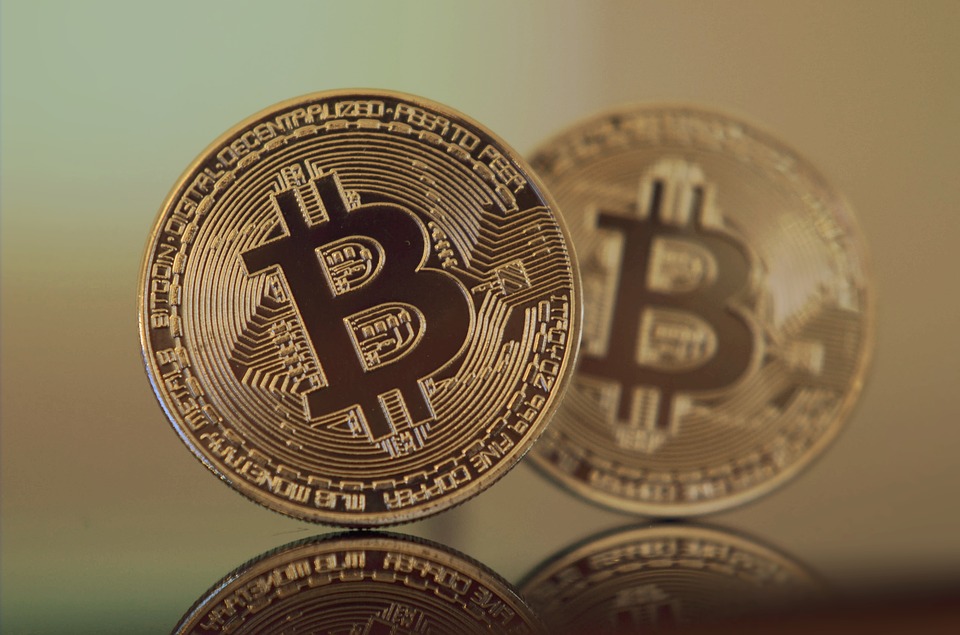
Bitcoin dominates the memetic mindshare, famously known as 'digital gold.' The strong reflexive nature of the meme is a powerful force and a crucial fundamental consideration for any store of value contender: the more people believe Bitcoin is a store of value, the more likely it is for those on the fringes to believe it is a store of value. Over the past fifteen years, individuals, funds, companies, institutions, and even nations have invested in this belief.

Ethereum may be more technically durable than Bitcoin. It is easier to upgrade, and its roadmap provides transparent, trackable, and verifiable insight into what the developer community is planning for the future. Looking ahead—and at new risks presented by innovations like quantum computing—we view this adaptability as a strength, not a flaw. At the heart of any quality sovereign asset is the belief it will still exist in a decade. Ethereum has already demonstrated strong resilience, weathering significant technical and social challenges—such as The DAO hack, the Merge, and more—and we believe it will continue to thrive in this regard.

ZCash excels in censorship resistance and privacy. The mere option provided by its shielded pool (ZCash's private transaction feature) gives individuals a way to potentially avoid future wealth confiscation or pervasive state surveillance. This is a durable advantage for ZCash, providing individuals a long-term path to protect their assets.

Overall, the value of stores of value amounts to tens of trillions of dollars. This is evident just from the status quo. We believe this space will continue to grow at a high speed, and multiple stores of value can coexist.

However, looking at today's market landscape, despite digital sovereign stores of value (SOV) outperforming gold or silver on many of the fundamental metrics mentioned above, they still represent only a small fraction of the total SOV market. For us, this represents an ambitious and exciting opportunity.

Perguntas relacionadas

QWhat are the two main categories that the author suggests all tokens can be classified into?

AThe author suggests all tokens can be classified into two categories: store of value (SOV) assets or equity-like instruments.

QAccording to the article, what are the key fundamental elements that make an asset a good store of value?

AThe key fundamental elements are (in rough order of importance): technical durability, scarcity, censorship resistance, economic productivity, memetics, and liquidity.

QWhich three L1 assets does the article identify as most likely to become primary stores of value, and what is the primary strength of each?

AThe three L1 assets are Bitcoin (BTC), Ethereum (ETH), and Zcash (ZEC). Their primary strengths are: Bitcoin's dominance in memetics, Ethereum's technical durability and adaptability, and Zcash's superior censorship resistance and privacy.

QWhy does the author consider Ethereum's adaptability an advantage for its role as a store of value?

AThe author believes Ethereum's ease of upgrade and transparent roadmap provide an advantage. This adaptability allows it to better face future challenges and technological innovations (like quantum computing), strengthening the belief that it will still exist and function well in a decade, which is a core requirement for a sovereign asset.

QWhat is the author's view on the current market share of digital SOVs compared to traditional stores of value like gold?

AThe author believes that despite digital SOVs performing better on many fundamental metrics, they still represent a very small proportion of the total store of value market (citing gold's $31 trillion market cap). This small market share is seen as a significant and exciting opportunity for growth.

Leituras Relacionadas

Trading

Spot
Futuros

Artigos em Destaque

Como comprar CORE

Bem-vindo à HTX.com!Tornámos a compra de CORE (CORE) simples e conveniente.Segue o nosso guia passo a passo para iniciar a tua jornada no mundo das criptos.Passo 1: cria a tua conta HTXUtiliza o teu e-mail ou número de telefone para te inscreveres numa conta gratuita na HTX.Desfruta de um processo de inscrição sem complicações e desbloqueia todas as funcionalidades.Obter a minha contaPasso 2: vai para Comprar Cripto e escolhe o teu método de pagamentoCartão de crédito/débito: usa o teu visa ou mastercard para comprar CORE (CORE) instantaneamente.Saldo: usa os fundos da tua conta HTX para transacionar sem problemas.Terceiros: adicionamos métodos de pagamento populares, como Google Pay e Apple Pay, para aumentar a conveniência.P2P: transaciona diretamente com outros utilizadores na HTX.Mercado de balcão (OTC): oferecemos serviços personalizados e taxas de câmbio competitivas para os traders.Passo 3: armazena teu CORE (CORE)Depois de comprar o teu CORE (CORE), armazena-o na tua conta HTX.Alternativamente, podes enviá-lo para outro lugar através de transferência blockchain ou usá-lo para transacionar outras criptomoedas.Passo 4: transaciona CORE (CORE)Transaciona facilmente CORE (CORE) no mercado à vista da HTX.Acede simplesmente à tua conta, seleciona o teu par de trading, executa as tuas transações e monitoriza em tempo real.Oferecemos uma experiência de fácil utilização tanto para principiantes como para traders experientes.

304 Visualizações TotaisPublicado em {updateTime}Atualizado em 2026.06.02

Como comprar CORE

Discussões

Bem-vindo à Comunidade HTX. Aqui, pode manter-se informado sobre os mais recentes desenvolvimentos da plataforma e obter acesso a análises profissionais de mercado. As opiniões dos utilizadores sobre o preço de CORE (CORE) são apresentadas abaixo.

活动图片