Author: Chaoxiang Research

US stocks traded in a narrow range on Wednesday. The S&P 500 fell 0.04% to close at 7,674.55 points, the Nasdaq declined 0.08% to 26,130.200 points, and the Dow Jones dropped 0.21% to 53,463.88 points, ending a two-day winning streak. The core factor pressuring the broader market was the PCE inflation data. The July PCE index rose 3.7% year-over-year, exceeding expectations, while the core PCE rose 3.3%, meeting forecasts. Rising interest rate expectations pushed up US Treasury yields and the US dollar. Gold fell below $4,600, and oil prices continued to weaken. The real focus was after the close: Nvidia's Q2 revenue of $96.2 billion exceeded expectations, with current quarter revenue projected to surpass $100 billion for the first time. Its shares rose about 4% in after-hours trading, driving Nasdaq futures up about 1%.
PCE Exceeds Expectations, Lifting Treasury Yields; Stagnant Consumer Spending Sends Warning Signal
The US July PCE price index rose 3.7% year-over-year, higher than the market expectation of 3.6%. Core PCE increased 3.3% year-over-year, in line with expectations. The overall inflation reading came in above expectations for the second consecutive month, further dimming hopes for an imminent Fed pivot to rate cuts.
Following the data release, the 10-year Treasury yield climbed to 4.68%, and the US dollar index strengthened concurrently. The rise in interest rates directly pressured high-valuation tech stocks. The three major indices fluctuated narrowly throughout the day, ultimately closing slightly lower.
Signals from the consumer side also warrant attention. July's real consumer spending unexpectedly stalled, contrasting with the higher-than-expected PCE data. Inflation is rising while consumption isn't moving, suggesting erosion in real consumer purchasing power. Walmart's recent earnings had already highlighted pressures on middle- and low-income consumers, and the latest spending data confirms this trend.
Spot gold fell about 1%, breaking below $4,600 to $4,590.40 per ounce, ending a four-day winning streak. Rising US Treasury yields and a stronger dollar exerted a dual pressure on gold.
Geopolitical Easing and Russia-Ukraine Escalation Intertwined; Oil Prices Fall Against the Trend
Oil prices moved opposite to geopolitical news. Iran and Oman reached an agreement on revenue sharing for the Strait of Hormuz, with Brent crude falling over 9% this week. WTI crude settled down 0.16% at $82.23 per barrel, while Brent crude fell 0.84% to $87.84 per barrel, marking its largest single-day drop in nearly three weeks.
Progress in navigation negotiations for the Strait of Hormuz continues, leading to a sustained decline in geopolitical risk premium, which is the main driver behind the oil price drop. While escalating Russia-Ukraine tensions should have boosted geopolitical premiums, easing signals from the Iran direction carried greater weight in the market. Oil prices weakened for multiple consecutive days, continuing to pressure the energy sector.
Memory Chips Gain Across the Board; Nvidia's Post-Market Earnings Boost AI Sentiment
The chip sector was one of the few bright spots in Wednesday's market. Western Digital rose 4.02%, Arm gained 3.93%, and the memory chip sector closed higher overall.
The 'Magnificent Seven' showed mixed performance overnight. Nvidia closed down 1.59% at $209.66, Apple fell 0.38%, Microsoft declined 0.22%, Google edged down 0.15%, while Amazon rose 0.28%, Meta gained 0.75%, and Tesla dropped 1.02%. The group as a whole closed slightly lower, aligning with the broader market direction.
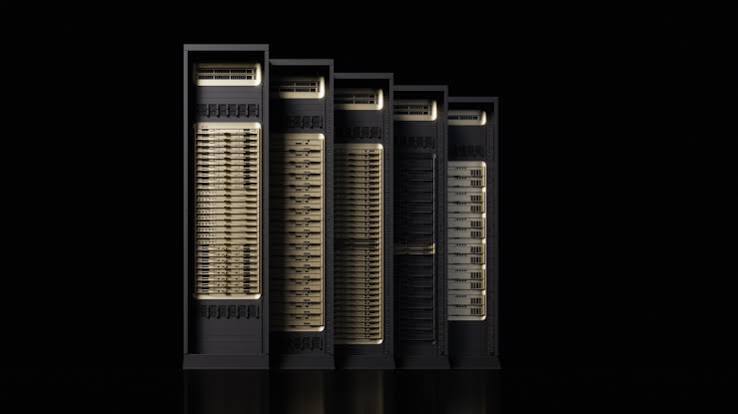
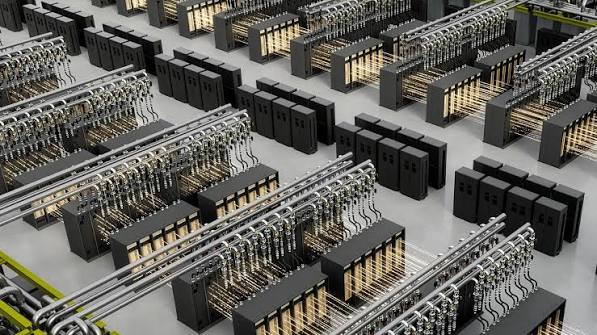
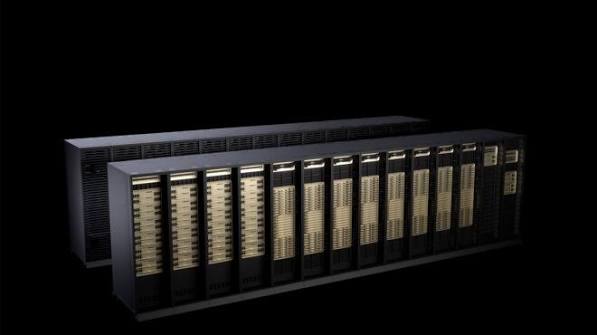
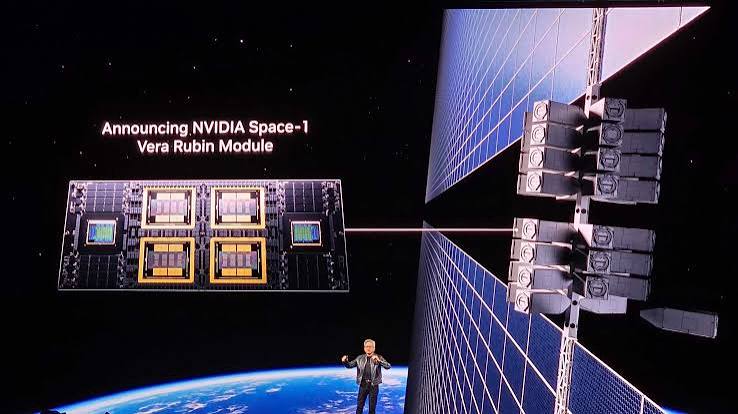
Nvidia's post-market earnings report was the true headline event. Q2 revenue of $96.2 billion more than doubled year-over-year and exceeded market expectations; current quarter revenue is projected to surpass $100 billion for the first time; and revenue guidance for the next fiscal year calls for 70% growth. Amazon's announcement of plans to deploy an additional 2 million GPUs provided further validation for Nvidia's data center revenue.
Nvidia's shares rose about 4% after-hours, and Nasdaq futures initially gained about 1%, with AI-related stocks collectively moving higher. Market focus centered on three key areas: whether data center revenue continues to exceed expectations, whether the Blackwell shipment ramp meets expectations, and whether cloud providers' capital expenditure plans can sustain future orders.
Salesforce Rallies, Software Sector Shows Independent Catalyst
Besides chips and AI, the software sector also had an independent catalyst during the day. Salesforce issued better-than-expected Q3 guidance and announced expanded cooperation with Anthropic, leading to a significant stock price increase. Meta reached a settlement with 29 US states regarding the teen addiction case, agreeing to pay up to $18 billion, an amount far below the market's previous fear of a staggering $1.4 trillion penalty. The market viewed this as a positive development.
The software sector's independent rally, the PCE data pressuring the broader market, and Nvidia boosting AI are not the same narrative thread. However, as a locally strong segment within the tech sector for the day, it is still worth mentioning in the morning report.
Bitcoin Pulls Back; Industrial Metals Maintain Strength
Bitcoin retreated after recently touching $80,000, trading around $78,300, with crypto assets overall entering a correction phase.
In industrial metals, COMEX copper futures rose 0.40% to $6.62 per pound, with New York copper continuing to hit record highs. The sustained strength in copper is directly linked to AI computing infrastructure build-out and global grid investment demand, representing another key resource trend worth tracking beyond the AI hardware supply chain.
Tonight's Focus
Whether Nvidia's post-earnings after-hours gains can sustain into the open. The Q2 revenue of $96.2 billion exceeding expectations, current quarter guidance surpassing $100 billion for the first time, and next fiscal year revenue growth of 70% all surpassed market expectations. The approximate 4% after-hours gain is not extreme, suggesting the market had already anticipated some degree of outperformance. The post-open trading action on Thursday is more crucial than the after-hours movement. The initial 1% rise in Nasdaq futures is just the first reaction. What truly determines the direction is whether funds continue buying after the open and how the market digests discussions from the earnings call regarding the Blackwell production ramp, gross margin trends, and the sustainability of cloud provider capital expenditures.
The core contradiction for overnight US stocks was inflation data pressuring the broader market, while Nvidia's earnings provided independent upward momentum for the AI sector. Over the next two days, whether inflation concerns or AI earnings performance gain the upper hand will determine the market's direction heading into early September.