[Featured Research]2023 Digital Asset Industry Outlook

MirrorPublicado em 2023-01-04Última atualização em 2023-01-04

Resumo

Experts provide their insights and outlook for the new year.

Rayne Steinberg

Chief Executive Officer, Co-founder

Prediction 1:
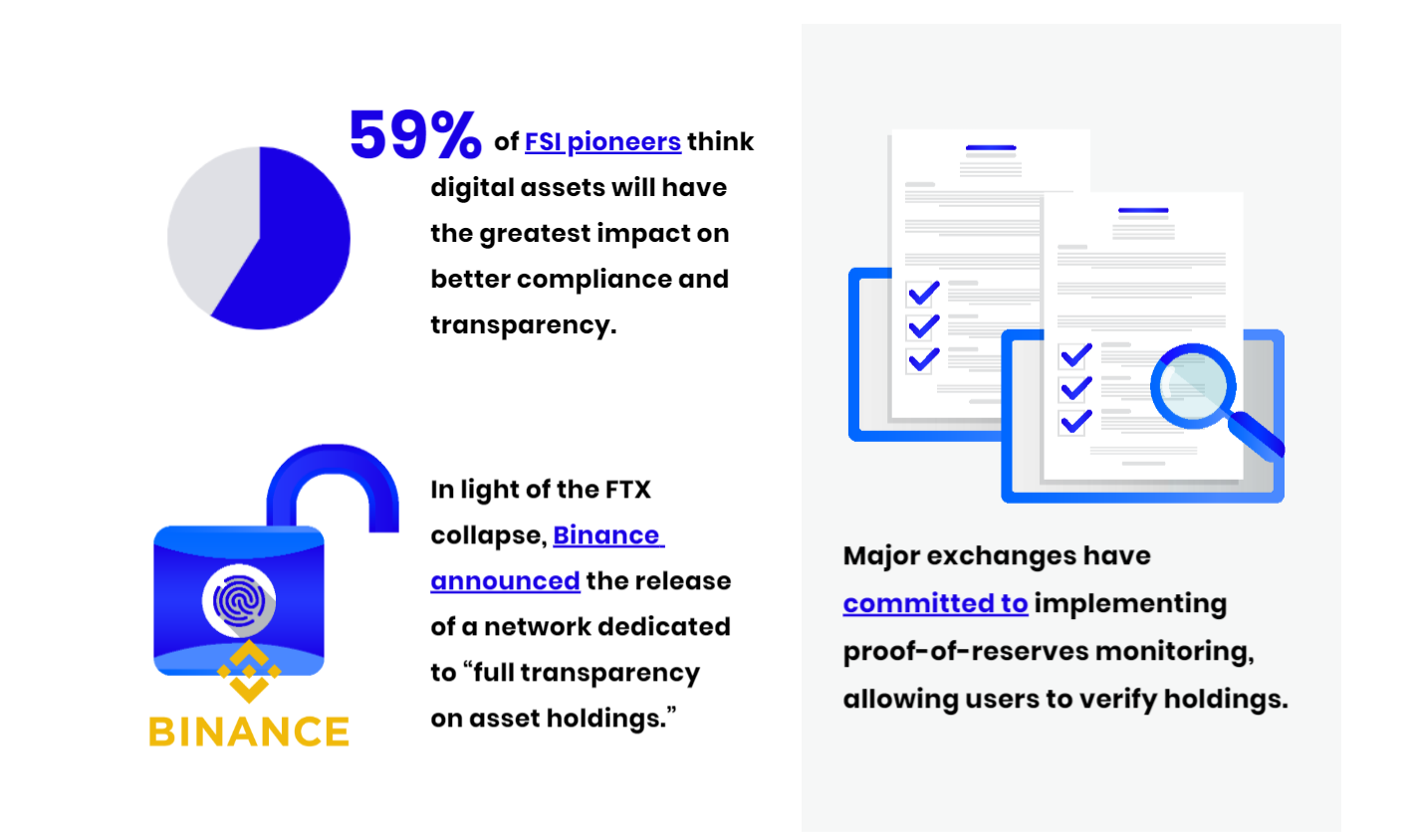
The crypto industry will see an uptick in businesses focused on the core tenets of blockchain: decentralization, transparency, and auditability.
Prediction 2:

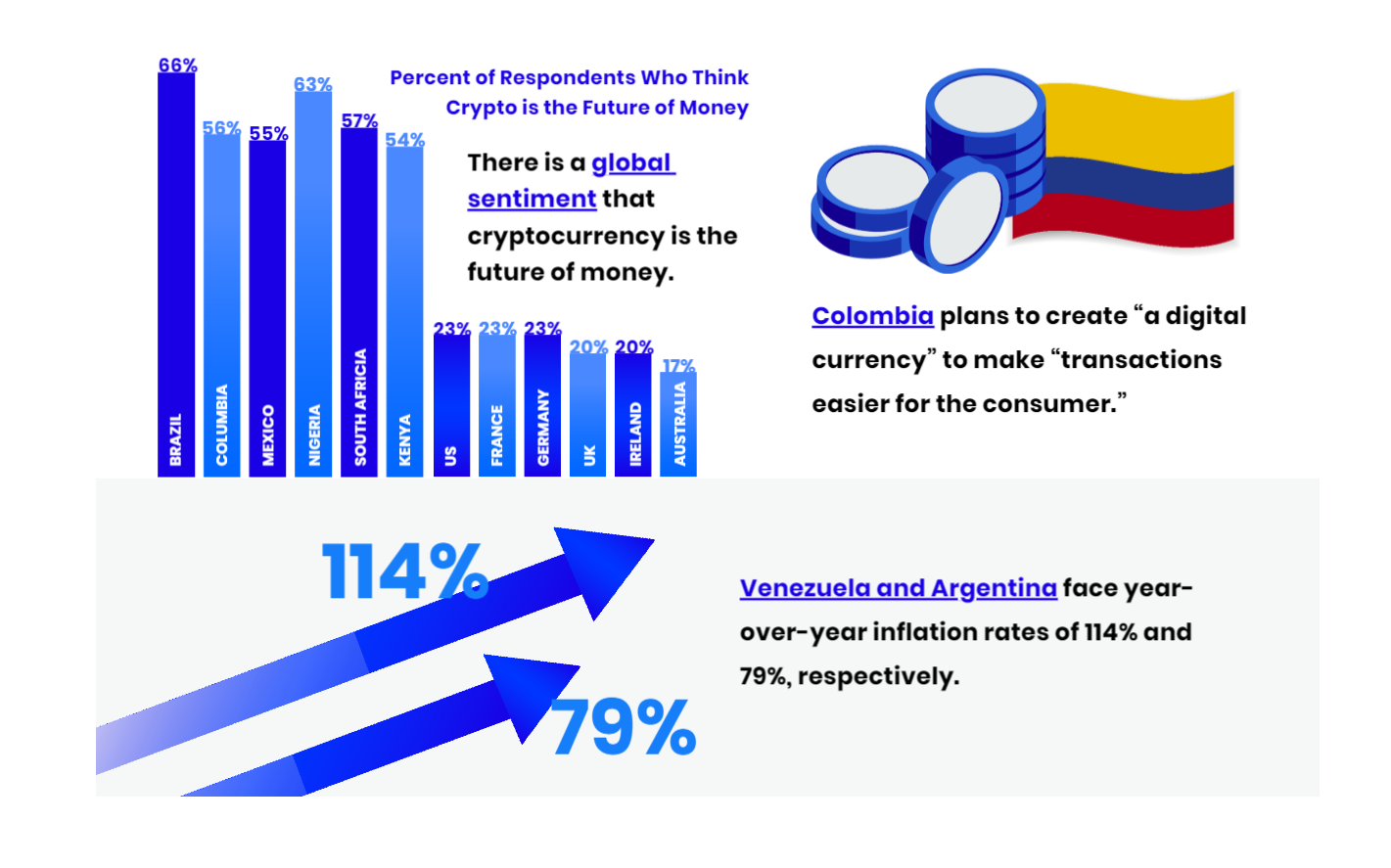
Digital asset adoption will accelerate in areas with underdeveloped financial markets.
Prediction 3:

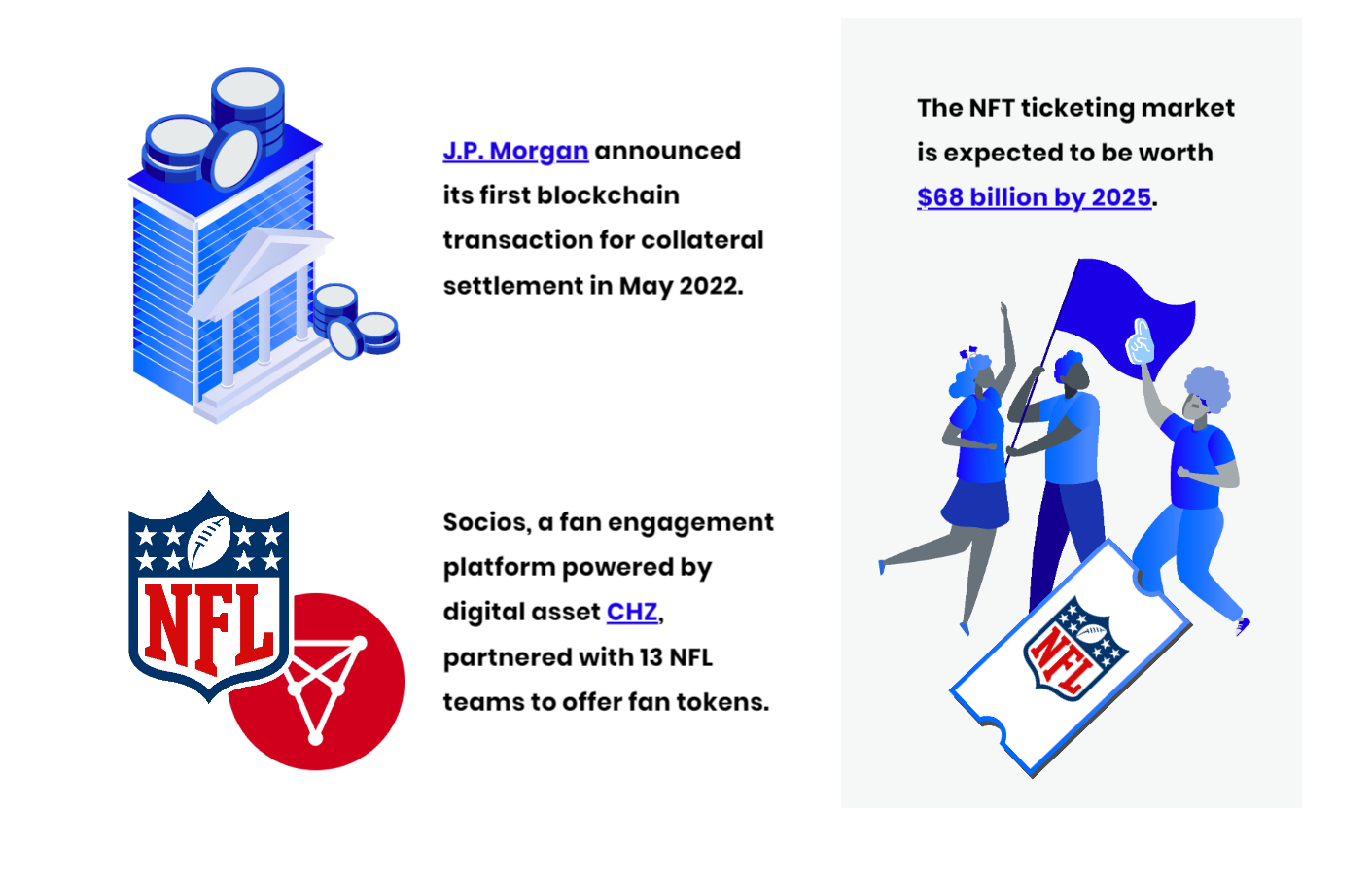
Utility with tangible value propositions will drive long-lasting adoption of digital assets.
Jeff Dorman, CFA

Chief Investment Officer, Co-founder

Prediction 1:

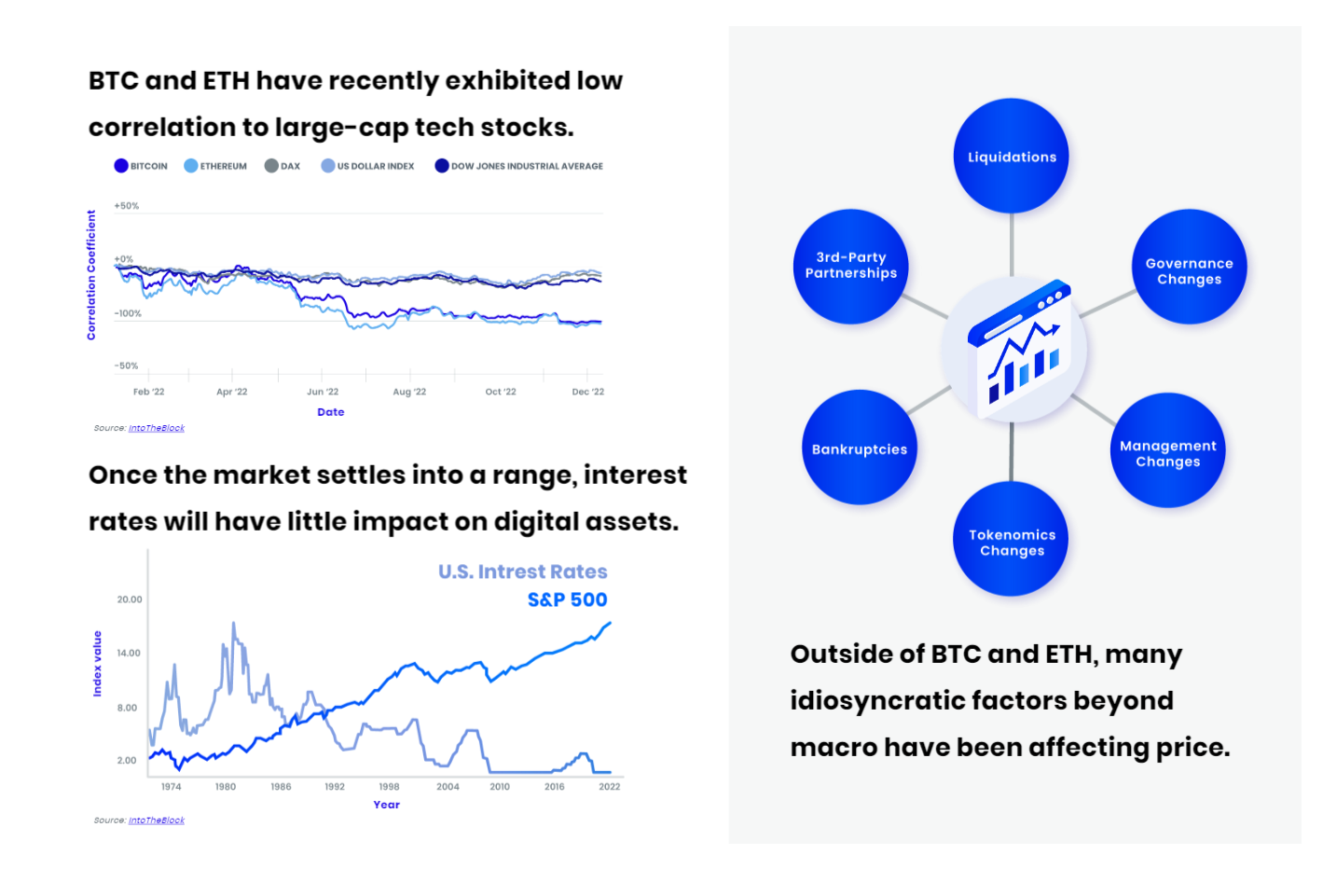
Digital assets as an asset class will continue to decouple from traditional markets and remain uncorrelated for the foreseeable future.
Prediction 2:

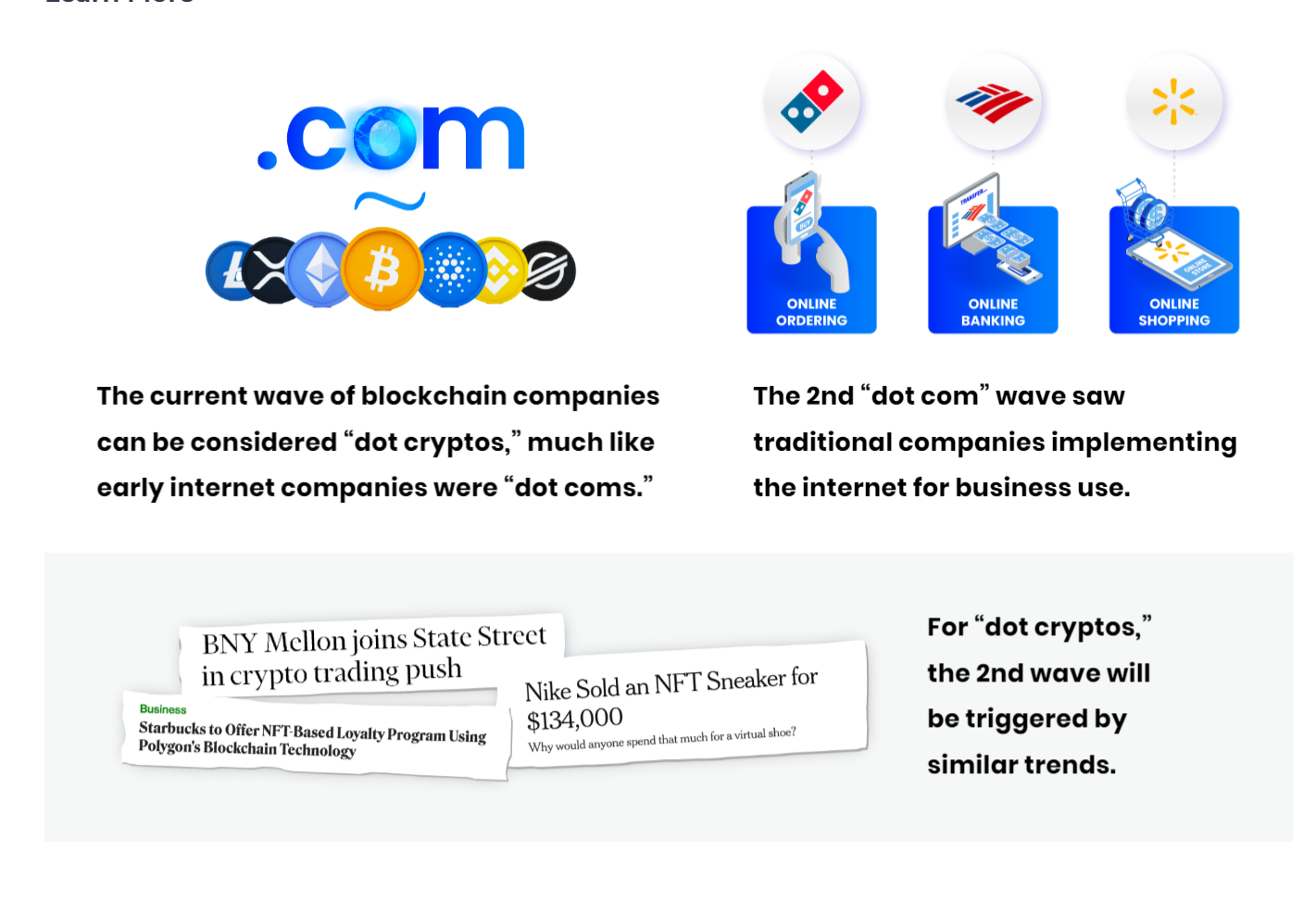
Blockchain growth will be driven by the onboarding of Web2 and TradFi corporates.
Prediction 3:

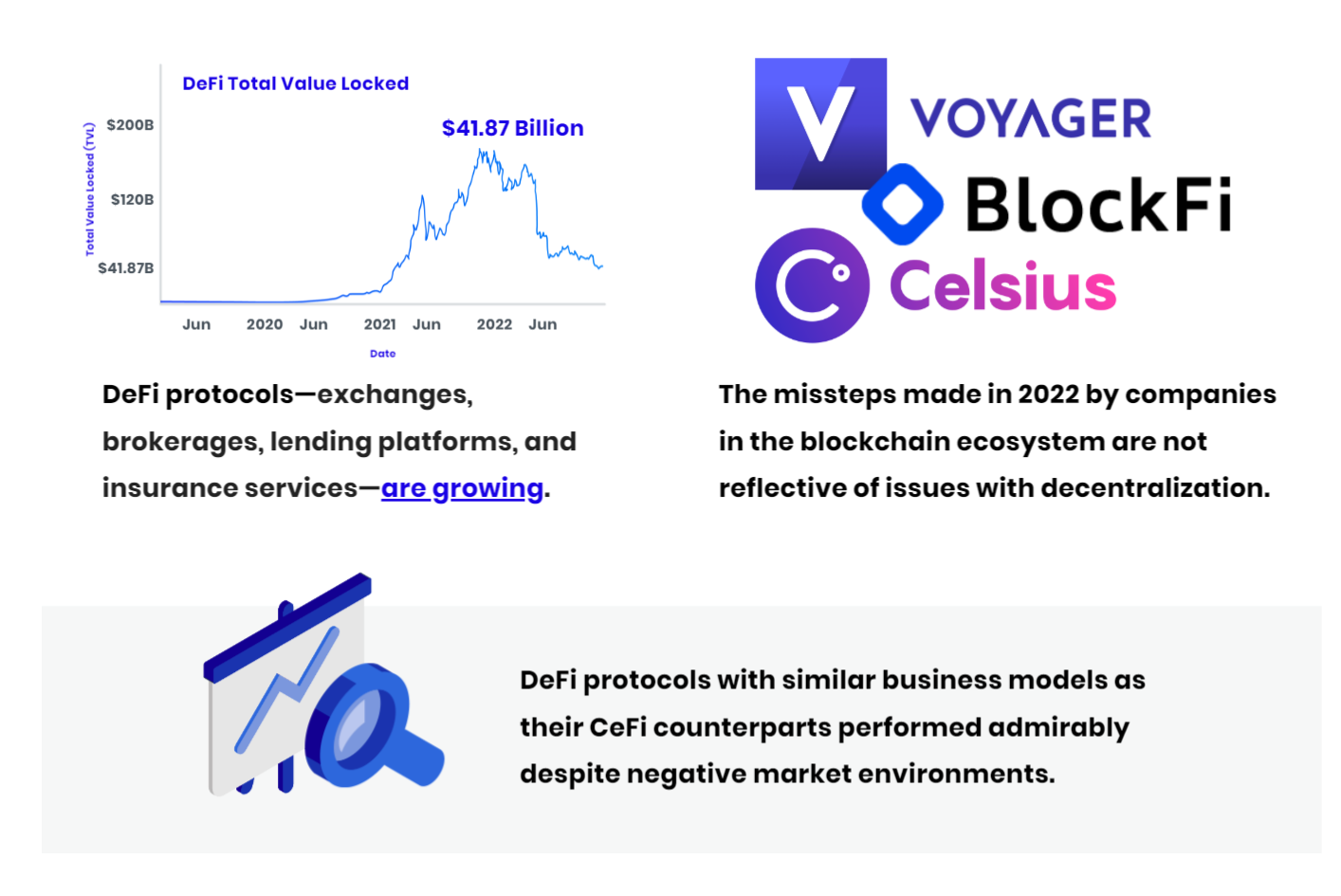
TradFi will start to lose market share to DeFi.
Sumana Maitra

Chief Marketing Officer

Prediction 1:

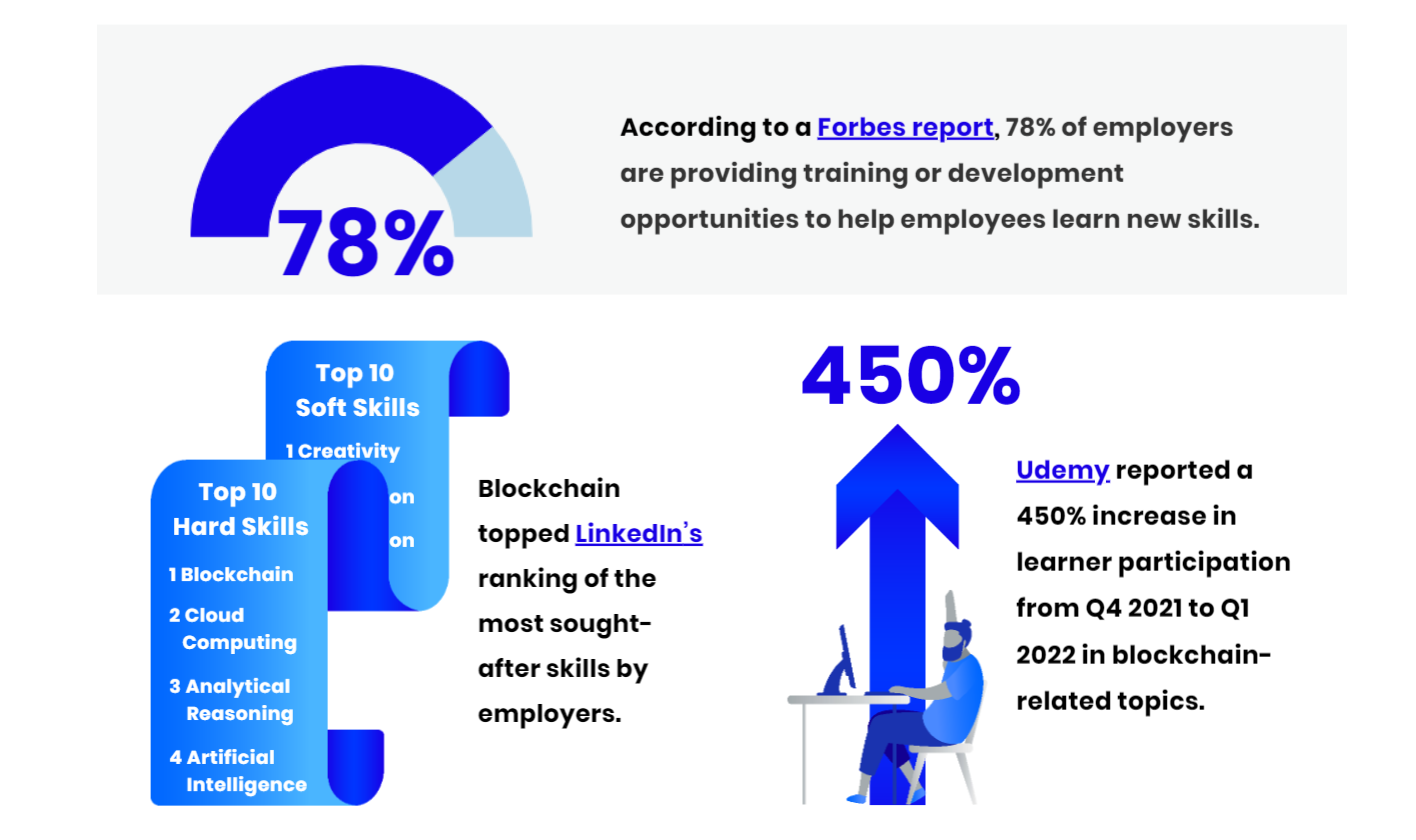
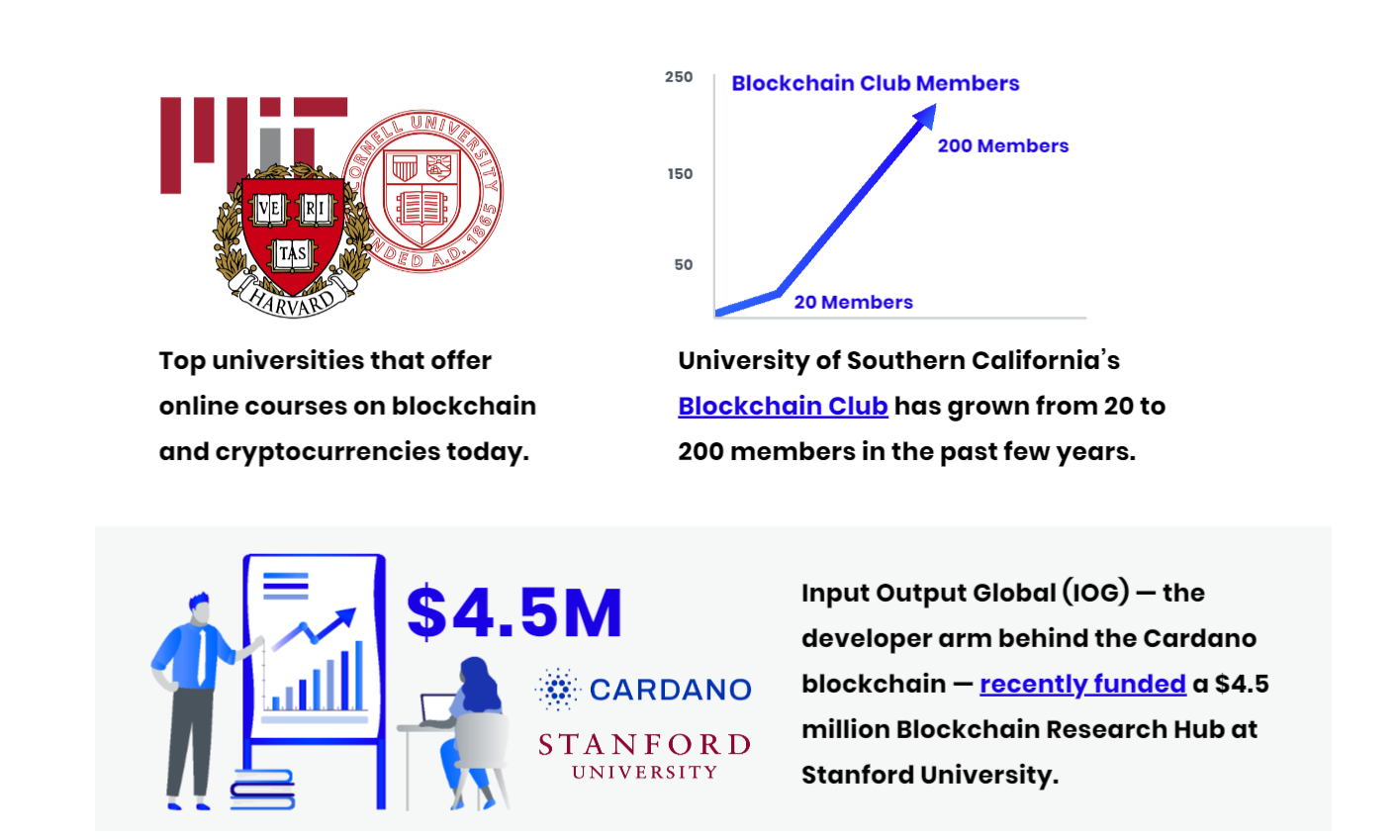
Universities with top business schools will offer the option for a concentration in blockchain technology.
Prediction 2:

Universities with top business schools will offer the option for a concentration in blockchain technology.
Prediction 3:

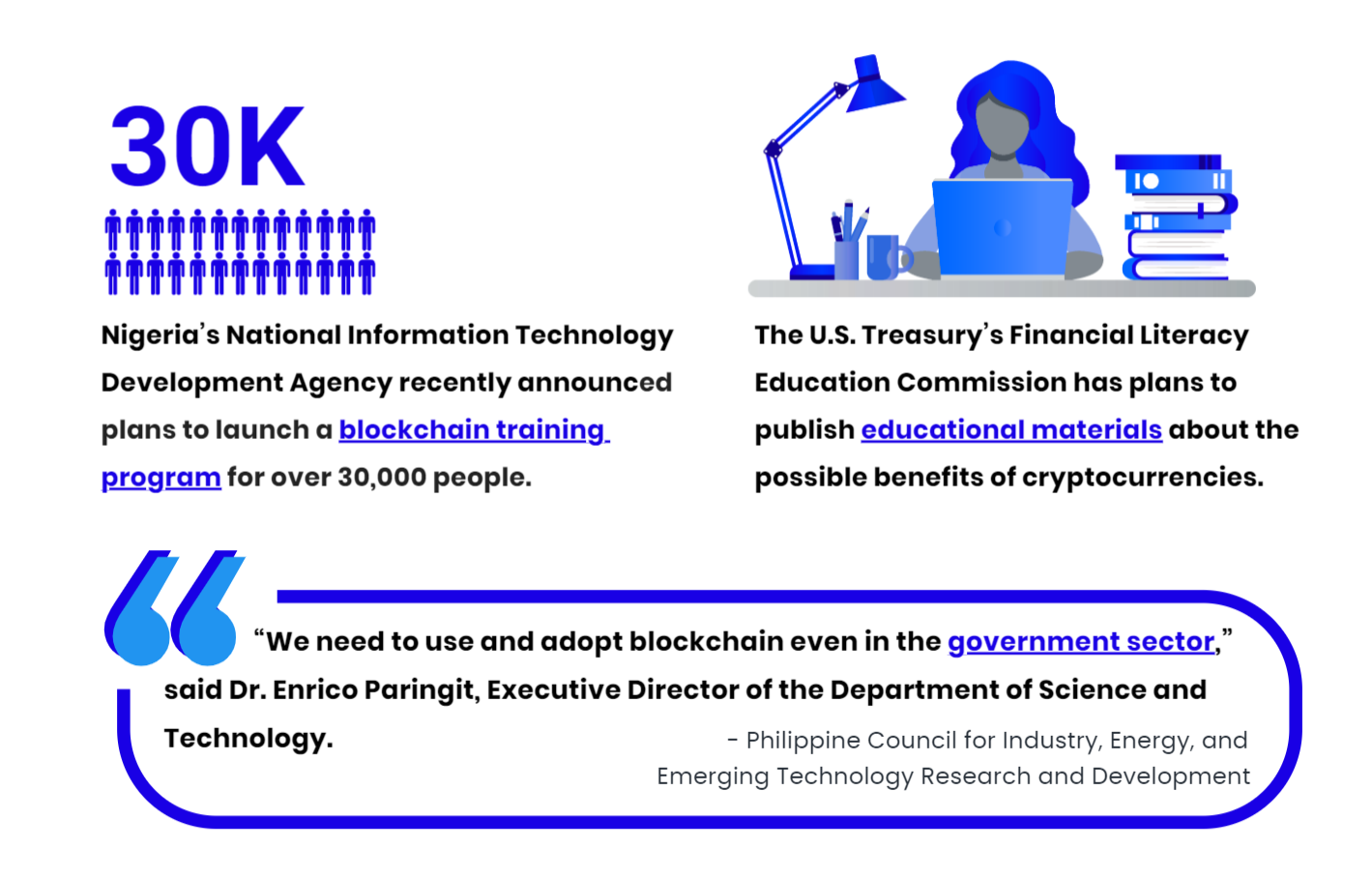
Governments worldwide will continue to encourage mainstream blockchain adoption by funding and promoting education.
David Nage

Portfolio Manager

Prediction 1:

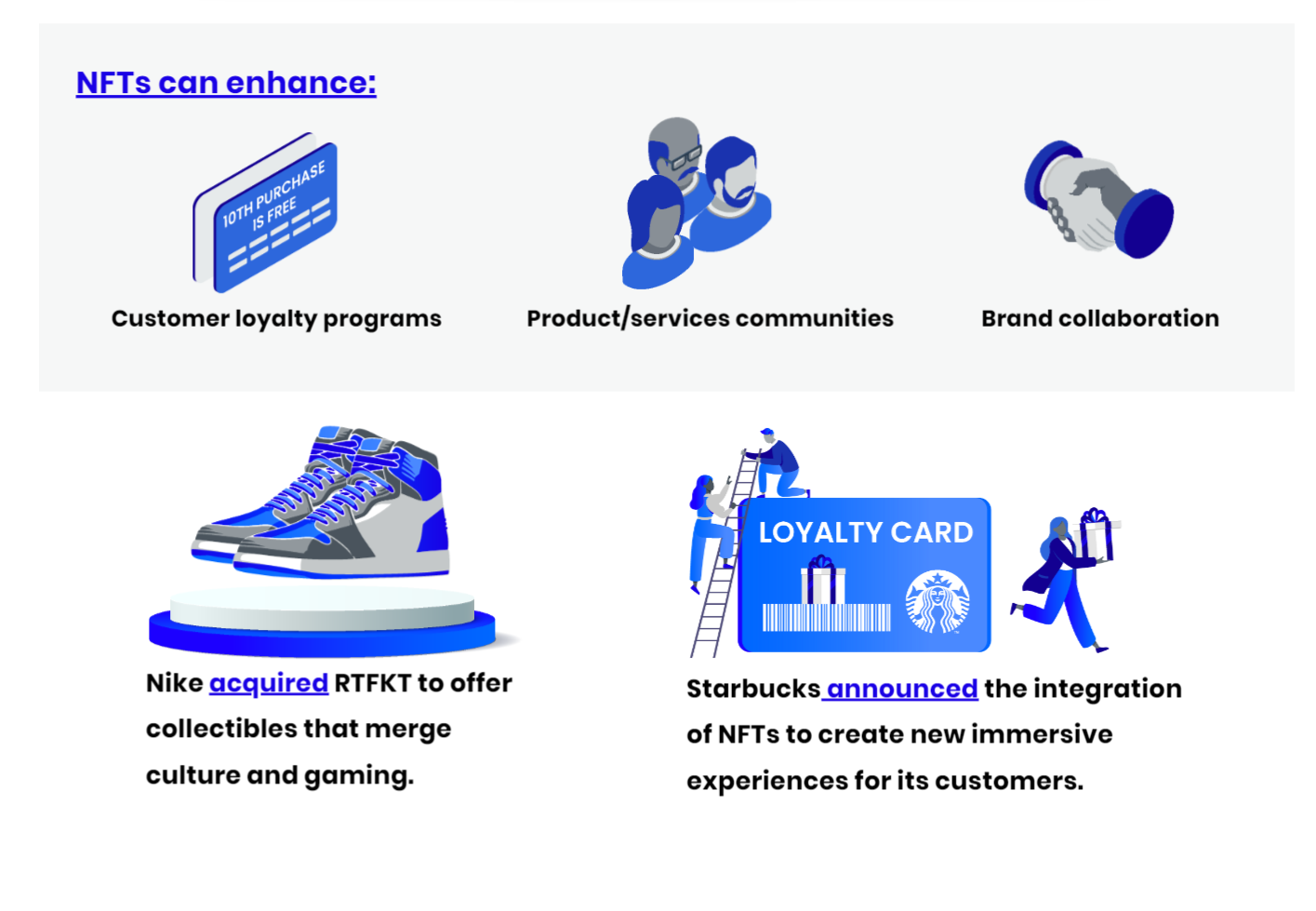
Web2 companies will continue to utilize NFTs to strengthen customer relationships.
Prediction 2:

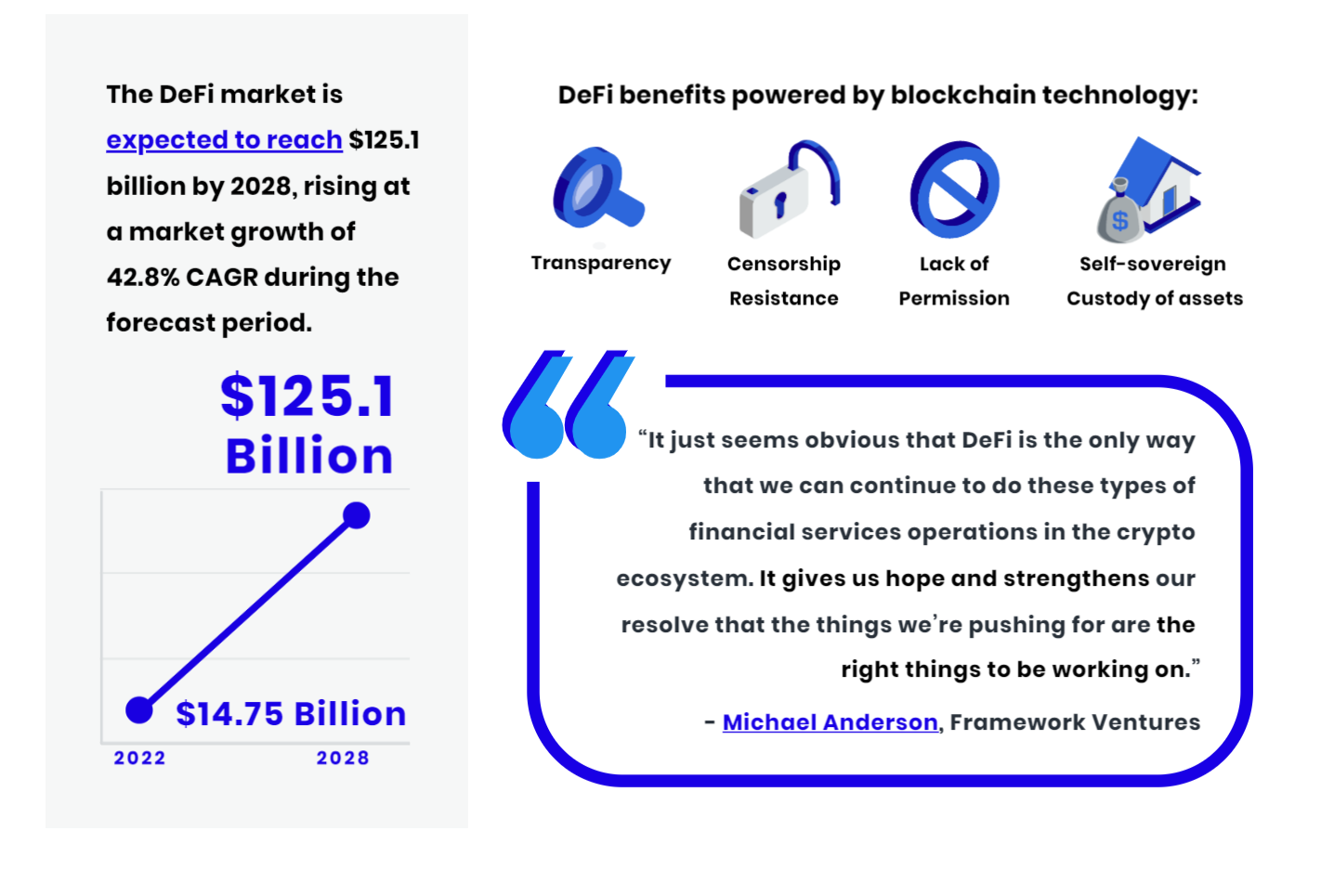
An increased focus on transparency, immutability, and analysis will help DeFi gain market share.
Prediction 3:

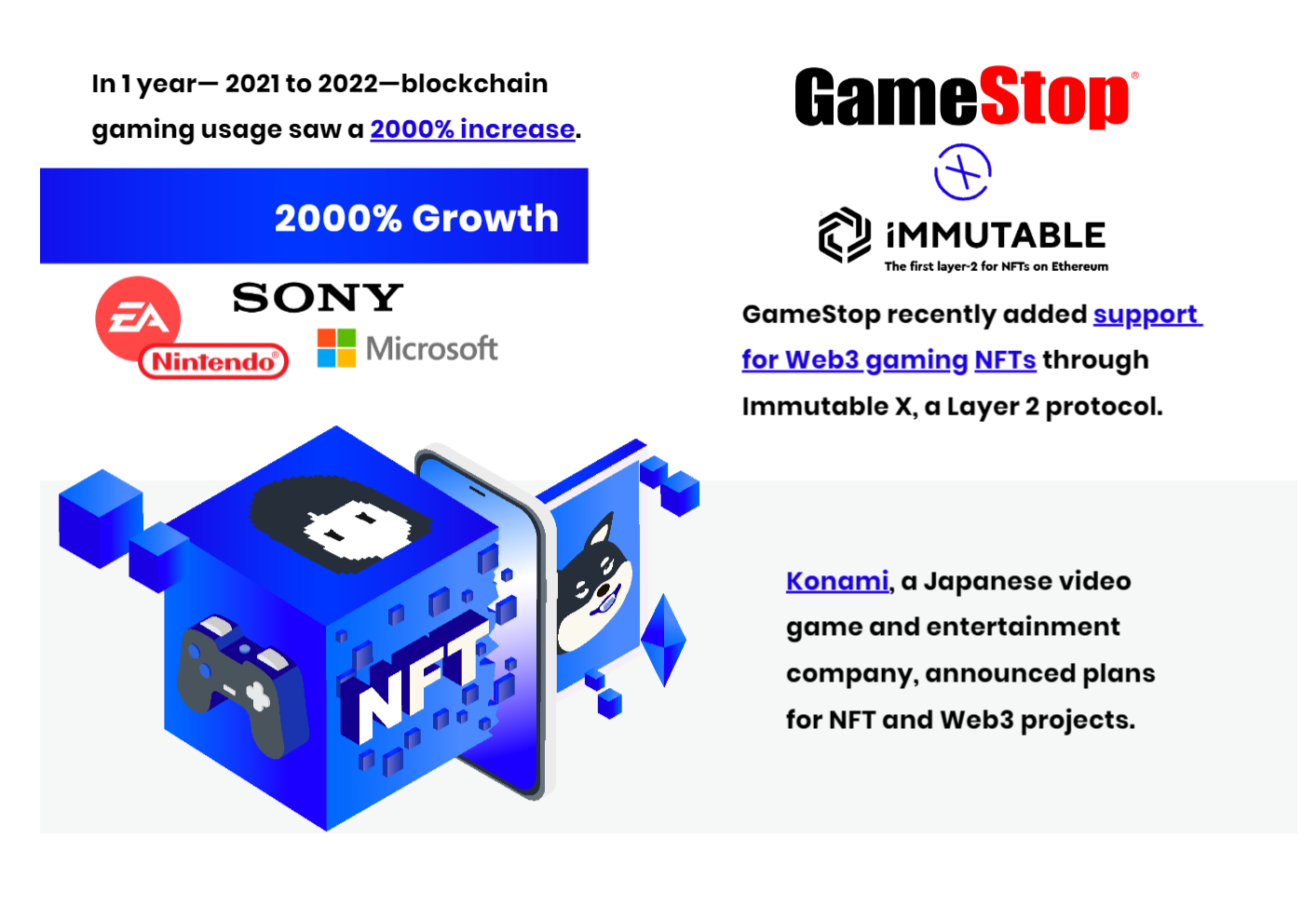
The gaming industry will continue implementing Web3 tooling, providing players with enhanced ownership of in-game assets.
Annelise Osborne

Head of Institutional, Arca Labs
Prediction 1:

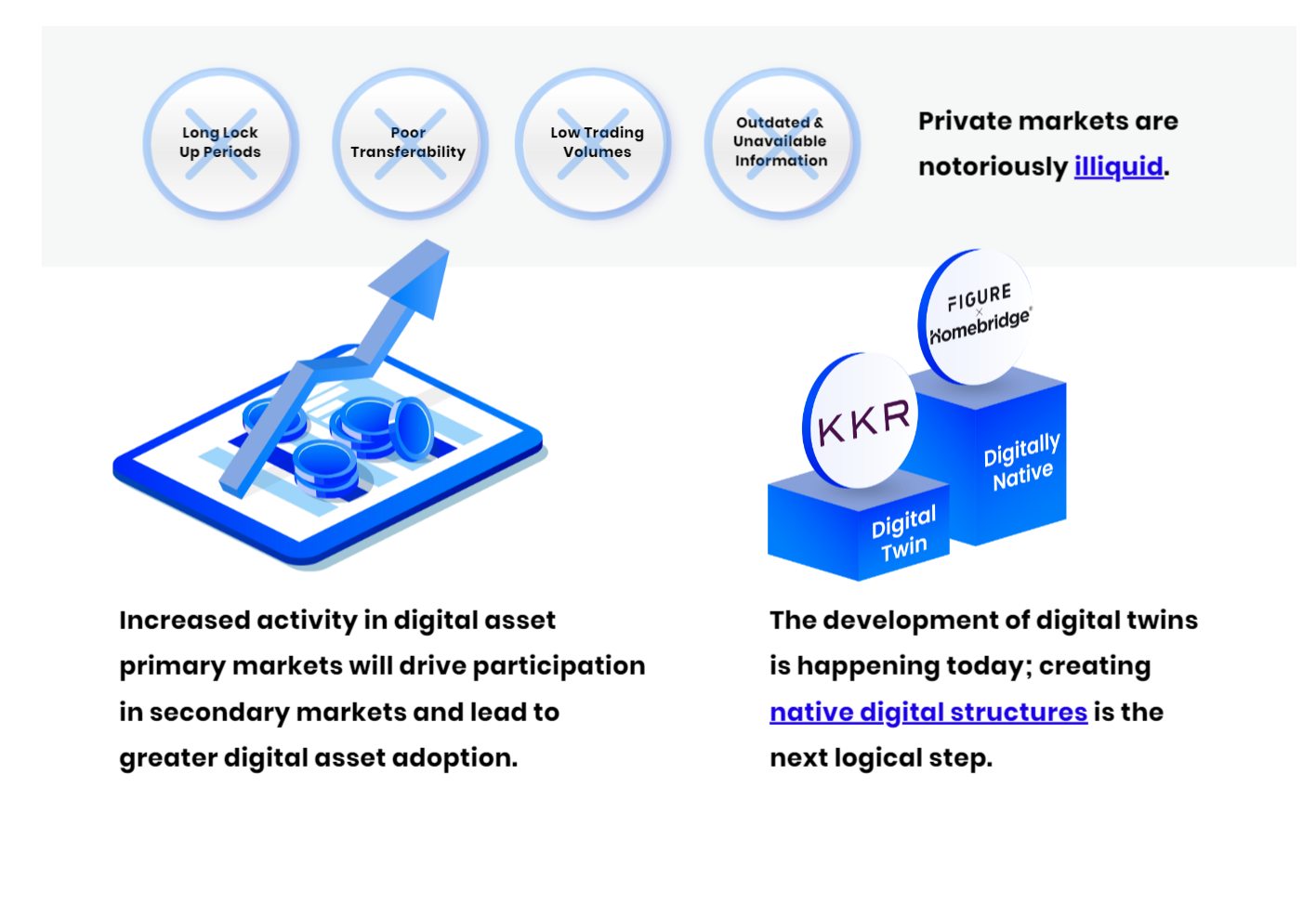
TradFi companies will focus on tokenizing traditional assets, especially in private markets.
Prediction 2:

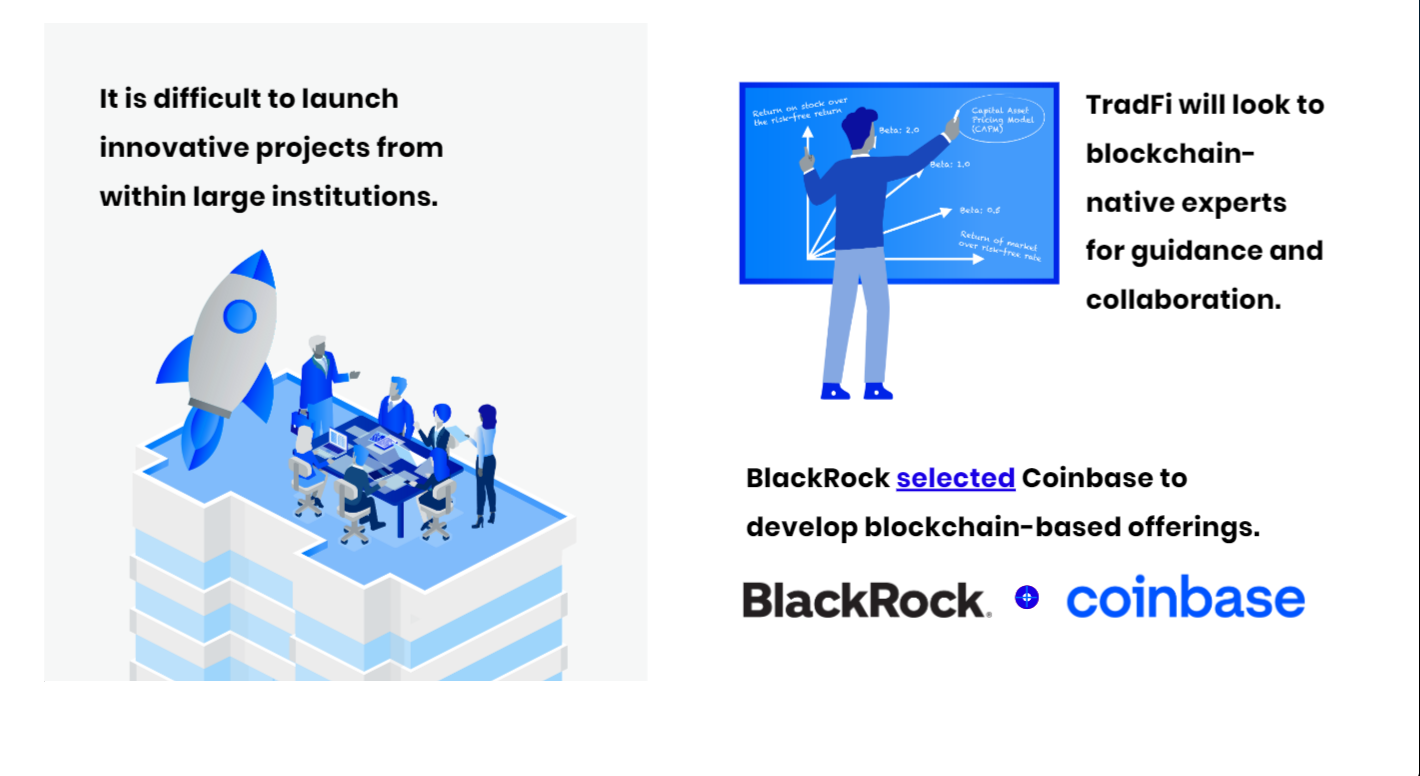
TradFi internal working groups will evolve into product and development teams that partner with digital asset startups to build blockchain-based products.
Prediction 3:

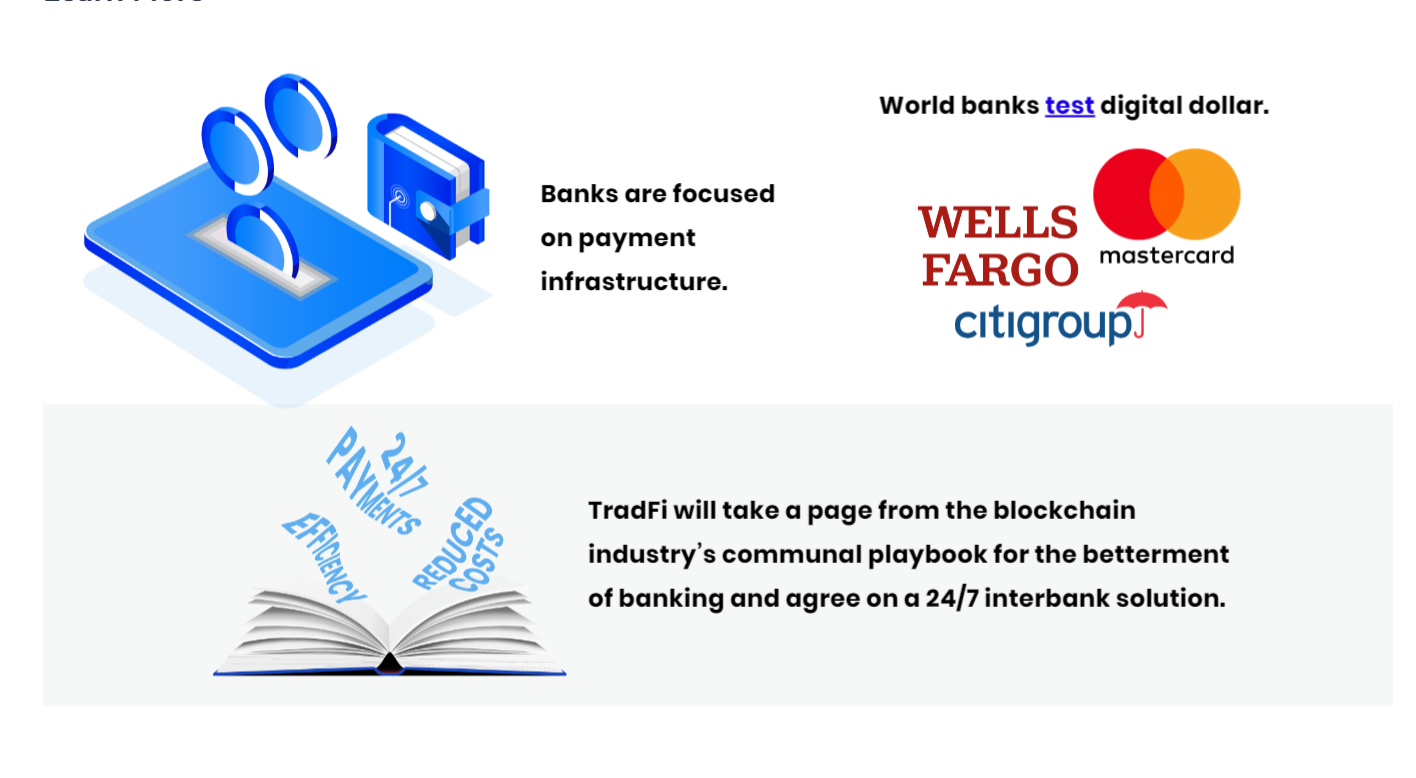
A universally accepted institutional stablecoin will be developed and launched.
Peter Hans

Chief Strategy Officer

Prediction 1:

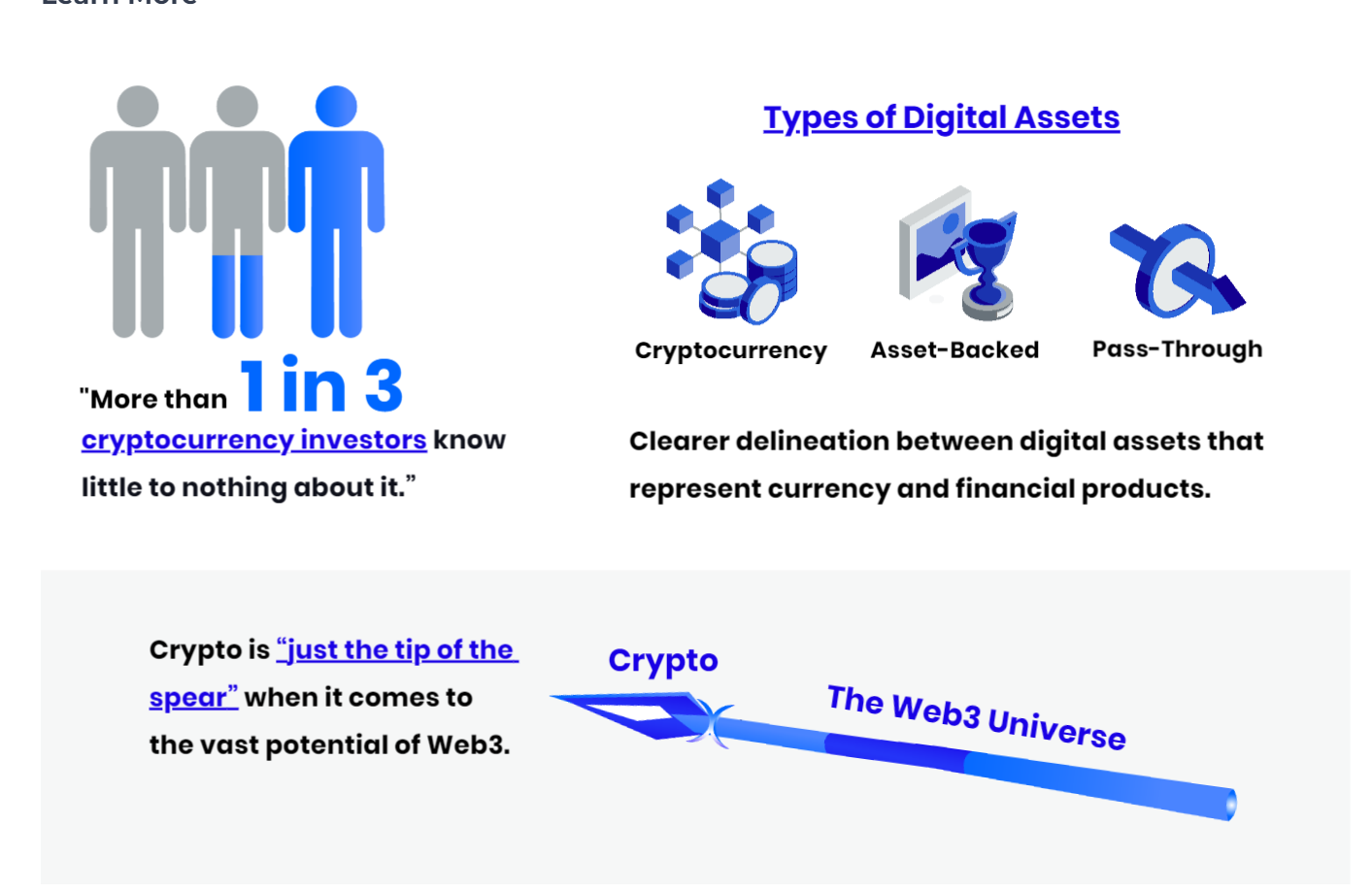
There will be a more overt distinction between investing in blockchain technology infrastructure, Web3, and cryptocurrencies.
Prediction 2:

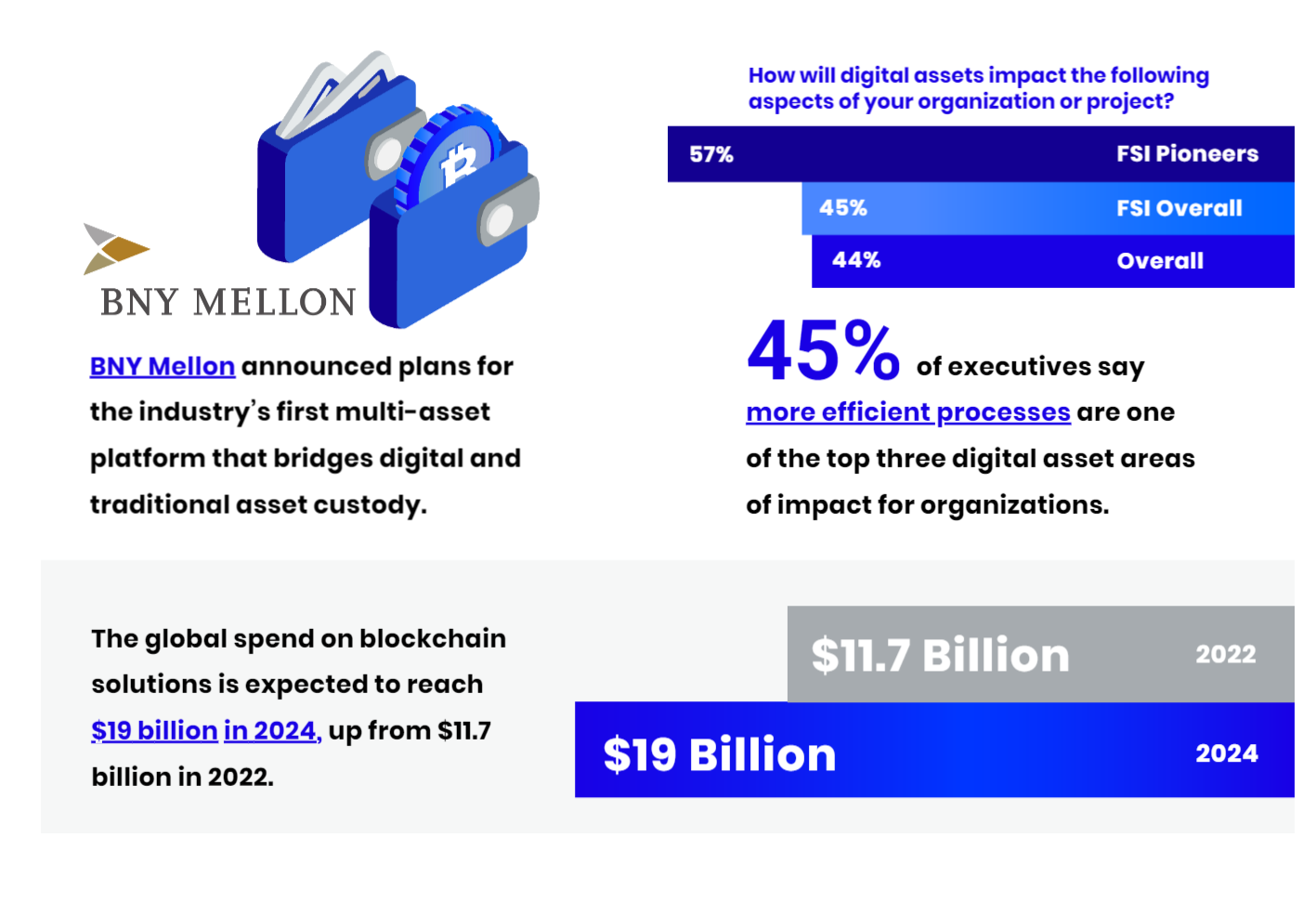
While the market size shrinks during the “crypto winter,” we will continue to see traditional financial services companies announce plans to enter the blockchain ecosystem.
Prediction 3:

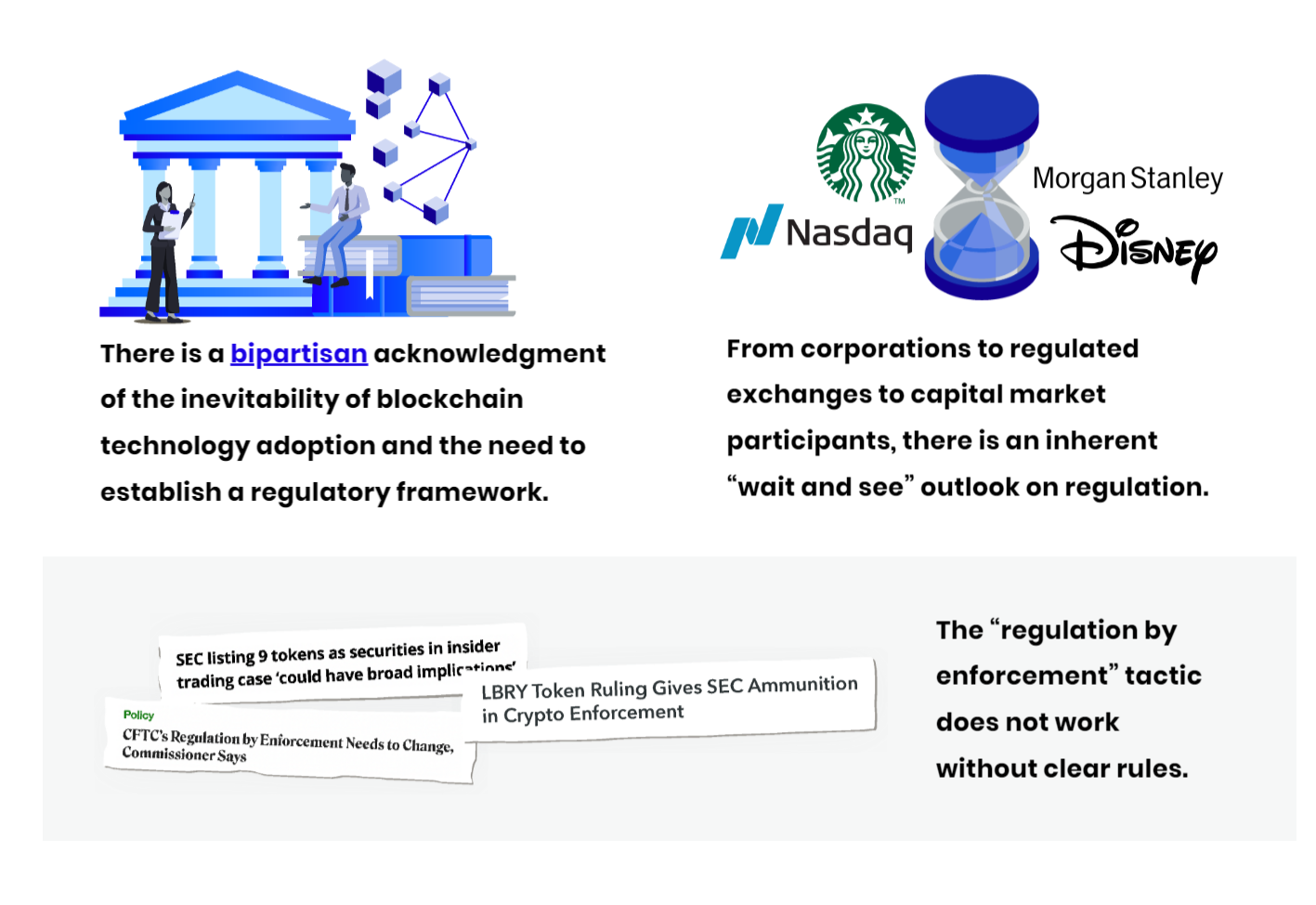
We will see increased regulatory clarity in the U.S., ultimately paving the way for increased corporate issuance, blockchain adoption, and capital allocation.

Leituras Relacionadas

IOSG Founder: Ethereum Doesn't Need Another Leap of Technical Faith, It Needs a Musk-style Compromise

Jocy, founder of IOSG Ventures, argues that Ethereum does not need renewed technological faith but a "Musk-like compromise." The recent formation of ETHLabs—funded by major ETH holders like BitMine and Lubin—highlights a market-driven move to fill a gap left by the Ethereum Foundation (EF), signaling a loss of confidence in its decentralized, hands-off approach. The core critique contrasts Vitalik Buterin's (V) idealistic, technology-first vision with Elon Musk's pragmatic, business-driven execution. The author asserts Ethereum's current shortage is not another technical roadmap but a clear, real-world application narrative and a leader willing to engage directly with commercial realities—like Musk. Internal issues are emphasized, citing EF's management problems and talent drain. While the new decentralized model with independent nodes like ETHLabs addresses the single foundation's limitations, it risks fragmentation without cohesive direction. True cohesion, the author suggests, must come from a shared, compelling narrative around ETH's value, not just from aligned financial interests. Independence claims for new entities are seen as aspirational, needing years of transparency to build trust. The ultimate threat is not competitors like Solana, but the broader shift of attention and talent toward AI. Ethereum has a limited window—12 to 18 months—to recapture focus by delivering tangible, real-world applications. The conclusion urges V to shift from abstract ideals to grounded, pragmatic leadership. The time for this crucial pivot is running out.

marsbitHá 3m

IOSG Founder: Ethereum Doesn't Need Another Leap of Technical Faith, It Needs a Musk-style Compromise

marsbitHá 3m

Google Starts Selling TPUs, Big Tech Aims to Produce "Low-Cost Tokens" with AI Chips

Google has begun selling its proprietary TPU chips and AI computing hardware directly to third-party data centers and clients, marking a strategic shift. Previously only accessible via cloud rentals, TPUs are specialized processors designed for the matrix and tensor operations central to AI models. By combining thousands into supercomputing clusters managed by CPUs, Google achieves high-efficiency AI processing. This move enables Google’s Gemini AI to offer competitive token pricing, challenging rivals like OpenAI. It also signals a broader industry trend where AI compute is becoming a commoditized resource like electricity. While NVIDIA remains dominant with its CUDA ecosystem and high-performance GPUs, the focus is shifting from raw power to cost efficiency and system integration. Google’s approach mirrors NVIDIA’s by selling an entire ecosystem—hardware, software, and data center expertise—rather than just chips. This threatens NVIDIA’s grip on the mid-range inference market, where lower-cost, efficient solutions are increasingly demanded. Similarly, cloud providers like Huawei Cloud and Alibaba Cloud in China are developing their own AI chip ecosystems (e.g., Ascend, Zhenwu), packaging chips, clusters, and tools into full-stack solutions. They aim to reduce token costs and capture market share through integrated systems. In summary, the AI infrastructure race is evolving from a competition for the strongest chips to a contest for the most efficient and cost-effective systems. Google’s TPU sales highlight this transition, emphasizing that future success lies in delivering affordable, scalable AI compute as a foundational service.

marsbitHá 22m

Google Starts Selling TPUs, Big Tech Aims to Produce "Low-Cost Tokens" with AI Chips

marsbitHá 22m

Trading

Spot
Futuros
活动图片