Once-Popular Web3 Enters Wave of Layoffs

marsbitPublicado em 2026-08-03Última atualização em 2026-08-03

Resumo

The once-hot Web3 industry is experiencing a severe wave of layoffs. While many companies attribute job cuts to AI-driven restructuring, the primary reason is often financial pressure. The Web3 sector, at the intersection of tech and finance, has been hit particularly hard. Employees at major cryptocurrency exchanges report sudden, impersonal layoffs—often with system access revoked overnight—and minimal or no severance. Common tactics include setting impossible performance targets or terminating employees for minor policy violations. The working atmosphere has become toxic, marked by intense monitoring, excessive meetings, and management obsessed with control and internal politics rather than product innovation. The industry's core business model is collapsing. Exchange revenue from trading fees and listing charges has plummeted due to a decline in quality projects and retail investor exodus. Events like the massive forced liquidation on October 10th further shattered confidence. Competition from on-chain derivatives platforms and prediction markets is intensifying the downturn. As layoffs continue, displaced workers struggle to find new opportunities. Many transition to the AI sector, but face significant bias from traditional finance and even some AI firms, which view crypto industry experience with suspicion. The current downturn appears more structural than cyclical, driven by unsustainable practices, internal strife, and a failure to innovate, raising questions about...

Original Author: Jialiu

"AI is the main reason for our layoffs." This is almost the primary explanation given by all companies for layoffs today.

In the first half of 2026, nearly 140,000 people were laid off in the US tech industry. Amazon cut 9% of its employees, and Meta cut 10%. Their reasons for the layoffs were almost identical: AI is changing everything, and the companies must streamline.

In fact, over 56% of layoff events in 2026 explicitly cited AI, automation, or machine learning as the cause. AI has been the top reason for layoffs in US companies for four consecutive months. Ironically, nearly 60% of companies admit that they package layoffs or hiring slowdowns as "AI-driven" when the real reason is financial pressure.

The AI shockwave is not confined to Silicon Valley; it is reshaping the employment structure of almost all industries. As an intersection of technology and finance, the Web3 industry has been particularly hard hit. The industry's large-scale layoffs have persisted for over half a year and have been exceptionally intense and rapid.

Starting this year, especially in recent months, news about staff cuts, team reorganizations, and personnel movements surrounding major trading platforms has densely appeared on X, Reddit, Xiaohongshu, Maimai, and in coffee chats among practitioners. Once-dominant BitMEX has almost faded from the mainstream view, and smaller platforms are exiting or scaling back business lines. With talent and attention now being drained by the AI industry, layoffs in the Web3 industry seem almost inevitable.

The Sword of Damocles Has Finally Fallen

Kevin received his termination notice just three days before his Last Day.

Kevin had worked at a major internet company for several years before being attracted by the high salaries and narrative of the Web3 industry, jumping ship to join a leading trading platform. He later found out that his departure had been decided over a month earlier.

During that time, he hardly felt any signals of impending layoffs. All work proceeded normally, meetings went on as usual, messages were replied to. It wasn't until HR approached him that the reality hit—there was no reasonable justification, no claims of poor performance, but the sword of Damocles still fell on Kevin.

In hindsight, the only possible signal was that two out of their original ten-member team had left before him. At the time, the narrative was "not a good fit" or "found an easier job elsewhere." "Looking back now, that was probably when they started pushing them out," Kevin told Zhangsheng BeatZ.

The layoffs at Richard's smaller trading platform were even more extreme. After being a full-time dad for nine years, he returned to the workforce and found a job at a relatively small crypto trading platform. But he, along with many colleagues, was soon laid off.

According to him, one morning he turned on his computer as usual to start work, only to find his system access had been revoked. He initially thought it was a technical glitch until he opened the work group chat and saw about forty colleagues asking the same question: "Why can't I log in either?" No one knew what was happening. Panic spread through the chat like water. A few hours later, they received a cold termination notice in their personal emails, effective immediately.

What chilled Richard even more was another incident. Shortly before being laid off, his manager had hinted that a developer colleague under him "might need to be adjusted." Richard was trying to help this colleague stay, even rearranging work responsibilities to prove the person was indispensable. Before he could submit his plan, both of them ended up being laid off.

Another former employee at a crypto trading platform, Xiaoyu, described a similar layoff scene to Zhangsheng BeatZ. At her previous company, the first step of layoffs was mass deactivation of employees' Slack accounts and cutting off email access. "Whenever we saw someone suddenly disappear from Slack, we would immediately rush into private channels, scrambling to send our phone numbers and LinkedIn links," Xiaoyu said, "because we didn't know who would be next. We all wanted to stay connected while we still could."

"When the layoff finally hit me, my manager sent me a Slack message asking if I had time for a call," Xiaoyu said. "Before I could even reply, all my permissions were revoked."

Layoffs Strike Like a Tornado

Kevin revealed that in the months after he left, layoffs in his team continued, and now only two people remain. His former trading platform cut about 10% of its staff every quarter, accumulating to 40% over a year.

Coinbase announced global layoffs of about 700 people in May, officially labeling it an "AI-native reorganization," roughly a 14% cut. However, according to information obtained by Zhangsheng BeatZ from informed sources, the impact on Coinbase's India office far exceeded that number. A former employee claimed that about 90% of the India office staff left, affecting all business units, not just sales. Only a handful of engineers considered top-tier were invited to relocate to Canada to continue working.

Reportedly, the main reasons for the massive layoffs at the India office were high costs and the significant time difference with the US. Coinbase paid India's SDE2 (mid-level engineers) around 7.5 million rupees, equivalent to about 110,000 Canadian dollars, similar to the salary level of mid-level engineers in Canada. At most high-paying product companies, salaries for architects in India are even higher than their EU counterparts.

Many trading platforms have been exposed for abruptly closing employee system access on the same day after failed negotiations over severance packages with HR. And the recently shuttered platform BitMart saw entire departments cut starting in May.

Moreover, many platforms chose to conduct concentrated layoffs at specific times, not by coincidence. According to Zhangsheng BeatZ, the period around June 30th was a peak for industry layoffs. The reason is simple: new financial statements are due in July, and these numbers are shown to investors. Cutting a batch of people and reducing expenses immediately improves the profit and loss statement. For trading platform management, layoffs aren't just about cost reduction; they're a form of financial narrative management. In front of investors, a streamlined statement is more persuasive than any explanation.

It's not just Kevin and Richard's platforms; almost the entire Web3 industry is undergoing massive layoffs, with only a minority offering reasonable and satisfactory severance packages.

The interviewees mentioned earlier encountered similar situations: platforms cut off communication and access with incredible speed. "All contact information is on those systems. Without that access, we don't even have a channel to fight for our rights."

Zhangsheng BeatZ learned from informed sources that operations and product roles, working in offline or overseas offices, still received normal handover time and compensation during layoffs. "But many technical staff are remote, so they just fire them, quickly fire them. It doesn't really affect the company."

This is because many IT staff are located domestically, while the trading platforms are registered overseas. "You're not physically there, and the cost for an individual to pursue action is very high. It's just a bit of money, not enough to disrupt life, so most people don't want to or can't bother to fight it."

Even with a few days' buffer, employees faced difficult situations. When HR communicated the offboarding procedures to Kevin, they asked him to fill in the reason for leaving in the system and persuaded him not to choose "company termination."

"They would say if you choose company termination, the background check won't pass, they'll say bad things about you. So they pressure you to choose personal reasons for leaving." Choosing personal reasons means the company doesn't need to pay any additional compensation.

Kevin ultimately received no severance pay; the company only settled his salary and overtime up to his last working day. Reflecting later, Kevin realized there had been signals he hadn't interpreted correctly at the time. For instance, his work rapport with his direct manager started becoming strained; he could clearly feel the manager liked him less. But in an organization running at high speed every day, these subtle changes are easily overlooked until the final moment arrives.

During large-scale layoff periods, major trading platforms are trying every trick to make layoffs not look like layoffs.

For example, Zhangsheng BeatZ also learned from many interviewees that before employees join, leading trading platforms send out company-provided computers. These computers have strict monitoring systems installed internally, capable of tracking employee keyboard input frequency and mouse clicks, and this data is incorporated into performance evaluations.

Reportedly, an employee at one platform was fired the day after watching a drama on iQiyi for a while using the company-issued computer.

Another common tactic is setting nearly impossible KPIs for employees. After the evaluation period ends, employees are terminated citing "poor performance" or "not meeting company requirements." This way, layoffs are packaged as compliant performance-based elimination, and the company avoids paying extra compensation.

A former employee of a trading platform revealed on X that during one layoff period, the platform held regular "Web3 industry knowledge" tests, making them mandatory KPI assessments. Employees who failed the exam also faced the risk of immediate dismissal.

This massive wave of layoffs hit swiftly and violently like a tornado. But under the long-term pressure of intense surveillance, everyone tacitly agreed not to mention the elephant in the room.

Under the Storm's Gaze, A Chilling Silence Prevails

Compared to those cleanly laid off, the survivors aren't necessarily luckier.

Xiaoyu said after each round of layoffs, the survivors actually envy the colleagues who have already left because at least their fate is sealed. Those remaining live in constant fear every day, not knowing if they'll be next. Since the layoffs began, she could clearly feel work morale becoming extremely negative, permeated by an unspeakable sense of apathy and lack of motivation.

Richard also mentioned the subtle change in work atmosphere during the layoff period. Previously, the work rhythm was tight, intense, with rapid product iterations, but most of the time people were busy with real work—product updates and feature development. The current busyness is entirely different, more about satisfying management's fabricated requirements. The company intensified assessment mechanisms, requiring punctual check-ins, and meeting frequency became higher than before.

The trading platform's "stand-up meeting" culture was pushed to extremes during layoffs. The original intent of stand-ups is to have quick meetings; standing makes people uncomfortable, so they keep it brief. But according to Richard, at his platform, this efficiency tool turned into a drain: two stand-up meetings a day, yet no one knew which direction the product was actually heading.

The project manager changed three times in six months, and the product management team was eventually almost empty. Many had ongoing projects, but because key personnel were suddenly fired, sometimes just minutes before a meeting, work had to stop abruptly.

According to Richard, his platform even had outsourced teams, and the salaries of these outsourced personnel were significantly higher than those of regular employees. It wasn't until Richard later spoke face-to-face with two colleagues that he learned an executive had withheld salary increases for employees for two years.

Richard believes management doesn't care about cost control because their real concern isn't technology or product, but power and control.

Kevin's feelings echoed this. He increasingly felt his platform resembled a sluggish state-owned enterprise. Amid frequent security incidents across the crypto trading industry, the platform's tech team didn't gain more resources; instead, they became a state of nervous apprehension:不求有功,但求无过 (Not seeking merit, only seeking to avoid blame).

"No one dares to take risks anymore. Everyone just wants to avoid mistakes in their own work. The whole place feels like a state-owned enterprise," Kevin said.

Even before being laid off, John, who grew up abroad, had long lost patience with such a work environment.

From the moment he joined, he distinctly felt the company's "Chinese culture" was particularly strong. Chat records, JIRA, meeting minutes—almost everything was in Chinese. Foreign employees who weren't fluent in Chinese felt excluded. The work atmosphere was extremely strict, fast-paced, with quarterly performance reviews.

With everyone in different time zones, being online at irregular hours was commonplace. John mentioned his team's weekly stand-up was scheduled for Sunday night. "My weekend plans always ended early." His QA testing colleague was in a US time zone and often sent messages around 11 PM.

"We were always on call 24/7," John said, often seeing colleagues submit code at 2 AM on Saturdays. "There's simply no work-life balance here. The rhythm of life here is more like work, life, then more work."

Deep Palaces and Political Maneuvering, Inner Circle and Expendables

Richard joined the company at its peak and witnessed its entire decline. What struck him most was the "political maneuvering" among the platform's management, more naked and chaotic than typical office politics.

Partners at his company developed a severe trust crisis due to government investigations and potential lawsuits. One side's CTO/CFO felt deceived by another partner or didn't receive due support when facing government issues. Eventually, the partners split.

So, one side took the core team and a senior employee to form a "board," establishing a new company as the actual developer of the old product. Partners once called friends turned into client relationships within a month. By February, the new company was pushing business at a pace of two new products per week. All this happened around the time Richard resigned.

Grassroots employees in this high-level power struggle had neither the right to know nor a choice. They were casualties of internal conflict and turmoil.

In the Web3 industry, many project founders, even trading platform CEOs, are merely frontmen. This is an open secret within the industry, tacitly understood by almost all practitioners. The real decision-makers often hide behind the scenes, and the primary quality needed by those in front isn't innovation or technology, but loyalty.

"Toxic culture is transmitted top-down. People who survive in this system are mostly like that. If you can climb up, you'll inevitably be shaped into this by the environment. If you're not like that, you won't get promoted," Kevin analyzed. "Those promoted are almost always the type skilled in political maneuvering, adept at upward management, and aggressive towards subordinates."

Those deemed not part of the inner circle are systematically removed by higher-ups using various methods. First, they're excluded from meetings, key decisions bypass them. Then they're transferred to peripheral roles, away from core business. Next, they no longer need to submit weekly reports, and new tasks aren't assigned. By the time replacements are already arranged, they finally realize they've been sidelined.

"So the entire system is very toxic," Kevin said. "You can check Glassdoor; people generally think colleagues are great, willing to support each other, good personalities. But the system itself is like a deep palace. You can't say the wrong thing in front of superiors, and you have to watch your wording."

When the Nest Overturns, No Egg Remains Intact

"I think the entire Crypto business model has already collapsed," Kevin said.

A trading platform's past core revenue relied on two things: trading fees and token listing revenue. When the market was hot, new projects flooded in, retail traders swarmed, fees and listing charges soared, and teams expanded. "But now all projects seeking listings have been proven; they're all here to make money and then leave."

The issue of listing fees is equally severe. According to Kevin, platforms charge projects extremely high fees. A small project might have to pay hundreds of thousands of dollars just for listing, while its market cap post-listing might only be tens of millions. "Trading platforms are eating the entire ecosystem to extinction. On one hand, the cost of starting a project in crypto is too high; on the other hand, retail investors aren't buying anymore." In his view, it's a downward spiral: project quality declines, more projects crash on listing, retail exits, trading volume shrinks, fee revenue decreases, and listing fees are forced higher.

The rise of on-chain derivatives platforms like Hyperliquid puts centralized exchanges in an even more passive position. The most profitable derivative trading segment for centralized exchanges no longer has to happen solely within their own systems.

Market-level shocks are also accelerating this spiral decline.

Several interviewees independently mentioned the negative, far-reaching impact on industry confidence from the massive, industry-wide liquidation event on October 10th last year. All leveraged positions with multiples over 2x were force-liquidated that day, retail investors were wiped out, and confidence has yet to recover.

When the nest overturns, no egg remains intact; no one escapes unscathed. The trading platforms'困境 (predicament) ripples outward across the entire industry.

John told Zhangsheng BeatZ that many mid-sized Web3 institutions with assets under management between $100 million and $500 million are shutting down, as old fundraising and DeFi yield strategies become increasingly difficult to sustain. Since last summer, cryptocurrency liquidity has dried up "very severely." Essentially, all altcoins launched in early 2025 are trending toward zero, with extremely low book values. Over-the-counter trading volume is dismal. Apart from RWA-related business, there's almost nothing worth doing in market making. A friend of John's working on crypto-neutral strategies at a market maker told him that even after improving strategies to increase market share and profit per trade, the company's overall profit still dropped significantly, generally shrinking to about 30% of the original. John's friend was eventually laid off due to company cost-cutting.

It's not just market makers and quant firms. Kevin mentioned in the interview that currently, Web3 VCs are very cautious in investment amounts and number of deals, basically in a state of not investing. Even when they do, amounts are significantly lower than before. "VC investment this cycle has shrunk by 80%. Almost no one is investing in crypto anymore. So when the next bull market comes, there won't be many good projects to offer retail investors through listings."

Project teams are in equally tough situations. Kevin's assessment is: "Except for some projects with Web2 revenue on the B2B side, the vast majority of projects have no B2B revenue and no consumer revenue."

Crypto is Like a Roach Motel

A wise bird chooses its tree to roost in, but for those laid off from crypto trading platforms, the problem isn't about choosing a tree, but whether there are any trees left to choose.

After leaving the trading platform, Kevin went to an AI-related startup. He's not alone. According to Zhangsheng BeatZ, the vast majority of practitioners leaving the Web3 industry have flocked to the AI industry. This isn't hard to understand: AI is the hottest sector currently, with active funding, abundant positions, and crypto and AI share many commonalities in channels and attributes, both emphasizing growth, user acquisition, and global operations. Many skills are directly transferable.

Richard's disappointment with the Web3 industry is more profound. In his view, the platform he worked for was filled from top to bottom with incompetent people, from partner infighting to grassroots employee slacking. "Even today, people in the crypto circle are still a bunch of self-righteous, arrogant individuals." He later also shifted to the AI industry, completely leaving the crypto world.

In contrast, few can transition into traditional industries. A small portion of technically solid trading system and risk control talent entered traditional market makers and quant firms. Some operations, BD, and compliance personnel took advantage of active Hong Kong and US stock markets to move into the traditional brokerage system, but these are minorities. The outcome for most laid-off from trading platforms is flowing to the next tier of smaller platforms.

Because traditional industries' discrimination against the Web3 industry is deeper than many imagine.

Zhangsheng BeatZ learned from traditional finance HR departments that during recruitment, when they see candidates still employed at Web3 companies on their resumes, they are directly screened out. In the stereotype of many traditional finance practitioners, the crypto industry is like a giant "roach motel," implying regulatory gray areas, speculative culture, and unverifiable performance. People from here carry inherent sin in their eyes.

Even within the AI industry, similar prejudices exist. Some serious AI companies focused on large models and infrastructure also hold reservations about candidates with Web3 backgrounds. In their view, Web3 "growth" is more built on speculation and narrative than real technical barriers. An operations person from a trading platform and an operations person from ByteDance have vastly different perceived value in the eyes of an AI company's HR.

This might be the most profound cost borne by Web3 practitioners who have experienced layoffs.

This Winter is Colder Than Before

Every industry has cycles. But this winter for the Web3 industry might be different from the past.

Compared to before, the competitive landscape in the cryptocurrency field has completely changed. Prediction markets like Polymarket and Kalshi, retail brokerage trading—all are competing for the same pool of retail investors' money. US retail investor funds are flowing into AI stocks and prediction markets, not back into crypto.

Some practitioners even believe the current situation is worse than the 2022 crypto winter. At least in 2022, retail was still present. Now, the October 10th massive liquidation washed away the last leveraged retail traders.

Judging whether an industry is young or old isn't just about its revenue, but what it fights for.

Even in this "shrinking volume" market, the mutual struggle and dirty tricks among trading platforms haven't stopped. According to Zhangsheng BeatZ's sources, some platforms' HR departments even list "poaching talent from competitors with high salaries" as a KPI metric, hiring them for a few months before firing them under various pretexts. This disrupts competitors' team rhythm and acquires intelligence and client resources, treating the poached individuals as disposable tools.

This reminds the author of the food delivery wars in the internet industry a few years ago, where the smartest people spent hundreds of billions in profits on mutual attrition. In two quarters, China's internet giants—Alibaba, Meituan, JD.com—burned over 220 billion RMB (about $31 billion USD) on food delivery subsidies, close to the total global corporate spending on generative AI for an entire year.

Today's crypto trading platforms are replaying the same script. The entire industry pie is shrinking, retail is leaving, trading volume is萎缩 (dwindling), yet platforms are still poaching, publicly bickering, and engaging in attrition battles over the existing share.

In the past, we often attributed trading platform layoffs to Web3's cyclical nature and the AI industry's impact. As mentioned at the article's beginning, over half of 2026's tech layoffs cited AI as the reason, but nearly 60% of companies admit the real cause is actually financial pressure.

The Web3 industry is no exception.

Charging projects hundreds of thousands in listing fees; listing a large number of low-quality tokens, causing retail to lose repeatedly in crashes; eroding employee trust and creativity with opaque performance reviews and surveillance systems; during a downturn, not thinking about new business models but instead spending resources poaching from competitors.

If today's Web3 winter isn't the fate of cycles, then whose fault is the decline of the Web3 industry?

This article thanks Kevin, Richard, Xiaoyu, John, and other interviewees for sharing the real experiences of trading platform practitioners. For anonymity, their real names, platforms, specific positions, and tenure have been withheld.


Criptomoedas em alta

Perguntas relacionadas

QAccording to the article, what is the primary stated reason companies give for layoffs in 2026, and what is the suggested true underlying cause?

AThe primary stated reason companies give for layoffs in 2026 is AI, automation, or machine learning. However, the article suggests that the true underlying cause for nearly sixty percent of companies is financial pressure, with AI being used as a convenient narrative.

QDescribe two specific, abrupt methods mentioned in the article for how employees at crypto exchanges were notified or experienced their layoffs.

A1. Richard and his colleagues found their system access and work accounts (like Slack) suddenly disabled without prior notice, only receiving a cold dismissal email in their personal inboxes hours later. 2. For another employee, '小鱼', her manager messaged her on Slack asking for a call, but before she could reply, all her system permissions were revoked.

QWhat operational and cultural problems did the interviewees (like Kevin and John) describe within the crypto exchanges that contributed to a toxic work environment?

AInterviewees described several problems: a 'toxic culture' of intense power struggles and political maneuvering among management; a lack of work-life balance with 24/7 on-call expectations and meetings scheduled at odd hours (e.g., Sunday nights); an oppressive atmosphere of constant employee monitoring and fear due to layoffs; and a shift from product-focused work to busywork designed to meet arbitrary managerial demands.

QWhat are the two main sources of revenue for centralized crypto exchanges mentioned in the article, and why is this business model under strain?

AThe two main sources of revenue are trading fees and listing fees charged to projects. The model is under strain because listing fees have become prohibitively high for projects, the quality of listed tokens has declined leading to losses for retail investors, and trading volume has shrunk as散户 (retail investors) have left the market, especially after events like the major liquidation on October 10th.

QWhat challenges do former Web3/crypto exchange employees face when trying to find new jobs in other industries, according to the article?

AFormer Web3 employees face significant stigma and discrimination when job hunting in traditional industries like finance, and even within some AI companies. HR departments in traditional finance often directly reject resumes with current Web3 experience, viewing the industry as a 'cockroach hotel' associated with regulatory gray areas and speculative culture. Their skills and experience are often seen as less valuable compared to candidates from mainstream tech companies.

Leituras Relacionadas

Trump's Mining Company Reports $57 Million Loss

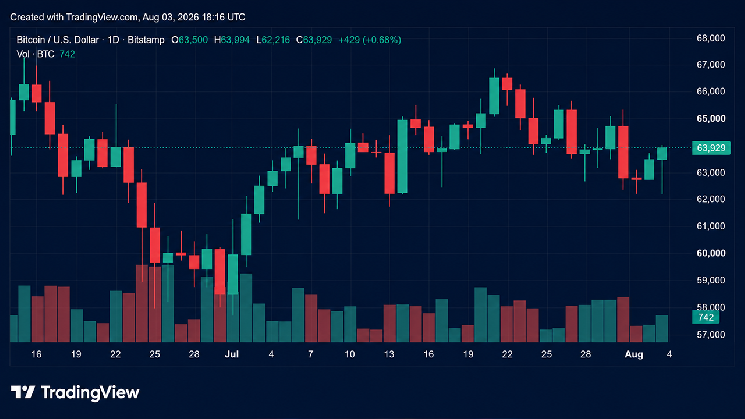
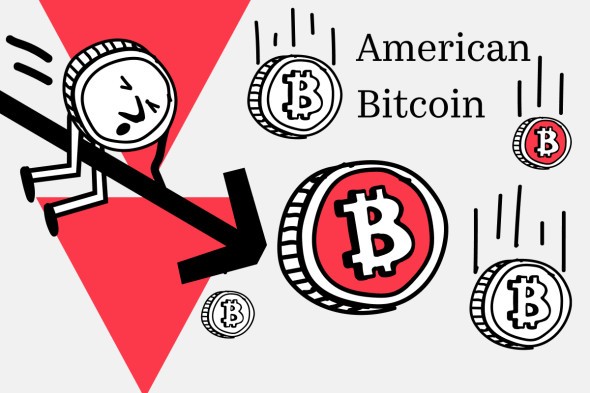
American Bitcoin, a cryptocurrency mining company co-founded by Eric Trump, son of Donald Trump, reported a net loss of $57.2 million for the second quarter of 2026. This loss was primarily driven by a decline in the value of Bitcoin held on its balance sheet. The company mined 932 BTC in the quarter, increasing its total reserves to 8,002 BTC, making it the 16th largest corporate Bitcoin holder. While mining revenue rose 8% to $67 million, the company's cost to mine one Bitcoin was approximately $36,500 against a market price around $63,000 in early August. Approximately 3,090 of its Bitcoins are pledged as collateral to equipment maker Bitmain. The company operates using the data centers and hardware of Hut 8, which received an 80% stake in American Bitcoin at its launch. American Bitcoin went public in September 2025, but its stock (ABTC) has since fallen over 90%. The company has faced controversy, with a Forbes investigation alleging it uses the Trump name to attract investors while primarily buying Bitcoin with raised funds rather than mining efficiently—a claim Eric Trump vehemently denied. For comparison, Michael Saylor's MicroStrategy, the world's largest corporate Bitcoin holder, reported a Q2 2026 net loss of $8.2 billion, also due to Bitcoin depreciation. Eric Trump has positioned the company as a way to give investors stock-market exposure to Bitcoin, similar to MicroStrategy, and has called himself a "Bitcoin maximalist."

cryptonews.ruHá 26m

Trump's Mining Company Reports $57 Million Loss

cryptonews.ruHá 26m

Forecast for August 2026 for the Crypto Market: Macroeconomics Will Determine Everything

Happy Coin News, with AI assistance from Gemini, presents a cryptocurrency market forecast for August 2026. The month is expected to solidify the market's structural transformation, where speculative narratives give way to pragmatic institutional integration. The key determinant of market dynamics will be the macroeconomic environment, with high U.S. interest rates and persistent inflation likely limiting retail capital inflow into high-risk digital assets. In this climate of limited liquidity, institutional players are predicted to gain near-total market control. Regulatory shifts will also be impactful. The EU's MiCA framework transition period officially ended on July 1, 2026, requiring full authorization for service providers. Meanwhile, the U.S. FIT21 bill will gain momentum, clarifying SEC and CFTC roles. These macro and regulatory pressures are reflected in the market structure: total capitalization is around $2.221 trillion, with Bitcoin's dominance high at 56.35%. A broad "altcoin season" is not imminent, as the Altcoin Season Index remains low. Growth in altcoins will be selective, with smart capital concentrating on AI infrastructure, next-gen DeFi, and tokenization projects. The main trend dominating August will be the tokenization of real-world assets (RWA), accelerated by the new regulatory clarity. This institutional integration will further tighten security and custodial requirements, moving the market definitively away from unregulated platforms toward hybrid models combining traditional finance tools with transparent blockchain infrastructure.

cryptonews.ruHá 28m

Forecast for August 2026 for the Crypto Market: Macroeconomics Will Determine Everything

cryptonews.ruHá 28m

Trading

Spot

Artigos em Destaque

O que é GROK AI

Grok AI: Revolucionar a Tecnologia Conversacional na Era Web3 Introdução No panorama em rápida evolução da inteligência artificial, a Grok AI destaca-se como um projeto notável que liga os domínios da tecnologia avançada e da interação com o utilizador. Desenvolvida pela xAI, uma empresa liderada pelo renomado empreendedor Elon Musk, a Grok AI procura redefinir a forma como interagimos com a inteligência artificial. À medida que o movimento Web3 continua a florescer, a Grok AI visa aproveitar o poder da IA conversacional para responder a consultas complexas, proporcionando aos utilizadores uma experiência que é não apenas informativa, mas também divertida. O que é a Grok AI? A Grok AI é um sofisticado chatbot de IA conversacional projetado para interagir com os utilizadores de forma dinâmica. Ao contrário de muitos sistemas de IA tradicionais, a Grok AI abraça uma gama mais ampla de perguntas, incluindo aquelas tipicamente consideradas inadequadas ou fora das respostas padrão. Os principais objetivos do projeto incluem: Raciocínio Fiável: A Grok AI enfatiza o raciocínio de senso comum para fornecer respostas lógicas com base na compreensão contextual. Supervisão Escalável: A integração de assistência de ferramentas garante que as interações dos utilizadores sejam monitorizadas e otimizadas para qualidade. Verificação Formal: A segurança é primordial; a Grok AI incorpora métodos de verificação formal para aumentar a fiabilidade das suas saídas. Compreensão de Longo Contexto: O modelo de IA destaca-se na retenção e recordação de um extenso histórico de conversas, facilitando discussões significativas e contextualizadas. Robustez Adversarial: Ao focar na melhoria das suas defesas contra entradas manipuladas ou maliciosas, a Grok AI visa manter a integridade das interações dos utilizadores. Em essência, a Grok AI não é apenas um dispositivo de recuperação de informações; é um parceiro conversacional imersivo que incentiva um diálogo dinâmico. Criador da Grok AI A mente por trás da Grok AI não é outra senão Elon Musk, um indivíduo sinónimo de inovação em vários campos, incluindo automóvel, viagens espaciais e tecnologia. Sob a égide da xAI, uma empresa focada em avançar a tecnologia de IA de maneiras benéficas, a visão de Musk visa reformular a compreensão das interações com a IA. A liderança e a ética fundacional são profundamente influenciadas pelo compromisso de Musk em ultrapassar os limites tecnológicos. Investidores da Grok AI Embora os detalhes específicos sobre os investidores que apoiam a Grok AI permaneçam limitados, é reconhecido publicamente que a xAI, a incubadora do projeto, é fundada e apoiada principalmente pelo próprio Elon Musk. As anteriores empreitadas e participações de Musk fornecem um forte apoio, reforçando ainda mais a credibilidade e o potencial de crescimento da Grok AI. No entanto, até agora, informações sobre fundações ou organizações de investimento adicionais que apoiam a Grok AI não estão prontamente acessíveis, marcando uma área para exploração futura potencial. Como Funciona a Grok AI? A mecânica operacional da Grok AI é tão inovadora quanto a sua estrutura conceptual. O projeto integra várias tecnologias de ponta que facilitam as suas funcionalidades únicas: Infraestrutura Robusta: A Grok AI é construída utilizando Kubernetes para orquestração de contêineres, Rust para desempenho e segurança, e JAX para computação numérica de alto desempenho. Este trio assegura que o chatbot opere de forma eficiente, escale eficazmente e sirva os utilizadores prontamente. Acesso a Conhecimento em Tempo Real: Uma das características distintivas da Grok AI é a sua capacidade de aceder a dados em tempo real através da plataforma X—anteriormente conhecida como Twitter. Esta capacidade concede à IA acesso às informações mais recentes, permitindo-lhe fornecer respostas e recomendações oportunas que outros modelos de IA poderiam perder. Dois Modos de Interação: A Grok AI oferece aos utilizadores a escolha entre “Modo Divertido” e “Modo Regular”. O Modo Divertido permite um estilo de interação mais lúdico e humorístico, enquanto o Modo Regular foca em fornecer respostas precisas e exatas. Esta versatilidade assegura uma experiência adaptada que atende a várias preferências dos utilizadores. Em essência, a Grok AI combina desempenho com envolvimento, criando uma experiência que é tanto enriquecedora quanto divertida. Cronologia da Grok AI A jornada da Grok AI é marcada por marcos fundamentais que refletem as suas fases de desenvolvimento e implementação: Desenvolvimento Inicial: A fase fundamental da Grok AI ocorreu ao longo de aproximadamente dois meses, durante os quais o treinamento inicial e o ajuste do modelo foram realizados. Lançamento Beta do Grok-2: Numa evolução significativa, o beta do Grok-2 foi anunciado. Este lançamento introduziu duas versões do chatbot—Grok-2 e Grok-2 mini—cada uma equipada com capacidades para conversar, programar e raciocinar. Acesso Público: Após o seu desenvolvimento beta, a Grok AI tornou-se disponível para os utilizadores da plataforma X. Aqueles com contas verificadas por um número de telefone e ativas há pelo menos sete dias podem aceder a uma versão limitada, tornando a tecnologia disponível para um público mais amplo. Esta cronologia encapsula o crescimento sistemático da Grok AI desde a sua concepção até ao envolvimento público, enfatizando o seu compromisso com a melhoria contínua e a interação com o utilizador. Principais Características da Grok AI A Grok AI abrange várias características principais que contribuem para a sua identidade inovadora: Integração de Conhecimento em Tempo Real: O acesso a informações atuais e relevantes diferencia a Grok AI de muitos modelos estáticos, permitindo uma experiência de utilizador envolvente e precisa. Estilos de Interação Versáteis: Ao oferecer modos de interação distintos, a Grok AI atende a várias preferências dos utilizadores, convidando à criatividade e personalização na conversa com a IA. Base Tecnológica Avançada: A utilização de Kubernetes, Rust e JAX fornece ao projeto uma estrutura sólida para garantir fiabilidade e desempenho ótimo. Consideração de Discurso Ético: A inclusão de uma função de geração de imagens demonstra o espírito inovador do projeto. No entanto, também levanta considerações éticas em torno dos direitos autorais e da representação respeitosa de figuras reconhecíveis—uma discussão em curso dentro da comunidade de IA. Conclusão Como uma entidade pioneira no domínio da IA conversacional, a Grok AI encapsula o potencial para experiências transformadoras do utilizador na era digital. Desenvolvida pela xAI e impulsionada pela abordagem visionária de Elon Musk, a Grok AI integra conhecimento em tempo real com capacidades avançadas de interação. Esforça-se por ultrapassar os limites do que a inteligência artificial pode alcançar, mantendo um foco nas considerações éticas e na segurança do utilizador. A Grok AI não apenas incorpora o avanço tecnológico, mas também representa um novo paradigma de conversas no panorama Web3, prometendo envolver os utilizadores com conhecimento hábil e interação lúdica. À medida que o projeto continua a evoluir, ele permanece como um testemunho do que a interseção da tecnologia, criatividade e interação humana pode alcançar.

579 Visualizações TotaisPublicado em {updateTime}Atualizado em 2024.12.26

O que é GROK AI

O que é ERC AI

Euruka Tech: Uma Visão Geral do $erc ai e as suas Ambições no Web3 Introdução No panorama em rápida evolução da tecnologia blockchain e das aplicações descentralizadas, novos projetos surgem frequentemente, cada um com objetivos e metodologias únicas. Um desses projetos é a Euruka Tech, que opera no vasto domínio das criptomoedas e do Web3. O foco principal da Euruka Tech, particularmente do seu token $erc ai, é apresentar soluções inovadoras concebidas para aproveitar as capacidades crescentes da tecnologia descentralizada. Este artigo tem como objetivo fornecer uma visão abrangente da Euruka Tech, uma exploração das suas metas, funcionalidade, a identidade do seu criador, potenciais investidores e a sua importância no contexto mais amplo do Web3. O que é a Euruka Tech, $erc ai? A Euruka Tech é caracterizada como um projeto que aproveita as ferramentas e funcionalidades oferecidas pelo ambiente Web3, focando na integração da inteligência artificial nas suas operações. Embora os detalhes específicos sobre a estrutura do projeto sejam um tanto elusivos, ele é concebido para melhorar o envolvimento dos utilizadores e automatizar processos no espaço cripto. O projeto visa criar um ecossistema descentralizado que não só facilita transações, mas também incorpora funcionalidades preditivas através da inteligência artificial, daí a designação do seu token, $erc ai. O objetivo é fornecer uma plataforma intuitiva que facilite interações mais inteligentes e um processamento eficiente de transações dentro da crescente esfera do Web3. Quem é o Criador da Euruka Tech, $erc ai? Neste momento, a informação sobre o criador ou a equipa fundadora da Euruka Tech permanece não especificada e algo opaca. Esta ausência de dados levanta preocupações, uma vez que o conhecimento sobre o histórico da equipa é frequentemente essencial para estabelecer credibilidade no setor blockchain. Portanto, categorizamos esta informação como desconhecida até que detalhes concretos sejam disponibilizados no domínio público. Quem são os Investidores da Euruka Tech, $erc ai? De forma semelhante, a identificação de investidores ou organizações de apoio para o projeto Euruka Tech não é prontamente fornecida através da pesquisa disponível. Um aspeto que é crucial para potenciais partes interessadas ou utilizadores que consideram envolver-se com a Euruka Tech é a garantia que vem de parcerias financeiras estabelecidas ou apoio de empresas de investimento respeitáveis. Sem divulgações sobre afiliações de investimento, é difícil tirar conclusões abrangentes sobre a segurança financeira ou a longevidade do projeto. Em linha com a informação encontrada, esta seção também se encontra no estado de desconhecido. Como funciona a Euruka Tech, $erc ai? Apesar da falta de especificações técnicas detalhadas para a Euruka Tech, é essencial considerar as suas ambições inovadoras. O projeto procura aproveitar o poder computacional da inteligência artificial para automatizar e melhorar a experiência do utilizador no ambiente das criptomoedas. Ao integrar IA com tecnologia blockchain, a Euruka Tech visa fornecer funcionalidades como negociações automatizadas, avaliações de risco e interfaces de utilizador personalizadas. A essência inovadora da Euruka Tech reside no seu objetivo de criar uma conexão fluida entre os utilizadores e as vastas possibilidades apresentadas pelas redes descentralizadas. Através da utilização de algoritmos de aprendizagem automática e IA, visa minimizar os desafios enfrentados por utilizadores de primeira viagem e agilizar as experiências transacionais dentro do quadro do Web3. Esta simbiose entre IA e blockchain sublinha a importância do token $erc ai, que se apresenta como uma ponte entre interfaces de utilizador tradicionais e as capacidades avançadas das tecnologias descentralizadas. Cronologia da Euruka Tech, $erc ai Infelizmente, devido à informação limitada disponível sobre a Euruka Tech, não conseguimos apresentar uma cronologia detalhada dos principais desenvolvimentos ou marcos na jornada do projeto. Esta cronologia, tipicamente inestimável para traçar a evolução de um projeto e compreender a sua trajetória de crescimento, não está atualmente disponível. À medida que informações sobre eventos notáveis, parcerias ou adições funcionais se tornem evidentes, atualizações certamente aumentarão a visibilidade da Euruka Tech na esfera cripto. Esclarecimento sobre Outros Projetos “Eureka” É importante abordar que múltiplos projetos e empresas partilham uma nomenclatura semelhante com “Eureka.” A pesquisa identificou iniciativas como um agente de IA da NVIDIA Research, que se concentra em ensinar robôs a realizar tarefas complexas utilizando métodos generativos, bem como a Eureka Labs e a Eureka AI, que melhoram a experiência do utilizador na educação e na análise de serviços ao cliente, respetivamente. No entanto, estes projetos são distintos da Euruka Tech e não devem ser confundidos com os seus objetivos ou funcionalidades. Conclusão A Euruka Tech, juntamente com o seu token $erc ai, representa um jogador promissor, mas atualmente obscuro, dentro do panorama do Web3. Embora os detalhes sobre o seu criador e investidores permaneçam não divulgados, a ambição central de combinar inteligência artificial com tecnologia blockchain destaca-se como um ponto focal de interesse. As abordagens únicas do projeto em promover o envolvimento do utilizador através da automação avançada podem diferenciá-lo à medida que o ecossistema Web3 avança. À medida que o mercado cripto continua a evoluir, as partes interessadas devem manter um olhar atento sobre os avanços em torno da Euruka Tech, uma vez que o desenvolvimento de inovações documentadas, parcerias ou um roteiro definido pode apresentar oportunidades significativas no futuro próximo. Neste momento, aguardamos por insights mais substanciais que possam desvendar o potencial da Euruka Tech e a sua posição no competitivo panorama cripto.

631 Visualizações TotaisPublicado em {updateTime}Atualizado em 2025.01.02

O que é ERC AI

O que é DUOLINGO AI

DUOLINGO AI: Integrar a Aprendizagem de Línguas com Inovação Web3 e IA Numa era em que a tecnologia transforma a educação, a integração da inteligência artificial (IA) e das redes blockchain anuncia uma nova fronteira para a aprendizagem de línguas. Apresentamos DUOLINGO AI e a sua criptomoeda associada, $DUOLINGO AI. Este projeto aspira a unir o poder educativo das principais plataformas de aprendizagem de línguas com os benefícios da tecnologia descentralizada Web3. Este artigo explora os principais aspectos do DUOLINGO AI, analisando os seus objetivos, estrutura tecnológica, desenvolvimento histórico e potencial futuro, mantendo a clareza entre o recurso educativo original e esta iniciativa independente de criptomoeda. Visão Geral do DUOLINGO AI No seu cerne, DUOLINGO AI procura estabelecer um ambiente descentralizado onde os alunos podem ganhar recompensas criptográficas por alcançar marcos educativos em proficiência linguística. Ao aplicar contratos inteligentes, o projeto visa automatizar processos de verificação de habilidades e alocação de tokens, aderindo aos princípios do Web3 que enfatizam a transparência e a propriedade do utilizador. O modelo diverge das abordagens tradicionais de aquisição de línguas ao apoiar-se fortemente numa estrutura de governança orientada pela comunidade, permitindo que os detentores de tokens sugiram melhorias ao conteúdo dos cursos e à distribuição de recompensas. Alguns dos objetivos notáveis do DUOLINGO AI incluem: Aprendizagem Gamificada: O projeto integra conquistas em blockchain e tokens não fungíveis (NFTs) para representar níveis de proficiência linguística, promovendo a motivação através de recompensas digitais envolventes. Criação de Conteúdo Descentralizada: Abre caminhos para educadores e entusiastas de línguas contribuírem com os seus cursos, facilitando um modelo de partilha de receitas que beneficia todos os colaboradores. Personalização Através de IA: Ao empregar modelos avançados de aprendizagem de máquina, o DUOLINGO AI personaliza as lições para se adaptar ao progresso de aprendizagem individual, semelhante às características adaptativas encontradas em plataformas estabelecidas. Criadores do Projeto e Governança A partir de abril de 2025, a equipa por trás do $DUOLINGO AI permanece pseudónima, uma prática frequente no panorama descentralizado das criptomoedas. Esta anonimidade visa promover o crescimento coletivo e o envolvimento das partes interessadas, em vez de se concentrar em desenvolvedores individuais. O contrato inteligente implementado na blockchain Solana indica o endereço da carteira do desenvolvedor, o que significa o compromisso com a transparência em relação às transações, apesar da identidade dos criadores ser desconhecida. De acordo com o seu roteiro, o DUOLINGO AI pretende evoluir para uma Organização Autónoma Descentralizada (DAO). Esta estrutura de governança permite que os detentores de tokens votem em questões críticas, como implementações de funcionalidades e alocação de tesouraria. Este modelo alinha-se com a ética de empoderamento comunitário encontrada em várias aplicações descentralizadas, enfatizando a importância da tomada de decisão coletiva. Investidores e Parcerias Estratégicas Atualmente, não existem investidores institucionais ou capitalistas de risco publicamente identificáveis ligados ao $DUOLINGO AI. Em vez disso, a liquidez do projeto origina-se principalmente de trocas descentralizadas (DEXs), marcando um contraste acentuado com as estratégias de financiamento das empresas tradicionais de tecnologia educacional. Este modelo de base indica uma abordagem orientada pela comunidade, refletindo o compromisso do projeto com a descentralização. No seu whitepaper, o DUOLINGO AI menciona a formação de colaborações com “plataformas de educação blockchain” não especificadas, com o objetivo de enriquecer a sua oferta de cursos. Embora parcerias específicas ainda não tenham sido divulgadas, estes esforços colaborativos sugerem uma estratégia para misturar inovação em blockchain com iniciativas educativas, expandindo o acesso e o envolvimento dos utilizadores em diversas vias de aprendizagem. Arquitetura Tecnológica Integração de IA O DUOLINGO AI incorpora dois componentes principais impulsionados por IA para melhorar as suas ofertas educativas: Motor de Aprendizagem Adaptativa: Este motor sofisticado aprende a partir das interações dos utilizadores, semelhante a modelos proprietários de grandes plataformas educativas. Ele ajusta dinamicamente a dificuldade das lições para abordar desafios específicos dos alunos, reforçando áreas fracas através de exercícios direcionados. Agentes Conversacionais: Ao empregar chatbots alimentados por GPT-4, o DUOLINGO AI oferece uma plataforma para os utilizadores se envolverem em conversas simuladas, promovendo uma experiência de aprendizagem de línguas mais interativa e prática. Infraestrutura Blockchain Construído na blockchain Solana, o $DUOLINGO AI utiliza uma estrutura tecnológica abrangente que inclui: Contratos Inteligentes de Verificação de Habilidades: Esta funcionalidade atribui automaticamente tokens aos utilizadores que passam com sucesso em testes de proficiência, reforçando a estrutura de incentivos para resultados de aprendizagem genuínos. Emblemas NFT: Estes tokens digitais significam vários marcos que os alunos alcançam, como completar uma seção do seu curso ou dominar habilidades específicas, permitindo-lhes negociar ou exibir as suas conquistas digitalmente. Governança DAO: Membros da comunidade com tokens podem participar na governança votando em propostas-chave, facilitando uma cultura participativa que incentiva a inovação nas ofertas de cursos e funcionalidades da plataforma. Cronologia Histórica 2022–2023: Conceituação O trabalho preliminar para o DUOLINGO AI começa com a criação de um whitepaper, destacando a sinergia entre os avanços em IA na aprendizagem de línguas e o potencial descentralizado da tecnologia blockchain. 2024: Lançamento Beta Um lançamento beta limitado introduz ofertas em línguas populares, recompensando os primeiros utilizadores com incentivos em tokens como parte da estratégia de envolvimento comunitário do projeto. 2025: Transição para DAO Em abril, ocorre um lançamento completo da mainnet com a circulação de tokens, promovendo discussões comunitárias sobre possíveis expansões para línguas asiáticas e outros desenvolvimentos de cursos. Desafios e Direções Futuras Obstáculos Técnicos Apesar dos seus objetivos ambiciosos, o DUOLINGO AI enfrenta desafios significativos. A escalabilidade continua a ser uma preocupação constante, particularmente no equilíbrio dos custos associados ao processamento de IA e à manutenção de uma rede descentralizada responsiva. Além disso, garantir a criação e moderação de conteúdo de qualidade num ambiente descentralizado apresenta complexidades na manutenção dos padrões educativos. Oportunidades Estratégicas Olhando para o futuro, o DUOLINGO AI tem o potencial de aproveitar parcerias de micro-certificação com instituições académicas, proporcionando validações verificadas em blockchain das habilidades linguísticas. Além disso, a expansão cross-chain poderia permitir que o projeto acedesse a bases de utilizadores mais amplas e a ecossistemas de blockchain adicionais, melhorando a sua interoperabilidade e alcance. Conclusão DUOLINGO AI representa uma fusão inovadora de inteligência artificial e tecnologia blockchain, apresentando uma alternativa focada na comunidade aos sistemas tradicionais de aprendizagem de línguas. Embora o seu desenvolvimento pseudónimo e o modelo económico emergente tragam certos riscos, o compromisso do projeto com a aprendizagem gamificada, educação personalizada e governança descentralizada ilumina um caminho a seguir para a tecnologia educativa no domínio do Web3. À medida que a IA continua a avançar e o ecossistema blockchain evolui, iniciativas como o DUOLINGO AI poderão redefinir a forma como os utilizadores interagem com a educação linguística, empoderando comunidades e recompensando o envolvimento através de mecanismos de aprendizagem inovadores.

555 Visualizações TotaisPublicado em {updateTime}Atualizado em 2025.04.11

O que é DUOLINGO AI

Discussões

Bem-vindo à Comunidade HTX. Aqui, pode manter-se informado sobre os mais recentes desenvolvimentos da plataforma e obter acesso a análises profissionais de mercado. As opiniões dos utilizadores sobre o preço de AI (AI) são apresentadas abaixo.

活动图片