谷歌风雨飘摇,市值蒸发数千亿美元,Gemini Spark能救场吗?

marsbitPublicado em 2026-07-01Última atualização em 2026-07-01

Resumo

最近,谷歌陷入内忧外患,核心人才接连流失:Transformer架构师Noam Shazeer、AlphaFold主导者John Jumper,以及Gemini预训练和编程核心贡献者Jonas Adler、Alexander Pritzel相继离职,分别投身OpenAI和Anthropic。资本市场迅速反应,Alphabet股价两天内下跌5%-6%,市值蒸发数千亿美元,反映出市场对谷歌能否留住顶尖人才的深层担忧。 与此同时,谷歌产品节奏也面临挑战,备受期待的Gemini 3.5 Pro再次推迟发布。在此背景下,谷歌推出了新的AI产品Gemini Spark。与普通聊天机器人不同,Spark作为云端持续运行的智能体,能深度集成Gmail、日历、文档等谷歌Workspace套件,根据用户设定的目标自动分解任务、跨应用执行工作流,并能通过协议连接外部服务。其目标是为用户提供一个“永不停机的数字员工”。然而,其目前仅面向每月100美元的Google AI Ultra用户开放,高价策略引发争议。 分析认为,谷歌手握最完善的生产力工具生态,本应是开发“AI劳动力”或智能体的天然赢家,但因大公司的谨慎和对风险的规避,反而在Agent竞赛中落后于OpenAI、Anthropic及众多创业公司。Spark的推出标志着谷歌终于放手让AI深入生产力环节,但能否借此挽回颓势、弥补人才流失的损失,并支撑其下一个十年,仍是巨大疑问。

最近,谷歌人心惶惶,风雨飘摇。

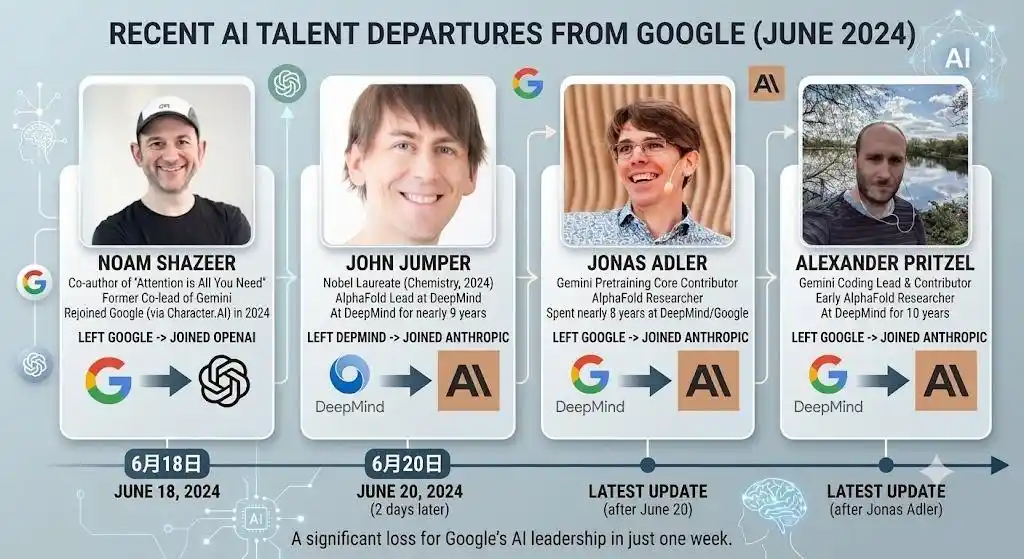
6月18日,Transformer八子之一Noam Shazeer发文宣布离开谷歌,去OpenAI。2024年,谷歌花了约27亿美元把他请回来,坐上Gemini联合负责人的位子。不到两年,他又走了。

两天后,John Jumper也走了,去Anthropic。他是2024年诺贝尔化学奖得主,AlphaFold的主导者,在DeepMind待了快九年。

然后是Jonas Adler和Alexander Pritzel,Gemini预训练和编程方向的核心贡献者,也参与过AlphaFold。最新消息:这两位也准备去Anthropic。
如果这只是普通离职,谷歌当然扛得住。

可问题是,这四个人分别踩在大模型最核心的几条神经线上:架构、科学、编程、预训练。

资本市场的反应来得很直接,用脚投票。6月22日,Alphabet股价两天里跌了5%到6%,市值蒸发数千亿美元。
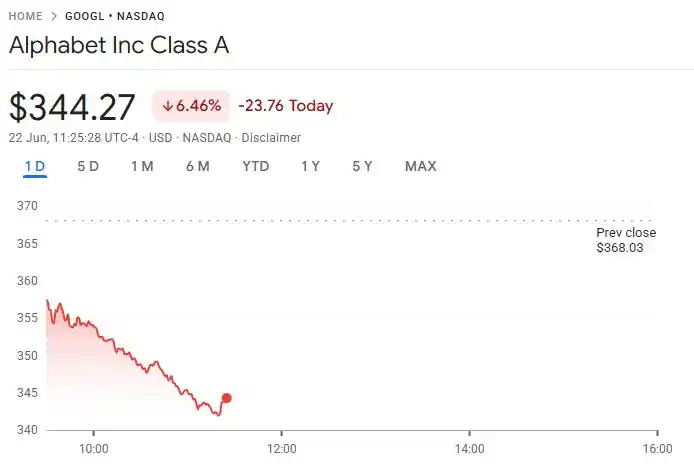
投资人担心的不是哪一款产品,是一件更根上的事:谷歌还留得住造出它最重要那些东西的人吗?

更尴尬的是,就在这场人才失血发生的同一个月,谷歌端出了它酝酿已久的新牌:Gemini Spark。
一边是大脑流失,一边是大力出奇迹。

2026年的谷歌,最真实的样子就藏在这种撕裂里。

Gemini 3.5 Pro疑跳票,谷歌破局靠Spark?

不止是人才流失,谷歌更难看的是产品节奏。

I/O 2026上,所有人都在等Gemini 3.5 Pro。

谷歌CEO站在台上说了句「再给我们一个月」,台下据说响起一片叹气。
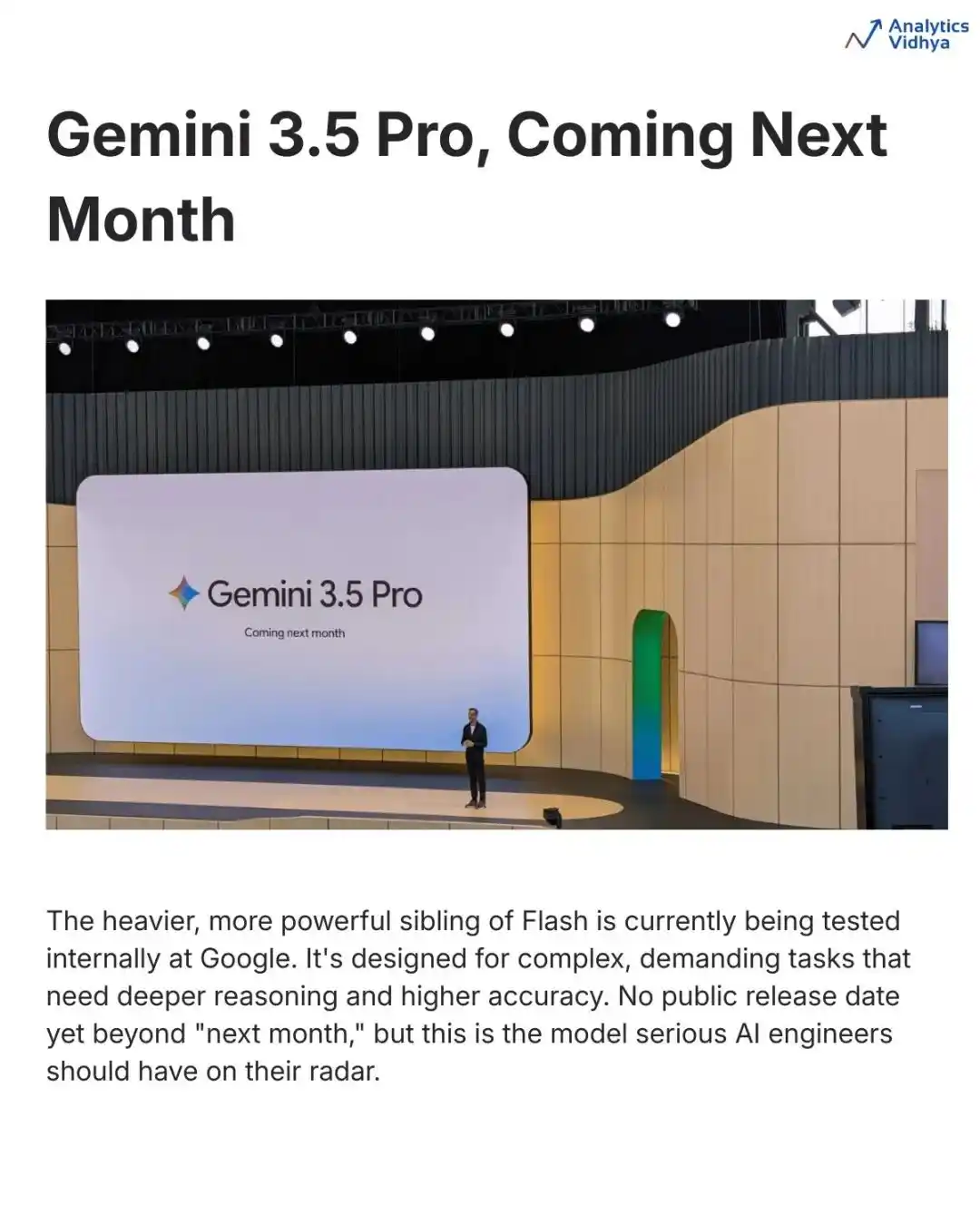
结果一个月过去,最新消息:Gemini 3.5 Pro从6月又推到了7月。
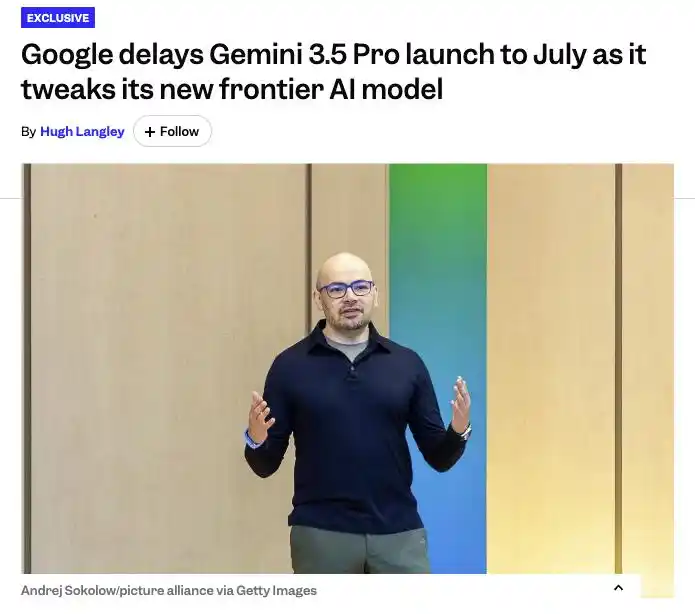
两百万token的上下文、Deep Think深度推理,纸面上很强,就是迟迟不到你手里。

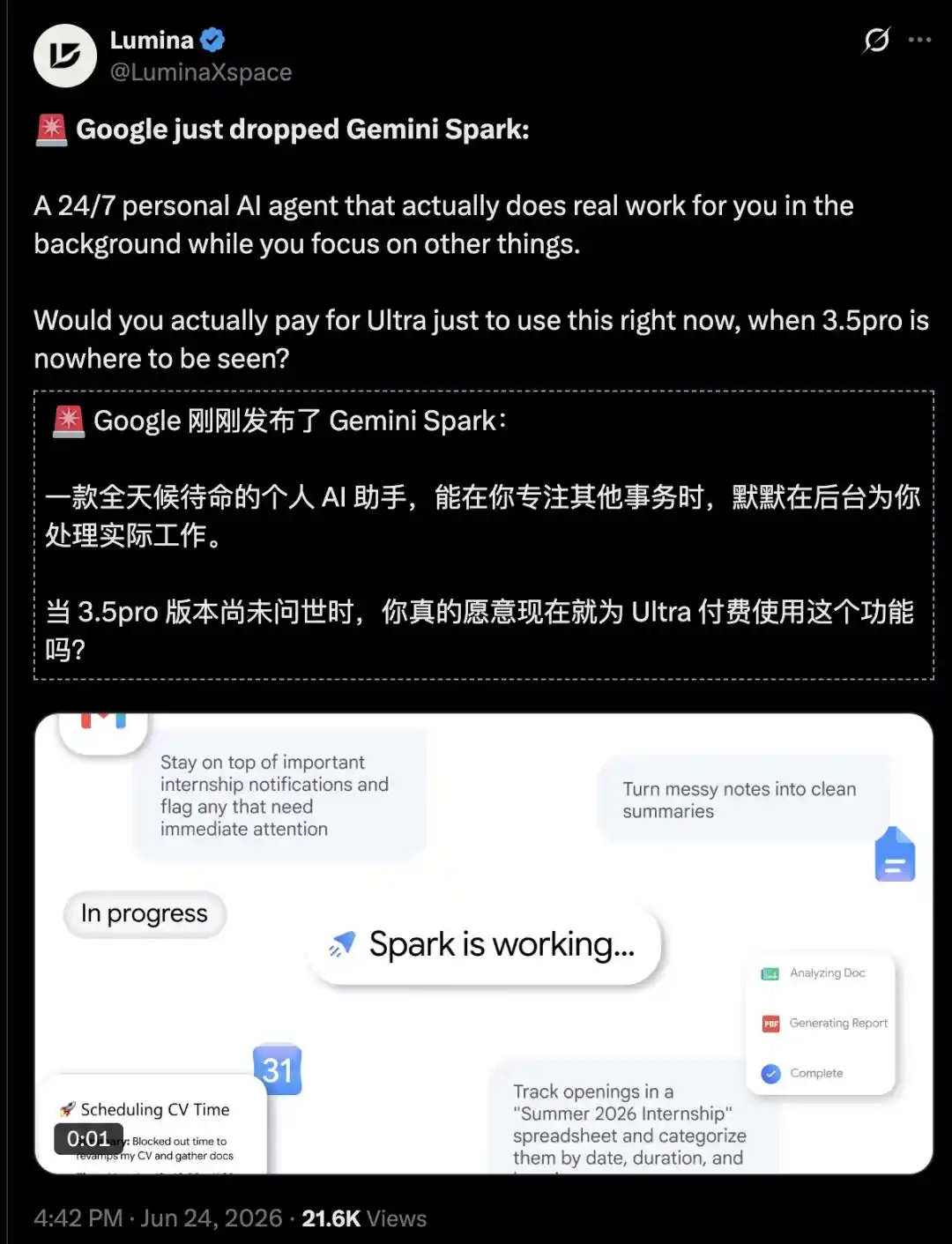
就在这片黄昏里,谷歌甩出了它这一年最重的一张牌:Gemini Spark。
先说清楚它跟你手机里那个Gemini有什么不一样。
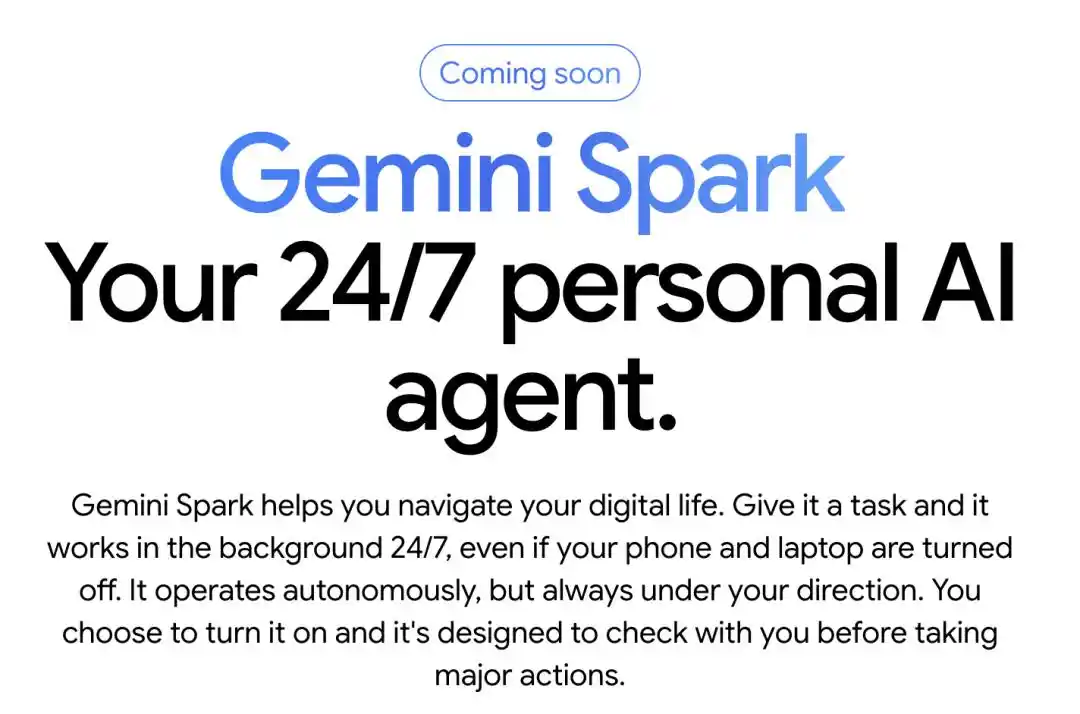
普通聊天机器人,你问一句它答一句,你一关App,它就不存在了。

Spark不是。它跑在谷歌云的专用虚拟机上,你合上电脑、锁了手机、睡着了,它还在云端醒着,继续替你干活。

你不需要为了让它运转,一直开着电脑。

它接得最深的,是谷歌自己那套你天天在用的工具:Gmail、日历、Docs、Sheets、Slides、Drive,还有地图和YouTube。
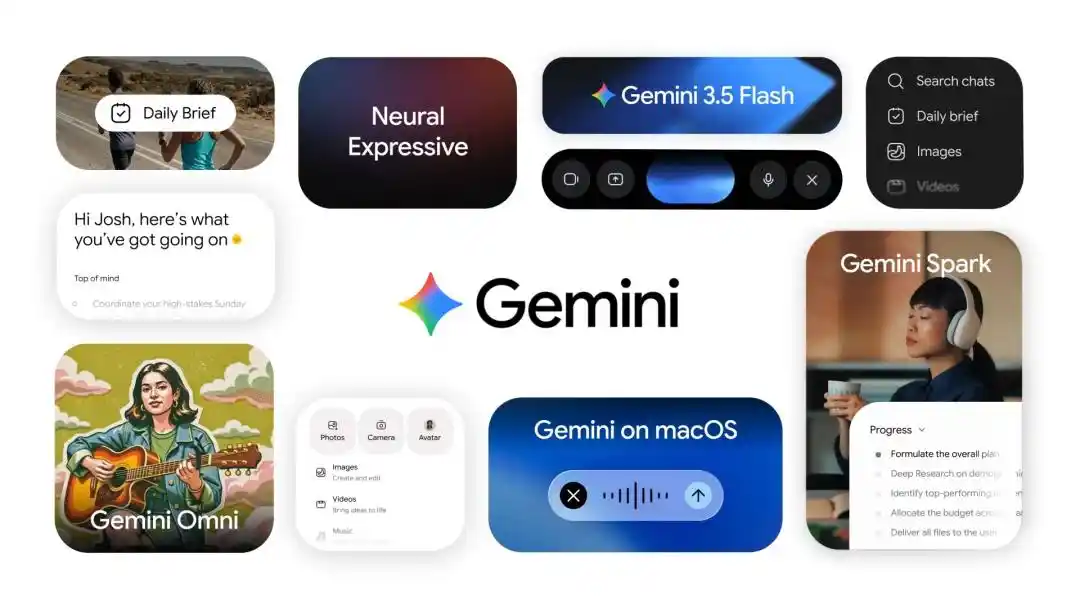
光说不够,看它真能干什么。

你是个摄影师。一封询价邮件进来,Spark自动把客户名字、想约的日期抽出来,记进你那张「客户追踪」表格,再以这个客户的名字新建一个Drive文件夹。

你家有娃。让它盯着邮箱里学校发来的通知,把关键截止日期抽出来,每天给你和你伴侣发一份汇总。

看出门道了吗。

这些都不是「帮我写封邮件」这种一问一答,是给个目标,它自己拆成好几步,跨好几个App跑完。

谷歌给它配了一套叫Antigravity的Agent框架,还分成Tasks、Skills、Schedules,能定时跑,也能等某个条件触发了再跑。

任务(Tasks):您可以让人工智能智能体投入工作,将其连接到您的Google Workspace生态系统,包括Gmail、日历、文档、表格和幻灯片。

技能(Skills):通过构建技能,您可以精确设定Spark如何处理您经常重复的事项,从而定制您的使用体验,让您免于重复输入提示词。

日程安排(Schedules):通过设置基于时间或条件的触发规则,在您确切需要的时刻执行任务,让您按自己的方式自动化处理工作负载。

往外它也能伸手。

通过MCP协议接上Canva、OpenTable、Instacart,理论上你能让它订餐厅、买菜。涉及花钱、发邮件这类高风险动作,它会先停下来问你一句。

想象一个不要工资、不喝咖啡、在云端永远在线的实习生。这大概就是Spark想让你产生的幻觉。

代价是:它现在只给Google AI Ultra用户,每月100美元那一档。

Pro用户能拿到的是另一个叫Daily Brief的晨间简报,不是Spark本体。

网友直呼,这定价简直就是个笑话。
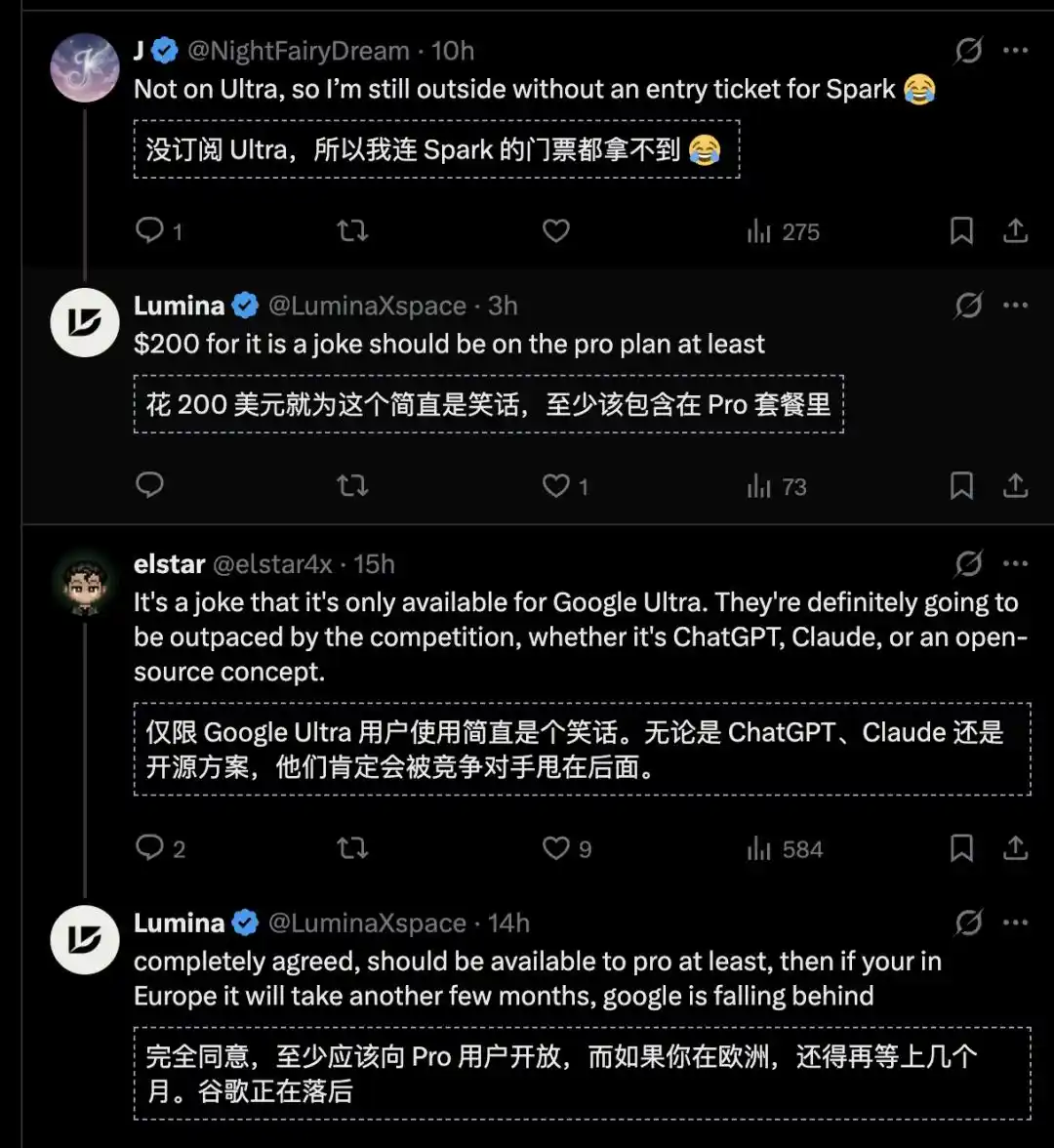
一道隐形的门,把「数字员工」圈在了最贵的那层里。

谷歌起了个大早,却赶了个晚集

把Spark放回整个Agent战场,它的意义就更复杂了。

OpenAI有自己的Agent产品路线。

Anthropic从Computer Use到Claude Code,也在把「让AI替你动手」这件事越做越深。

还有大量垂直Agent创业公司,正在从法律、销售、招聘、客服、数据分析、编程等场景切进去。
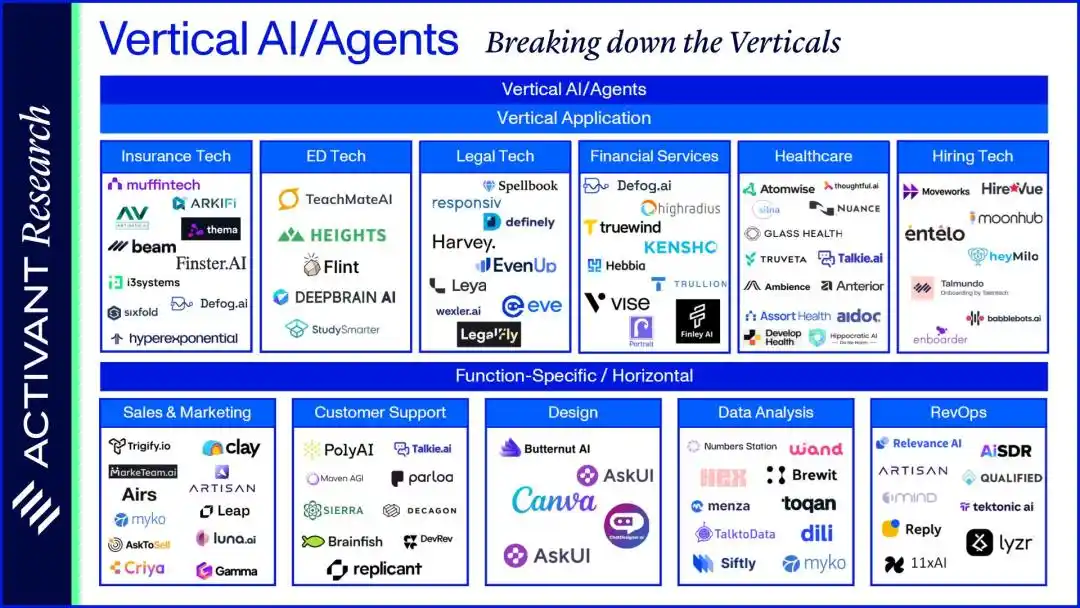
行业达成了高度共识:AI正在从工具,变成劳动力。

过去的AI是副驾驶。你开车,它提醒你。现在的AI是司机。你说目的地,它自己规划路线。

而谷歌最尴尬的地方在于,它本来最应该赢。

没有哪家公司比谷歌更适合做生产力Agent。

Gmail、Calendar、Docs、Sheets、Drive,这些不是孤立应用,而是现代办公生活的毛细血管。

真正的数字员工,如果能天然接入这些系统,效率优势会极其可怕。

问题是,谷歌手里攥着最好的牌,却没有最早把牌打出来。

原因也不难理解。谷歌越大,越怕出事。

AI读错邮件怎么办?误删文件怎么办?把不该发的内容发出去了怎么办?访问用户隐私引发公关灾难怎么办?

这些问题对创业公司是风险,对谷歌就是雷区。

于是它谨慎,犹豫,审查,等待。

而就在谷歌犹豫不决时,以OpenClaw为代表的开源项目正在重新定义「浏览器智能体」。

它们像寄生体一样直接接管网页操作,效率惊人。

谷歌的失利本质,在于「巨头的傲慢与恐惧」。

Spark的出现,是谷歌终于决定放开束缚,让AI真正进入后台「替人干活」的转折点。

这就是谷歌最痛的悖论:它起了个大早,却赶了个晚集。

谷歌能否靠Spark止血?很难。

但Spark至少指明了方向:AI必须从「对话框」里走出来,进入生产力的毛细血管。

而对于那些眼睁睁看着市值蒸发2000亿的投资者来说,他们最想问的是:那些造神的人都走了,剩下的这台「打工机器」,真的能撑起谷歌的下一个十年吗?

参考资料:

https://x.com/LuminaXspace/status/2069702715999998139

https://www.datacamp.com/blog/gemini-spark

本文来自微信公众号“新智元”,作者:ASI启示录

Criptomoedas em alta

Perguntas relacionadas

Q文章中提到谷歌近期有哪些关键人才流失?

A根据文章,近期离开谷歌的关键人才包括:Transformer八子之一Noam Shazeer(去往OpenAI)、2024年诺贝尔化学奖得主AlphaFold主导者John Jumper(去往Anthropic),以及Gemini预训练和编程方向的核心贡献者Jonas Adler和Alexander Pritzel(也准备去往Anthropic)。

Q谷歌推出的新产品Gemini Spark是什么?它与普通的聊天机器人有何主要区别?

AGemini Spark是谷歌推出的一个运行在谷歌云专用虚拟机上的智能体产品。它与普通聊天机器人的主要区别在于:它可以在云端持续运行,即使你关闭设备,它也能继续替你完成任务;它能深度集成谷歌自家的生产力工具套件(如Gmail、日历、Docs等),并可连接到外部服务(如Canva、OpenTable);它能通过Antigravity框架分解并执行跨应用的复杂任务,而不仅是进行简单的问答。

QGemini Spark的定价策略是什么?它引发了怎样的市场反应?

AGemini Spark目前仅提供给Google AI Ultra用户,即每月100美元的最高档订阅用户。而相对便宜的Pro用户只能获得一个名为“Daily Brief”的晨间简报功能,而非Spark本体。文章指出,这种定价策略被部分网友直呼“简直就是个笑话”,形成了一道将高级“数字员工”功能圈定在最昂贵层级中的隐形门槛。

Q文章如何描述谷歌在AI智能体(Agent)领域竞争中的处境?

A文章指出,虽然谷歌拥有世界上最适合做生产力智能体的工具套件(如Gmail、Calendar、Docs等),但它却“起了个大早,赶了个晚集”。原因是,作为科技巨头,谷歌在让AI深度介入用户工作流程和敏感数据方面过于谨慎和犹豫,担心出错引发公关灾难或隐私问题。就在它犹豫期间,OpenAI、Anthropic等竞争对手以及众多开源项目(如OpenClaw)已经在该领域取得了进展,抢占了先机。

Q为什么文章认为Gemini Spark很难为谷歌解决当前的人才流失和市值下跌问题?

A文章认为,虽然Spark指明了让AI从“对话框”走进生产力核心的正确方向,但它本身作为一款高价订阅产品,很难为谷歌当前的困境“止血”。文章最后抛出的核心问题是,在“造神”的关键人才接连流失的背景下,仅仅推出一款“打工机器”(指Spark这类执行工具)并不足以解决根本问题,也难以让投资者相信它能够独自撑起谷歌的下一个十年。

Leituras Relacionadas

Losing $55 Million to Sell Bitcoin, MicroStrategy's Faith Reaches Its Interest Payment Day

On July 6th, Michael Saylor's MicroStrategy announced the sale of 3,588 BTC for approximately $216 million, incurring a realized loss of around $55.45 million compared to its average cost basis. This move, contradicting Saylor's long-standing "never sell" Bitcoin philosophy, was executed to pay dividends on its digital credit securities. The article traces this shift from a small "desensitization test" sale of 32 BTC in late May to the board's authorization on June 30th to sell up to $1.25 billion in Bitcoin for corporate purposes like dividends and buybacks. Analysis reveals that MicroStrategy's previous growth "flywheel"—using stock premiums to fund more Bitcoin purchases—has stalled. With its stock trading near a critical threshold (1.22x its Bitcoin NAV), issuing new shares would dilute value. Simultaneously, its financing channels (preferred stock, common stock ATM, convertible notes) are constrained while facing rigid annual dividend/interest obligations of roughly $1.76 billion. Consequently, selling Bitcoin became the calculated "optimal solution" under its own financial model. This transforms MicroStrategy from crypto's most prominent steady buyer into a predictable seller, creating a potential overhead of ~2,400 BTC in monthly selling pressure if obligations are fully covered by sales. This shift challenges the valuation models of the entire Digital Asset Treasury (DAT) sector that emulated MicroStrategy. The company's path forward now hinges on Bitcoin's price recovery, which would allow its preferred stock to trade at par and reopen its financing flywheel, creating a cyclical dependency between the firm's financial model and the asset it holds.

链捕手Há 6m

Losing $55 Million to Sell Bitcoin, MicroStrategy's Faith Reaches Its Interest Payment Day

链捕手Há 6m

OUSD Fake Partnership Controversy? Stablecoins and the Credit Game of Giant Endorsements

Author: Chloe, ChainCatcher Last week, Open Standard launched the dollar stablecoin OpenUSD (OUSD) with a list of over 140 supposedly supporting companies, including major names like Visa, Mastercard, Stripe, American Express, BlackRock, BNY, Standard Chartered, Google, Shopify, Samsung, Coinbase, Solana, and Ripple. The announcement initially impacted Circle's stock price, but doubts about the list quickly emerged. Several Korean firms named, including Samsung Electronics, Shinhan Financial Group, Dunamu (Upbit's parent), and K Bank, clarified they had not formally agreed to join the alliance. Some stated they were only approached for potential interest or learned of their inclusion from news reports, expressing surprise. Similar concerns were raised by U.S. entities, suggesting the list may be misleading. OUSD, led by Zach Abrams of Bridge (acquired by Stripe in 2024), promotes zero-fee minting/redemption, no transaction limits, and sharing reserve asset yields with partners instead of keeping profits. However, this model makes listed partnership imply economic benefits, turning it into a serious credibility issue. This incident reflects a common crypto marketing tactic of leveraging big names. A Chainstory analysis found over 62% of crypto press releases in late 2025 were high-risk or scams. The situation recalls Facebook's Libra (later Diem), which collapsed in 2022 after initial heavyweight backers like Visa and PayPal withdrew under regulatory pressure. Circle CEO Jeremy Allaire welcomed the competition but highlighted the challenges. He argued stablecoin success relies on network effects and real usage, not just alliances. He criticized OUSD's "free" model and full revenue sharing as potentially starving infrastructure development. Noting the dominance of USDT (~$1.84T) and USDC (~$730B) in the ~$2.91T stablecoin market, he suggested many new entrants lack real utility despite inflated circulation from incentives. In conclusion, while OUSD has genuine backing and a distinct model, its future depends on actual adoption in B2B payments, settlements, and cross-border transactions, not just a prestigious partner list. The market will determine if it is a credible challenger or merely another marketing promise.

链捕手Há 9m

OUSD Fake Partnership Controversy? Stablecoins and the Credit Game of Giant Endorsements

链捕手Há 9m

Selling at a Loss of $55 Million: MicroStrategy's Faith Reaches Its Interest Payment Date

On July 6th, Michael Saylor's MicroStrategy sold 3,588 BTC for approximately $216 million to fund dividends for its digital credit securities, incurring a realized loss of around $55.45 million. This move, from a company that long championed a "never sell" Bitcoin strategy, marks a significant shift. The sale followed a board-approved plan authorizing up to $1.25 billion in BTC sales for corporate purposes like dividends and buybacks. MicroStrategy's core growth model relied on issuing premium-priced shares to buy more Bitcoin. However, with its share price trading near the critical 1.22x mNAV (market value to net asset value) threshold, issuing new equity became dilutive. Simultaneously, its financing channels have constricted, while its annual dividend and interest obligations (roughly $1.76 billion) remain a rigid expense. Consequently, selling Bitcoin became the rational choice under its own framework. MicroStrategy now holds ~843,775 BTC and $2.55 billion in cash reserves. If annual obligations were fully covered by BTC sales, it could create consistent selling pressure of roughly 29,000 BTC per year. This transforms the market's largest consistent buyer into a scheduled seller, potentially pressuring Bitcoin prices and challenging the valuation models of similar digital asset treasury companies. For MicroStrategy, the path forward hinges on Bitcoin's price recovery, which would help restore the premium on its securities and restart its acquisition flywheel. Its fate is now cyclically tied to the asset it holds: a strong Bitcoin price validates its model, while a weak price strains the very model that exerts selling pressure.

marsbitHá 44m

Selling at a Loss of $55 Million: MicroStrategy's Faith Reaches Its Interest Payment Date

marsbitHá 44m

Trading

Spot

Artigos em Destaque

Como comprar CAP

Bem-vindo à HTX.com!Tornámos a compra de Cap (CAP) simples e conveniente.Segue o nosso guia passo a passo para iniciar a tua jornada no mundo das criptos.Passo 1: cria a tua conta HTXUtiliza o teu e-mail ou número de telefone para te inscreveres numa conta gratuita na HTX.Desfruta de um processo de inscrição sem complicações e desbloqueia todas as funcionalidades.Obter a minha contaPasso 2: vai para Comprar Cripto e escolhe o teu método de pagamentoCartão de crédito/débito: usa o teu visa ou mastercard para comprar Cap (CAP) instantaneamente.Saldo: usa os fundos da tua conta HTX para transacionar sem problemas.Terceiros: adicionamos métodos de pagamento populares, como Google Pay e Apple Pay, para aumentar a conveniência.P2P: transaciona diretamente com outros utilizadores na HTX.Mercado de balcão (OTC): oferecemos serviços personalizados e taxas de câmbio competitivas para os traders.Passo 3: armazena teu Cap (CAP)Depois de comprar o teu Cap (CAP), armazena-o na tua conta HTX.Alternativamente, podes enviá-lo para outro lugar através de transferência blockchain ou usá-lo para transacionar outras criptomoedas.Passo 4: transaciona Cap (CAP)Transaciona facilmente Cap (CAP) no mercado à vista da HTX.Acede simplesmente à tua conta, seleciona o teu par de trading, executa as tuas transações e monitoriza em tempo real.Oferecemos uma experiência de fácil utilização tanto para principiantes como para traders experientes.

24 Visualizações TotaisPublicado em {updateTime}Atualizado em 2026.06.26

Como comprar CAP

Discussões

Bem-vindo à Comunidade HTX. Aqui, pode manter-se informado sobre os mais recentes desenvolvimentos da plataforma e obter acesso a análises profissionais de mercado. As opiniões dos utilizadores sobre o preço de CAP (CAP) são apresentadas abaixo.

活动图片