杠杆保证金耗尽,「麻吉大哥」黄立成开始亏本卖猴了

Foresight NewsPublicado em 2026-06-29Última atualização em 2026-06-29

Resumo

台湾加密巨鲸黄立成(麻吉大哥)因在Hyperliquid上进行高杠杆ETH多单交易亏损严重,被迫在过去一个月内低价抛售34枚BAYC(无聊猿)NFT,换取约51.4万美元的ETH以补充保证金,实际亏损约63.1万美元。其中一只猿猴亏损达90%。 黄立成自2025年9月开始以25至40倍杠杆做多ETH,初期浮盈曾超4500万美元,但随后ETH价格暴跌,其累计亏损已超3385万美元,总交易损益亏损超过8000万美元。他因此遭遇超过335次清算,被称为“爆仓之王”。 当常规资金耗尽后,黄立成开始变卖其曾价值数千万美元的NFT收藏来维持保证金。他曾是BAYC在亚洲市场推广的关键人物,持有大量NFT,但如今这些资产已成为其合约交易的“输液管”。他的经历反映了NFT市场从狂热到冷却的周期,以及高杠杆交易的风险。


撰文:ChandlerZ, Foresight News


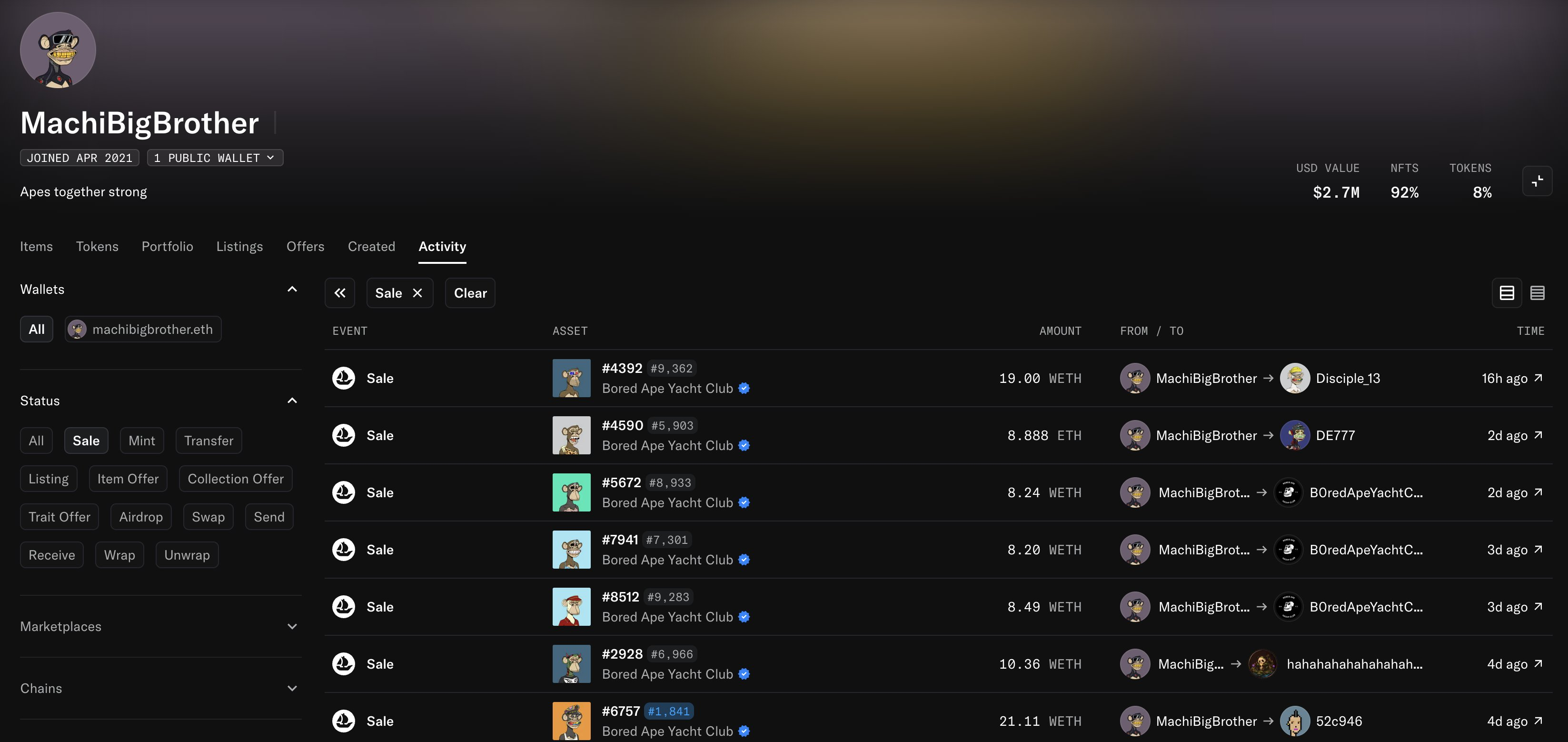
6 月 27 日,Lookonchain 监测称,台湾加密巨鲸黄立成(Machi Big Brother,麻吉大哥)在过去一个月内出售 34 枚 Bored Ape Yacht Club(BAYC) NFT,换得 326 枚 ETH(约 51.4 万美元),实际亏损 399 枚 ETH(约 63.1 万美元)。


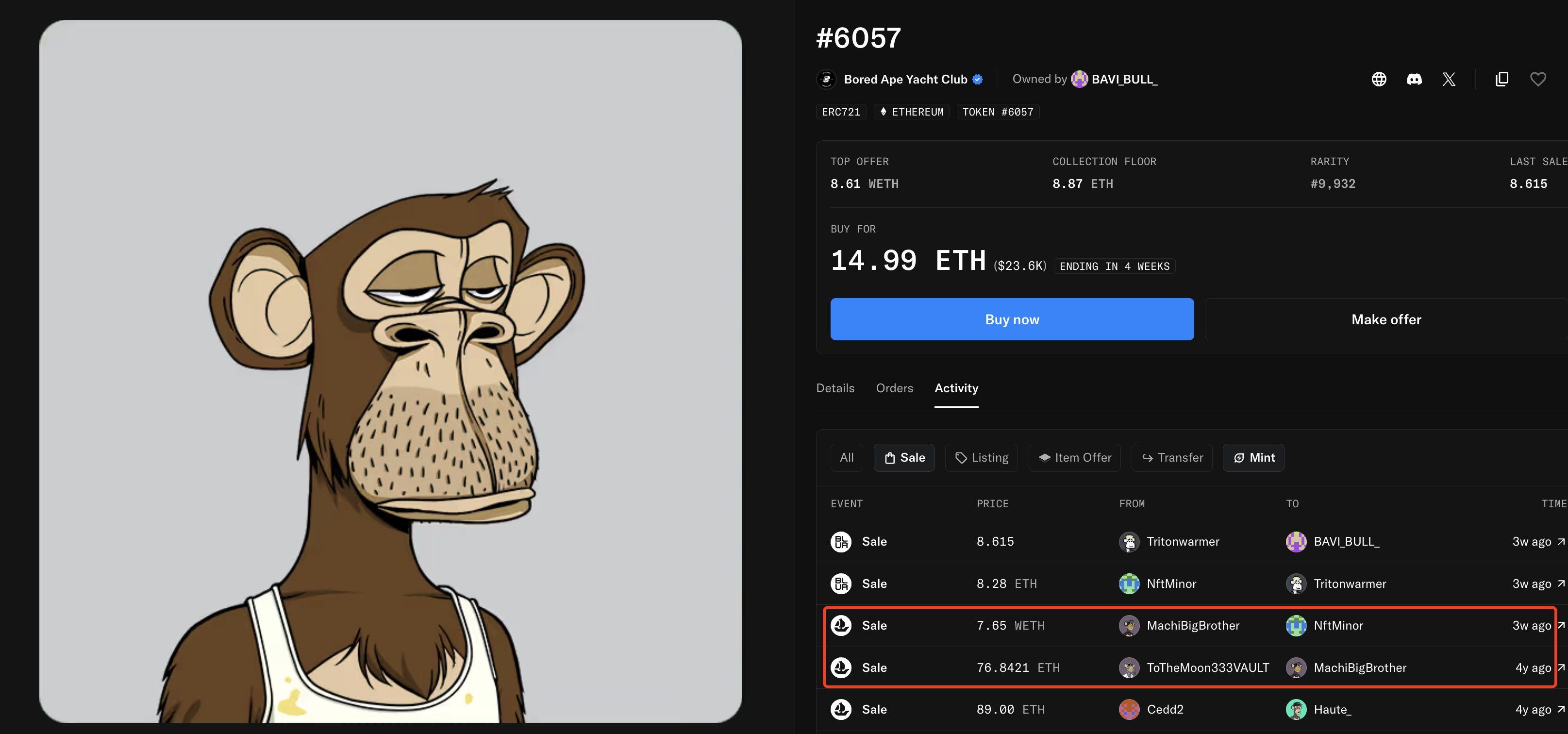
其中 Bored Ape #6057 四年前以 76.84 枚 ETH 购入,如今以 7.65 枚 ETH 售出,ETH 本位亏损达 90%。链上数据显示,这批 ETH 全部转入 Hyperliquid,用于补充其 ETH 多单保证金。


BAYC 成为最后一根输液管


黄立成卖猴的原因,就是合约账户的保证金已经撑不住了。


他从 2025 年 9 月开始在 Hyperliquid 上做多 ETH,彼时 ETH 报价约 4700 美元,典型操作是 25 至 40 倍杠杆。策略在初期表现亮眼,2025 年底至 2026 年初,账户一度录得 4566 万美元浮盈,他也因此在加密社区中获得了「链上巨鲸交易员」的新标签。
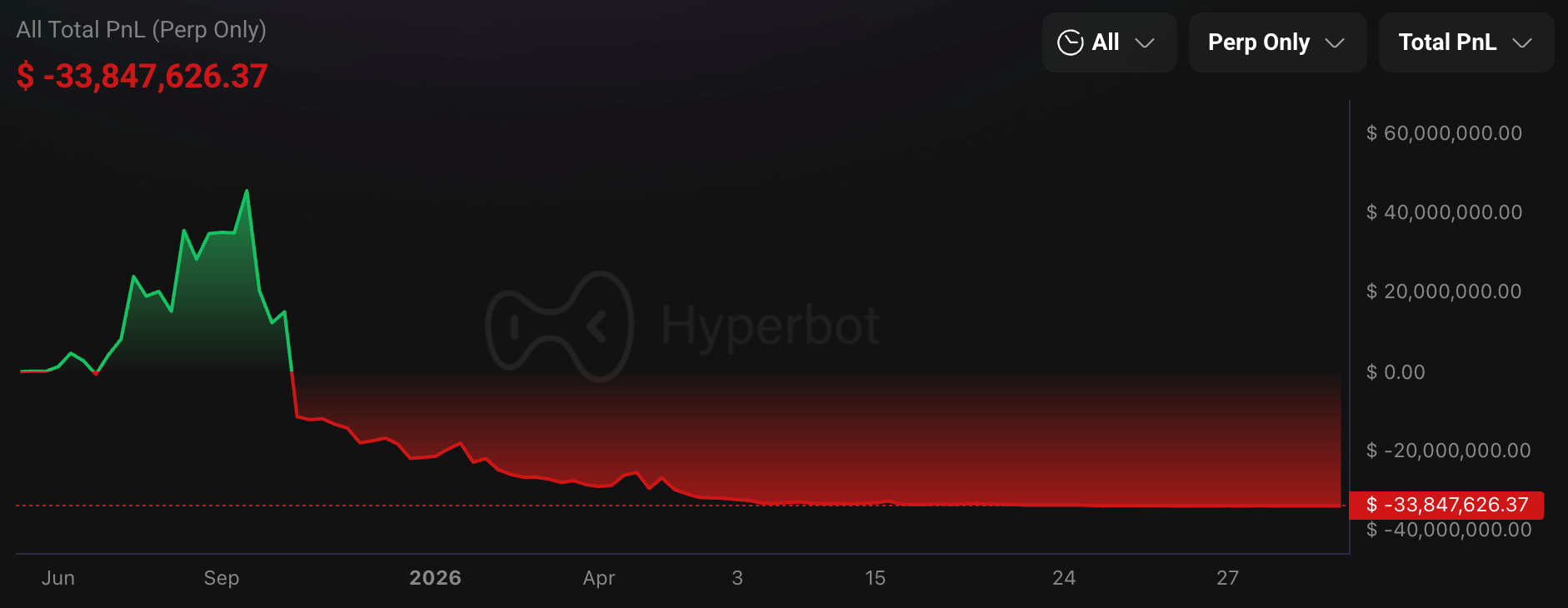


但 ETH 随后一路下跌至 1600 美元区间,浮盈全部回吐并转化为巨额实亏。据 HyperInsight 数据,截至 6 月 26 日,黄立成在 Hyperliquid 上的累计亏损已达 3385 万美元。若按过去一年的总交易损益计算,其亏损规模已超过 8000 万美元。


更能说明问题的是爆仓频率,截至 2026 年 3 月,黄立成已累计遭遇超过 335 次清算,被社区封为「爆仓之王」(King of Liquidations)。此后爆仓仍在持续,6 月 8 日,他在 8 小时内被连续清算 10 次,账户一度仅剩约 5.2 万美元;6 月 23 日 ETH 跌至 1607 美元,10 小时内再被清算 7 次。他的账户余额多次跌至几千美元的极端水平,2 月一度仅剩 8500 美元,但每次归零后都重新充值继续开多。


链上数据平台 Arkham 在 6 月 6 日曾特别指出,那是黄立成首次被清算后「没有立刻补入保证金」,引发社区猜测这场豪赌是否即将收场。但仅仅两天后他便再次入金,重新开出 ETH 多单。


当常规资金来源消耗殆尽,黄立成开始从 NFT 收藏中抽血。此前其还持有约 150 枚 BAYC,但按当前地板价(约 8.8 ETH)计算,剩下的 NFT 总价值约在 160 万美元左右,仅够支撑数轮高杠杆仓位的保证金。他曾在 2025 年底的一次访谈中表示,自己会「死扛 3000 万美元的亏损不卖」,坚定看多 ETH。半年过去,亏损早已超过这个数字,而曾经价值数千万美元的蓝筹 NFT 收藏,已经变成了合约账户的输液管。


6 月 26 日,他在 X 平台发帖:「We‘re going to need more Tom. 8 percent.(我们需要更多的汤姆。8%)」疑似喊话 Tom Lee 救市。


从猴子教父到爆仓之王


回溯黄立成的加密历程,他的起点远非普通散户。黄立成是华语嘻哈先驱 L.A. Boyz 创始成员,2015 年创办的直播平台 17 Media(M17)一度成为亚洲最大直播应用之一。2017 年牛市期间接触加密货币,同年在台湾区块链会议上结识以太坊创始人 Vitalik Buterin。2020 年参与创建 DeFi 协议 Cream Finance,该协议此后遭遇三次安全漏洞攻击,累计损失超过 1.92 亿美元。


真正让他在加密社区名声大噪的是 NFT,2021 年牛市中,黄立成以仅 0.08 ETH 的铸造价拿到数十只 BAYC,随后大举扫货,巅峰时期持有约 200 只 BAYC 和 100 多只 MAYC,钱包中 NFT 收藏总计约 3200 件,总价值超过 4000 万美元。


他将 BAYC 赠送给周杰伦等华语圈顶流明星,一手推动了无聊猿在亚洲市场的出圈传播,被社区称为「猴子教父」。那是 BAYC 地板价从 0.08 ETH 飙升至超过 100 ETH 的年代,黄立成的猴子持仓一度价值数千万美元。


但从 2023 年后,NFT 市场急速降温,黄立成在 Blur 平台的空投挖矿活动中大量接盘蓝筹 NFT,两天内扫入 71 只 BAYC 和 77 只 CryptoPunks,遭遇严重亏损。当年 4 月他宣布退出 NFT 市场。2024 年 7 月短暂回归,两周内再度买入 23 只 BAYC,但四个月内亏损超过 2000 万美元。此后他的注意力全面转移到 Hyperliquid 的永续合约上,开启了那场持续至今的高杠杆做多 ETH 的循环。


从铸造价 0.08 ETH 到巅峰超过 100 ETH,再到如今 7 至 10 ETH 的抛售价,BAYC 的价格曲线本身就是 NFT 周期最完整的注脚。而黄立成的个人轨迹与这条曲线高度重合:NFT 造就了他「猴子教父」的身份,也为他之后在合约赌桌上的连续加注提供了最初的本金。如今猴子正在被一只只卖掉,换成 ETH,换成保证金,再换成下一次清算通知。


Perguntas relacionadas

Q黄立成(麻吉大哥)在过去一个月内通过出售BAYC NFT亏损了多少?

A黄立成在过去一个月内出售34枚BAYC NFT,实际亏损399枚ETH(约63.1万美元)。

Q黄立成在Hyperliquid上进行ETH永续合约交易的主要策略是什么?

A黄立成在Hyperliquid上主要使用25至40倍的高杠杆,持续做多ETH。

Q黄立成在NFT市场中曾因何获得‘猴子教父’的称号?

A他在2021年牛市中大量买入并持有BAYC NFT,并将其赠送给周杰伦等明星,推动了无聊猿在亚洲市场的出圈传播,因此被社区称为‘猴子教父’。

Q文章中提到黄立成在Hyperliquid上的交易累计亏损了约多少金额?

A截至6月26日,黄立成在Hyperliquid上的累计亏损已达3385万美元。若按过去一年的总交易损益计算,其亏损规模已超过8000万美元。

Q为什么黄立成开始出售其持有的BAYC NFT?

A因为他在Hyperliquid上的高杠杆ETH多单持续亏损,保证金耗尽,为了补充合约保证金,被迫出售其持有的BAYC NFT来获取资金。

Leituras Relacionadas

A Decade of Change: The Demise of Crypto Startups

"The Decade-Long Transformation: The Demise of Crypto Startups" The article traces the dramatic evolution of the cryptocurrency industry from its anarchic beginnings to its current highly regulated and institutionalized state. In the early days (circa 2017), launching a crypto startup was remarkably simple: a whitepaper, a GitHub repository, and a Telegram group could attract thousands of retail investors via an Initial Coin Offering (ICO). Founders operated anonymously with near-zero regulatory and financial barriers, enabling rapid, global innovation but also widespread fraud. By 2026, the landscape is fundamentally different. To operate in major markets like the US, EU, and Asia, crypto businesses must now navigate a complex web of regulations akin to traditional finance. Compliance costs are prohibitive: estimates for a US multi-state operation range from $750,000 to $1.2 million in the first three years, with annual costs exceeding $2 million thereafter. Regulations like MiCA in the EU and New York's BitLicense have created high capital and operational hurdles that act as barriers to entry. Simultaneously, venture capital investment has shifted dramatically. Following the collapses of Terra and FTX, funding has concentrated in later-stage, established companies, creating a "barbell market." Early-stage and seed funding has shrunk significantly, while mega-funds like Andreessen Horowitz's $15 billion pool dominate. Most capital now flows to trading platforms, lending infrastructure, and B2B services. This environment favors mergers and acquisitions as the primary path for growth. Companies like Coinbase and Ripple are acquiring firms like Deribit and Hidden Road not for their technology, but for their licenses, banking relationships, and institutional trust—assets far more valuable than code. Distribution channels, compliance, and brand reputation have become the new moats, overshadowing pure technical innovation. The industry's maturation brings benefits: reduced scams, increased institutional participation, and clearer regulatory frameworks. However, it comes at a cost. The low-barrier, experimental ethos that defined crypto's first decade is fading. Entrepreneurs without substantial capital, pre-existing licenses, or institutional connections face immense challenges. Funding for exploratory fields like decentralized social media or novel governance models is drying up. Ultimately, the crypto industry is replicating the consolidation pattern seen in banking and tech after the 2008 financial crisis. While this brings stability and legitimacy, it raises a critical question: in this new, resource-intensive reality, is there still room for the disruptive, from-scratch innovation that gave birth to the sector?

Foresight NewsHá 1h

A Decade of Change: The Demise of Crypto Startups

Foresight NewsHá 1h

Trading

Spot
活动图片