43-Year-Old OnlyFans Helmsman Passes Away; He Once Bought ETH into the Company's Balance Sheet

marsbitPublicado em 2026-03-25Última atualização em 2026-03-25

Resumo

Leonid Radvinsky, the 43-year-old Ukrainian-American majority owner of OnlyFans, has passed away after a long battle with cancer. Under his leadership since acquiring 75% of the parent company Fenix International in 2018, OnlyFans grew into a subscription-based content platform valued at approximately $18 billion, with over 377 million users and 4.63 million creators. Radvinsky maintained a low public profile but quietly engaged with crypto initiatives. In 2022, OnlyFans introduced NFT profile picture verification via Ethereum, marking its first step into web3. That same year, Fenix International purchased $19.9 million worth of ETH, recording it on its balance sheet, though it later wrote down $8.46 million due to market declines. The company also donated 500 ETH (then around $1 million) to Ukraine DAO in support of war relief efforts. Although OnlyFans never integrated crypto payments, its founder Tim Stokely later launched Zoop, an NFT trading card platform on Polygon, applying the creator-paid subscription model to web3. In 2025, Zoop and HBAR Foundation even submitted a bid to acquire TikTok’s U.S. operations with plans to incorporate token incentives and NFT-based creator monetization—though the deal did not materialize. Radvinsky’s tenure transformed OnlyFans into a financial powerhouse, generating over $6 billion in annual transactions and paying out more than $700 million in dividends in 2024 alone.

Original Author: Ma He, Foresight News

On March 23, Leonid Radvinsky, the actual controller of OnlyFans, passed away after a long battle with cancer at the age of 43. The OnlyFans company spokesperson simply stated "he passed away peacefully" and requested respect for the family's privacy.

OnlyFans is a content subscription platform headquartered in London, UK. Creators upload exclusive content, and fans pay a monthly fee to subscribe. While it is centered around adult content creators, it also covers areas like fitness, music, and cooking. According to the latest data from 2025, OnlyFans has stabilized at approximately 377.5 million user accounts, with the number of creators growing to 4.63 million. Currently, OnlyFans is valued at around $18 billion, making it the highest-valued private company among global subscription-based creator economy platforms.

Radvinsky, a Ukrainian-American, rarely made public appearances. However, in 2018, he acquired a 75% stake in the parent company of OnlyFans, transforming a small UK-based platform into a cash cow with annual transaction volumes exceeding $6 billion. When he took over OnlyFans in 2018, the platform was just a "paid Instagram" started by the Stokely family with a loan of £10,000. After Radvinsky's significant acquisition, he decisively steered the platform towards adult content. During the pandemic, user numbers exploded, and in 2024 alone, he took home over $700 million in dividends.

Little was known publicly about Radvinsky's stance on crypto—he never publicly endorsed any chain but had explored the crypto world.

Bought Millions in ETH, Also Donated to Ukraine DAO

During his control, OnlyFans quietly launched a small feature in February 2022: support for Ethereum-verified NFTs as profile pictures. The platform explicitly stated this was "the first step in exploring the role of NFTs on the platform." Creators' NFT profile pictures would feature a small Ethereum icon, which could be clicked to view details on OpenSea.

This feature, seemingly minor, allowed millions of adult creators to directly engage with crypto assets for the first time.

This move was early. That year, the NFT frenzy was at its peak; Twitter had just introduced NFT profile pictures, and OnlyFans followed suit quickly.

Less known is that OnlyFans' parent company, Fenix International, also purchased tens of millions of dollars worth of ETH.
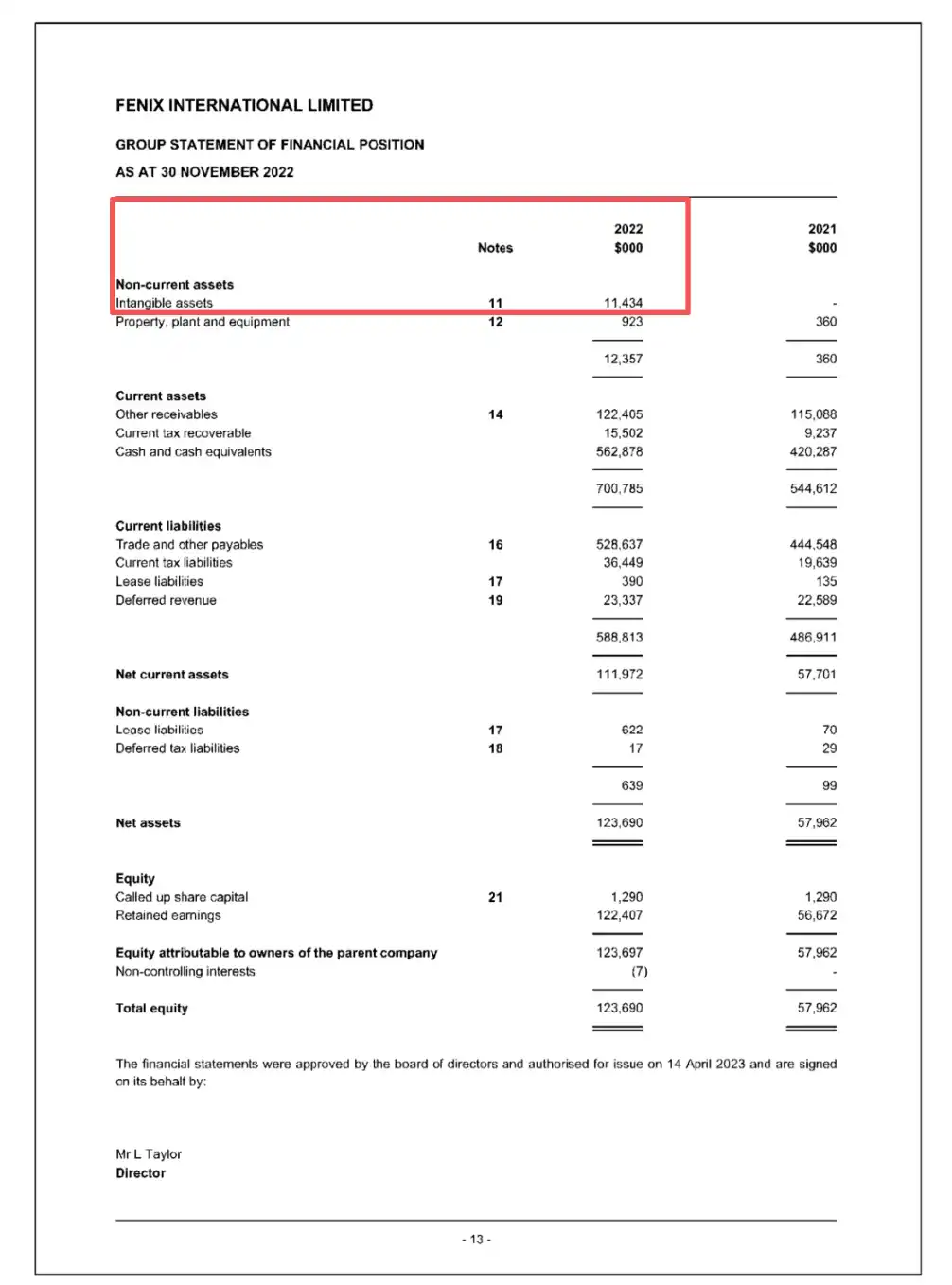
According to the company's financial statements from the end of November 2022, Fenix purchased a total of approximately $19.9 million worth of ETH, listing it as an intangible asset. Due to the cryptocurrency market crash in 2022, Ethereum's price plummeted significantly. The company recorded an impairment loss of approximately $8.46 million that year, adjusting the value of its ETH holdings to about $11.4 million.

The OnlyFans platform has not yet opened up crypto payments; users still rely on credit cards or third-party virtual cards. During Radvinsky's era, OnlyFans resembled more of a hybrid of "traditional finance + adult content," taking a 20% cut, with terrifyingly stable cash flow.

Shifting focus to the Russia-Ukraine war period in 2022, a group of cryptocurrency activists and enthusiasts quickly gathered to support Ukraine.

Their method was to auction an NFT artwork depicting the Ukrainian flag. The decentralized autonomous organization "Ukraine DAO" raised 2258 ETH in an auction, worth approximately $6.79 million at the time.
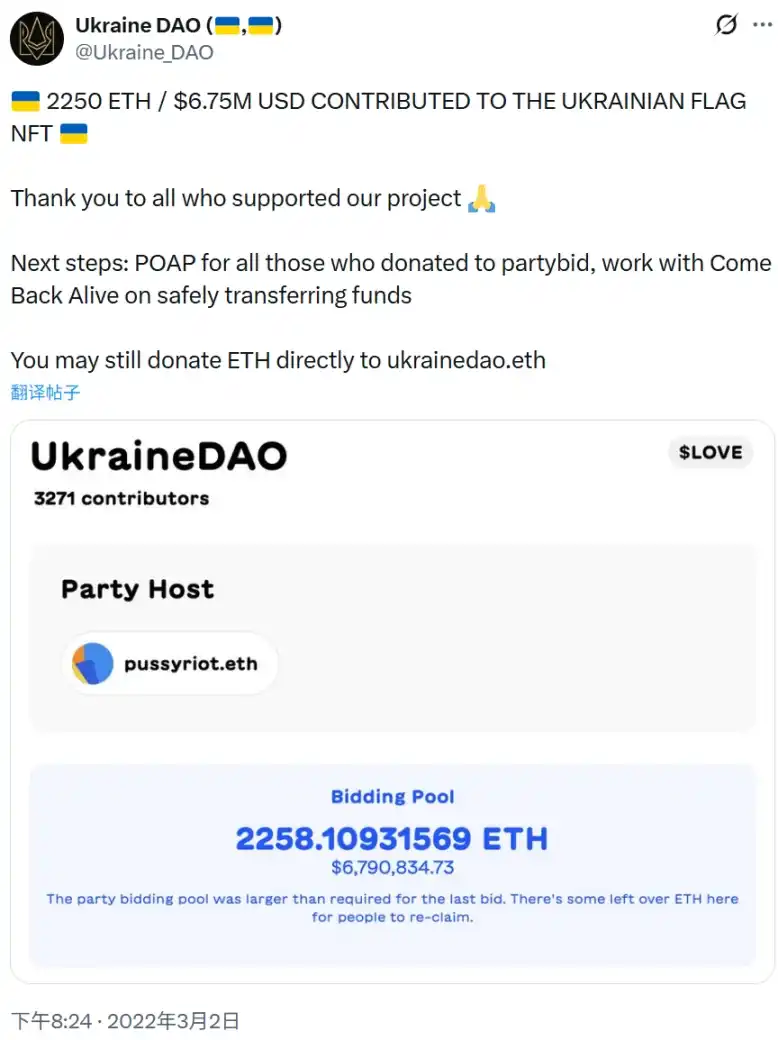
According to a subsequent report by Decrypt, the adult website OnlyFans also participated in this donation.

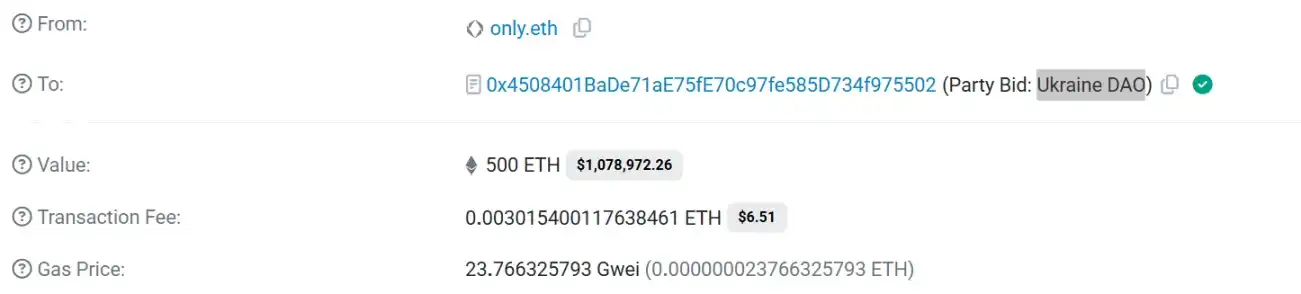
Blockchain tracking platform Etherscan showed that on February 27, an address named only.eth donated 500 ETH to Ukraine DAO, worth $1.079 million today.
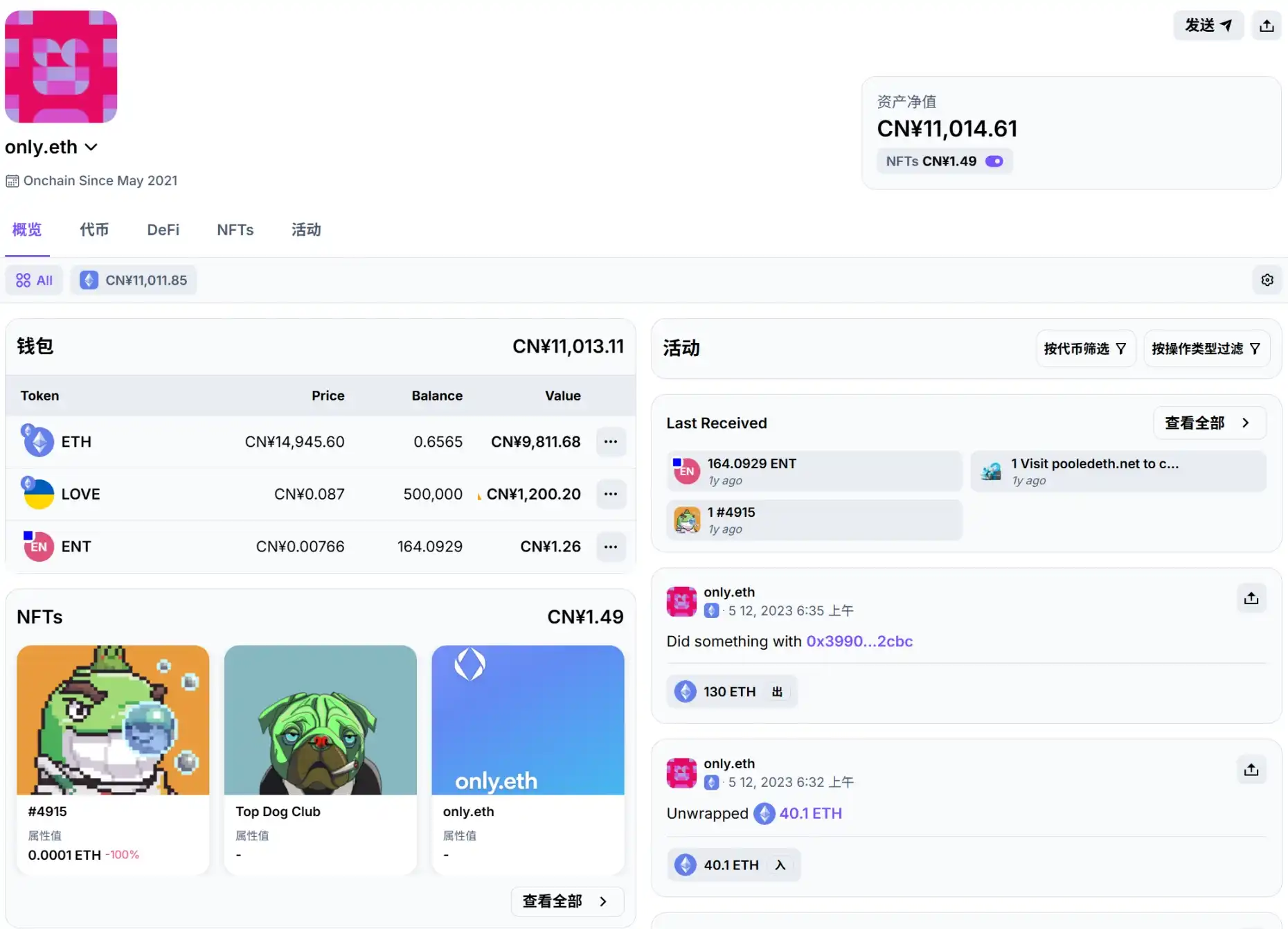
Zapper data shows that the only.eth address was created in May 2021. Currently, its wallet holds a total value of less than $2000, with the last wallet activity being 3 years ago.
However, the person who truly brought the OnlyFans基因 (gene) into crypto was its founder, Tim Stokely.

Stokely founded the OnlyFans platform in 2016, resigned as CEO in December 2021, and made a complete turn. In May 2022, he and former OnlyFans executive RJ Phillips launched Zoop—an NFT trading card platform based on the Polygon chain.

Zoop is positioned as completely "family-friendly": selling 3D digital collectible cards of celebrities and influencers. Users can buy, sell, trade, collect, and also receive airdropped benefits. It features limited editions and emphasizes creator revenue sharing. Essentially, Zoop transplants OnlyFans' "fans pay directly" model into the Web3 collectibles track.

In April 2025, Zoop, in conjunction with the HBAR Foundation (the treasury management entity for the Hedera chain), submitted a bid to acquire TikTok's US operations. The core of the proposal was Web3 integration: Hedera's scalability would be used to support TikTok's NFTs, creator payments, governance structure, and overall token incentive system, aiming to distribute 80% of advertising revenue directly to creators and users.

Ultimately, for various reasons, this intended bid did not finalize. Tim Stokely stepped away from the adult empire but brought its core logic into Zoop and the Hedera-led TikTok bid, effectively upgrading the "fans pay for content" model into a Web3 version.


Perguntas relacionadas

QWho was the actual controller of OnlyFans and what was the cause of his death?

ALeonid Radvinsky was the actual controller of OnlyFans. He passed away at the age of 43 after a long battle with cancer.

QWhat significant cryptocurrency purchase did OnlyFans' parent company, Fenix International, make under Radvinsky's control?

AFenix International purchased approximately $19.9 million worth of ETH, which it listed as an intangible asset on its balance sheet.

QHow did the OnlyFans platform engage with the crypto space in 2022?

AIn 2022, OnlyFans launched a feature allowing users to set an Ethereum-verified NFT as their profile picture, marking its first step in exploring the role of NFTs on the platform.

QWhat was the name of the core business model of the NFT platform launched by OnlyFans' founder, Tim Stokely, after he resigned?

ATim Stokely co-founded Zoop, an NFT trading card platform on the Polygon blockchain, which uses a 'fans pay creators directly' model similar to OnlyFans but for Web3 collectibles.

QWhat was the purpose of the only.eth address's transaction to Ukraine DAO in February 2022?

AThe only.eth address, associated with OnlyFans, donated 500 ETH (worth about $1.079 million at the time of the article) to Ukraine DAO to support Ukraine during the war.

Leituras Relacionadas

You Bet on the News, the Pros Read the Rules: The True Cognitive Gap in Losing Money on Polymarket

The article explains that the key to profiting on Polymarket, a prediction market platform, lies not just predicting real-world events correctly, but in meticulously understanding the specific rules that govern how each market will be resolved. It illustrates this with examples, such as a market on Venezuela's 2026 leader, where the official rules defining "officially holds" the office overruled the intuitive answer of who was in practical control. Other examples include debates over the definition of a "token" or what constitutes an "agreement." The core argument is that a "reality vs. rules" gap creates pricing discrepancies that savvy traders ("车头" or "whales") exploit. The platform has a formal dispute resolution process managed by UMA token holders to settle ambiguous outcomes. This process involves proposal submission, a challenge window, a discussion period, and a final vote. However, the article highlights a critical flaw in this system compared to a traditional court: the lack of separation between the arbiters (UMA voters) and the interested parties (traders with financial stakes in the outcome). This conflict of interest undermines the discussion phase, leads to herd mentality, and results in opaque final decisions without explanatory rulings. Consequently, the system lacks a body of precedent, making it difficult for users to learn from past disputes. The ultimate takeaway is that success on Polymarket requires a lawyer-like scrutiny of the rules to identify and capitalize on the cognitive gap between how events appear and how they are contractually defined for settlement.

marsbitHá 44m

You Bet on the News, the Pros Read the Rules: The True Cognitive Gap in Losing Money on Polymarket

marsbitHá 44m

Will the Fed Still Cut Interest Rates? Tonight's Data Is Crucial

The core debate surrounding the Federal Reserve's potential interest rate cuts is intensifying amid geopolitical conflict and rebounding inflation. The key question is whether high energy prices will cause persistent inflation or weaken consumer demand enough to force the Fed to cut rates. Citigroup presents a bullish case for cuts, arguing that oil supply disruptions from the Strait of Hormuz are temporary and will not lead to lasting inflationary pressure. They point to receding bond yields and oil prices as evidence the market is pricing in a short-lived shock. Citi's data also shows tightening financial conditions, a stabilizing labor market, and healthy tax returns, supporting their view that the path to lower rates remains open. Conversely, Deutsche Bank offers a starkly contrasting, more hawkish outlook. They argue the Fed's current policy is already neutral and expect rates to remain unchanged indefinitely. Their view is based on stalled disinflation progress and a shift toward more hawkish rhetoric from key Fed officials like Waller, who cited risks from prolonged Middle East conflict and tariffs. Other officials, including Williams and Hammack, signaled rates would likely stay on hold for a "considerable time." The market pricing has shifted dramatically, now forecasting zero cuts in 2026. The imminent release of the March retail sales "control group" data is highlighted as a critical test. This metric, which excludes gas station sales, will reveal if high gasoline prices are eroding consumer spending in other areas. A weak reading could support the case for imminent rate cuts, while a strong one would bolster the argument for the Fed to hold steady. This data is pivotal for determining the near-term policy path.

marsbitHá 1h

Will the Fed Still Cut Interest Rates? Tonight's Data Is Crucial

marsbitHá 1h

Trading

Spot
Futuros
活动图片