Strategy Ends Bitcoin Buying Streak With Rare Sale—How Much Did It Sell?

bitcoinistPublicado em 2026-06-02Última atualização em 2026-06-02

Resumo

Strategy, a prominent Bitcoin treasury company, has broken its 3.5-year streak of accumulation by selling 32 BTC for $2.5 million (averaging $77,135 per coin). This marks its first sale since December 2022. According to an SEC filing and prior comments from Chairman Michael Saylor, the proceeds are intended to fund distributions, likely to demonstrate the firm's capability to sell. Despite this sale, Strategy's massive holdings stand at 843,706 BTC, with an average cost basis of $75,699 per coin, currently putting the company at a loss due to the recent market decline. In contrast, the largest Ethereum treasury company, Bitmine, continues accumulating ETH, adding 26,497 tokens last week to bring its reserves to 5.42 million ETH. Following the news of Strategy's sale, Bitcoin's price dropped to around $71,400.

Bitcoin treasury company Strategy has made its first BTC sale since 2022, putting an end to a 3.5-year phase of only accumulation.

Strategy Just Sold Bitcoin Worth $2.5 Million

According to an 8-K filing with the US Securities and Exchange Commission (SEC), Strategy just made a Bitcoin sale. The amount involved in the transaction was relatively modest, only 32 BTC, but the story here is that the resolute HODLer of the cryptocurrency sold at all.

Led by Michael Saylor, Strategy has aggressively accumulated Bitcoin in recent years, announcing buys regularly on Mondays. Just two weeks ago, the firm announced a massive $2.01 billion acquisition. Last Monday, however, Strategy opted to not participate in any BTC accumulation, with Saylor noting that the company bought bonds instead. Now, with this Monday’s filing, the pause in buying has seemingly completely reversed into distribution.

The sale hasn’t come out of the blue. As reported by Bitcoinist, Saylor said in early May that Strategy could participate in some BTC selling mainly to prove a point. “We’ll probably sell some Bitcoin to fund a dividend, just to inoculate the market, just to send the message that we did it,” noted the chairman.

In the SEC filing, Strategy noted that proceeds from the BTC sale are expected to be used to fund distributions, suggesting that it’s the sale Saylor hinted at. The firm parted with these tokens for a total of $2.5 million, coming down to an average of $77,135 per BTC.

While the new sale is an extraordinary event, it’s not without precedent. Back in December 2022, Strategy sold 704 BTC for tax-loss harvesting as BTC traded at the lowest levels of that year’s bear market. Shortly after, the firm bought back more of the asset than it had distributed. As such, it only remains to be seen what Strategy will do going forward this time.

Following the latest Bitcoin sale, the treasury company’s stack has shrunken to 843,706 BTC. The firm spent $63.87 billion to assemble these reserves, putting an average cost basis per coin at $75,699. The recent market decline has taken the cryptocurrency’s price below this mark, meaning that Saylor’s firm is in the red right now.

While Strategy has participated in distribution, Bitmine, the largest Ethereum treasury company, has accumulated more instead. As announced in a Monday press release, Bitmine added 26,497 ETH to its holdings over the past week.

After this new acquisition, the company’s Ethereum reserves have reached the 5.42 million ETH mark, corresponding to 4.49% of the asset’s total supply in circulation. Bitmine has set a goal of 5% of the ETH supply, so at the current figure, the firm is 90% on its way to the target.

BTC Price

The market has reacted negatively to the sale of the Strategy sale as the Bitcoin spot price has slumped to $71,400.

The trend in the price of the crypto over the last five days | Source: BTCUSDT on TradingView


Perguntas relacionadas

QAccording to the article, how many Bitcoin did Strategy sell and for what total amount?

AStrategy sold 32 Bitcoin for a total of $2.5 million.

QWhy did Strategy conduct this Bitcoin sale, according to Michael Saylor's earlier comments?

AStrategy sold Bitcoin to fund a dividend, mainly to inoculate the market and send the message that they did it, as hinted by Chairman Michael Saylor.

QWhat was the average cost basis per Bitcoin for Strategy's total holdings, and what does the current price indicate about their position?

AThe average cost basis per Bitcoin in Strategy's holdings is $75,699. The current price of $71,400 means the company is currently holding its Bitcoin at a loss.

QHow does Bitmine's recent activity with Ethereum contrast with Strategy's action regarding Bitcoin?

AWhile Strategy sold Bitcoin, Bitmine, the largest Ethereum treasury company, accumulated an additional 26,497 ETH over the past week, moving closer to its goal of holding 5% of the ETH supply.

QWhat was Strategy's previous significant sale of Bitcoin, and why did it occur?

AStrategy's previous significant sale was in December 2022 when it sold 704 BTC for tax-loss harvesting during that year's bear market lows.

Leituras Relacionadas

TechFlow Intelligence Bureau: Chip Stocks Lose Trillions in a Single Day, Bitcoin Falls Below $60,000, US-Iran Conflict Escalates

**Daily Tech & Markets Roundup: AI Advances, Market Turmoil, and Geopolitical Tensions** **AI / LLMs**: Anthropic's internal report on AI self-improvement sparked serious discussions about Recursive Self-Improvement (RSI). Meanwhile, debate continues on AI coding tools after Claude was accused of introducing bugs into the rsync codebase. In positive news, DeepSeek V4 Flash impressed in local deployment tests, and GitHub Copilot now supports custom endpoints for local models. A surprising research turn suggests removing chain-of-thought prompting can sometimes improve LLM performance. **Crypto / Web3**: Bitcoin plunged below $60,000, with its RSI hitting levels last seen during the COVID-19 crash, driven by strong U.S. jobs data reviving interest rate hike fears. Discussions highlight Ethereum DeFi's continued lack of a smooth consumer payment layer. **Chips / Hardware**: Chip stocks suffered a massive sell-off, with the Philadelphia Semiconductor Index posting its worst single-day drop in six years, erasing over a trillion dollars in value. Marvell, Micron, AMD, and Intel were among the biggest losers. **Tech Companies**: A leaked Microsoft document revealing goals to make Copilot "addictive" drew criticism. LinkedIn founder Reid Hoffman left Microsoft's board to focus full-time on his AI agent startup, Manus. Google was revealed to be paying SpaceX $920 million monthly for AI training compute. **Markets & Macro**: A blowout U.S. jobs report (172k vs. 80k expected) crushed hopes for near-term rate cuts, sending Treasury yields soaring and triggering a broad market sell-off. CEOs from Kraft, McDonald's, and Whirlpool simultaneously warned U.S. consumers are exhausting their savings. **Geopolitics**: U.S.-Iran tensions escalated with missile/drone interceptions and U.S. strikes on Iranian radar sites, keeping the critical Strait of Hormuz largely closed since late February and posing ongoing oil supply risks. **The Bottom Line**: The strong jobs data acted as a single trigger for correlated sell-offs across equities, crypto, and chips. Underlying the volatility is a stark contradiction between robust employment data and warnings of consumer weakness, alongside geopolitical risks that could reignite inflation, leaving markets to price in a fraught macro outlook with no clear "soft landing" path.

marsbitHá 8m

TechFlow Intelligence Bureau: Chip Stocks Lose Trillions in a Single Day, Bitcoin Falls Below $60,000, US-Iran Conflict Escalates

marsbitHá 8m

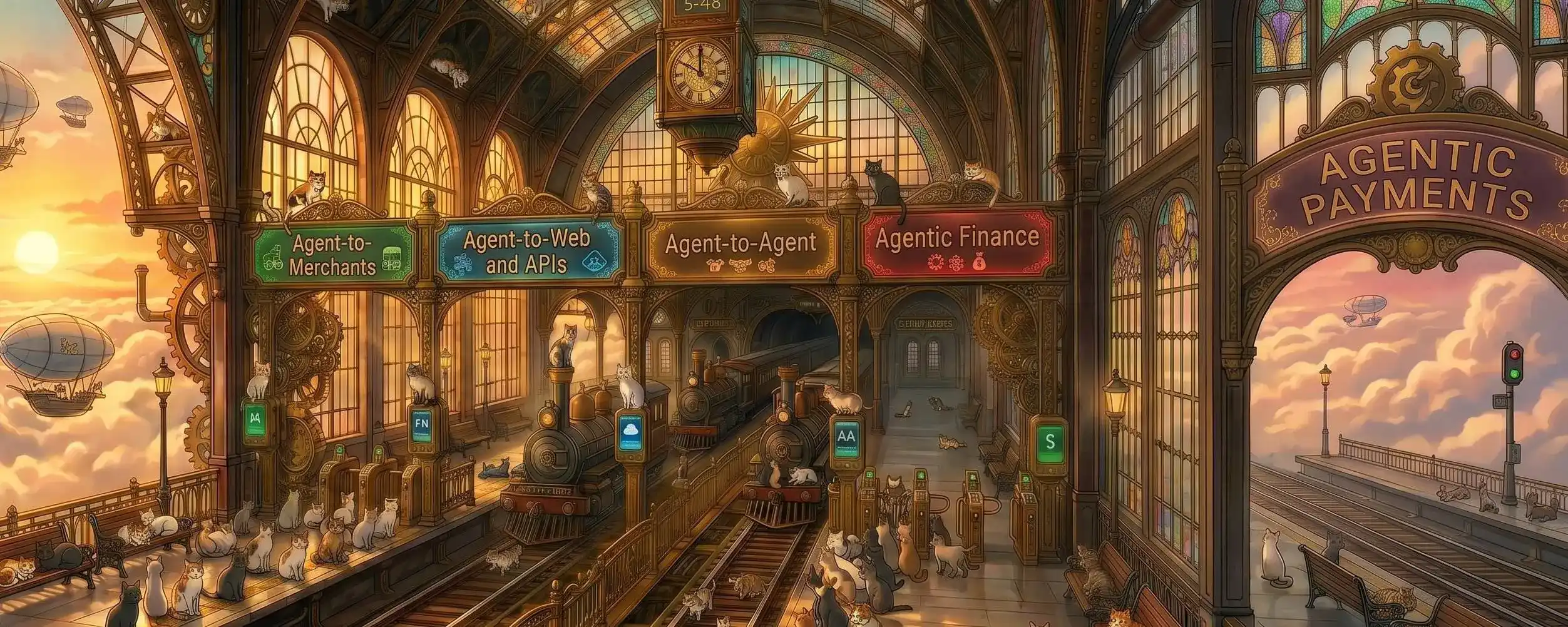
It Took Me a Year to See the Bitter Truth About Agent Payments

After a year building infrastructure for the Agent economy, engaging with major players like Stripe, Visa, and Coinbase, the author shares a sobering analysis of the current state of Agent payments. The core finding is a stark lack of genuine, immediate demand across most envisioned use cases. The article breaks down four key market segments: 1. **Agent-to-Merchant (Consumer Shopping):** For most product categories (e.g., clothing, electronics), conversational AI shopping is a step backwards from visual e-commerce interfaces. While agents excel at understanding needs, they can't replace side-by-side product comparison. Real merchant interest is defensive "Agent Engine Optimization," not driven by current customer demand. Potential exists for high-frequency, low-decision purchases (like food delivery) or navigating complex store UIs, but these require massive B2C distribution channels dominated by giants like Amazon. 2. **Agent-to-API (Developer Services):** Developers already have subscriptions and billing relationships for APIs (compute, data). Prepaid balances solve micro-payment issues for low transaction volumes. A deeper structural problem is that major SaaS vendors' business models rely on enterprise contracts, resisting granular pay-per-call pricing. While protocols like MPP and x402 serve the long tail of niche services, this market is small and developers are historically low-willingness-to-pay. 3. **Agent-to-Agent:** This remains largely theoretical with minimal transaction volume. While it represents a long-term bet on a fundamentally new transaction infrastructure (sub-second, micro-penny to million-dollar, multi-party settlements), it does not constitute a present market. 4. **Agent-to-Finance:** This is the only category with existing, paying demand. Integrating AI into financial workflows (trading, portfolio management) is a natural evolution and enables new capabilities like autonomous rebalancing. However, competition favors established, regulated institutions. The "real problem" is not moving money between agents, but the broader challenge of **coordination**—orchestrating work between agents and humans, verifying outcomes, and settling results. Payment is just one component of settlement, which is itself part of coordination. Companies that solve the coordination layer will subsume payment, not the other way around. While well-funded incumbents build defensively for a long-term future, startups must find where the market is today—which, for the author's team, lies outside these four categories in an area of real, growing, and underserved activity.

marsbitHá 51m

It Took Me a Year to See the Bitter Truth About Agent Payments

marsbitHá 51m

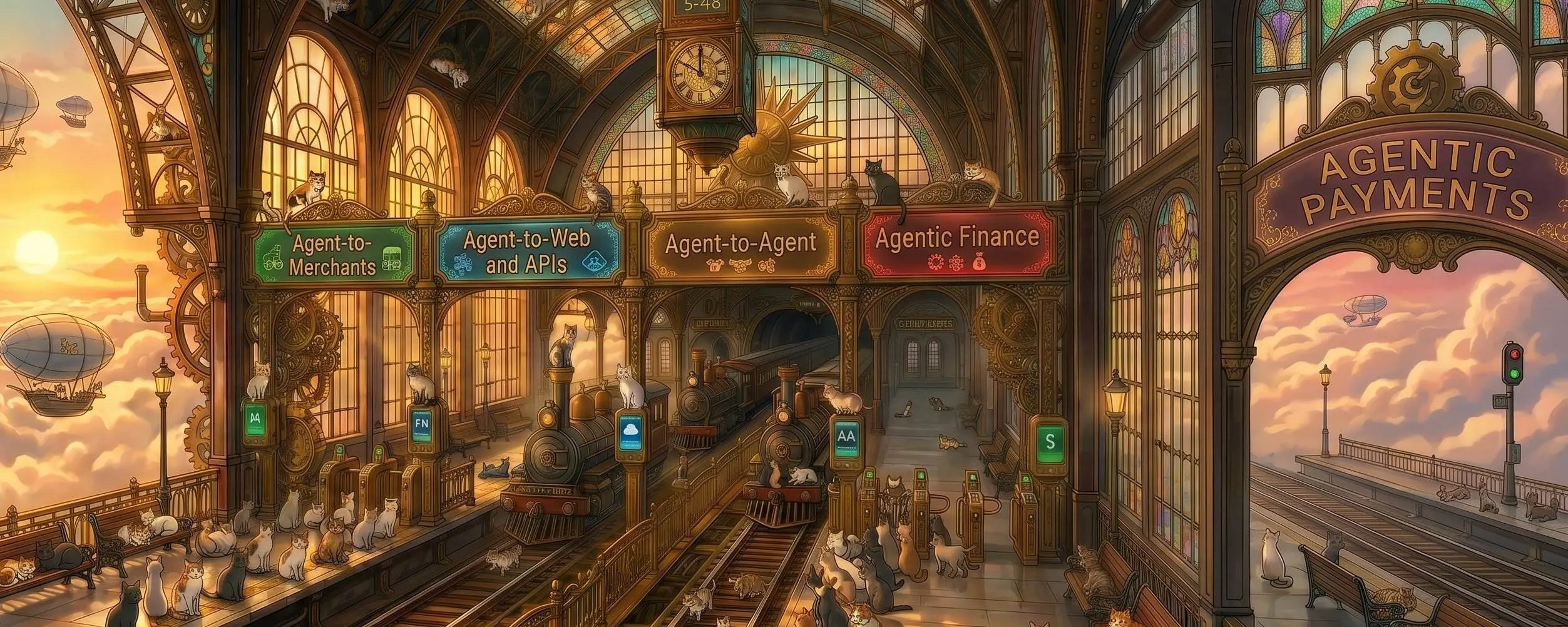
It Took Me a Year to See the Hard Truth About Agent Payments

**Title: It Took Me a Year to See the Hard Truth About Agent Payments** Over the past year, I've worked on infrastructure for the Agent economy, engaging with major players like Stripe, Visa, Coinbase, and numerous startups. The findings reveal a stark reality: genuine, widespread demand for Agent-based payments does not yet exist. **Key Observations:** * **Agent-to-Merchant (Shopping):** The user experience for AI shopping often falls short, especially for visual product discovery. While AI excels at understanding needs, conversational interfaces can't yet replace browsing and comparing multiple products visually. Current merchant interest is largely defensive ("Agent Engine Optimization") for a future that hasn't arrived. High-frequency, low-friction purchases (like food delivery) are potential fits, but lack open APIs and face high AI inference costs. Simpler, more affordable, or cross-language interactions for complex UIs are a niche opportunity but require massive consumer distribution to scale. * **Agent-to-API (Developer Tools):** Developer payment needs for APIs (computing, data, models) are already met through subscriptions and prepaid credits. The core challenge is not payment friction but supplier economics: most large SaaS providers prefer enterprise contracts over micropayments for API calls. Protocols like MPP and x402 suit the long-tail of smaller services but cater to a developer market historically reluctant to pay for these tools. Major infrastructure needs at the top of the stack are already being addressed. * **Agent-to-Agent (Machine Commerce):** This is a long-term vision with almost no current transaction volume. While a future with high-speed, high-frequency, multi-party machine-to-machine transactions would require novel infrastructure, it remains theoretical. The market is not here yet. * **Agent-to-Finance:** This is the only category with clear, present demand. Financial professionals and DeFi users already pay for tools, and AI augmentation is a natural evolution. Autonomous AI agents can enable entirely new financial strategies. However, competition is fierce from established, regulated incumbents who can more easily layer AI onto their existing products. **The Core Insight:** Companies, especially giants with long time horizons, are building defensively for a potential future of mass machine commerce. For them, early investment is a low-cost hedge. For startups, the current market reality is different. The primary challenge isn't just moving money between agents (payments). The larger, unsolved problem is **orchestration** – coordinating work between agents and humans, verifying outcomes, and then settling. Payment is just a part of settlement, which is just a part of orchestration. Companies that solve the orchestration problem will subsume payments, not the other way around. After a year of building, we see the real, growing, and underserved market opportunity lies in this broader domain of orchestration.

链捕手Há 1h

It Took Me a Year to See the Hard Truth About Agent Payments

链捕手Há 1h

Claude Opus 4.8 Finds a $4.5 Billion Bug: The AI Era is Mass-Producing Hackers

A researcher discovered a critical "infinite mint" vulnerability in the Zcash cryptocurrency's Orchard protocol using Claude Opus 4.8, leading to a swift fix but also a 50% market drop, erasing billions in value. This incident highlights a new era where powerful, accessible AI models are dramatically lowering the barrier to finding software vulnerabilities. Previously, the security community feared specialized models like Claude Mythos Preview, capable of finding decades-old zero-day exploits. The Zcash case, however, involved a publicly available, general-purpose model. This shift makes advanced security auditing—and attack capabilities—accessible to far more people, not just experts. The mass democratization of vulnerability discovery brings a dual challenge: a flood of low-quality, AI-generated false reports that overwhelm maintainers, and the real, rapid uncovering of deep, dangerous bugs. Open-source projects, often understaffed and unfunded, are particularly vulnerable to this "attention DDoS." The article cites examples like curl shutting down its bug bounty program due to the unsustainable workload. Our perceived digital safety has often been luck, relying on the high cost and effort required to find deeply hidden flaws in complex systems, as seen with historical vulnerabilities like Heartbleed or Baron Samedit. AI changes this cost structure, effectively "mass-producing flashlights" to illuminate every corner of our codebase. While large companies operate extensive security chains involving external white-hat hackers and massive defensive operations, the global cybersecurity workforce faces a severe shortage, especially of experienced personnel capable of analyzing complex threats and coordinating fixes. The core dilemma emerges: AI makes *finding* bugs cheap and scalable, but *fixing* them remains a slow, expensive, and human-intensive process. The article concludes that AI won't destroy the internet but acts as a bright light, revealing that our digital existence is not inherently secure but is precariously maintained by ongoing human effort. The true cost in the AI era may not be discovery, but whether there will be enough people left willing and able to do the hard work of repair.

marsbitHá 1h

Claude Opus 4.8 Finds a $4.5 Billion Bug: The AI Era is Mass-Producing Hackers

marsbitHá 1h

Trading

Spot
Futuros

Artigos em Destaque

O que é BITCOIN

Compreender o HarryPotterObamaSonic10Inu (ERC-20) e a Sua Posição no Espaço Cripto Nos últimos anos, o mercado de criptomoedas assistiu a um aumento na popularidade das moedas meme, cativando não apenas os traders, mas também aqueles que procuram envolvimento comunitário e valor de entretenimento. Entre estes tokens únicos está o HarryPotterObamaSonic10Inu (ERC-20), um projeto intrigante que mistura referências culturais no tecido das criptomoedas. Este artigo explora os principais aspetos do HarryPotterObamaSonic10Inu, examinando os seus mecanismos, a sua ética orientada pela comunidade e o seu envolvimento com o vasto panorama cripto. O que é o HarryPotterObamaSonic10Inu (ERC-20)? Como o nome sugere, o HarryPotterObamaSonic10Inu é uma moeda meme construída na blockchain Ethereum, classificada sob o padrão ERC-20. Ao contrário das criptomoedas tradicionais, que podem enfatizar a utilidade prática ou o potencial de investimento, este token prospera no valor de entretenimento e na força da sua comunidade. O projeto visa promover um ambiente onde utilizadores envolvidos possam reunir-se, partilhar ideias e participar em atividades inspiradas por diversos fenómenos culturais. Uma característica notável do HarryPotterObamaSonic10Inu é a zero taxa sobre transações. Este elemento atraente visa encorajar a negociação e o envolvimento da comunidade, isento de encargos adicionais que podem desencorajar os traders de pequena escala. A oferta total da moeda está fixada em mil milhões de tokens, uma cifra que marca a sua intenção de manter uma circulação substancial dentro da comunidade. Criador do HarryPotterObamaSonic10Inu (ERC-20) As origens do HarryPotterObamaSonic10Inu estão um pouco envoltas em mistério; os detalhes sobre o criador permanecem desconhecidos. O desenvolvimento deste token carece de uma equipa identificável ou de um plano explícito, o que não é raro no setor das moedas meme. Em vez disso, o projeto surgiu de forma orgânica, com o seu progresso a depender fortemente do entusiasmo e da participação da sua comunidade. Investidores do HarryPotterObamaSonic10Inu (ERC-20) No que diz respeito a investimentos externos e apoios, o HarryPotterObamaSonic10Inu também permanece ambíguo. O token não lista quaisquer fundações de investimento conhecidas ou apoio organizacional significativo. Em vez disso, o “sangue vital” do projeto é a sua comunidade de base, que informa o seu crescimento e sustentabilidade através da ação coletiva e do envolvimento no espaço cripto. Como Funciona o HarryPotterObamaSonic10Inu (ERC-20)? Como uma moeda meme, o HarryPotterObamaSonic10Inu opera principalmente fora dos quadros tradicionais que muitas vezes governam o valor dos ativos. Existem vários aspetos distintivos que definem como o projeto funciona: Transações Sem Taxas: Sem taxas sobre transações, os utilizadores podem comprar e vender o token livremente, sem a preocupação de custos ocultos. Envolvimento da Comunidade: O projeto prospera na interação da comunidade, aproveitando plataformas de redes sociais para criar entusiasmo e facilitar a participação. Discussões, partilha de conteúdo e envolvimento são elementos cruciais que ajudam a expandir o seu alcance e a fomentar a lealdade entre os apoiantes. Sem Utilidade Prática: Deve ser notado que o HarryPotterObamaSonic10Inu não oferece utilidade concreta dentro do ecossistema financeiro. Em vez disso, é classificado como um token principalmente para entretenimento e atividades comunitárias. Referência Cultural: O token incorpora de forma inteligente elementos da cultura popular para atrair interesse, conectando-se tanto com entusiastas de memes como com seguidores de criptomoedas. HarryPotterObamaSonic10Inu exemplifica como as moedas meme operam de forma diferente de projetos de criptomoedas mais tradicionais, entrando no mercado como construções sociais inovadoras em vez de ativos utilitários. Linha do Tempo do HarryPotterObamaSonic10Inu (ERC-20) A história do HarryPotterObamaSonic10Inu é marcada por vários marcos notáveis: Criação: O token surgiu de um meme viral, capturando a imaginação de muitos entusiastas de criptomoedas. Datas específicas de criação não estão disponíveis, sublinhando a sua ascensão orgânica. Listagem em Exchanges: O HarryPotterObamaSonic10Inu conseguiu entrar em várias exchanges, permitindo um acesso e negociação mais fáceis pela comunidade. Iniciativas de Envolvimento da Comunidade: Atividades contínuas direcionadas a melhorar a interação comunitária, incluindo concursos, campanhas em redes sociais e geração de conteúdo por fãs e defensores. Planos de Expansão Futura: O roteiro do projeto inclui o lançamento de uma coleção de NFTs, mercadorias e um site de eCommerce relacionado aos seus temas culturais, envolvendo ainda mais a comunidade e tentando adicionar mais dimensões ao seu ecossistema. Pontos-Chave sobre o HarryPotterObamaSonic10Inu (ERC-20) Natureza Orientada pela Comunidade: O projeto prioriza a contribuição coletiva e a criatividade, assegurando que o envolvimento dos utilizadores está na vanguarda do seu desenvolvimento. Classificação como Moeda Meme: Representa o epítome da criptomoeda baseada em entretenimento, destacando-se dos veículos de investimento tradicionais. Sem Afiliação Direta com o Bitcoin: Apesar da semelhança no nome do ticker, o HarryPotterObamaSonic10Inu é distinto e não tem qualquer relação com o Bitcoin ou outras criptomoedas estabelecidas. Foco na Colaboração: O HarryPotterObamaSonic10Inu é projetado para criar um espaço de colaboração e partilha de histórias entre os seus detentores, proporcionando uma via para a criatividade e o fortalecimento da comunidade. Perspectivas Futuras: A ambição de expandir além da sua premissa inicial para NFTs e mercadorias delineia um caminho para o projeto potencialmente entrar em avenidas mais mainstream dentro da cultura digital. À medida que as moedas meme continuam a capturar a imaginação da comunidade cripto, HarryPotterObamaSonic10Inu (ERC-20) destaca-se devido aos seus laços culturais e abordagem centrada na comunidade. Embora possa não se encaixar no molde típico de um token orientado para utilidade, a sua essência reside na alegria e camaradagem fomentadas entre os seus apoiantes, destacando a natureza em evolução das criptomoedas em uma era cada vez mais digital. À medida que o projeto continua a desenvolver-se, será importante observar como as dinâmicas comunitárias influenciam a sua trajetória no panorama em constante mudança da tecnologia blockchain.

1.6k Visualizações TotaisPublicado em {updateTime}Atualizado em 2024.12.03

O que é BITCOIN

Como comprar BTC

Bem-vindo à HTX.com!Tornámos a compra de Bitcoin (BTC) simples e conveniente.Segue o nosso guia passo a passo para iniciar a tua jornada no mundo das criptos.Passo 1: cria a tua conta HTXUtiliza o teu e-mail ou número de telefone para te inscreveres numa conta gratuita na HTX.Desfruta de um processo de inscrição sem complicações e desbloqueia todas as funcionalidades.Obter a minha contaPasso 2: vai para Comprar Cripto e escolhe o teu método de pagamentoCartão de crédito/débito: usa o teu visa ou mastercard para comprar Bitcoin (BTC) instantaneamente.Saldo: usa os fundos da tua conta HTX para transacionar sem problemas.Terceiros: adicionamos métodos de pagamento populares, como Google Pay e Apple Pay, para aumentar a conveniência.P2P: transaciona diretamente com outros utilizadores na HTX.Mercado de balcão (OTC): oferecemos serviços personalizados e taxas de câmbio competitivas para os traders.Passo 3: armazena teu Bitcoin (BTC)Depois de comprar o teu Bitcoin (BTC), armazena-o na tua conta HTX.Alternativamente, podes enviá-lo para outro lugar através de transferência blockchain ou usá-lo para transacionar outras criptomoedas.Passo 4: transaciona Bitcoin (BTC)Transaciona facilmente Bitcoin (BTC) no mercado à vista da HTX.Acede simplesmente à tua conta, seleciona o teu par de trading, executa as tuas transações e monitoriza em tempo real.Oferecemos uma experiência de fácil utilização tanto para principiantes como para traders experientes.

4.1k Visualizações TotaisPublicado em {updateTime}Atualizado em 2026.06.02

Como comprar BTC

O que é $BITCOIN

OURO DIGITAL ($BITCOIN): Uma Análise Abrangente Introdução ao OURO DIGITAL ($BITCOIN) OURO DIGITAL ($BITCOIN) é um projeto baseado em blockchain que opera na rede Solana, com o objetivo de combinar as características dos metais preciosos tradicionais com a inovação das tecnologias descentralizadas. Embora partilhe um nome com o Bitcoin, frequentemente referido como “ouro digital” devido à sua percepção como uma reserva de valor, o OURO DIGITAL é um token separado projetado para criar um ecossistema único dentro da paisagem Web3. O seu objetivo é posicionar-se como um ativo digital alternativo viável, embora os detalhes sobre as suas aplicações e funcionalidades ainda estejam em desenvolvimento. O que é o OURO DIGITAL ($BITCOIN)? OURO DIGITAL ($BITCOIN) é um token de criptomoeda explicitamente projetado para uso na blockchain Solana. Em contraste com o Bitcoin, que fornece um papel amplamente reconhecido como armazenamento de valor, este token parece focar em aplicações e características mais amplas. Aspectos notáveis incluem: Infraestrutura Blockchain: O token é construído na blockchain Solana, conhecida pela sua capacidade de lidar com transações de alta velocidade e baixo custo. Dinâmicas de Oferta: O OURO DIGITAL tem um fornecimento máximo limitado a 100 quatrilhões de tokens (100P $BITCOIN), embora os detalhes sobre o seu fornecimento circulante ainda não tenham sido divulgados. Utilidade: Embora as funcionalidades precisas não estejam explicitamente delineadas, existem indicações de que o token poderia ser utilizado para várias aplicações, potencialmente envolvendo aplicações descentralizadas (dApps) ou estratégias de tokenização de ativos. Quem é o Criador do OURO DIGITAL ($BITCOIN)? Neste momento, a identidade dos criadores e da equipa de desenvolvimento por trás do OURO DIGITAL ($BITCOIN) permanece desconhecida. Esta situação é típica entre muitos projetos inovadores no espaço da blockchain, particularmente aqueles alinhados com finanças descentralizadas e fenómenos de moedas meme. Embora tal anonimato possa fomentar uma cultura orientada pela comunidade, intensifica as preocupações sobre governança e responsabilidade. Quem são os Investidores do OURO DIGITAL ($BITCOIN)? As informações disponíveis indicam que o OURO DIGITAL ($BITCOIN) não tem apoiantes institucionais conhecidos ou investimentos proeminentes de capital de risco. O projeto parece operar num modelo peer-to-peer focado no apoio e adoção da comunidade, em vez de rotas de financiamento tradicionais. A sua atividade e liquidez estão principalmente situadas em exchanges descentralizadas (DEXs), como a PumpSwap, em vez de plataformas de negociação centralizadas estabelecidas, destacando ainda mais a sua abordagem de base. Como Funciona o OURO DIGITAL ($BITCOIN) A mecânica operacional do OURO DIGITAL ($BITCOIN) pode ser elaborada com base no seu design de blockchain e nas características da rede: Mecanismo de Consenso: Ao aproveitar o exclusivo proof-of-history (PoH) da Solana combinado com um modelo de proof-of-stake (PoS), o projeto assegura uma validação eficiente das transações, contribuindo para o alto desempenho da rede. Tokenomics: Embora mecanismos deflacionários específicos não tenham sido extensivamente detalhados, o vasto fornecimento máximo de tokens implica que pode atender a microtransações ou casos de uso de nicho que ainda estão por definir. Interoperabilidade: Existe o potencial para integração com o ecossistema mais amplo da Solana, incluindo várias plataformas de finanças descentralizadas (DeFi). No entanto, os detalhes sobre integrações específicas permanecem não especificados. Cronologia de Eventos Chave Aqui está uma cronologia que destaca marcos significativos relacionados ao OURO DIGITAL ($BITCOIN): 2023: O lançamento inicial do token ocorre na blockchain Solana, marcado pelo seu endereço de contrato. 2024: O OURO DIGITAL ganha visibilidade ao tornar-se disponível para negociação em exchanges descentralizadas como a PumpSwap, permitindo que os utilizadores o negociem contra SOL. 2025: O projeto testemunha atividade de negociação esporádica e potencial interesse em envolvimentos liderados pela comunidade, embora não tenham sido documentadas parcerias ou avanços técnicos notáveis até ao momento. Análise Crítica Forças Escalabilidade: A infraestrutura subjacente da Solana suporta altos volumes de transações, o que pode aumentar a utilidade do $BITCOIN em vários cenários de transação. Acessibilidade: O potencial preço de negociação baixo por token pode atrair investidores de retalho, facilitando uma participação mais ampla devido a oportunidades de propriedade fracionada. Riscos Falta de Transparência: A ausência de apoiantes, desenvolvedores ou um processo de auditoria publicamente conhecidos pode gerar ceticismo em relação à sustentabilidade e confiabilidade do projeto. Volatilidade do Mercado: A atividade de negociação depende fortemente do comportamento especulativo, o que pode resultar em volatilidade significativa dos preços e incerteza para os investidores. Conclusão O OURO DIGITAL ($BITCOIN) surge como um projeto intrigante, mas ambíguo, dentro do ecossistema em rápida evolução da Solana. Embora tente aproveitar a narrativa do “ouro digital”, a sua divergência do papel estabelecido do Bitcoin como reserva de valor sublinha a necessidade de uma diferenciação mais clara da sua utilidade pretendida e estrutura de governança. A aceitação e adoção futuras dependerão provavelmente da abordagem da atual opacidade e da definição mais explícita das suas estratégias operacionais e económicas. Nota: Este relatório abrange informações sintetizadas disponíveis até outubro de 2023, e desenvolvimentos podem ter ocorrido além do período de pesquisa.

92 Visualizações TotaisPublicado em {updateTime}Atualizado em 2025.05.13

O que é $BITCOIN

Discussões

Bem-vindo à Comunidade HTX. Aqui, pode manter-se informado sobre os mais recentes desenvolvimentos da plataforma e obter acesso a análises profissionais de mercado. As opiniões dos utilizadores sobre o preço de BTC (BTC) são apresentadas abaixo.

活动图片