世界杯将至,预测市场面临一场大考

marsbitPublicado em 2026-05-15Última atualização em 2026-05-15

Resumo

2026年世界杯将至,预测市场平台将面临一场关于体育诚信与监管的公开大考。过去几年,Polymarket、Kalshi等预测市场平台通过体育事件交易获得显著增长。然而,首次扩军至48支球队、由美加墨合办的本届世界杯,因其全球化、高密度的特点,将风险与关注度显著放大。内幕信息(如伤病、首发)可能被迅速转化为交易优势,威胁赛事公正。 国际足联(FIFA)选择的官方预测市场合作伙伴——ADI Predictstreet——自公布起便陷入多重质疑。其高管被曝涉及内幕交易及欧洲议会腐败丑闻关联,平台在快速获得直布罗陀牌照后产品仍未上线,信用度存疑。FIFA自身亦有腐败历史,且近年来不断加深与博彩、数据行业的商业联系,进一步引发了对其能否独立管控诚信风险的担忧。 为应对内幕交易风险,美国CFTC已提示关注微观市场,Kalshi和Polymarket等主流平台也更新规则,禁止内部人士交易。但世界杯涉及的利益方(各足联、国家队、俱乐部、经纪人等)极为庞杂,识别与监管“内部人士”的难度远超国内联赛。此外,巴西等国已开始封锁预测市场平台,其全球监管合法性仍面临挑战。 2026年世界杯将检验预测市场能否成为受监管的事件交易基础设施,抑或仅仅是放大博彩风险的入口。FIFA与ADI Predictstreet充满疑问的合作,已提前将体育诚信问题推至台前。

作者:Zen,PANews

过去几年,以Polymarket、Kalshi为主的预测市场平台已经把政治、宏观、加密、娱乐和体育事件做成可交易市场,用户通过买卖事件结果来表达概率判断并获取收益。尤其是随着切入体育领域后,这些平台的交易量都迎来大幅持续增长,在收入结构上成为支柱。

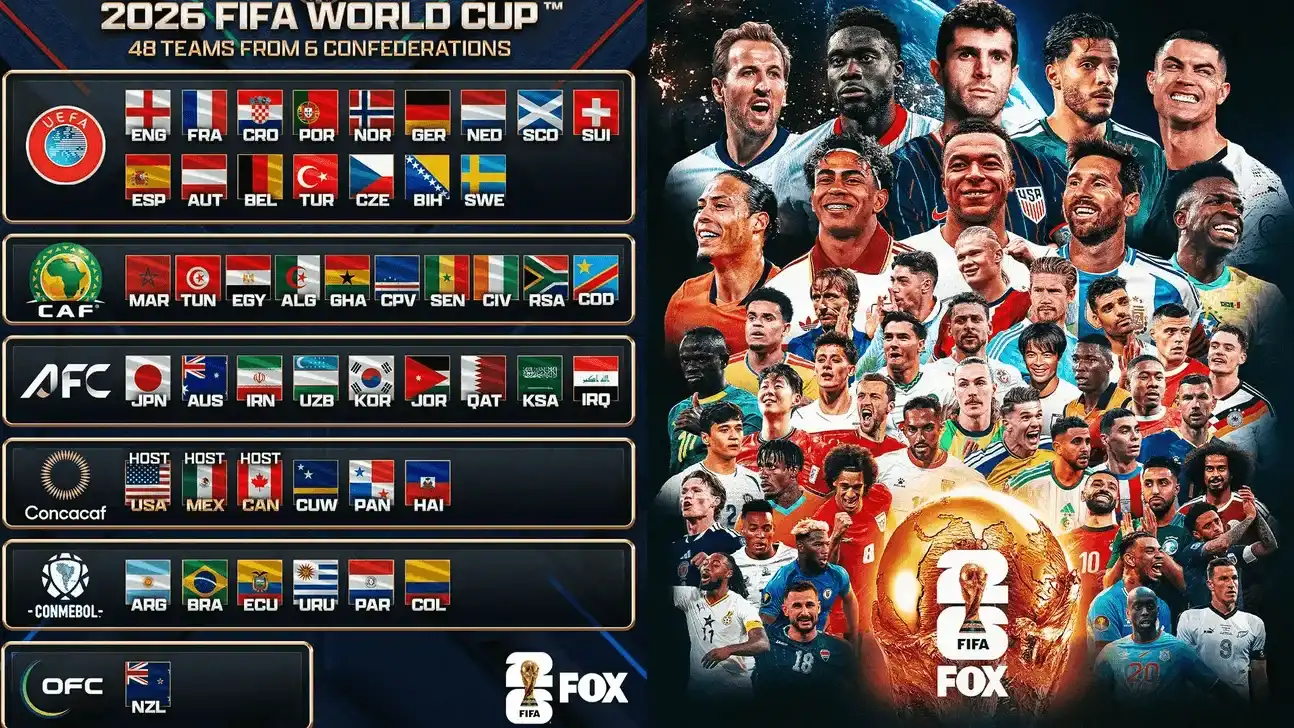
而在今年这个体育大年,特别是由美国、加拿大、墨西哥共同举办,首次扩军至 48 支球队的2026年世界杯,将是体育预测市场迄今面临的最大一次公开压力测试。其把体育竞技、跨境赛事组织、博彩生态和全球用户流量压缩到同一个市场场景中,风险维度和外部关注度都将显著放大。

如此高密度、全球化、跨司法辖区的体育赛事中,一旦内幕人士与可交易预测市场结合,任何关于伤病、首发、裁判乃至内部治理的信息差,都可能被迅速转化为价格优势。

在这个意义上,2026 年世界杯不仅是预测市场争夺体育流量的机会,也是一场关于其能否维护体育诚信的公开考试。

从籍籍无名到世界杯前台,FIFA的预测市场伙伴陷多重质疑

今年 4 月,FIFA (国际足球联合会)宣布了其 2026 年世界杯官方预测市场合作伙伴。出人意料的是,本次公布品牌既不是Polymarket也不是Kalshi,而是一家鲜有人知的平台——ADI Predictstreet。

正当人们诧异ADI Predictstreet是谁时,这家被全球最大体育赛事放在中心位置的公司,因其公司高层的负面历史、牌照发放速度以及产品不成熟等问题,开始遭到人们质疑。

围绕 Predictstreet 的第一重争议,是高管诚信问题。当 ADI Predict Street 被宣布成为 FIFA 的博彩合作伙伴时,该公司的首席理事会成员Ajay Bhatia 代表该公司上台亮相。他与国际足联主席Gianni Infantino一起合影,两人举起一件背后印有 ADI Predict Street 标志的球衣。

国际足联主席Gianni Infantino(左)与Ajay Bhatia(右)

Bhatia是 QuantLase Lab 的首席执行官兼总经理,其为阿布扎比王室成员、阿联酋副总统掌舵的IHC (International Holding Company)的子公司。另一方面,ADI Predictstreet 归于 Finstreet 旗下,后者又是Sirius International Holding 的子公司,而Sirius同样隶属于IHC。

而根据挪威足球新闻媒体 Josimar报道,Bhatia在2025年深陷内幕交易的丑闻。他被指控在IHC公开宣布将投资印度能源巨头Adani集团之前,预先购买了Adani 集团的股票。该案于 2025 年 9 月以约 15 万美元达成和解,Bhatia并未承认有罪。

就在Josimar披露Bhatia过往经历后,ADI Predictstreet恰好宣布了Dimitrios Psarrakis将出任首席执行官。然而,这位Psarrakis的履历似乎同样存在疑点。他曾担任前欧洲议会副议长 Eva Kaili的助理,而Kaili则是欧洲议会的卡塔尔腐败丑闻(又成卡塔尔门)中的核心人物。

前欧洲议会副议长 Eva Kaili(左)与ADI Predictstreet CEO Dimitrios Psarrakis(右)

Kaili接受卡塔尔和摩洛哥的利益输送,以换取在欧盟内为这两国谋求利益。虽然不能将Kaili 的法律和道德风险直接等同到Psarrakis身上,但与丑闻中心人物的职业关联,已足以带来声誉与尽调的疑问。

除了高管信誉问题外,ADI Predictstreet这家号称首个正式获批的欧洲预测市场,拿到牌照的速度之快同样引人注意。在被宣布成为2026年世界杯的官方预测市场合作伙伴的几天之前,ADI Predictstreet刚刚宣布在直布罗陀拿到牌照。官方称其审批速度“创下纪录”,且整个过程非常严谨。

然而,虽然ADI Predictstreet的网站域名在今年1月就已注册,并在3月底拿到牌照,但其正式产品目前仍未上线,涉及到真金白银交易体验如何也不得而知。作为被 FIFA 推到世界杯前台的官方预测市场平台,外界却仍无法判断其真实交易撮合、结算、风控、反操纵和用户保护机制是否经受过压力测试。

因此,在多重不确定性叠加之下,世界杯与ADI Predictstreet的合作从一开始就带上了信任赤字。

FIFA 的历史包袱与博彩化争议

除了ADI Predictstreet平台信用度存疑外,被诟病腐败的FIFA 在这件事上同样很难获得“先天信任”。

2015 年,美国司法部对多名 FIFA 官员和体育营销高管提起大规模腐败指控,时任美国司法部长 Loretta Lynch 将相关腐败形容为“广泛、系统、根深蒂固”。这一历史背景使 FIFA 在任何涉及博彩、数据、预测市场的合作中,都很难只靠官方声明说服公众。

过去几年,FIFA与博彩和数据行业的联系也在加深,使人们对于赛事诚信的担忧也以同样的速度增长。

在 2022 年卡塔尔世界杯之前不久,FIFA与博彩运营商 Betano 达成协议;次年,FIFA又与新西兰彩票公司TAB 签署了女足世界杯的协议;2026 年初,FIFA通过与数据公司 Stats Perform 达成协议,将其流媒体平台 FIFA+ 商业化,从而将更多低级别比赛引入博彩市场。
从商业角度看,这可以被解释为 FIFA 对数据资产和球迷互动的开发。但从体育诚信角度看,它也意味着世界杯正在被更深地嵌入博彩和交易生态。而当赛事越来越迷恋博彩和交易生态带来的商业价值时,它是否还能足够独立地控制风险,将被打上一个大大的问号。

对此,FIFA 也采取了一些措施来应对与博彩相关的威胁。2024年,FIFA将其法律部门和诚信团队迁至迈阿密,(导致许多经验丰富的员工流失),此外其还成立了一个诚信工作组,成员包括国际刑警组织、美国联邦调查局和博彩业代表等机构。

2026 年 2 月,FIFA宣布,总部位于美国的诚信与合规监控公司 IC360 将加入该工作组,并使用其ProhiBet 软件监控与博彩相关的威胁,包括球员和比赛官员是否在自己的比赛中下注。

不过,这套机制更像是对正规市场的筛查工具,而不是覆盖世界杯全球博彩与预测市场风险的完整防线。对于一项参与方遍布全球、信息链条极长的赛事来说,真正危险的内幕交易往往未必发生在最容易被监管看见的地方。

内幕交易隐忧上升,预测市场龙头开始收紧规则

传统博彩监测通常依赖博彩公司、数据商、联赛和监管机构之间的信息共享。而预测市场可能涉及加密钱包、离岸平台、跨境账户、代理交易和去中心化结算。即使官方合作平台受监管,其他平台仍可能绕开 FIFA 官方体系开设世界杯市场。

如果异常交易发生在非合作平台、非美国用户、加密钱包或代理账户之间,FIFA 的传统完整性工具能否穿透,是一个未被充分证明的问题。

在体育预测市场上,关于世界杯冠军、小组出线、某队晋级,通常存在内幕操纵的风险较低,很难被单一参与者操纵。

但更微观和细小的市场完全不同。某球员是否首发、某球员是否伤退、某场比赛是否出现红牌、某队是否获得点球、某名裁判是否执法、某场比赛是否发生 VAR 争议,这些事件更容易受到少数内部人士影响,也更容易因非公开信息而提前定价。

作为预测市场唯一监管机构,美国 CFTC 也很早就意识到了这一点。其关于体育预测市场的指导重点之一,就是提醒受监管交易所关注个人球员表现类合约、prop bets 以及容易被操纵的微观市场。CFTC 同时鼓励平台与体育联盟共享数据,并强化合约结算与市场监控。

对此,美国市场的预测市场平台也已做好管理。Kalshi 和 Polymarket 在国会推动限制预测市场立法后,迅速更新规则,Kalshi 表示将禁止体育相关人员交易其参与或任职领域的相关合约,Polymarket 也更新规则,禁止用户在拥有保密信息或能够影响事件结果时交易相关合约。

不过,世界杯的复杂度远超美国单一职业联盟。NBA、MLB有清晰的联盟、球队、球员工会、裁判和官方数据体系。而世界杯则牵涉 FIFA、六大洲足联、48 支国家队、俱乐部、经纪人、医疗团队、裁判委员会、转播商和数据供应商等一系列庞大群体。谁是“内部人士”,如何识别他们,他们是否可以通过亲属、朋友、代理钱包或第三方账户交易?这些问题在世界杯场景下都更难解决。
此外,预测市场面对的不只是体育诚信问题,还有全球监管合法性问题。今年4月,巴西政府封锁 27 家预测市场平台,并收紧衍生品规则,禁止以体育、线上游戏、政治、选举、文化和社会结果作为衍生品标的。同样不接受“事件合约不是赌博”说法的国家,还有好几十个。

在这样的情况下,FIFA 选择这样一家疑点重重、产品尚未充分验证的平台作为世界杯官方预测市场合作伙伴,本身就又把体育诚信问题提前推到了台前。

当然,2026 年世界杯不会决定预测市场的存亡,但它很可能决定预测市场在全球体育产业中的主流化边界:它究竟是一套可监管的事件交易基础设施,还是又一个被全球体育流量放大的博彩风险入口。

Perguntas relacionadas

Q文章中提到2026年世界杯对预测市场构成的最大挑战是什么?

A文章指出,2026年世界杯是体育预测市场面临的最大一次公开压力测试。它将体育竞技、跨境赛事组织、博彩生态和全球用户流量压缩到同一个场景中,使得风险维度和外部关注度显著放大。特别是,赛事的高密度、全球化和跨司法辖区特性,使得内幕信息与预测市场结合的风险加剧,任何关于伤病、首发、裁判等非公开信息都可能被迅速转化为市场优势,从而严重威胁体育诚信。

QADI Predictstreet作为FIFA的官方预测市场合作伙伴,主要面临哪些质疑?

AADI Predictstreet主要面临三重质疑:首先,其公司高层存在诚信问题,首席理事会成员Ajay Bhatia曾有内幕交易丑闻,新任CEO Dimitrios Psarrakis的履历也与欧洲议会腐败丑闻核心人物有职业关联;其次,该平台在成为FIFA合作伙伴前仅数天才获得直布罗陀牌照,审批速度之快引人注意;最后,其产品在合作宣布时仍未正式上线,交易撮合、风控等核心机制的真实表现未经压力测试,存在不确定性。

QFIFA在历史上存在哪些与博彩相关的争议?以及它近年来与博彩业的联系有何变化?

AFIFA历史上存在严重的腐败问题,2015年美国司法部曾对其多名官员提起大规模腐败指控。近年来,FIFA与博彩和数据行业的联系不断加深,例如在2022年世界杯前与博彩运营商Betano达成协议,2023年与新西兰彩票公司TAB签署女足世界杯协议,2026年初与数据公司Stats Perform合作商业化其流媒体平台FIFA+。这些举动在商业开发的同时,也加剧了外界对赛事被深度嵌入博彩生态、可能影响体育独立性和诚信的担忧。

Q文章指出,在体育预测市场中,哪些类型的市场更容易受到内幕交易或操纵的影响?

A文章指出,更微观和细小的预测市场比宏观结果(如冠军归属)更容易受到内幕交易或操纵的影响。具体包括:某球员是否首发、是否伤退,某场比赛是否出现红牌或点球,某名裁判是否执法,以及是否发生VAR争议等事件。这些事件更容易受到少数内部人士(如球员、教练、队医、裁判等)的影响,也更容易因非公开信息而提前在市场上反映出来,从而被操纵。

Q面对世界杯的复杂性,预测市场平台(如Kalshi和Polymarket)和美国监管机构CFTC采取了哪些措施来应对内幕交易风险?

A面对内幕交易风险,美国商品期货交易委员会(CFTC)的指导重点包括提醒受监管交易所关注容易被操纵的个人球员表现类合约等微观市场,并鼓励平台与体育联盟共享数据、强化合约结算与市场监控。作为回应,主流预测市场平台如Kalshi和Polymarket在国会推动立法限制后,迅速更新了规则。Kalshi禁止体育相关人员交易其参与或任职领域的相关合约;Polymarket则禁止用户在拥有保密信息或能够影响事件结果时交易相关合约,以防范内幕交易。

Leituras Relacionadas

Xpeng and NIO Compete on Computing Power, Li Auto Shifts Architecture

On June 15, 2026, Li Auto unveiled details of its self-developed chip, Mahe M100, for its new L9 Livis model. CTO Xie Yan stated the goal was not just a faster chip, but a fundamentally different one, targeting the chip architecture itself. While competitors like NIO, Xpeng, and Huawei highlight TOPS (computing power) figures for their self-developed chips, Li Auto’s Mahe M100 focuses on redesigning the underlying architecture. It employs a "dynamic data flow architecture" to address memory bandwidth bottlenecks in large model inference, claiming up to 3x the effective computing power of Nvidia's Thor U for its specific workloads and a 40% reduction in latency. The chip's design was peer-reviewed and accepted at ISCA 2026. However, this performance is highly optimized for Li Auto's own VLA2.1 algorithm, meaning it may not generalize as well to other tasks. Li Auto aims to achieve full-stack in-house development with Mahe M100, covering chip, compiler, OS, AI algorithms, and domain controller—a level of vertical integration few competitors match. Beyond the chip, CEO Li Xiang introduced a new strategic narrative: the "embodied intelligent vehicle," defined as an integration of an EV, a professional driver, an AI computer, and a life assistant. This shifts competition from features like large screens to systemic AI capabilities. A key commitment was that Li Auto's Mahe VLA autonomous driving model will match Tesla's FSD V14 by Q4 2026, with specific OTA milestones set for July, September, and December. Financially, Li Auto faces pressure with declining revenue and vehicle gross margins since Q4 2025, while maintaining high R&D investment (approx. ¥12B in 2026, 50% AI-related). Its 2026 sales target is 550,000 vehicles, up from 406,000 in 2025. The new L9 Livis garnered over 10,000 pre-orders in two weeks. The effectiveness of these strategic moves—new products, OTAs, and the novel chip architecture—will begin to show in Q3 2026 financial results, with the year-end FSD V14 benchmark being the ultimate test.

marsbitHá 33m

Xpeng and NIO Compete on Computing Power, Li Auto Shifts Architecture

marsbitHá 33m

The Year of AI Applications: Saying 'Yes' While Ignoring Risks? A Comprehensive Open Source Log of Software Development's Journey

The Year of AI Applications: Blindly Saying "Yes" While Ignoring Risks? A Software Development Log Goes Fully Open Source. AI-generated code harbors risks hidden within seemingly correct programs, potentially leading to data leaks or asset loss. The open-source project "Narwhal AI Code Risks," from Peking University's Narwhal-Lab, compiles real-world cases, early warning signs, and typical risk pathways. Its goal is to help developers identify potential hazards early and avoid repeating past mistakes. In 2026, code is generated faster than ever but deployed with less scrutiny. The danger often lies not in glaring errors, but in code that appears normal—syntactically correct, passing all checks—yet introduces subtle but critical flaws like non-existent dependencies, excessive permissions, or exposed databases. A stark example is the Moonwell cbETH oracle incident. A configuration file error, where a cryptocurrency price was set to ~$1.12 instead of ~$2,200, slipped through 28 checks and a pull request signed by both AI (Claude, Copilot) and human developers. This "semantic deviation" resulted in a loss of $1.78 million. The risk is that AI can produce functionally valid code that is semantically wrong for the business context. As AI moves beyond simple code completion to modifying configurations, installing dependencies, and operating via autonomous agents, it traverses longer, less traceable paths within software engineering, blurring traditional boundaries and oversight points. The Narwhal AI Code Risks project structures information into three layers: `/cases` for documented real-world incidents, `/inferred` for early warning signals, and `/scenarios` for clear, generalized risk patterns not yet tied to specific events. This aims to create a lasting, public record to prevent collective amnesia about past AI-coding pitfalls. Risks are categorized into seven areas: Software Supply Chain (e.g., recommending fake packages), Code-Level Vulnerabilities (e.g., reintroducing path traversal bugs), Cloud & Infrastructure Misconfiguration (e.g., overly permissive settings), Agent Risks (from autonomous tool execution), Vertical Domain Risks (e.g., in finance, healthcare), Intellectual Property & Compliance issues, and Human Factors (like over-reliance on AI output). The project's core value is transforming isolated incidents into reusable knowledge—a foundational resource for developers to spot similar issues, for security researchers to build upon, for toolmakers to create detection rules, and for the community to contribute new findings. As AI integration accelerates, this open-source "logbook" serves as a crucial navigational aid, charting past errors to help future projects steer clear of the same traps.

marsbitHá 33m

The Year of AI Applications: Saying 'Yes' While Ignoring Risks? A Comprehensive Open Source Log of Software Development's Journey

marsbitHá 33m

The Foundation of SpaceX's Trillion-Dollar Valuation: Who is Dividing Up Musk's Annual Tens of Billions in Capital Expenditure?

SpaceX's trillion-dollar valuation is built on its three core businesses: Starlink (profitable, 60% of revenue), rockets (driving down launch costs), and AI (a major investment area). This creates a financial cycle: Starlink funds rocket development, which enables low-cost launches for AI hardware, generating future revenue. This cycle fuels annual capital expenditures of tens of billions, flowing to a vast supply chain. Suppliers are categorized by their replaceability. The first group includes irreplaceable players like NVIDIA (GPU/CUDA ecosystem), Eutelsat (critical radio spectrum), Filtronic (specialized amplifiers), Materion (strategic beryllium), and STMicroelectronics (antenna chips). The second group consists of hard-to-replace suppliers due to high switching costs, such as Honeywell (flight control), Carpenter Technology (specialty alloys), Hexcel (carbon fiber), Broadcom (data exchange), and Linde (industrial gases). The third group comprises high-volume, cost-critical suppliers for mass-produced items like Starlink terminals. Key names include Wistron NeWeb (primary manufacturer) and several A-share companies like Shenzhen Sunway (connectors), Pies New Materials (forgings), Western Superconducting (alloys), and Yingliu (castings). Other niche players include Trimble (timing), Astronics (power distribution), and CTS (thermal management). The article argues that investing in these suppliers, rather than SpaceX stock directly, offers an alternative opportunity. The rationale is threefold: procurement is just beginning to scale, SpaceX's IPO brings new transparency to its supply chain, and the situation mirrors early stages of past "super terminal" ecosystems like Apple or Tesla. While risks exist (commodity cycles, geopolitical factors, technology shifts), the core thesis is that SpaceX's massive, ongoing procurement will translate into reliable revenue for its key suppliers, regardless of its own stock price volatility.

marsbitHá 1h

The Foundation of SpaceX's Trillion-Dollar Valuation: Who is Dividing Up Musk's Annual Tens of Billions in Capital Expenditure?

marsbitHá 1h

SpaceX's Trillion-Dollar Valuation Base: Who's Sharing in Musk's Annual Tens of Billions in Capital Expenditure?

**Title: The Foundation of SpaceX's Trillion-Dollar Valuation: Who Benefits from Musk's Annual $100 Billion Capital Expenditure?** This article argues that investors seeking to benefit from SpaceX's growth might find greater opportunities in its supply chain rather than directly investing in the company itself, drawing parallels to historical successes with Apple, Tesla, and NVIDIA suppliers. **SpaceX's Business Model & Cash Flow:** SpaceX generates revenue from three main areas: 1. **Starlink:** Its profitable core, earning $11.3B in 2023 (60% of revenue), funding other ventures. 2. **Rockets (Falcon/Starship):** Requires $3B+ in annual R&D but achieves the world's lowest launch costs. 3. **AI:** Currently unprofitable (-$6B+ in 2023), investing heavily in ground-based supercomputers (220,000 GPUs) and future orbital data centers. The cycle is: Starlink profits → fund cheaper rockets → low-cost launches deploy AI hardware → AI compute rentals generate future revenue. This cycle drives annual procurement spending of tens of billions of dollars. **The Supply Chain Beneficiaries:** Suppliers are categorized by their replaceability: **1. Nearly Irreplaceable (High Barriers to Entry):** * **NVIDIA:** Powers the Colossus supercomputer; its CUDA ecosystem creates immense switching costs. * **Eutelsat (SATS):** Controls critical radio spectrum for satellite communications; holds a ~3% stake in SpaceX. * **Filtronic (FTC):** Supplies millimeter-wave signal amplifiers for Starlink satellites; SpaceX constitutes 83% of its revenue. * **Materion (MTRN):** Global leader in beryllium production, a strategic material used in Starship structures. * **STMicroelectronics (STM):** Supplies phased-array antenna chips for Starlink satellites. **2. Replaceable, but Switching Cost is Prohibitively High:** * **Honeywell (HON):** Provides flight control and inertial navigation systems with decades of certification. * **Carpenter Technology (CRS):** Manufactures ultra-pure specialty steel alloys for Raptor engines. * **Hexcel (HXL):** Supplies custom carbon fiber composites developed over a decade with SpaceX. * **Broadcom (AVGO):** Manages high-speed data switching. * **Linde Group:** Supplies industrial gases (liquid oxygen/nitrogen) from facilities built near SpaceX launch sites. **3. High-Volume, Cost-Critical Manufacturing:** Focuses on mass-producing components like Starlink user terminals (target: 30 million units). * **Key Players:** Wistron NeWeb (6285, primary terminal manufacturer), several Chinese A-share companies (e.g., Sunway Communication, PAX New Materials, Western Metal Materials, Yingliu Co.), and smaller US firms like Trimble (TRMB, timing systems). **Why Now?** Three factors make the supply chain opportunity timely: 1. **Volume Ramp-Up:** SpaceX plans 100 launches in 2026, aims for 30 million Starlink terminals, and will deploy AI data centers, meaning procurement will accelerate. 2. **Increased Transparency:** The IPO provides public financial data, allowing investors to track supplier order growth. 3. **Historical Precedent:** The current phase is likened to Tesla's early mass-production stage (circa 2018), suggesting a long growth runway for suppliers. **Conclusion:** The article posits that while investing in SpaceX stock is betting on Elon Musk's ambitious vision at a high valuation, investing in its established suppliers is a bet on the tangible, recurring revenue from its massive procurement budget, which is largely decoupled from day-to-day stock price volatility.

链捕手Há 1h

SpaceX's Trillion-Dollar Valuation Base: Who's Sharing in Musk's Annual Tens of Billions in Capital Expenditure?

链捕手Há 1h

Trading

Spot
Futuros

Artigos em Destaque

Como comprar ZEN

Bem-vindo à HTX.com!Tornámos a compra de Horizen (ZEN) simples e conveniente.Segue o nosso guia passo a passo para iniciar a tua jornada no mundo das criptos.Passo 1: cria a tua conta HTXUtiliza o teu e-mail ou número de telefone para te inscreveres numa conta gratuita na HTX.Desfruta de um processo de inscrição sem complicações e desbloqueia todas as funcionalidades.Obter a minha contaPasso 2: vai para Comprar Cripto e escolhe o teu método de pagamentoCartão de crédito/débito: usa o teu visa ou mastercard para comprar Horizen (ZEN) instantaneamente.Saldo: usa os fundos da tua conta HTX para transacionar sem problemas.Terceiros: adicionamos métodos de pagamento populares, como Google Pay e Apple Pay, para aumentar a conveniência.P2P: transaciona diretamente com outros utilizadores na HTX.Mercado de balcão (OTC): oferecemos serviços personalizados e taxas de câmbio competitivas para os traders.Passo 3: armazena teu Horizen (ZEN)Depois de comprar o teu Horizen (ZEN), armazena-o na tua conta HTX.Alternativamente, podes enviá-lo para outro lugar através de transferência blockchain ou usá-lo para transacionar outras criptomoedas.Passo 4: transaciona Horizen (ZEN)Transaciona facilmente Horizen (ZEN) no mercado à vista da HTX.Acede simplesmente à tua conta, seleciona o teu par de trading, executa as tuas transações e monitoriza em tempo real.Oferecemos uma experiência de fácil utilização tanto para principiantes como para traders experientes.

227 Visualizações TotaisPublicado em {updateTime}Atualizado em 2026.06.02

Como comprar ZEN

Discussões

Bem-vindo à Comunidade HTX. Aqui, pode manter-se informado sobre os mais recentes desenvolvimentos da plataforma e obter acesso a análises profissionais de mercado. As opiniões dos utilizadores sobre o preço de ZEN (ZEN) são apresentadas abaixo.

活动图片