公共Wi-Fi与一通电话,如何成为盗走5000美元加密资产的完美陷阱?

比推Publicado em 2026-01-09Última atualização em 2026-01-09

Resumo

作者在酒店度假期间连接公共Wi-Fi后,加密钱包被盗5000美元。攻击者通过监听其加密货币相关电话对话锁定目标,利用酒店Wi-Fi的中间人攻击注入恶意代码。当用户在Jupiter交易所操作时,恶意代码诱骗其签署了授权许可而非直接转账交易,导致攻击者获得资金操作权限。数天后资产被转移。作者反思三个错误:使用公共Wi-Fi而非手机热点、在公共场合讨论加密资产、未仔细审查钱包授权请求。建议用户始终保持警惕,即使在使用信任的应用时也需认真核对交易详情。

作者:The Smart Ape

编译:深潮 TechFlow

原标题:连了三天酒店 Wi-Fi,加密钱包被盗了 5000 美金


几天前,我和家人一起去一家非常不错的酒店度过年末假期。在离开酒店一天后,我的钱包却被完全掏空了。我百思不得其解,因为我既没有点击过任何钓鱼链接,也没有签署过任何恶意交易。

经过数小时的调查,并请来专家帮忙后,我终于弄明白了事情的真相。这一切竟然是因为酒店的 Wi-Fi 网络、一通简短的电话,以及一连串愚蠢的错误。
和大多数加密货币爱好者一样,我随身带着笔记本电脑,想着在陪家人度假时还能抽空工作一下。我的妻子一再坚持让我在这三天里不要工作,我真应该听她的话。

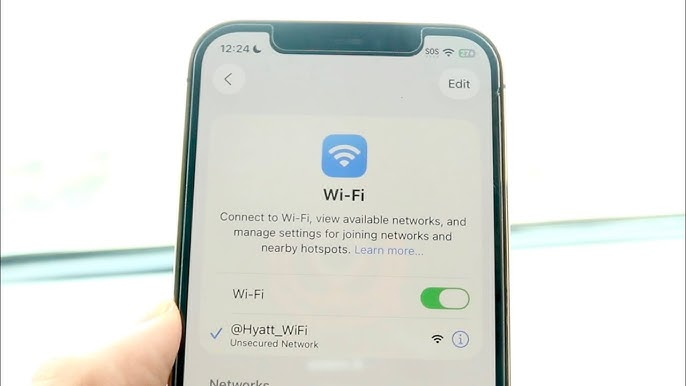
和其他住客一样,我连接了酒店的 Wi-Fi 网络。这个网络不需要密码,只需通过一个验证页面(captive portal)即可登录。
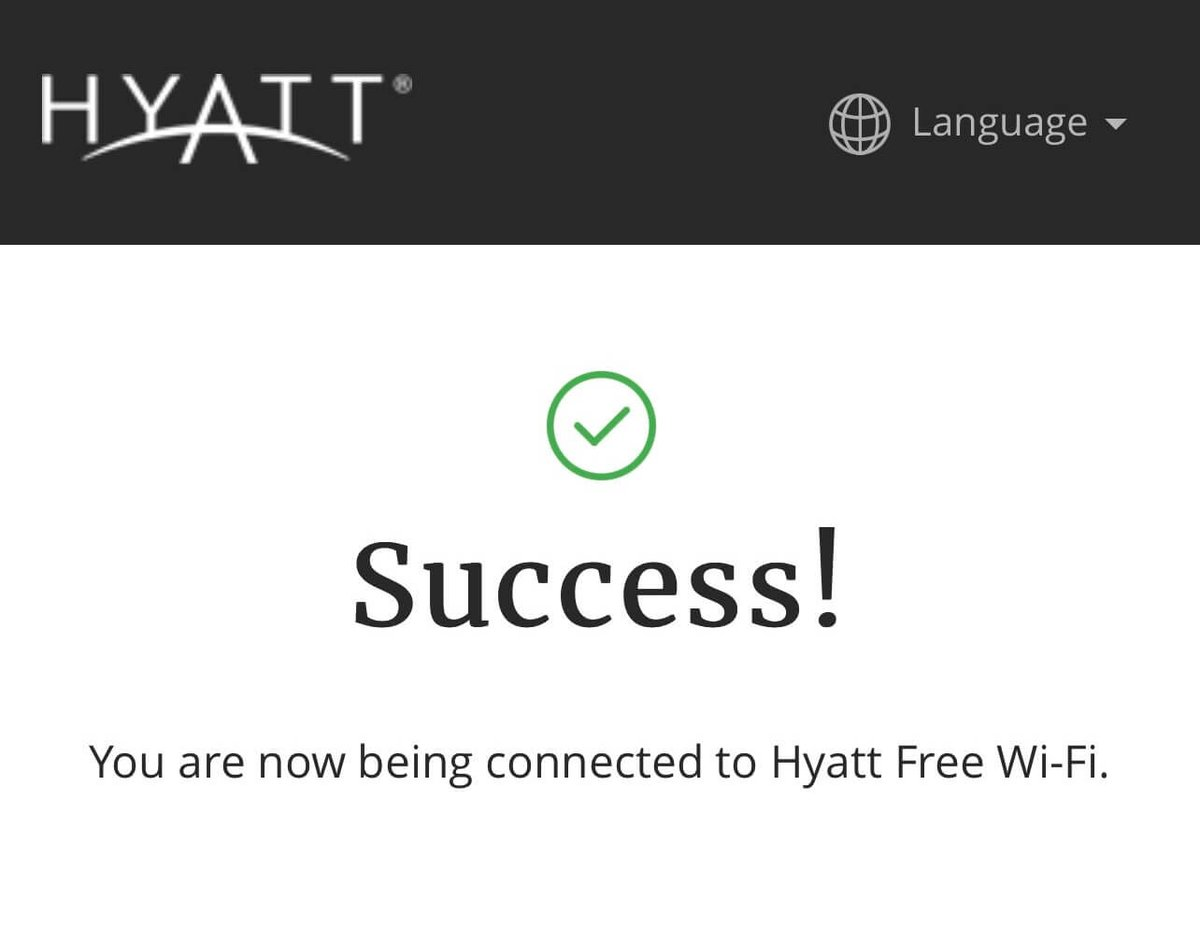
我像往常一样在酒店里工作,没有做任何冒险的操作:没有创建新钱包,没有点击奇怪的链接,也没有访问可疑的去中心化应用(dApps)。我只是查看了一下 X(推特)、我的余额、Discord 和 Telegram 等。

某一刻,我接到了一个加密圈朋友的电话,我们聊了聊市场行情、比特币以及加密货币的相关话题。但我不知道的是,附近有人在偷听我们的对话,并意识到我在从事加密货币相关的事情。这是我的第一个错误。对方通过我们的对话了解到我在使用 Phantom 钱包,而且我是一个持有量不小的用户。

这让他将目标锁定在了我身上。

在公共 Wi-Fi 网络中,所有设备都共享同一个网络,实际上设备之间的可见性比你想象的还要高。用户之间几乎没有真正的保护措施,这就为“中间人攻击”(Man-in-the-Middle Attack)提供了可乘之机。攻击者就像一个中间人,悄悄地插入在你和互联网之间,就像有人在你的信件送达之前偷偷阅读并篡改内容。
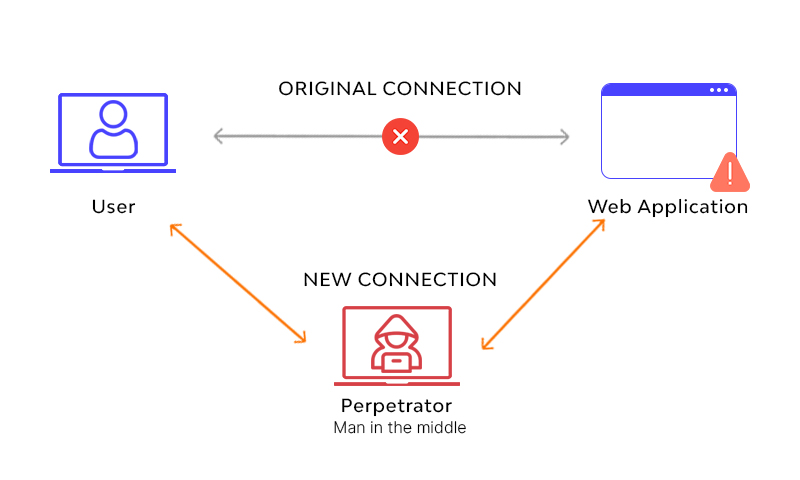
当我在酒店 Wi-Fi 上浏览网页时,有一个网站看起来正常加载,但实际上页面背后被注入了额外的恶意代码。我当时并没有注意到任何异常。如果我安装了一些安全工具,本可以发现这些问题,但遗憾的是,我并没有。

通常情况下,网站可能会请求你的钱包签署某些操作。Phantom 钱包会弹出一个窗口,你可以选择批准或拒绝。一般来说,你会因为信任这个网站和浏览器而放心签署。然而,那天我不该这么做。

就在我在 @JupiterExchange 平台上进行代币兑换操作时,恶意代码触发了一个钱包请求,取代了我正常的兑换操作。我本可以通过仔细检查交易详情发现这是一个恶意请求,但因为我已经在 Jupiter 平台进行兑换操作了,所以完全没有起疑心。
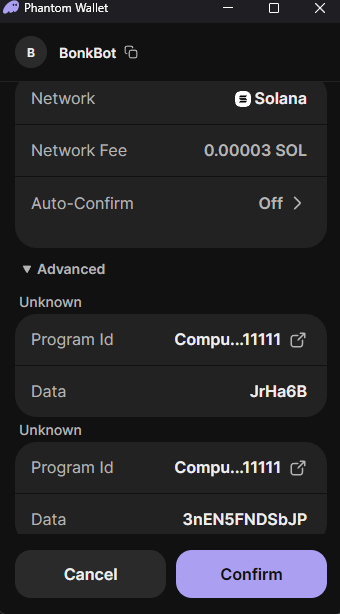
那天我并没有签署任何转移资金的交易,而是签署了一个授权许可。这正是几天后资产被盗的原因。

恶意代码并没有直接要求我发送 SOL(Solana),因为那样会太明显。取而代之,它请求我“授权访问”、“批准账户”或“确认会话”。用简单的话说,我实际上是给了另一个地址代我操作的权限。

我之所以批准了,是因为我误以为这与我在 Jupiter 的操作有关。当时 Phantom 钱包弹出的信息看起来很技术化,没有显示任何金额,也没有提示立即转账。

而这正是攻击者所需要的一切。他耐心等待,直到我离开酒店后,才开始行动。他将我的 SOL 转走,提取我的代币,并将我的 NFT 转移到另一个地址。
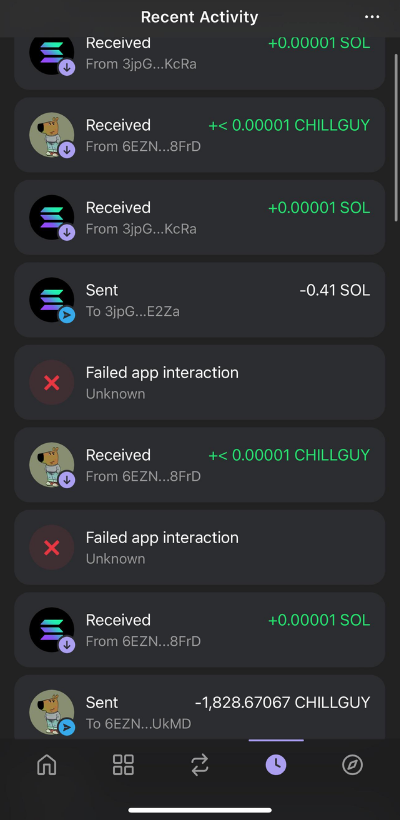
我从未想过这样的事情会发生在我身上。幸运的是,这并不是我的主钱包,而是一个用于特定操作的热钱包,并非用来长期持有资产的。但即便如此,我还是犯了很多错误,而我认为自己对此负有主要责任。

首先,我绝不应该连接酒店的公共 Wi-Fi。我本该用手机的热点来上网才对。
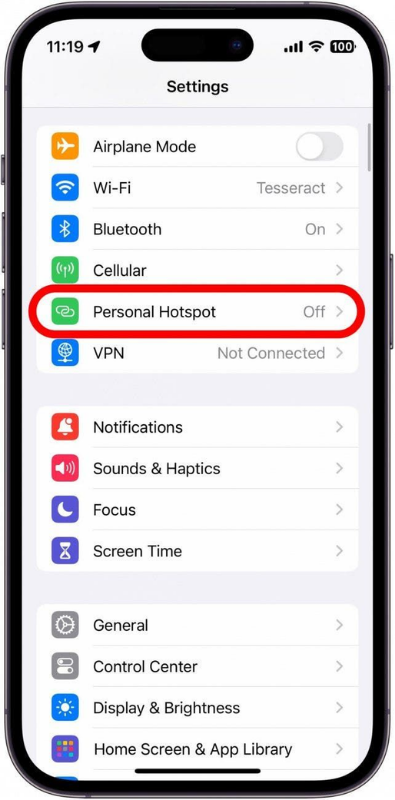
我的第二个错误是,在酒店的公共区域里谈论加密货币,让许多人可能听到了我们的对话。我父亲曾经告诫我,永远不要让别人知道你从事加密货币相关的事情。这次还算幸运,有些人因为加密资产甚至遭遇绑架或更糟糕的事情。
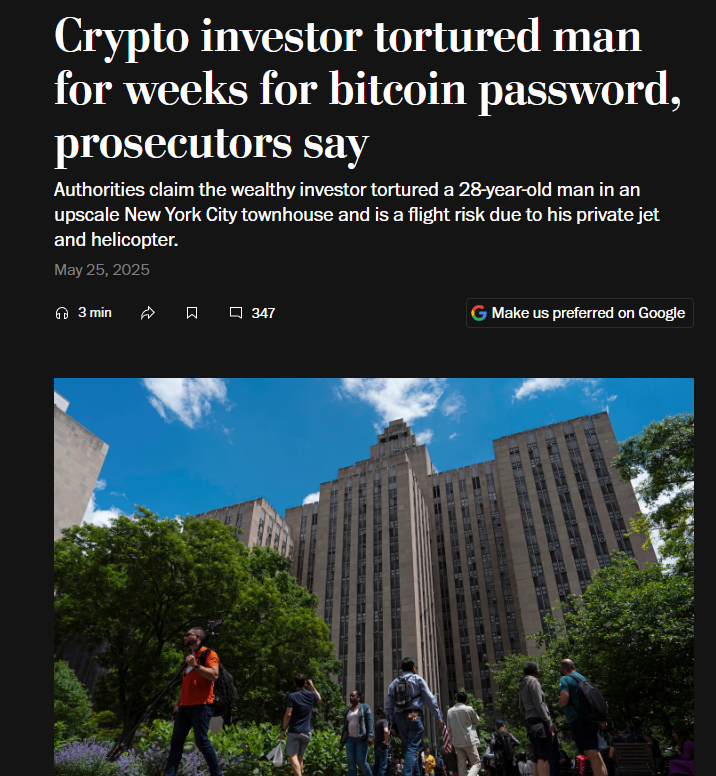
另一个错误是,我在没有完全注意的情况下批准了钱包请求。因为我确信这个请求来自 Jupiter,我没有仔细分析它。事实上,每一次钱包请求都应该被认真审查,即使是在你信任的应用程序上。请求可能会被拦截,实际上并非来自你以为的应用。

最终,我从一个次要钱包里损失了大约 5000 美元。虽然这还不算最严重的情况,但依然让人感到非常沮丧。


Twitter:https://twitter.com/BitpushNewsCN

比推 TG 交流群:https://t.me/BitPushCommunity

比推 TG 订阅: https://t.me/bitpush

原文链接:https://www.bitpush.news/articles/7601380

Perguntas relacionadas

Q文章作者是如何发现自己的加密钱包被盗的?

A作者在离开酒店一天后,发现自己的加密钱包被完全掏空,随后经过数小时的调查并请专家帮忙,最终弄清了真相。

Q攻击者是通过什么方式锁定作者为目标的?

A攻击者通过偷听作者在公共区域的电话对话,了解到作者在使用Phantom钱包且持有大量加密资产,从而将目标。

Q作者在酒店Wi-Fi上遭遇了什么类型的网络攻击?

A作者遭遇了中间人攻击(Man-in-the-Middle Attack),攻击者通过公共Wi-Fi网络插入在作者和互联网之间,篡改并注入恶意代码。

Q作者签署的恶意请求具体是什么内容,为什么没有立即发现?

A作者签署的是一个授权许可请求,而非直接转账请求。它显示为“授权访问”、“批准账户”或“确认会话”,没有金额提示,作者误以为这是Jupiter交易所的正常操作,因此没有起疑心。

Q作者总结了自己犯下的哪些错误导致这次损失?

A作者总结三个主要错误:1. 连接了酒店的公共Wi-Fi,应该使用手机热点;2. 在公共区域谈论加密货币,暴露了自己持有加密资产;3. 没有仔细审查钱包请求,盲目批准了恶意授权。

Leituras Relacionadas

Conversation with Arthur Hayes: AI Has Drained Market Liquidity, BTC Will Be Below 100k by Year-End

In this June 2026 podcast interview, BitMEX co-founder Arthur Hayes explains his decision to sell his major crypto holdings (HYPE, NEAR, Worldcoin, Zcash). His rationale is based on a macro view linking oil prices, the Iran conflict, US politics, and an impending AI bubble burst. Hayes argues that high oil prices, driven by the ongoing war, will pressure domestic US inflation. To salvage the Republican Party's chances in the midterm elections, he believes Donald Trump may pivot to a populist, anti-AI stance—advocating for taxes and regulation—which would deflate the AI investment narrative. He sees the AI sector, particularly massive capital expenditure on data centers, as having absorbed nearly all excess market liquidity (around $1.5 trillion in debt issuance since 2025), starving other assets like Bitcoin. He highlights the upcoming SpaceX IPO at a ~$1.8 trillion valuation and 100x price-to-sales ratio as a potential tipping point. If these hyped IPOs underperform, it could shatter market confidence in AI. In such a scenario, all risk assets, including crypto, would fall together as correlations converge to 1 during a broad correction. Hayes has moved his portfolio into Treasuries and energy stocks (like ExxonMobil), predicting Bitcoin will be below $100k by year-end. He sees a potential crypto bull market only after the AI frenzy cools, liquidity stops flowing exclusively into AI, and possibly after a significant market downturn prompts new monetary stimulus.

marsbitHá 7m

Conversation with Arthur Hayes: AI Has Drained Market Liquidity, BTC Will Be Below 100k by Year-End

marsbitHá 7m

Fed's Internal Doves Flock to Hawkish Stance, Warsh's Debut "Between a Rock and a Hard Place"

U.S. Federal Reserve officials who previously advocated for rate cuts, including Governor Christopher Waller, have recently shifted their stance, with many now not ruling out the possibility of future rate hikes. This sets a challenging stage for new Fed Chair Kevin Warsh's first policy meeting. Appointed by President Trump based on his dovish views, Warsh now faces a committee where the debate has pivoted from "when to cut" to "whether to hike," driven by persistent inflation above 3%, a strong labor market, and supply-side pressures from AI infrastructure demands and geopolitical tensions. Key figures illustrate the shift. Governor Waller, once concerned about employment, now says data has pushed him toward considering rate increases. Even moderate voices like Governor Lisa Cook, while expecting inflation to ease, have indicated readiness to hike if it fails to do so. Long-time hawks such as regional Fed presidents Beth Hammack, Lorie Logan, and Neel Kashkari have grown more vocal, arguing that the real policy rate is effectively falling and that action may soon be needed. The upcoming Fed meeting is expected to keep rates steady but will likely remove the "easing bias" from its statement, signaling a neutral stance between cuts and hikes. The quarterly "dot plot" is anticipated to show most officials projecting no cuts this year, with some potentially indicating hikes. Chair Warsh, a critic of the Fed's reliance on forward guidance like the dot plot, must navigate communicating this pivot using tools he has questioned, all while steering policy in a direction counter to the preferences of the president who appointed him. The consensus suggests the Fed's next move could well be a rate increase.

marsbitHá 1h

Fed's Internal Doves Flock to Hawkish Stance, Warsh's Debut "Between a Rock and a Hard Place"

marsbitHá 1h

The Trillion-Yuan Market Cap 'Yi Zhong Tian': Who is the True Value King?

The article analyzes the three leading Chinese optical module companies, collectively nicknamed "Yi Zhong Tian": Xinyisheng, Zhongji Innolight, and TFC Optical Communication. It evaluates their "cost-performance" not by current stock price, but through three lenses: PEG ratio (growth vs. valuation), earnings quality, and premium/discount for certainty. Xinyisheng shows the most attractive PEG ratio and high profitability, but its valuation reflects discounts for risks like high customer concentration and reliance on overseas markets. Zhongji Innolight, the most expensive, commands a premium for its market leadership, dominant share in key products like 800G/1.6T modules, and higher earnings certainty, though it faces geopolitical risks. TFC Optical, as an upstream component supplier ("water seller"), has the highest gross margin and bets on the long-term CPO/NPO architecture trend, but trades at a high valuation with more stable, less explosive growth. The core argument is that while these companies dominate module assembly, the true profit pool and technological moat lie upstream in laser and switch chips, currently controlled by U.S. firms like Lumentum and Coherent. The long-term "cost-performance" for these Chinese leaders hinges on whether the domestic industry, exemplified by companies like Yuanjie Technology, can successfully move up the value chain into high-power laser chips. Otherwise, their high growth may remain confined to the lower-margin assembly segment.

marsbitHá 1h

The Trillion-Yuan Market Cap 'Yi Zhong Tian': Who is the True Value King?

marsbitHá 1h

Has the Crypto Market Bottomed? Here's What Institutions Think

The crypto market is in a period of significant debate, with leading institutions offering differing views on whether a bottom has been reached. Three prominent firms have published detailed analyses: * **Galaxy Digital** argues Bitcoin has **not yet bottomed**. Their analysis of 13 historical indicators across six dimensions (valuation, profit-taking, miner pressure, etc.) shows only four are fully met. They project a potential bottom range between $30k and $54k. * **NYDIG** states a bottom is **possible but not likely**. While metrics are close to historic bear market extremes, they note the absence of a classic panic-selling event. They also suggest increased institutional adoption may have structurally altered the market cycle, potentially leading to a shallower downturn. * **Standard Chartered Bank** asserts the **bottom has already occurred** at around $59k. They cite two key factors: potential US-Iran diplomatic progress and the anticipated SpaceX IPO, which they believe absorbed capital and caused ETF selling pressure that is now subsiding. They forecast a year-end price target of $100k. Despite the surface-level disagreement, the reports share critical common ground more valuable for long-term investors: 1. All three believe the market bottom will form **within this year**. 2. All agree the current price is **closer to the bottom than to previous highs**. 3. All maintain a **bullish long-term outlook** for Bitcoin and a new cycle. The core takeaway is that while the exact bottom price ($40k, $50k, or $60k) is debated, the consensus is that a bottom is imminent. For long-term holders, the primary focus should not be pinpointing the absolute low, but on the future potential for prices to reach $100k, $200k, or higher. The fundamental thesis for Bitcoin—sovereign debt accumulation, inflation, declining trust in centralized institutions, global digitization, and improved accessibility—remains intact and is arguably strengthening. The overall landscape is viewed as more favorable than in previous crypto winters.

marsbitHá 1h

Has the Crypto Market Bottomed? Here's What Institutions Think

marsbitHá 1h

Trading

Spot
Futuros

Artigos em Destaque

O que é APECOIN

Compreender a Moeda Eletrónica da Ásia-Pacífico ($APECoin) Num era em que a interseção entre tecnologia e ambientalismo se torna cada vez mais crítica, as criptomoedas estão a deixar a sua marca como potenciais catalisadores para a mudança. Entre estas inovações, a Moeda Eletrónica da Ásia-Pacífico ($APECoin) destaca-se como um projeto distinto concebido para apoiar iniciativas ambientais em toda a região da Ásia-Pacífico. Este artigo explora a fundação, características únicas e impacto do $APECoin no panorama mais amplo da blockchain. O que é a Moeda Eletrónica da Ásia-Pacífico ($APECoin)? A Moeda Eletrónica da Ásia-Pacífico ($APECoin) é um token ERC20 e TRC20, realizado em abril de 2020 após a sua concepção em dezembro de 2019. Esta inovação nasceu do desejo de promover práticas ecológicas e apoiar um conjunto de projetos ambientais visando a sustentabilidade e iniciativas verdes. Objetivos e Finalidades $APECoin não é apenas uma moeda digital; é concebida como um meio de troca que permite aos utilizadores realizarem transações que beneficiam diretamente causas ambientais. O seu ecossistema é projetado para facilitar diversas atividades financeiras enquanto promove a adoção de práticas ecológicas. A moeda tem como objetivo principal: Apoiar Iniciativas Ambientais: Através de cada transação, uma parte é alocada para financiar projetos sustentáveis direcionados à conservação e energia renovável. Promover Inovações Ecológicas: Incentivar startups e projetos que se alinhem com a sustentabilidade ambiental através do uso do seu token como meio de valor. Criar um Mercado Sustentável: A plataforma inclui um e-mercado onde transações financeiras podem ocorrer dentro de um quadro dedicado à promoção de práticas ecológicas. Criador da Moeda Eletrónica da Ásia-Pacífico ($APECoin) Embora os detalhes sobre o criador individual do $APECoin não sejam divulgados ao público, o projeto é significativamente apoiado pelo Grupo APEC, um consórcio focado na defesa de iniciativas ambientais. Este apoio acrescenta credibilidade e relevância ao projeto, ligando-o a uma rede mais ampla comprometida com a sustentabilidade e práticas ecológicas. Investidores da Moeda Eletrónica da Ásia-Pacífico ($APECoin) O panorama de investimento em torno do $APECoin permanece em grande parte não divulgado. Nomes específicos de fundações ou organizações de investimento que apoiam esta criptomoeda ainda não foram revelados. Contudo, o que é evidente é um crescente interesse entre investidores ansiosos por apoiar projetos sustentáveis que demonstram potencial de impacto no espaço cripto. Como funciona a Moeda Eletrónica da Ásia-Pacífico ($APECoin)? O $APECoin destaca-se devido ao seu modelo operacional inovador, que utiliza a tecnologia blockchain e contratos inteligentes. Esta combinação não só garante eficiência nas transações, mas também assegura a conformidade com estruturas regulatórias, aumentando a segurança e transparência das transações. Características Únicas do $APECoin Operações Baseadas em Blockchain: Ao estabelecer as suas operações numa plataforma de blockchain, o $APECoin garante que todas as transações são imutáveis e seguras através de técnicas criptográficas avançadas. Esta descentralização sublinha a integridade do token dentro do seu ecossistema. Contratos Inteligentes: O $APECoin emprega contratos inteligentes que facilitam transações sem costura enquanto asseguram conformidade com as regulações aplicáveis. Estes acordos automatizados minimizam a possibilidade de disputas, simplificam processos e contribuem para um quadro de transação fiável. E-Mercado: Uma das características principais do $APECoin é o seu e-mercado dedicado. Este ambiente digital serve como um centro para serviços que promovem práticas ecológicas, proporcionando uma plataforma para trocas que reforçam a visão verde do projeto. Através destas características, o $APECoin carve um nicho para si mesmo dentro da vasta extensão do mercado de criptomoedas, casando efetivamente os princípios da blockchain com a gestão ambiental. Cronologia da Moeda Eletrónica da Ásia-Pacífico ($APECoin) Compreender a trajetória do $APECoin fornece uma visão sobre os seus marcos de desenvolvimento e aspirações futuras. Aqui está uma cronologia que destaca eventos significativos na história do projeto: Dezembro de 2019: Conceção da Moeda Eletrónica da Ásia-Pacífico, iniciada com a ambição de promover a sustentabilidade através da criptomoeda. Abril de 2020: Lançamento oficial do $APECoin, assinalando a sua entrada no mercado como um token dedicado a projetos ambientais. 2020-2021: Realização da Oferta Inicial de Troca (IEO), permitindo aos utilizadores adquirir $APECoin, juntamente com o registro em várias plataformas de troca eletrónica para aumentar a acessibilidade. Na sua jornada relativamente curta, o $APECoin fez progressos significativos na construção das bases para uma criptomoeda segura e impactante, impulsionada por objetivos ambientais. Conclusão A Moeda Eletrónica da Ásia-Pacífico ($APECoin) corporifica a união entre tecnologia e responsabilidade ambiental, promovendo o crescimento no ecossistema cripto enquanto defende a sustentabilidade. Com a sua estrutura única, apoio de entidades respeitáveis e visão para um futuro mais verde, o $APECoin é mais do que apenas uma criptomoeda; é um projeto pioneiro destinado a nutrir a inovação responsável na região da Ásia-Pacífico. Através do seu compromisso com a inclusão financeira e seu suporte a iniciativas ambientais, destaca-se como um exemplo formidável de como as moedas digitais podem ser aproveitadas para um impacto societal positivo. À medida que o projeto continua a evoluir, os intervenientes na comunidade cripto e além estarão ansiosos para ver como o $APECoin moldará a conversa em torno de práticas sustentáveis no mundo em crescimento das criptomoedas.

85 Visualizações TotaisPublicado em {updateTime}Atualizado em 2024.12.03

O que é APECOIN

Como comprar APE

Bem-vindo à HTX.com!Tornámos a compra de ApeCoin (APE) simples e conveniente.Segue o nosso guia passo a passo para iniciar a tua jornada no mundo das criptos.Passo 1: cria a tua conta HTXUtiliza o teu e-mail ou número de telefone para te inscreveres numa conta gratuita na HTX.Desfruta de um processo de inscrição sem complicações e desbloqueia todas as funcionalidades.Obter a minha contaPasso 2: vai para Comprar Cripto e escolhe o teu método de pagamentoCartão de crédito/débito: usa o teu visa ou mastercard para comprar ApeCoin (APE) instantaneamente.Saldo: usa os fundos da tua conta HTX para transacionar sem problemas.Terceiros: adicionamos métodos de pagamento populares, como Google Pay e Apple Pay, para aumentar a conveniência.P2P: transaciona diretamente com outros utilizadores na HTX.Mercado de balcão (OTC): oferecemos serviços personalizados e taxas de câmbio competitivas para os traders.Passo 3: armazena teu ApeCoin (APE)Depois de comprar o teu ApeCoin (APE), armazena-o na tua conta HTX.Alternativamente, podes enviá-lo para outro lugar através de transferência blockchain ou usá-lo para transacionar outras criptomoedas.Passo 4: transaciona ApeCoin (APE)Transaciona facilmente ApeCoin (APE) no mercado à vista da HTX.Acede simplesmente à tua conta, seleciona o teu par de trading, executa as tuas transações e monitoriza em tempo real.Oferecemos uma experiência de fácil utilização tanto para principiantes como para traders experientes.

126 Visualizações TotaisPublicado em {updateTime}Atualizado em 2026.06.02

Como comprar APE

Discussões

Bem-vindo à Comunidade HTX. Aqui, pode manter-se informado sobre os mais recentes desenvolvimentos da plataforma e obter acesso a análises profissionais de mercado. As opiniões dos utilizadores sobre o preço de APE (APE) são apresentadas abaixo.

活动图片