全球流动性结构性分化,加密市场为何成了吊车尾?

marsbitPublicado em 2025-11-11Última atualização em 2025-11-12

2025 年年中以来,加密市场整体呈现出高波动性和下行压力,主要资产价格持续回调、交易量萎缩,并伴随投资者信心不足。截至昨日,全球加密总市值约 3.33 万亿美元,较年初高峰缩水约 20-30%,BTC 主导率稳定在 55% 左右,波动率高达 40%,远超 2024 年。市场情绪偏向谨慎。

CryptoQuant 的链上数据显示,交易所BTC 储备从 8 月初以来下降约 8%,储备 USD 价值从约 3000 亿降至 11 月的 2500 亿。这显示出投资者从交易所撤资(转向自托管或避险资产),强化了抛售信号。

主流 Token 价格在 2025 年上半年短暂反弹后,从 10 月起进入调整期,11 月进一步下探,Top 50 的Token价格几乎回落至 2022 年 FTX 崩盘后时期的水平。

总结一下 2025 年的加密市场现状,这包括:

  • 主流 Token 如 SOL、ETH、BTC 都回到了 2024 年 12 月的价格;四年周期理论失效,行业参与者需要调整和磨合。
  • Token 数量爆炸:过去四年中,大多数代币的发行模式都是低流通、高 FDV 模型。Meme 潮之后,数量更是快速增加;目前,每天都有新的项目上线,市场上供应量庞大,资金愈发谨慎,除非新买家不断涌入,否则已不足以抵消项目的大规模解锁潮。
  • 市场进入概念复用期:创新性不足;存在大量非必需技术;
  • 项目落地困难:经济模型激励与调节效果不佳;众多项目未找到产品市场契合点(PMF);
  • 空投疲软:空投 Token 被用户立即兑换为稳定币;
  • 交易难度大幅提升:凡是值得交易且流动性充足的标的,竞争都会异常激烈。
  • 资金链紧张:VC 投资萎缩,总融资仅占 2024 年约一半,项目方资金链紧张。
  • 行业内生问题频发:10.11 「黑天鹅」事件;黑客攻击频发(上半年损失超 20 亿美元);Layer1 链拥堵事件等等。
  • DeFi 收益率降低:相较于 2024 年,DeFi 收益率降至 5% 以下。

这更像是一场结构性调整,类似于 2018 年,但规模更大。这几乎让每个市场参与者都面临困难,无论是用户,交易员,Meme 小将,创业者,VC,量化机构,等等。

尤其在 10.11 黑色星期五之后,很多加密交易员及量化机构有所折损,机构暴雷的隐忧仍在,这次事件意味着 投机者 / 专业交易员 / 零售投资者 都面临着资金损失。

而传统金融机构的参与集中在 BTC 及支付,RWA,DAT 策略等方向,与 Altcoin 市场相对割裂。比特币现货 ETF 在 10 月份整体表现强劲,净流入 34 亿美元,创下历史纪录,但在 11 月初出现了大规模资金外流,一定程度上反映了市场在价格高位时的获利了结行为。

目前,随着政府停摆结束的市场预期,官方流动性预计将重归。在 2025 年最后两个月,加密市场将会有怎样的表现?

越来越明确的方向仍然是:BTC 与稳定币。


BTC:宏观流动性周期取代减半叙事

随着市场共识逐渐转向,分析师们认为全球流动性周期,而非单纯的比特币减半事件,是驱动牛熊转换的核心动力。

依据 Arthur Hayes 近期的核心「四年周期已死,流动性周期永生」。他认为,过去三轮牛熊都与美元 / 人民币大规模扩表、低利率的信用宽松时期高度吻合。 当前,美国国债堆积呈指数级增长,为稀释债务,常设回购工具(SRF)将成为政府的主要手段;SRF 余额增长意味着全球法币数量同步扩张。在「隐形量化宽松」下,BTC 的上涨趋势就不会改变。

认为常设回购工具(Standing Repo Facility, SRF)将成为政府的主要手段,当前货币市场状况持续、国债堆积呈指数级增长,SRF 余额将作为最后贷款人不断上升。SRF 余额增长意味着全球法币数量同步扩张,这将重新点燃比特币牛市。

Raoul Pal 的周期理论同样指出每个加密周期的终结源于货币紧缩政策。从数据上看,全球债务总量已达约 300 万亿美元,其中约 10 万亿美元(主要是美国国债和企业债)即将到期。为避免收益率飙升,需要大规模流动性注入。据其模型估算,每增加 1 万亿美元流动性,可能与风险资产(股票、加密货币)5-10% 的收益相关。10 万亿美元的再融资规模,可能为风险资产注入 2-3 万亿美元的新资金,从而强力推动 BTC 上涨。

以上思路都在全球央行流动性周期主宰下,为 BTC 等稀缺资产提供长期上涨的宏观环境。


稳定币:走向到金融基础设施

2025 年的另一条主线是稳定币,其价值非「投机叙事」,而是「真实采用」。

最新的政策利好已经发布:美国国会正推动赋予 CFTC(美国商品期货交易委员会)对加密货币现货市场更大的管辖权。CFTC 预计在明年初出台一项政策,可能允许稳定币作为衍生品市场的代币化抵押品。这首先将在美国清算所进行试点,并伴随更严格的监管,为稳定币进入传统金融核心领域打开大门。

稳定币规模正迅猛扩张,远超市场预期。美国各大机构已抢先布局,致力于构建以稳定币为核心的全新支付网络。

面对真实应用场景的爆发,稳定币的价值是在跨境转账、汇率风险控制、企业结算调拨等场景中「稳定发挥」。

过去一年,它在速度、成本和合规性之间取得了平衡,初步形成了一个合规、低成本、可追溯的全球资金通道,正逐步成为现实世界可用的金融结算层。稳定币作为基础设施,其地位正通过监管和实际应用被夯实,为整个加密经济提供稳定的血液。

这对对创业者亦有启示:创业团队需要考虑将业务流程「稳定币原生化」 ,目标市场应瞄准「稳定币适用人群」 ,并在此基础上找到真正契合的产品 - 市场匹配(PMF)。

Leituras Relacionadas

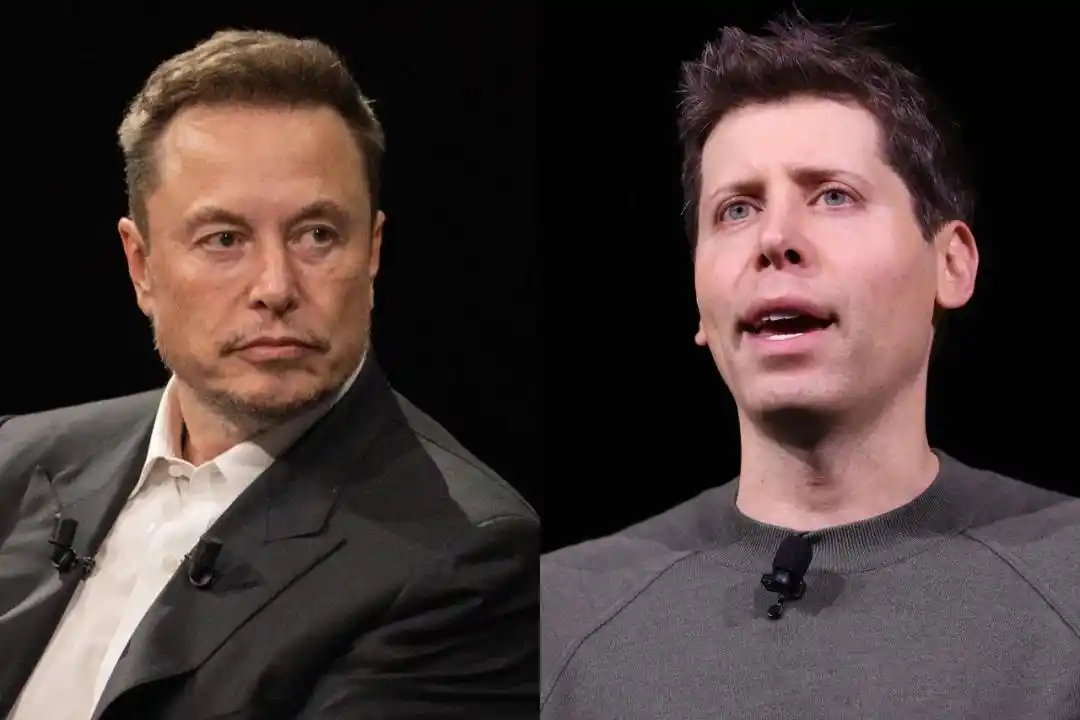
Apple Sues OpenAI Sparking Feud, Musk Slams Altman for Fraud, Altman Retorts with 'Space Data Center' Boast

Apple Sues OpenAI as Musk-Altman Feud Escalates The public feud between Elon Musk and OpenAI CEO Sam Altman intensified, coinciding with their respective AI companies launching flagship models in the same week, highlighting fierce competition. On July 11, Musk posted on X, accusing Altman of taking "fraud to the next level" regarding OpenAI's commercial practices. Altman fired back, sarcastically suggesting Musk was the one selling "short-term space datacenter" concepts to public market investors. Musk countered with allegations that Altman "stole an open-source AI charity" and, amid Apple's recent lawsuit, "stole all of Apple's phone tech." He mockingly referenced Altman needing a "parole officer's" approval to travel. This exchange occurred against the backdrop of a significant legal development: Apple filed a lawsuit against OpenAI in a California federal court, alleging the AI company deliberately solicited Apple employees to leak confidential information on unreleased products to aid its own hardware plans. Apple demands OpenAI cease this activity, destroy proprietary materials, and redesign upcoming products. OpenAI responded, stating it has no interest in other companies' trade secrets and remains focused on innovation. This lawsuit could profoundly impact their two-year partnership where OpenAI provides key tech for Apple Intelligence and Siri. The rivalry extended to product releases. OpenAI launched GPT-5.6, while Musk's SpaceXAI unveiled Grok 4.5. Both are positioned as AI agents capable of multi-step tasks. GPT-5.6 is noted for strengths in broad reasoning, business workflows, and cybersecurity. Grok 4.5 is highlighted for higher efficiency in autonomous programming and developer workflows, with lower usage costs than GPT-5.6, though OpenAI's model reportedly still leads in areas like abstract reasoning. The differing strengths offer distinct choices for enterprises and developers based on their specific needs.

marsbitHá 1h

Apple Sues OpenAI Sparking Feud, Musk Slams Altman for Fraud, Altman Retorts with 'Space Data Center' Boast

marsbitHá 1h

Robinhood Chain's Success Proves Ethereum is Not Dead

Robinhood Chain's success demonstrates that Ethereum's L1+L2 model is thriving, not dying. Traditional crypto projects often focused on token sales and chose infrastructure to maximize token value. However, real-world businesses building cash-based products make different, pragmatic choices. When launching its chain, Robinhood chose Ethereum as its base layer and built a custom L2 using Arbitrum technology. It uses Ethereum blobs for data availability, ETH for gas, and relies on Ethereum for security. This mirrors Coinbase's earlier decision to build Base as an Ethereum L2. These are not ideological choices but sound business decisions driven by needs for security, liquidity, control, and predictable economics. The shift in the industry is from "token-centric" models to "cash business" models. Real companies serving broad user bases prioritize risk reduction, product improvement, and profit. For them, blockchain is infrastructure. The Ethereum L1+L2 "barbell" structure is ideal: the highly decentralized, neutral, and liquid L1 for settlement and security, combined with customizable, high-performance L2s for execution. This trend is positive for Ethereum and ETH. As more real businesses build on it, ETH becomes more integrated, distributed, and useful, strengthening its network effects and monetary premium. Robinhood's path—starting on an existing L2 and graduating to a dedicated one—is likely to become a standard playbook, proving the enduring utility of Ethereum's layered architecture for serious commercial adoption.

Odaily星球日报Há 1h

Robinhood Chain's Success Proves Ethereum is Not Dead

Odaily星球日报Há 1h

Tencent Heavily Invests in an IPO

"Tencent-Backed DPU Unicorn Leopard Cloud Intelligence Files for IPO on Shenzhen's ChiNext Board" Leopard Cloud Intelligence, a Shenzhen-based developer of Data Processing Unit (DPU) chips, has officially applied for an IPO on the ChiNext Board, aiming to become China's first publicly listed DPU company. Founded in August 2020 by Dr. Xiaoyang Xiao, a Stanford PhD graduate and serial entrepreneur who previously co-founded chip company RMI (acquired by Broadcom), the company focuses on the high-growth DPU sector. Its development accelerated following NVIDIA's formal introduction of the DPU concept in late 2020. The company has developed China's first high-performance, general-purpose programmable DPU SoC chip, boasting 400Gbps network bandwidth and claiming significant performance improvements and power savings over traditional solutions. Financially, Leopard Cloud's revenue grew exponentially from RMB 170,000 in 2023 to RMB 370 million in 2025, yet it remains unprofitable with substantial net losses. Its IPO application utilizes ChiNext's recently introduced fourth set of listing standards, which emphasize R&D and market valuation over short-term profitability. Tencent is the company's most significant backer and largest shareholder, holding a 19.78% stake after participating in multiple funding rounds. Other prominent investors include Sequoia Capital China, Shenzhen Capital Group, Five Dimensions Capital, and various government-guided funds from Shenzhen and Hangzhou. Pre-IPO, the company was valued at over RMB 14 billion. This listing is seen as a milestone for Shenzhen's semiconductor industry, complementing the recent successful IPO review of Yuexin Semiconductor (a Guangzhou-based wafer manufacturer) and signaling a wave of high-end hardware technology companies from the Greater Bay Area going public on the ChiNext Board.

marsbitHá 2h

Tencent Heavily Invests in an IPO

marsbitHá 2h

Trading

Spot
活动图片