«Дачная» майнинг-ферма под Ярославлем похитила электричество на ₽8,2 млн

cryptonews.ruPublicado em 2025-11-21Última atualização em 2025-11-21

Оборудование для добычи криптовалюты было расположено в небольшом домике на заросшем участке и подключено к электросетям в обход учета

В деревне Подвязново Ярославской области энергетики пресекли работу нелегальной майнинг-фермы. Она похитила электричество на ₽8,2 млн, сообщили в компании «Россети Центр».
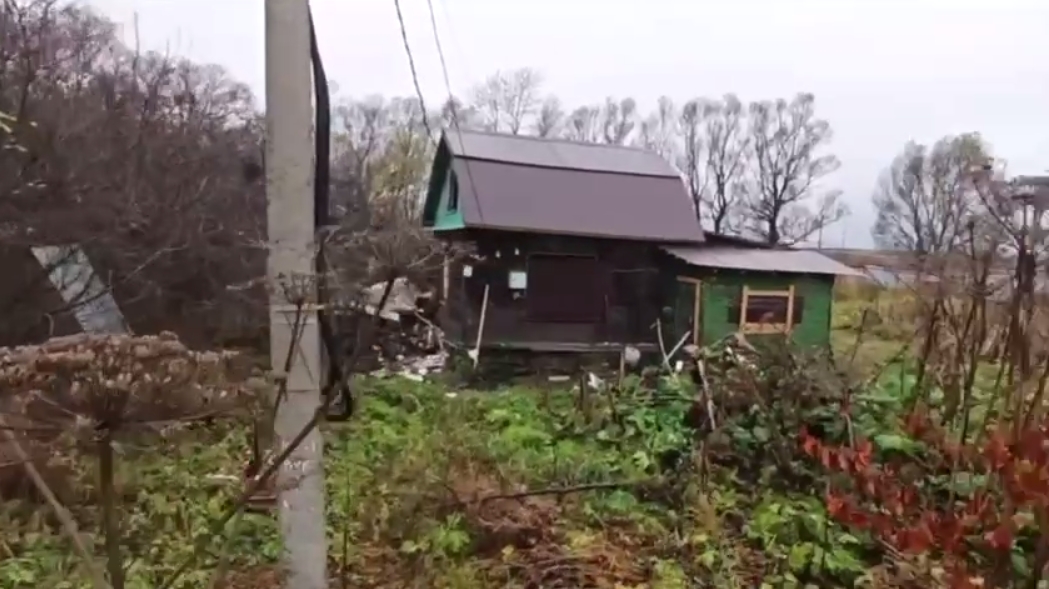
Нелегальная майнинг-ферма в Ярославской области. Источник: «Россети Центр»

Местные жители пожаловались в компанию на скачки напряжения в сети. После этого энергетики провели рейд, в ходе которого обнаружили самовольное подключение к электросетям, проведенное с заросшего участка с высоким забором и камерами видеонаблюдения по периметру.

rbc.group

Оказалось, что на участке в небольшом домике работало оборудование для майнинга. По оценкам компании, объем хищения электроэнергии составил 832,5 тыс. кВт·ч, или ₽8,2 млн. Энергетики передали материалы дела в правоохранительные органы.

«Нелегальный майнинг — это серьезная проблема для энергосистемы любого региона, поскольку несет угрозу надежности и безопасности электроснабжения. Все выявленные нарушения будут последовательно пресекаться, а виновные привлекаться к ответственности в соответствии с законом», — сказал генеральный директор компании «Россети Центр» Борис Эбзеев.

В компании напомнили, что за хищение электроэнергии в крупном и особо крупном размере предусмотрена ответственность по ст. 165 УК РФ (причинение имущественного ущерба путем обмана или злоупотребления доверием при отсутствии признаков хищения) с максимальным наказанием в виде лишения свободы сроком до пяти лет с выплатой штрафа. Нарушители также оплачивают выставленные счета, значительно превышающие стоимость электроэнергии, использованной законным путем, предупредили в «Россетях Центре».

На прошлой неделе стало известно, что в Дагестане энергетики три месяца охотились за нелегальной майнинг-фермой в «Газели». Ее удалось обнаружить с помощью квадрокоптера с тепловизором.


Leituras Relacionadas

AMD acquires Taalas: hardware AI manages without scarce HBM memory

AMD has agreed to acquire Toronto-based startup Taalas, which tackles a key bottleneck in AI inference: the constant need to transfer model weights from memory to the processor for each generated token. Taalas's chips eliminate this operation by permanently embedding the model weights into the transistors themselves. This data transfer is what currently limits inference speed and has made high-bandwidth memory (HBM) a scarce commodity. Taalas's first test chip, fabricated on TSMC's 6nm process, reportedly generated tokens for Meta's Llama 3.1 8B model at speeds 48 times faster than comparable Nvidia GPUs. Its architecture features a mask ROM section for fixed weights and SRAM for adaptable components. However, this design comes with a significant trade-off: each chip is permanently dedicated to a single model. Switching models requires a partial redesign and fabrication, a process taking about two months. While the acquisition is seen as part of AMD's rivalry with Nvidia in inference, its broader implication lies in challenging the assumption of a permanent HBM memory shortage. The AI memory market is currently booming, with HBM supply sold out through 2026. Yet, Taalas's technology demonstrates that the memory bottleneck is an engineering challenge, not an absolute physical constraint. This aligns with industry-wide efforts from companies like Nvidia (through model compression) and memory makers like Samsung and SK hynix (developing new packaging and storage technologies) to reduce dependency on scarce HBM. AMD's move suggests that the current high prices for memory, driven by AI demand, may not be sustainable. It highlights a growing engineering push against the premise of perpetual memory scarcity, reminding investors that memory has historically been a cyclical business.

cryptonews.ruHá 2h

AMD acquires Taalas: hardware AI manages without scarce HBM memory

cryptonews.ruHá 2h

Vance says US-Iran conflict remains in 'midgame', US military 'seeks exit', Iran sets 'six conditions for reopening the strait'

U.S. Vice President Vance described the U.S.-Iran conflict as being in the "mid-game," stating the U.S. is utilizing diplomatic, economic, and military tools, with a focus on increasing oil and gas shipments through the Strait of Hormuz. Meanwhile, U.S. Chairman of the Joint Chiefs of Staff Gen. Dan Caine is reportedly seeking an "exit" privately, expressing concerns that airstrikes alone are insufficient to achieve objectives and that further escalation carries significant risks. He highlighted critical ammunition shortages for key missile defense systems. In response, Iran’s Supreme National Security Council Secretary, Zolgadr, presented six conditions for reopening the Strait of Hormuz: a U.S. pledge never to threaten Iran, an end to aggression against Iran and its allies, withdrawal of forces from the region, war reparations, lifting of all sanctions, and the unconditional unfreezing of Iranian assets. These demands, seen as a high bar set by hardliners, contrast with more pragmatic requests made in backchannel talks, which focus on lifting the blockade, restoring oil sanctions waivers, and accessing frozen funds. While Iran and Oman are close to a technical agreement on a temporary shipping lane, Iran clarified this does not equate to a full reopening of the strait, which remains contingent on U.S. meeting its conditions. Attacks on commercial vessels in the area continue, with recent incidents attributed to Iran. Despite pauses in military action and expressions of openness to talks from both sides, negotiations are currently stalled over Iran's economic demands and U.S. insistence on freedom of navigation.

marsbitHá 2h

Vance says US-Iran conflict remains in 'midgame', US military 'seeks exit', Iran sets 'six conditions for reopening the strait'

marsbitHá 2h

Trading

Spot
活动图片