Роберт Кийосаки сравнил покупку эфира с инвестициями в биткоин

cryptonews.ruPublicado em 2025-04-26Última atualização em 2025-10-27

Автор книги «Богатый папа, бедный папа» Роберт Кийосаки (Robert Kiyosaki) заявил, что вложения инвесторов в эфир могут открыть им такие возможности, какие были у людей, успевших купить биткоин по $4000.

Несмотря на сильную волатильность крипторынка и недавнюю массовую ликвидацию позиций трейдеров, эфир продолжает торговаться выше $4000 за монету. Те, кто поспешит приобрести альткоин по этому курсу, в будущем могут получить доход, сопоставимый с доходностью ранних биткоин-инвесторов, выросшей в разы из-за стремительного роста первой криптовалюты.

В своем твите Кийосаки заявил, что есть два разных типа мышления: старый и новый. По мнению писателя-инвестора, они определяют, как люди будут жить, поскольку разрыв в уровне благосостояния продолжает увеличиваться. Миллиарды людей изо всех сил пытаются свести концы с концами, в попытке сохранить накопления от растущей инфляции и удержаться на стабильной работе, но их традиционные финансовые стратегии неэффективны, уверен Кийосаки.

Устаревшие стратегии это: получение образования, сверхурочный рабочий день, хранение средств в фиатных валютах и зависимость от пенсионных планов. Новые стратегии: открывать бизнес, сберегать деньги в материальных активах вроде золота и серебра, а также инвестировать в биткоин и эфир.

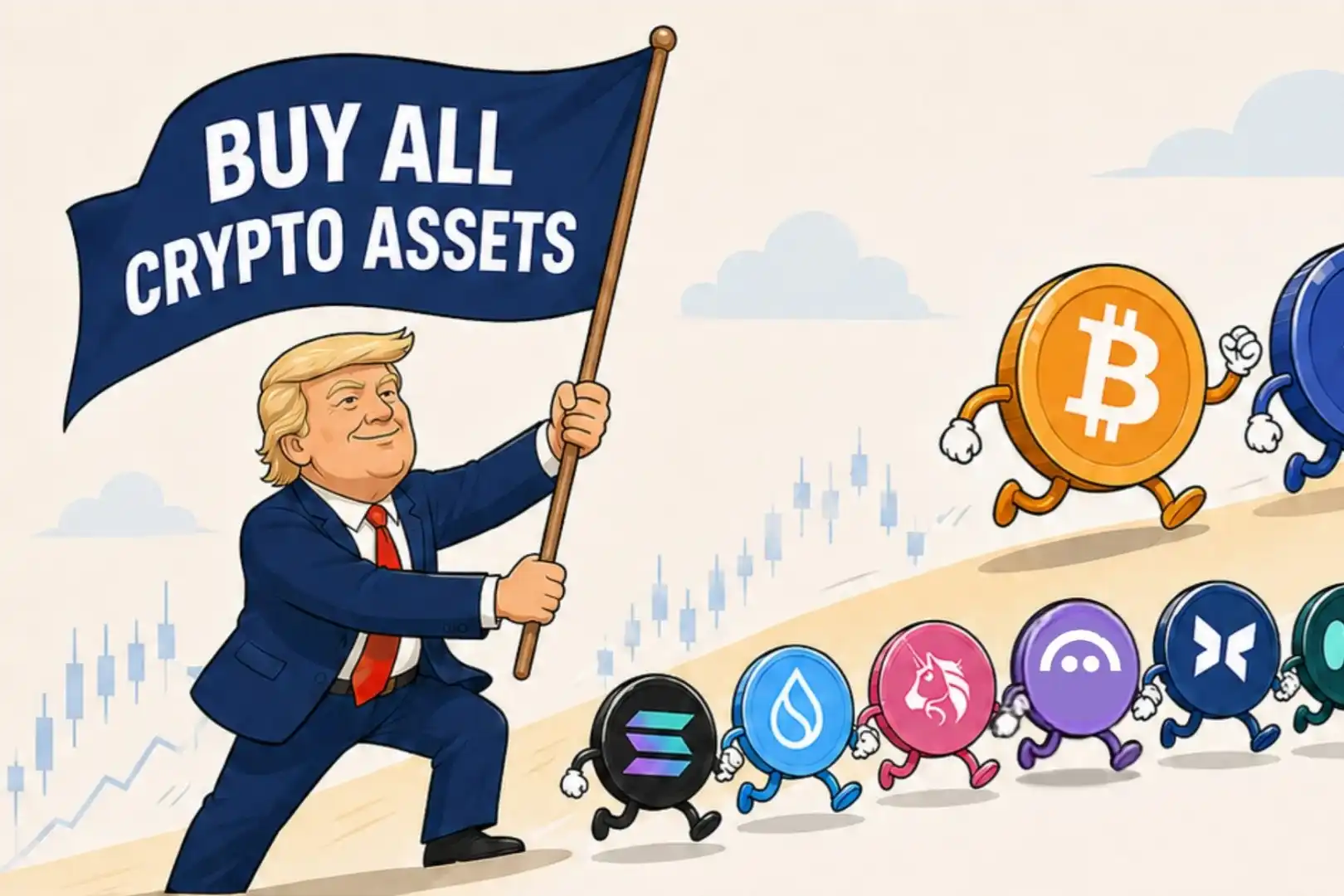
Недавно Кийосаки призвал своих подписчиков в Х как можно скорее скупать биткоины, поскольку из-за ограниченного предложения монет на всех их может не хватить. Сокращение предложения биткоина ускоряют крупные компании, скупающие криптовалюту для долгосрочного хранения, обратил внимание инвестор.

Leituras Relacionadas

OpenAI's "Most Open" Move: Codex No Longer Exclusively Favors GPT

OpenAI has significantly opened up its Codex programming agent by introducing a "model provider" configuration layer that allows users to connect it with various open-source models, not just its proprietary GPT. Through a configuration file or a simple `--oss` command-line flag, Codex can now route requests to local services like Ollama or LM Studio, or to third-party APIs such as Mistral or DeepSeek. This move is seen as one of OpenAI's most "open" steps, potentially lowering costs and enhancing privacy for developers who can run code generation offline. However, integration isn't seamless for all models. Codex primarily uses OpenAI's newer Responses API, while many open-source models rely on the older Chat Completions interface. This creates compatibility issues, especially for advanced features like function calling. The developer community is already building "routing" or adapter layers (e.g., CC Switch, LiteLLM) to translate between these protocols, enabling hybrid setups where GPT handles planning and open-source models handle execution. Analysts interpret this as a strategic shift for OpenAI: from competing solely on model superiority to controlling the platform and interface standards. By making Codex a flexible, pluggable entry point for AI-assisted programming, OpenAI aims to become the central hub in the developer toolchain ecosystem, even as users gain the freedom to switch underlying models.

marsbitHá 15m

OpenAI's "Most Open" Move: Codex No Longer Exclusively Favors GPT

marsbitHá 15m

When 500 Million People Abandon ChatGPT

ChatGPT's Global AI Assistant Market Share Drops Below 50% Three and a half years after its groundbreaking launch, ChatGPT faces a pivotal moment. While it remains the largest AI assistant globally, its market share has fallen below 50% for the first time, reaching 46.4% as of May, according to Sensor Tower's 2026 AI landscape report. Google's Gemini (27.7%) and Anthropic's Claude (10.3%) are now its main competitors, with Grok, Perplexity, and others also gaining ground. The market has evolved from awe and initial adoption into a phase of product comparison, ecosystem integration, and commercialization. User behavior has matured significantly. Loyalty is low; users readily switch between assistants for specific tasks. Gemini benefits from deep integration within Google's ecosystem (Search, Gmail, Android), while Claude has carved a niche among productivity-focused users with strong retention, nearly matching ChatGPT's. User choice is now influenced by a complex mix of capability, ecosystem, price, use case, and even brand trust. Commercialization is accelerating. AI app downloads continue but growth is slowing, while user spending is rising. Over $4.2 billion was spent in-app during H1 2026. Claude leads in premium subscription conversion rates (13%). OpenAI is expanding its revenue streams, testing ads shown to 17% of ChatGPT users daily by May. This shift highlights the immense financial pressure of model training and inference costs. Despite revenue growth, OpenAI's cash burn is intense, reaching $3.7 billion in Q1 2026. The company projects this could rise to $25-57 billion in the coming years, underscoring the industry-wide challenge of scaling profitably. The symbolism is clear: ChatGPT no longer defines the AI assistant market alone. The era of a single dominant product is over. Gemini, Claude, and specialized tools are collectively shaping user habits and business models. As AI assistants move from novelty to utility—judged on accuracy, efficiency, and value—they are becoming embedded in everyday digital life. ChatGPT may have lost its majority, but AI as a whole is winning, entering a mature, competitive, and diverse new phase.

marsbitHá 17m

When 500 Million People Abandon ChatGPT

marsbitHá 17m

Trading

Spot
Futuros
活动图片